Bernese Mountain Dogs for Adoption in Muskegon, MI

Your guide to finding and caring for a Bernese Mountain Dog in Muskegon

Bernese Mountain Dogs fit Muskegon better than most places, since the snowy winters are what their thick coats were made for. Glenside's oak-lined streets and McGraft Park give a big, calm dog room for slow neighborhood walks, and the paved Lakeshore Trail handles longer outings. Indoors, a Berner mostly wants to lie near its people, and it will shed on all of them. Plan on brushing often and keeping a vacuum handy.

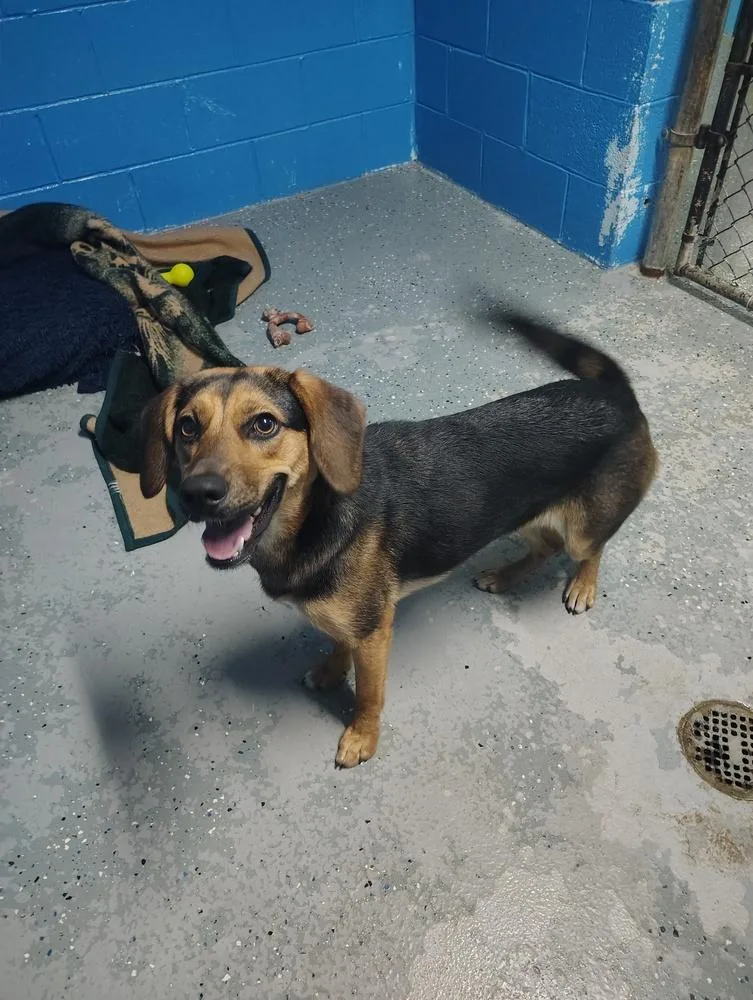
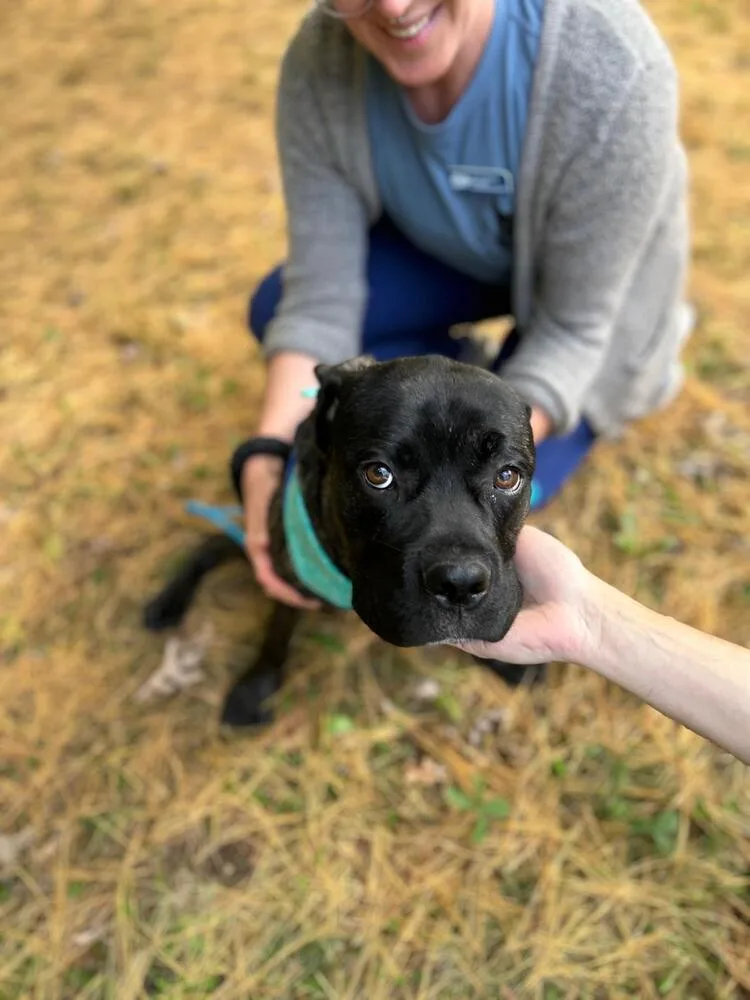
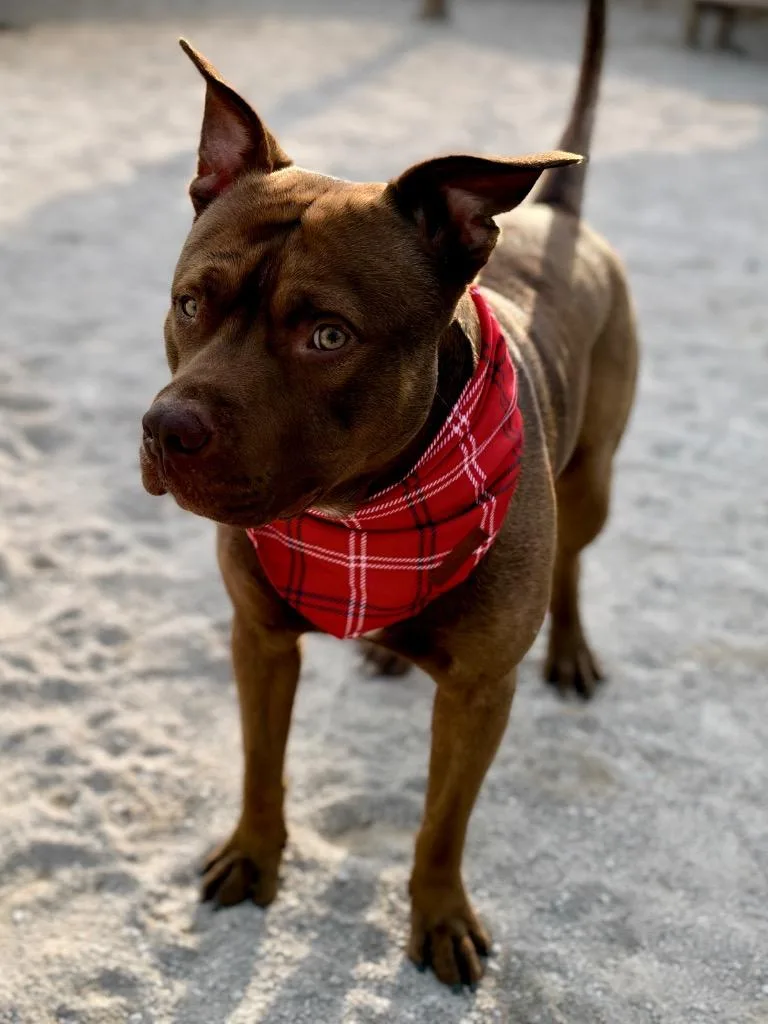
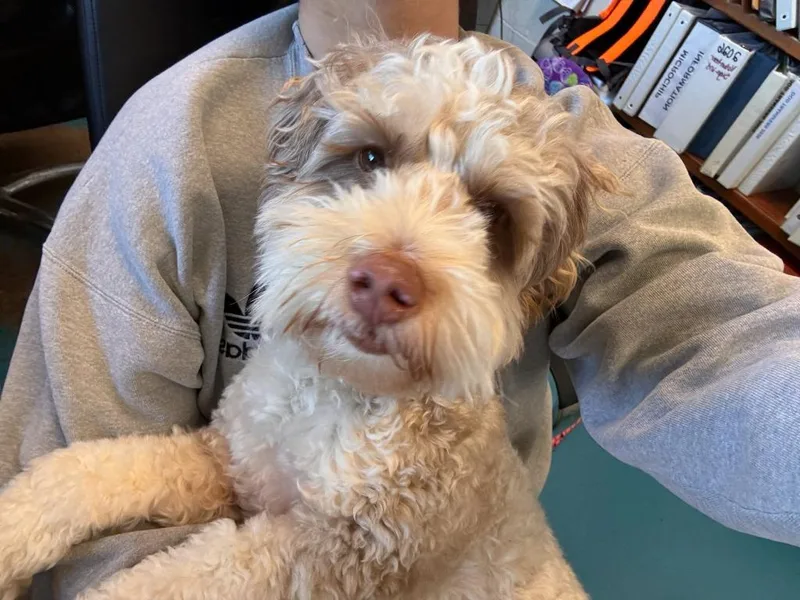
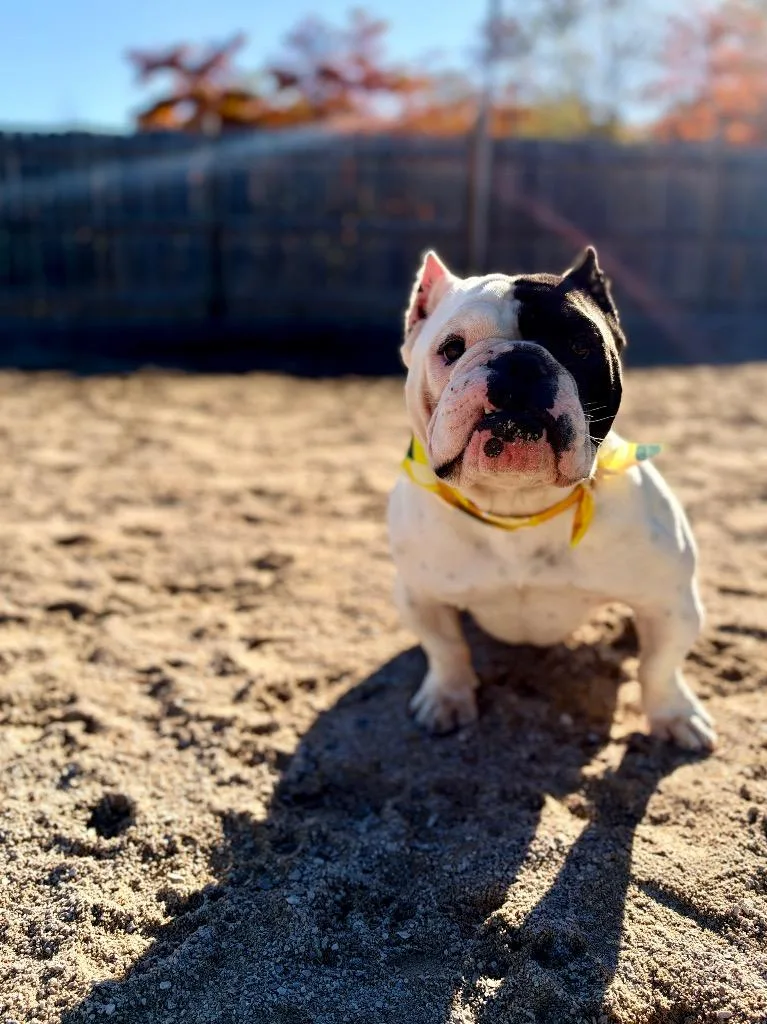
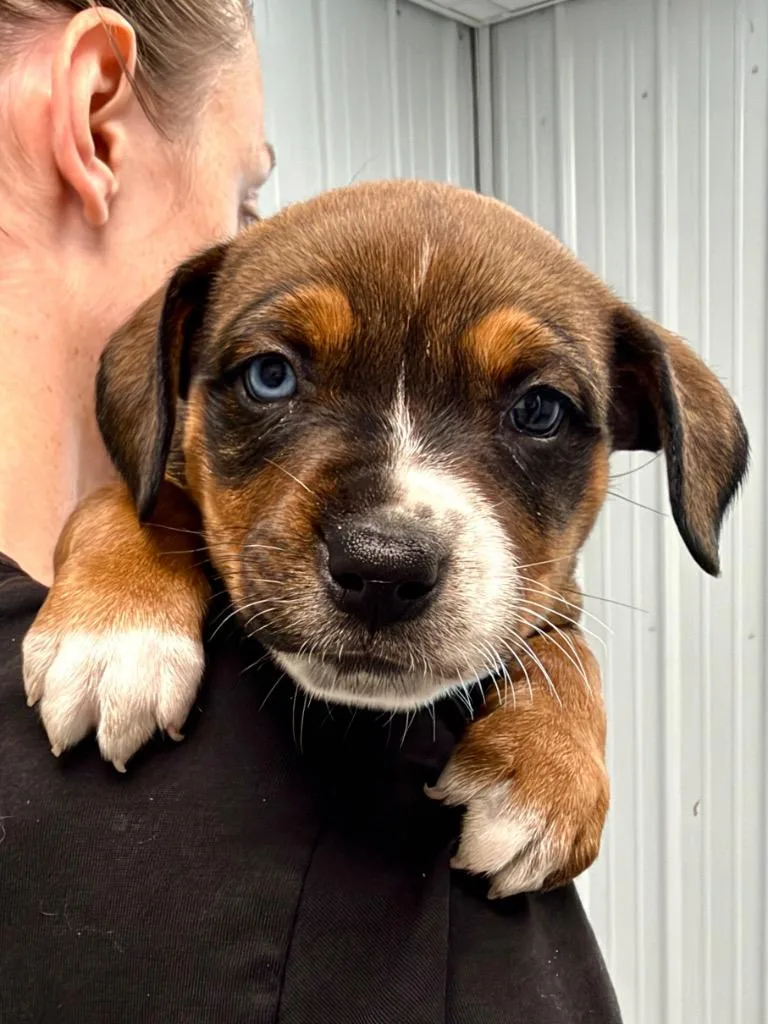
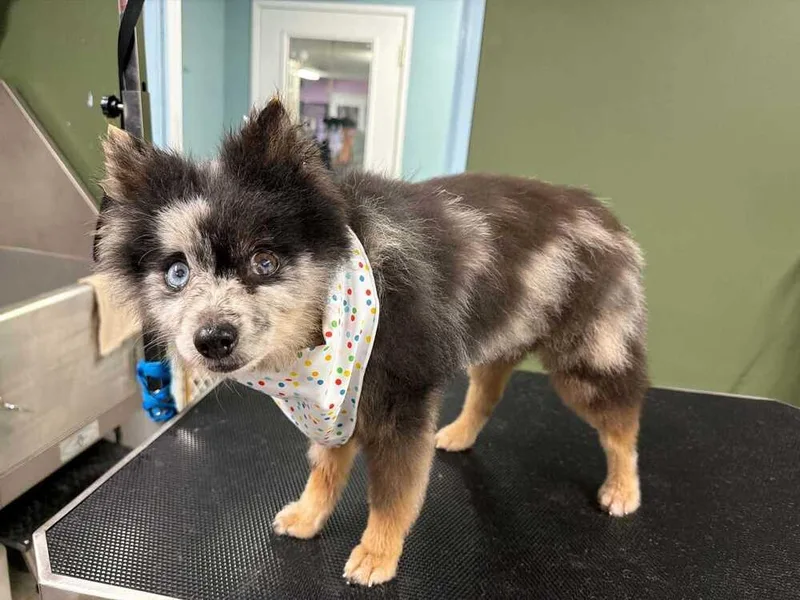
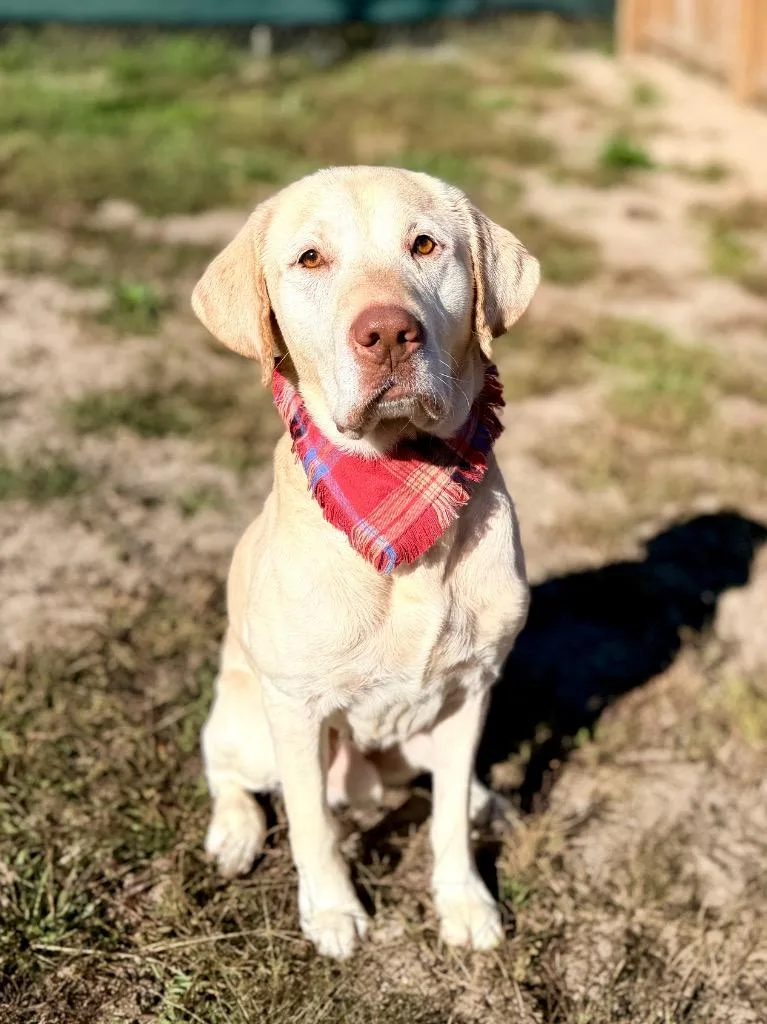
140 Bernese Mountain Dogs available in Muskegon and nationwide

Adopt a Bernese Mountain Dog today

While we don't have enough dogs near Muskegon, keep in mind that many rescues may offer transport.

Bernese Mountain Dogs Available for Adoption Near Muskegon

About the Bernese Mountain Dog breed

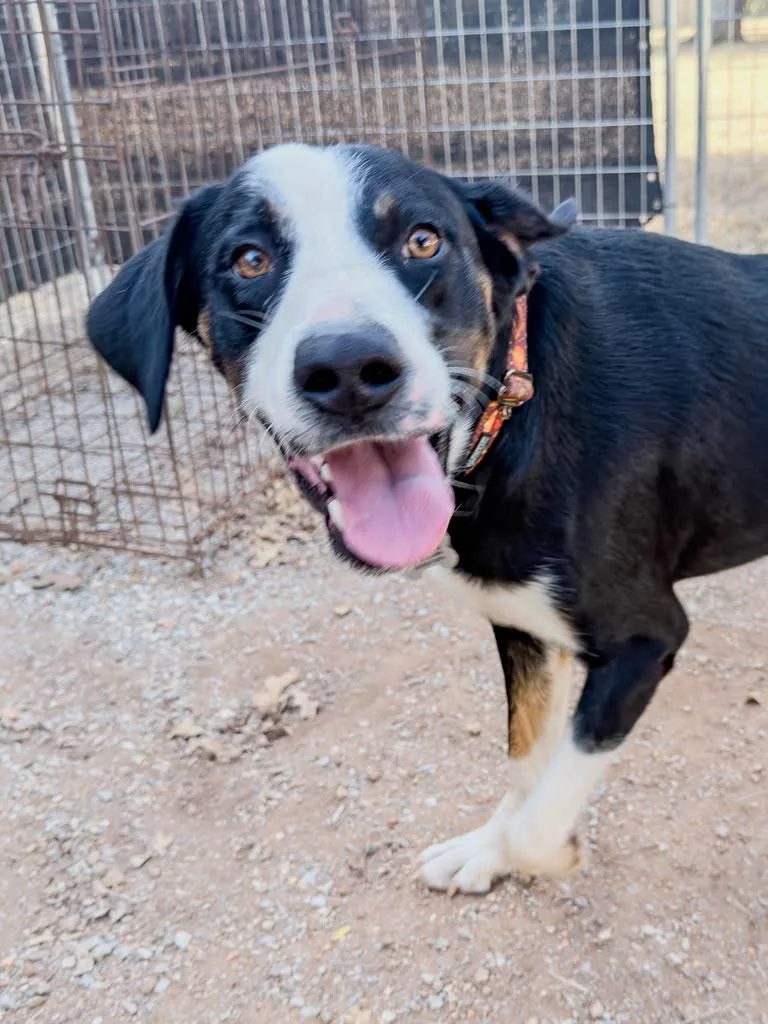
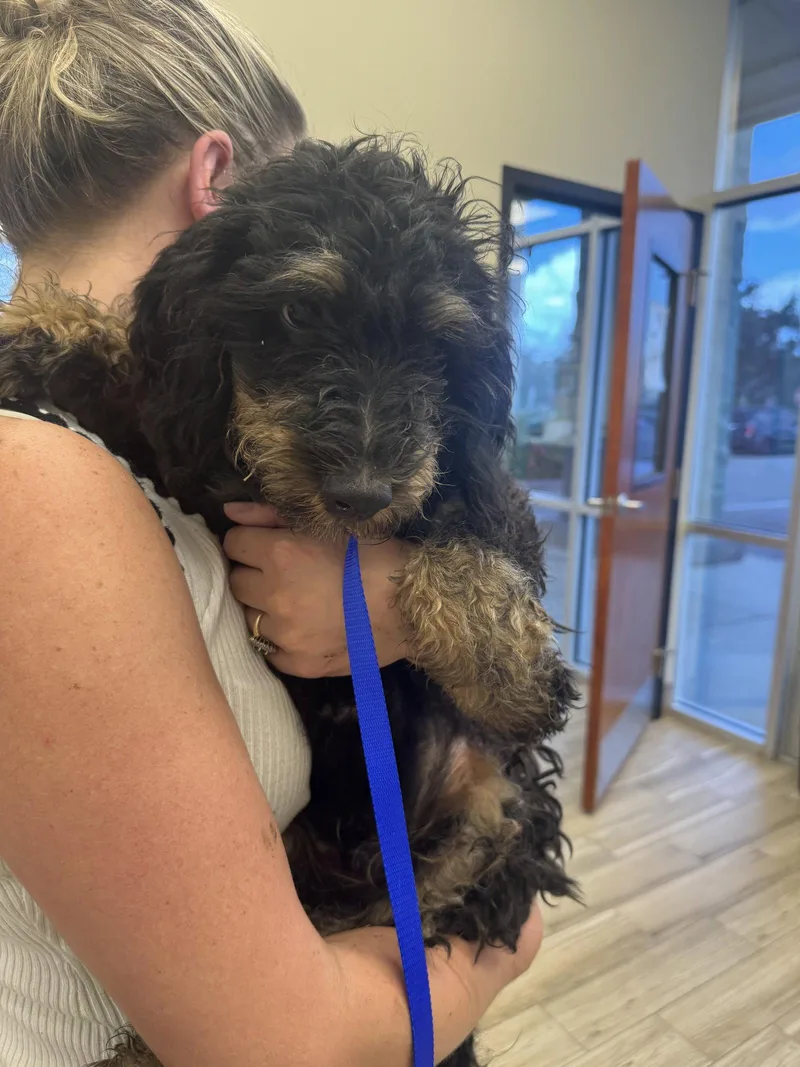
Bernese Mountain Dogs come from the farms of Switzerland's canton of Bern, where they pulled milk and cheese carts, drove cattle and guarded the farmyard. They're the only long-coated Swiss mountain dog, with a jet-black coat, rust markings, a white blaze and a white chest cross. Most adults weigh 70 to 115 pounds.

Berners are usually gentle, affectionate and eager to please, though many are reserved with strangers at first. Their lifespan is shorter than average, largely because of high cancer rates, and adopters should go in prepared for that. The heavy-boned build and thick coat suit a dog that enjoys cold, but the shedding is constant, and an adult that pulls on the leash is very hard to handle, so early training pays off.

Weight
70–115 lbs
Height
23–28 in
Lifespan
7–10 yrs
Temperament
Gentle, Affectionate, Calm
Group
Working
Shedding
High

Owning a Bernese Mountain Dog in Muskegon

Having a Bernese Mountain Dog in Muskegon

Berners are gentle, people-focused giants with thick coats, heavy shedding and serious health risks. In Muskegon the cold is an advantage for them, so most of the planning goes into size, grooming and veterinary costs rather than winter weather.

Temperament

Berners tend to be patient and attached to their families, though some are shy with strangers and sensitive to harsh handling. Muskegon's parks and sidewalks are shared spaces, and the city requires a leash of six feet or less, so early training for polite greetings and loose-leash walking matters for a dog this big. Each Berner's personality varies.

Exercise Needs

Most Berners do well with one or two moderate walks a day, plus play and some mental work. The paved Lakeshore Trail suits steady walks, and the downtown dog park has a large-dog area. In winter, keep outings shorter on icy days and plan indoor games for cold snaps. Puppies shouldn't do long runs or repetitive jumping.

Health Considerations

Berners face high rates of cancer, especially histiocytic sarcoma, along with hip and elbow dysplasia, kidney disease and bloat. Keeping a Berner lean protects its joints, and regular checkups help catch problems early. Muskegon County has a known Lyme disease risk, so tick prevention is worth discussing with a veterinarian, especially for dune and wooded trails.

Living Space

A Berner needs room for a very large dog to stretch out, and a secure yard helps. A rental is workable with elevator access or few stairs, daily walks and tolerance for constant shedding. Indoors should stay cool, since the breed overheats easily, and Berners are happiest living inside with their family.

What it costs to own a Bernese Mountain Dog in Muskegon

ExpenseTypical costPer year
Food$80 to $160 per month$960 to $1,920
Pet insurance$85 to $170 per month$1,020 to $2,040
Routine vet care$250 to $500 per year$250 to $500
Other*$690 to $1,865 per year$690 to $1,865
Estimated yearly total (after year one)$2,920 to $6,325

Other costs are estimates and vary with size, age and health.

* The $15 yearly Muskegon County license for a spayed or neutered dog, flea, tick and heartworm prevention, a dental cleaning allowance, grooming and coat care, joint supplements, and toys and large bedding.

Adopt a Bernese Mountain Dog in Muskegon.

Now that you know more, let’s find you a new best friend. These rescues and shelters below currently have Bernese Mountain Dogs available.

Rescues in Muskegon with Bernese Mountain Dogs Available

Muskegon's shelters and rescues list dogs of every size, and the listings below update as new pets arrive. Here are the rescues & shelters in the Muskegon area where you can find Bernese Mountain Dogs and other dogs available for adoption.

Frequently Asked Questions

Yes. Muskegon's animal code names no breeds, and dangerous-dog status depends on behavior, not breed. Dogs four months and older need a county license and rabies vaccination, and households can have up to three adult dogs. Neighboring Michigan municipalities can set their own breed rules, so renters should confirm their lease and location.

Yes, winter is the season Berners handle best. Muskegon gets about 87 inches of snow in a normal year, and the thick double coat copes well. The main concerns are ice balls between the toes, road salt and extreme cold snaps, so wipe paws after walks and keep outings short during dangerous wind chills.

The City of Muskegon Dog Park downtown has a large-dog area and stays open year-round. The paved Lakeshore Trail suits steady leashed walks, and Kruse Park has a leashed-dog section of beach. Pere Marquette's beach is closed to dogs from April through September, and Berners tire quickly in warm weather.

Probably not easily. Go2 by MATS welcomes service animals, but other pets must ride in an airline-approved carrier, which rules out a Berner. Confirm current MATS bus pet rules before boarding, and note that Muskegon has no rail. Most Berner owners will plan on a car for vet visits and outings.

Plan on brushing at least once or twice a week, and daily during heavy sheds in spring and fall. In winter, rinse or wipe off road salt and check for snow clumps and mats on the legs and belly. Professional grooming, if you use it, falls within the Other costs on this page.

Don't count on it. Michigan's Food Law generally bars pet dogs from restaurants, including patios, unless the restaurant has a health department variance. Some places may allow dogs outside, but it's up to each restaurant. A Berner's size also makes a tight patio hard, so plan on park outings instead.

It can be, for people who enjoy cold weather and outdoor time. Muskegon's snowy winters and mild summers suit the breed, and the lakeshore trails give room to walk. The tradeoffs are heavy shedding, rental weight limits and vet costs, so fit depends on the household and the dog.

A Bernese Mountain Dog is a large to giant Swiss working breed originally used on farms to pull carts, drive cattle and guard property. It has a long, tricolored coat of black, rust and white and a sturdy, powerful build. Berners are known for their gentle, affectionate nature, though their lifespan is shorter than many breeds.

We have 1 rescue with Bernese Mountain Dogs available: The Noah Project. You can see every rescue with Bernese Mountain Dogs available in the list above these questions, or scroll to the top to see the Bernese Mountain Dogs near Muskegon.

Expect roughly $2,900 to $6,300 a year for a Berner in Muskegon. That covers food at $80 to $160 a month, insurance at $85 to $170 a month, routine vet care of $250 to $500 a year, and other costs of $690 to $1,865 a year. Giant-breed food and insurance drive most of the total.

Find Bernese Mountain Dogs in Nearby Cities

Expand your search to find Bernese Mountain Dogs available for adoption near Muskegon.