Catahoula Leopard Dogs for Adoption in Livonia, MI

Your guide to finding and caring for a Catahoula Leopard Dog in Livonia

A Catahoula Leopard Dog suits Livonia best when there's a fenced backyard and an owner who likes being outside. Most of the city is single-family houses on the mile-road grid, so a big, athletic dog can have room to patrol. Add the leashed loops at Tatigian Park and Greenmead's Matley Nature Trail, and a Catahoula has places to burn off energy. They're watchful with strangers, so expect to introduce the dog slowly to the neighbors on your street.

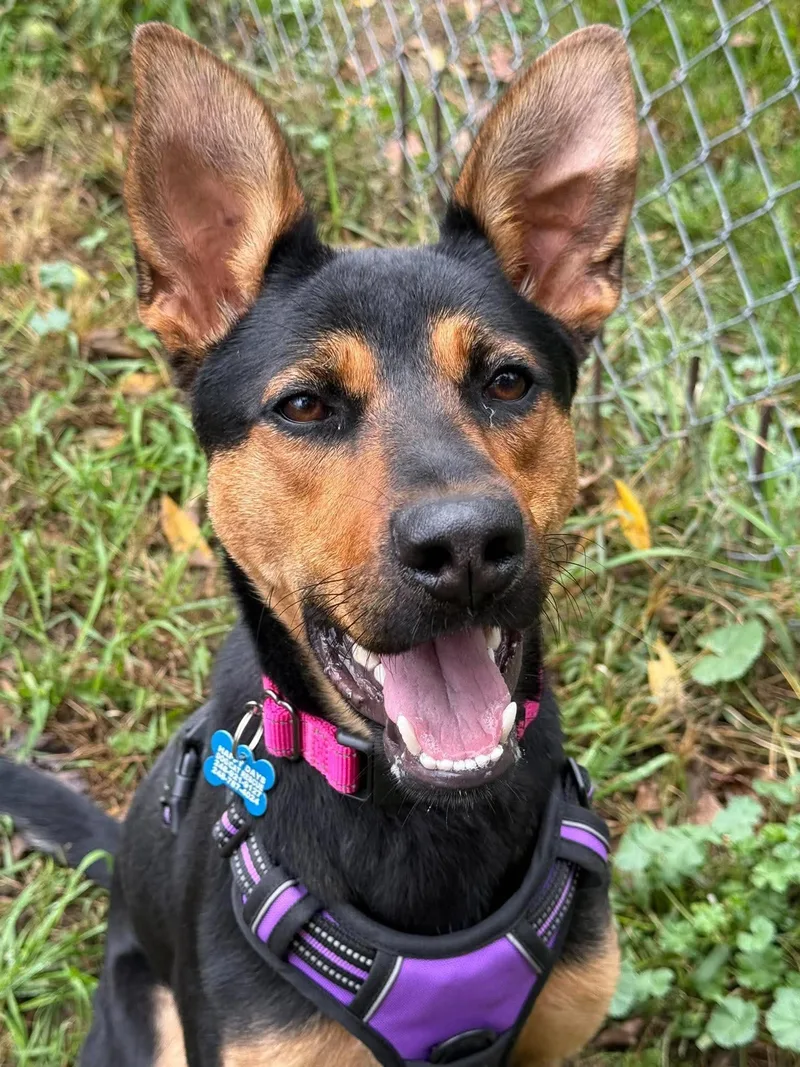
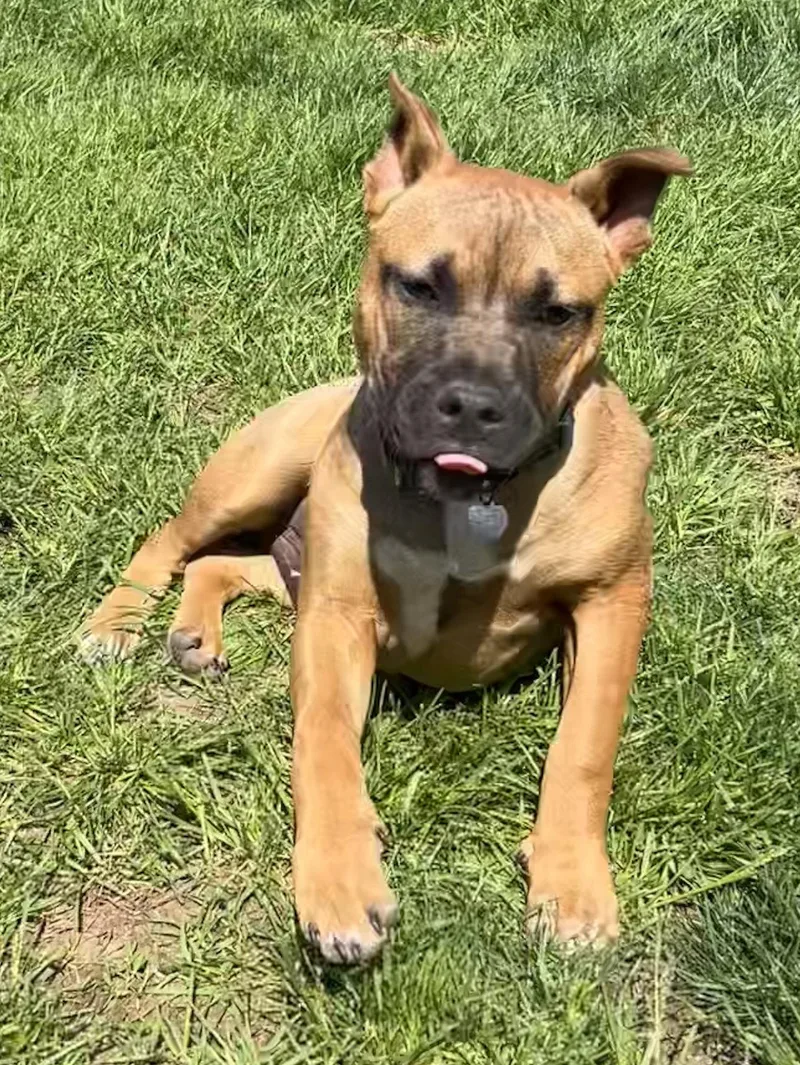
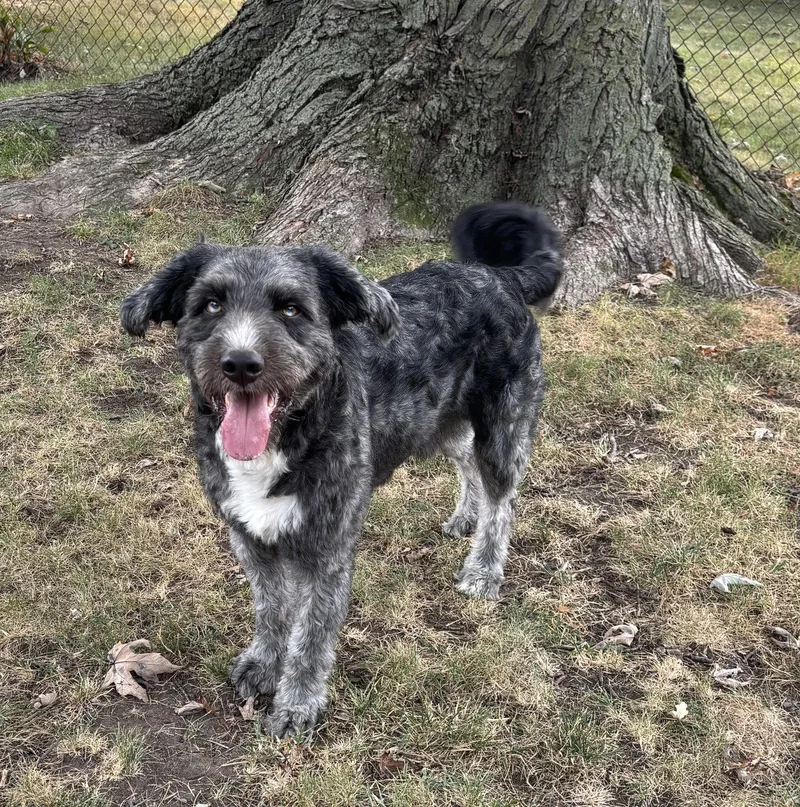
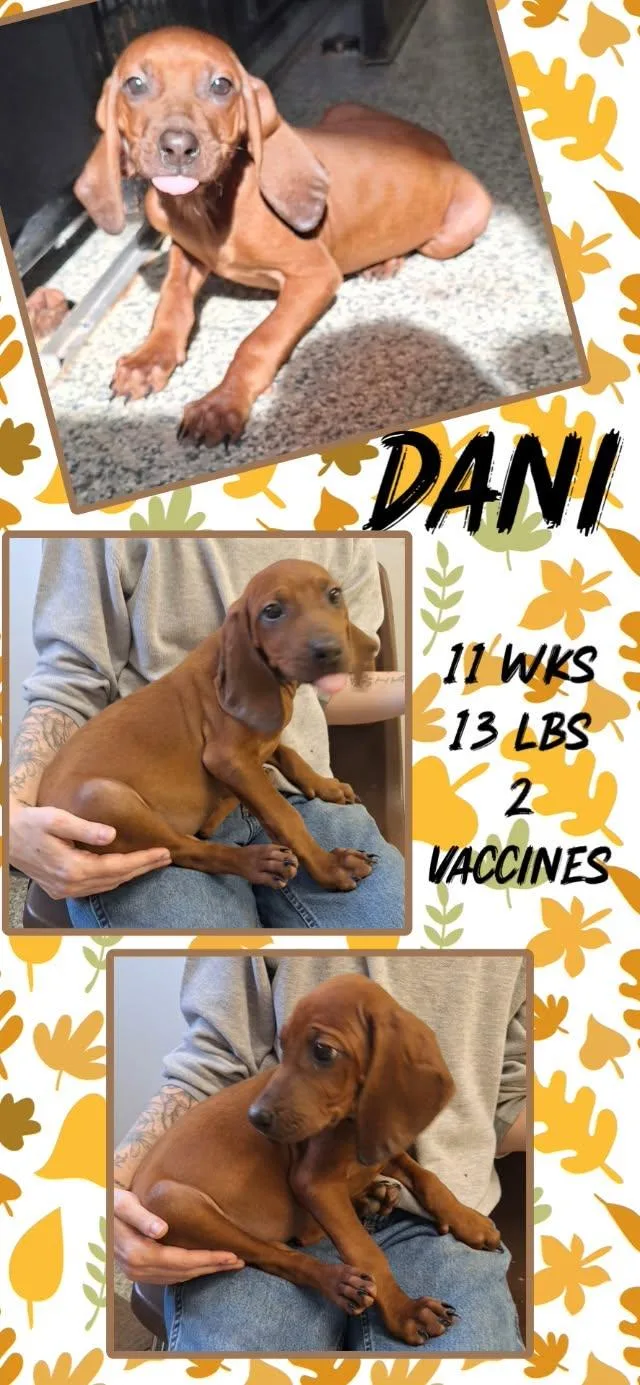
1495 Catahoula Leopard Dogs available in Livonia and nationwide

Give a Catahoula Leopard Dog a home

While we don't have enough dogs near Livonia, keep in mind that many rescues may offer transport.

Catahoula Leopard Dogs Available for Adoption Near Livonia

About the Catahoula Leopard Dog breed

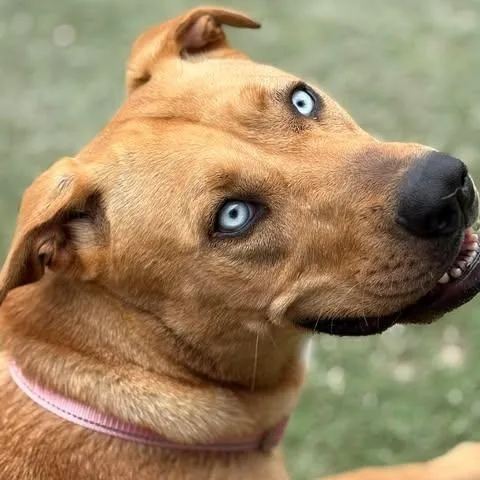
The Catahoula Leopard Dog comes from Louisiana, where it was developed to find and hold feral hogs and gather semi-wild cattle. Working ability mattered more than looks, so size and build vary widely, usually 50 to 95 pounds. Many wear a merle "leopard" coat with glass-blue or mismatched eyes, but brindle and solid-colored dogs are common too.

The short coat sheds moderately and needs little more than weekly brushing, but the mind and body need steady work. Expect an intelligent, independent dog that bonds closely with family and stays wary of strangers. Many shelter dogs labeled Catahoula are mixes, so spend time with the dog in front of you rather than relying on the label.

Weight
50–95 lbs
Height
20–26 in
Lifespan
10–14 yrs
Temperament
Energetic, Independent, Protective
Group
Herding
Shedding
Moderate

Owning a Catahoula Leopard Dog in Livonia

Having a Catahoula Leopard Dog in Livonia

Catahoulas bring working-dog stamina and a sharp mind to Livonia's yards and park trails. The tradeoffs are a big appetite for exercise, a cautious attitude toward visitors, and health checks tied to merle coloring, especially hearing.

Temperament

Catahoulas are often loyal and affectionate at home but reserved with strangers. In Livonia's quiet subdivisions, plan slow introductions for guests and neighbors, and start socialization early. Some are picky with other dogs or chase small animals, so stay alert on leashed walks. Each dog is different, and breed is only a rough guide.

Exercise Needs

Plan on an hour or more of vigorous activity daily, plus mental work like scent games or puzzle feeders. Livonia's leashed park loops and nature preserve trails, such as Rotary Park and Tatigian, help, and city parks require leashes. Long winter days call for indoor games so the dog doesn't turn to chewing or digging.

Health Considerations

Deafness is a known risk in merle Catahoulas, especially heavily white or double-merle dogs, which can also have eye defects. Hip dysplasia occurs too. Ask a veterinarian to check hearing, eyes and hips after adoption. With Lyme disease now reaching suburban Michigan, tick checks after trail walks and steady prevention are worthwhile.

Living Space

Livonia is mostly single-family houses, which suits a Catahoula that does best with a securely fenced yard; athletic jumpers and diggers need solid fencing. Apartments work only with dependable, vigorous daily exercise. Keep the dog indoors with the family rather than left outside, especially in winter.

What it costs to own a Catahoula Leopard Dog in Livonia

ExpenseTypical costPer year
Food$55 to $110 per month$660 to $1,320
Pet insurance$55 to $110 per month$660 to $1,320
Routine vet care$250 to $500 per year$250 to $500
Other*$483 to $1,261 per year$483 to $1,261
Estimated yearly total (after year one)$2,053 to $4,401

Other costs are estimates and vary with size, age and health.

* The Livonia dog license ($8 spayed or neutered, $11 unaltered), flea, tick and heartworm prevention, a dental cleaning allowance, toys and bedding, and basic brushing supplies.

Adopt a Catahoula Leopard Dog in Livonia.

Now that you know more, let’s find you a new best friend. These rescues and shelters below have dogs available in and near Livonia.

Rescues and Shelters in or near Livonia

Livonia has no city shelter, so nearby shelters and volunteer rescues care for area dogs, including Catahoula types and mixes. Here are the rescues & shelters in the Livonia area with dogs available for adoption, worth asking whether a Catahoula Leopard Dog is coming in.

Frequently Asked Questions

Yes. Livonia has no known breed ban, and its vicious-animal rules look at a dog's behavior, not its breed. You'll need a city license for any dog four months or older, with proof of rabies vaccination, and households are limited to three dogs. If you rent, confirm your landlord's pet and size rules first.

Yes, with some preparation. Livonia winters bring frequent freezing nights from about November to April, plus snow and icy sidewalks, and a Catahoula's short coat gives little insulation. Use a coat on longer walks, wipe off road salt, shorten outings in deep cold, and keep the dog indoors, since Michigan law requires shelter suited to the dog.

Greenmead Historical Park's Virginia B. Matley Nature Trail and Rotary Park's nature trails suit leashed hikes, and Hines Park runs along the Middle Rouge River. Leashes are required in city parks and on Hines Park. Livonia residents with a licensed dog can join Super Duper Dog Park, though dog-selective Catahoulas may prefer quieter trails.

It can be, for active owners with a fenced yard. Livonia's houses and leashed park trails suit a Catahoula's energy, but long winters mean daily indoor exercise too. Catahoulas tend to be wary of strangers and may chase small animals, so they fit best with owners who commit to training and socialization and are home regularly.

Very little. The short coat needs weekly brushing, a bit more during moderate seasonal shedding. In Livonia, winter salt and slush make paw wiping and nail trims the bigger chores, and a coat helps in deep cold. Grooming costs fall inside the $483 to $1,261 yearly Other range, mostly brushing supplies and occasional baths.

Not on Liv&Go, the city's door-to-door service for seniors and residents with disabilities, which bars pets other than service animals. Livonia is a car-oriented suburb, so plan on driving to parks and vet visits. Secure the dog with a crate or car harness, and never leave it in a parked car in any season.

Usually not to dine. Under current Michigan rules, pet dogs are generally barred from restaurant patios unless the health department grants a variance, and even then the restaurant decides. Only service animals are guaranteed access. A Catahoula that is wary of strangers is often happier on a walk than on a crowded patio.

A Catahoula Leopard Dog is a medium-to-large working breed from Louisiana, developed to hunt and bay feral hogs and to herd cattle. It is athletic and muscular, often with a merle coat and striking light or mismatched eyes. Catahoulas are typically intelligent, loyal, independent and energetic, and they need experienced handling, training and lots of activity.

Catahoula Leopard Dogs usually stand about 20 to 26 inches at the shoulder, with males typically larger than females. Weight varies widely, from around 50 to 95 pounds in most adults, because the breed was selected for working ability rather than uniform size. Some working lines are lighter and leaner. An adult rescue's current size is the best guide.

Expect about $55 to $110 a month for food, the same for insurance, $250 to $500 a year for routine vet care, and roughly $483 to $1,261 a year for other costs like parasite prevention, dental care and the license. Together that's roughly $2,050 to $4,400 a year for a large Catahoula.