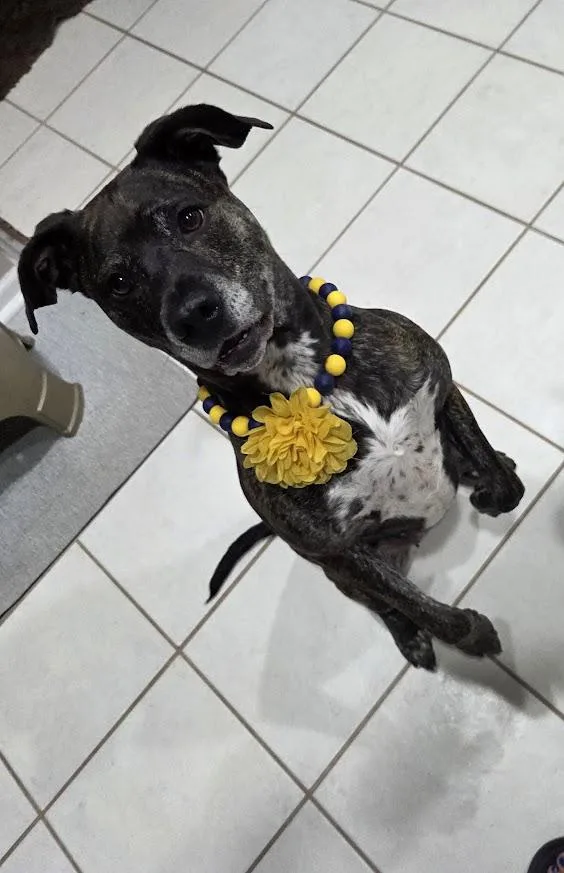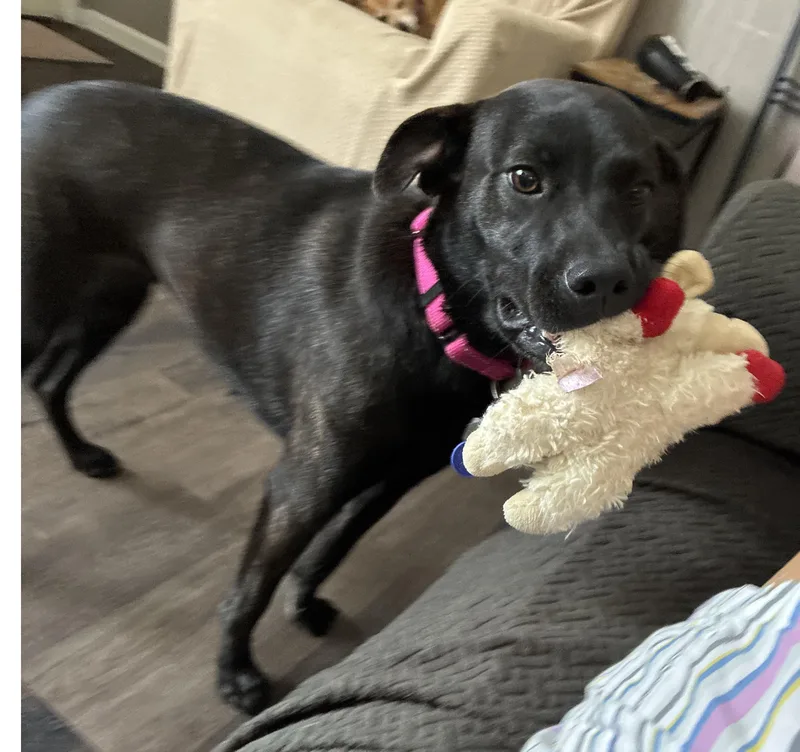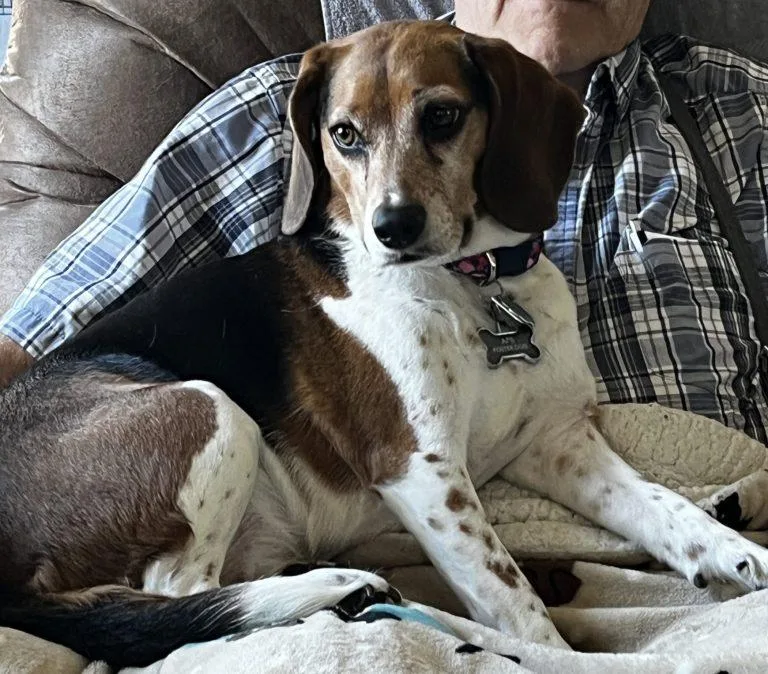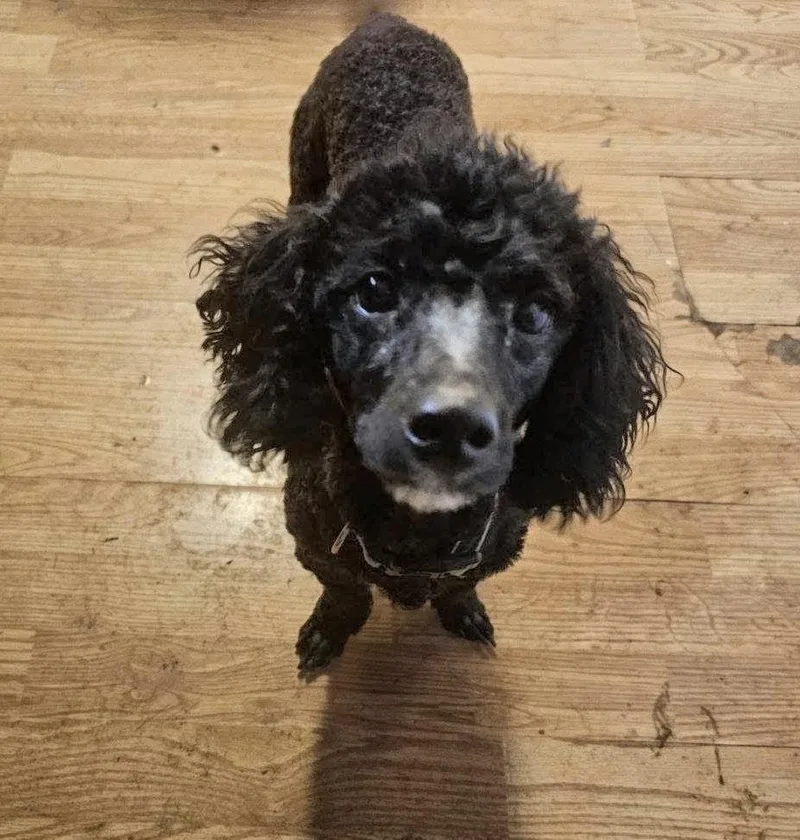
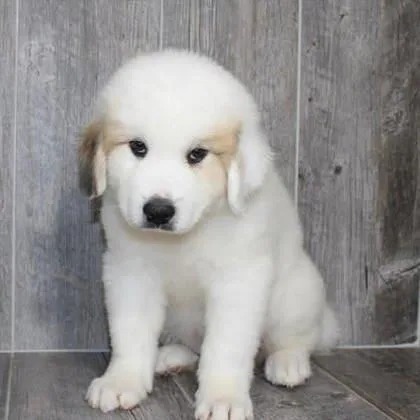
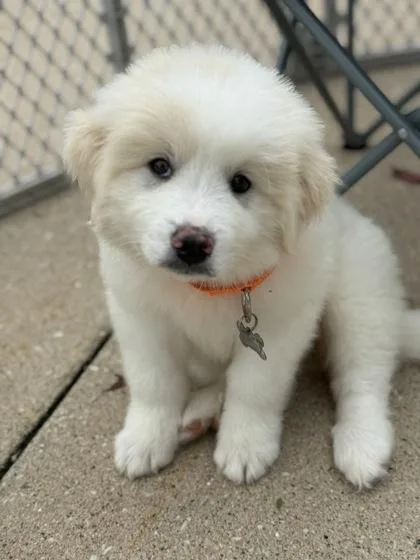
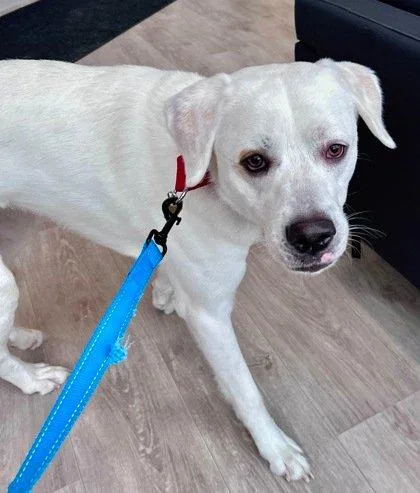
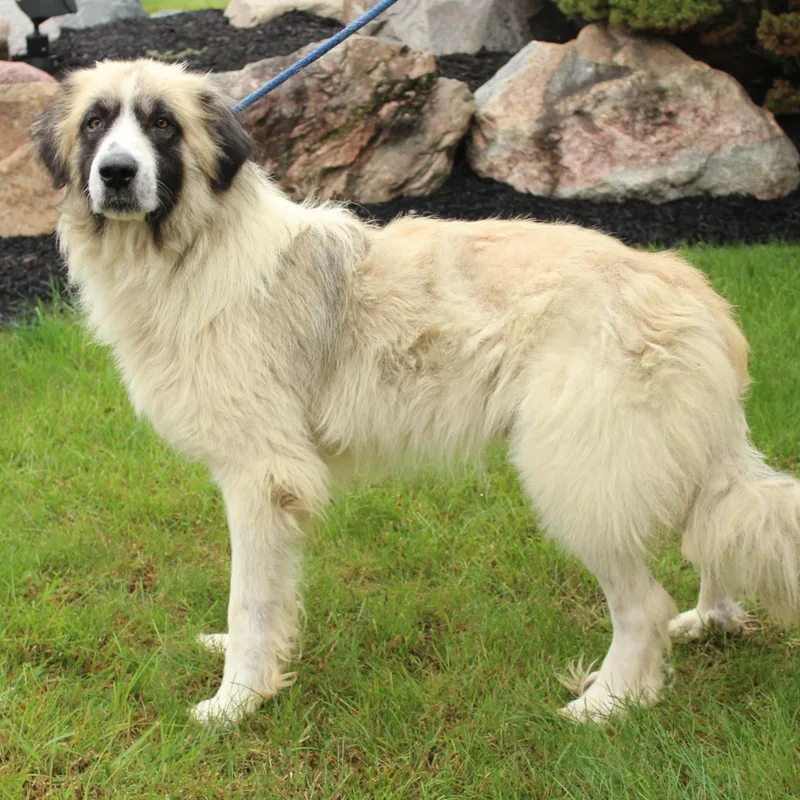
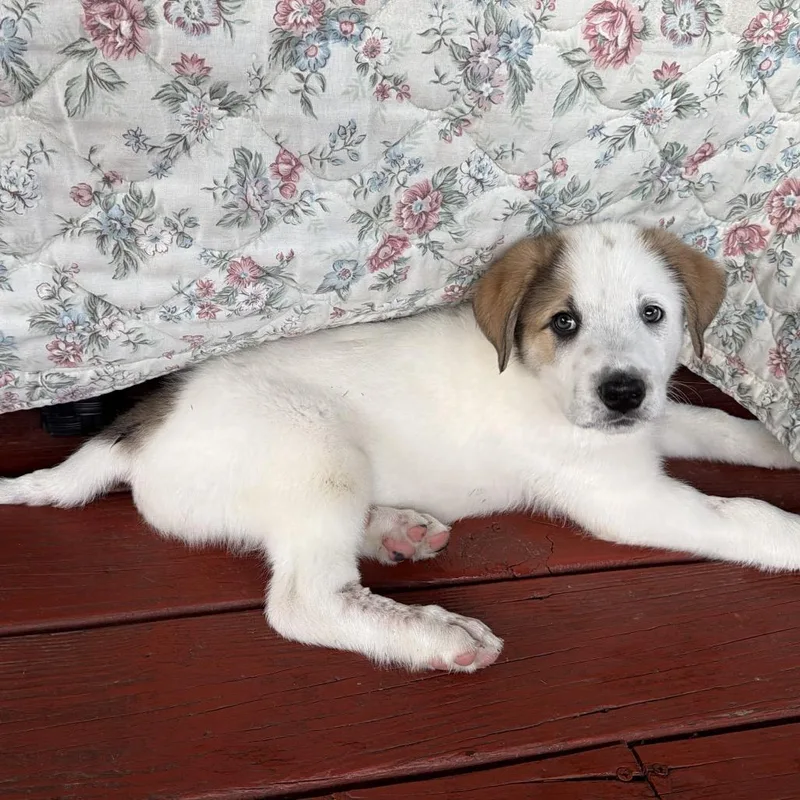
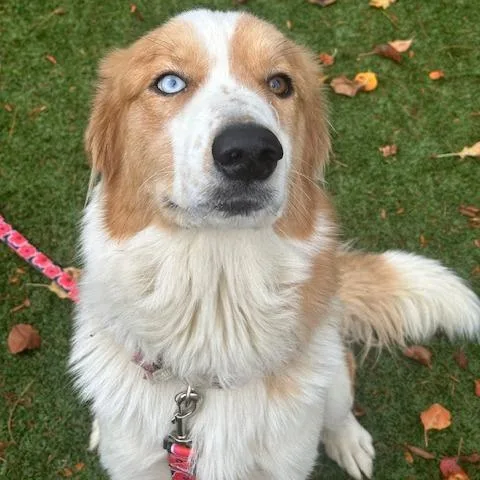

Great Pyrenees dog

Great Pyrenees Dogs for Adoption in Lansing, MI

Your guide to finding and caring for a Great Pyrenees in Lansing

Great Pyrenees suit Lansing's snowy winters better than most breeds. That thick white coat shrugs off the weather, and a Pyr will happily patrol a fenced Southside backyard while the snow piles up. Space is the bigger question. A giant dog that barks at night is easier in a house on the older single-family streets of the Eastside than in a downtown loft, and a solid fence matters more than a big yard.

2454 Great Pyrenees available in Lansing and nationwide

Open your home to a Great Pyrenees

While we don't have enough dogs near Lansing, keep in mind that many rescues may offer transport.

Great Pyrenees Available for Adoption Near Lansing

About the Great Pyrenees breed

Great Pyrenees were bred to guard flocks in the mountains between France and Spain, working alone through long nights against wolves and bears. That history explains the giant frame, the white double coat and the habit of patrolling and barking after dark. Adults usually weigh 85 to 120 pounds, and the shedding is heavy.

Most Pyrs are calm, gentle and devoted to their people, but they think for themselves and often treat commands as suggestions. Expect a dog that's wary of strangers, tests fences and responds best to patient, reward-based training. Pyrs and Pyr mixes turn up in shelters often, in many ages and sizes, and each dog's personality varies.

Weight
85–120 lbs
Height
25–32 in
Lifespan
10–12 yrs
Temperament
Calm, Protective, Independent
Group
Working
Shedding
High

Owning a Great Pyrenees in Lansing

Having a Great Pyrenees in Lansing

Pyrs are quiet, patient and independent, with strong guardian instincts. In Lansing, the details that matter most are fence security, night barking, heavy shedding and a coat built for cold, so those shape whether this breed fits your home.

Temperament

Pyrs are usually gentle and affectionate with their family and wary of strangers, barking to announce anything unusual, often at night. They think independently, so training takes patience and rewards rather than repetition. With close neighbors in much of Lansing, early socialization and a plan for evening barking help. Each Pyr's personality varies.
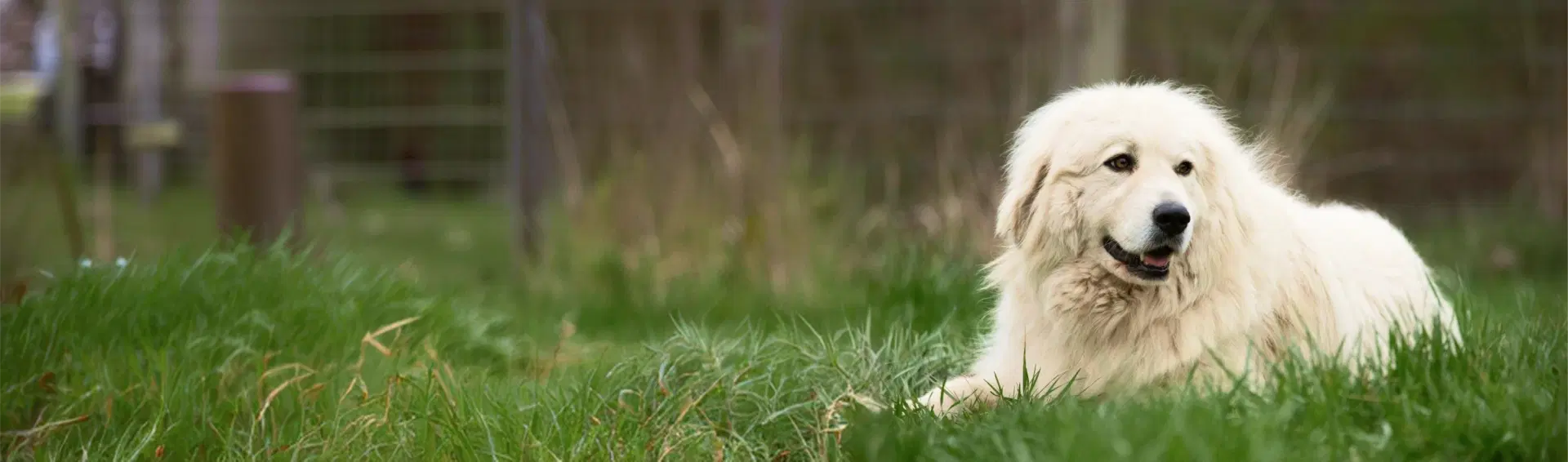
Exercise Needs

Expect moderate exercise: a daily walk or two plus time patrolling a securely fenced yard. Lansing's paved River Trail suits leashed walks, and Soldan Dog Park offers fenced room to roam. Pyrs aren't built for long runs, and many wander, so keep them leashed outside a fence. Sniff walks and calm training games add enrichment.

Health Considerations

Great Pyrenees can face hip and elbow dysplasia, kneecap luxation, bloat and bone cancer, and like many giant breeds they often live 10 to 12 years. Feed several small meals, learn the signs of bloat and keep the dog lean. A veterinarian can screen hips and knees. Take care on icy ground, which is hard on big joints.

Living Space

A house with a securely fenced yard suits a Pyr best, and Lansing's older single-family streets offer plenty of those. An apartment can work for a calm adult, but size and night barking make it harder. Indoors most Pyrs settle quietly, seek out cool floors and leave white hair on everything.

What it costs to own a Great Pyrenees in Lansing

ExpenseTypical costPer year
Adoption fee$250, one time$250 in year one
Food$80 to $160 per month$960 to $1,920
Pet insurance$85 to $170 per month$1,020 to $2,040
Routine vet care$250 to $500 per year$250 to $500
Other*$690 to $1,890 per year$690 to $1,890
Estimated yearly total (after year one)$2,920 to $6,350
First-year total (with adoption fee)$3,170 to $6,600

Adoption fee is the fee on Great Pyrenees listings in Lansing on GetBuddy today. Other costs are estimates and vary with size, age and health.

* Flea, tick and heartworm prevention, a dental cleaning allowance, the Ingham County dog license, toys and bedding, brushing and baths for heavy shedding, and joint supplements for a giant breed.

Great Pyrenees dog

Adopt a Great Pyrenees in Lansing.

Now that you know more, let’s find you a new best friend. These rescues and shelters below currently have Great Pyrenees available.

Rescues in Lansing with Great Pyrenees Available

Ingham County's shelter and Capital Area Humane Society serve Lansing, and Pyrs and Pyr mixes turn up in shelters often. Here are the rescues & shelters in the Lansing area where you can find Great Pyrenees and other dogs available for adoption.

Frequently Asked Questions

Yes, you can own a Great Pyrenees in Lansing. No breed ban is known in the city or Ingham County, and the rules focus on behavior. Dogs 4 months and older need a yearly county license with rabies proof, dogs can't run at large, and a household can have three dogs at most. Secure fencing matters, since Pyrs tend to roam.

Yes, Great Pyrenees generally handle Lansing winters well. Their double coat suits the cold and about 50 inches of snow a year, and many Pyrs enjoy being outdoors in it. Wipe road salt off paws, watch for ice between the toes, and keep walks leashed on slick sidewalks. Still give the dog a warm indoor place to sleep, especially during outages.

It's possible, but a house with a fenced yard is usually easier. A calm adult Pyr can settle indoors, yet size and night barking can strain apartment living and lease rules. A ground-floor unit in a quiet building, daily walks and a lease that allows giant dogs give a Pyr the best chance of fitting in.

Soldan Dog Park near Hawk Island is the top pick, with 15 fenced acres, a pond and forested trails. Entry needs a key fob pass, a current dog license and proof of rabies vaccination. The paved Lansing River Trail works for leashed walks, and Hawk Island allows leashed dogs, though not on the beach or splash pad.

Realistically, no. CATA buses allow animals only in a suitable crate or container, and an adult Pyr at 85 to 120 pounds won't fit in one. Service animals are welcome without a crate. Plan on driving for vet visits and outings, and get a young Pyr used to car rides early.

Plan on brushing at least weekly, and daily during the heavy spring and fall sheds. Baths are only occasional because the coat sheds dirt, and shaving isn't recommended since the coat protects against both cold and summer sun. Grooming falls under the Other cost line, which also covers prevention and supplements, and doing the brushing yourself keeps it lower.

Usually not. Under Michigan's food code, pet dogs aren't allowed in food establishments, including patios, unless the restaurant has a health department variance for outdoor dining. Only bring a dog where the restaurant clearly permits it. A giant Pyr also takes up a lot of patio space, so a quiet trail walk is often easier.

It can be, if you have a fenced yard and a plan for noise. Lansing's winters suit the coat, but Pyrs bark at night and many wander, so close neighbors and open gates are the challenge. Expect to stay home a fair amount, and keep ID tags on during summer storms and fireworks around July 4.

We have 1 rescue with Great Pyrenees available: Animal Placement Bureau. You can see every rescue with Great Pyrenees available in the list above these questions, or scroll to the top to see the Great Pyrenees near Lansing.

Plan for roughly $2,900 to $6,350 a year for a Pyr: food at $80 to $160 a month, insurance at $85 to $170 a month, routine vet care at $250 to $500, and about $690 to $1,890 in other costs such as prevention, grooming and joint supplements. Giant breeds cost more at every step.