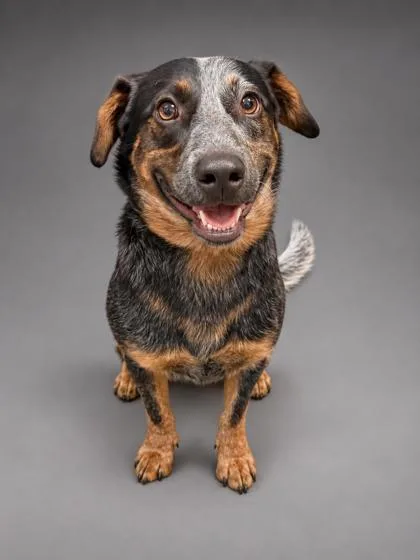
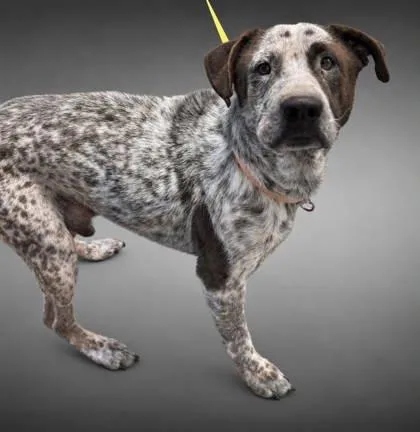
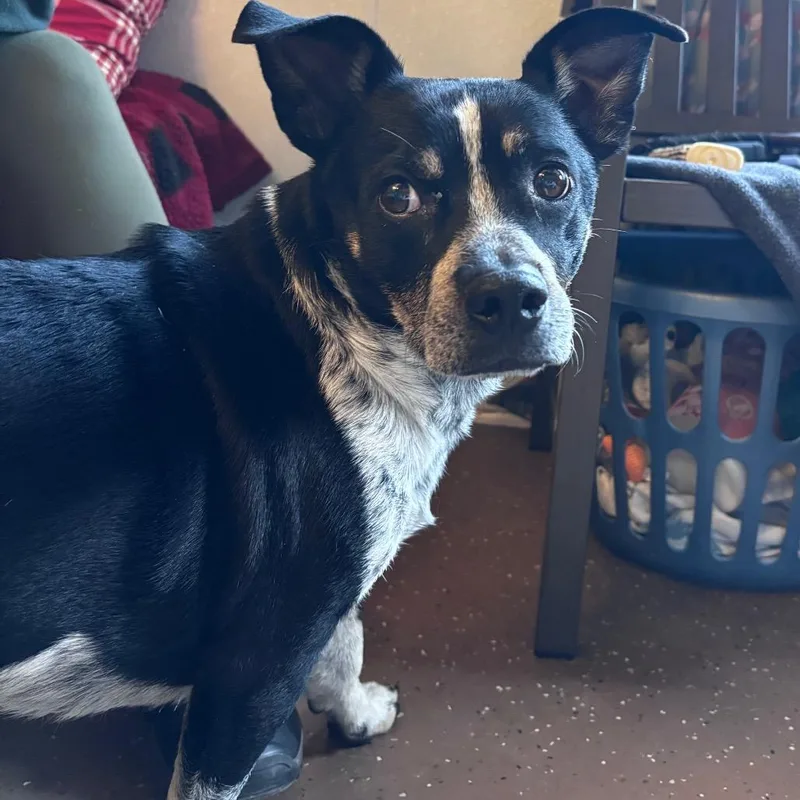
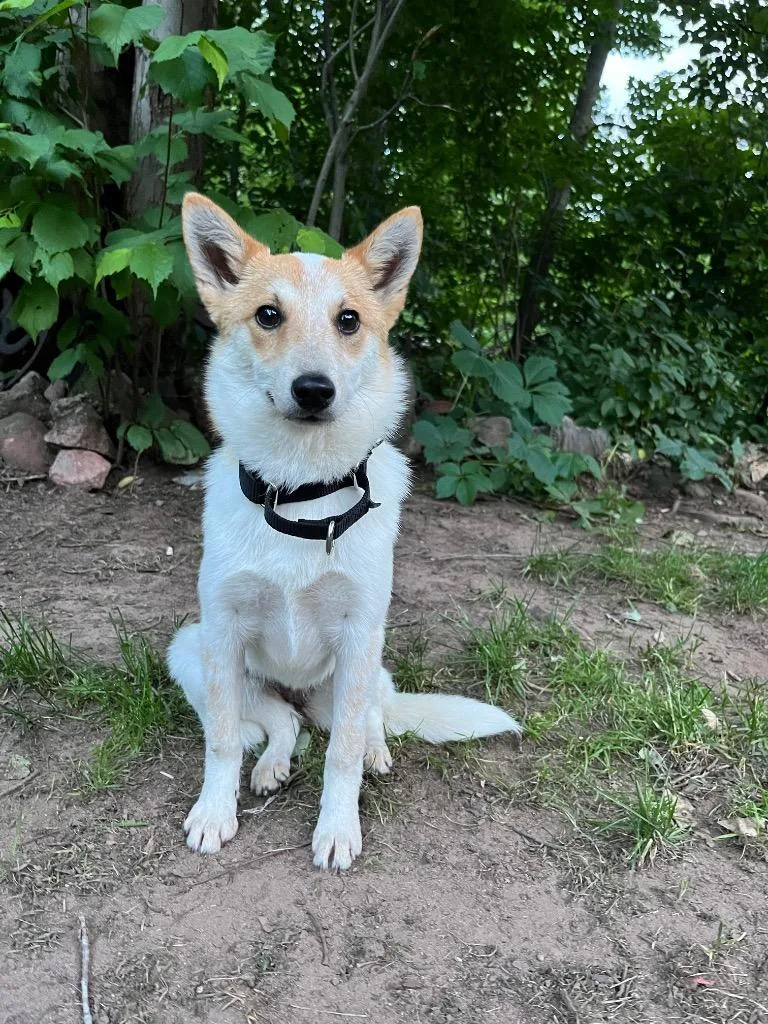
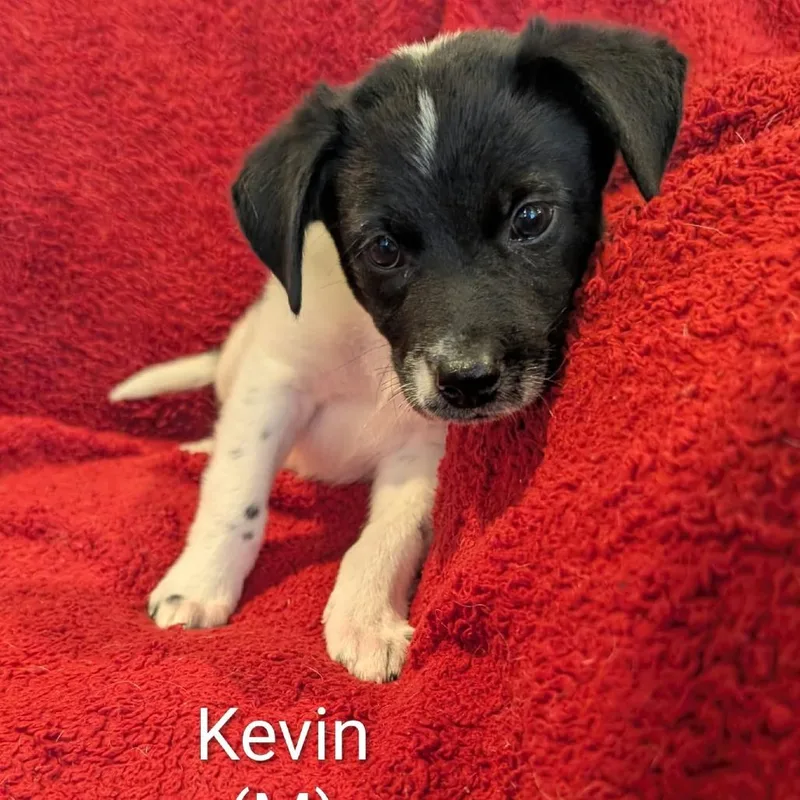
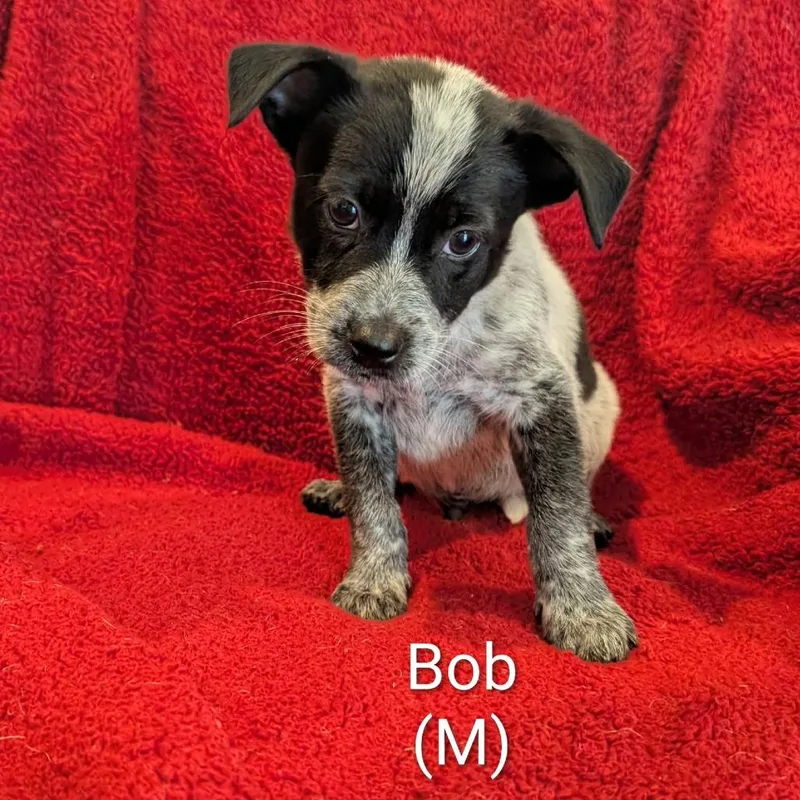
Australian Cattle Dog / Blue Heelers for Adoption in Lansing, MI

Your guide to finding and caring for an Australian Cattle Dog / Blue Heeler in Lansing

Blue Heelers suit Lansing best when they have trail miles and a job to do. A Heeler can burn off energy on the paved River Trail near Moores Park, then settle into an older Eastside house with a fenced yard. They're sharp, loyal and wary of strangers, so busy Old Town sidewalks take some training. Snow doesn't bother that weatherproof coat much. Most do best with someone who's home a fair amount and wants a running partner.

4347 Australian Cattle Dog / Blue Heelers available in Lansing and nationwide

Say hello to your Blue Heeler

While we don't have enough dogs near Lansing, keep in mind that many rescues may offer transport.

Australian Cattle Dog / Blue Heelers Available for Adoption Near Lansing

About the Australian Cattle Dog / Blue Heeler breed

Australian Cattle Dogs, widely called Blue Heelers or Queensland Heelers, were developed in nineteenth-century Australia to drive cattle over long distances by nipping at their heels. They're compact, muscular, medium-sized dogs of about 35 to 50 pounds, with a short double coat in blue or red speckle.

Heelers tend to be loyal, clever and alert, often bonding closely with one person. Their herding drive can show up as nipping at kids, bikes or other pets, so training matters. They shed moderately, with a heavier coat blow once or twice a year, and many live 12 to 16 years, so adopting one is a long commitment.

Weight
35–50 lbs
Height
17–20 in
Lifespan
12–16 yrs
Temperament
Energetic, Intelligent, Loyal, Alert
Group
Herding
Shedding
Moderate

Owning an Australian Cattle Dog / Blue Heeler in Lansing

Having an Australian Cattle Dog / Blue Heeler in Lansing

A Blue Heeler's stamina, sharp mind and herding instinct shape daily life more than its medium size does. In Lansing, that means regular trail time, steady training and a home where the dog has both a job and company.

Temperament

Heelers tend to be loyal, alert and confident, often bonding with one person and staying reserved with strangers. Busy Lansing sidewalks and apartment hallways call for early socialization and calm, reward-based training. Herding instincts can show up as nipping at heels or chasing bikes, though drive varies from dog to dog.
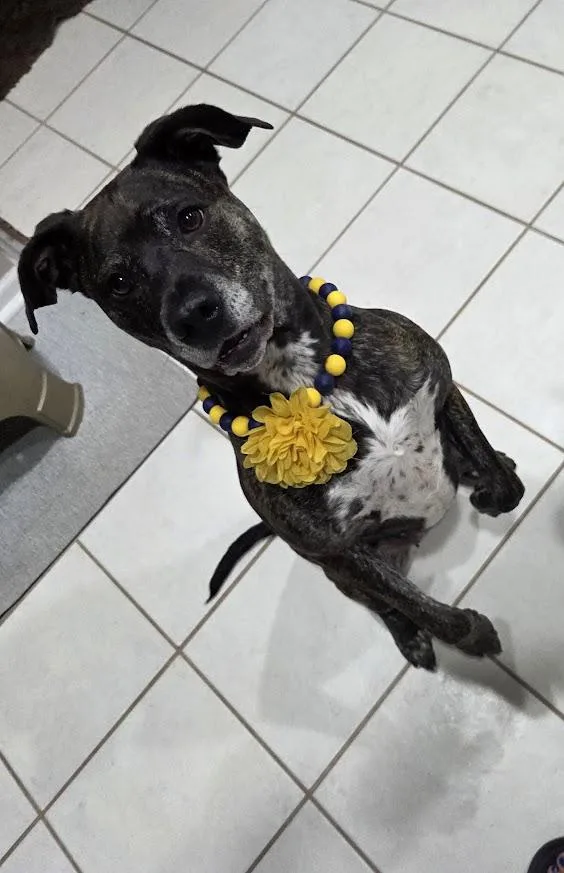
Exercise Needs

Plan on vigorous activity every day. The paved Lansing River Trail suits runs and leashed walks, and the fenced Soldan Dog Park offers off-leash room. Add training, puzzle toys or scent games, since a stroll around the block rarely satisfies a young Heeler. On snowy days, lean on indoor mental work.

Health Considerations

Australian Cattle Dogs are often long-lived, but congenital deafness, progressive retinal atrophy, primary lens luxation and hip or elbow dysplasia are documented. A veterinarian can check hearing, eyes and joints and advise on screening. Active dogs can strain joints on icy sidewalks, so watch their footing in winter.

Living Space

Heelers do best with a securely fenced yard, which older single-family streets on the Eastside often offer, though daily activity matters more than square footage. Apartment life works for committed owners. Heelers are alert watchdogs and may bark at passersby, so expect to teach quiet habits.

What it costs to own an Australian Cattle Dog / Blue Heeler in Lansing

ExpenseTypical costPer year
Adoption fee$250, one time$250 in year one
Food$35 to $70 per month$420 to $840
Pet insurance$55 to $100 per month$660 to $1,200
Routine vet care$225 to $450 per year$225 to $450
Other*$440 to $1,190 per year$440 to $1,190
Estimated yearly total (after year one)$1,745 to $3,680
First-year total (with adoption fee)$1,995 to $3,930

Adoption fee is the fee on Australian Cattle Dog / Blue Heeler listings in Lansing on GetBuddy today. Other costs are estimates and vary with size, age and health.

* The dog license, flea, tick and heartworm prevention, a yearly dental cleaning, durable toys and bedding, and light home grooming for a short coat.

Adopt an Australian Cattle Dog / Blue Heeler in Lansing.

Now that you know more, let’s find you a new best friend. These rescues and shelters below currently have Australian Cattle Dog / Blue Heelers available.

Rescues in Lansing with Australian Cattle Dog / Blue Heelers Available

The Lansing area has both a county shelter and a nonprofit humane society helping dogs find homes. Here are the rescues & shelters in the Lansing area where you can find Australian Cattle Dog / Blue Heelers and other dogs available for adoption.

Frequently Asked Questions

Yes, you can own a Blue Heeler in Lansing. No breed ban is known in the city or Ingham County. Dogs four months and older need a yearly county license with proof of rabies vaccination, can't run at large, and each home is limited to three dogs. Michigan doesn't block local breed rules, so recheck the rules if you move.

A Blue Heeler fits Lansing well if you're active and outdoors most days. The paved River Trail and the fenced Soldan Dog Park give a Heeler places to run, and the city's moderate summers are easy on a working breed. It's a harder fit if you're out long hours, since bored Heelers dig, chew and nip.

Yes, most Blue Heelers handle Lansing winters well thanks to a dense, weather-resistant double coat. January highs average about 31°F, and the city gets roughly 50 inches of snow a year. Wipe road salt off paws, watch footing on ice, and have a plan for your dog if an ice storm cuts power for days.

Soldan Dog Park, next to Hawk Island County Park, is the top pick: 15 fenced acres with a pond and forested trails, open 8 a.m. to sunset. Entry needs a key fob pass plus a dog license and rabies proof. For leashed miles, use the paved Lansing River Trail. Hawk Island's beach and splash pad are off limits to dogs.

A Blue Heeler can live in a Lansing apartment if you commit to long daily exercise and training. Many Lansing households rent, so apartments are plentiful, but check each building's pet rent and weight limits. Heelers are alert and may bark at hallway noise, so exercise, puzzle toys and a routine matter more than square footage.

A Blue Heeler needs little grooming: a weekly brush is usually enough, with extra brushing during the once- or twice-yearly coat blow. Lansing's cold winters and warm summers don't change that, and baths are only needed when the dog is muddy. Most owners groom at home, so it adds little to the yearly Other costs.

CATA buses allow pets only in a suitable crate or container, while service animals ride without one. A grown Blue Heeler weighs 35 to 50 pounds, so fitting one in a carrier is unrealistic for most. Plan on driving or walking, and use the River Trail for longer outings. Lansing has no subway or light rail.

Only to patios where the restaurant has permission. Michigan's food code bars pet dogs from food establishments, including patios, unless the restaurant has a health department variance for outdoor dining. A bill to loosen that rule has been proposed. Look for posted permission first, and remember Heelers can be wary of strangers in crowded spaces.

We have 1 rescue with Australian Cattle Dog / Blue Heelers available: Animal Placement Bureau. You can see every rescue with Australian Cattle Dog / Blue Heelers available in the list above these questions, or scroll to the top to see the Australian Cattle Dog / Blue Heelers near Lansing.

Expect roughly $1,750 to $3,700 a year for a Blue Heeler in Lansing. Food runs $35 to $70 a month and insurance $55 to $100, while routine vet care is $225 to $450 a year. Other costs, such as parasite prevention, dental care, the license and supplies, add $440 to $1,190.