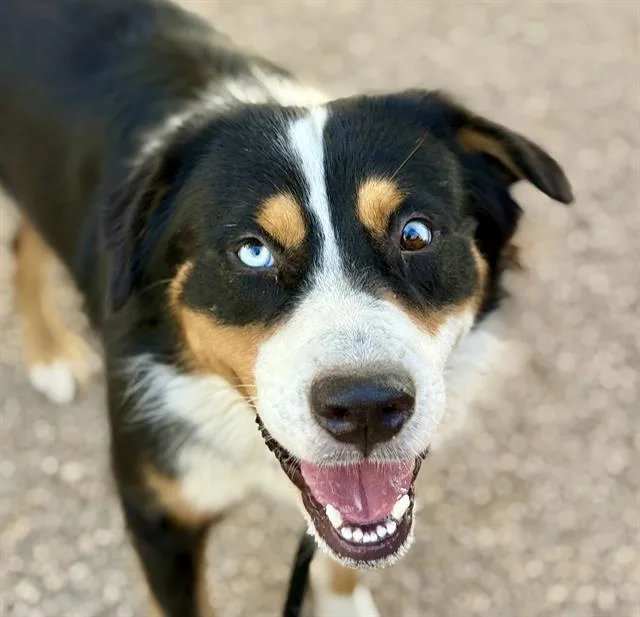
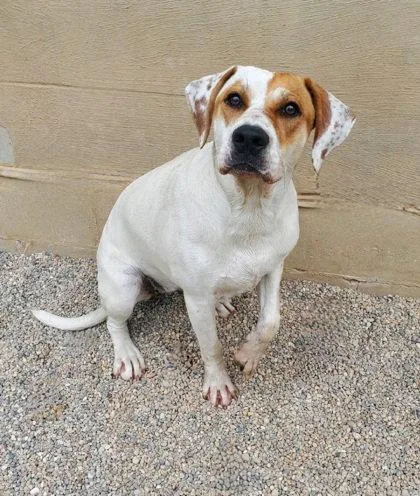
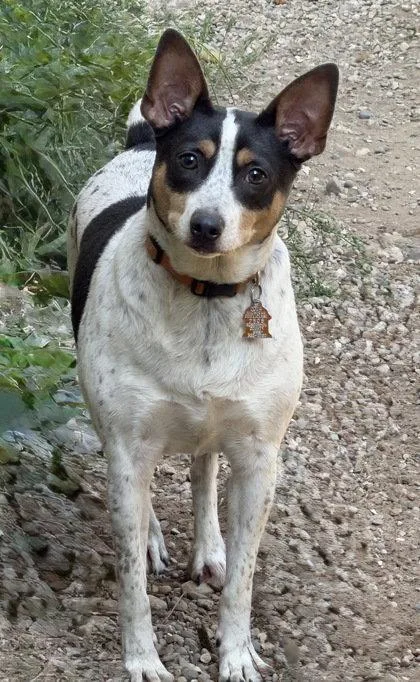
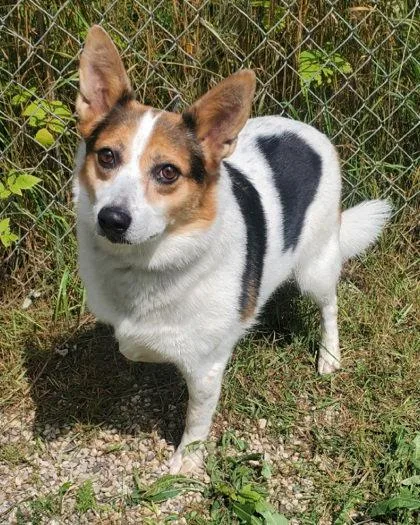
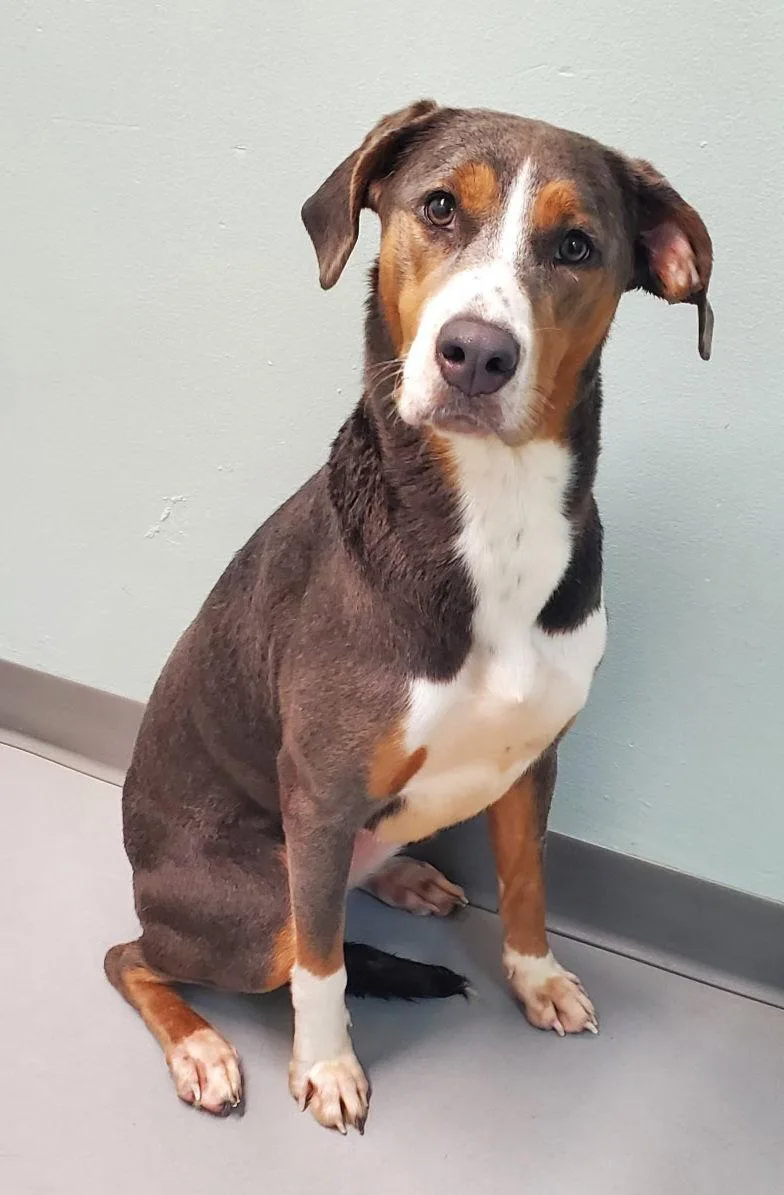
Bernese Mountain Dogs for Adoption in Lake City, MI

Your guide to finding and caring for a Bernese Mountain Dog in Lake City

85 Bernese Mountain Dogs available in Lake City and nationwide

Adopt a Bernese Mountain Dog today

While we don't have enough dogs near Lake City, keep in mind that many rescues may offer transport.

Bernese Mountain Dogs Available for Adoption Near Lake City

About the Bernese Mountain Dog breed

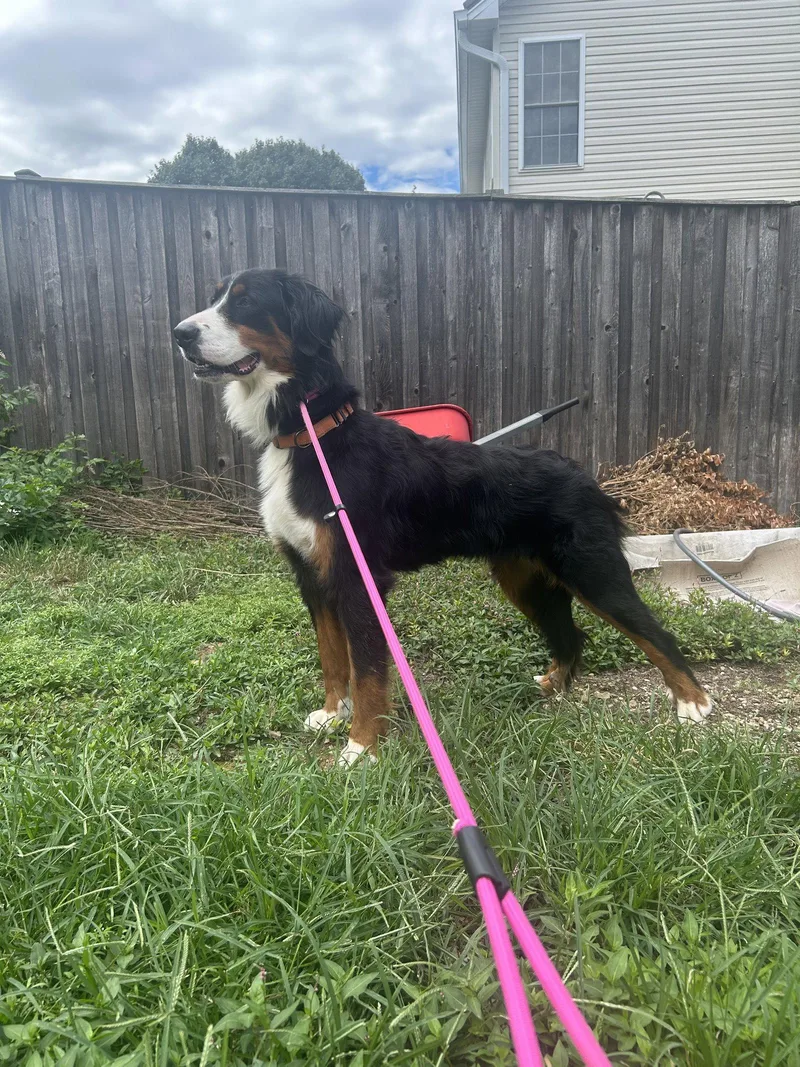
Farmers in the Swiss canton of Bern relied on this big, tricolored dog to pull carts of milk and cheese, drive cattle and watch over the farmyard. The Bernese Mountain Dog is the only long-coated member of the four Swiss mountain dog breeds, recognizable by its jet-black coat, rich rust markings, white blaze and chest cross, and a sturdy frame that often reaches 70 to 115 pounds.

Berners are usually gentle, affectionate and eager to please, with a calm presence indoors and a goofy streak outside. Many are reserved with strangers at first but devoted to their families. Adopters should go in clear-eyed: this is a heavy-shedding, heat-sensitive giant whose lifespan is shorter than average, largely because of high cancer rates. Training early matters, since a pulling adult Berner is very hard to manage.


Weight
70–115 lbs
Height
23–28 in
Lifespan
7–10 yrs
Temperament
Gentle, Affectionate, Calm
Group
Working
Shedding
High

Owning a Bernese Mountain Dog in Lake City

Having a Bernese Mountain Dog in Lake City

Bernese Mountain Dogs pair a soft, people-focused nature with the size and strength of a draft dog. Their thick coat, heat sensitivity and serious health risks shape daily care as much as their personality, so understanding these traits helps adopters prepare for life with a Berner.

Temperament

Berners are often gentle, patient and deeply attached to their families, and many are good with respectful children and other pets. Some are aloof or shy with strangers and sensitive to harsh handling. Their size means early training and polite greetings matter. A shelter Berner's history and socialization will tell you more than the breed label.

Exercise Needs

Most Berners need moderate daily exercise, such as one or two good walks, play in a yard and occasional hikes in cool weather. Many enjoy carting, which suits their heritage. Mental work, including training and scent games, keeps them engaged. Puppies should avoid long runs and repetitive jumping while their joints are still developing.

Health Considerations

Bernese Mountain Dogs face high rates of cancer, especially histiocytic sarcoma, which contributes to their relatively short lives. Hip and elbow dysplasia, kidney disease and bloat are also concerns. Keeping a Berner lean protects its joints. Keep regular veterinary checkups so problems are caught early.

Living Space

A Berner fits best where there is room for a very large dog to move and stretch out, ideally with access to a secure yard. Apartment life is possible with elevators, daily walks and tolerance for constant shedding. Cool indoor temperatures matter, because the breed overheats easily, and Berners do best living inside with their people.

What it costs to own a Bernese Mountain Dog

ExpenseTypical costPer year
Food$80 to $160 per month$960 to $1,920
Pet insurance$85 to $170 per month$1,020 to $2,040
Routine vet care$250 to $500 per year$250 to $500
Other*$690 to $1,890 per year$690 to $1,890
Estimated yearly total (after year one)$2,920 to $6,350

Other costs are national averages for Bernese Mountain Dogs; we don't have costs specific to Lake City yet.

* Flea, tick and heartworm prevention, a dental cleaning allowance, a dog license, toys and large bedding, coat care for heavy shedding, and joint supplements; license fees vary by city.

Adopt a Bernese Mountain Dog in Lake City.

Now that you know more, let’s find you a new best friend. These rescues and shelters below currently have Bernese Mountain Dogs available.

Rescues in Lake City with Bernese Mountain Dogs Available

Here are the rescues & shelters in the Lake City area where you can find Bernese Mountain Dogs and other dogs available for adoption.

Frequently Asked Questions

A Bernese Mountain Dog is a large to giant Swiss working breed originally used on farms to pull carts, drive cattle and guard property. It has a long, tricolored coat of black, rust and white and a sturdy, powerful build. Berners are known for their gentle, affectionate nature, though their lifespan is shorter than many breeds.

A Bernese Mountain Dog has a thick, moderately long coat that is jet black with rich rust markings over the eyes, on the cheeks, chest and legs, and white on the face, chest, feet and tail tip. The white chest marking often forms an inverted cross. They have a broad head, dark brown eyes and triangular drop ears.

Most adult Bernese Mountain Dogs weigh about 70 to 115 pounds. Males commonly weigh around 80 to 115 pounds and females around 70 to 95 pounds, though some dogs fall outside these ranges. Frame size matters, so veterinarians judge by body condition: you should feel ribs under a light layer of fat. Extra weight strains this breed's joints.

Bernese Mountain Dogs were bred to do farm work in Switzerland, pulling carts of milk and cheese, driving cattle and acting as watchful farm dogs. Today most are family companions, but many still enjoy carting, drafting, obedience, tracking and therapy work. They are happiest when they have a job or activity to share with their people.

Bernese Mountain Dogs get big, typically standing about 23 to 28 inches at the shoulder and weighing roughly 70 to 115 pounds. Males are usually taller and heavier than females. Their thick coat and broad chest make them look even larger. Expect a dog that takes up a good portion of the couch and the back seat.

Most healthy adult Bernese Mountain Dogs tolerate cold well, and many are comfortable in freezing temperatures for walks and play. Extended time in subzero temperatures, wind or wet conditions can still be too much, especially for puppies, seniors or dogs with health issues. Watch for shivering, lifting paws or slowing down, and bring them inside to warm up.

A female Bernese Mountain Dog's bloody discharge typically lasts about the first week to ten days of her heat, and the whole cycle often lasts two to three weeks. Discharge usually turns lighter and more watery as the cycle progresses. Adopted dogs from shelters and rescues are usually spayed, which prevents heat cycles and several health problems.

Bernese Mountain Dogs usually reach most of their adult height by around a year old, but they keep filling out, adding muscle and weight, until about two to three years old. Their growth plates close later than smaller breeds, so avoid strenuous exercise and jumping while young. A veterinarian can advise on large-breed puppy nutrition and exercise.

The Bernese Mountain Dog is often considered a giant breed, though the AKC standard describes it as a large dog. Many males exceed 100 pounds, and veterinarians and pet food makers usually treat Berners with giant-breed guidelines for growth, nutrition and joint care. In practice, plan for giant-dog costs, space and handling.

We have 1 rescue with Bernese Mountain Dogs available: Missaukee Humane Society. You can see every rescue with Bernese Mountain Dogs available in the list above these questions, or scroll to the top to see the Bernese Mountain Dogs near Lake City.