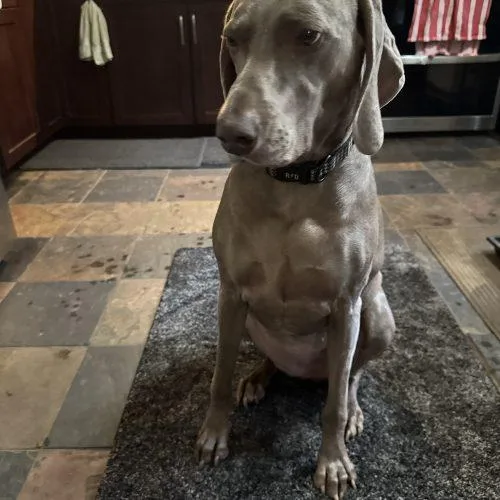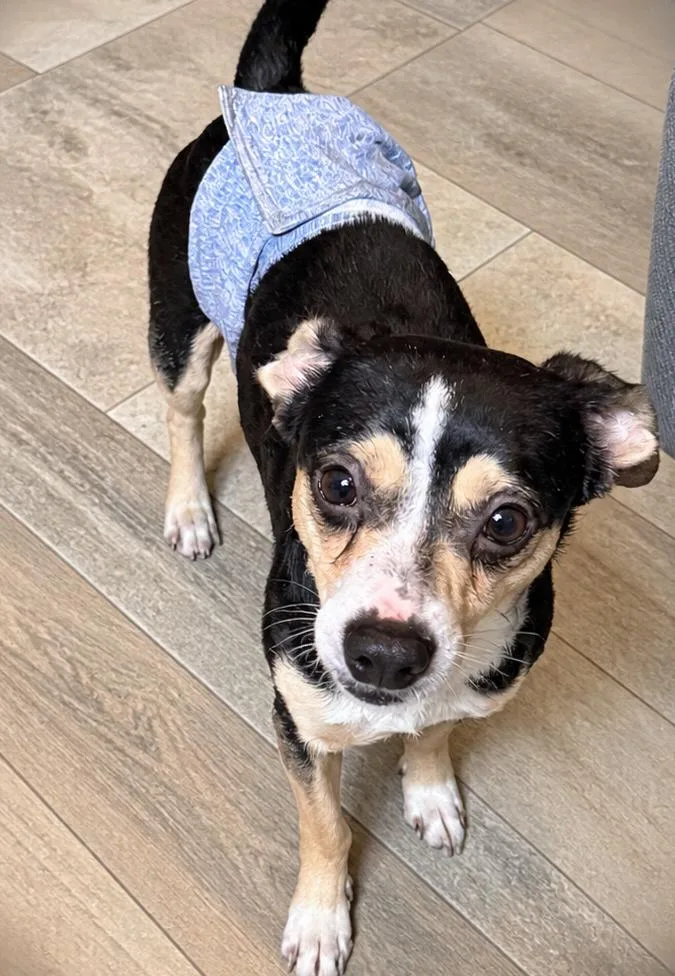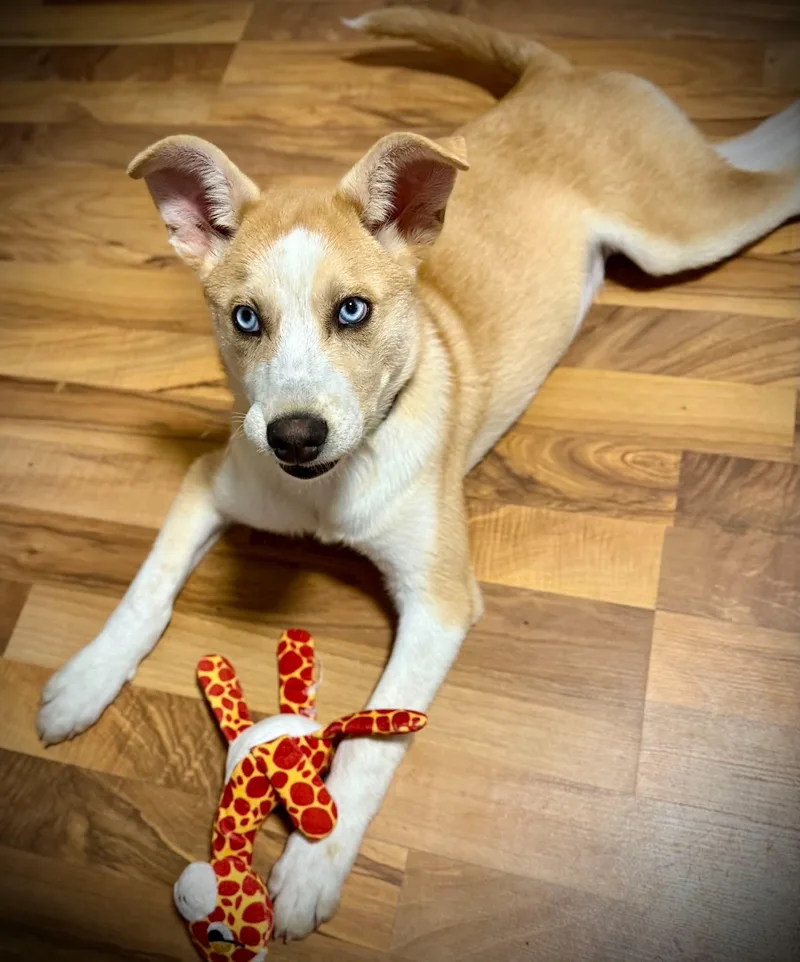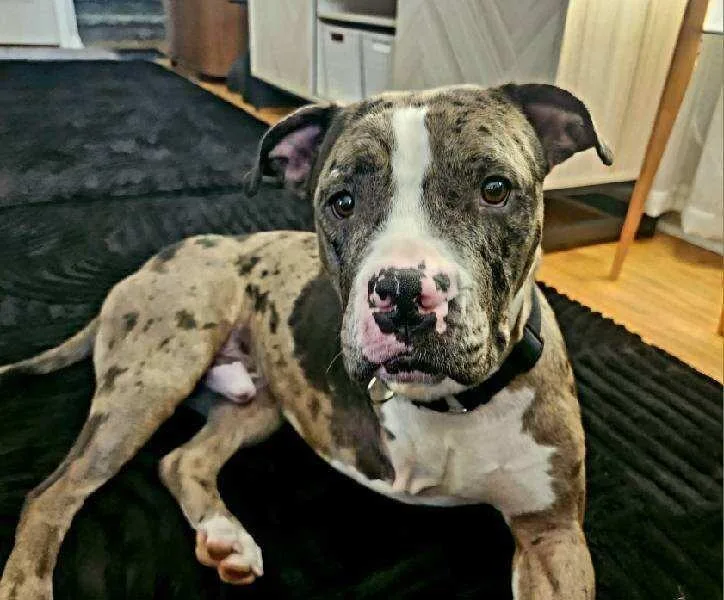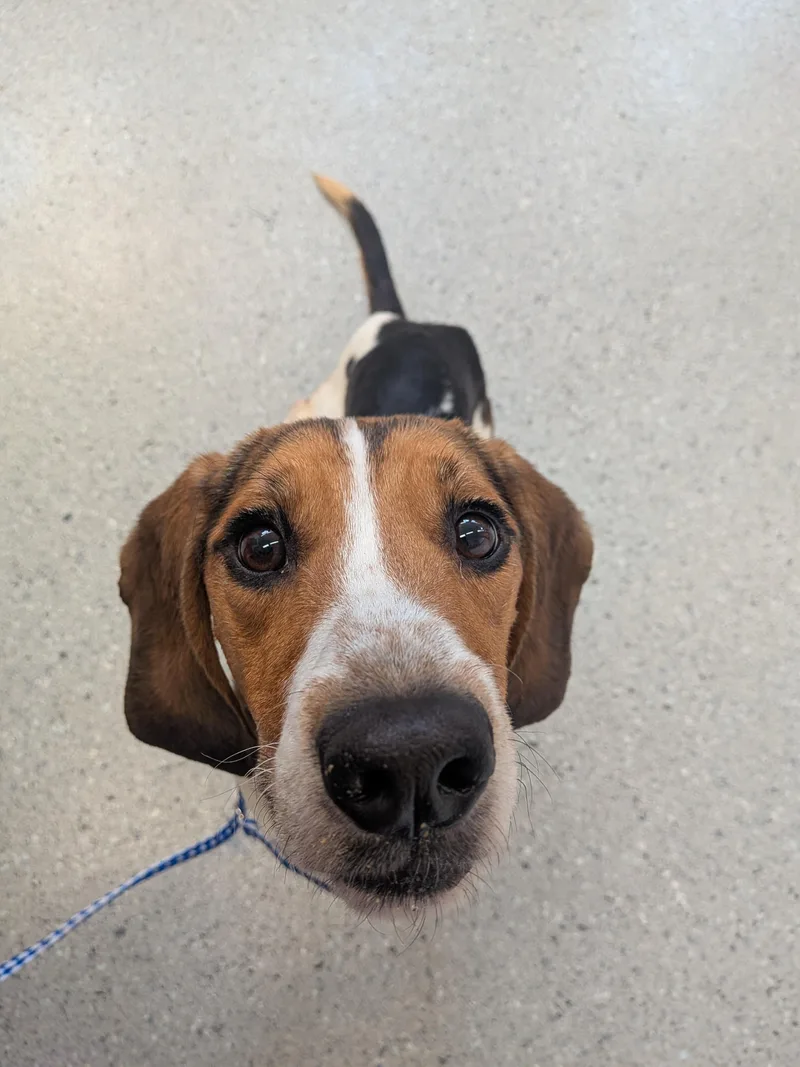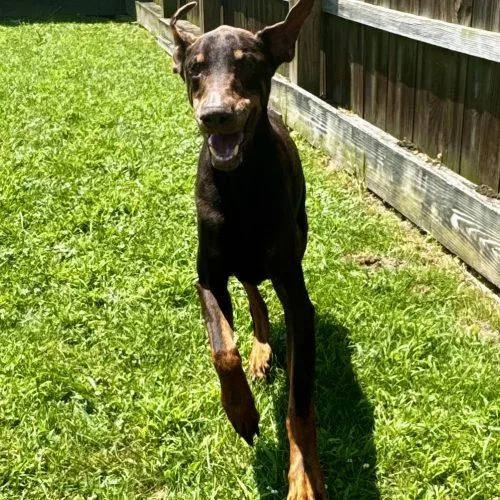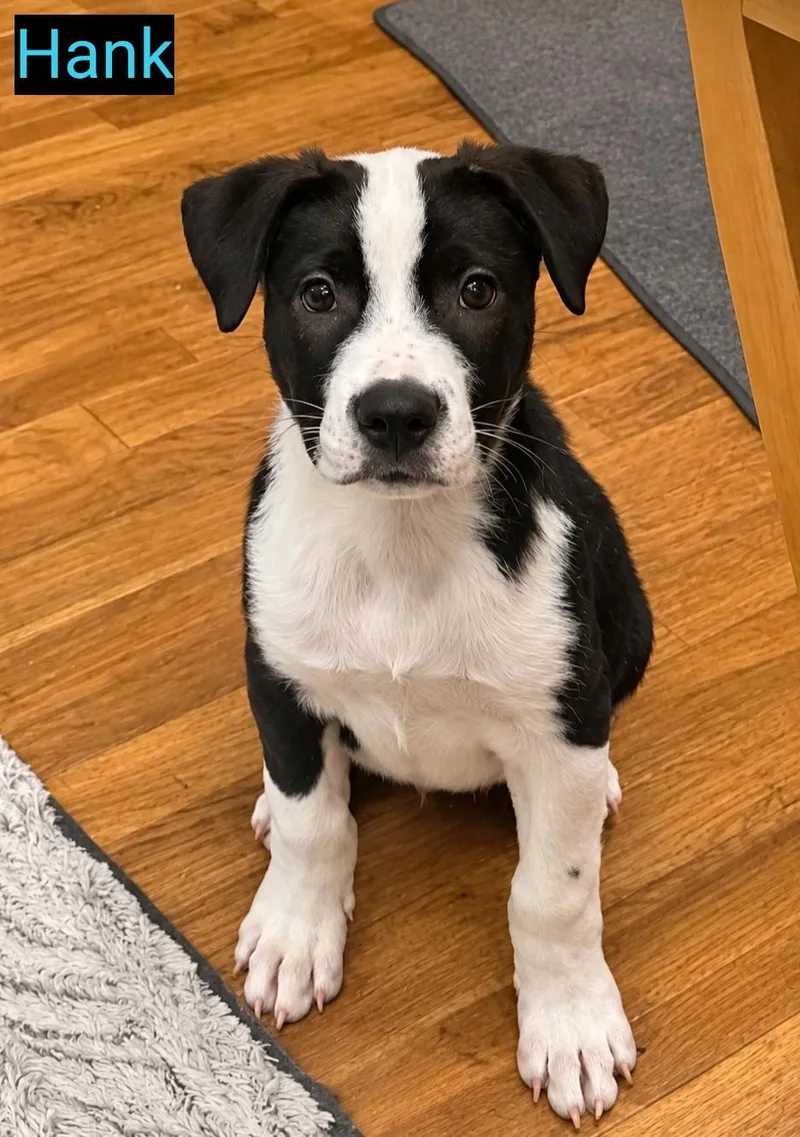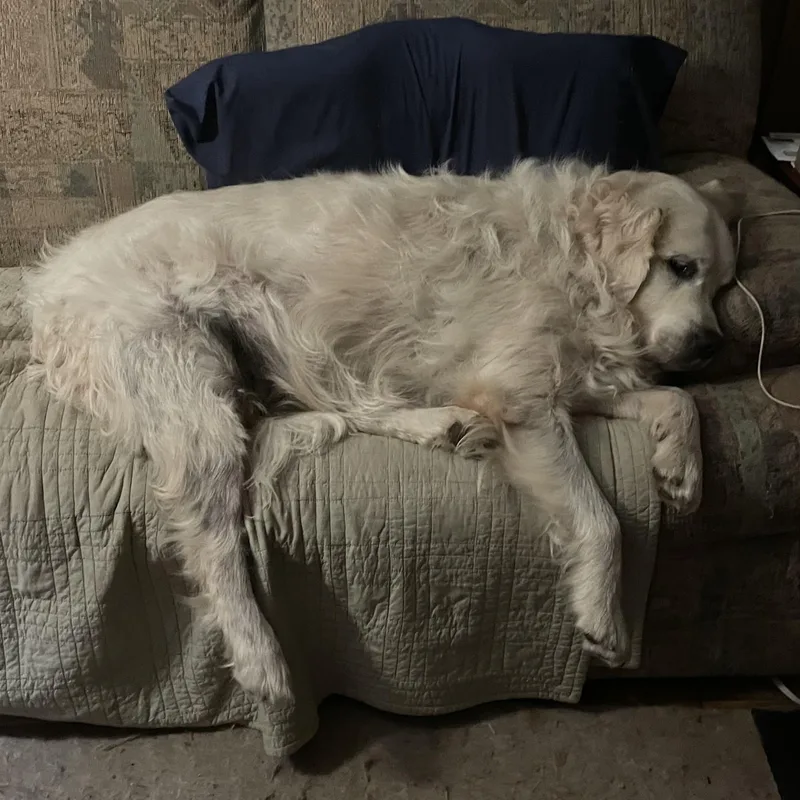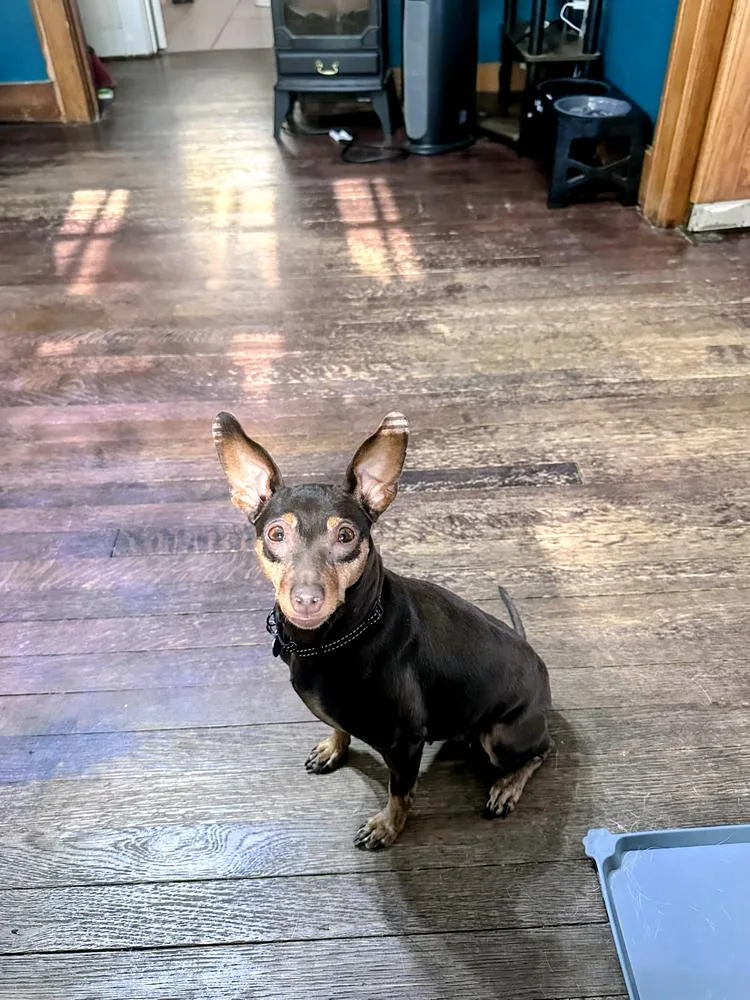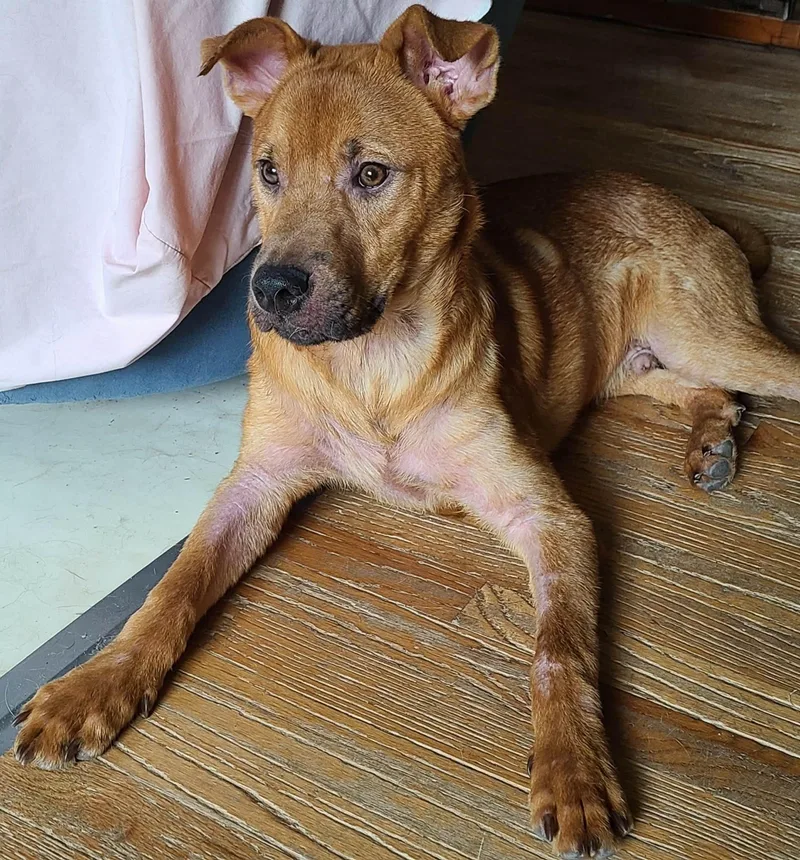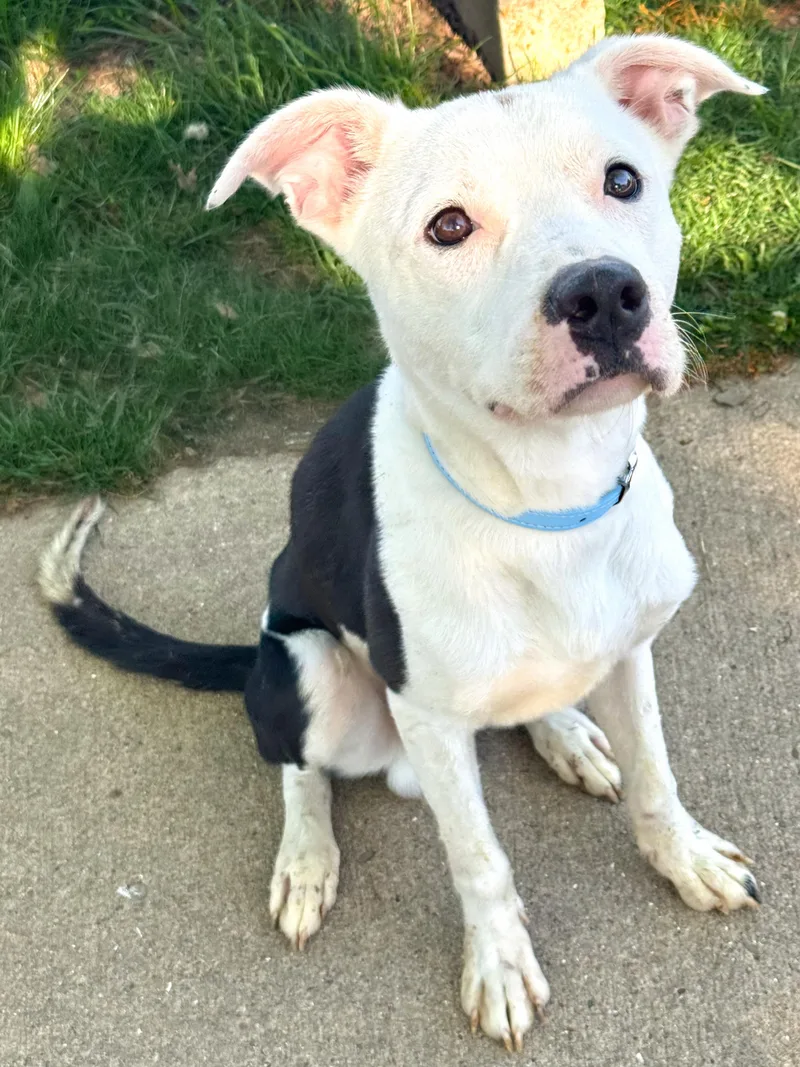
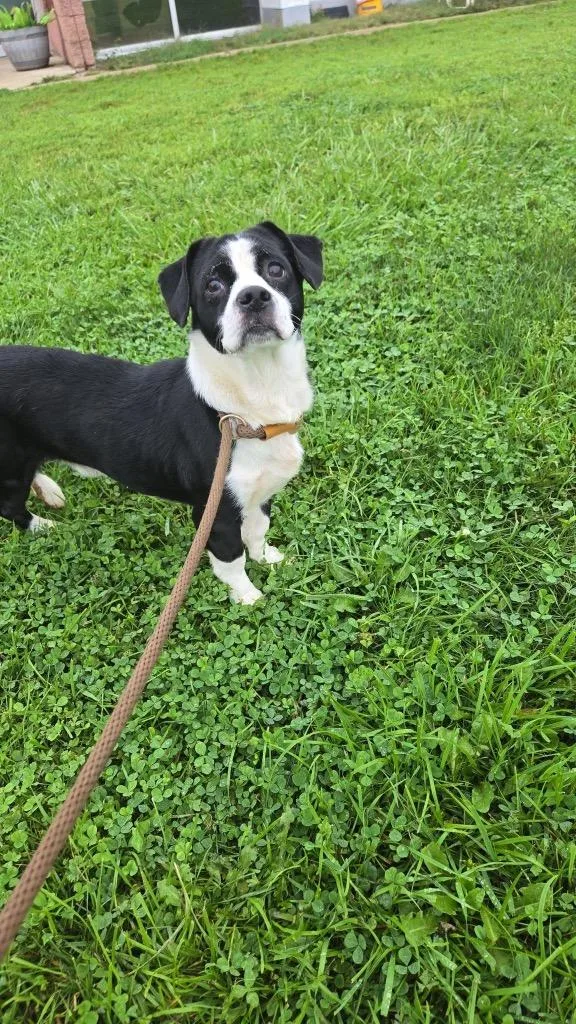
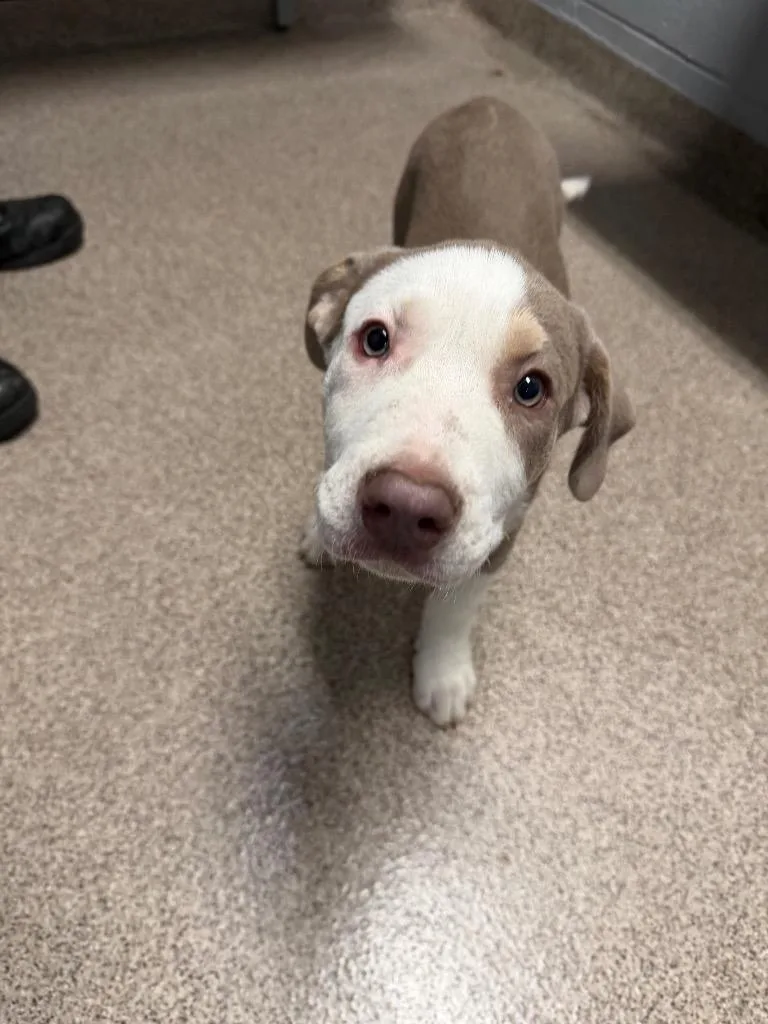
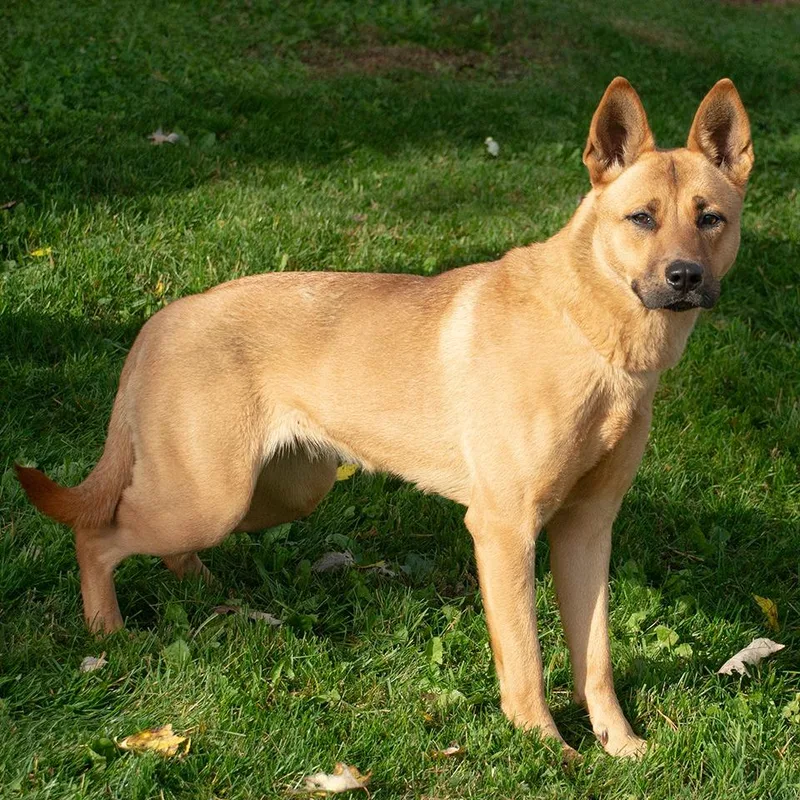
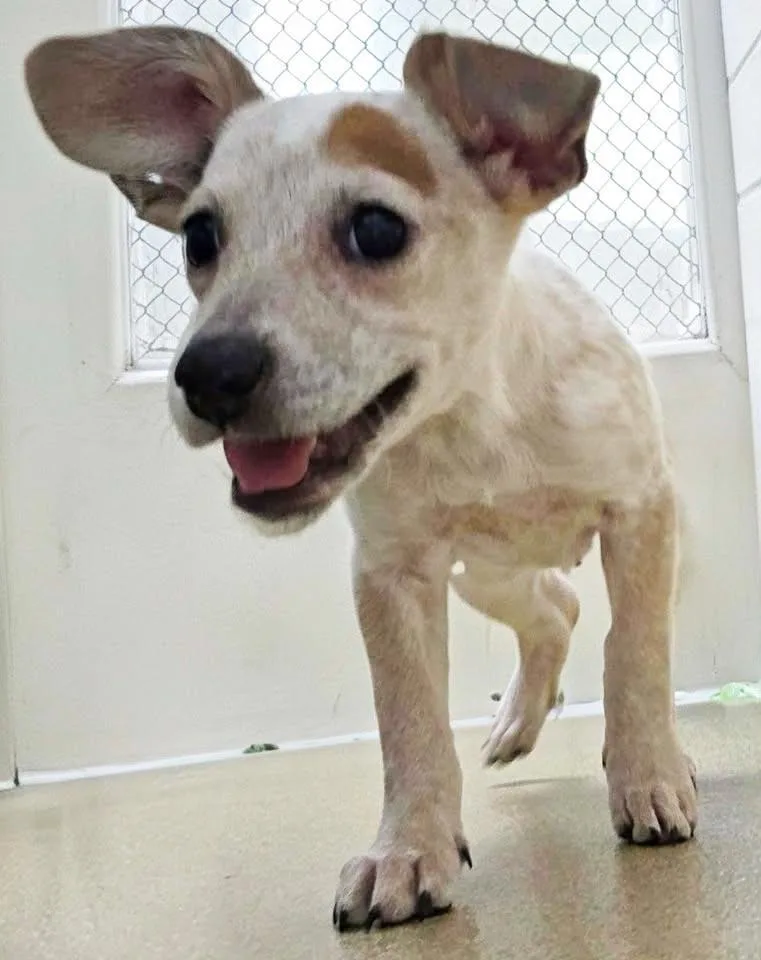
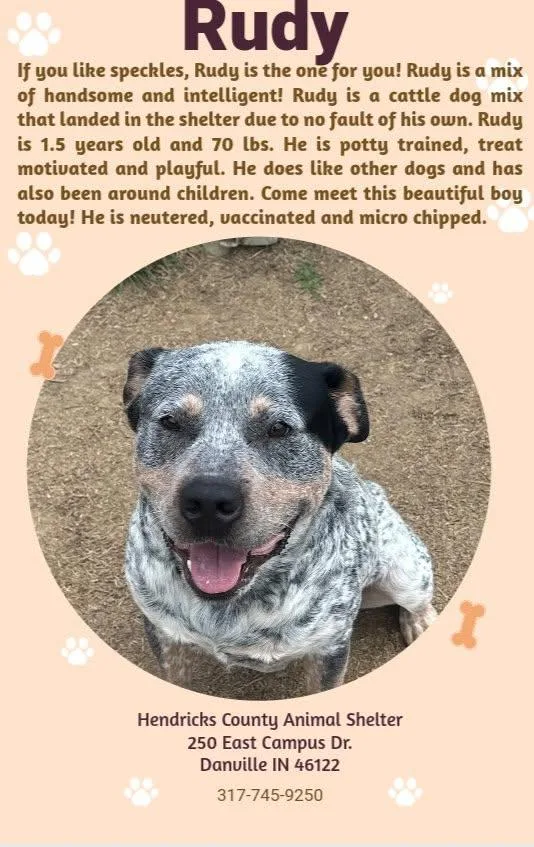
Australian Cattle Dog / Blue Heelers for Adoption in Grand Rapids, MI

Your guide to finding and caring for an Australian Cattle Dog / Blue Heeler in Grand Rapids

Blue Heelers fit Grand Rapids best when their owners are outside most days. In Creston, Riverside Park and the White Pine Trail are close by, and on Belknap Lookout four public staircases with more than 400 steps give a restless Heeler a real workout on a short walk. Heelers want a job and a person to follow, so they suit owners who are home a lot and enjoy training. They're alert and reserved with strangers, which can make busy sidewalks a lot at first.

4303 Australian Cattle Dog / Blue Heelers available in Grand Rapids and nationwide

Say hello to your Blue Heeler

While we don't have enough dogs near Grand Rapids, keep in mind that many rescues may offer transport.

Australian Cattle Dog / Blue Heelers Available for Adoption Near Grand Rapids

About the Australian Cattle Dog / Blue Heeler breed

Australian Cattle Dogs, also called Blue Heelers or Queensland Heelers, were developed in nineteenth-century Australia to drive cattle over long distances. They're compact, muscular dogs, usually 35 to 50 pounds, with a short, weatherproof double coat in blue or red speckle, and many live well past twelve years.

That tough coat and steady stamina suit a city with real winters and plenty of trail miles. Heelers are loyal, clever and often attached to one person. Their herding instinct can mean nipping at heels or chasing bikes and runners on busy paved paths like Kent Trails, so training and a reliable recall matter. Dogs vary, and a Heeler's drive can range from intense to merely busy.

Weight
35–50 lbs
Height
17–20 in
Lifespan
12–16 yrs
Temperament
Energetic, Intelligent, Loyal, Alert
Group
Herding
Shedding
Moderate

Owning an Australian Cattle Dog / Blue Heeler in Grand Rapids

Having an Australian Cattle Dog / Blue Heeler in Grand Rapids

A Blue Heeler's drive shapes daily life more than its size does. In Grand Rapids, that means steady outdoor time in every season, a plan for the snowy months, and a home where the dog gets both work and company.

Temperament

Heelers tend to be loyal, alert and confident, often bonding closely with one person and staying reserved with strangers. In a city of busy sidewalks and shared trails, that can mean barking at passersby or herding urges toward bikes and joggers. Early socialization and reward-based training help, though temperament varies from dog to dog.
Exercise Needs

Most Heelers need an hour or more of vigorous activity daily, plus mental work. Grand Rapids offers Riverside Park's trails, the paved White Pine Trail and the Belknap Lookout stairs, and in snowy months, tug, fetch and scent games indoors. A short walk around the block rarely satisfies a young Heeler.

Health Considerations

Heelers are often long-lived, but breed concerns include congenital deafness, progressive retinal atrophy, lens luxation and hip and elbow dysplasia. A veterinarian can check hearing, eyes and joints. Kent County's rising Lyme disease cases make tick prevention worthwhile from spring through fall, especially after wooded trail outings.

Living Space

Heelers do best with a securely fenced yard or an owner committed to long daily outings. Grand Rapids' mix of bungalows in Creston, brick ranches in Alger Heights and apartments near downtown can work for either. Expect some barking at passersby, and a dog that prefers to stay close to its people.

What it costs to own an Australian Cattle Dog / Blue Heeler in Grand Rapids

ExpenseTypical costPer year
Adoption fee$150, one time$150 in year one
Food$35 to $70 per month$420 to $840
Pet insurance$55 to $100 per month$660 to $1,200
Routine vet care$225 to $450 per year$225 to $450
Other*$442 to $1,176 per year$442 to $1,176
Estimated yearly total (after year one)$1,747 to $3,666
First-year total (with adoption fee)$1,897 to $3,816

Adoption fee is the fee on Australian Cattle Dog / Blue Heeler listings in Grand Rapids on GetBuddy today. Other costs are estimates and vary with size, age and health.

* The Kent County dog license ($17 to $26 a year), flea, tick and heartworm prevention, a dental cleaning allowance, durable toys and bedding, and light home grooming for a short coat.

Adopt an Australian Cattle Dog / Blue Heeler in Grand Rapids.

Now that you know more, let’s find you a new best friend. These rescues and shelters below currently have Australian Cattle Dog / Blue Heelers available.

Rescues in Grand Rapids with Australian Cattle Dog / Blue Heelers Available

Grand Rapids adopters can find dogs through a county shelter and a nonprofit humane society serving the West Michigan area. Here are the rescues & shelters in the Grand Rapids area where you can find Australian Cattle Dog / Blue Heelers and other dogs available for adoption.

Frequently Asked Questions

Hillcrest Dog Park on Fuller Ave NE gives a Heeler an off-leash run with a wooded path, and the Westside Dog Park on Summer Ave NW is another option. For leashed runs, try Riverside Park and the White Pine Trail, Kent Trails or Blandford Nature Center. Save off-leash time for dogs with solid recall.

Yes. No known breed-specific rule applies in Grand Rapids or Kent County. You'll need a Kent County license once the dog is over four months old, backed by a current rabies vaccination. Keep the dog on a leash no longer than six feet off your property and pick up waste everywhere.

Usually not. The Rapid's buses allow pets only in a proper carrier, and a 35-to-50-pound Heeler is too big for one. Service animals are welcome without a carrier. Grand Rapids has no subway or rail transit, so plan on walking or driving for outings and vet visits.

Yes, if the daily exercise happens. A Heeler in an apartment needs a long morning outing, an evening run or trail visit, and training games indoors. Expect some barking at hallway and street noise. Get your landlord's written approval first, and look for a building near a park or trail.

It is for active people who enjoy being outdoors in every season. Trails, parks and dog parks are easy to reach, and a Heeler's coat handles the long snowy winters. It's a poorer fit if you're away for long days, since a bored Heeler tends to invent its own jobs.

Only on patios where the restaurant holds a Kent County Health Department variance, so look for posted signs. Michigan's food code otherwise bars pet dogs from dining areas, and indoors is off limits. A Heeler that's wary of strangers may also find a busy patio stressful, so practice calm settling first.

Not much. A weekly brushing handles the short double coat, with daily brushing during the spring and fall shed. Baths are only needed when the dog is dirty. In winter, wipe off road salt after walks and check paws for ice balls. Home grooming supplies fall under the Other costs listed above.

Blue Heelers typically live about 12 to 16 years, and a recent UK study put the breed's average life expectancy at about 14 years, longer than many purebreds. A famous Australian Cattle Dog named Bluey reportedly lived over 29 years, though such records are hard to verify. Staying lean and active and getting regular checkups support a long life.

We have 1 rescue with Australian Cattle Dog / Blue Heelers available: Brave Hearts Rescue. You can see every rescue with Australian Cattle Dog / Blue Heelers available in the list above these questions, or scroll to the top to see the Australian Cattle Dog / Blue Heelers near Grand Rapids.

Expect roughly $1,750 to $3,670 a year for a Heeler: food at $35 to $70 a month, insurance at $55 to $100 a month, routine vet care at $225 to $450, and $442 to $1,176 in other costs. Insurance runs higher because of the breed's hereditary eye and hearing conditions.