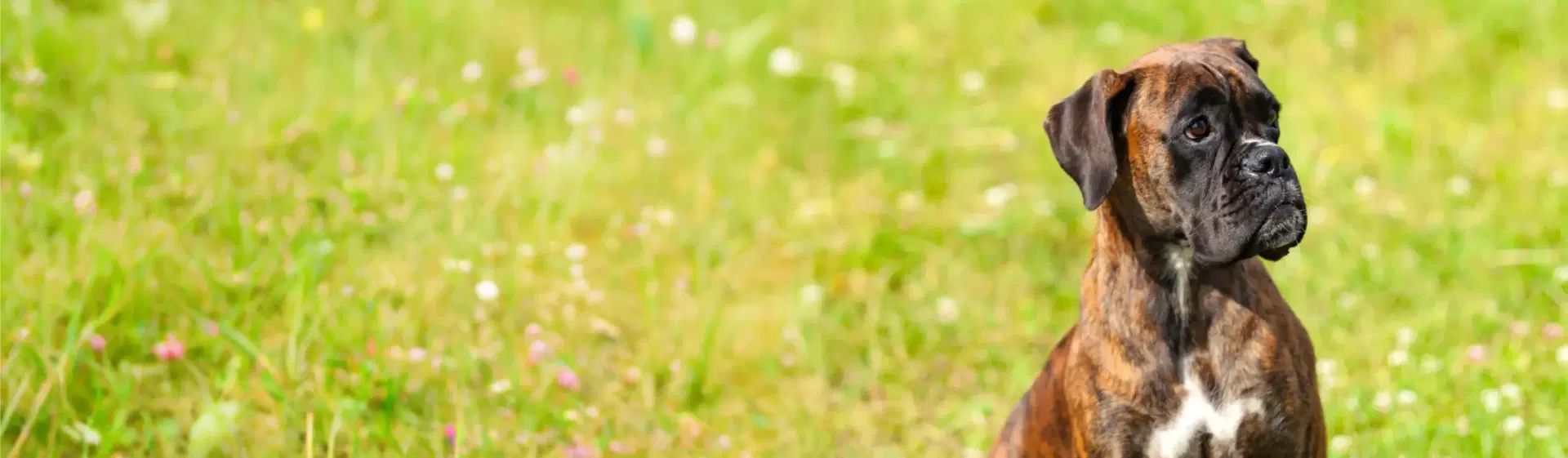
Boxer dog

Boxer Dogs for Adoption in Escanaba, MI

Your guide to finding and caring for a Boxer in Escanaba

2713 Boxers available in Escanaba and nationwide

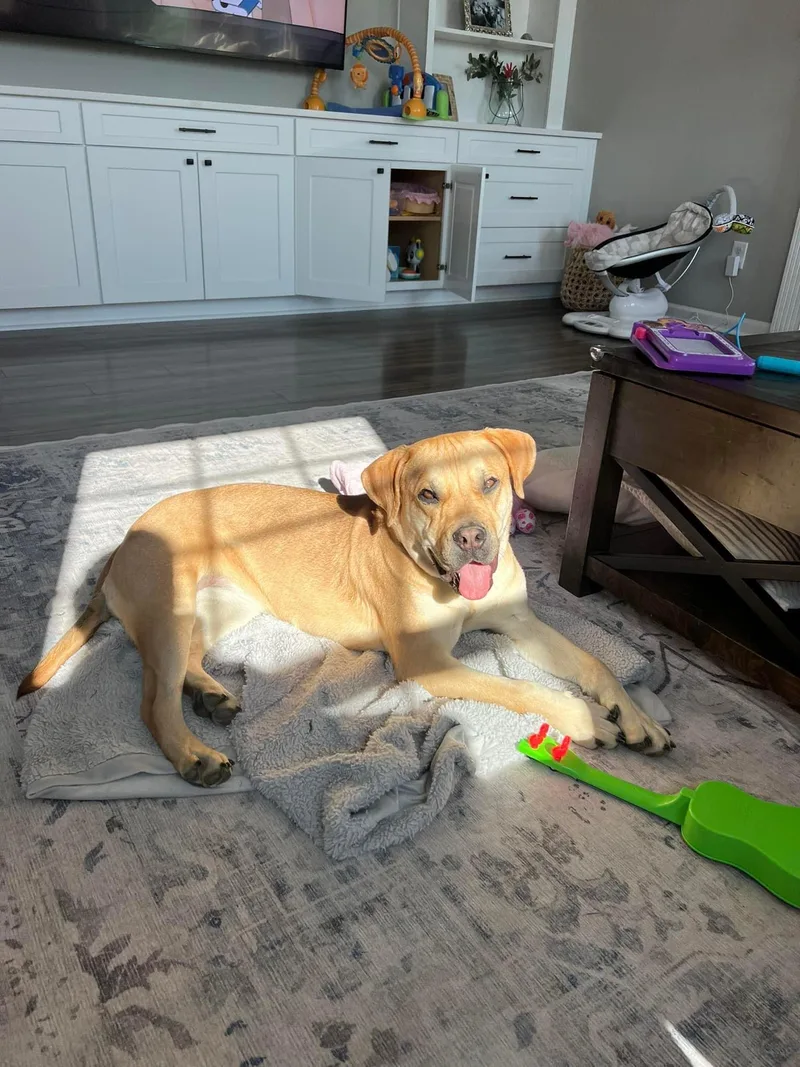
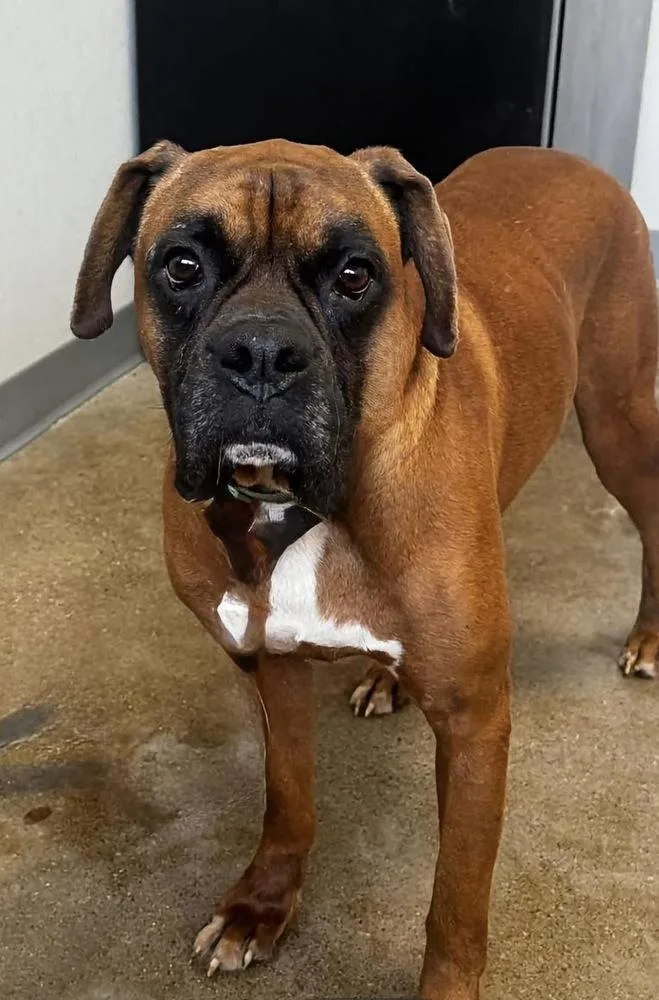
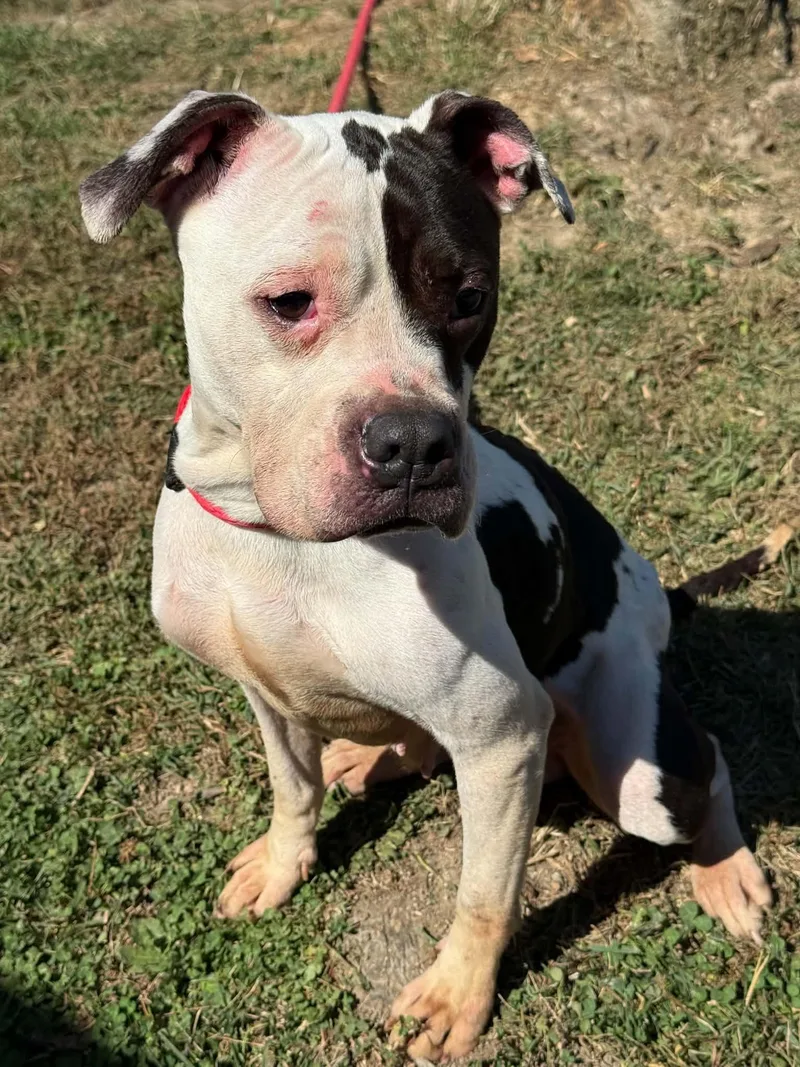
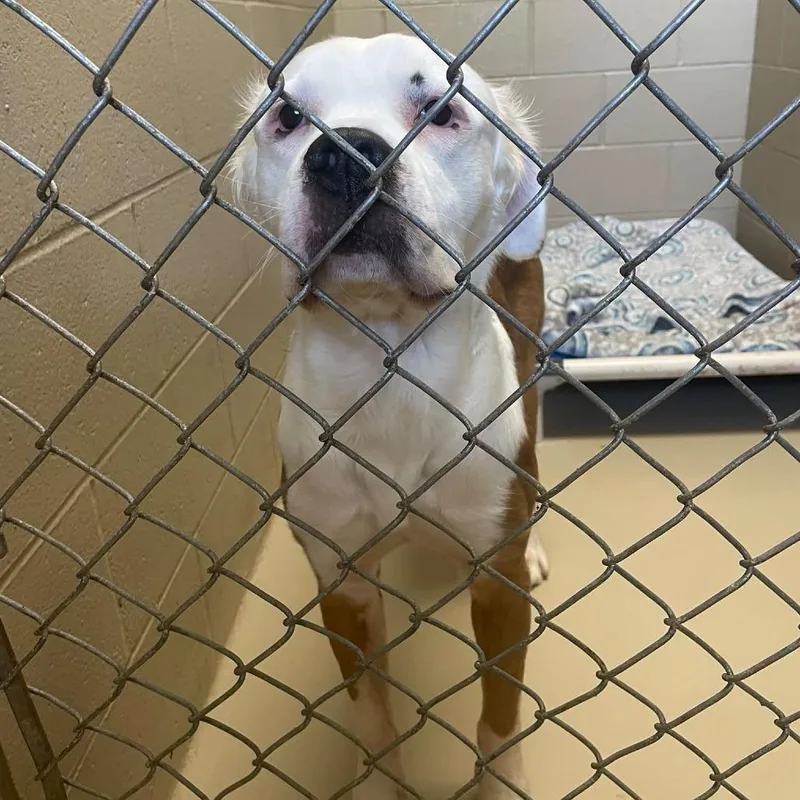
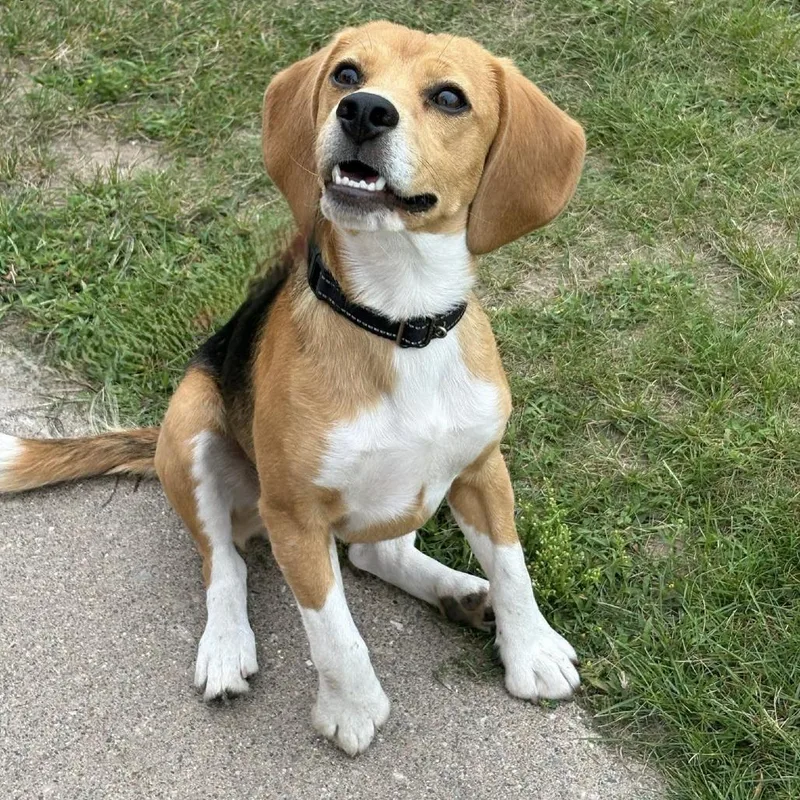
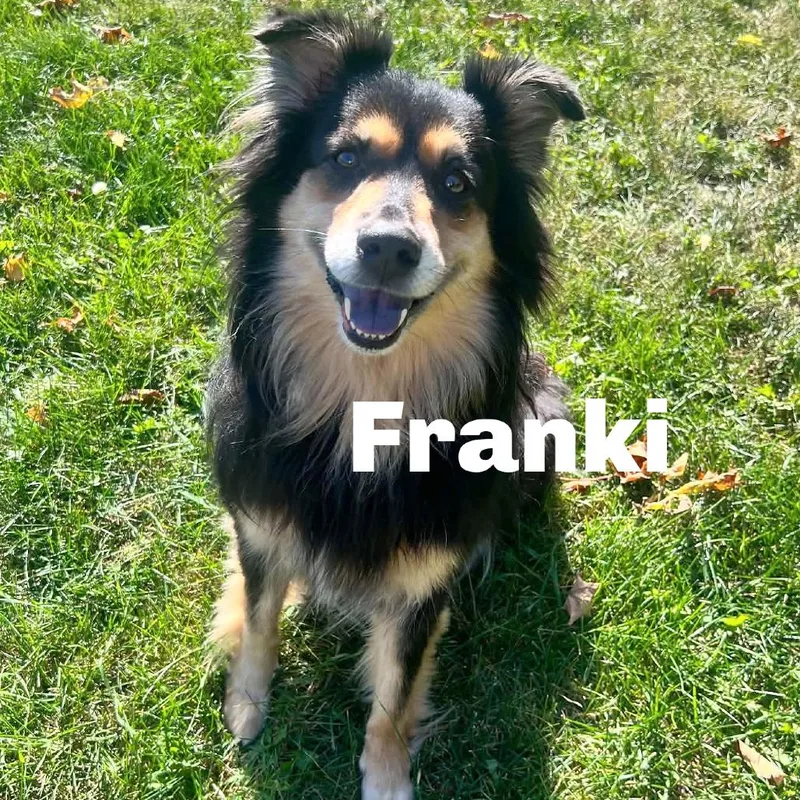
Meet your next Boxer

While we don't have enough dogs near Escanaba, keep in mind that many rescues may offer transport.

Boxers Available for Adoption Near Escanaba

About the Boxer breed

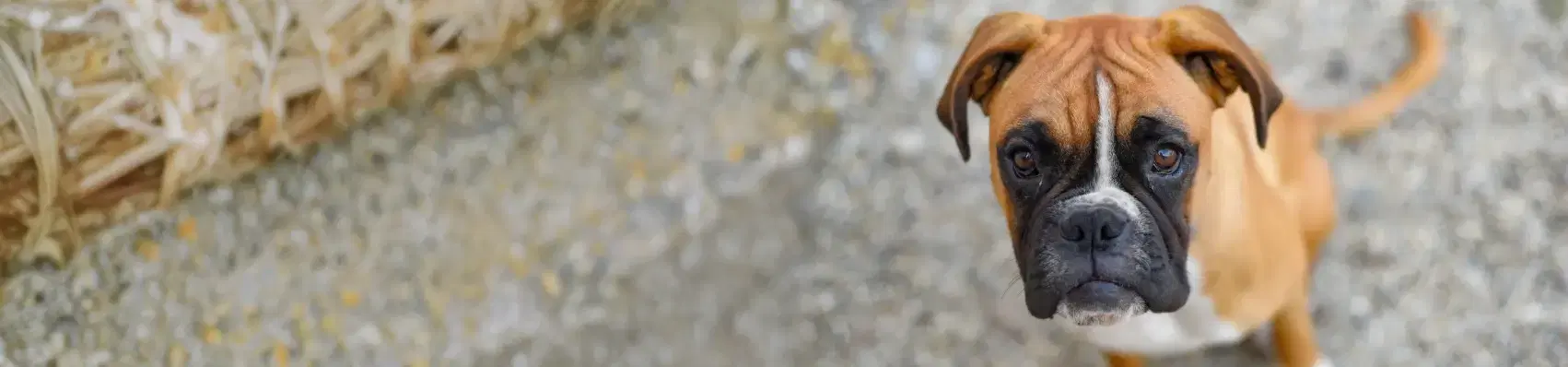
Boxers come from late nineteenth-century Germany, where the Bullenbeisser, a hunting dog used to catch and hold boar and deer, was crossed with English Bulldogs. The result is a square, muscular working dog with a short shiny coat in fawn or brindle, often with white markings, a black mask and a broad, blunt muzzle with a slight underbite. Boxers have served as messenger, guard and police dogs, and they remain one of America's best-known family breeds.

Many Boxers are clownish, affectionate and physical, greeting people with wiggles, leaps and a hard-wagging rear end. They usually stay puppyish for years, so adopters should plan for daily exercise, patient reward-based training and supervision around small children who could be bowled over. Their short face and thin coat make them sensitive to heat and cold, and the breed carries real heart and cancer risks.

Weight
50–80 lbs
Height
21–25 in
Lifespan
10–12 yrs
Temperament
Playful, Energetic, Loyal
Group
Working
Shedding
Low to Moderate

Owning a Boxer in Escanaba

Having a Boxer in Escanaba

Living with a Boxer usually means sharing the house with a bouncy, people-focused athlete that never quite grows up. Their energy, protective streak, short face and specific health risks shape daily life, so these traits are worth weighing before choosing an adult or young dog.

Temperament

Boxers tend to be devoted and playful with their families and are often patient with children, though their bounce can overwhelm toddlers. Many are wary of strangers and make alert watchdogs. Some do not tolerate other dogs of the same sex. Reward-based training suits them best, since they bore quickly with repetition and can be headstrong.

Exercise Needs

Most Boxers need vigorous daily activity, such as brisk walks, fetch and play in a securely fenced area, plus training games that make them think. Without enough outlets many turn to chewing, digging or jumping on people. Because of their short muzzles, exercise them in the cooler parts of the day and watch for heavy panting in heat.

Health Considerations

Boxers have well-documented risks for heart disease, including arrhythmogenic right ventricular cardiomyopathy and aortic stenosis, and they develop cancers such as mast cell tumors more often than many breeds. Hip dysplasia, hypothyroidism, degenerative myelopathy and bloat also occur. Have a veterinarian check the heart, check new lumps promptly, and keep regular veterinary visits.

Living Space

A Boxer can live in a house or an apartment when it gets enough exercise and company, but it is an indoor dog that handles heat and cold poorly. A fenced yard helps with play, though it never replaces walks. Expect a strong, bouncy dog that needs room to move and owners who are home often.

What it costs to own a Boxer

ExpenseTypical costPer year
Food$55 to $110 per month$660 to $1,320
Pet insurance$65 to $130 per month$780 to $1,560
Routine vet care$250 to $500 per year$250 to $500
Other*$540 to $1,590 per year$540 to $1,590
Estimated yearly total (after year one)$2,230 to $4,970

Other costs are national averages for Boxers; we don't have costs specific to Escanaba yet.

* Flea, tick and heartworm prevention, a dental cleaning allowance, a dog license, toys and bedding, simple coat care, and a winter coat for a short-haired dog that feels the cold; license fees vary by city.

Boxer dog

Adopt a Boxer in Escanaba.

Now that you know more, let’s find you a new best friend. These rescues and shelters below have dogs available in and near Escanaba.

Rescues and Shelters in or near Escanaba

Here are the rescues & shelters in the Escanaba area with dogs available for adoption, worth asking whether a Boxer is coming in.

Frequently Asked Questions

A Boxer is a medium-to-large German working dog of the mastiff family, known for its square, muscular build, short shiny coat and broad, blunt muzzle with an underbite. Boxers come in fawn or brindle, often with white markings and a black mask. Many are playful, affectionate and protective, which explains their long popularity as family companions and watchdogs.

Boxers are large, athletic dogs. Males usually stand about 23 to 25 inches at the shoulder and females about 21.5 to 23.5 inches. Most adults weigh between roughly 50 and 80 pounds, with females often around 15 pounds lighter than males. Muscle, rather than height, is what makes many Boxers feel bigger than they look.

A Boxer has a square, compact body with a deep chest, a short back and visible muscle under a tight, glossy coat. The head is its signature: a wrinkled forehead, dark expressive eyes, a black mask and a short, broad muzzle with the lower jaw jutting slightly forward. Coats are fawn or brindle, with or without white markings.

Nobody knows for certain why the breed is called the Boxer. The popular explanation is that the dogs play and spar with their front paws like a prizefighter. Breed historians also point to older German words, such as the Bavarian term Boxl and the Munich nickname Bierboxer for dogs of this type, so the name's origin remains debated.

Boxers were bred from the Bullenbeisser, a German hunting dog that chased down and held large game such as boar and deer until hunters arrived. When those hunts faded in the 1800s, the smaller Brabant type was crossed with English Bulldogs and refined into the Boxer, a guard, working and companion dog later used as messenger, police and guide dogs.

Most adult Boxers weigh between about 50 and 80 pounds. Males typically land around 65 to 80 pounds, while females usually weigh roughly 15 pounds less. A fit Boxer should show a visible waist and ribs you can feel easily under a thin layer of muscle. Ask a veterinarian to assess an adopted dog's ideal weight, since frame size varies.

The Boxer was developed in Germany, mainly around Munich, in the late 1800s. Its direct ancestor was the Brabanter Bullenbeisser, a smaller catch dog from the Brabant region, crossed with Bulldogs brought from Britain. The first Boxers were shown in Munich in the mid-1890s, the first breed standard was published in 1904, and the dogs reached the United States shortly afterward.

Boxer puppies have the breed's short coat in fawn or brindle, often with white on the chest, feet or face, and many show the dark mask early. Their foreheads look wrinkled, their muzzles short, and their ears soft and floppy. They grow quickly into gangly adolescents, and their size, coat shade and final markings settle over the first year or so.

Boxers are generally bright, quick-learning dogs that solve problems well, though they can be stubborn and lose interest in repetitive drills. Stanley Coren's obedience survey ranked them average, but many trainers find they shine with short, varied, reward-based sessions. They have worked as police, service and search dogs, which reflects real working intelligence when motivated.

Boxers are very strong for their size, with heavy muscle, powerful hindquarters and wide, strong jaws inherited from their catch-dog ancestors. That strength, combined with exuberance, means an untrained adult can pull hard on a leash or knock people over. No reliable measurement of Boxer bite force exists, so treat online figures with caution and focus on training instead.

Find Boxers in Nearby Cities

Expand your search to find Boxers available for adoption near Escanaba.

Explore Other Breeds in Escanaba

Looking for a different breed? Browse other dogs available for adoption in Escanaba.