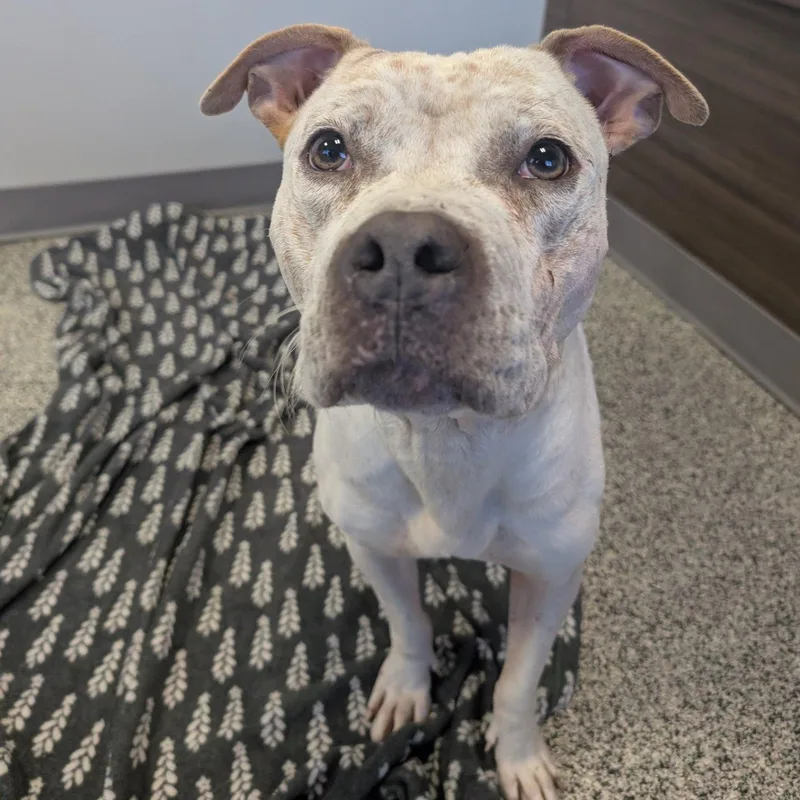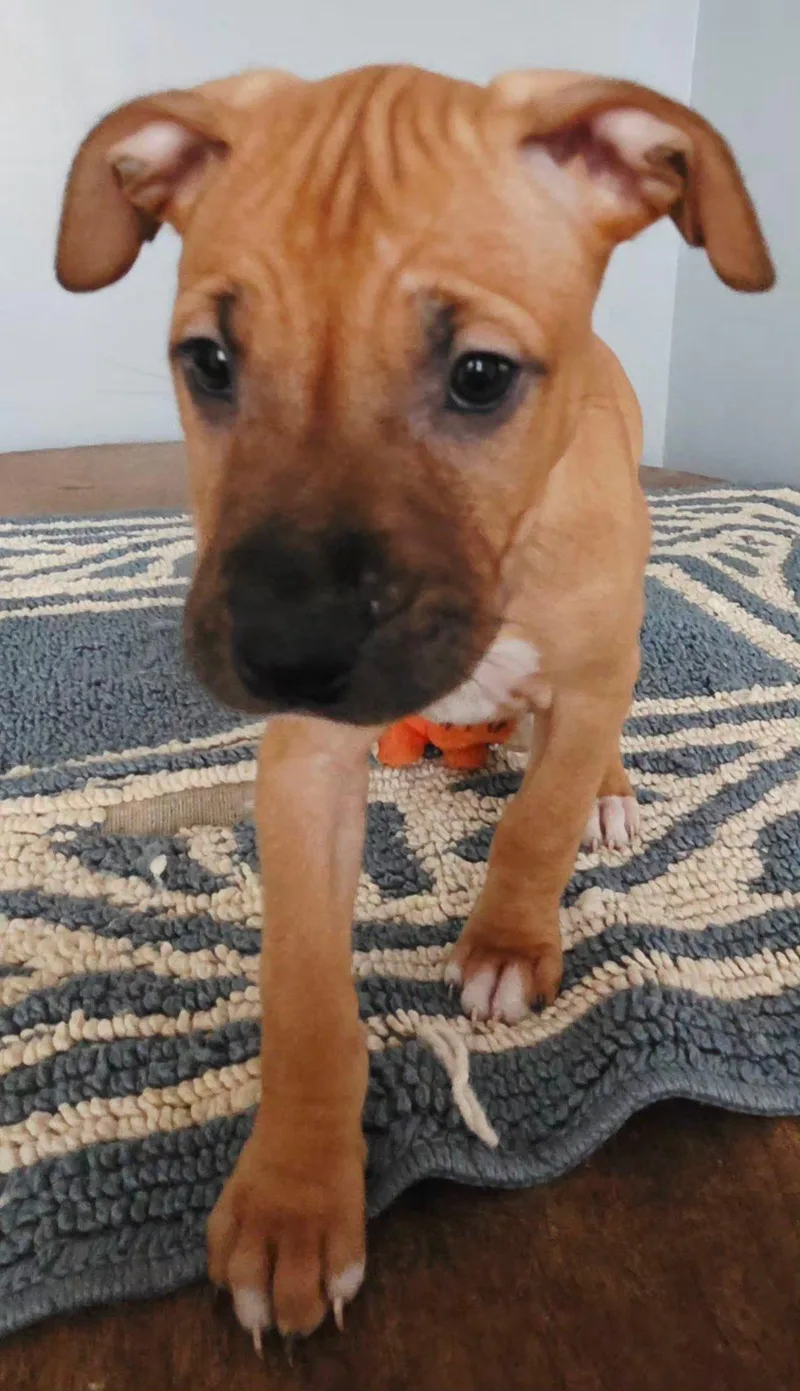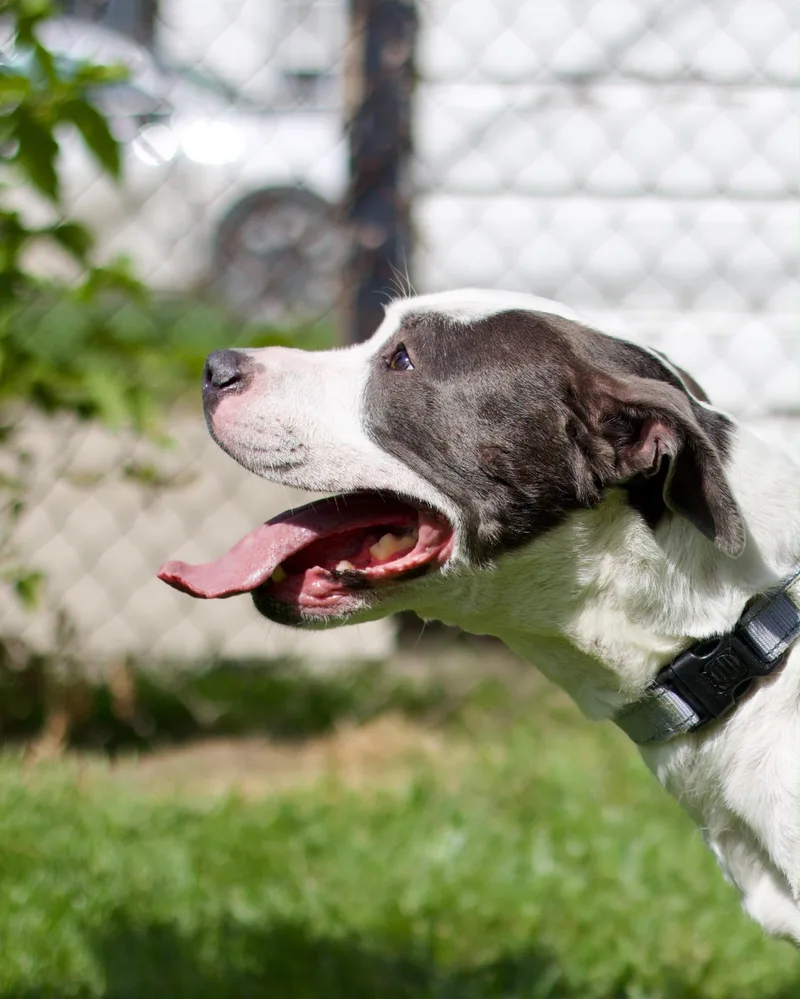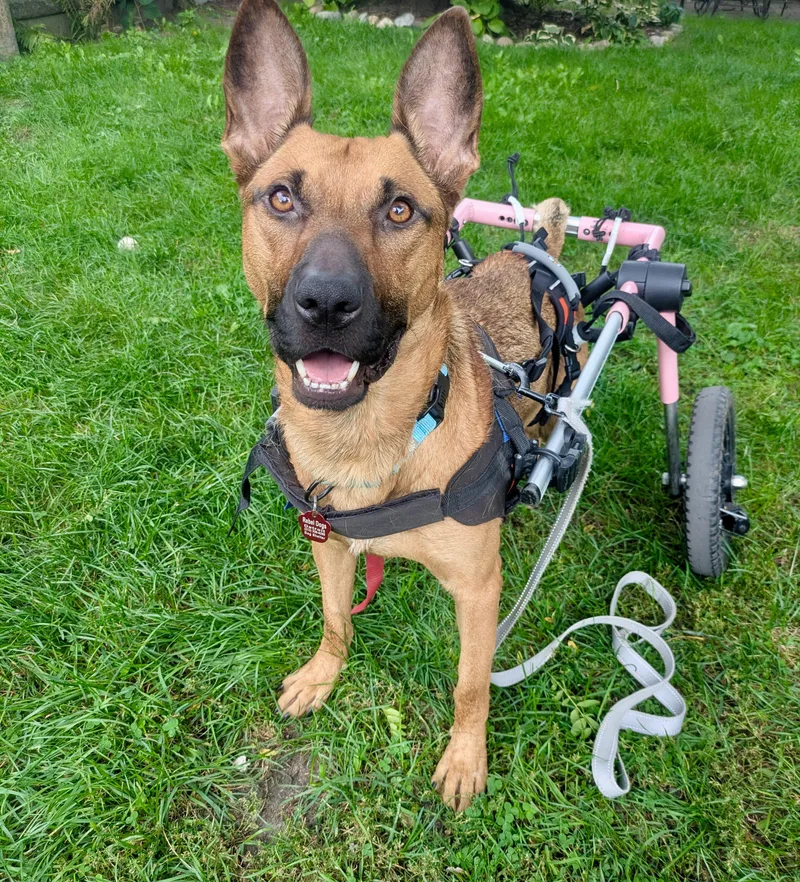
Cattle Dogs for Adoption in Detroit, MI

Your guide to finding and caring for a Cattle Dog in Detroit

A Cattle Dog suits a Detroit household that's out the door every morning, especially on the far west side near Rouge Park and Eliza Howell Park. The label usually means a Blue or Red Heeler or a mix, a medium, muscular dog built for long workdays. Those big parks give one room to run, and the 1920s single-family homes around Brightmoor and Warrendale often have yards. Even slushy January days still need that hour of exercise.

1919 Cattle Dogs available in Detroit and nationwide

Fall for a Cattle Dog

While we don't have enough dogs near Detroit, keep in mind that many rescues may offer transport.

Cattle Dogs Available for Adoption Near Detroit

About the Cattle Dog breed

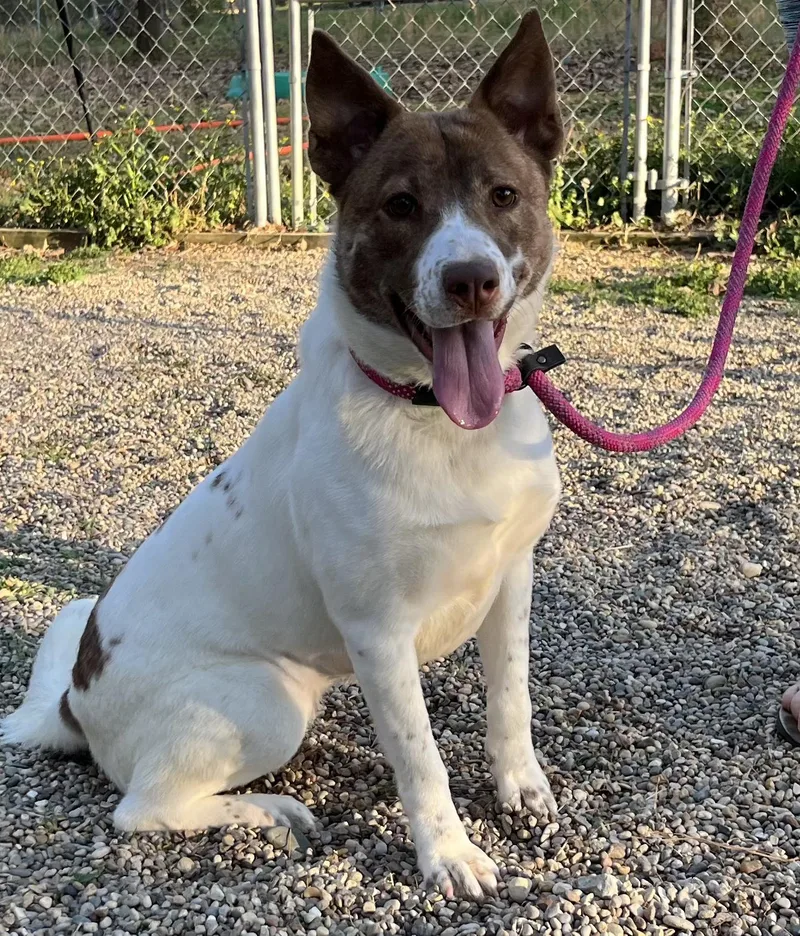
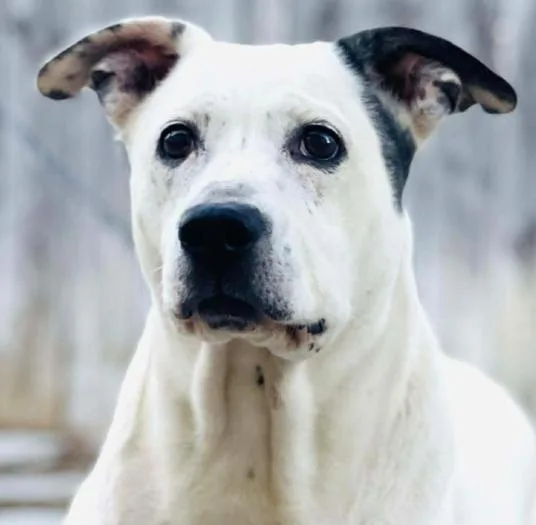
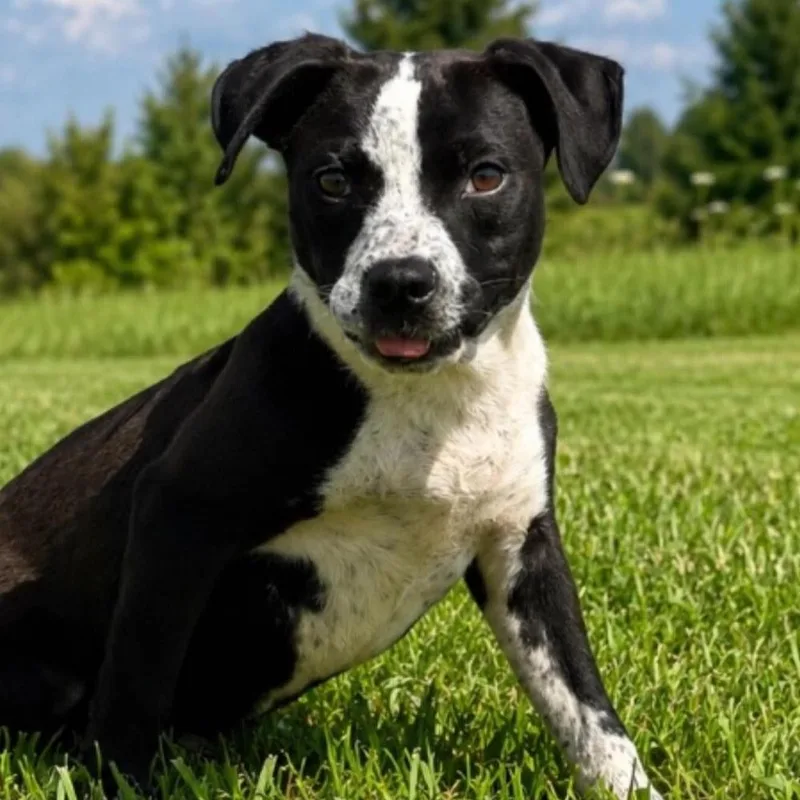
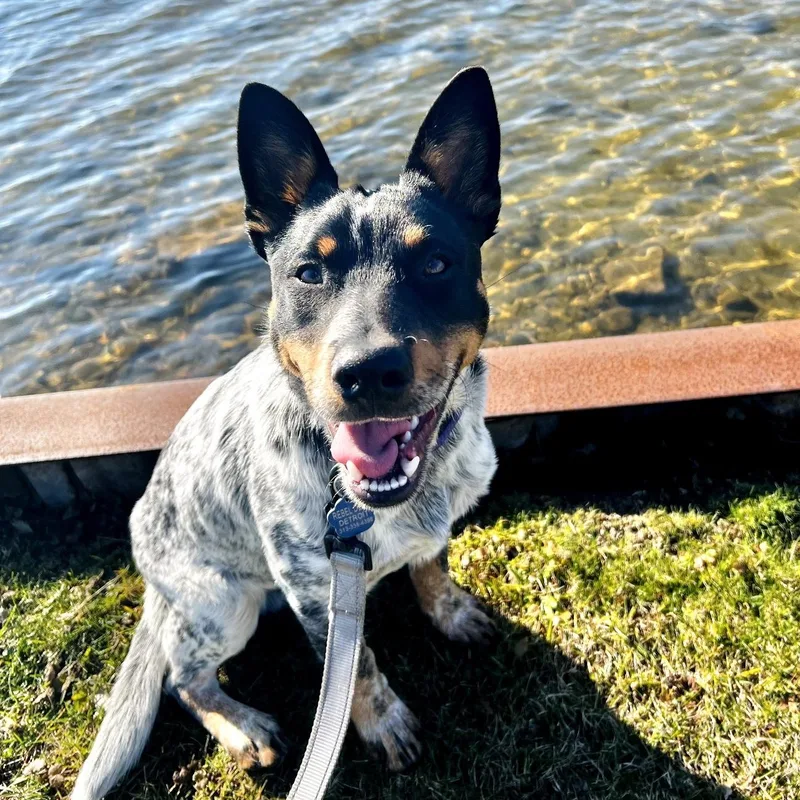
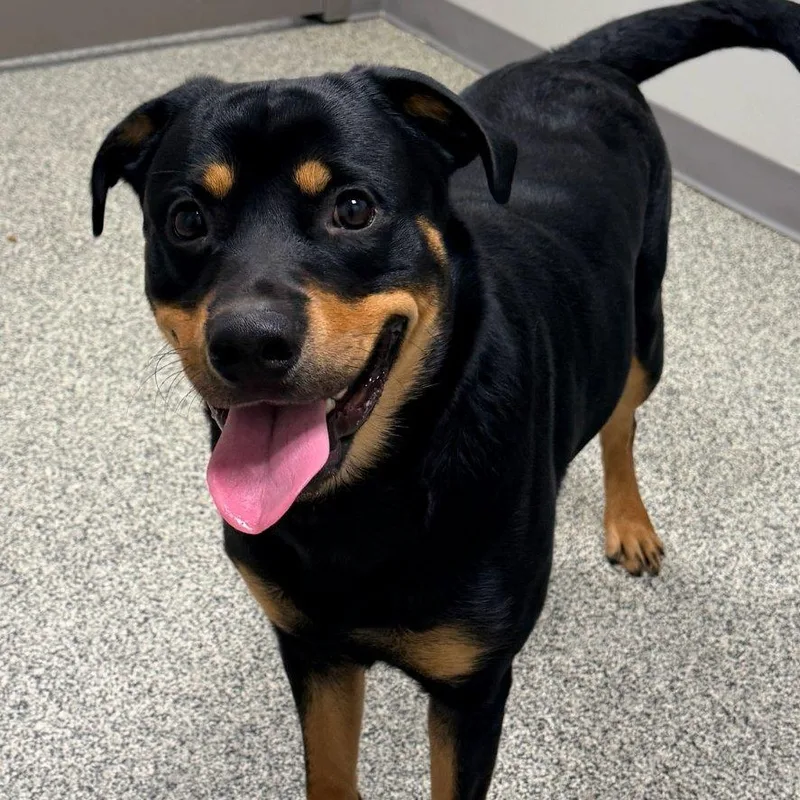
Cattle Dog is a catch-all label. Most dogs carrying it are Australian Cattle Dogs, called Blue or Red Heelers, or mixes with one, though Texas Heelers and crosses with Border Collies or Labs turn up too. The Australian Cattle Dog was developed in nineteenth-century Australia to drive cattle over long distances by nipping at their heels.

Most are medium-sized, compact and muscular, with a short double coat that sheds moderately and a sharp, independent mind. Many bond closely with one person or family, stay reserved with strangers and want a job to do. Mixes vary in size, coat and energy, and a dog's age and behavior say more about daily life with it than the label does.

Weight
30–50 lbs
Height
17–20 in
Lifespan
12–16 yrs
Temperament
Energetic, Loyal, Intelligent, Protective
Group
Herding
Shedding
Moderate

Owning a Cattle Dog in Detroit

Having a Cattle Dog in Detroit

Dogs labeled Cattle Dog usually bring a heeler's stamina, quick thinking and devotion, whatever their mix. That makes them excellent partners for active Detroiters and a poor match for long, quiet days alone, so match the dog's energy to your routine.

Temperament

Cattle Dogs tend to be loyal, alert and attached to their own people, often cautious with strangers. Many try to herd kids, bikes or other pets by nipping, and some guard their space. Early socialization and consistent training help in a busy city, where sidewalks, joggers and doorbells are constant. Mixes vary, so watch how each dog reacts.
Exercise Needs

Plan on at least an hour of vigorous activity a day, plus mental work like puzzle toys, scent games and training. In Detroit that can mean fast walks along the RiverWalk, runs through Rouge Park's trails or off-leash time at a city dog park. A tired Cattle Dog is usually calm indoors.

Health Considerations

Australian Cattle Dogs and their mixes are often hardy, but deafness, progressive retinal atrophy, lens luxation and hip or elbow problems occur, and athletic play can cause cruciate tears. A veterinarian can check hearing and eyes. Rinse salt from paws after winter walks, keep the dog lean and check for ticks after woodland trips.

Living Space

Detroit's mix of bungalows with yards and rental apartments can work, as long as the daily exercise is dependable. A fenced yard helps, but bored Cattle Dogs are known escape artists, so check gates and fences. Expect a dog that wants to stay close to you indoors rather than live outside.

What it costs to own a Cattle Dog in Detroit

ExpenseTypical costPer year
Food$35 to $70 per month$420 to $840
Pet insurance$45 to $85 per month$540 to $1,020
Routine vet care$225 to $450 per year$225 to $450
Other*$435 to $1,165 per year$435 to $1,165
Estimated yearly total (after year one)$1,620 to $3,475

Other costs are estimates and vary with size, age and health.

* The Detroit dog license ($10 for a spayed or neutered dog, $15 unaltered), flea, tick and heartworm prevention, a dental cleaning allowance, durable toys and bedding, and light home grooming.

Adopt a Cattle Dog in Detroit.

Now that you know more, let’s find you a new best friend. These rescues and shelters below have dogs available in and near Detroit.

Rescues and Shelters in or near Detroit

Detroit's city shelter and nonprofit rescues care for dogs of every type and mix, and the ones listed below are on this page. Here are the rescues & shelters in the Detroit area with dogs available for adoption, worth asking whether a Cattle Dog is coming in.

Frequently Asked Questions

Yes, there is no known breed ban in Detroit, and dangerous-dog rules are based on a dog's behavior rather than its breed. You'll need a yearly city dog license with proof of rabies vaccination, and the city limits how many dogs a household may keep. Some nearby suburbs have had breed rules, so check before moving.

Generally yes, since the double coat copes well with Detroit's cold, which includes about 41 days a year that stay below freezing. Salt and ice are the real issues, so wipe paws after walks and keep up indoor exercise. City code also requires adequate shelter for tethered dogs below 40°F, so keep the dog indoors.

For off-leash running, try the dog parks at Palmer Park, Riverside Park and Kelley Park. For leashed workouts, Rouge Park's forest and prairie trails, the RiverWalk and Belle Isle give a Cattle Dog plenty of distance. Belle Isle requires a six-foot leash and bars pets from the swimming area.

Generally no. DDOT buses and the QLINE allow service animals only, and DDOT makes no exception for pets in carriers. Because a Cattle Dog is medium-sized and needs lots of outings, plan on driving to parks, Belle Isle and vet visits. Cars entering Belle Isle need a Recreation Passport.

It can, if the exercise is reliable. About half of Detroit households rent, and an apartment works when the dog gets an hour or more of vigorous activity plus mental work every day. Without it, expect barking and chewing. Confirm pet rules and deposits in your lease before signing.

It's a good fit for active people who are home often and enjoy training. Cattle Dogs thrive on routine, so winter weather can't mean skipped exercise. They may be wary of strangers and nip at moving kids or bikes, so socialization matters. Dogs vary, so judge each one by how it behaves.

Don't count on it. Michigan food law generally bars pets from food-service areas, with exceptions only for service animals. Whether a patio allows dogs depends on the restaurant and health department approval. Cattle Dogs can be wary of strangers, so a quiet park or a walk is often the easier outing.

Very little. A weekly brushing handles the short double coat, with extra sessions during heavy spring and fall shedding. In winter, wipe salt and slush from paws and legs after walks. Baths and nail trims at home keep costs low, which matches the light home grooming counted in the Other costs.

Most cattle dogs live about 12 to 16 years, and many Australian Cattle Dogs reach 13 or 14. Mixes can fall anywhere in that range. Keeping a dog lean, active, vaccinated and up to date on veterinary exams supports a long life, though no breed label can promise a particular lifespan for a particular dog.

Expect roughly $1,600 to $3,500 a year in total. That covers food at about $35 to $70 a month, insurance at $45 to $85 a month, routine vet care of $225 to $450 a year, and other costs of $435 to $1,165 a year, such as prevention, dental care and the license.