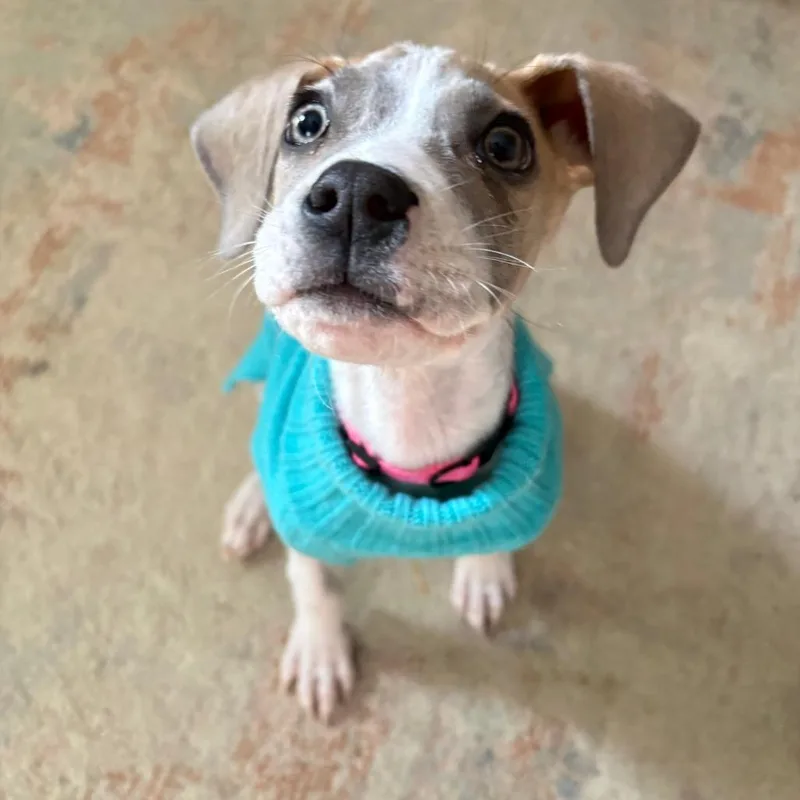
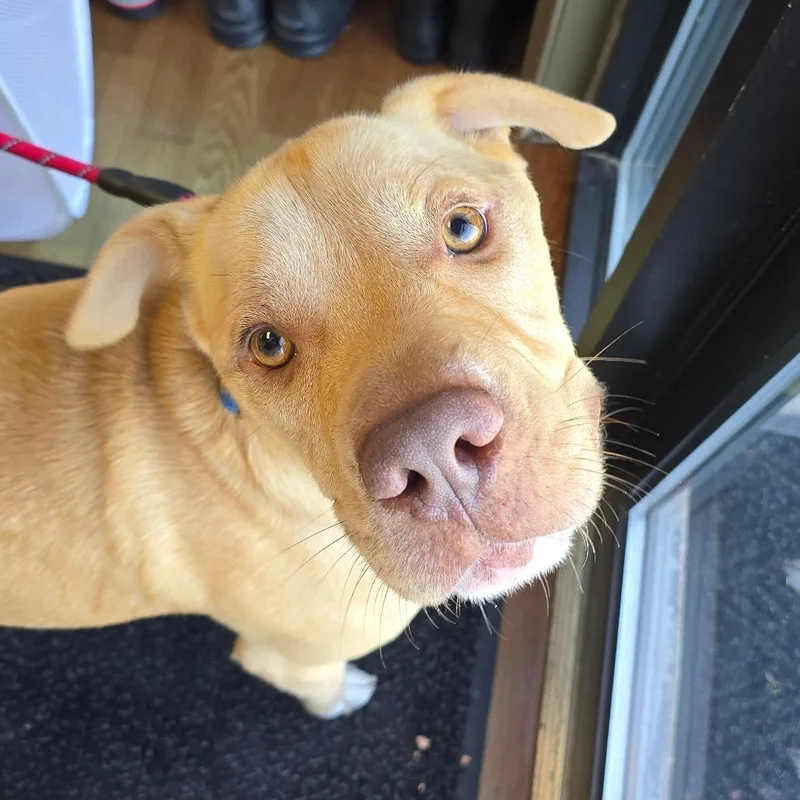
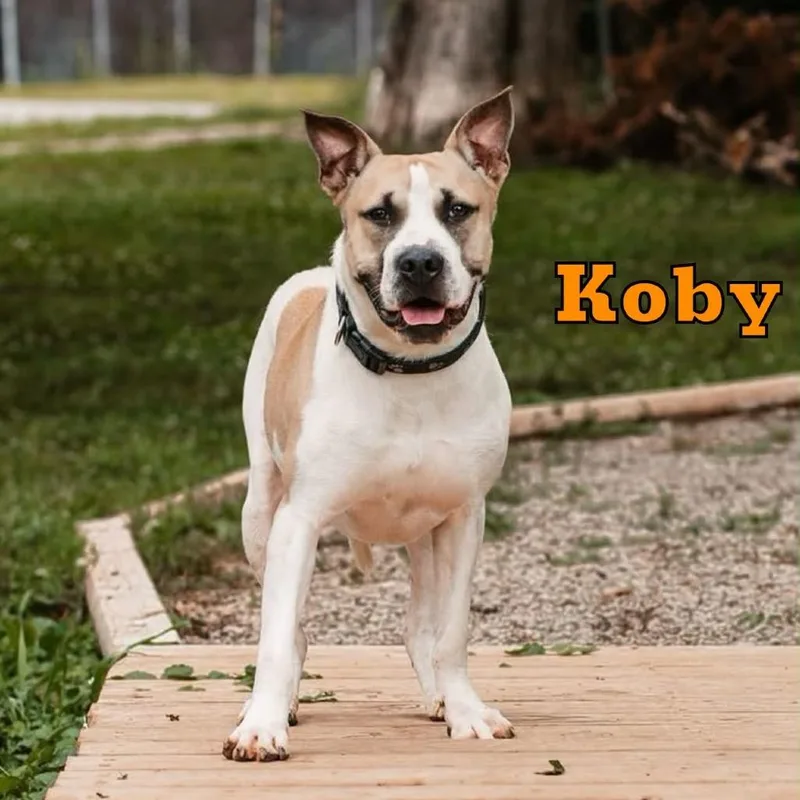
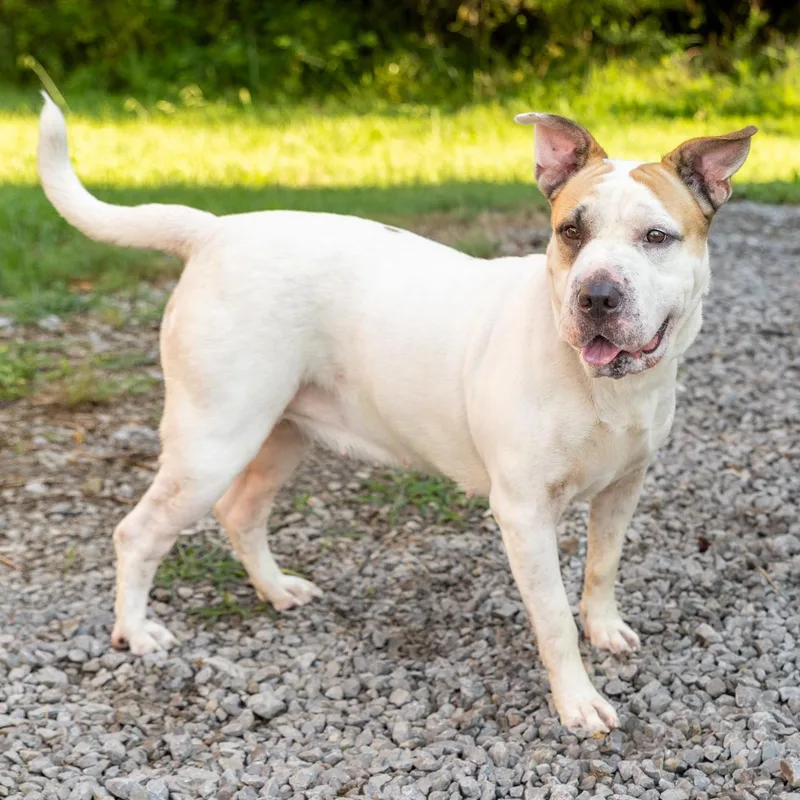
Shar-Pei Dogs for Adoption in Ann Arbor, MI

Your guide to finding and caring for a Shar-Pei in Ann Arbor

A Shar-Pei suits Ann Arbor's apartment-heavy neighborhoods, as long as winter walks and skin care become routine. Most are calm indoors, so a Kerrytown condo or an Old West Side rental can work with two good walks a day, maybe along the Argo Pond boardwalk in Northside. Snowy sidewalks and road salt mean wiping paws and wrinkles dry after every outing. Shar-Peis are reserved with strangers, so quieter streets often suit them better than a crowded Main Street patio.

629 Shar-Peis available in Ann Arbor and nationwide

Bring home a Shar-Pei

While we don't have enough dogs near Ann Arbor, keep in mind that many rescues may offer transport.

Shar-Peis Available for Adoption Near Ann Arbor

About the Shar-Pei breed

The Shar-Pei is a medium dog from southern China, known for deep wrinkles, a broad muzzle, tiny folded ears and a bristly coat whose name means sand skin. Adults usually weigh 45 to 60 pounds, and the wrinkles often settle mostly around the head, neck and withers as a dog matures. Expect a dignified, independent companion rather than an eager-to-please one.

Many Shar-Peis are calm, clean and fiercely devoted to their families, yet aloof with strangers and sometimes picky about other dogs. In Ann Arbor, where sidewalks, student-heavy blocks and busy parks mean frequent encounters, early socialization and steady reward-based training matter. Their skin and eyes need regular attention, and every dog's history and temperament vary, so plan for a veterinary visit soon after adoption.

Weight
45–60 lbs
Height
18–20 in
Lifespan
8–12 yrs
Temperament
Independent, Loyal, Protective, Calm
Group
Non-Sporting
Shedding
Moderate

Owning a Shar-Pei in Ann Arbor

Having a Shar-Pei in Ann Arbor

A Shar-Pei is a dignified dog whose short coat hides real maintenance needs. In Ann Arbor, the practical questions are winter paw and skin care, comfort on busy streets, and finding a veterinarian who knows the breed's fever and eye issues.

Temperament

Shar-Peis are typically calm and loyal with their families but reserved with strangers, and some are choosy about other dogs. Ann Arbor's busy sidewalks and campus-area foot traffic make early, positive socialization worthwhile. They think for themselves, so short, consistent, reward-based sessions work better than repetition. Each dog's personality and background differ.

Exercise Needs

Plan on two daily walks plus some play or training games. Ann Arbor's leashed city parks and trails suit this pace, and the fenced dog parks work for dogs that enjoy other dogs, though some Shar-Peis would rather skip them. Keep warm-day outings short and early, since the broad muzzle and dense skin add heat sensitivity.

Health Considerations

Watch for recurring unexplained fevers or swollen hocks, which can signal Shar-Pei fever, plus squinting from entropion, itchy skin and ear infections. Ann Arbor's wet, snowy winters mean folds and paws should be dried after walks. Wellness exams and early skin and eye checks with a veterinarian familiar with the breed help catch problems sooner.

Living Space

Shar-Peis can live happily in an apartment, which suits Ann Arbor's many rentals, because they're usually quiet and calm indoors. A cool room on warm days, a comfortable bed away from drafts in winter, and a secure fence or leash matter more than square footage. Plan careful introductions for visitors.

What it costs to own a Shar-Pei in Ann Arbor

ExpenseTypical costPer year
Food$35 to $70 per month$420 to $840
Pet insurance$55 to $100 per month$660 to $1,200
Routine vet care$225 to $450 per year$225 to $450
Other*$480 to $1,462 per year$480 to $1,462
Estimated yearly total (after year one)$1,785 to $3,952

Other costs are estimates and vary with size, age and health.

* The Ann Arbor dog license, flea, tick and heartworm prevention, a dental cleaning allowance, toys and bedding, simple coat care, and cleansers and wipes for skin folds and ears.

Adopt a Shar-Pei in Ann Arbor.

Now that you know more, let’s find you a new best friend. These rescues and shelters below currently have Shar-Peis available.

Rescues in Ann Arbor with Shar-Peis Available

Ann Arbor's rescue community includes the Humane Society of Huron Valley, which houses the city's strays. Here are the rescues & shelters in the Ann Arbor area where you can find Shar-Peis and other dogs available for adoption.

Frequently Asked Questions

Often yes, for adopters who can handle winter and skin care. A Shar-Pei is calm indoors, needs only moderate exercise and adapts to Ann Arbor's mix of apartments and houses. Plan for salty sidewalks, frequent wrinkle drying, early socialization for busy streets, and a household that respects a reserved dog's space. Temperament varies from dog to dog, so read each listing closely.

Yes. Ann Arbor has no breed ban, and its code says a dog can't be labeled dangerous solely because of its breed or perceived breed. Dangerous-dog rules are based on behavior instead. You'll need a dog license and a current rabies vaccination, and barking that carries past your property line overnight can count as a noise nuisance.

Yes, many Shar-Peis do well in apartments because they're typically quiet and calm indoors. In Ann Arbor, the practical hurdles are lease terms and winter routines. Read the lease for pet rules and fees before applying, plan quick potty trips for icy mornings, and keep the unit cool in summer, since the breed overheats easily.

Yes, with preparation. Ann Arbor winters average 18 to 34°F with about 61 inches of snow a year, and a Shar-Pei's thin coat offers little insulation. Use a coat on walks, wipe salt off paws and folds, and dry skin fully. Shorten outings on the coldest days, and include your dog in any power-outage plan.

Leashed walks suit most Shar-Peis. Nichols Arboretum welcomes leashed dogs, and city natural areas like Bird Hills have trails where dogs must stay leashed. For off-leash time, Broadway Park in Lower Town has separate small and large dog areas, but some Shar-Peis dislike unfamiliar dogs, so start with a quiet visit. A permit and license are required.

Only in a secure carrier. TheRide buses carry pets free, but pets must travel in a well-secured cage or travel container, and a full-grown Shar-Pei at 45 to 60 pounds will rarely fit one comfortably. Service animals ride without a carrier. Ann Arbor has no subway or light rail, so most Shar-Pei outings are on foot or by car.

Usually not. Michigan's food code bars dogs other than service animals from food establishments, including patios, unless the restaurant has a variance from the local health department, and only a handful in Washtenaw County do. Ann Arbor also doesn't allow dogs to be left tied outside restaurants. A reserved Shar-Pei is often happier at home.

Little brushing, but regular skin care. The short, harsh coat needs a weekly brush, more during heavy shedding, and baths as needed. Wipe and fully dry wrinkles and ears, especially after snowy or muddy walks. That care is mostly home supplies, which fits within the yearly Other costs of $480 to $1,462 rather than regular salon visits.

We have 1 rescue with Shar-Peis available: Humane Society of Huron Valley. You can see every rescue with Shar-Peis available in the list above these questions, or scroll to the top to see the Shar-Peis near Ann Arbor.

Expect roughly $1,800 to $3,950 a year for a Shar-Pei in Ann Arbor, based on food at $35 to $70 a month, insurance at $55 to $100 a month, routine vet care of $225 to $450 and other costs of $480 to $1,462. Skin, eye and ear problems can add unplanned vet bills.