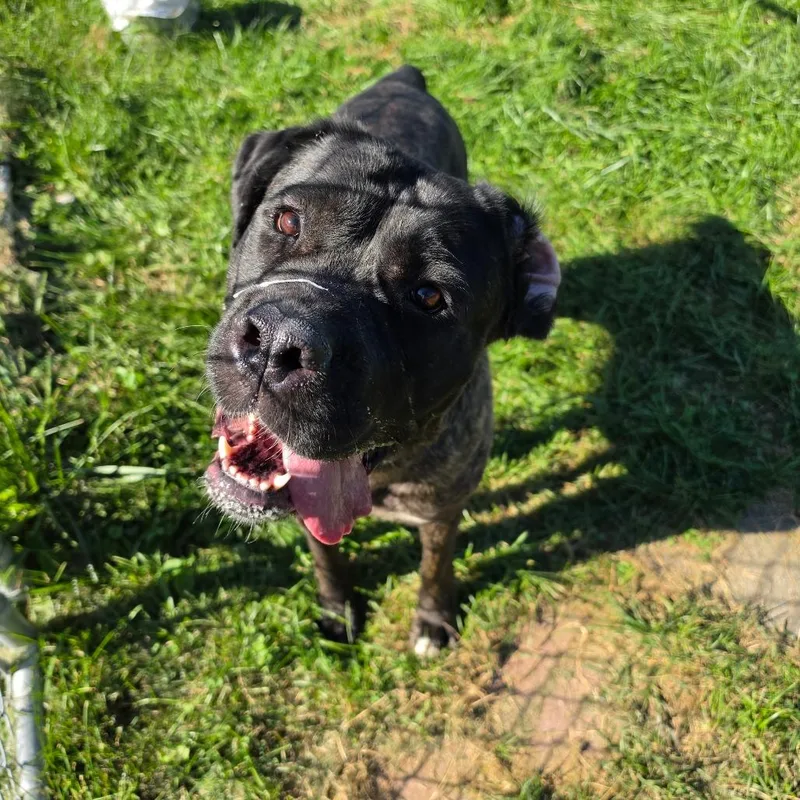
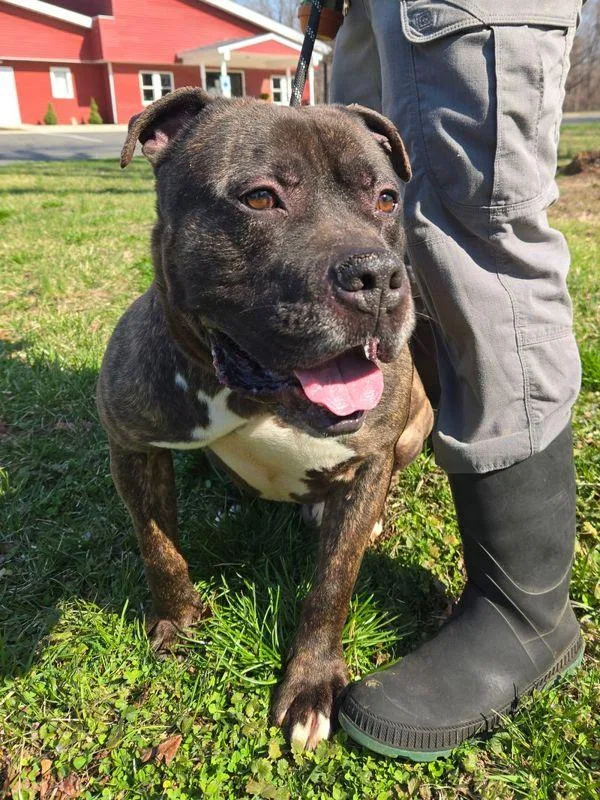
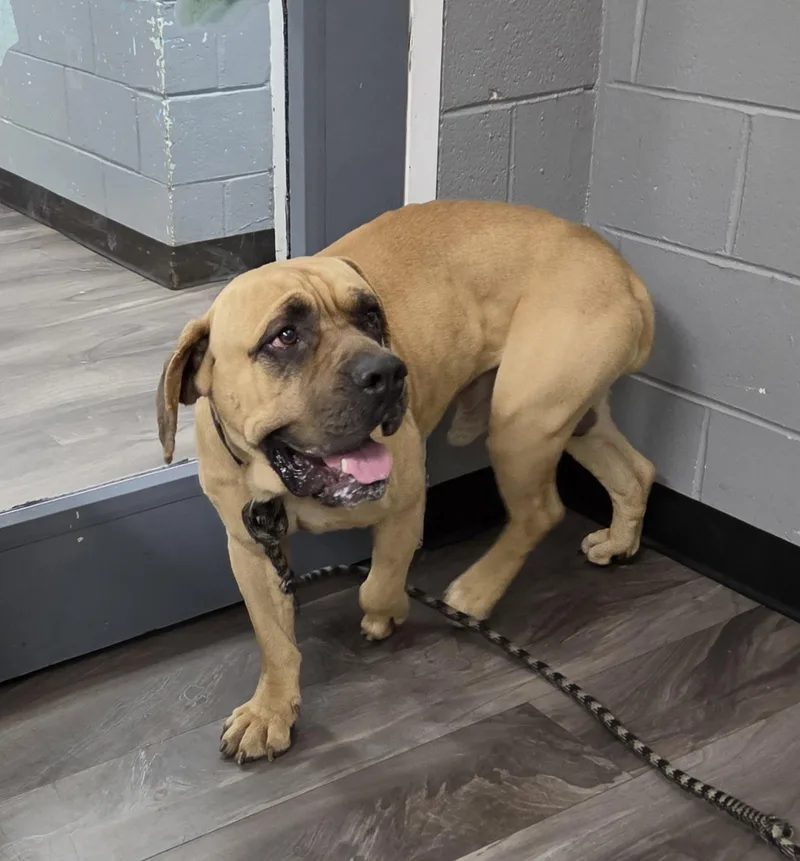
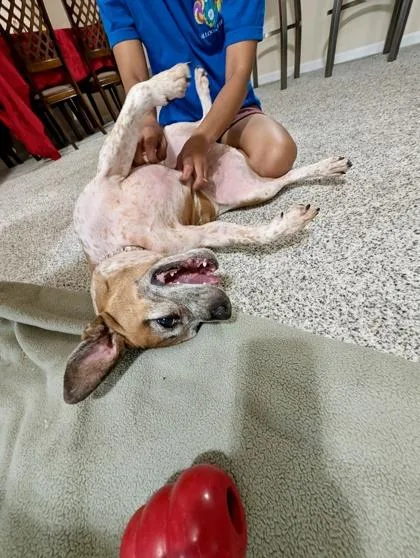
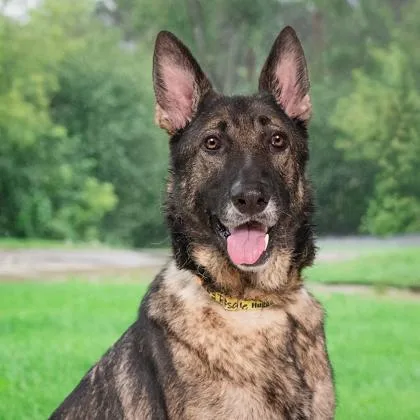
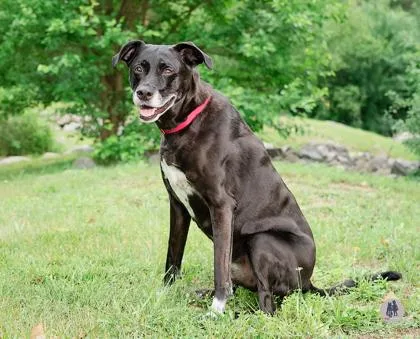
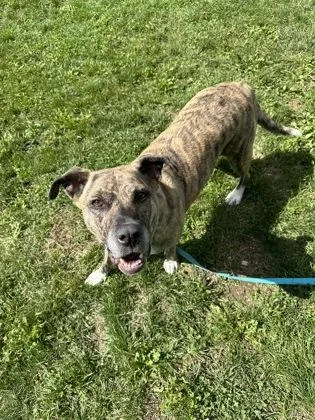
Mastiff Dogs for Adoption in Ann Arbor, MI

Your guide to finding and caring for a Mastiff in Ann Arbor

A Mastiff can be a good fit in Ann Arbor if you have room for a very large, very calm dog. They're happy with a few easy walks, like a slow loop through Nichols Arboretum on the Angell and Geddes side, or a stroll past the older houses in Burns Park. Winter is the harder part: a giant dog on icy sidewalks needs good traction and a steady hand. A Mastiff does best with someone home a fair amount, since most want to be near their people.

917 Mastiffs available in Ann Arbor and nationwide

Give a Mastiff a home

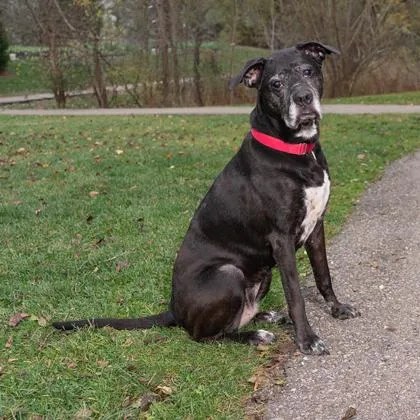
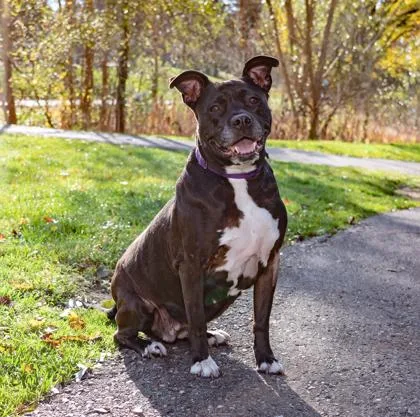
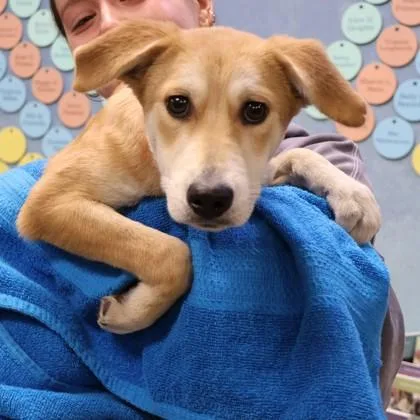
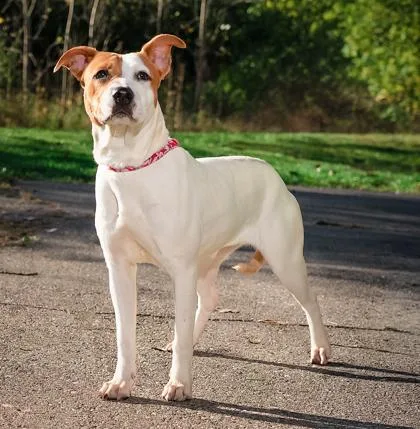
Mastiffs Available for Adoption Near Ann Arbor

About the Mastiff breed

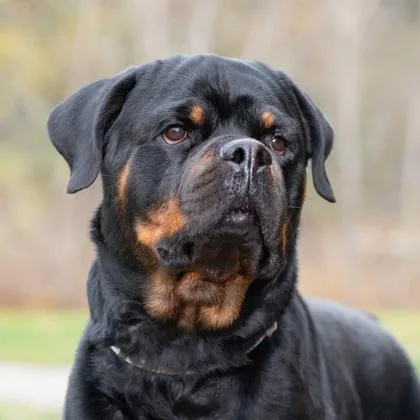
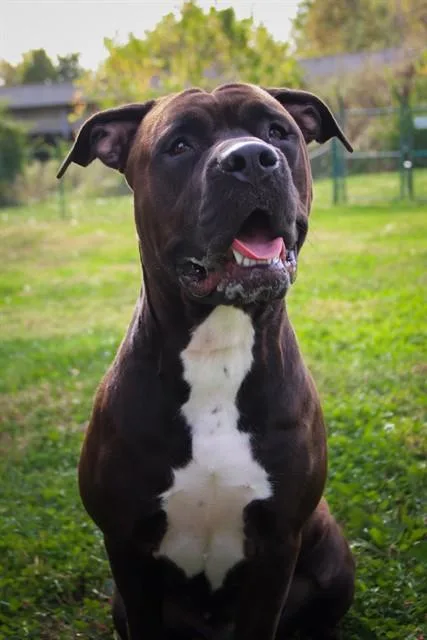
The Mastiff, also called the English Mastiff, is a massive, heavy-boned guardian with a broad head, a dark mask and a short fawn, apricot or brindle coat. Large guard dogs have lived in Britain for centuries, and the modern breed nearly vanished after World War II before a small group of dogs rebuilt it. Adults commonly weigh from about 120 to 230 pounds.

Most Mastiffs are calm, dignified and gentle at home, with a quiet protectiveness toward their people. Dogs vary, though, and some are more reserved or stubborn than others. In Ann Arbor, that size shows up in practical ways: a stairwell, a car's back seat, a sidewalk crusted with ice. They shed moderately and drool, so weekly brushing and a stack of towels go a long way. Lifespans are often under ten years.

Weight
120–230 lbs
Height
27–36 in
Lifespan
6–10 yrs
Temperament
Gentle, Dignified, Protective
Group
Working
Shedding
Moderate

Owning a Mastiff in Ann Arbor

Having a Mastiff in Ann Arbor

A Mastiff's mellow nature comes in a very heavy body, and that size shapes everything from walks to vet visits. These cards cover temperament, exercise, health and living space, with notes on what matters for an Ann Arbor household.

Temperament

Mastiffs tend to be calm, affectionate and patient with family, and watchful or aloof with strangers. Steady socialization helps, especially for busy sidewalks around downtown and campus. Start reward-based training early, since a stubborn adult this heavy can't be managed by strength alone. Each Mastiff differs, so watch how the dog handles new people and places.

Exercise Needs

Adult Mastiffs usually need moderate exercise: a couple of easy walks and some relaxed play, not long runs. Ann Arbor's leashed park trails and Nichols Arboretum suit that pace. In winter, shorten outings on ice and snow to protect joints. Keep puppies off repeated stairs and forced running while their joints develop, and use short sniffing walks for mental work.

Health Considerations

Mastiffs are prone to hip and elbow dysplasia, bloat, obesity and bone cancer, and some carry heart or eye conditions. Bloat is an emergency, so learn its signs: a swollen belly, retching and restlessness. Keeping the dog lean protects the joints. A veterinarian can check hips and heart and set up regular visits, since giant breeds age faster.

Living Space

Mastiffs are quiet indoors, but they need floor space to sprawl. A ground-floor apartment or a house with few stairs is easier than a walk-up, and an elevator helps a lot. Plan for a giant crate, a sturdy car setup and washable covers for drool. They should live indoors, especially in warm weather.

What it costs to own a Mastiff in Ann Arbor

ExpenseTypical costPer year
Food$80 to $160 per month$960 to $1,920
Pet insurance$85 to $170 per month$1,020 to $2,040
Routine vet care$250 to $500 per year$250 to $500
Other*$581 to $1,662 per year$581 to $1,662
Estimated yearly total (after year one)$2,811 to $6,122

Other costs are estimates and vary with size, age and health.

* The Ann Arbor dog license ($6 a year if spayed or neutered, $12 if not), giant-dose flea, tick and heartworm prevention, a dental cleaning allowance, durable toys and bedding, basic coat care and joint supplements.

Adopt a Mastiff in Ann Arbor.

Now that you know more, let’s find you a new best friend. These rescues and shelters below currently have Mastiffs available.

Rescues in Ann Arbor with Mastiffs Available

These Ann Arbor shelters and rescues list adoptable dogs on this page, and the listings change as dogs find homes. Here are the rescues & shelters in the Ann Arbor area where you can find Mastiffs and other dogs available for adoption.

Frequently Asked Questions

Yes, you can own a Mastiff in Ann Arbor, because the city has no breed ban and its code bars calling a dog dangerous just because of its breed. You'll need a dog license, a leash on walks and prompt waste pickup. Animal noise audible past your property line is also presumed a nuisance from 10 p.m. to 7 a.m.

Yes, Mastiffs can handle an Ann Arbor winter with some planning. Their short coats aren't built for long stays in the cold, and snow and ice are harder on a heavy dog's joints than the temperature itself. Keep outings short, wipe salt off paws, use traction on slick walks, and plan for power outages like the February 2023 ice storm.

Yes, a Mastiff can live in an Ann Arbor apartment if the lease allows a dog that size. Mastiffs are quiet indoors, but they need floor space, a thick bed and ideally a ground-floor unit or an elevator. Read the lease for size or weight limits, and note that the city requires pet fees to be listed up front.

Nichols Arboretum and Bird Hills Nature Area suit relaxed leashed walks, and Swift Run Dog Park gives off-leash room across 10 fenced acres. Dog parks need a permit, and puppies under four months aren't allowed. Stay on trails and keep the leash on in natural areas. In summer, choose shaded routes, since Mastiffs overheat easily.

Pets ride TheRide buses free, but only in a well-secured cage or travel container, so a full-grown Mastiff is unlikely to qualify unless the dog is a service animal. Service animals ride without a carrier and must stay under control. Ann Arbor has no subway or light rail, so most Mastiff owners drive or walk.

Usually not. Michigan's food code bars dogs other than service animals from restaurants, including patios, unless the restaurant has a variance from the local health department, and relatively few in Washtenaw County do. Never leave a Mastiff tied outside, since Ann Arbor doesn't allow dogs left tied outside stores or restaurants while the owner is inside.

A Mastiff needs little grooming: weekly brushing handles moderate shedding, and you'll want to brush more often in spring and fall as the seasons change. Wipe the face and drool folds regularly, trim nails and clean ears. Basic coat care is already counted in the Other costs, and professional grooming is rarely necessary.

A Mastiff is a giant working dog from Britain, also known as the English Mastiff, bred for centuries as a guardian of homes and estates. Males stand at least 30 inches at the shoulder and many weigh over 160 pounds. The breed is known for a massive head, a black mask, a short coat and a calm, dignified, good-natured temperament.

We have 1 rescue with Mastiffs available: Humane Society of Huron Valley. You can see every rescue with Mastiffs available in the list above these questions, or scroll to the top to see the Mastiffs near Ann Arbor.

Expect roughly $2,800 to $6,100 a year for a Mastiff in Ann Arbor, driven by giant-breed food at $80 to $160 a month and insurance at $85 to $170 a month. Routine vet care runs $250 to $500 a year, and other costs add $581 to $1,662. Emergencies such as bloat surgery aren't included.