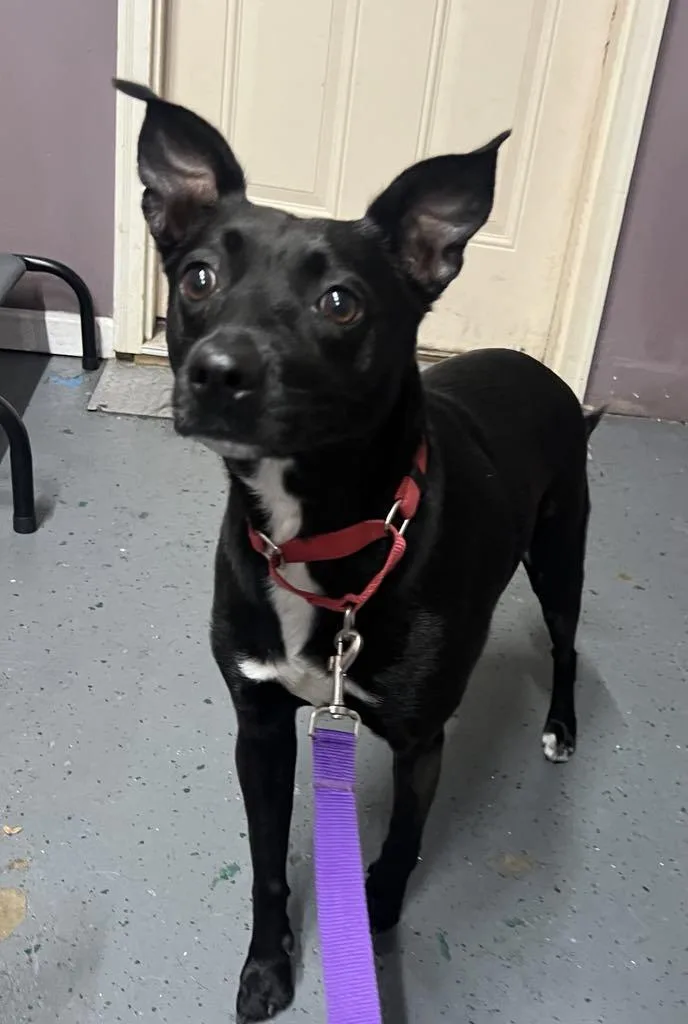
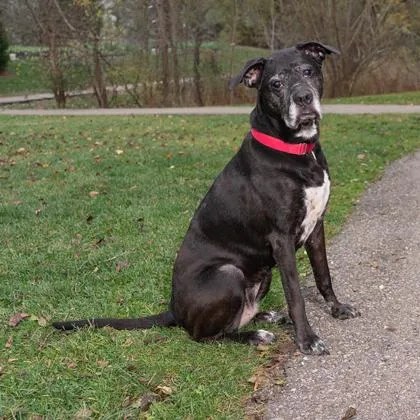
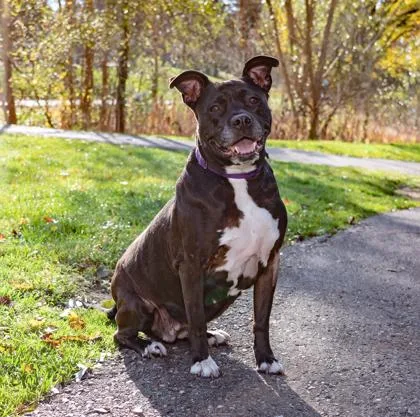
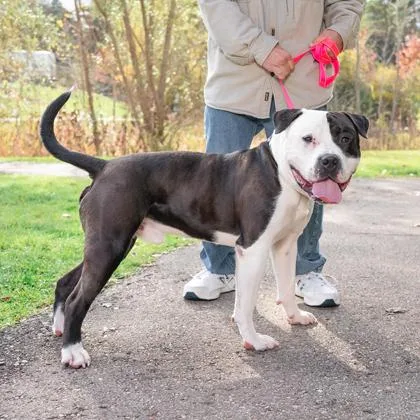
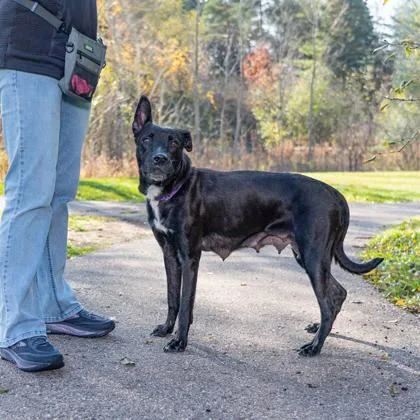
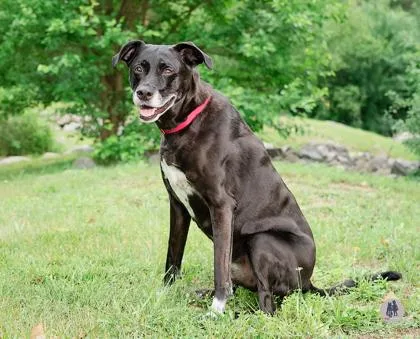
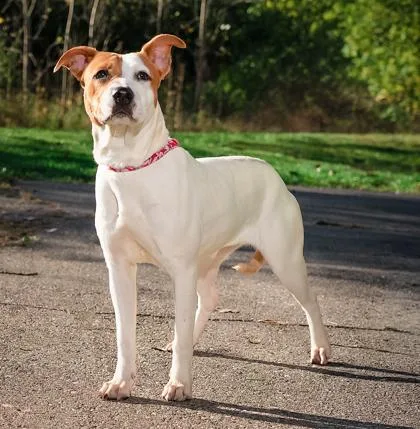
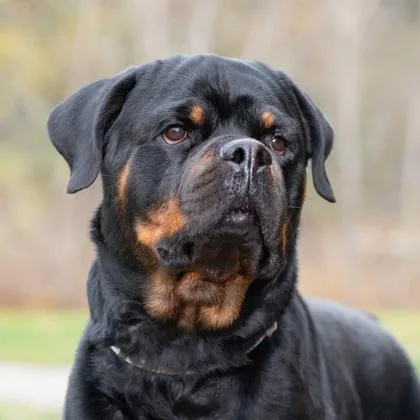
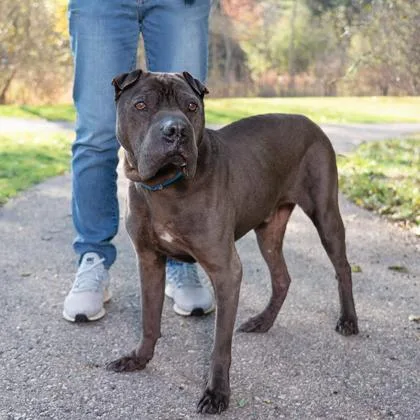
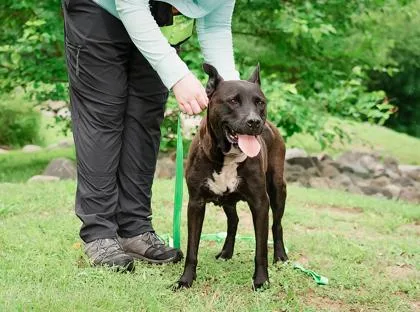
Basenji Dogs for Adoption in Ann Arbor, MI

Your guide to finding and caring for a Basenji in Ann Arbor

Basenjis fit Ann Arbor's apartment-heavy neighborhoods well, since they yodel rather than bark. A small, quiet hound is easy to live with in a Kerrytown condo or an Old West Side rental, though it still needs a brisk daily walk and a secure yard. Ann Arbor winters are cold, and many Basenjis hate snow and rain, so expect quick bathroom trips from December to February. If you like a clever, catlike dog with opinions, it's worth a look.

151 Basenjis available in Ann Arbor and nationwide

Fall for a Basenji

While we don't have enough dogs near Ann Arbor, keep in mind that many rescues may offer transport.

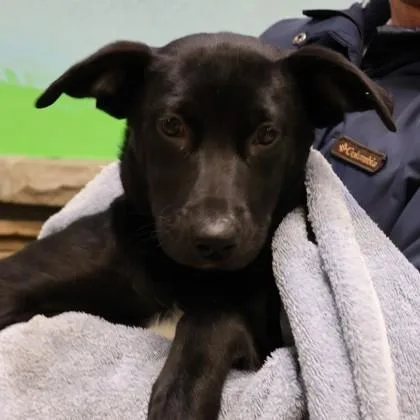
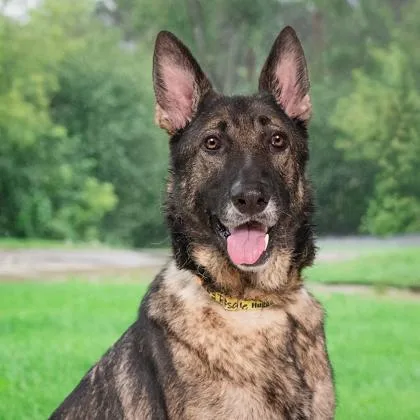
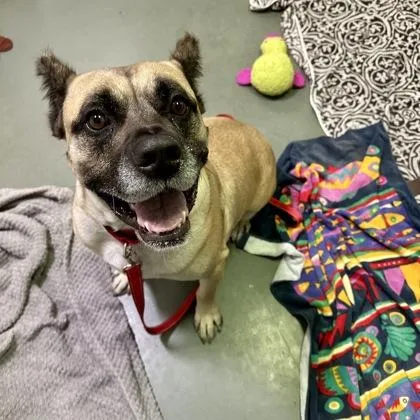
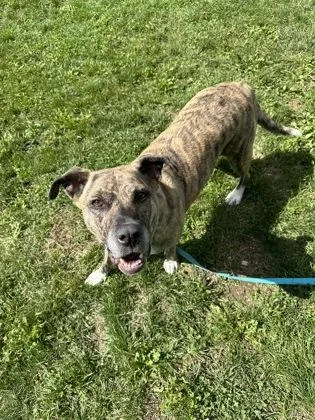
Basenjis Available for Adoption Near Ann Arbor

About the Basenji breed

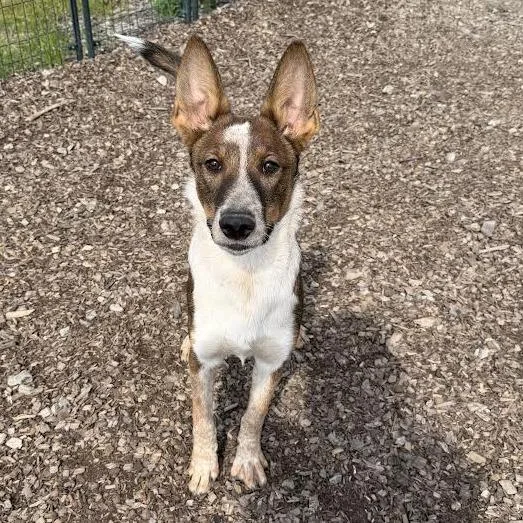
The Basenji is a small hunting hound from Central Africa, where village hunters relied on it to track small game and drive it into nets. Instead of barking, it yodels, howls and makes a sound called a baroo. Adults usually weigh 20 to 26 pounds and stand 15 to 18 inches tall, with a short, fine coat that sheds little.

Many Basenjis are affectionate with their families, reserved with strangers and strongly driven to chase. They're clever escape artists and enthusiastic chewers, so secure fencing, daily exercise and patient, creative training matter. In Ann Arbor, that means a leash on every walk and a plan for the long, cold months when outdoor time shrinks. Dogs vary, so a Basenji's own personality counts for more than the breed description.

Weight
20–26 lbs
Height
15–18 in
Lifespan
12–15 yrs
Temperament
Independent, Intelligent, Alert, Affectionate
Group
Hound
Shedding
Low

Owning a Basenji in Ann Arbor

Having a Basenji in Ann Arbor

Catlike independence, a hunter's chase drive and an unusual voice define the Basenji. In Ann Arbor, those traits shape winter walks, apartment living and fenced-area safety, so they're worth weighing before you adopt.

Temperament

Basenjis tend to be affectionate with their families, alert and often aloof with strangers. They think for themselves, so they may ignore commands that seem pointless. Strong prey drive can make small pets risky, and some Basenjis enjoy other dogs while others prefer to be the only one. In busy Ann Arbor neighborhoods, expect a watchful dog on walks.

Exercise Needs

Plan on a daily brisk walk plus a run or play session in a securely fenced space. Ann Arbor's fenced dog parks can work, but a Basenji's chase instinct makes open off-leash areas risky, and most other city parks require a leash. Puzzle toys and scent games help on icy days.

Health Considerations

Basenjis can inherit Fanconi syndrome, a kidney disorder, along with progressive retinal atrophy, pyruvate kinase deficiency and hypothyroidism. DNA tests exist for some of these. A veterinarian can discuss urine screening and routine checkups to catch problems early. In Ann Arbor, year-round parasite prevention and rinsing ice-melt from paws after winter walks are sensible.

Living Space

A Basenji's quiet nature suits Ann Arbor's many apartments and rentals, though a yodel or scream can still carry through walls. Security matters more than space: they climb fences and chew through barriers, so check balcony railings and yard gaps. Many dislike cold and rain, so give them a warm indoor spot.

What it costs to own a Basenji in Ann Arbor

ExpenseTypical costPer year
Food$20 to $45 per month$240 to $540
Pet insurance$40 to $85 per month$480 to $1,020
Routine vet care$200 to $400 per year$200 to $400
Other*$381 to $1,062 per year$381 to $1,062
Estimated yearly total (after year one)$1,301 to $3,022

Other costs are estimates and vary with size, age and health.

* The $6 to $12 Ann Arbor dog license, flea, tick and heartworm prevention, a dental cleaning allowance, durable chew toys and bedding, and minimal grooming for a short coat.

Adopt a Basenji in Ann Arbor.

Now that you know more, let’s find you a new best friend. These rescues and shelters below currently have Basenjis available.

Rescues in Ann Arbor with Basenjis Available

Ann Arbor has an active community of shelters and rescues, and the dogs they list change often. Here are the rescues & shelters in the Ann Arbor area where you can find Basenjis and other dogs available for adoption.

Frequently Asked Questions

Yes, you can own a Basenji in Ann Arbor. The city has no breed ban, and its code says a dog can't be labeled dangerous because of its breed. You'll need a dog license, and barking, which Basenjis rarely do, is presumed a nuisance from 10 p.m. to 7 a.m. Pet stores can't sell dogs, so adoption is the route.

Many can with preparation, but winter is their hardest season here. About 45 days a year never rise above freezing, and Basenjis have thin coats and often dislike cold and wet. Plan on a coat, paw wiping after salted sidewalks, short outdoor trips and indoor games on icy days.

Broadway Park and Swift Run Dog Park are the best bets, since both are fully fenced and need a permit. Check fences for gaps, because Basenjis climb, and keep the leash on until you're inside. For leashed walks, try Nichols Arboretum or the trails at Bird Hills Nature Area, and never trust recall in open areas.

Yes, a Basenji can live in an Ann Arbor apartment if it gets daily exercise. Its near-silence helps in shared buildings, though yodels and screams happen. Since so many homes here are rentals, confirm the pet policy and any pet fees before signing. Chewing and climbing can cause damage, so crate training and puzzle toys help.

It can be, for someone who enjoys daily walks and training. Walkable areas like Kerrytown and Burns Park offer plenty of leashed routes, and fenced parks give safe places to sprint. It's a harder fit if you're away all day or want an off-leash hiking dog, since chase drive and cold winters limit that.

Yes, TheRide buses let pets ride free, but a Basenji must travel in a well-secured cage or travel container. At 20 to 26 pounds, it needs a roomy carrier, so practice at home first. Choose one large enough for the dog to stand and turn. Ann Arbor has no subway or light rail.

Usually not inside, and patios only with permission. Michigan's food code bars dogs other than service animals, including on patios, unless a restaurant has a local health department variance, and few do. Never tie your Basenji outside while you eat, because Ann Arbor says dogs can't be left tied outside restaurants or stores while you're inside.

Very little. A Basenji's short, fine coat sheds lightly and the dog cleans itself much like a cat, so weekly brushing and an occasional bath usually do it. In Ann Arbor winters, wipe salt from paws and keep nails trimmed. Professional grooming is optional and fits within the small grooming allowance in the Other costs.

We have 1 rescue with Basenjis available: Humane Society of Huron Valley. You can see every rescue with Basenjis available in the list above these questions, or scroll to the top to see the Basenjis near Ann Arbor.

Expect roughly $1,300 to $3,000 a year for a Basenji in Ann Arbor, covering food, insurance, routine vet care and other costs. Insurance may run higher because of inherited conditions, while the short, self-cleaning coat keeps grooming costs low. Adoption fees appear on each listing, and emergencies or illness are extra.

Find Basenjis in Nearby Cities

Expand your search to find Basenjis available for adoption near Ann Arbor.