Husky Dogs for Adoption in Portland, ME

Your guide to finding and caring for a Husky in Portland

A Husky suits Portland's long, snowy winters better than most dogs do. Cold mornings in Deering Center or Rosemont are when these dogs are happiest, whether that's a loop around Capisic Pond Park or a long walk through Baxter Woods before work. Plenty of Huskies are friendly and sociable, but they need hours of real exercise and a secure yard or a patient daily routine. Plan on a lot of fur and a lot of walking.

4280 Huskies available in Portland and nationwide

Your Husky is waiting

While we don't have enough dogs near Portland, keep in mind that many rescues may offer transport.

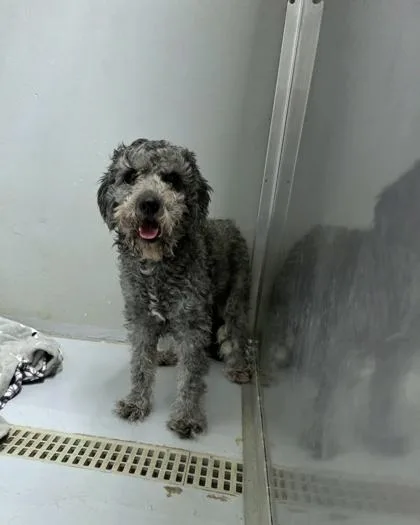
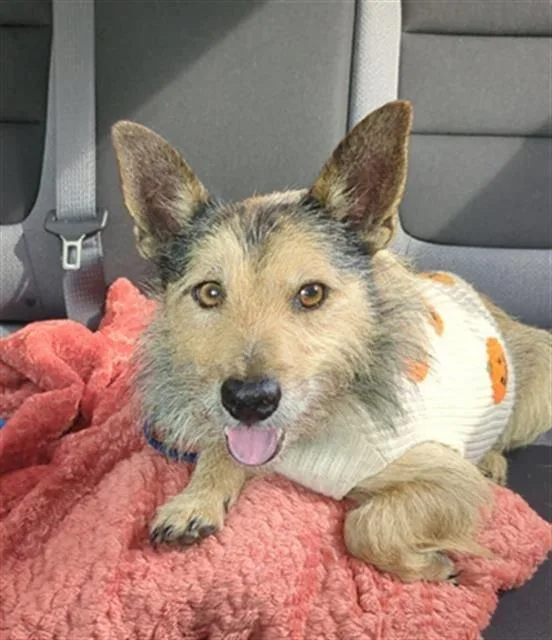
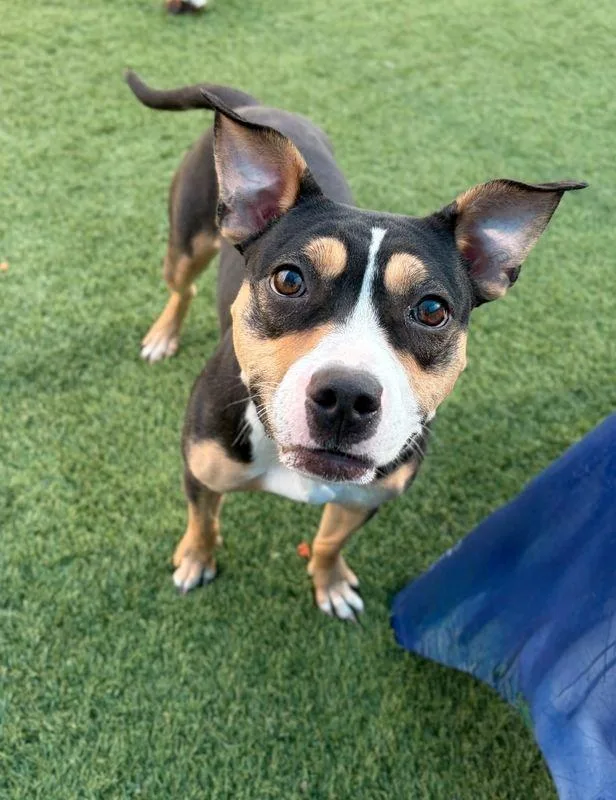
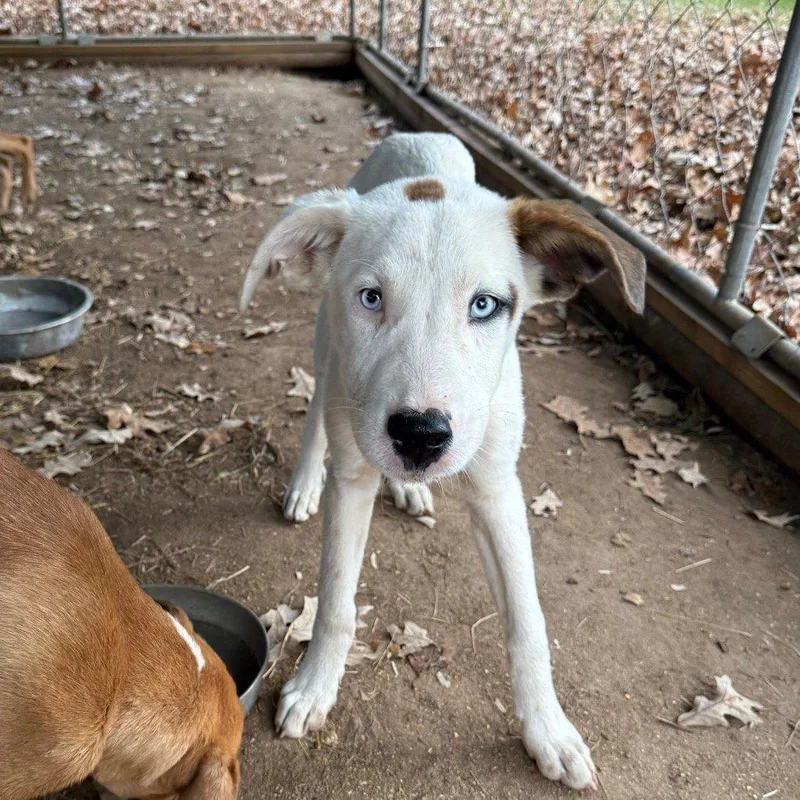
Huskies Available for Adoption Near Portland

About the Husky breed

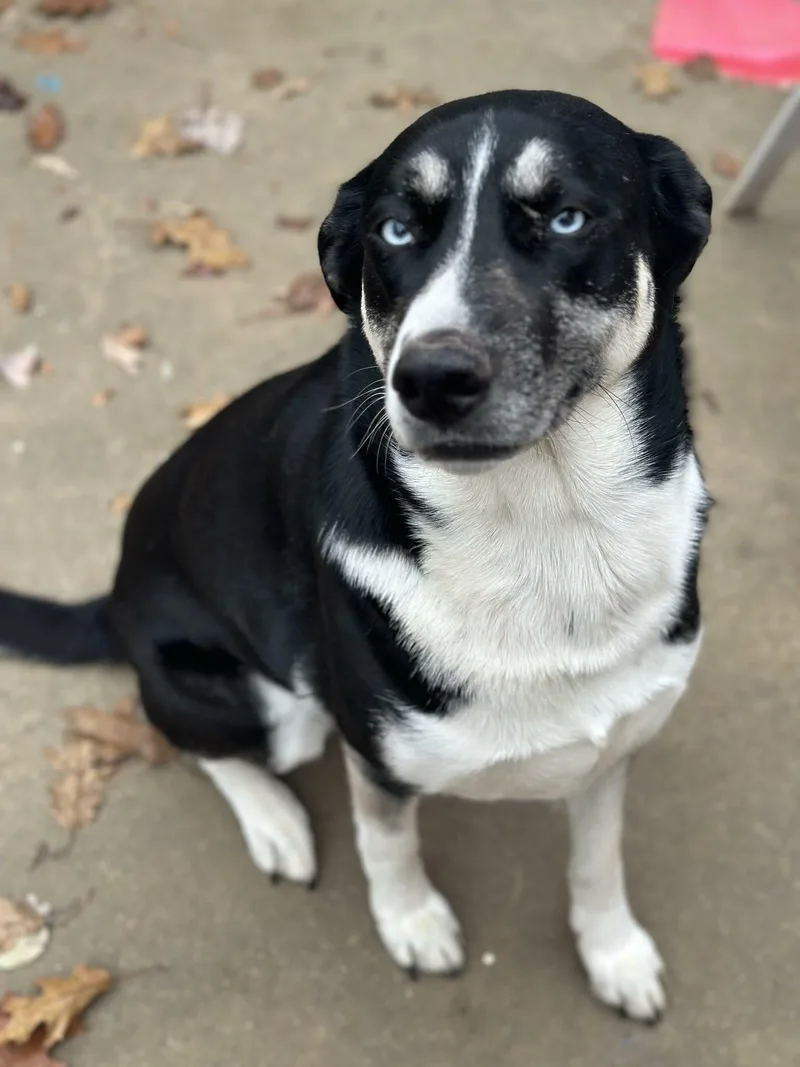
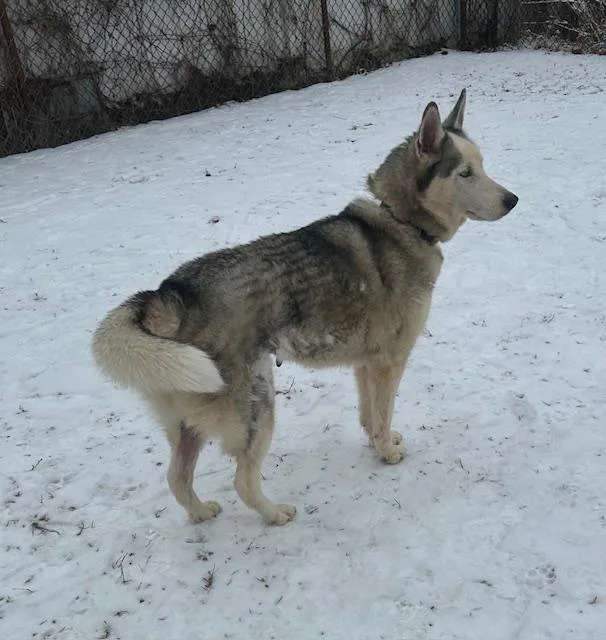
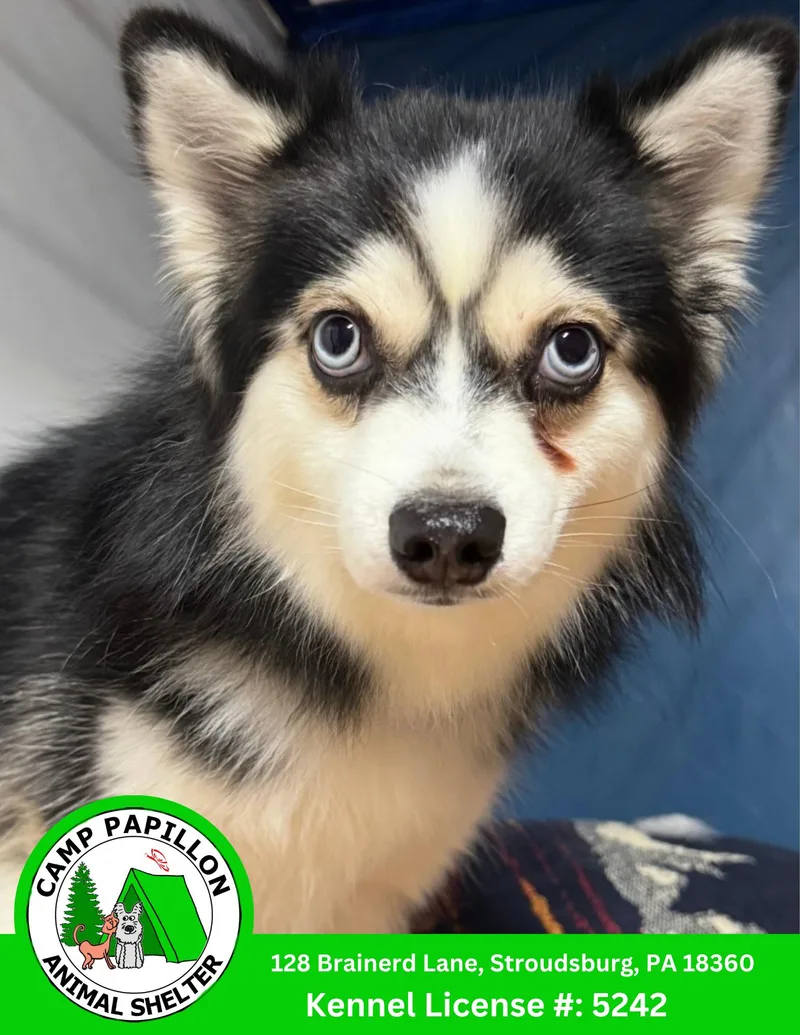
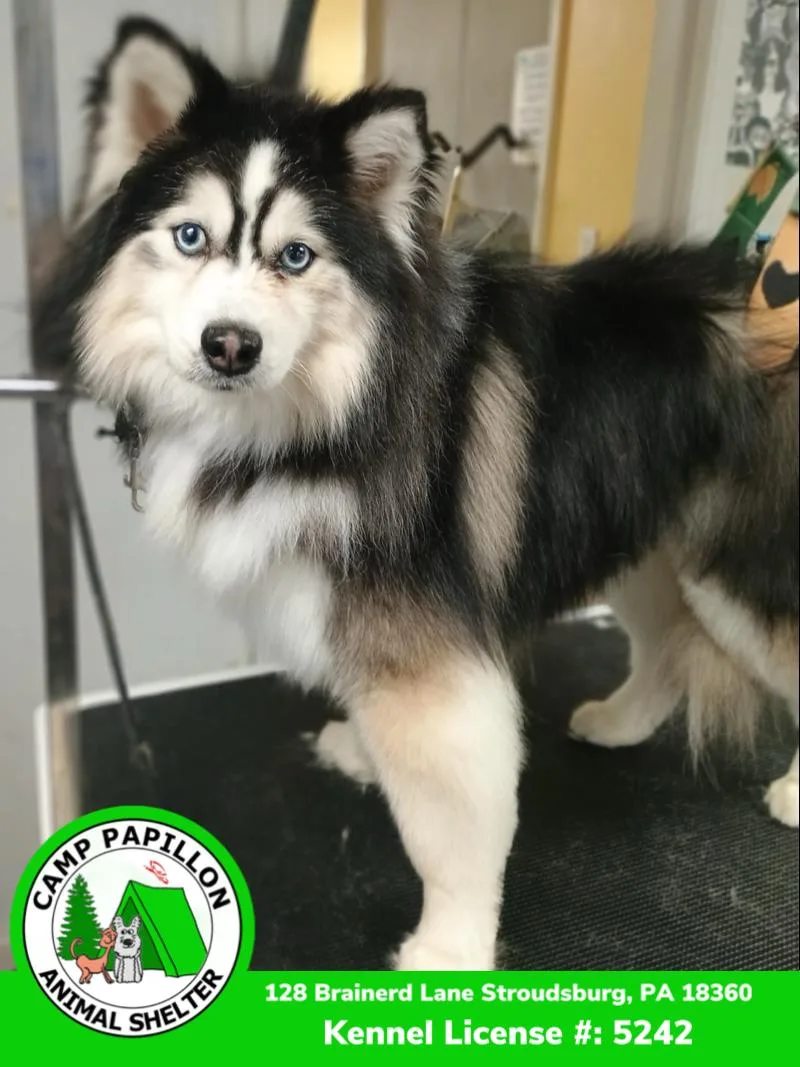
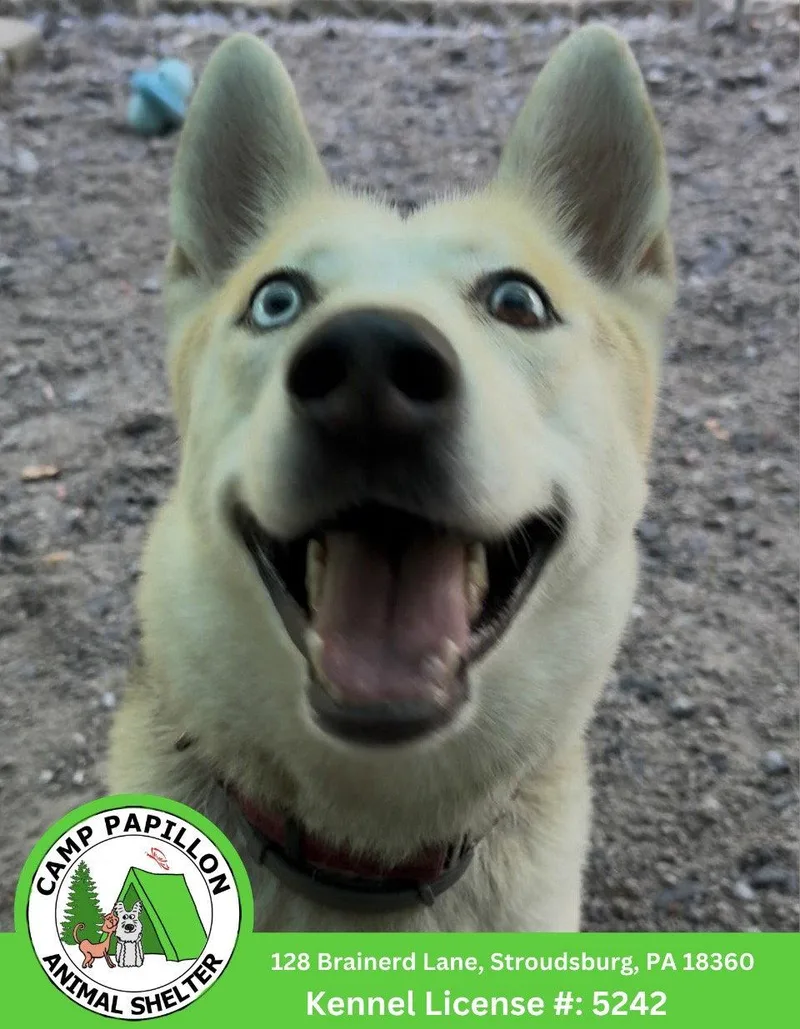
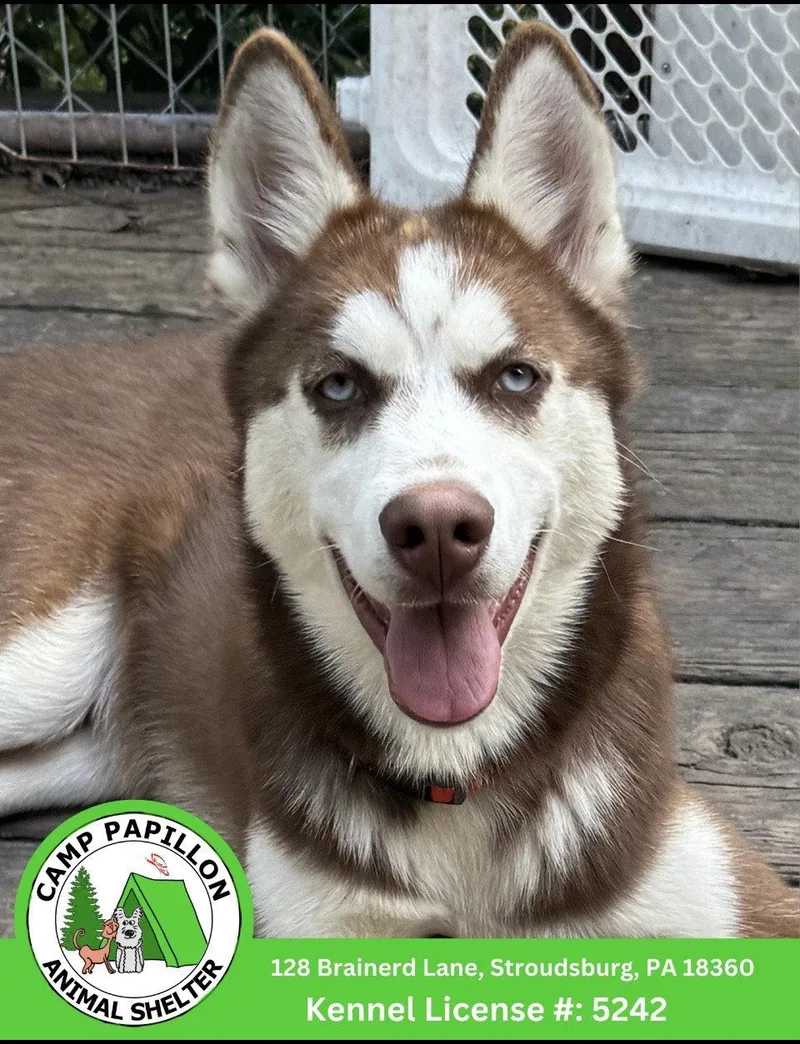
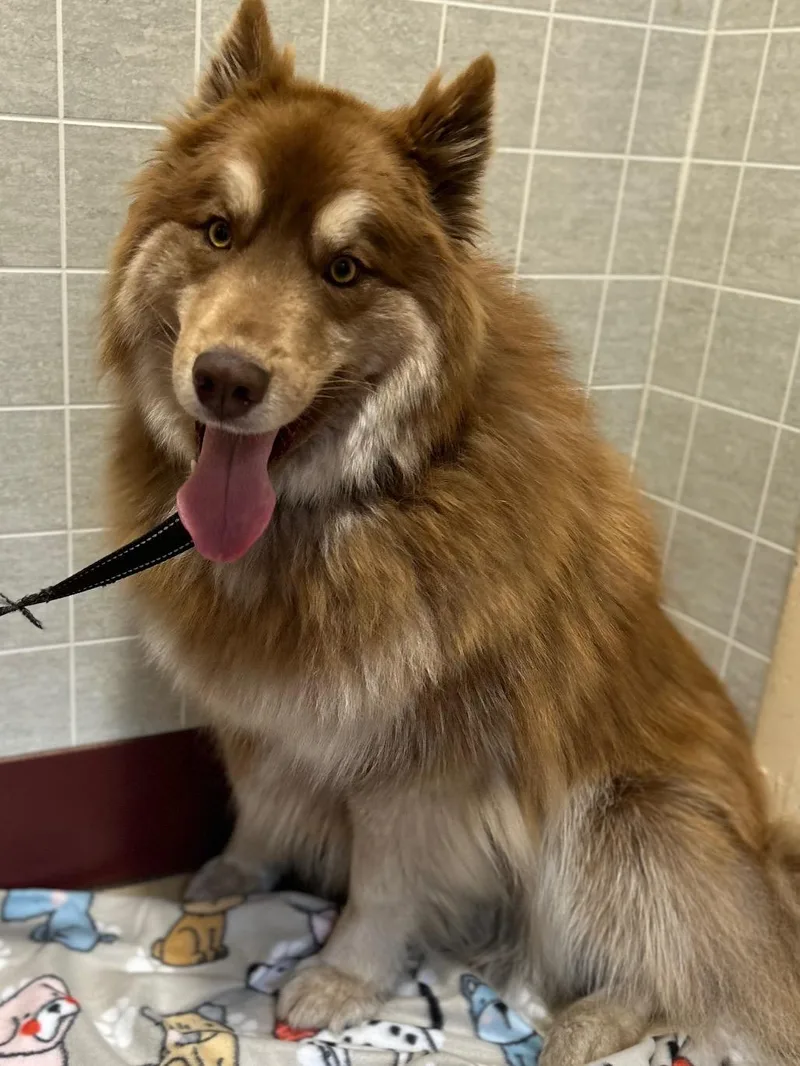
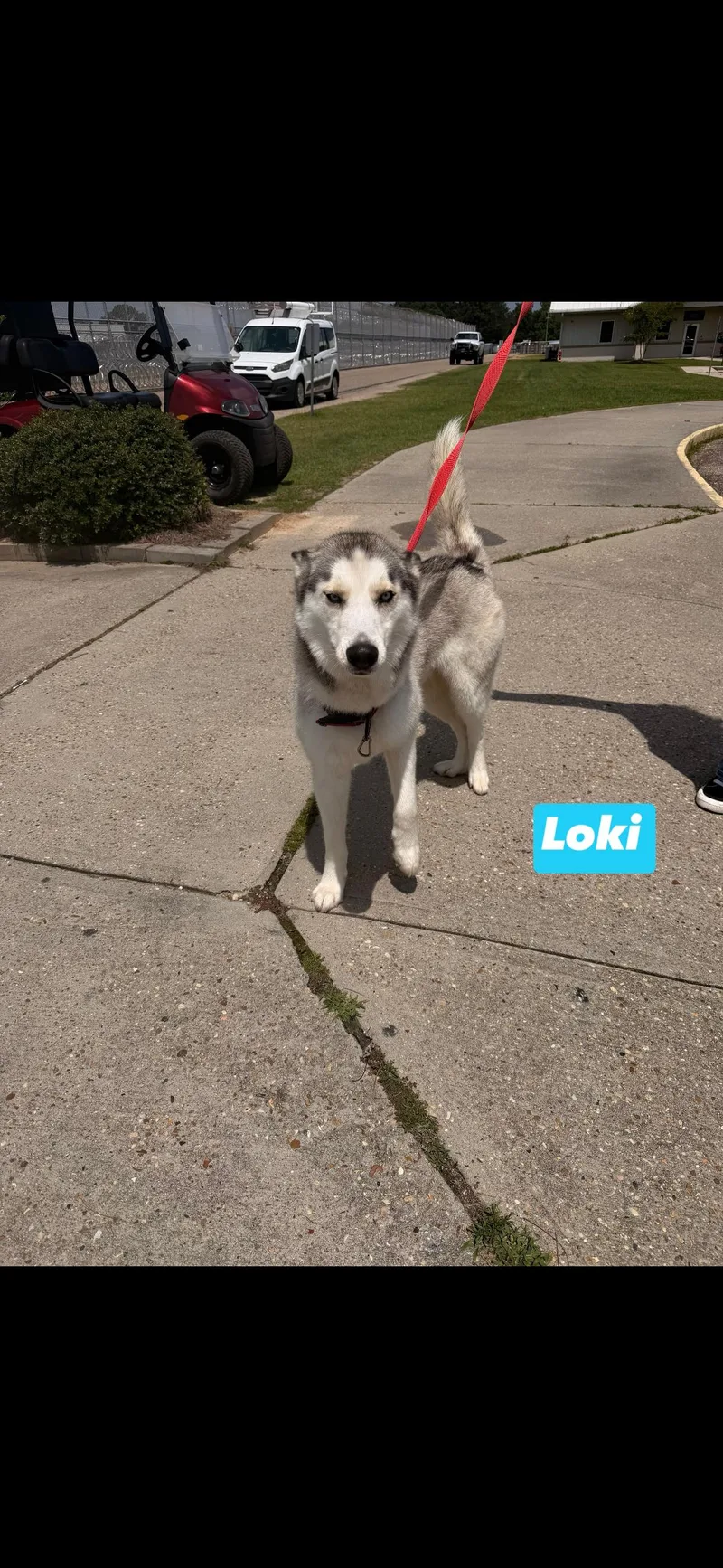
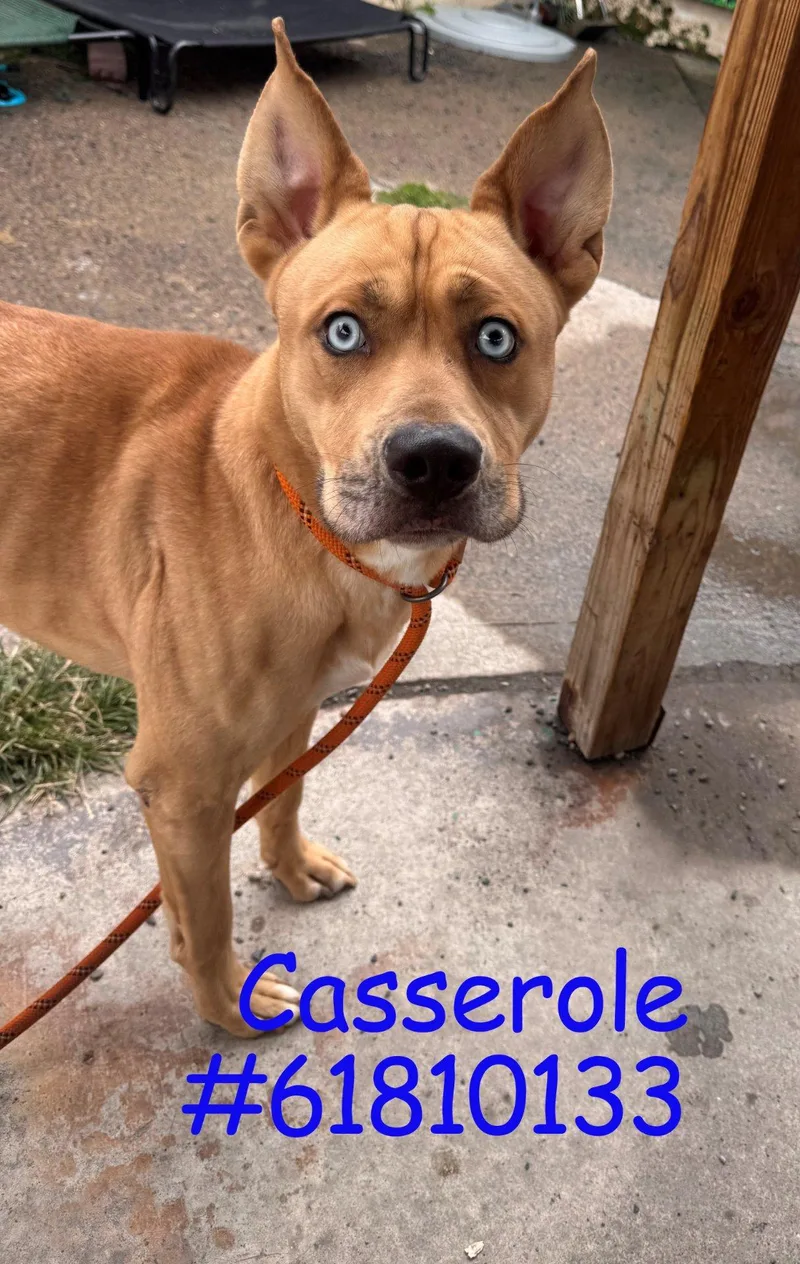
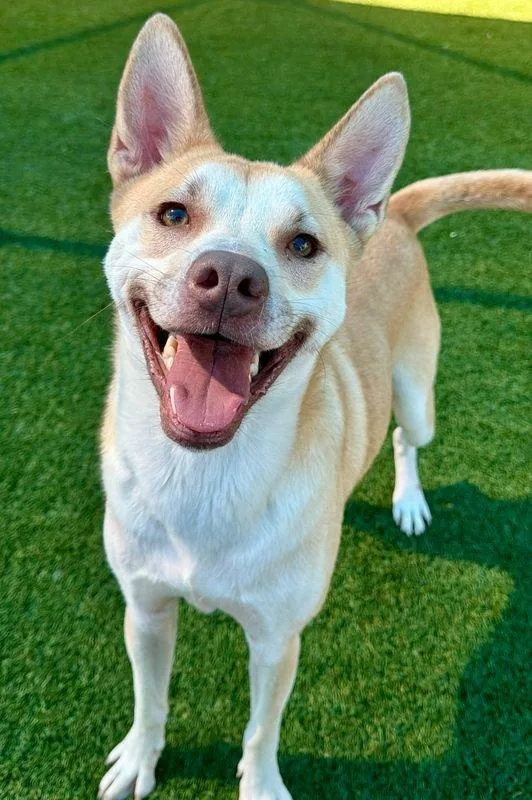
Husky is a catch-all name for northern sled dogs rather than one breed. In shelters it usually means a Siberian Husky or a Siberian mix, though some dogs carry Alaskan husky racing lines or a bit of Alaskan Malamute. Most weigh 35 to 70 pounds and stand 20 to 25 inches tall, with erect ears, a thick double coat, a brush tail and sometimes blue or mismatched eyes.

Huskies are social, playful and independent. They talk and howl more than they bark, dig, and can slip out through small gaps in a fence. A strong prey drive means cats and small pets need careful introductions. Dogs of this type vary a lot, especially mixes, so take time to see how a particular dog behaves. In Portland the cold season is long enough that the coat earns its keep, though it sheds heavily year-round.

Weight
35–70 lbs
Height
20–25 in
Lifespan
11–15 yrs
Temperament
Friendly, Energetic, Independent, Vocal
Group
Working
Shedding
High

Owning a Husky in Portland

Having a Husky in Portland

A husky-type dog brings sled-dog stamina and a coat made for cold, which fits Portland's winters. The trade-offs are heavy shedding, loud talking and a strong urge to roam, so daily routine and secure fencing matter as much as looks.

Temperament

Huskies are usually friendly and outgoing, even with strangers, so they make poor guard dogs but sociable companions on busy Portland sidewalks. They're smart and independent, and may ignore commands that seem pointless. A strong prey drive can put cats and small pets at risk, and mixes vary widely, so watch how each dog behaves around other animals.

Exercise Needs

Plan on vigorous exercise every day, such as running, hiking or canicross. Portland's voice-control areas require a dog to return immediately on command, which many Huskies won't do reliably, so use an 8-foot leash, a long line where 25-foot leads are allowed, or a fenced space like Valley Street Dog Park.

Health Considerations

Husky-type dogs are generally hardy, but Siberians can develop juvenile cataracts, corneal dystrophy and progressive retinal atrophy, plus zinc-responsive skin disease and hip dysplasia in some dogs. Schedule regular checkups with eye and hip exams. Ticks are a concern in Maine, so check the dense coat after wooded walks and keep prevention current.

Living Space

A Husky can live in a Portland apartment or triple-decker if its exercise needs are met, but a securely fenced, dig-proofed yard at least six feet high is ideal. These dogs want to live indoors with their family. Expect fur everywhere and howling that carries through shared walls, which matters in the city's many rentals.

What it costs to own a Husky in Portland

ExpenseTypical costPer year
Food$35 to $70 per month$420 to $840
Pet insurance$45 to $85 per month$540 to $1,020
Routine vet care$225 to $450 per year$225 to $450
Other*$531 to $1,361 per year$531 to $1,361
Estimated yearly total (after year one)$1,716 to $3,671

Other costs are estimates and vary with size, age and health.

* The Maine dog license ($6 for a spayed or neutered dog, $11 unaltered), a yearly dental cleaning, flea, tick and heartworm prevention, toys and bedding, and brushing for heavy seasonal shedding.

Adopt a Husky in Portland.

Now that you know more, let’s find you a new best friend. These rescues and shelters below have dogs available in and near Portland.

Rescues and Shelters in or near Portland

Portland-area shelters and rescues list adoptable dogs here, from young adults to seniors, each with photos and details. Here are the rescues & shelters in the Portland area with dogs available for adoption, worth asking whether a Husky is coming in.

Frequently Asked Questions

Yes, Huskies handle Portland winters well. Their double coat is built for cold, and the city sees about 144 freezing nights and roughly 69 inches of snow a year. Wipe paws after salted sidewalks and keep the dog indoors with the family. Maine law sets shelter standards for dogs kept outside, but a Husky does best inside.

Baxter Woods and Capisic Pond Park are good wooded options, and Back Cove Trail's roughly 3.5-mile loop suits running on an 8-foot leash. Baxter Woods requires a leash from April through July. Voice control means the owner stays within 50 feet and the dog returns immediately, so keep a leash in hand if recall is shaky.

Yes. Maine law bars towns from adopting breed-specific rules, so Portland can't ban or restrict Huskies by breed. You'll need to license the dog each year once it's six months old, with proof of rabies vaccination. City code sets no limit on dogs per household, and dangerous-dog rules depend on behavior, with fines starting at $500.

Yes, if its exercise is covered, though it's a stretch for a dog left alone all day. Boredom drives howling, digging and chewing, so plan long daily walks or runs and some company. A ground-floor unit near Deering Oaks or Back Cove Trail makes outings easier. Get the landlord's approval in writing before adopting.

Generally no. METRO buses require pets of any kind to ride in a contained carrier, and a 35 to 70 pound Husky won't fit in one; only service animals ride under control. The Amtrak Downeaster takes pets up to 20 pounds in a carrier with a reservation. Casco Bay Lines ferries let dogs ride with their own ticket.

Not inside. Maine law bars pet dogs from restaurant dining rooms where food is prepared and served, with an exception for service animals. Patio policies are up to each restaurant, so a patio seat isn't guaranteed. Huskies tend to greet everyone, so a long walk beforehand helps a dog settle if a patio does allow dogs.

Brush a Husky once or twice a week, and daily during the heavy coat blows that usually come with spring thaw and the cooling of fall. Never shave the coat; it insulates in Portland's winters and helps in summer. Most owners brush at home, and an occasional professional deshedding session fits within typical yearly costs.

A Husky is a northern sled dog type rather than one specific breed. The name most often refers to the Siberian Husky, a recognized AKC breed, but it also covers the Alaskan husky, a mixed racing type, and many husky mixes in shelters. Most are medium-sized, thick-coated, energetic dogs with erect ears and a friendly, independent nature.

Huskies were bred to pull sleds. The Chukchi people of northeastern Siberia developed the ancestors of the Siberian Husky to haul light loads over long distances in teams, and the dogs later became famous in Alaskan sled racing. That purpose explains their stamina, their pack-oriented sociability and their strong urge to run, which still shapes life with a pet husky today.

A Husky typically costs about $35 to $70 a month for food, $45 to $85 a month for pet insurance, $225 to $450 a year for routine vet care, and $531 to $1,361 a year for other costs such as prevention, dental care, the license and brushing. Larger dogs and thicker coats sit toward the top of each range.