Black Russian Terrier Dogs for Adoption in Portland, ME

Your guide to finding and caring for a Black Russian Terrier in Portland

A Black Russian Terrier fits best in the roomier parts of Portland, where a yard and a wooded trail are close by. Neighborhoods like North Deering and Riverton give a dog of 80 to 130 pounds space to stretch out, and Quarry Run on Ocean Avenue is a big wooded off-leash park. The thick black coat handles a Maine winter easily. These dogs are devoted at home but reserved with strangers, so they suit experienced owners who are around a lot.

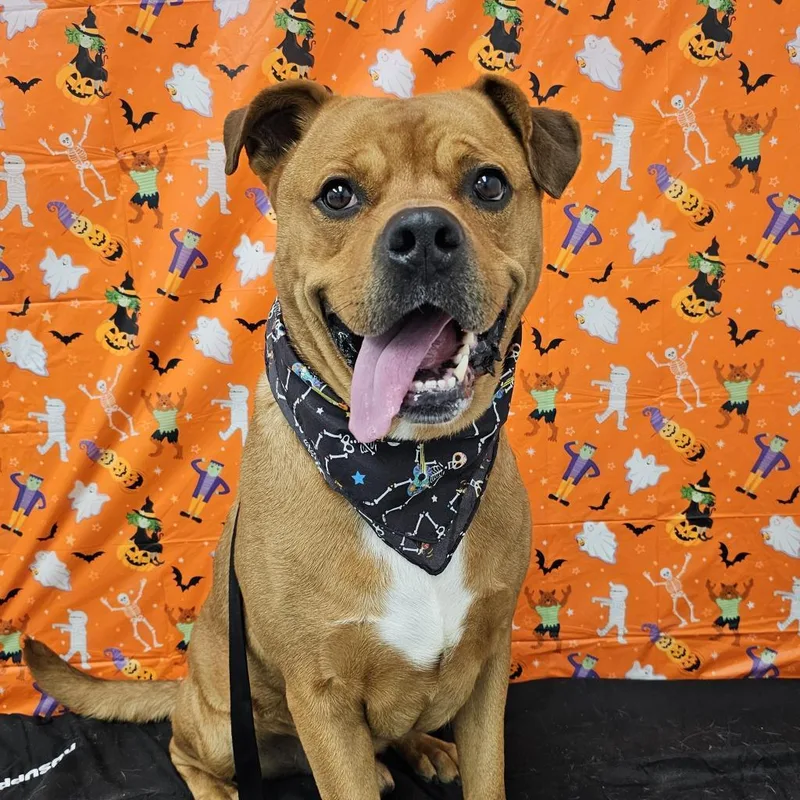
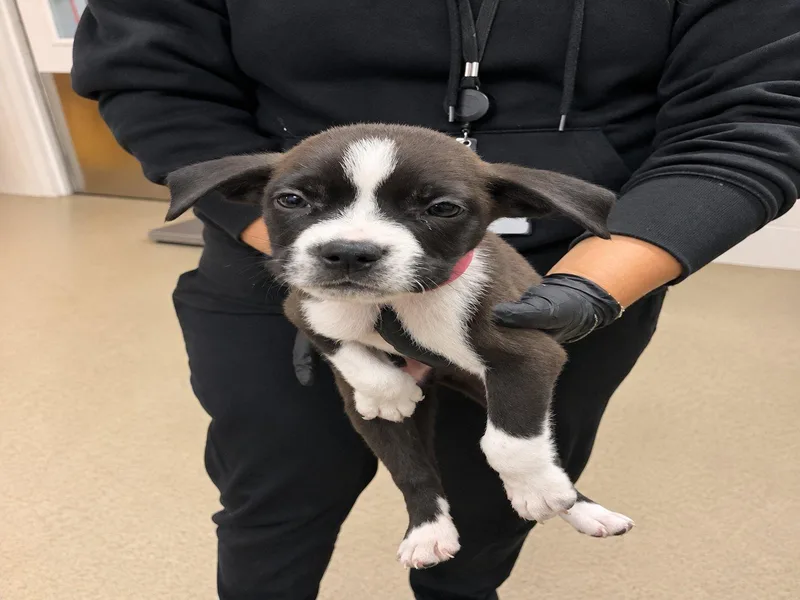
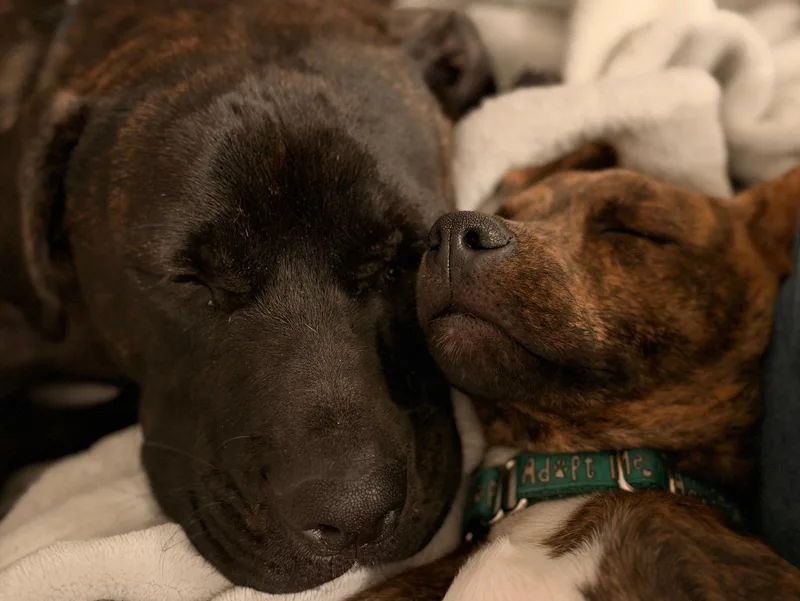
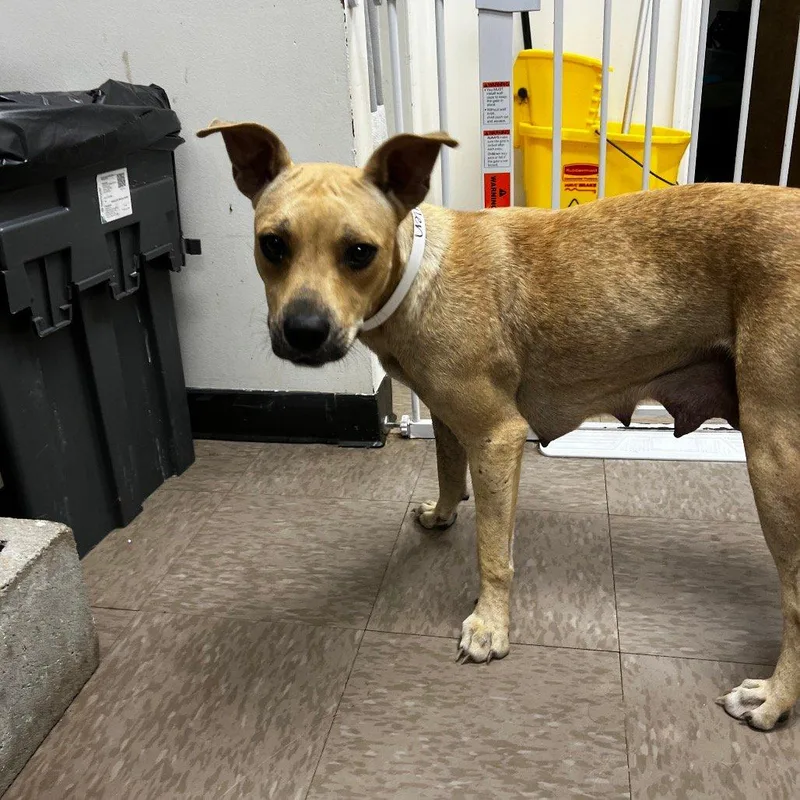
2696 dogs similar to Black Russian Terrier available in Portland and nationwide

Find your Black Russian Terrier

While we don't have enough dogs near Portland, keep in mind that many rescues may offer transport.

Black Russian Terriers and Similar Breeds Available for Adoption Near Portland

About the Black Russian Terrier breed

Despite the name, the Black Russian Terrier isn't a true terrier. The Soviet Army's Red Star Kennel developed it in the late 1940s and 1950s as a hardy working dog, blending about 17 breeds that included the Giant Schnauzer, Airedale, Rottweiler and Newfoundland. The result is a heavy-boned dog with a wavy black double coat, a full beard and eyebrows that fall over the eyes.

Many are calm, confident and deeply loyal at home, yet aloof with strangers, which reflects their guarding roots. They're intelligent and trainable, but they need a consistent, experienced handler and plenty of early socialization. In Portland, that means practicing calm manners around crowds and other dogs. The low-shedding coat still needs regular brushing and professional trims, and the beard holds water, snow and food.

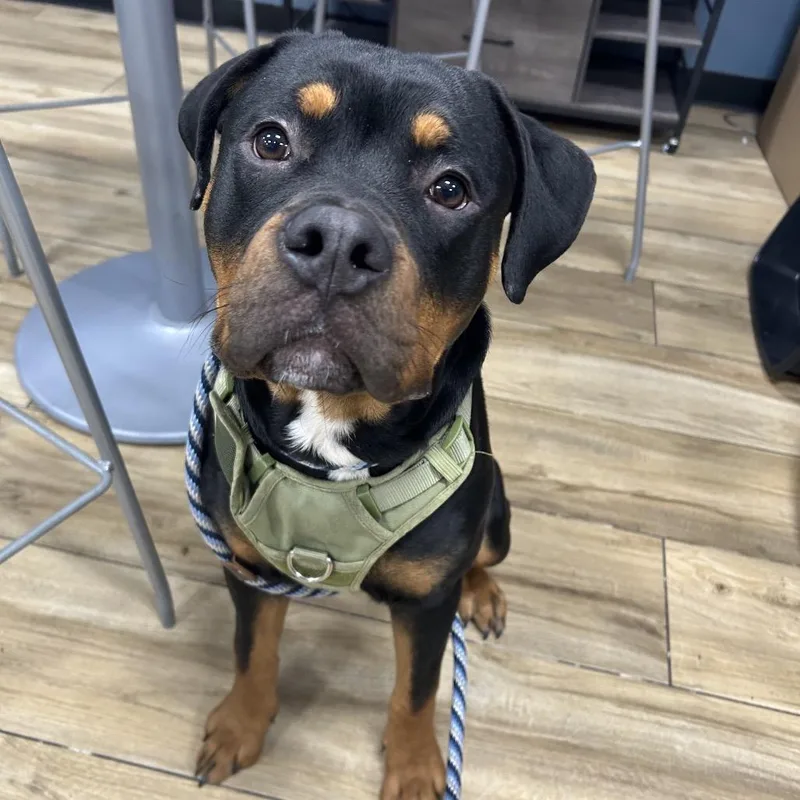
Weight
80–130 lbs
Height
26–30 in
Lifespan
10–12 yrs
Temperament
Confident, Protective, Loyal
Group
Working
Shedding
Low

Owning a Black Russian Terrier in Portland

Having a Black Russian Terrier in Portland

Expect a watchful, family-centered giant with a coat that takes real upkeep. Portland's long winters suit the thick coat, but size, training and grooming time matter more than any single trait when you decide whether one fits your household.

Temperament

Black Russians tend to be calm, self-assured and devoted to their own people, and many are reserved with strangers. On busy Portland sidewalks, early socialization and calm, reward-based training help a dog stay relaxed around crowds and other dogs. Each dog differs, and a rescue dog's own history and behavior matter more than breed reputation.

Exercise Needs

Plan on at least two good walks a day plus play, hiking or swimming. Portland's code-listed voice-control areas, such as Quarry Run on Ocean Avenue and Capisic Pond Park, give a dog with reliable recall room to run. Skip hard exercise around mealtimes because of bloat risk, and always carry a leash.

Health Considerations

Hip and elbow dysplasia, progressive retinal atrophy, bladder stones and bloat all occur in the breed, so a veterinarian's joint check and regular visits matter. Keep the dog lean, since extra weight strains big joints on icy winter walks. Lyme disease is endemic in Maine, so check the thick coat for ticks after wooded walks.

Living Space

A house with a securely fenced yard suits most Black Russians, such as those in the suburban stretches of North Deering, though a calm adult can manage a larger apartment with dependable daily exercise. Expect a dog of 80 to 130 pounds to take up real floor and sofa space, and to need room on stairs in older multi-family buildings.

What it costs to own a Black Russian Terrier in Portland

ExpenseTypical costPer year
Food$80 to $160 per month$960 to $1,920
Pet insurance$85 to $170 per month$1,020 to $2,040
Routine vet care$250 to $500 per year$250 to $500
Other*$1,031 to $2,761 per year$1,031 to $2,761
Estimated yearly total (after year one)$3,261 to $7,221

Other costs are estimates and vary with size, age and health.

* The Maine dog license ($6 for a spayed or neutered dog, $11 unaltered), flea, tick and heartworm prevention, a dental cleaning allowance, toys and bedding, professional trims every 6–8 weeks, and joint supplements.

Adopt a Black Russian Terrier in Portland.

Now that you know more, let’s find you a new best friend. These rescues and shelters below have dogs available in and near Portland.

Rescues and Shelters in or near Portland

Portland-area shelters and rescues list dogs of every size, including large working breeds and mixes. Here are the rescues & shelters in the Portland area with dogs available for adoption, worth asking whether a Black Russian Terrier is coming in.

Frequently Asked Questions

Yes. Maine law bars towns from adopting breed-specific rules, so Portland can't ban or restrict a Black Russian Terrier by breed. Every dog six months or older needs a yearly license with proof of rabies vaccination, and city code sets no limit on dogs per household. Dogs must stay leashed on public property except in voice-control areas.

Yes, the thick double coat suits Portland winters, which bring lows near 18°F and about 69 inches of snow a year. Watch for snow balling in the beard and for road salt on paws, and rinse or wipe after walks. Keep the dog indoors with the family, since a giant companion breed shouldn't live outside.

Capisic Pond Park and Quarry Run suit a big dog with reliable recall. Portland's off-leash areas require voice control: you stay within 50 feet, carry a leash, and handle no more than three dogs. Baxter Woods requires an 8-foot leash from April through July, and Back Cove Trail always requires a leash of 8 feet or less.

Mostly not. METRO buses require pets to ride in a contained carrier, which rules out a dog of 80 to 130 pounds unless it's a service animal. The Amtrak Downeaster accepts only pets of 20 pounds or less in a carrier. Casco Bay Lines ferries let dogs ride with their own ticket, so island trips are possible.

A calm adult can, if it gets two solid walks daily and the building allows a dog its size. Older multi-family buildings often mean stairs. Portland's barking rule gives a warning first, then fines of $10 to $100 for repeat violations, so teach the dog to settle alone gradually. A ground-floor unit makes daily outings easier.

Not inside. Maine law bars pet dogs from restaurant dining rooms where food is served, though service animals are allowed. Patio policies are up to each restaurant, so don't count on outdoor seating. A giant dog is also a lot to tuck under a patio table, so plan outings around parks and trails instead.

Brush a few times a week and plan a professional trim about every 6 to 8 weeks. In Portland's snow and mud seasons, the beard and leg hair collect slush, salt and burrs, so wipe and comb them after walks. Trims are the biggest part of the $1,031–$2,761 yearly Other costs, so budget for them.

Black Russian Terriers can be good family dogs for experienced owners. Many are affectionate, calm and protective with their own families and gentle with children they are raised with. Their size and guarding instincts mean they need training, socialization and supervision around visiting kids. An adult rescue with a known history in a family home can be a strong match.

No, Black Russian Terriers are not truly hypoallergenic, since no dog is free of allergens. Their coat sheds little, so they drop less hair around the house than many breeds, which helps some people with mild allergies. Dander and saliva still cause reactions, so spend time with the specific dog before adopting if anyone has allergies.

Expect roughly $80–$160 a month for food, $85–$170 a month for pet insurance, and $250–$500 a year for routine vet care. Other yearly costs, including professional trims, parasite prevention, dental care and the Maine dog license, run about $1,031–$2,761. Giant-breed appetites and regular grooming make this a higher-cost dog than most.