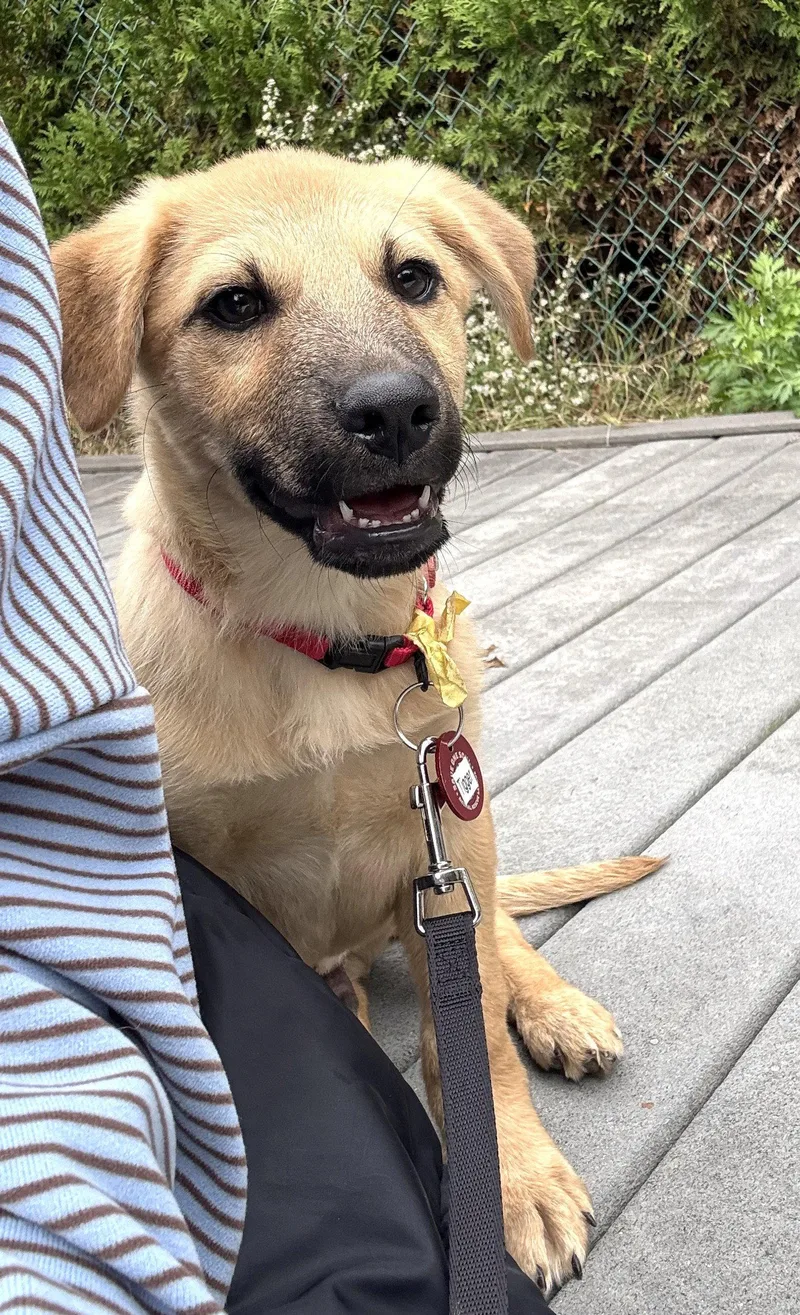
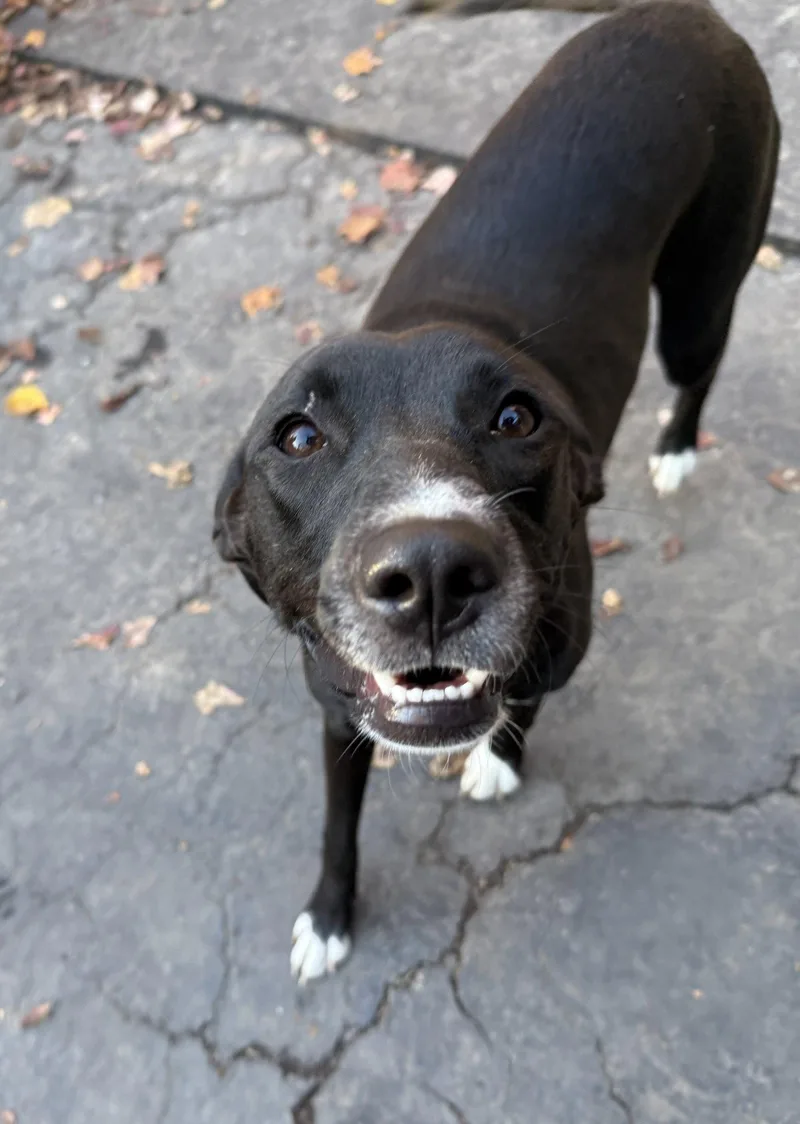
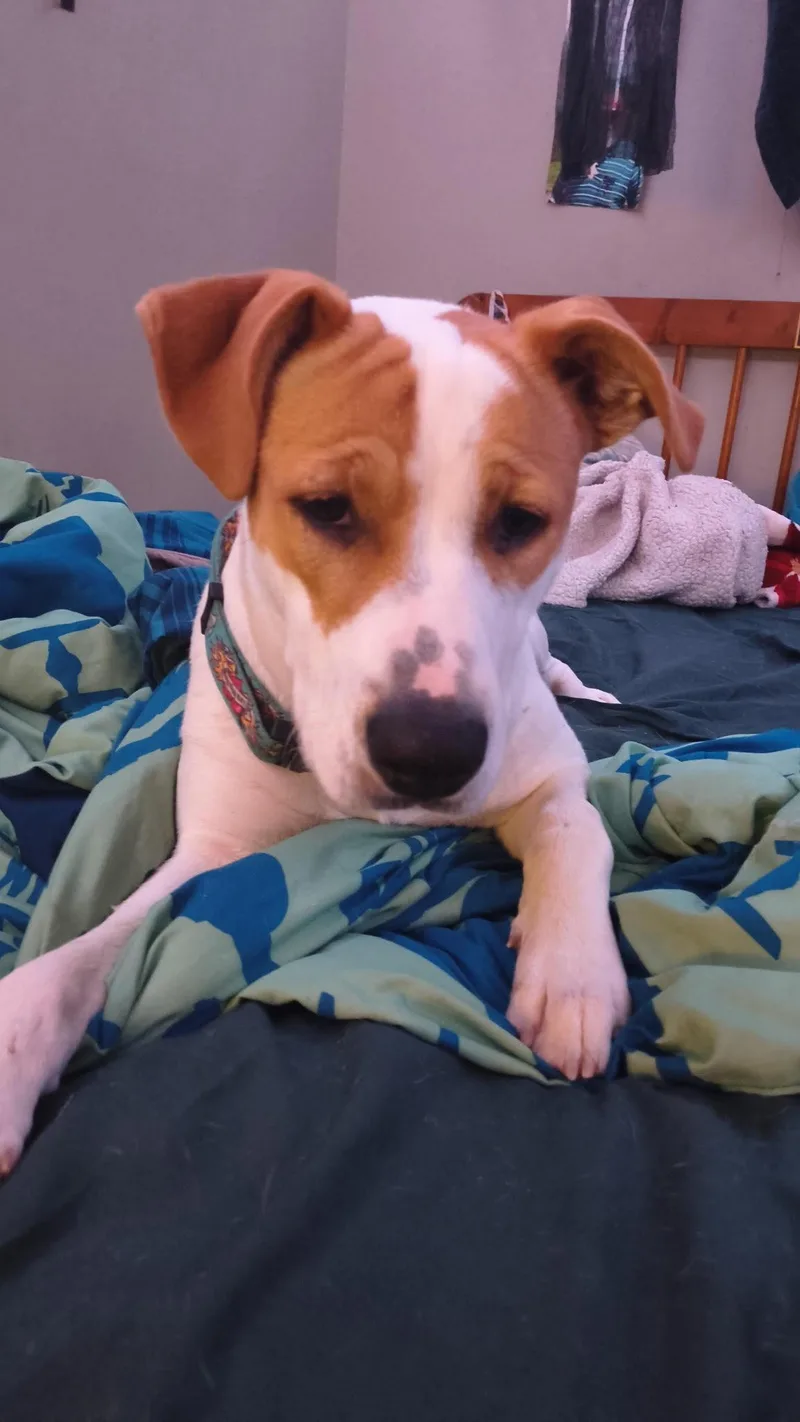
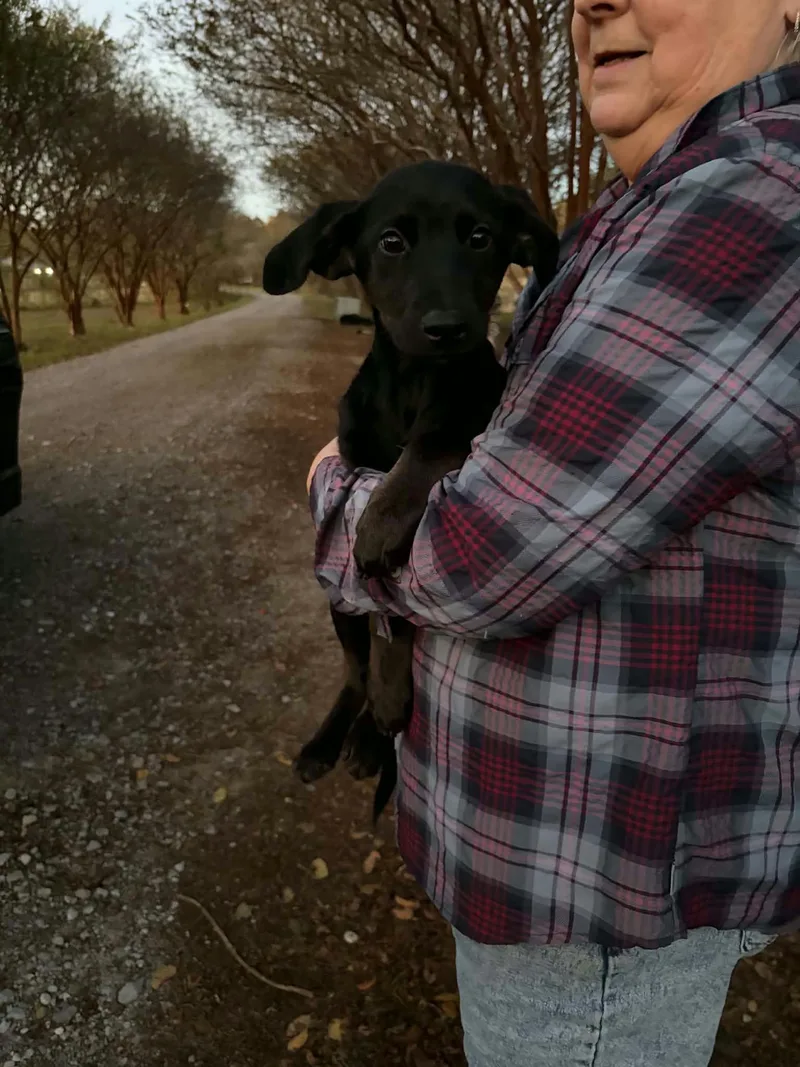
Labrador Retriever Dogs for Adoption in Brunswick, ME

Your guide to finding and caring for a Labrador Retriever in Brunswick

A Labrador Retriever gets plenty to do in Brunswick, mostly on foot. The paved Androscoggin River path starts near downtown Water Street and leads to the fenced Merrymeeting Dog Park, and the leashed woods of the Town Commons are a short drive down Harpswell Road. The Maquoit Bay trail ends at a rock outcrop over the water. If you're thinking of adopting one here, plan on daily walks even when snow piles up, because a Lab that sits indoors all January gets restless fast.

13486 Labrador Retrievers available in Brunswick and nationwide

Fall for a Labrador Retriever

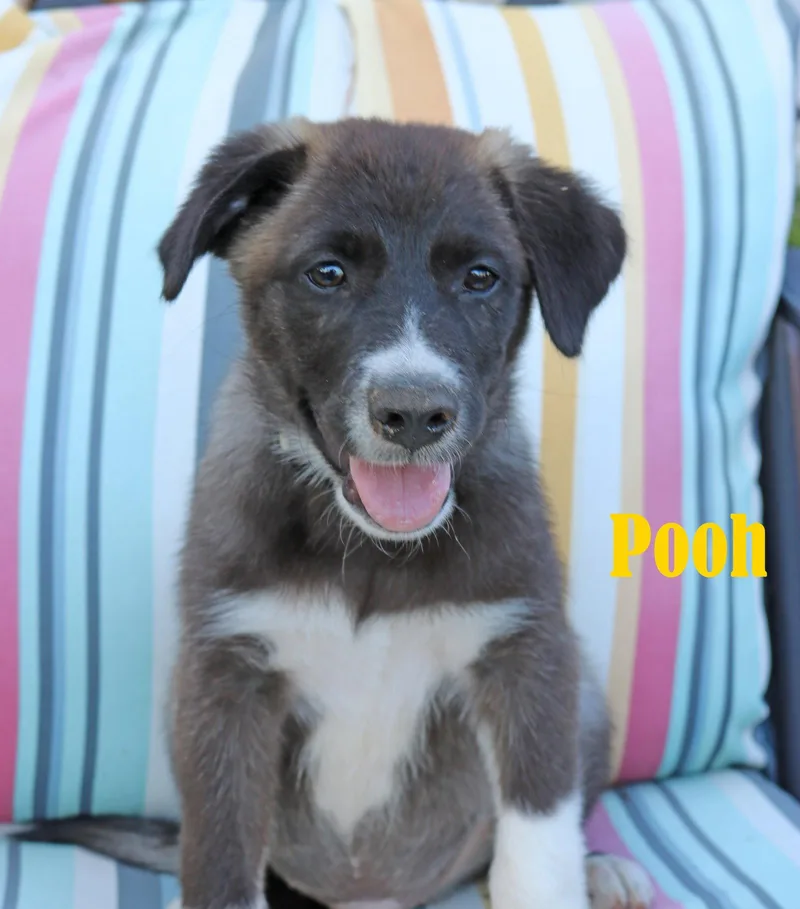
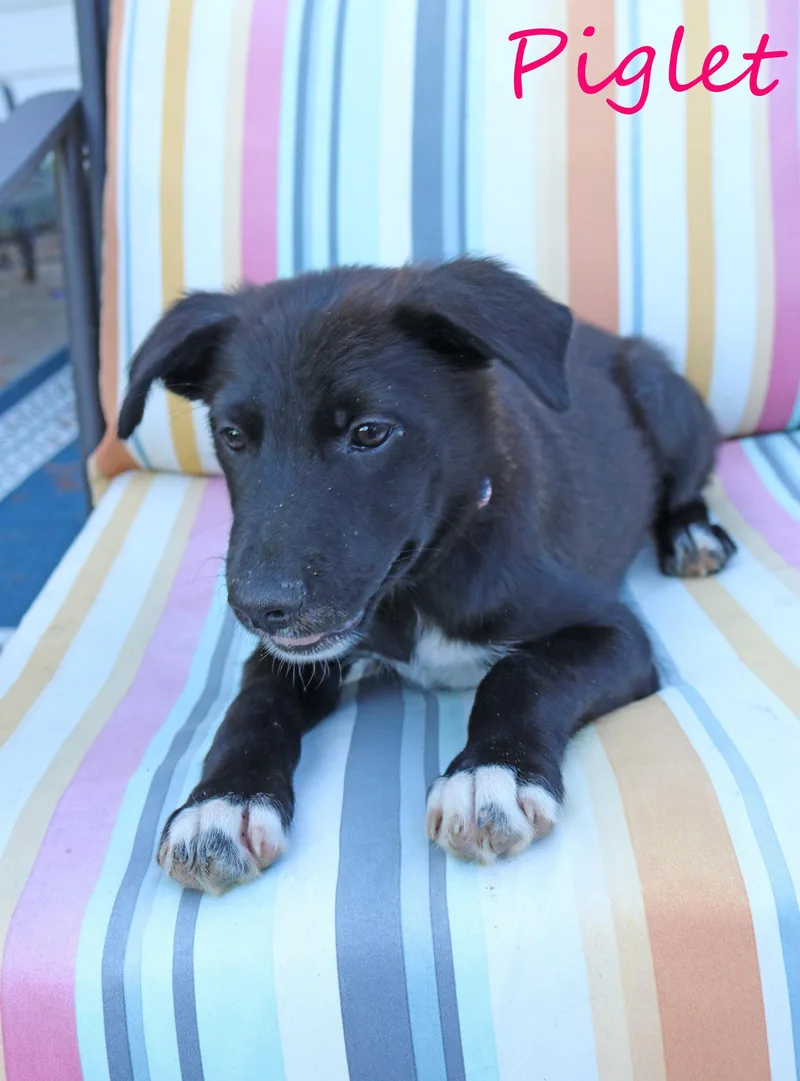
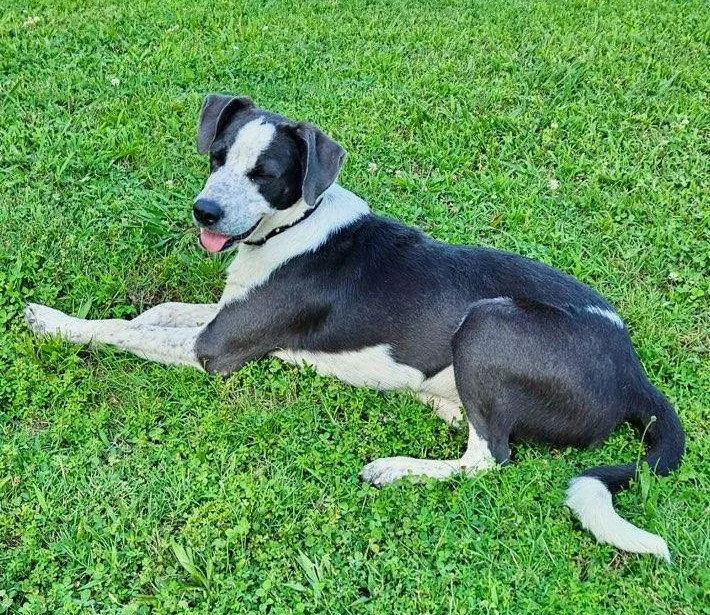
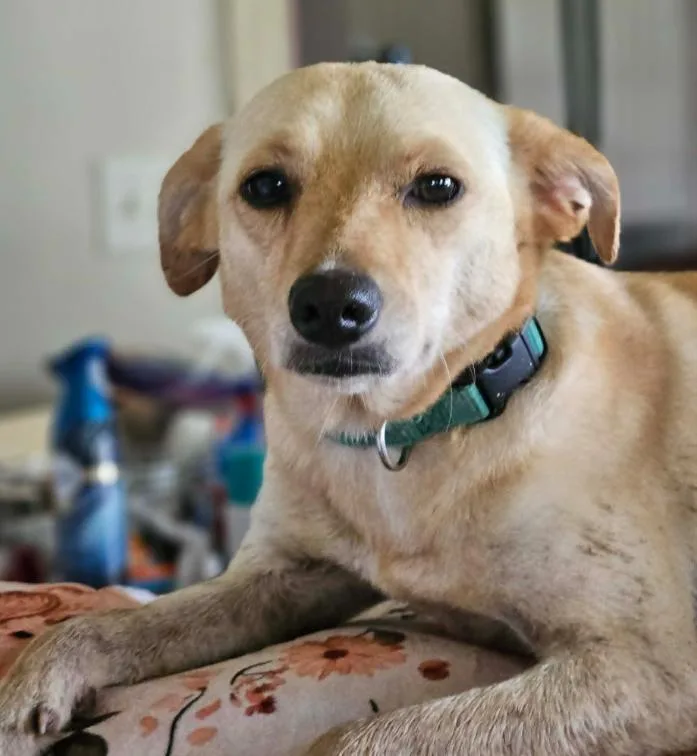
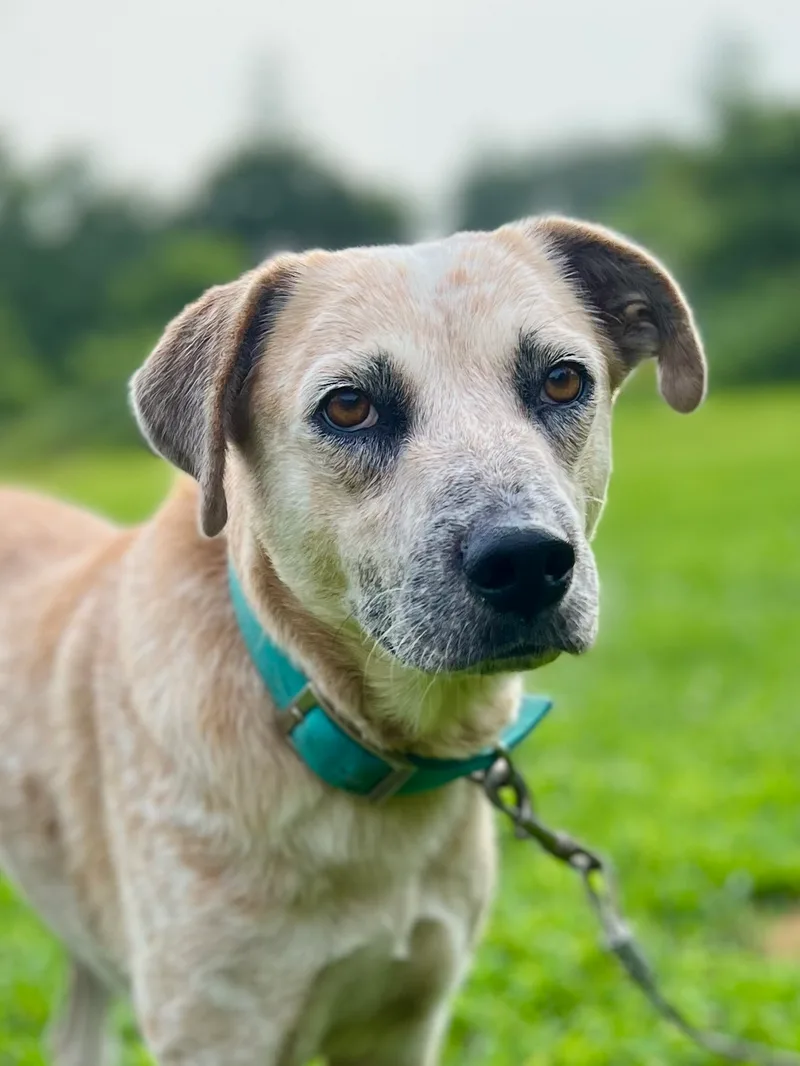
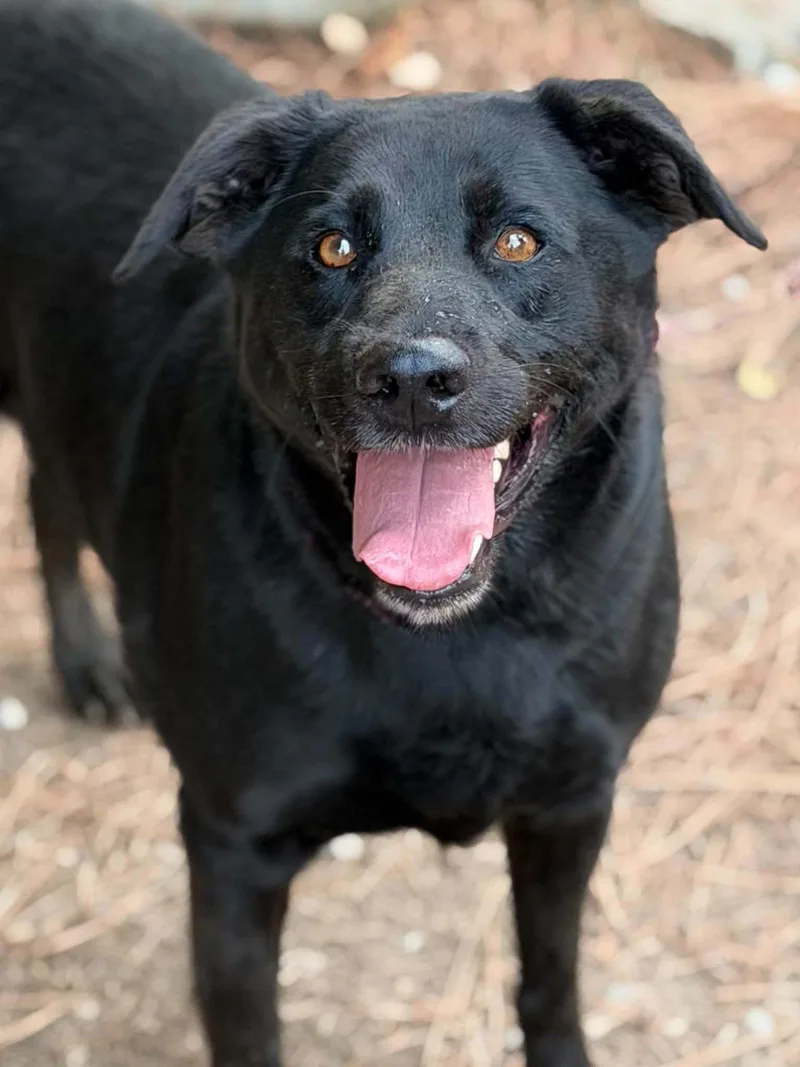
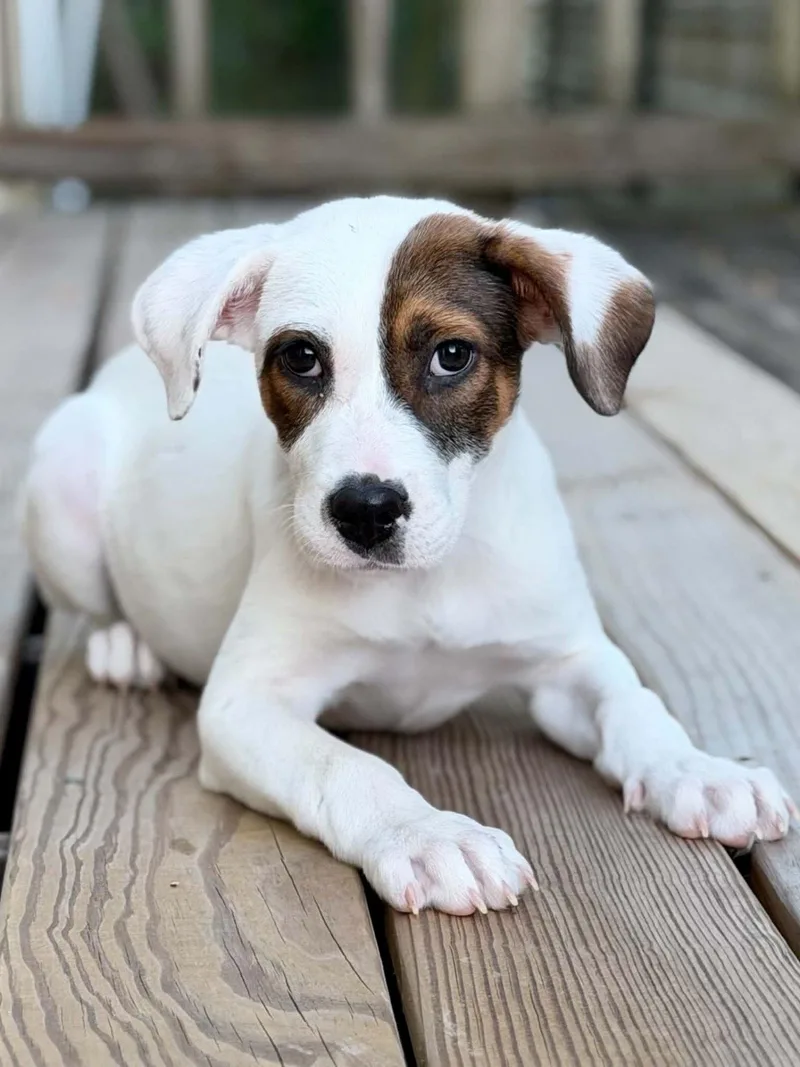
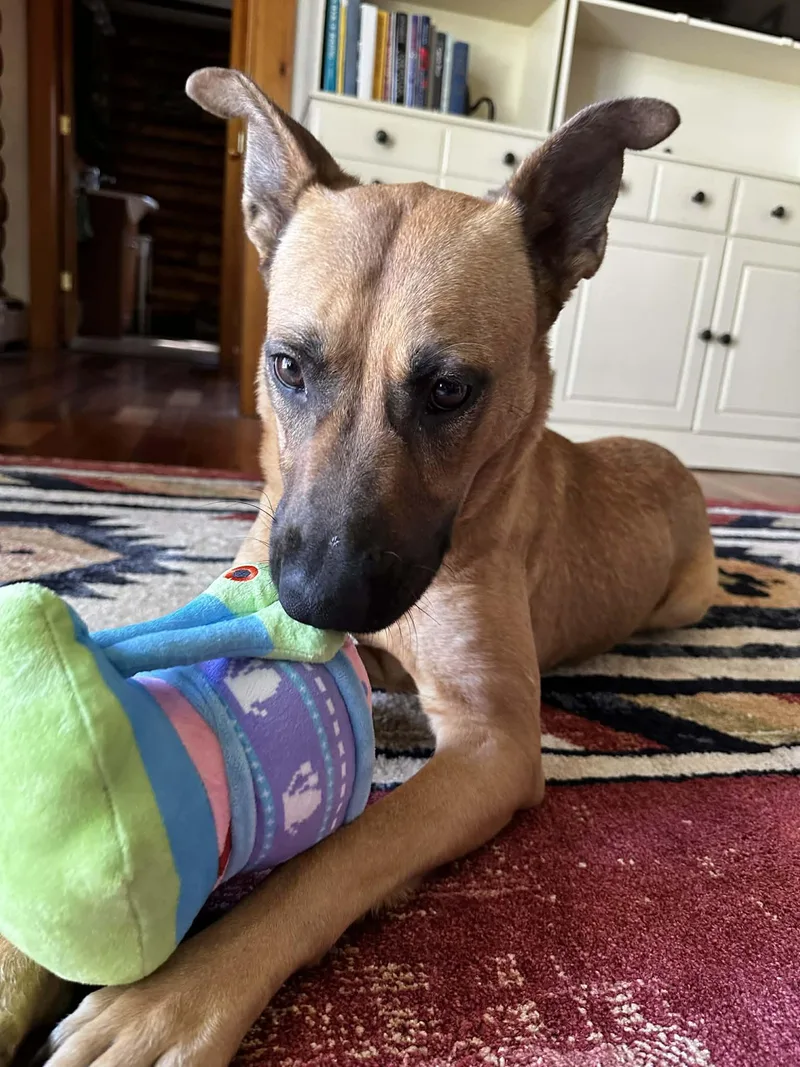
Labrador Retrievers Available for Adoption Near Brunswick

About the Labrador Retriever breed

Labrador Retrievers descend from the St. John's water dogs of Newfoundland, which British sportsmen refined into gun dogs for retrieving game from land and water. The dense, water-resistant double coat, thick otter tail and webbed feet all trace back to that job. Labs come in black, yellow and chocolate, and field-bred dogs tend to be leaner and higher-drive than show-bred ones.

Many Labs are sociable, eager to please and happy with anything involving people, balls or water. That enthusiasm needs an outlet: daily exercise, consistent training and careful portions, plus patience through an adolescence that can last two or three years. In Brunswick, the double coat is a plus through long Maine winters, though it means heavy shedding in spring and fall. Every Lab differs, so age, energy and history matter more than the breed label.

Weight
55–80 lbs
Height
21–25 in
Lifespan
10–14 yrs
Temperament
Friendly, Outgoing, Active
Group
Sporting
Shedding
Moderate to High

Owning a Labrador Retriever in Brunswick

Having a Labrador Retriever in Brunswick

Labs pair a people-loving outlook with a body built for retrieving. In Brunswick, that means a dog that handles cold well but needs a real exercise plan, a close eye on its weight and a tolerance for shed hair on every surface.

Temperament

Labs tend to be friendly with family, visitors and other dogs, which suits Brunswick's busy paths and downtown sidewalks. Young ones are often mouthy and bouncy, and that enthusiasm can overwhelm small children. Food-driven dogs usually respond well to reward-based training. Each Lab's temperament varies, and past socialization matters more than breed reputation.

Exercise Needs

Most grown Labs need a brisk walk or fetch session every day, plus mental work like scent games. Brunswick offers the river path, leashed woodland trails and the fenced Merrymeeting Dog Park, which has a separate large-dog area. Young Labs should skip long runs on hard pavement while still growing, and seniors do better with shorter, steady outings.

Health Considerations

Labs can develop hip and elbow dysplasia, cruciate ligament injuries, exercise-induced collapse, ear infections and skin allergies. Many gain weight easily, which strains the joints. Tickborne illness is a concern across Maine, so check your Lab after wooded walks. Regular vet checkups and a lean body weight are the best preventive steps.

Living Space

A Lab can live in a house or apartment if daily exercise is reliable. Brunswick has many owner-occupied homes with yards, plus rentals downtown and at Brunswick Landing, so space is rarely the obstacle. A fenced yard helps, but Labs do best indoors with their people, especially when winter nights drop below zero.

What it costs to own a Labrador Retriever in Brunswick

ExpenseTypical costPer year
Food$55 to $110 per month$660 to $1,320
Pet insurance$65 to $130 per month$780 to $1,560
Routine vet care$250 to $500 per year$250 to $500
Other*$581 to $1,461 per year$581 to $1,461
Estimated yearly total (after year one)$2,271 to $4,841

Other costs are estimates and vary with size, age and health.

* The $6 or $11 Brunswick dog license, flea, tick and heartworm prevention, a dental cleaning allowance, toys and bedding, and brushing and baths for heavy seasonal shedding.

Adopt a Labrador Retriever in Brunswick.

Now that you know more, let’s find you a new best friend. These rescues and shelters below have dogs available in and near Brunswick.

Rescues and Shelters in or near Brunswick

Midcoast Humane's Brunswick campus is the shelter that serves the town and 38 other Maine towns. Here are the rescues & shelters in the Brunswick area with dogs available for adoption, worth asking whether a Labrador Retriever is coming in.

Frequently Asked Questions

Yes, Labrador Retrievers generally handle Brunswick winters well, thanks to a dense, water-resistant double coat. Expect about 46 days a year that never rise above freezing. Wipe off salt and ice balls after walks, shorten outings on subzero nights, and keep your Lab indoors overnight. Seniors and leaner field-bred Labs may appreciate a coat.

Merrymeeting Dog Park on Water Street is the top pick, with a fenced large-dog area open from half an hour before sunrise to half an hour after sunset. Each adult may bring up to three dogs, and puppies need to be at least four months old with core vaccines. For leashed walks, try the Androscoggin River path or the Town Commons.

Yes. Maine law prohibits towns from adopting breed-specific rules, so Brunswick can't restrict Labs. Plan to license your dog through the Town Clerk or the state online portal and have a valid rabies certificate ready. Dogs can't run at large, so a leash is the norm anywhere outside the fenced dog park.

Mostly no. Pet dogs on Brunswick Link buses and METRO BREEZ must ride in a carrier, which rules out a full-size Lab unless the dog is a trained service animal. The Amtrak Downeaster from Brunswick Station accepts only dogs of 20 pounds or less in a carrier, with a reservation. Most Lab owners plan on driving.

Yes, a Lab can live in a Brunswick apartment if its daily exercise is covered. Downtown rentals sit near the river path and the Mall, so morning and evening walks are easy. Watch for barking while you're out, since nuisance barking is a common complaint in town. A tired Lab is usually a quieter Lab, so add fetch and scent games.

Not inside. Maine law bars pet dogs from restaurant dining rooms where food is prepared and served, with an exception for service animals. Patio policies are up to each restaurant, so check before you sit down with your Lab. A walk along the Mall or the river path makes an easy alternative for a meal-free outing.

A Lab needs less grooming than long-coated breeds, but its double coat sheds year-round and heavily in spring and fall. Brush a few times a week, daily during shedding, and bathe as needed. In winter, wipe paws and check between the toes for ice balls. Home brushing and occasional baths fit within the yearly Other costs shown on this page.

Most Labrador Retrievers live about 10 to 14 years. A large UK veterinary study found a median lifespan of 12 years, with chocolate Labs living about a year and a half less on average than black or yellow ones. Healthy weight, regular veterinary care and good dental and joint care all help, but no lifespan is guaranteed.

A Labrador Retriever is a large sporting dog originally developed to retrieve game birds for hunters, especially from water. Labs have a short, dense double coat, a thick otter-like tail and a broad head, and they come in black, yellow and chocolate. Many are friendly, food-motivated and eager to work, which makes them popular family, guide and service dogs.

Expect roughly $2,300 to $4,800 a year for a Lab in Brunswick. Food runs $55 to $110 a month, insurance $65 to $130 a month, and routine vet care $250 to $500 a year. Other costs such as prevention, dental care, supplies, grooming and the $6 to $11 license add $581 to $1,461 a year.