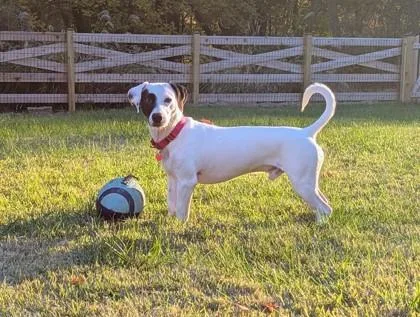
Standard Schnauzer Dogs for Adoption in Baltimore, MD

Your guide to finding and caring for a Standard Schnauzer in Baltimore

A Standard Schnauzer fits Baltimore best in a neighborhood with a park close by, like Lauraville or Ednor Gardens-Lakeside. Herring Run Park and the 1.3-mile loop around Lake Montebello give a dog this energetic a real daily workout close to home. Standards are sturdy, watchful and loyal, so a rowhouse with a front window suits the guard-duty side of them just fine. If you're thinking of adopting one in Baltimore, plan on an hour or more of activity a day and some training time.

553 Standard Schnauzers available in Baltimore and nationwide

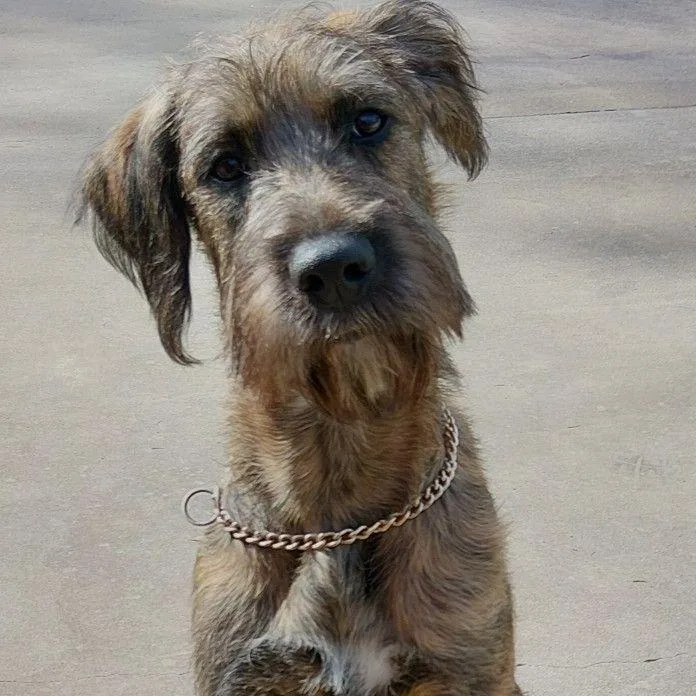
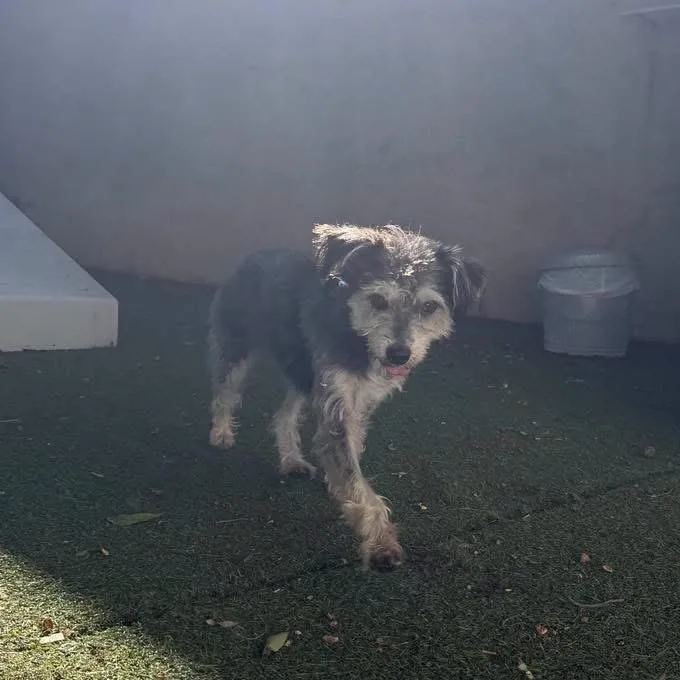
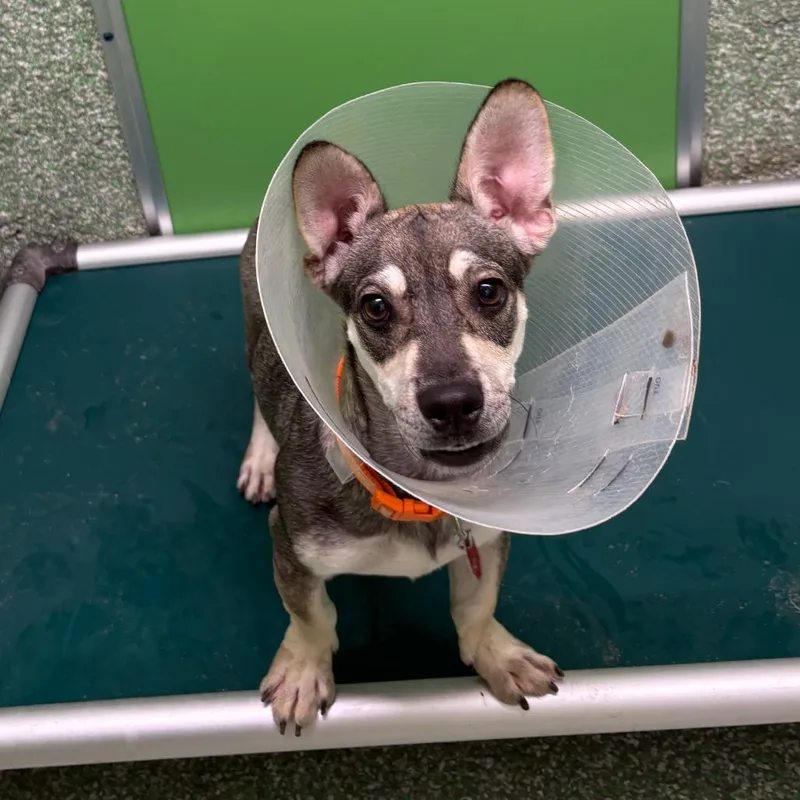
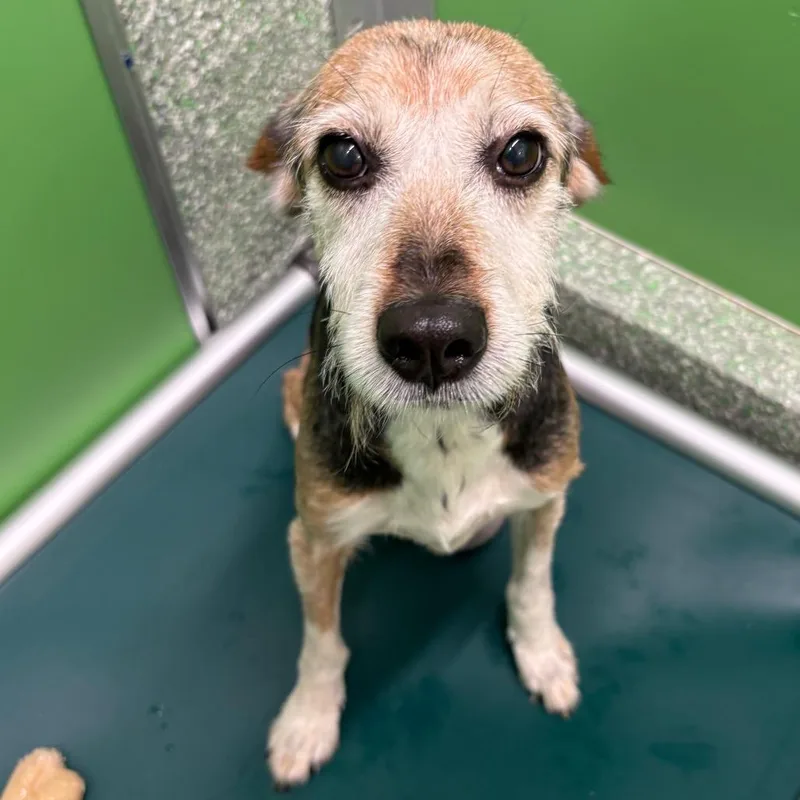
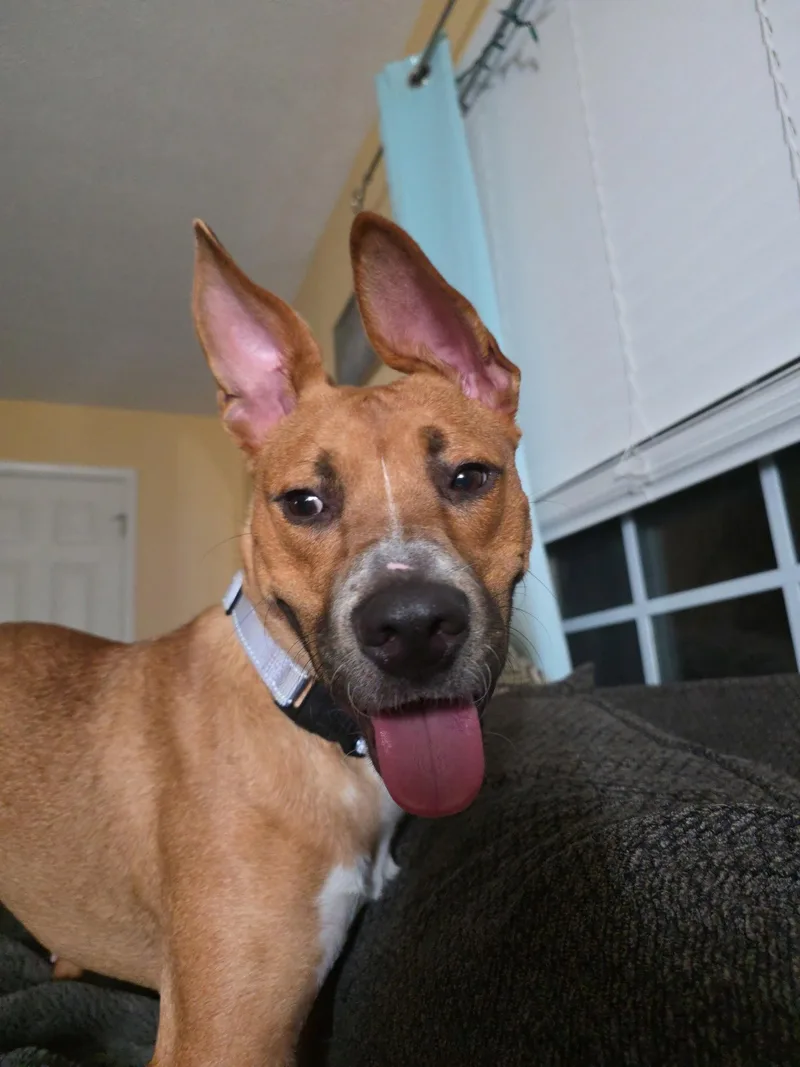
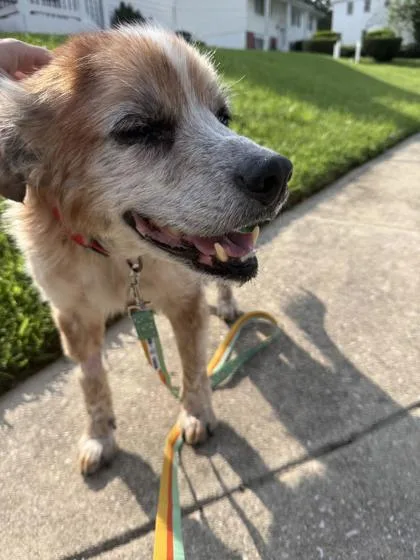
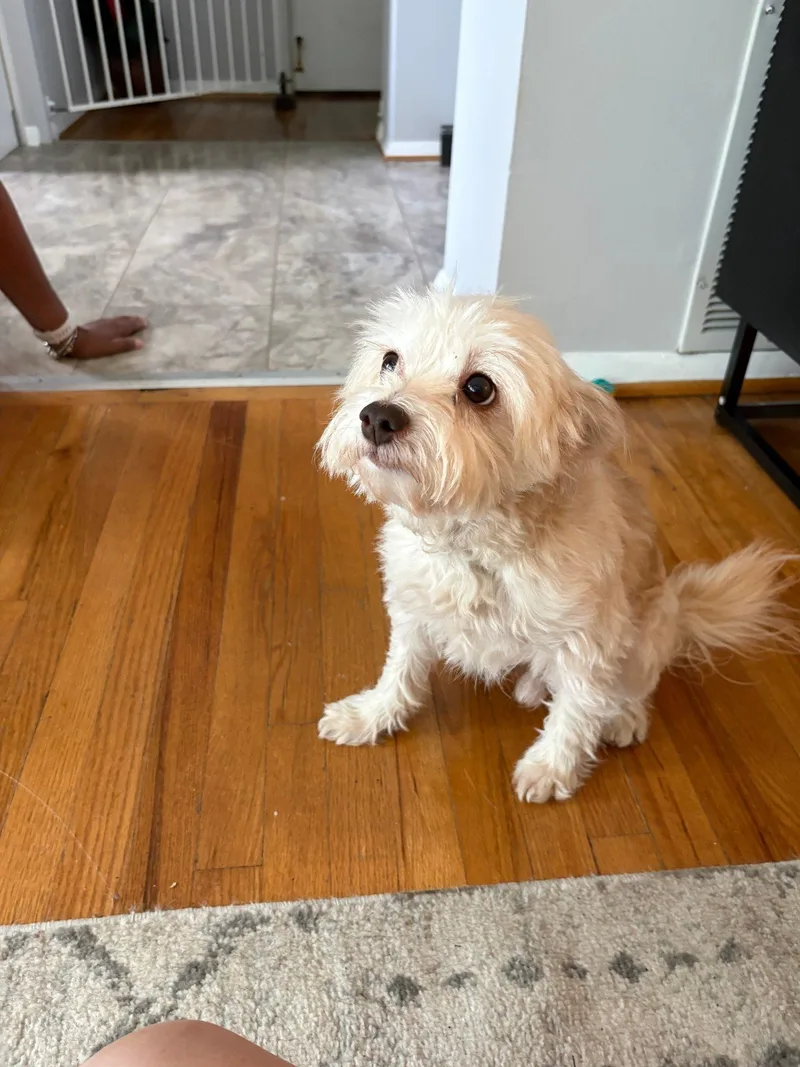
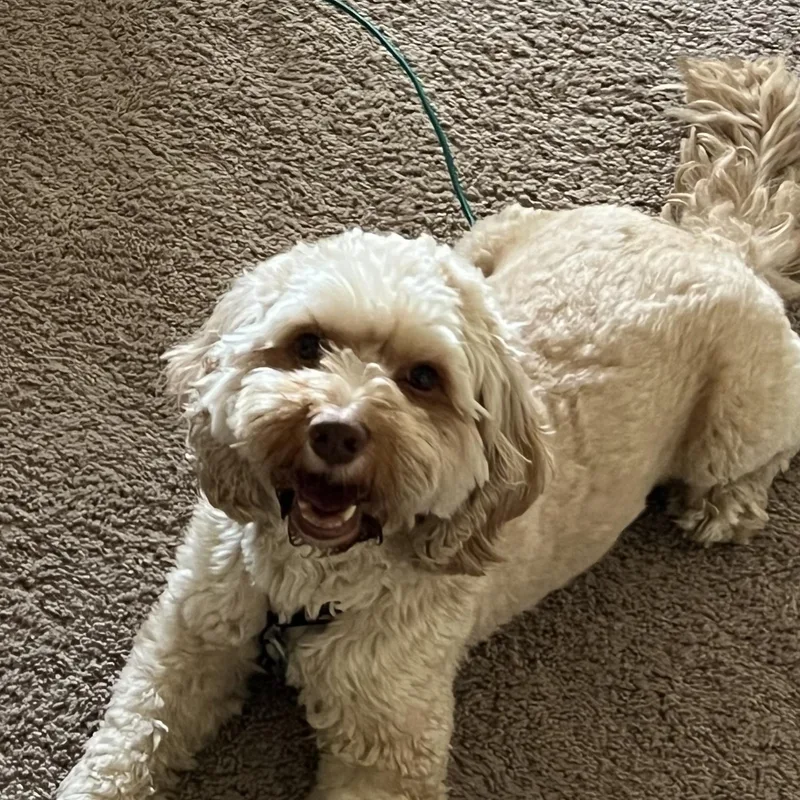
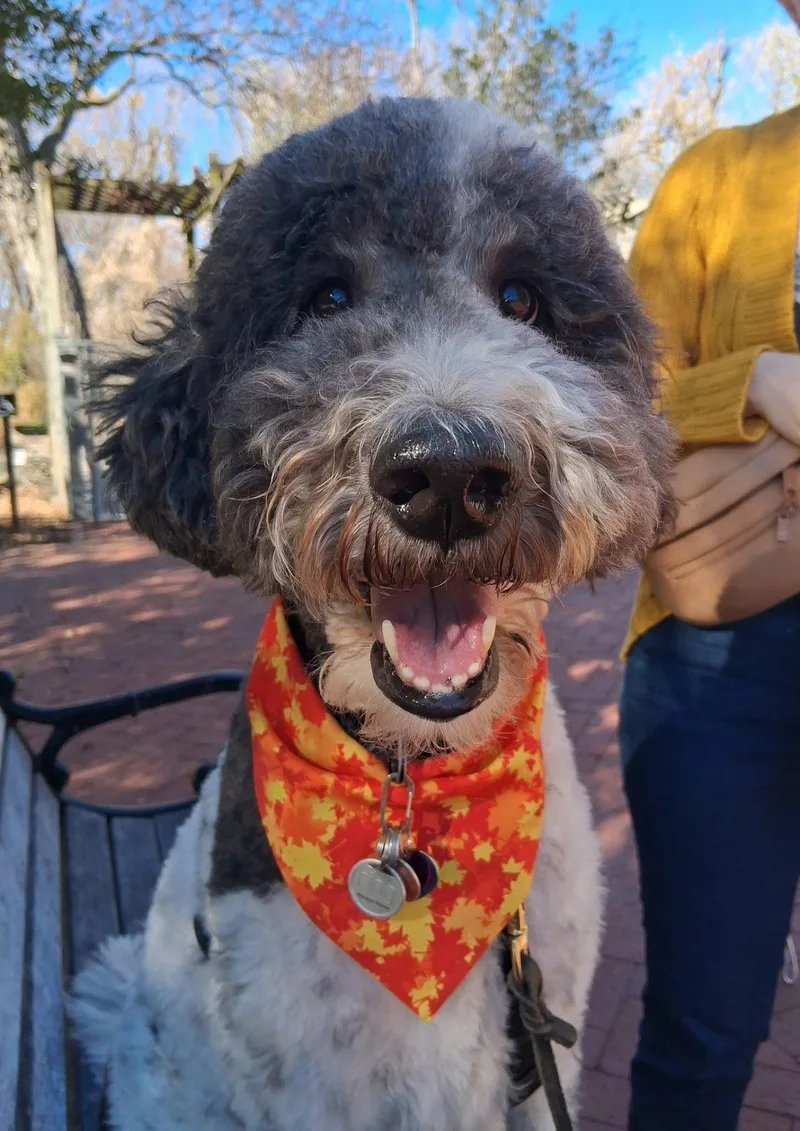
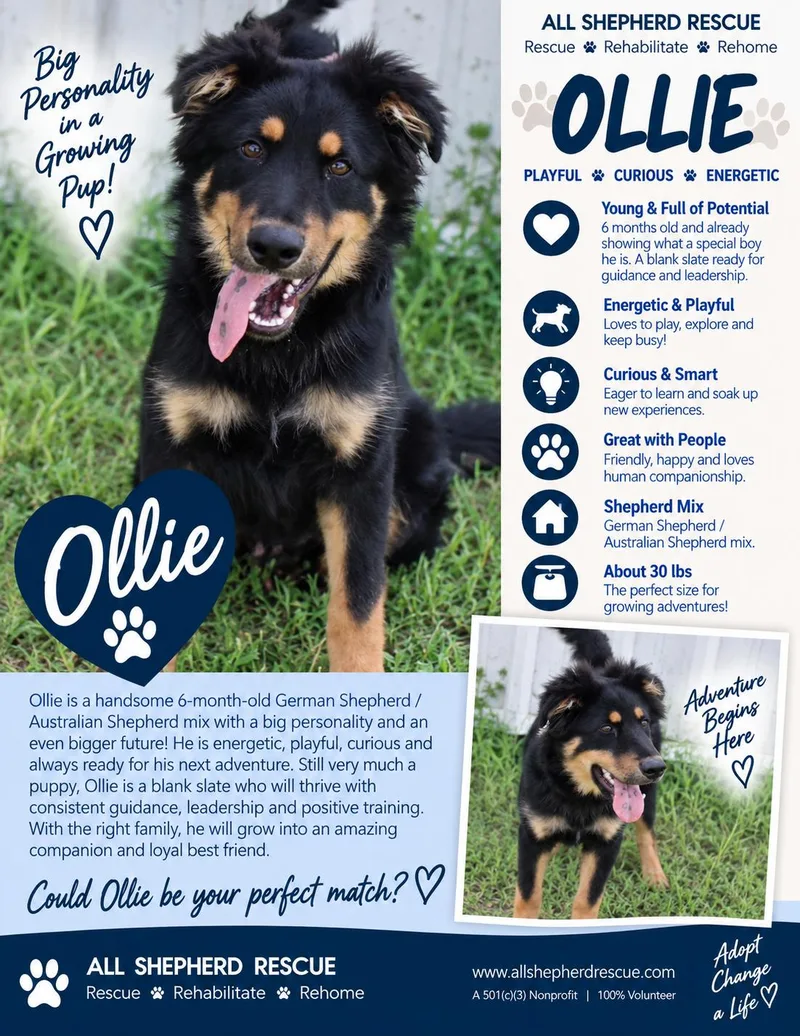
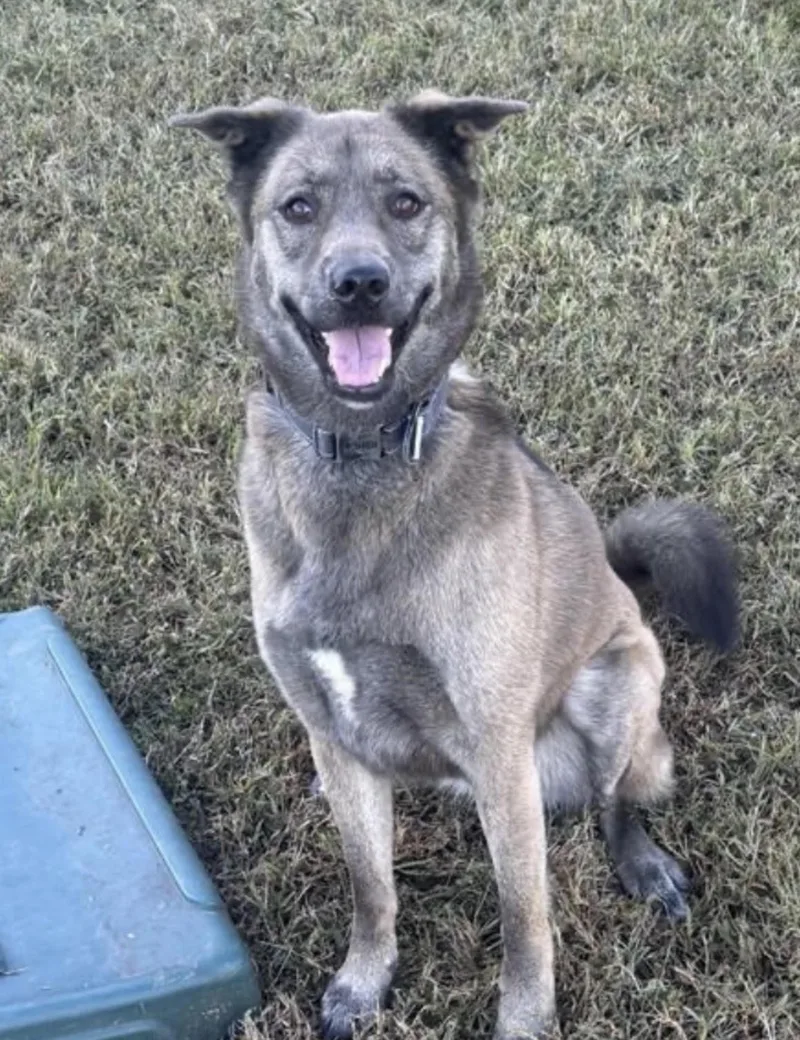
Meet a Standard Schnauzer who needs you

Standard Schnauzers Available for Adoption Near Baltimore

About the Standard Schnauzer breed

The Standard Schnauzer is the original of the three Schnauzer breeds, developed in southern Germany as a farm and stable dog that caught rats, guarded the yard and trotted alongside carriages. The name comes from the German word for snout, a nod to the bearded muzzle. A harsh, wiry coat in pepper and salt or solid black and arched eyebrows give it a serious look.

Many Standards are clever, spirited and loyal, reserved with strangers and quick to sound an alert. They're medium-sized, sturdy and energetic, and they do best with consistent training, daily exercise and regular coat care. Low shedding doesn't mean low maintenance, since the coat needs clipping or hand-stripping every six to eight weeks. Dogs vary, so each Standard's own personality matters more than the breed description.

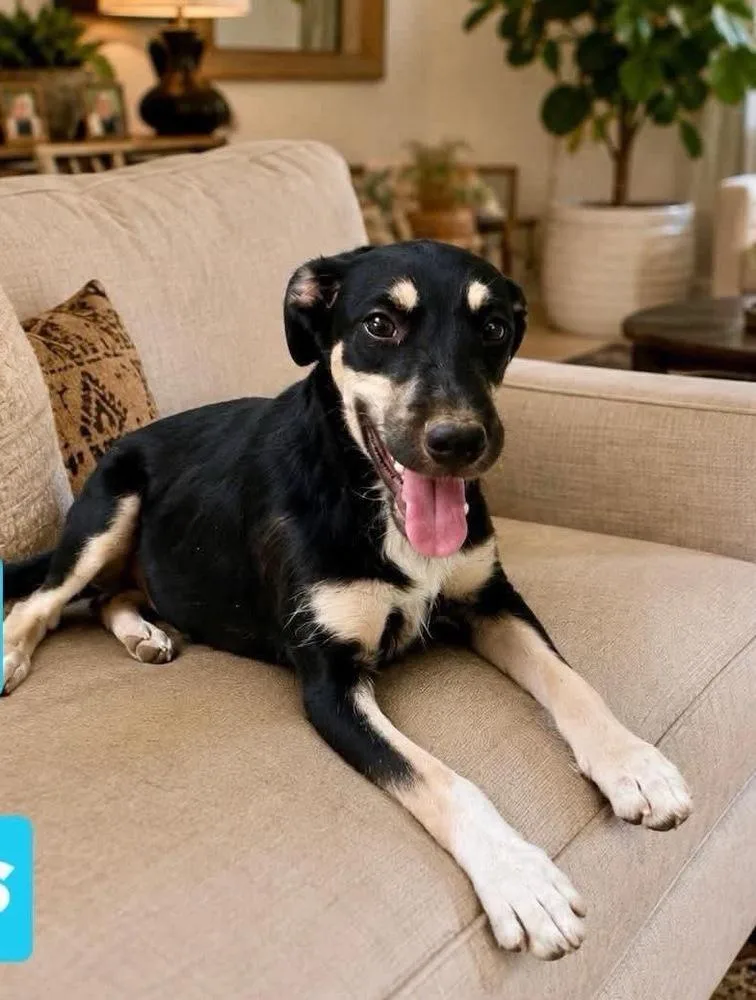
Weight
30–50 lbs
Height
17–20 in
Lifespan
12–16 yrs
Temperament
Intelligent, Spirited, Protective
Group
Working
Shedding
Low

Owning a Standard Schnauzer in Baltimore

Having a Standard Schnauzer in Baltimore

Standard Schnauzers bring working-dog drive, sharp wits and sturdy health in a medium frame. In Baltimore, the main questions are whether you can give one an hour of daily activity, regular coat care and a home where alert barking won't cause trouble.

Temperament

Standards are bright, spirited and devoted, often reserved with strangers. On a Baltimore rowhouse block, expect a dog that announces every passerby, so early training on quiet cues helps. Barking that unreasonably annoys neighbors can count as a nuisance under city code. Some Standards chase small animals or are picky with other dogs, so leashed introductions are wise.

Exercise Needs

Plan on at least an hour a day. Baltimore parks require leashes of 6 feet or less, so loops like Lake Montebello's 1.3 miles or Herring Run Park's trails cover walks, while the fenced dog parks in Canton, Patterson Park, Locust Point and Mount Vernon offer off-leash time. Add scent games or training for mental work.

Health Considerations

Standards are generally robust, but hip dysplasia, eye problems such as cataracts, and hypothyroidism turn up in the breed, so a veterinarian can check hips and eyes early. Rabies vaccination is required by 4 months in Baltimore, and raccoons and foxes live in the wooded parks, so keep vaccines current and dogs leashed on trails.

Living Space

A Standard can manage a Baltimore apartment or rowhouse if exercise and mental work are covered, though a fenced yard is a plus in neighborhoods like Hamilton or Lauraville. Alert barking carries through shared walls, and long days alone can lead to boredom and chewing, so a midday walk helps.

What it costs to own a Standard Schnauzer in Baltimore

ExpenseTypical costPer year
Food$35 to $70 per month$420 to $840
Pet insurance$45 to $85 per month$540 to $1,020
Routine vet care$225 to $450 per year$225 to $450
Other*$885 to $2,280 per year$885 to $2,280
Estimated yearly total (after year one)$2,070 to $4,590

Other costs are estimates and vary with size, age and health.

* Professional grooming or hand-stripping, the Baltimore dog license, flea, tick and heartworm prevention, a dental cleaning allowance, and toys and bedding.

Adopt a Standard Schnauzer in Baltimore.

Now that you know more, let’s find you a new best friend. These rescues and shelters below have dogs available in and near Baltimore.

Rescues and Shelters in or near Baltimore

Baltimore's adoption community ranges from BARCS, the city's open-admission shelter, to smaller nonprofit rescue groups across the area. Here are the rescues & shelters in the Baltimore area with dogs available for adoption, worth asking whether a Standard Schnauzer is coming in.

Frequently Asked Questions

Yes, Baltimore has no breed ban, and its dangerous-dog rules turn on a dog's behavior, not its breed. Maryland's dog-bite law also applies without regard to breed. The city sets no fixed limit on pets per household, though leases often do. Licensing and rabies rules are the same for every dog.

Gwynns Falls Trail and the Jones Falls Trail give a Standard Schnauzer long leashed routes, and Herring Run Park's 5.7-mile loop suits a dog that needs an hour or more daily. Fort McHenry's grounds welcome leashed dogs, though not inside the fort. Keep the leash at 6 feet in city parks and skip stream trails after heavy rain.

It can be, if you can offer daily exercise and a home where a watchful dog is welcome. Baltimore's mix of leashed park loops, fenced dog parks and rowhouse blocks works well, and four seasons suit the weatherproof coat. The tougher parts are humid summers, shared walls and steady coat upkeep, so weigh them before adopting.

Yes, with sensible limits. Summers reach the upper 80s with humid, warm nights, so walk early or late and on grass, since hot asphalt burns paws. Offer shade and water, and a shorter clip can help. During Code Red heat alerts, keep outings brief, and never leave a dog in a parked car.

Plan on professional clipping or hand-stripping every six to eight weeks, plus brushing at home several times a week and beard washing after meals. Baltimore's humidity and rain mean damp beards and legs need drying. Grooming is the biggest piece of the yearly Other costs, which run roughly $885–$2,280 including prevention, dental care and the license.

Probably not. MTA publishes a pet rule only for Commuter Bus, which allows small pets in closed containers carried by the owner, and a 30–50 pound Standard won't fit one. Rules for Metro SubwayLink, light rail and MARC aren't clearly published, so check MTA's current rules before riding. Service animals are welcome on Commuter Bus.

Sometimes, on patios only. Maryland lets restaurants choose to allow dogs in outdoor dining areas, and each restaurant sets and posts its own policy. Dogs must stay leashed at the table and can't come through indoor space or be left alone. A Standard that barks at passersby may do best at a quiet corner table.

A Standard Schnauzer is a medium-sized dog, standing about 17.5 to 19.5 inches at the shoulder. The AKC standard calls for males of 18.5 to 19.5 inches and females of 17.5 to 18.5 inches. They are square, sturdy and well-muscled, sitting between the smaller Miniature Schnauzer and the much larger Giant Schnauzer.

Most Standard Schnauzers weigh about 30 to 50 pounds, with males usually around 35 to 50 pounds and females around 30 to 45. They are muscular and solid for their height. The best guide is body condition: you should be able to feel the ribs under the wiry coat and see a defined waist from above.

Plan on about $35–$70 a month for food and $45–$85 a month for pet insurance. Routine vet care runs roughly $225–$450 a year, and other yearly costs, led by professional grooming every six to eight weeks, add about $885–$2,280. Illness or emergencies aren't included, so a savings cushion helps.