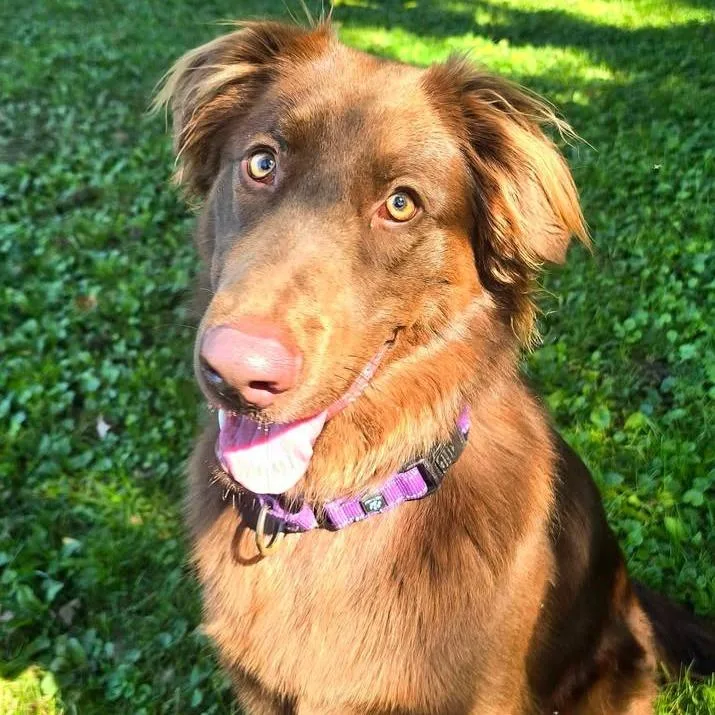
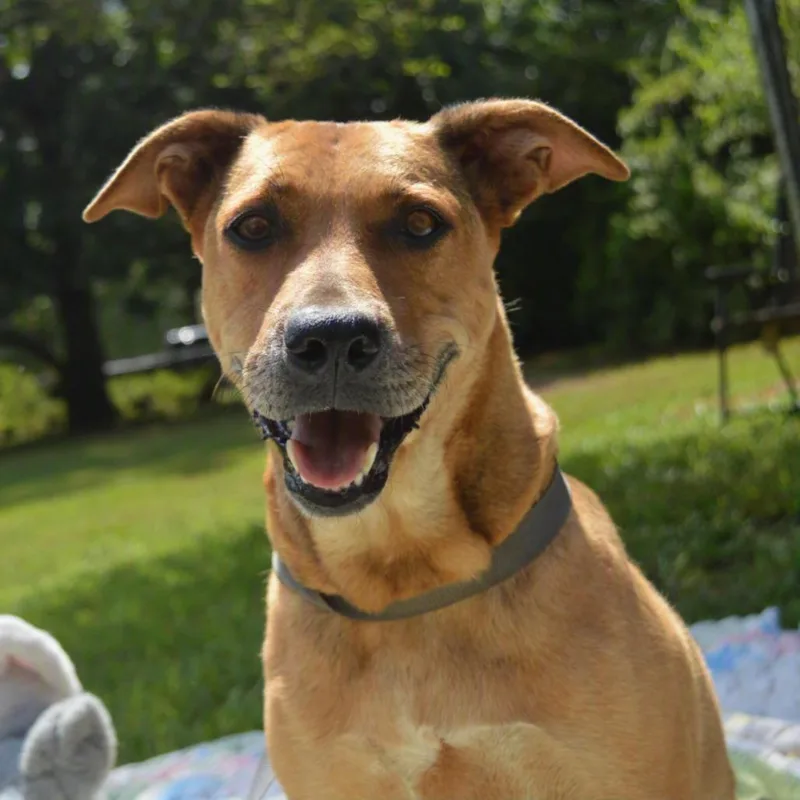
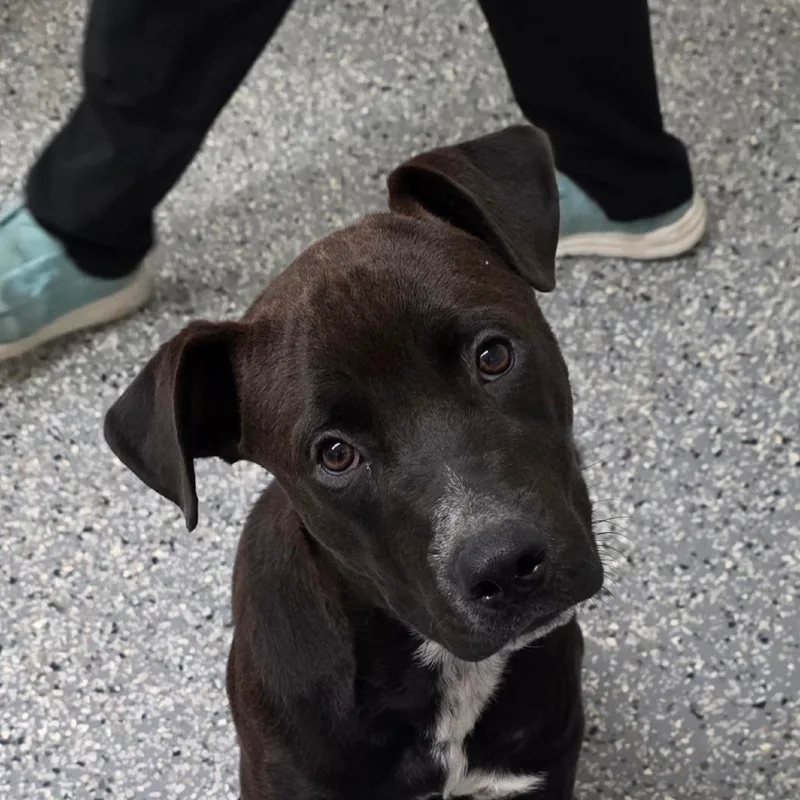
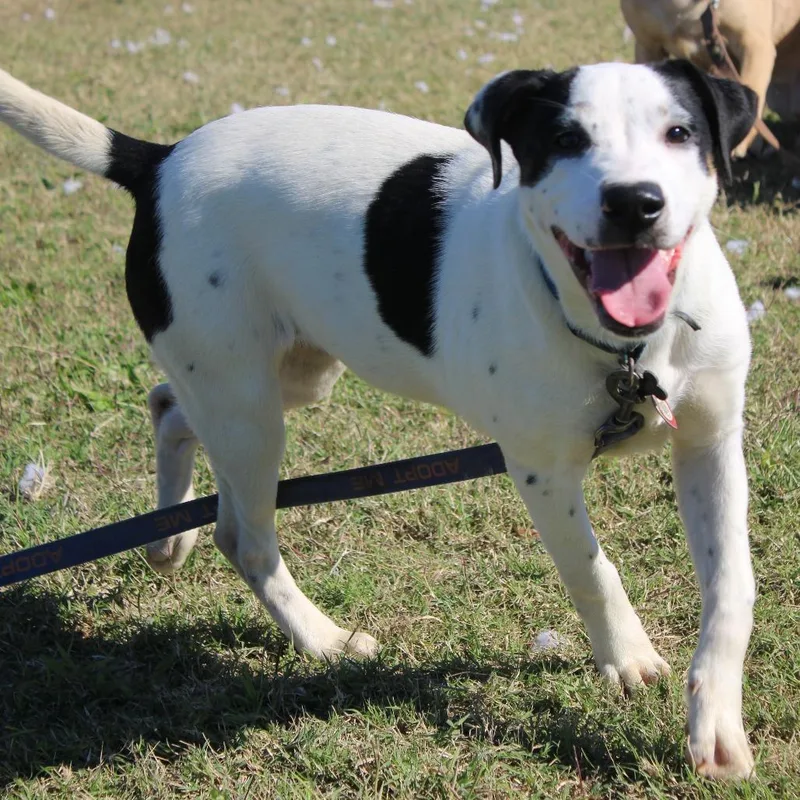
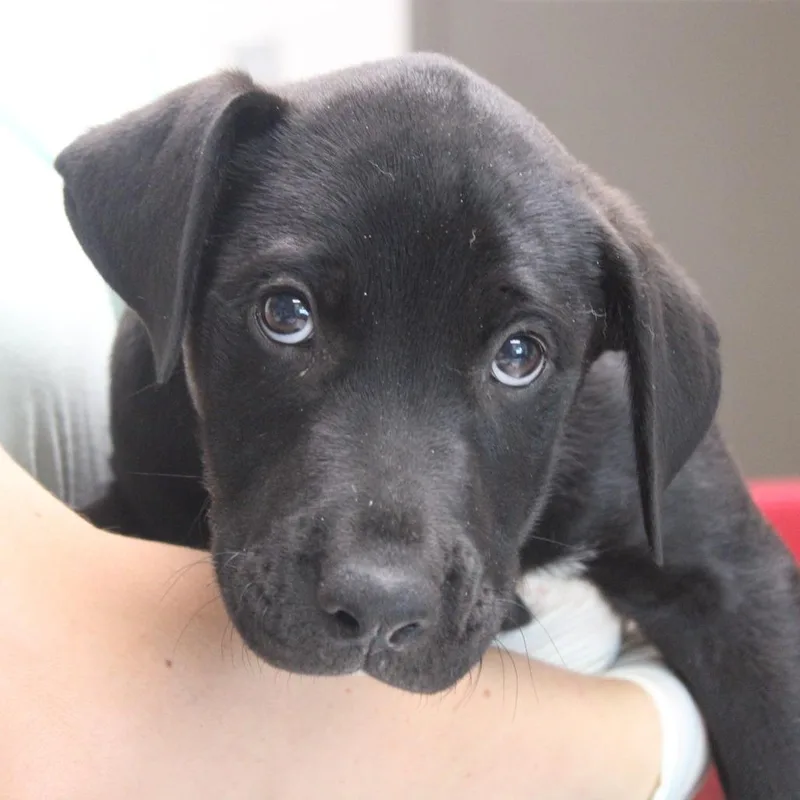
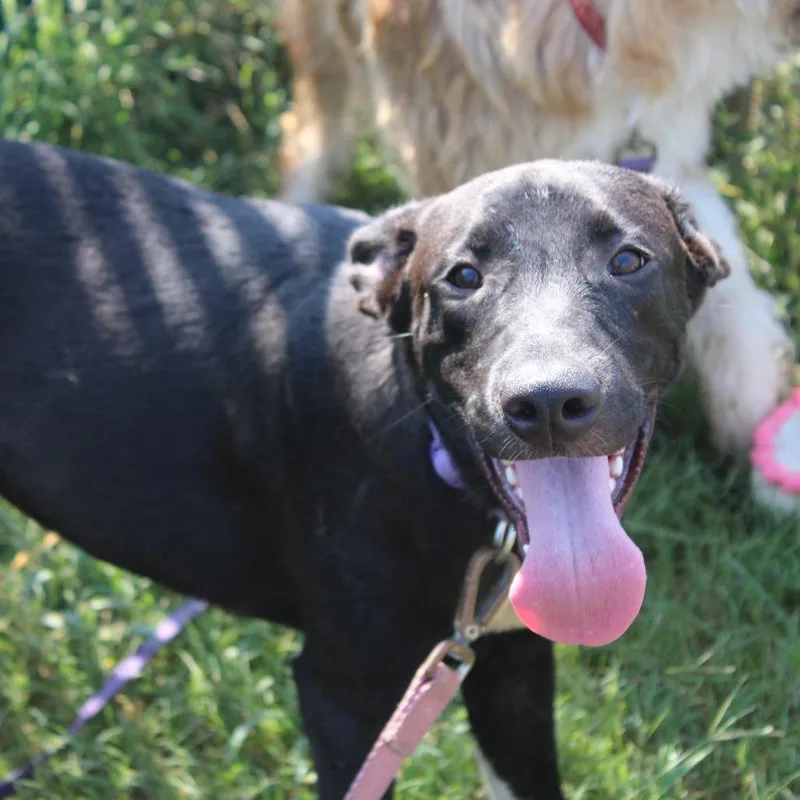
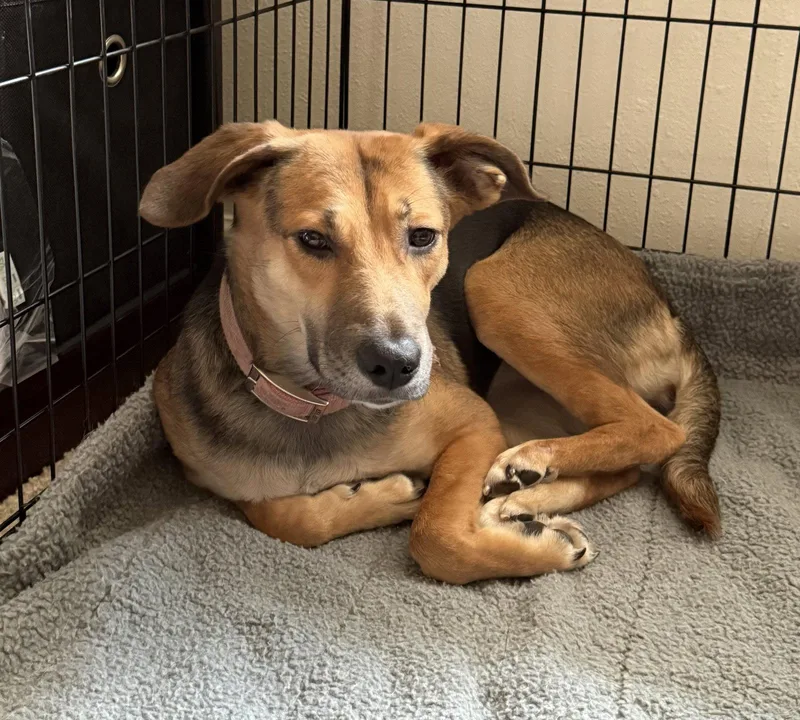
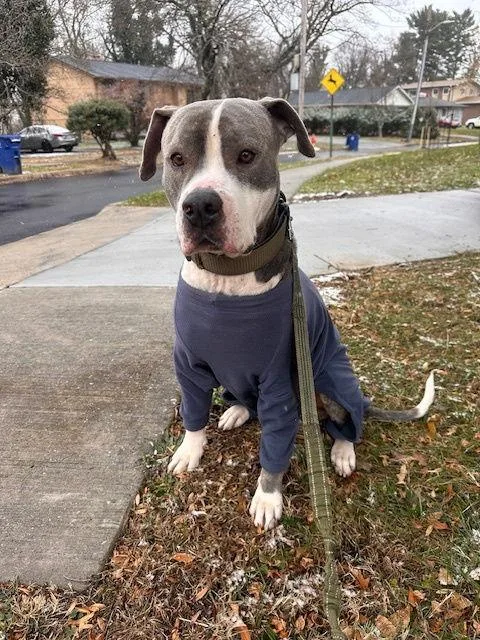
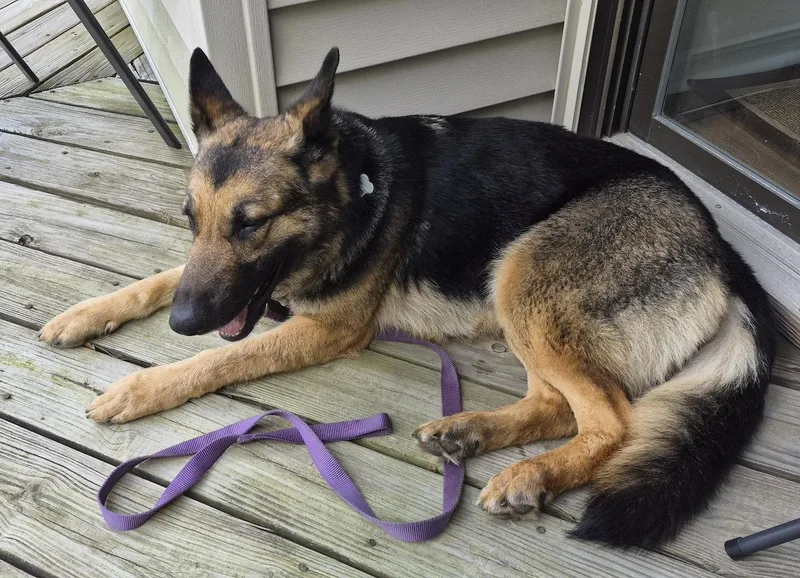
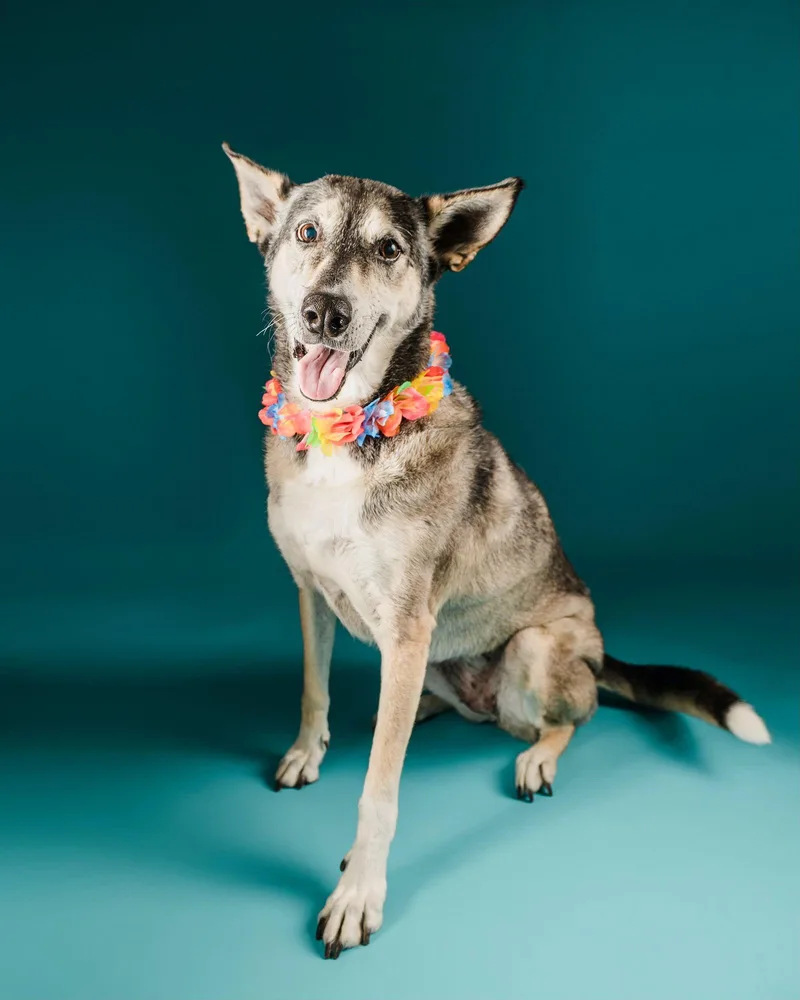
Retriever Dogs for Adoption in Baltimore, MD

Your guide to finding and caring for a Retriever in Baltimore

Retriever-type dogs suit Baltimore's park-edge neighborhoods, as long as they get a real workout every day. In Lauraville, where detached houses sit beside Herring Run Park, a retriever mix can have a leashed loop before work and a game of fetch in the yard after. Most are friendly with neighbors and happiest when someone's home a fair amount. Summer humidity pushes walks to early morning, but spring and fall are easy going. Expect a medium-to-large dog who sheds and who'll greet every person on the block.

882 Retrievers available in Baltimore and nationwide

Bring home a Retriever mix

Retrievers Available for Adoption Near Baltimore

About the Retriever breed

Retriever isn't a single breed. It's a gun-dog type developed to find shot birds and carry them back gently, and on adoption listings it usually means a Labrador or Golden Retriever mix, or a dog with that look and unknown ancestry. Chesapeake Bay Retrievers, a breed with roots on Maryland's Chesapeake shore, belong to the same family.

Most are medium to large, sturdy and food-motivated, with a water-resistant coat that sheds a good deal. Many are sociable and eager to work with people, and a long, bouncy adolescence is common. In Baltimore, that energy pairs well with the city's leashed park loops and a household that can offer steady training. Because ancestry varies, a dog's age, size and energy tell you more than the label.


Weight
50–80 lbs
Height
20–25 in
Lifespan
10–14 yrs
Temperament
Friendly, Outgoing, Active
Group
Sporting
Shedding
Moderate to High

Owning a Retriever in Baltimore

Having a Retriever in Baltimore

Retriever covers many breeds and mixes, so these cards describe tendencies rather than guarantees: a people-focused nature, stamina, a coat that sheds and joints worth protecting. Age and ancestry shape how strongly each shows, and Baltimore's seasons and rowhouse streets shape how you manage them.

Temperament

Retriever-type dogs tend to be friendly with family, guests and other dogs, which helps on busy rowhouse blocks where neighbors stop to chat. Young dogs can be mouthy and bouncy, so toddlers need supervision. Most respond well to food and praise in training. A dog's age and history matter more than the breed label.

Exercise Needs

Plan on an hour or more of vigorous activity daily: long walks, fetch, hiking or scent games. Baltimore offers variety, from Lake Montebello's 1.3-mile loop to Herring Run's wooded trails, always on a leash of six feet or less in city parks. Without enough outlet, many retrievers chew, dig or pester.

Health Considerations

Hip and elbow dysplasia, cruciate injuries, ear infections, skin allergies and weight gain are common across retriever breeds, and some carry inherited eye disease or higher cancer risk. Baltimore's humid summers can aggravate ear and skin trouble, so dry ears after baths and rainy walks. Rabies vaccination is required by city and state law by four months.

Living Space

A retriever can do well in a Baltimore rowhouse or apartment if exercise happens reliably every day, though a fenced yard makes play easier. These dogs want to be indoors with their people. Plan for shed hair, a sweeping tail at coffee-table height and plenty of stairs in multi-story rowhouses.

What it costs to own a Retriever in Baltimore

ExpenseTypical costPer year
Food$55 to $110 per month$660 to $1,320
Pet insurance$55 to $110 per month$660 to $1,320
Routine vet care$250 to $500 per year$250 to $500
Other*$585 to $1,480 per year$585 to $1,480
Estimated yearly total (after year one)$2,155 to $4,620

Other costs are estimates and vary with size, age and health.

* The Baltimore dog license ($10 if spayed or neutered, $30 if not), flea, tick and heartworm prevention, a dental cleaning allowance, toys and bedding, and brushing and baths for a shedding coat.

Adopt a Retriever in Baltimore.

Now that you know more, let’s find you a new best friend. These rescues and shelters below have dogs available in and near Baltimore.

Rescues and Shelters in or near Baltimore

Baltimore's shelters and rescues care for dogs of every size, and the listings below update as new pets arrive. Here are the rescues & shelters in the Baltimore area with dogs available for adoption, worth asking whether a Retriever is coming in.

Frequently Asked Questions

Yes, Baltimore has no breed ban, and Maryland's dog-bite law applies without regard to breed. Dangerous-dog status in the city depends on a dog's behavior, not its label. Beyond the license and rabies vaccine, the main rules are everyday ones: leash and clean up in public, never tether a dog with a chain, and don't let barking become a neighborhood nuisance.

Yes, a Retriever can live in a Baltimore apartment when daily exercise is reliable. Expect stairs if the building is a converted rowhouse, and plan walks morning and evening, since a bored retriever may bark or chew. Excessive barking can count as a nuisance under city code, so training and activity matter. Shedding is steady, so keep a vacuum handy.

For off-leash fetch, the fenced dog parks in Canton, Patterson Park, Locust Point and Mount Vernon's Howard's Park suit social retrievers. For long walks, try Druid Hill Park, Herring Run Park, the Gwynns Falls Trail, or Cylburn Arboretum, where leashed dogs are welcome. City parks require a leash of six feet or less, and Fort McHenry bars dogs from inside the fort.

Yes, with precautions. Retriever-type dogs wear thick coats, and Baltimore's humid summers and warm nights are tough on them. Exercise early or late, offer shade and water, and walk on grass when pavement is hot. Learn the signs of heatstroke, such as heavy panting and a deep red tongue, and keep outings short on Code Red heat alert days.

Probably not, because of size. MTA's published pet rule for Commuter Bus allows only small pets in closed containers carried by the owner, and a 50-to-80-pound retriever won't fit a carrier. Check MTA's current rules before riding the Metro SubwayLink, light rail or MARC with any pet, and plan on walks or car trips for a large dog.

Sometimes, on patios only. Maryland lets restaurants choose whether to allow dogs in outdoor dining areas, and each restaurant decides and posts its policy. Dogs must stay leashed at the table and can't pass through indoor space. A large retriever under a small table needs a calm settle first, so practice at home before you try it.

Brush a Retriever two to three times a week, and daily during the heavy sheds in spring and fall. Baltimore's humidity makes drying the coat and ears after baths and rainy walks important. A bath every month or two is plenty, and the double coat shouldn't be shaved. Brushing supplies and baths fall within the Other yearly costs listed on this page.

Often, yes, for active households. Baltimore's park loops, fenced dog parks and mild spring and fall suit sociable retriever-type dogs, and rowhouse blocks mean plenty of neighbors to meet. The fit is weaker if you're away long hours or can't manage summer heat. A dog's age, energy and history matter more than the label, so match the dog to your routine.

Most retriever-type dogs live about 10 to 14 years, with some reaching 15. Retriever is a type label rather than one breed, so mixes and different retriever breeds vary. Keeping a retriever lean, staying current on veterinary checkups all support a longer, more comfortable life.

Plan on roughly $2,150 to $4,600 a year for a retriever in Baltimore. Food runs $55 to $110 a month and insurance $55 to $110, while routine vet care is $250 to $500 a year. Other costs, including the license, parasite prevention, dental care and grooming, add about $585 to $1,480. Totals depend on the dog's size and age.