Pomeranian dog

Pomeranian Dogs for Adoption in Baltimore, MD

Your guide to finding and caring for a Pomeranian in Baltimore

Pomeranians suit Baltimore's rowhouse blocks, as long as the barking is managed. In Reservoir Hill or Mount Vernon, a few laps around the block and a stroll around Druid Lake cover most of a Pom's exercise. They're alert little dogs, so thin shared walls and a busy stoop make early training worthwhile. Many Poms land above the 7-pound standard, and plenty settle into lap-sitters by evening. The one thing to plan for is stairs, since rowhouses have a lot of them.

634 Pomeranians available in Baltimore and nationwide

Bring home a Pomeranian

While we don't have enough dogs near Baltimore, keep in mind that many rescues may offer transport.

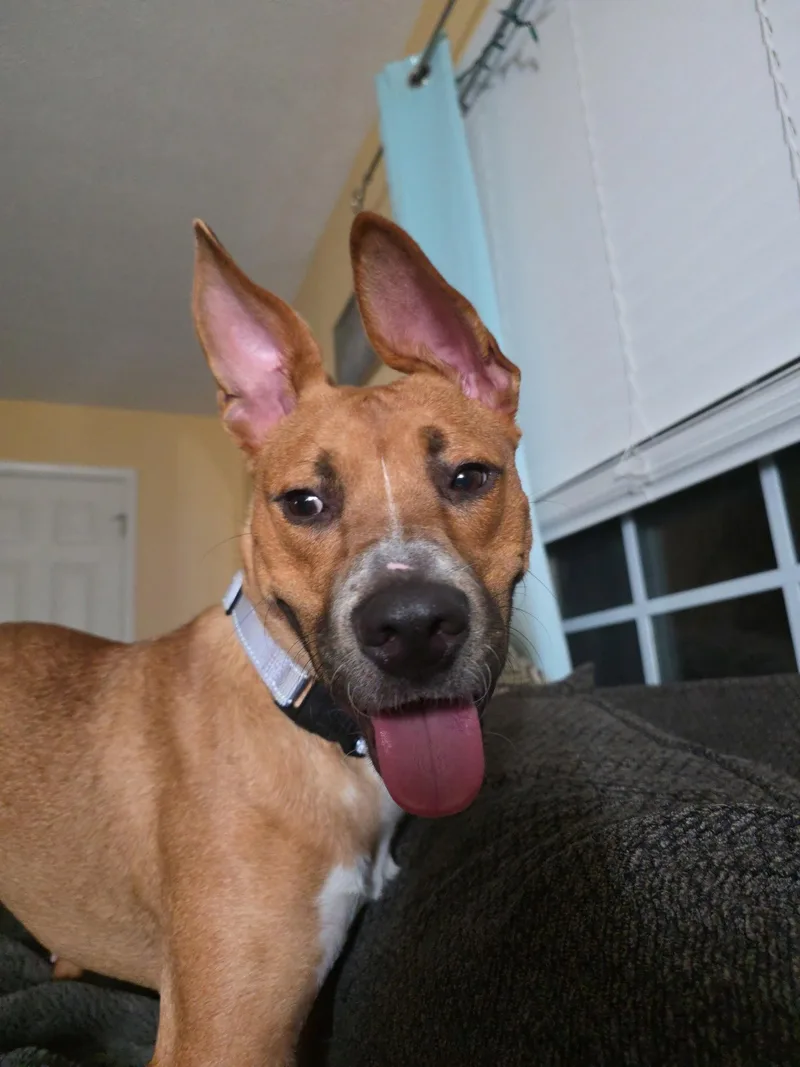
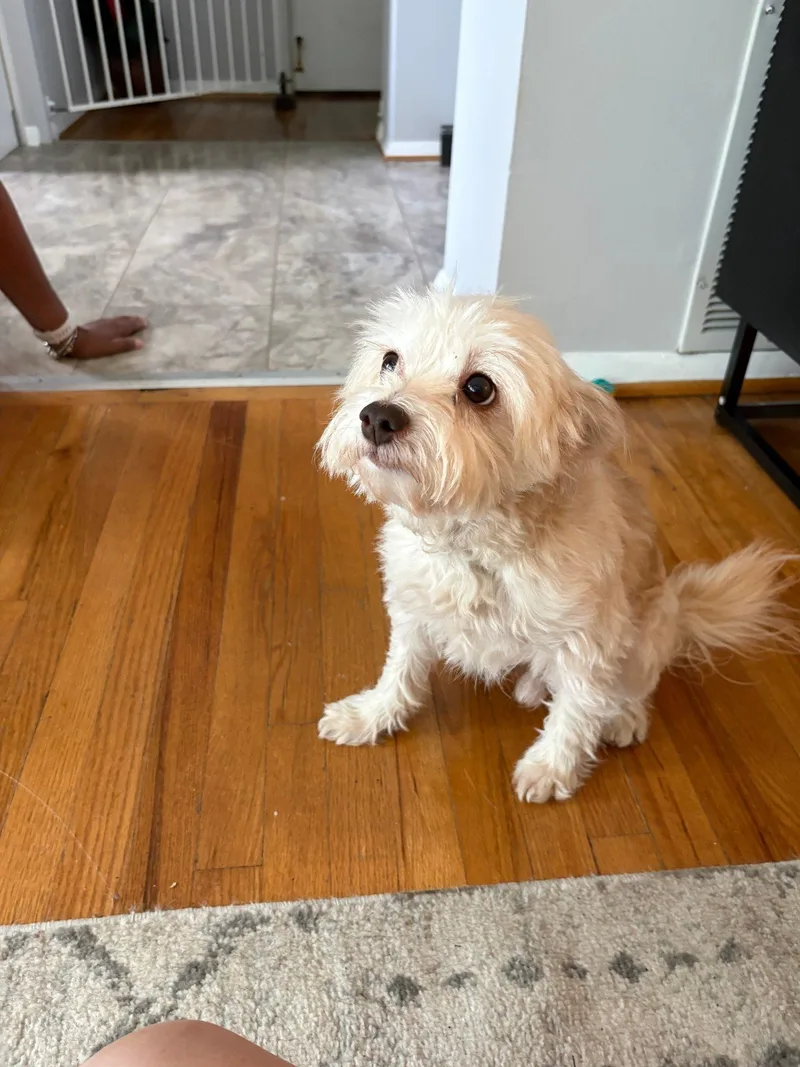
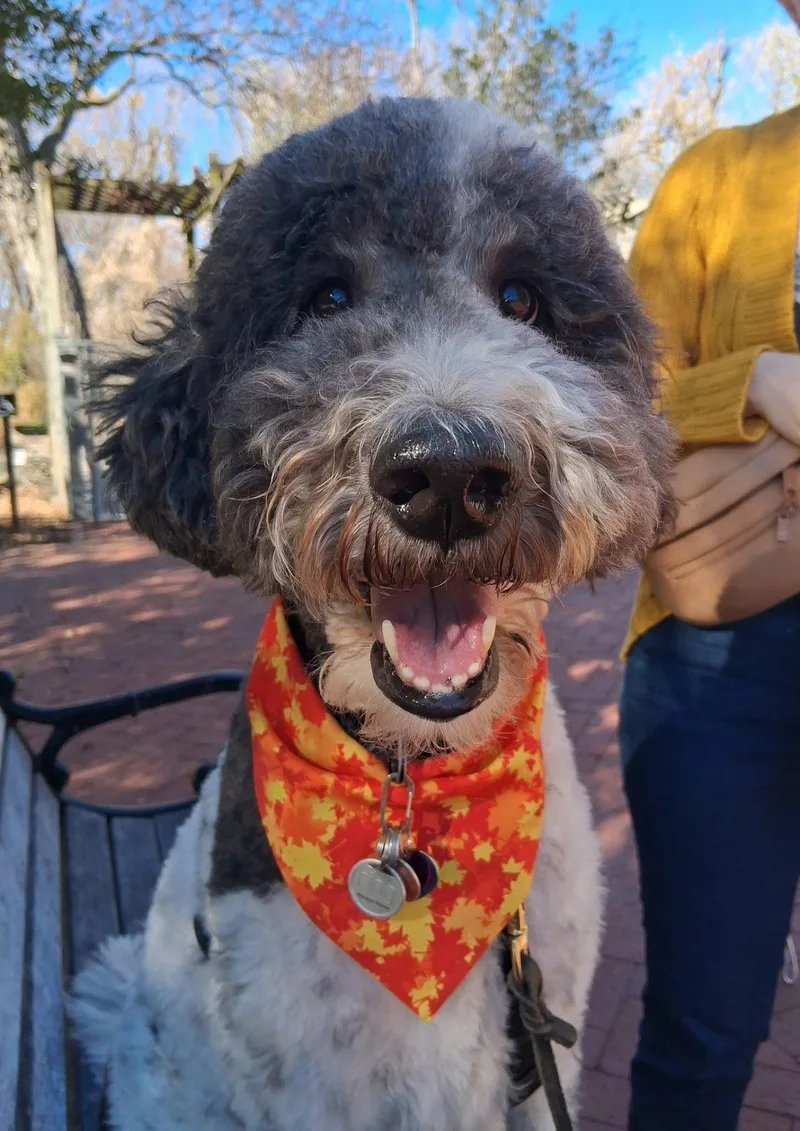
Pomeranians Available for Adoption Near Baltimore

About the Pomeranian breed

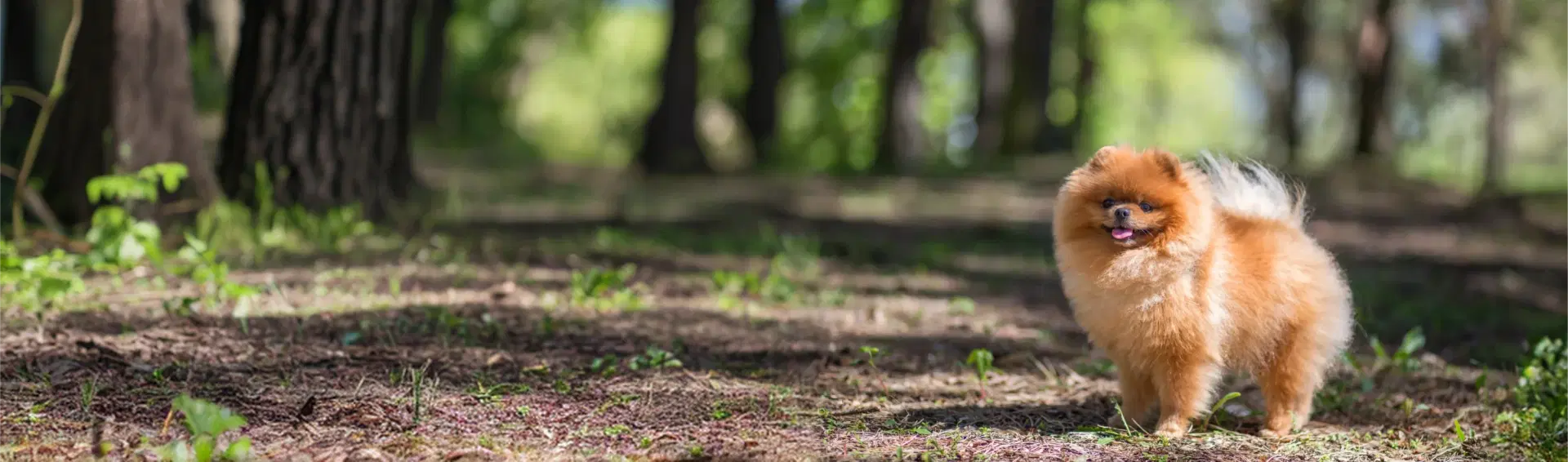
The Pomeranian is a toy spitz named for the Baltic region of Pomerania. Its ancestors were much larger German Spitz dogs, and the breed shrank to today's 3 to 7 pounds after Queen Victoria took up small, colorful Poms in the 1800s. The standoff double coat, plumed tail curled over the back and foxy face make it easy to spot, though plenty of Poms run a little over 7 pounds.

Pomeranians are bold, curious and closely attached to their people, and many bark at every new sound. In Baltimore that means brushing several times a week, daily tooth care and a harness instead of a collar on walks. Their small frames call for gentle handling, and each Pom's own history and personality matter more than any breed description.


Weight
3–7 lbs
Height
6–11 in
Lifespan
12–16 yrs
Temperament
Lively, Alert, Curious, Bold
Group
Toy
Shedding
Moderate to High

Owning a Pomeranian in Baltimore

Having a Pomeranian in Baltimore

Poms pair a big personality with a small frame and a thick coat. In Baltimore, the main things to weigh are barking through shared rowhouse walls, brushing in humid summers, dental care, and protecting delicate knees and windpipes.

Temperament

Pomeranians tend to be confident, curious and devoted to a favorite person. Many act far bigger than they are, so they may bark at visitors or bully larger dogs on busy Baltimore sidewalks. Reward-based training and early, gentle socialization help. Every Pom is different, so judge the dog in front of you rather than the breed label.

Exercise Needs

Most Poms are content with a few short walks and indoor play. The paved 1.3-mile loop around Lake Montebello or the 1.5-mile path around Druid Lake is plenty for a healthy adult at an easy pace. Use a harness, keep the leash at 6 feet or less in city parks, and add puzzle toys on rainy days.

Health Considerations

Pomeranians are prone to luxating kneecaps, collapsing trachea, dental disease and, in some dogs, alopecia X coat loss. Daily tooth brushing, a lean weight and yearly checkups help. Baltimore requires rabies vaccination by 4 months, and with rabid foxes and raccoons reported in some city parks, keep it current and keep a toy dog close on trails.

Living Space

A Pom suits Baltimore's rowhouses, condos and apartments, since indoor play covers most of its exercise. Barking is the issue with shared walls, so start training early. Three-story rowhouses mean plenty of stairs, so consider gates or ramps and discourage jumping off furniture to protect small joints.

What it costs to own a Pomeranian in Baltimore

ExpenseTypical costPer year
Food$15 to $35 per month$180 to $420
Pet insurance$35 to $70 per month$420 to $840
Routine vet care$200 to $400 per year$200 to $400
Other*$585 to $1,430 per year$585 to $1,430
Estimated yearly total (after year one)$1,385 to $3,090

Other costs are estimates and vary with size, age and health.

* The Baltimore dog license ($10 spayed or neutered, $30 unaltered), flea, tick and heartworm prevention, dental cleanings, toys and bedding, and brushing and baths for the double coat.

Pomeranian dog

Adopt a Pomeranian in Baltimore.

Now that you know more, let’s find you a new best friend. These rescues and shelters below have dogs available in and near Baltimore.

Rescues and Shelters in or near Baltimore

Baltimore's animal rescue community includes a city shelter and independent rescues, all working to place dogs in homes. Here are the rescues & shelters in the Baltimore area with dogs available for adoption, worth asking whether a Pomeranian is coming in.

Frequently Asked Questions

Yes, Baltimore has no breed ban, so a Pomeranian is treated like any other dog. The city requires a license for every dog over 4 months old, $10 if spayed or neutered and $30 if not, plus a current rabies vaccination. There's no fixed limit on pets per household, though leases often set their own.

Often yes, for adopters who enjoy short daily walks and can handle barking. Rowhouse blocks, small parks and compact homes suit a toy dog, but stairs, humid summers and wildlife on wooded trails need planning. A Pom does best with someone home a fair amount, since many bond closely and dislike long days alone.

Patterson Park has fenced dog runs, and Druid Hill Park's lakeside path suits easy leashed walks. Fort McHenry's grounds allow leashed pets, but not inside the fort. Herring Run's trails are best in dry weather, since flash floods can close stream paths. City parks require a leash of 6 feet or less.

Yes, with care. Baltimore's humid summers can trigger city Code Red heat alerts, and a Pom's thick coat holds heat. Walk early or late, stay on grass since asphalt burns paws, provide shade and water, and never leave the dog in a parked car, which is illegal in Maryland and Baltimore. Watch for heavy panting.

Plan on brushing a Pomeranian's double coat several times a week, more during spring and fall shedding, plus a bath every few weeks. Baltimore's humidity and rain make regular checks for mats and a damp undercoat worthwhile. Brushing at home keeps costs down, and professional baths fit within the yearly Other costs of roughly $585 to $1,430.

Baltimore has a Metro SubwayLink, but MTA publishes a pet rule only for Commuter Bus, where small pets must ride in a closed container carried by the owner. For the subway, light rail or MARC, check MTA's current rules before riding, and plan on a secure carrier for a Pomeranian.

Possibly, but only on patios. Maryland lets restaurants choose whether to allow dogs in outdoor dining areas, and each posts its own policy. Keep the Pomeranian leashed at the table, don't carry it through indoor space, and never leave it unattended. Indoor seating is generally off limits to pet dogs.

Pomeranians come from the Pomerania region along the Baltic Sea, now part of northern Poland and northeastern Germany, where its larger German Spitz ancestors developed. The breed as we know it was shaped in England, where royals including Queen Charlotte and Queen Victoria kept them in the 1700s and 1800s and the dogs grew steadily smaller. The first English breed club formed in 1891.

A Pomeranian is a tiny, compact dog with a short back, a wedge-shaped head and a fox-like face with small pricked ears and bright almond eyes. Its signature feature is an abundant double coat that stands away from the body, forming a ruff around the neck and a plumed tail carried flat over the back. Poms come in many colors and patterns.

Expect roughly $1,400 to $3,100 a year for a Pomeranian in Baltimore, covering food, pet insurance, routine vet care and other yearly costs. Food and routine care are modest for a toy dog, while insurance, dental care and coat care drive the range. Emergencies, boarding and one-time supplies are extra.