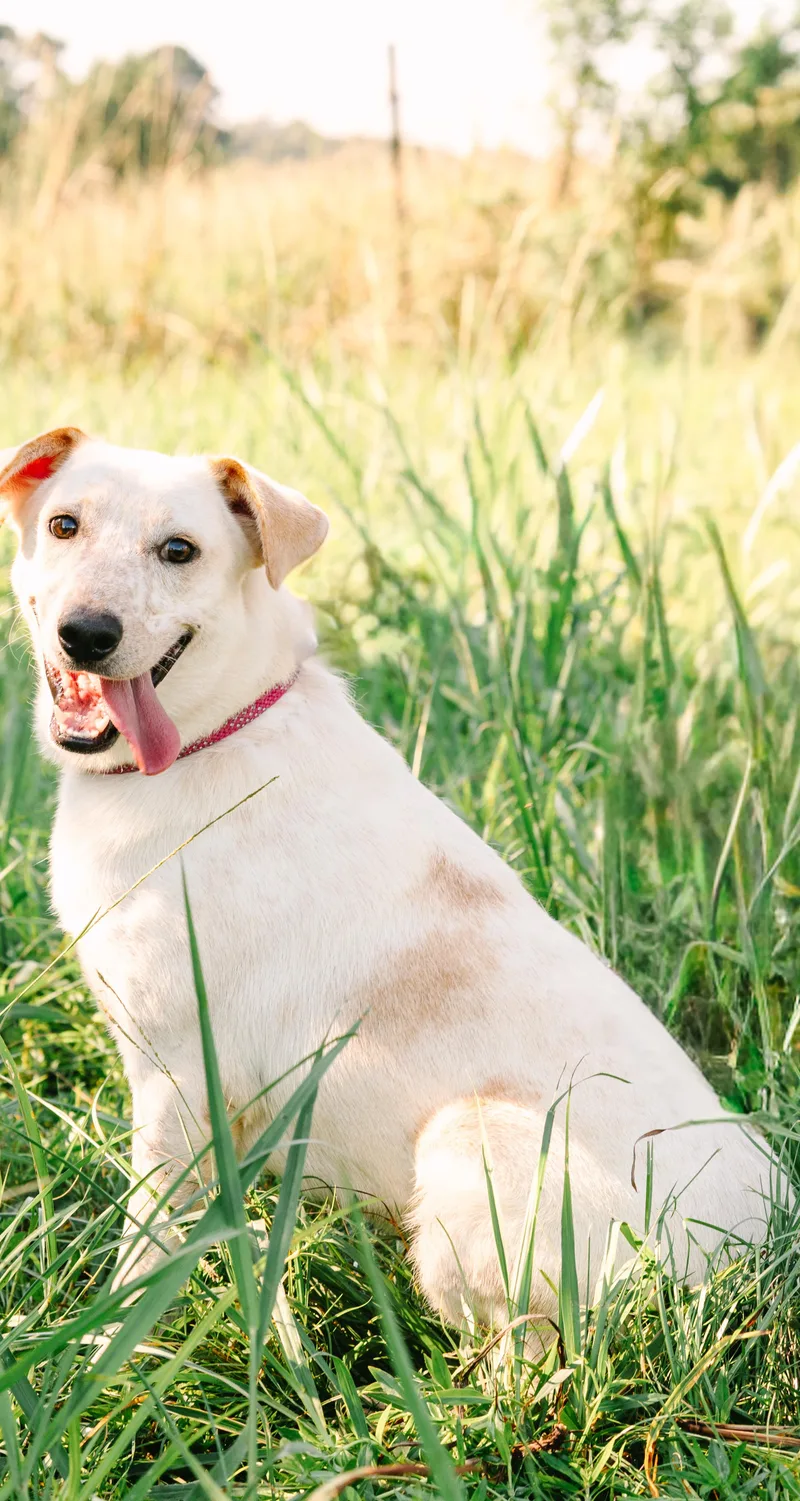
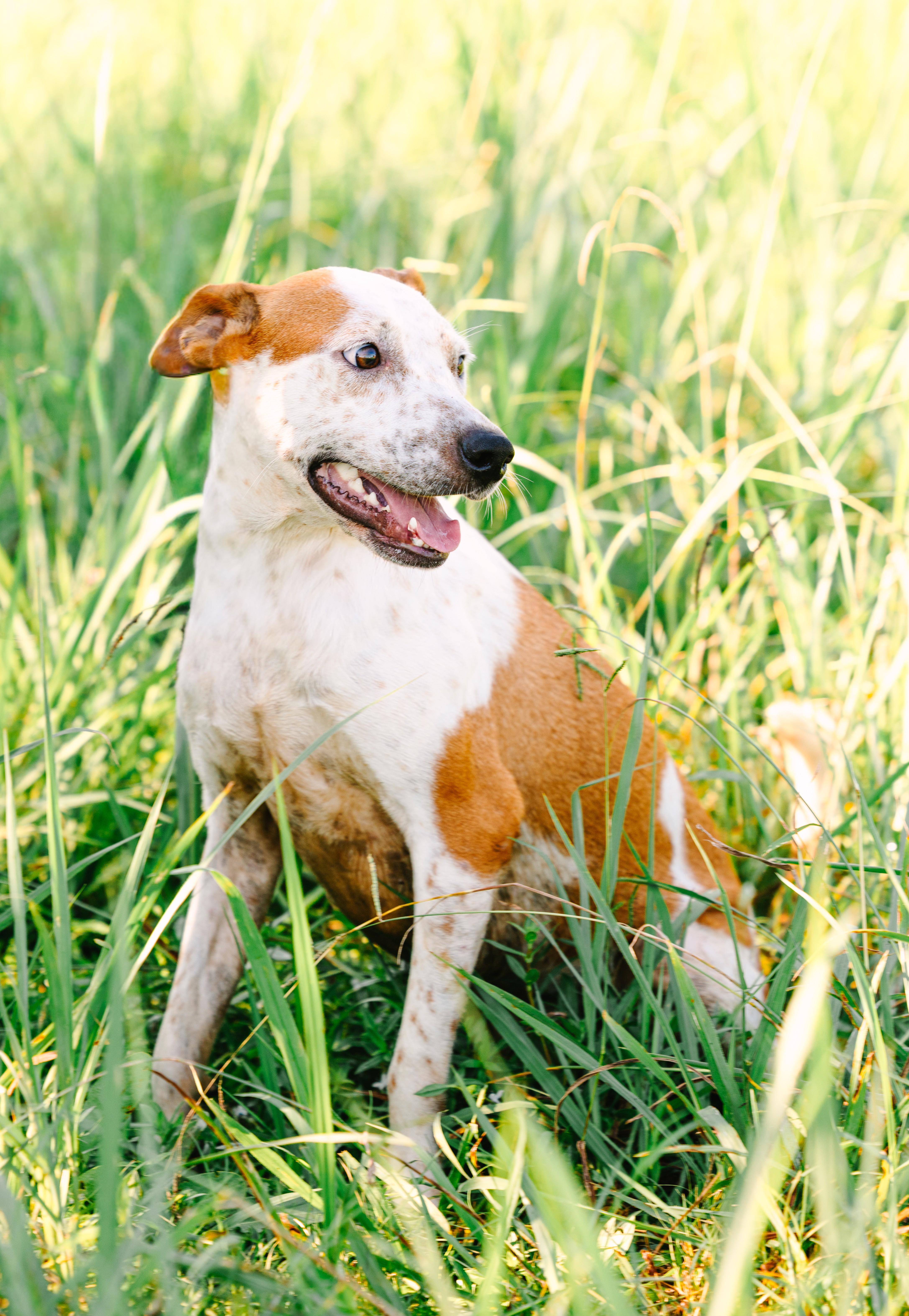
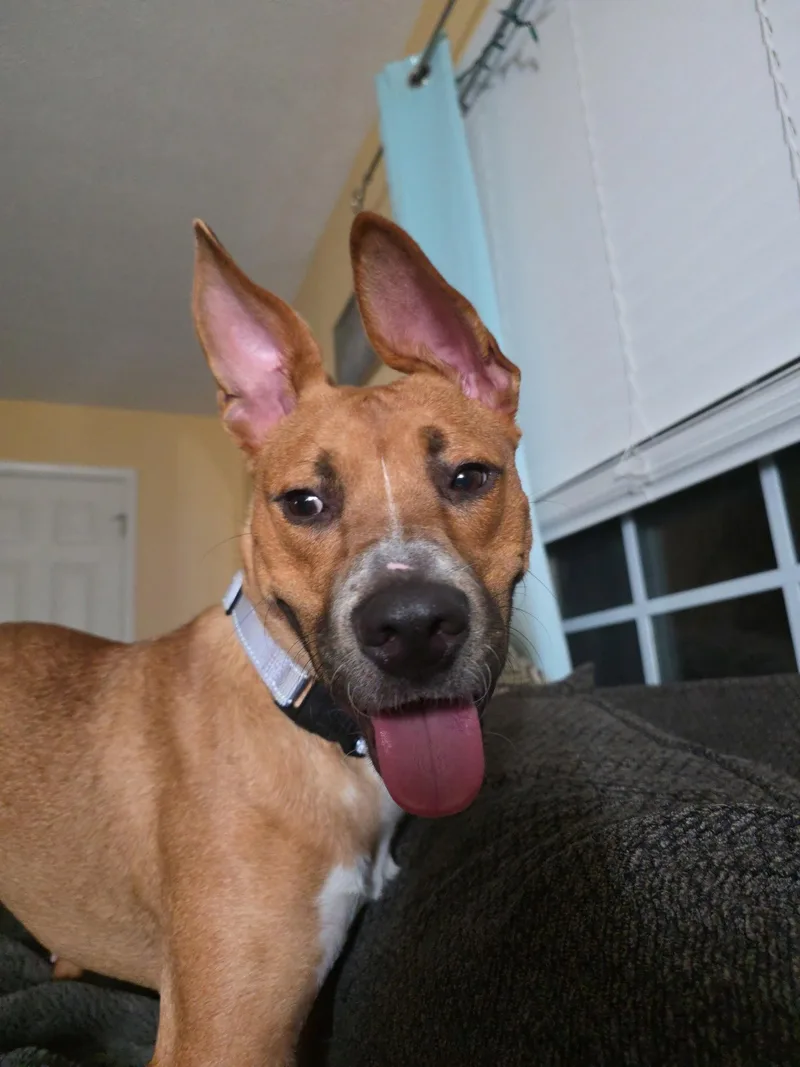
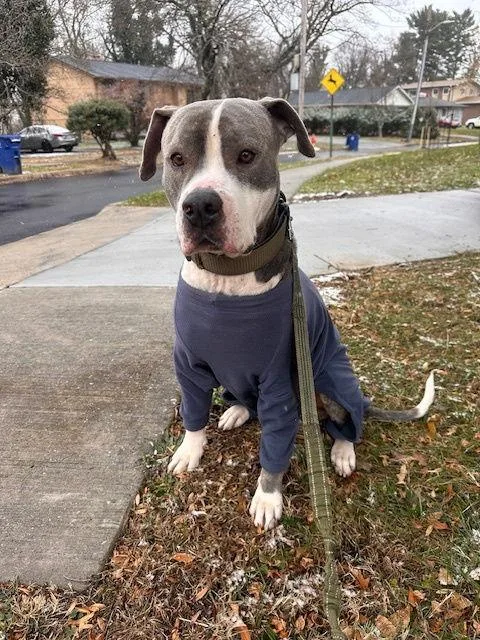
Lancashire Heeler Dogs for Adoption in Baltimore, MD

Your guide to finding and caring for a Lancashire Heeler in Baltimore

A Lancashire Heeler fits a Hampden or Woodberry rowhouse well, as long as its busy mind has a job. At 9 to 17 pounds, it handles narrow stairs and small floor plans easily, and the Jones Falls Trail gives it a long leashed walk with plenty to sniff. Heelers are talkative, though, so a shared rowhouse wall means working on barking early. They're also uncommon, so watch the listings on this page and save a search.

26 Lancashire Heelers available in Baltimore and nationwide

Find your forever Lancashire Heeler

While we don't have enough dogs near Baltimore, keep in mind that many rescues may offer transport.

Lancashire Heelers Available for Adoption Near Baltimore

About the Lancashire Heeler breed

The Lancashire Heeler is a small herding dog from northwest England, where it drove cattle to market and cleared barns of rats. It's generally believed to descend from Welsh Corgis and Manchester Terriers, which explains the sturdy, short-legged build and sharp terrier wits. The smooth, weather-resistant coat comes in black and tan or liver and tan, with a seasonal undercoat shed.

Many Heelers are cheerful, alert and affectionate with their people, and some greet them with a lip-parting smile. They learn quickly and like having a task, but the herder's urge to chase and the ratter's prey drive are real, so a leash matters on Baltimore's wooded park trails, where squirrels and raccoons are common. Dogs vary, and each Heeler's own personality counts for more than breed averages.


Weight
9–17 lbs
Height
10–12 in
Lifespan
12–16 yrs
Temperament
Alert, Energetic, Affectionate, Intelligent
Group
Herding
Shedding
Low to Moderate

Owning a Lancashire Heeler in Baltimore

Having a Lancashire Heeler in Baltimore

Compact and easy to house, the Lancashire Heeler pairs a herder's drive with a terrier's spark. Exercise, mental work and a few inherited eye conditions shape daily life more than size does, especially in a rowhouse city like Baltimore.

Temperament

Heelers tend to be devoted to their families and reserved with strangers, and many are quick to announce visitors. In a rowhouse or apartment, that alertness can mean barking at hallway and sidewalk sounds, and Baltimore's nuisance rules cover repeated barking. Reward-based training and early socialization help, though each dog differs.

Exercise Needs

Plan on daily walks plus active play like fetch, tug or a flirt pole, and add scent games or short training sessions for a busy mind. Patterson Park's fenced dog runs or a loop around Lake Montebello can anchor the routine. City parks require a leash of 6 feet or less.

Health Considerations

Lancashire Heelers are often long-lived, but they can inherit eye conditions such as primary lens luxation, collie eye anomaly and persistent pupillary membranes. DNA and eye screening exist, and a veterinarian can check eyes at a first visit. Baltimore requires rabies vaccination by 4 months, and wildlife rabies makes it worth keeping current.

Living Space

A Heeler's small size suits Baltimore's rowhouses, converted apartments and condos, and stairs are rarely a problem. Barking through shared walls is the bigger concern than space. A securely fenced yard helps, since prey drive can override recall, but indoors it does best with puzzle toys and family time.

What it costs to own a Lancashire Heeler in Baltimore

ExpenseTypical costPer year
Food$20 to $45 per month$240 to $540
Pet insurance$35 to $70 per month$420 to $840
Routine vet care$200 to $400 per year$200 to $400
Other*$385 to $1,080 per year$385 to $1,080
Estimated yearly total (after year one)$1,245 to $2,860

Other costs are estimates and vary with size, age and health.

* The Baltimore dog license ($10 if spayed or neutered, $30 if not), flea, tick and heartworm prevention, a dental cleaning allowance, toys and bedding, and light grooming for a short coat.

Adopt a Lancashire Heeler in Baltimore.

Now that you know more, let’s find you a new best friend. These rescues and shelters below have dogs available in and near Baltimore.

Rescues and Shelters in or near Baltimore

Baltimore's shelters and rescues list dogs of every size, and an uncommon breed like the Heeler may appear only occasionally. Here are the rescues & shelters in the Baltimore area with dogs available for adoption, worth asking whether a Lancashire Heeler is coming in.

Frequently Asked Questions

A Lancashire Heeler can suit Baltimore well if you can give it daily walks and mental work. Its compact size works in rowhouses and apartments, and the city's trails and fenced dog parks add variety. Expect a talkative, alert dog that may bark through shared walls and chase squirrels, so training and a secure leash matter more than square footage.

Yes, you can own a Lancashire Heeler in Baltimore, since the city has no breed-specific ban. Dogs over 4 months need a city license ($10 if spayed or neutered, $30 if not) and a current rabies vaccination. Dangerous-dog rulings depend on a dog's behavior, not its breed, so socialization and a leash on walks protect you.

Possibly, depending on the service. Baltimore has the Metro SubwayLink, Light RailLink, MARC and buses, but MTA publishes a pet rule only for Commuter Bus: small pets in a closed container held by the owner. At 9 to 17 pounds, a Heeler may fit a carrier, but check MTA's current rules before riding.

Usually yes, with care. Baltimore summers are humid, with highs near 88°F and about 43 days at or above 90°F at the harbor. Walk early or late, choose grass over hot asphalt, keep water handy, and never leave a Heeler in a parked car. Heavy panting or a deep red tongue means heatstroke, so see a vet immediately.

Patterson Park has two fenced dog runs on Linwood Avenue, and Canton Dog Park on Toone Street has a small-dog section. For leashed walks, try the Lakeside Loop at Druid Hill Park, the Jones Falls Trail or Cylburn Arboretum, which welcomes leashed dogs. City parks require a leash of 6 feet or less and cleanup, with a $250 fine.

Yes, its small size suits apartments and converted rowhouse units, but alertness is the catch. Heelers tend to bark at hallway and street noise, and repeated barking can count as a nuisance under city rules. Daily exercise, puzzle toys and early training keep a Heeler settled, and your lease's pet policy comes first.

Very little. The short, weather-resistant coat needs weekly brushing, and more often during the heavy undercoat shed in spring and fall. Baltimore's humid summers and salted winter sidewalks call for paw rinses and towel-drying more than haircuts. Many owners groom at home, so professional grooming stays within the $0 to $100 light-grooming allowance in Other costs.

Only on a patio, and only where the restaurant allows it. Maryland lets restaurants opt in to dogs in outdoor dining areas, each sets and posts its own policy, and the dog must stay leashed at the table. Indoor dining is off-limits for pet dogs. A small Heeler that settles under a chair makes patio visits easier.

A Lancashire Heeler is a small, sturdy herding dog from northwest England, about 10 to 12 inches tall and 9 to 17 pounds, originally used to drive cattle and catch rats on farms. It has a short black-and-tan or liver-and-tan coat, an alert, cheerful personality and plenty of energy. The AKC recognized the breed in 2024.

A Lancashire Heeler in Baltimore typically costs about $20 to $45 a month for food, $35 to $70 a month for insurance, $200 to $400 a year for routine vet care, and $385 to $1,080 a year for other costs. That works out to roughly $1,245 to $2,860 a year.