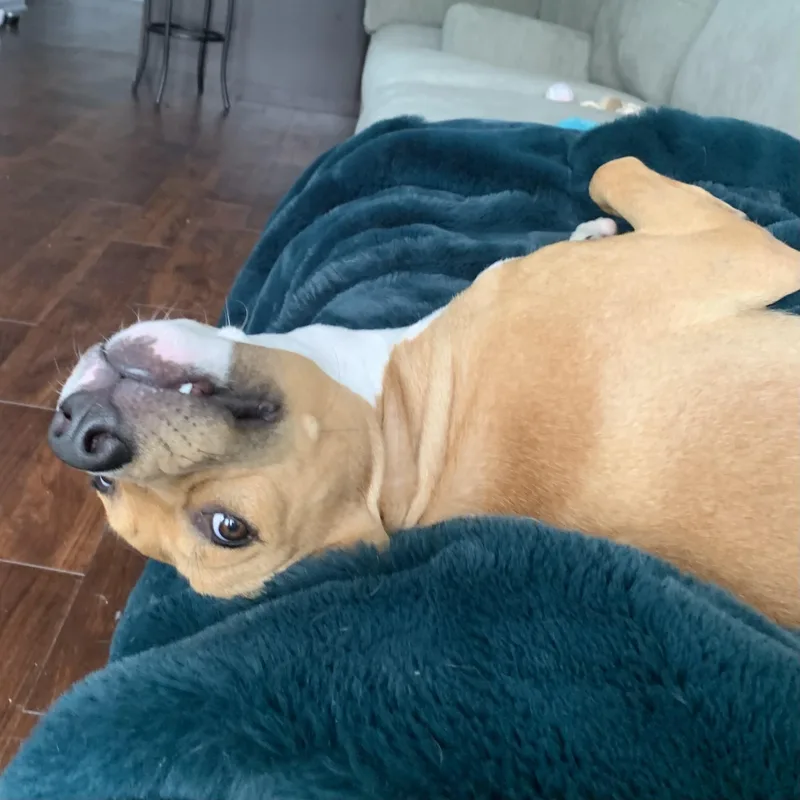
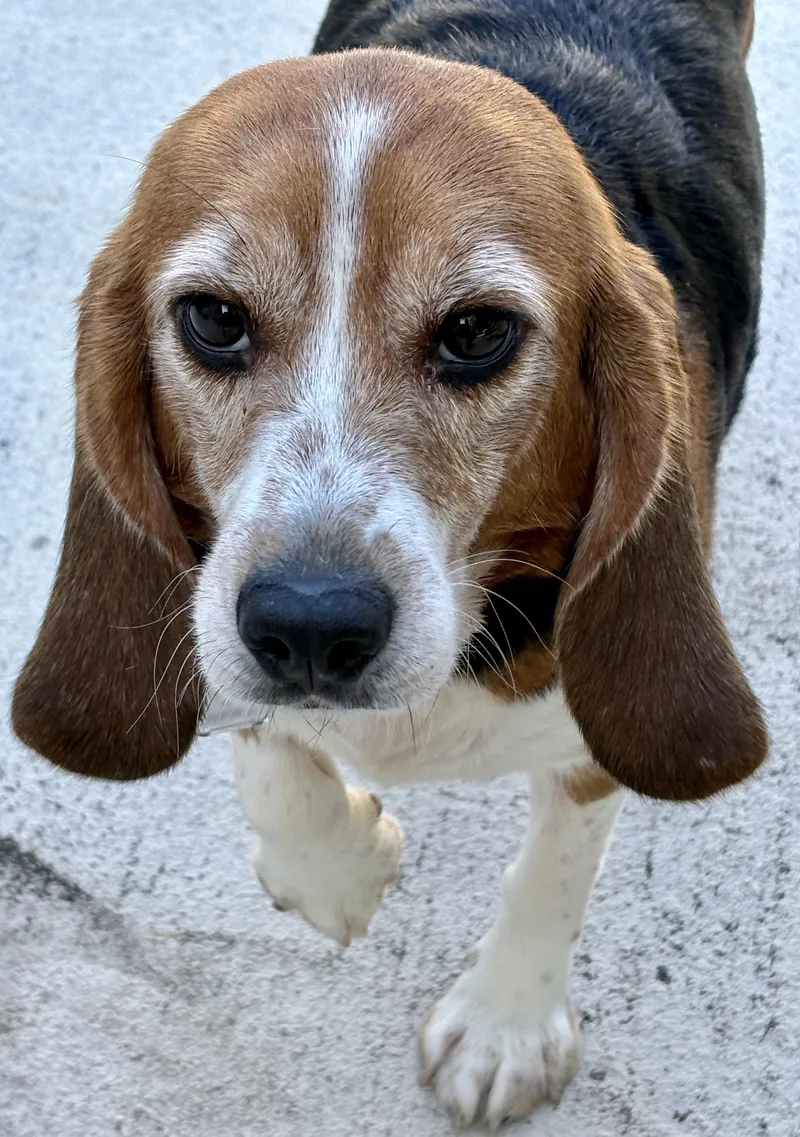
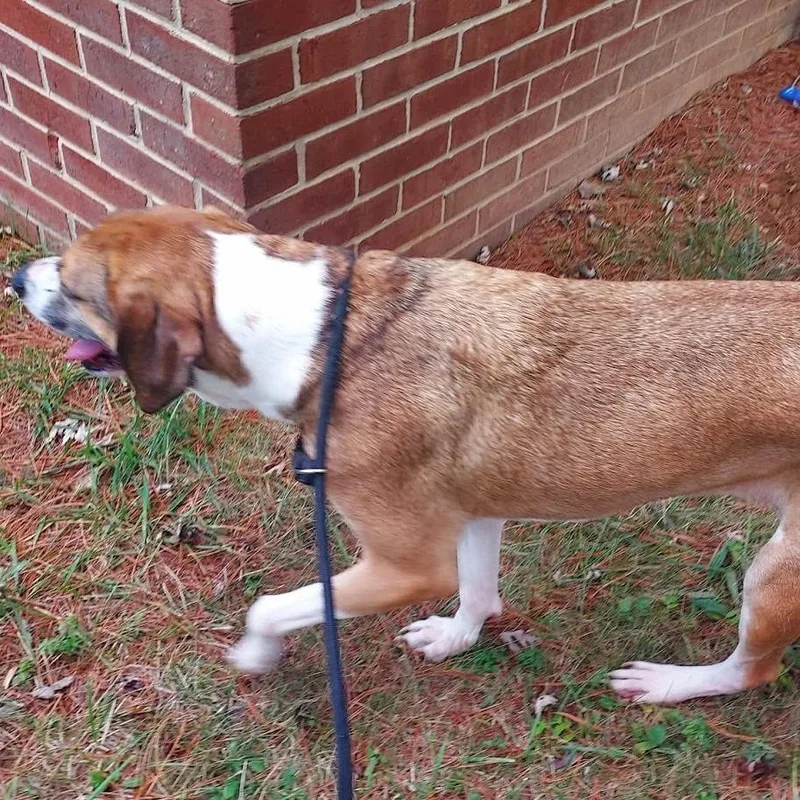
Hamiltonstovare Dogs for Adoption in Baltimore, MD

Your guide to finding and caring for a Hamiltonstovare in Baltimore

A Hamiltonstovare does well in Baltimore if it has a fenced yard and a big park nearby. Lauraville's detached houses on double lots and Hamilton's roomy yards sit right beside Herring Run Park, so a hound with a serious nose gets somewhere to trail on a leash. Indoors it's a friendly, mellow dog, but it bays when bored, and neighbors in dense rowhouse blocks like Waverly would hear it. Plan on long daily walks.

7882 dogs similar to Hamiltonstovare available in Baltimore and nationwide

Say hello to your Hamiltonstovare

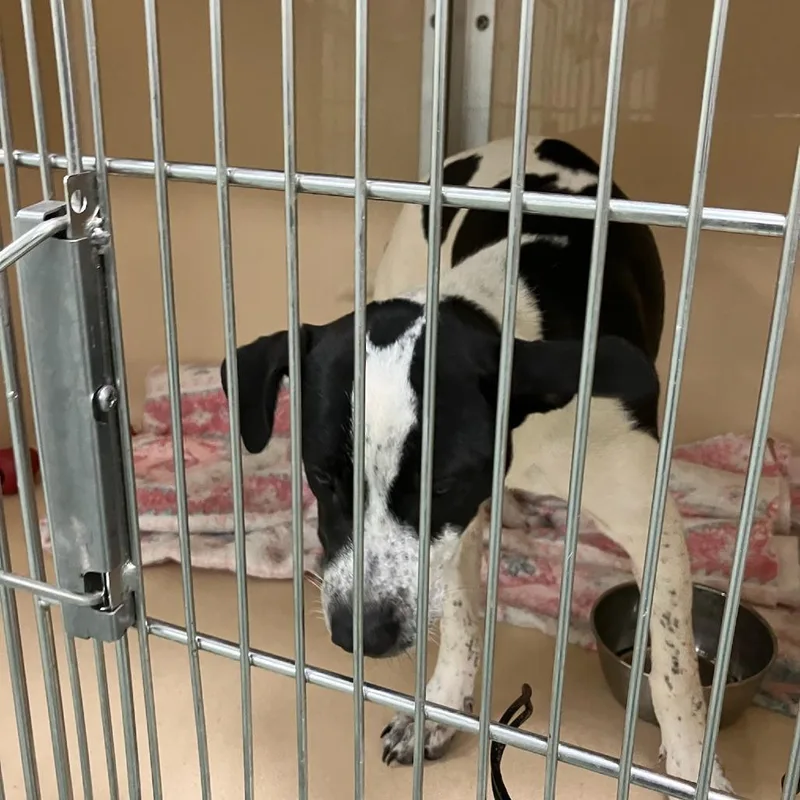
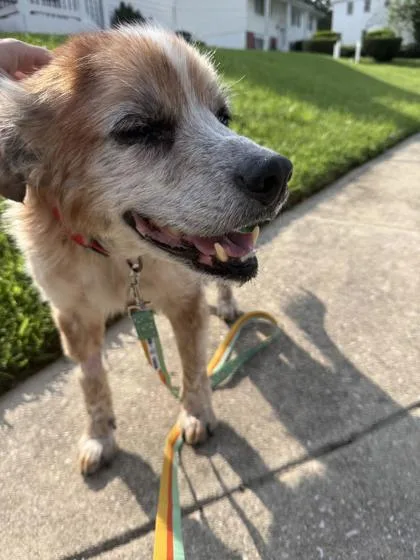
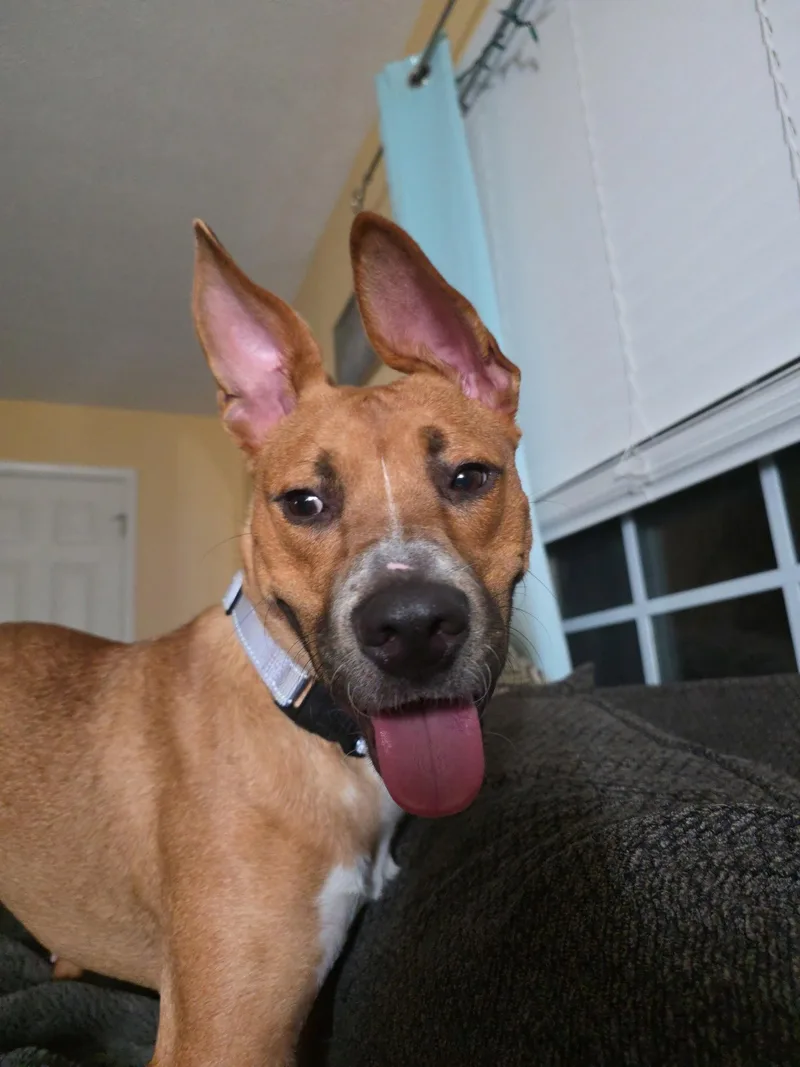
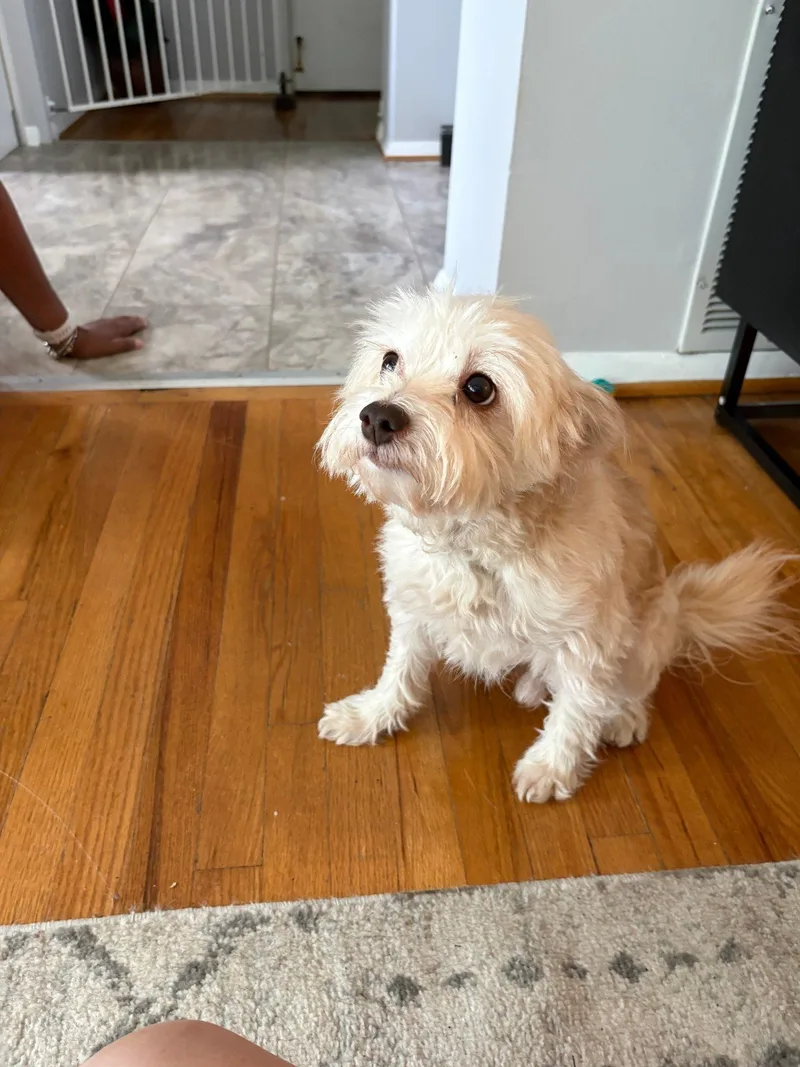
Hamiltonstovares and Similar Breeds Available for Adoption Near Baltimore

About the Hamiltonstovare breed

The Hamiltonstovare is a Swedish scent hound created by Count Adolf Hamilton, founder of the Swedish Kennel Club, and first shown in 1886. It was developed to trail hare and fox alone, giving voice so hunters could follow. The result is a medium-sized, athletic hound with a close-lying coat in black, tan and white.

Away from the trail, many are friendly and even-tempered, but the nose usually wins. In Baltimore that means a secure fence, leashed outings and patient recall practice. The breed is rare in the US, so adoptable ones come up only occasionally. Watch the listings on this page, browse similar hound breeds and nearby cities, and save a search to hear about new dogs.


Weight
50–60 lbs
Height
19–24 in
Lifespan
10–13 yrs
Temperament
Friendly, Energetic, Independent
Group
Hound
Shedding
Moderate

Owning a Hamiltonstovare in Baltimore

Having a Hamiltonstovare in Baltimore

This is a hound with real stamina and an easygoing house manner. Its nose, voice and need to move shape daily life more than its medium size or low-fuss coat, and each dog varies in how strongly those traits show.

Temperament

Hamiltonstovares tend to be sociable, even-tempered and fond of their people, and many enjoy other dogs. They can also be stubborn and easily distracted by scent, so short, rewarding training sessions work best. Small pets may trigger chasing, so introduce them slowly and supervise.

Exercise Needs

Plan on substantial exercise every day: long walks, jogging once mature, or a hike on a long line. In Baltimore, the loops around Lake Montebello and Herring Run Park suit this well. Scent games add mental work. Keep the dog leashed outside fenced areas, since a fresh trail can override recall.

Health Considerations

The breed is generally considered sturdy, though limited data exist outside Scandinavia. Hip dysplasia occurs, and drop ears need regular checks for infection. Baltimore's wooded parks mean ticks and wildlife, so keep parasite prevention and rabies vaccination current, and have a veterinarian review any records that come with the dog.

Living Space

A house with a securely fenced yard suits most Hamiltonstovares, and Baltimore has plenty of rowhouses with small backyards. An apartment can work for an adult that gets long daily outings. Baying can carry through shared walls, so a dog that's left alone for long stretches may cause friction.

What it costs to own a Hamiltonstovare in Baltimore

ExpenseTypical costPer year
Food$35 to $70 per month$420 to $840
Pet insurance$45 to $85 per month$540 to $1,020
Routine vet care$225 to $450 per year$225 to $450
Other*$435 to $1,180 per year$435 to $1,180
Estimated yearly total (after year one)$1,620 to $3,490

Other costs are estimates and vary with size, age and health.

* The Baltimore dog license ($10 if spayed or neutered, $30 if not), flea, tick and heartworm prevention, a dental cleaning allowance, toys and bedding, and occasional baths and brushing.

Adopt a Hamiltonstovare in Baltimore.

Now that you know more, let’s find you a new best friend. These rescues and shelters below have dogs available in and near Baltimore.

Rescues and Shelters in or near Baltimore

Baltimore's open-admission shelter and local rescues list the dogs below, and hounds and hound mixes can turn up among them. Here are the rescues & shelters in the Baltimore area with dogs available for adoption, worth asking whether a Hamiltonstovare is coming in.

Frequently Asked Questions

Yes. Baltimore's Health Code has no breed-specific rules, and dangerous-dog status depends on behavior, not breed. You'll need a city license ($10 if spayed or neutered, $30 if not) and a current rabies vaccination for any dog older than four months. Baltimore sets no fixed limit on pets per household, but leases often do.

It can be, for an active household. Baltimore's park loops give this hound the daily miles it needs, and its short coat suits the mild seasons. The tradeoffs are a strong nose that demands leashes and fencing, and baying that can bother neighbors in close rowhouse blocks. Dogs vary, so match your routine to the dog.

Herring Run Park's 5.7-mile loop and the 1.3-mile path around Lake Montebello suit long leashed walks. Druid Hill Park's lake loop and Cylburn Arboretum also allow leashed dogs. City parks require a 6-foot leash. Fenced dog parks in Canton and Patterson Park are options once recall is dependable.

It can, if the dog is an adult that gets long daily outings and isn't left alone for long periods. Baltimore is about 52% renters, so many buildings have pet policies. Check for weight limits near 50 to 60 pounds, and remember that baying can carry through shared walls and prompt noise complaints.

Yes, with sensible care. Summers are humid, with about 43 days at or above 90°F at the harbor. Walk early or late, use grass when pavement is hot, and provide shade and water. Maryland law also bars leaving a dog in a parked vehicle in a way that endangers it.

Probably not, since a 50 to 60 pound hound won't fit in a carrier. MTA publishes a rule only for Commuter Bus, which allows small pets in closed containers. For the Metro SubwayLink, light rail or MARC, check MTA's current rules before riding, and plan on walks or car trips instead.

Only to outdoor patios, and only where the restaurant has chosen to allow dogs. Maryland lets restaurants opt in, post their policy and require dogs to stay leashed at the table. Indoor dining areas generally exclude pet dogs. A hound that bays or lunges at scents may be easier to enjoy on a quiet patio.

Very little. Weekly brushing with a rubber mitt or soft brush keeps the close-lying coat clean, and baths are occasional. Humid summers and muddy spring trails mean more wipe-downs, and winter sidewalk salt calls for a paw rinse. Check and clean the drop ears regularly. Grooming costs fall within the Other costs listed above.

Yes, Hamiltonstovares shed, though their short, close-lying coat makes care easy. Expect a moderate amount of hair year-round, with heavier shedding when the coat changes with the seasons. A weekly once-over with a rubber curry brush or hound glove removes most loose hair. They are not hypoallergenic, so people with dog allergies should spend time with one before adopting.

Expect roughly $1,620 to $3,490 a year for a Hamiltonstovare in Baltimore. That covers food at $35 to $70 a month, insurance at $45 to $85 a month, routine vet care at $225 to $450 a year, and $435 to $1,180 a year in other costs.