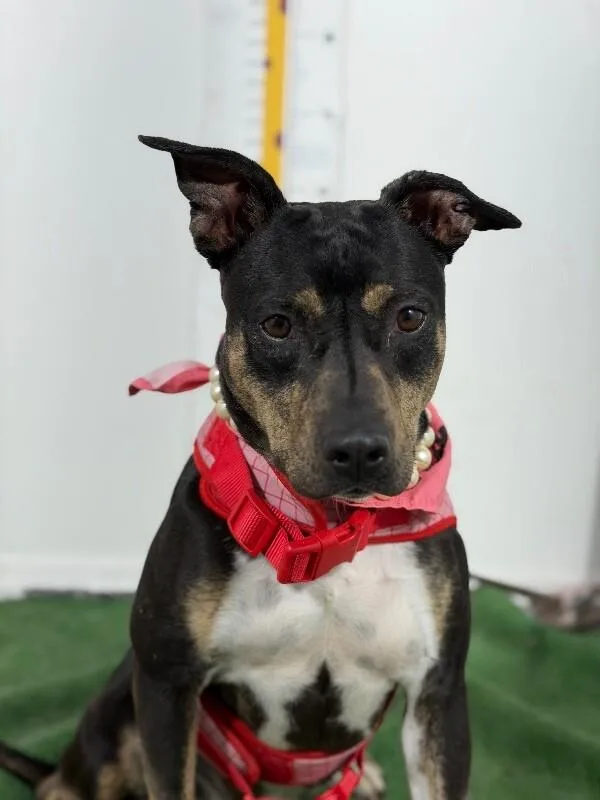
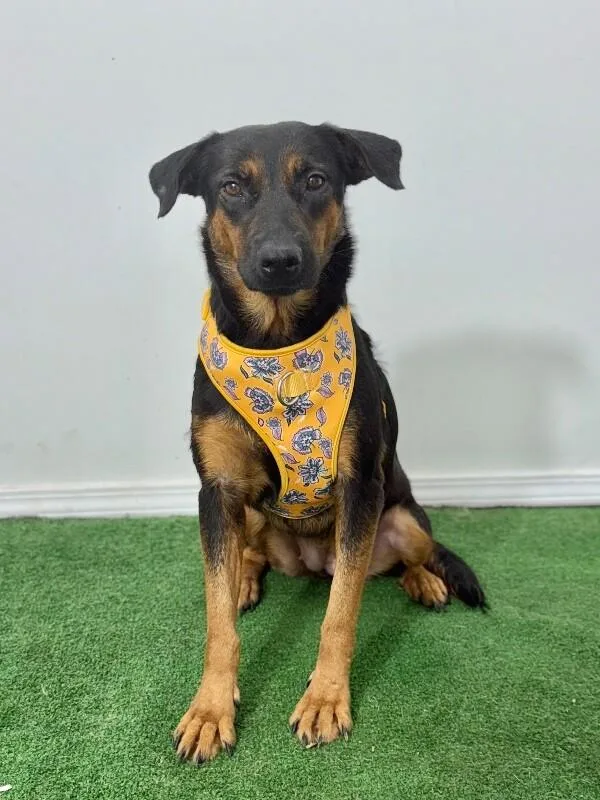
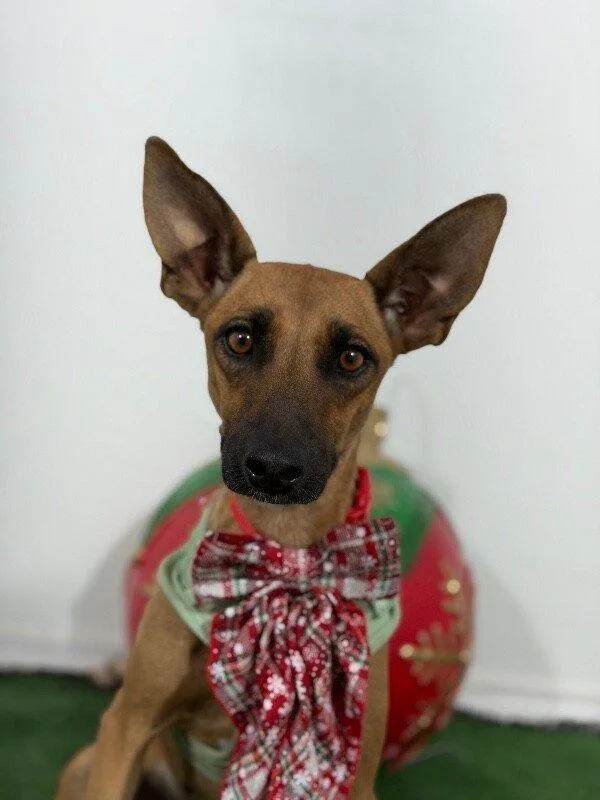
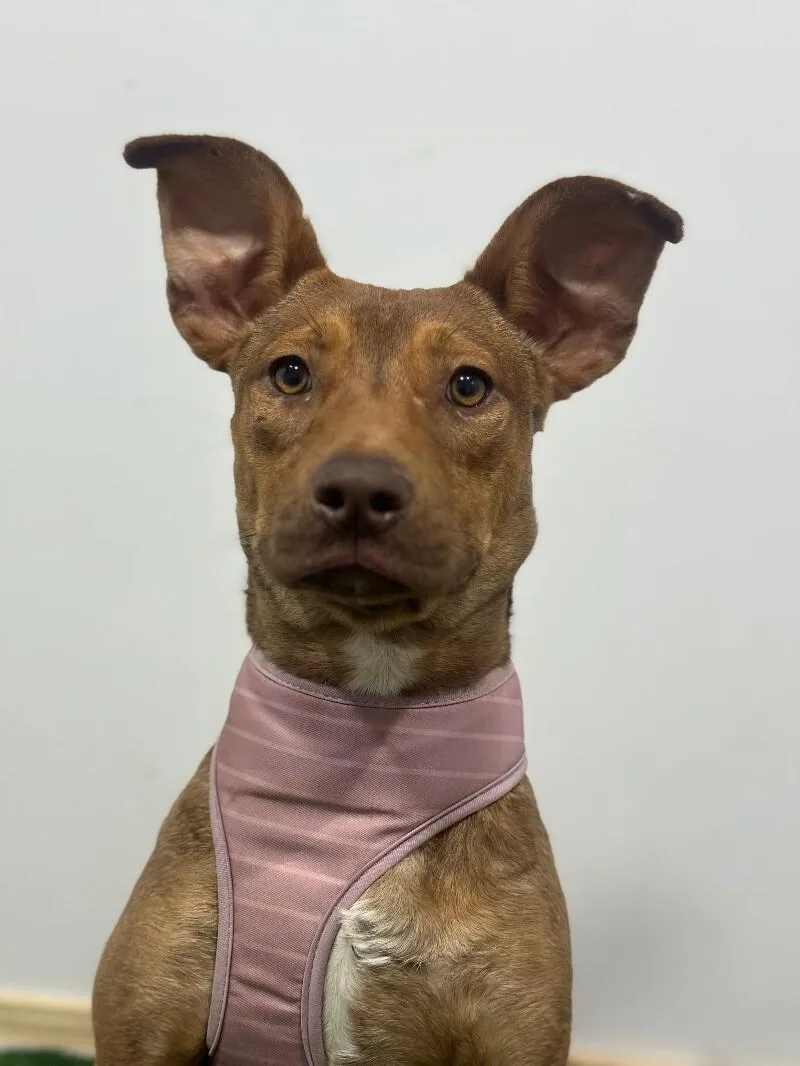
German Pinscher Dogs for Adoption in Baltimore, MD

Your guide to finding and caring for a German Pinscher in Baltimore

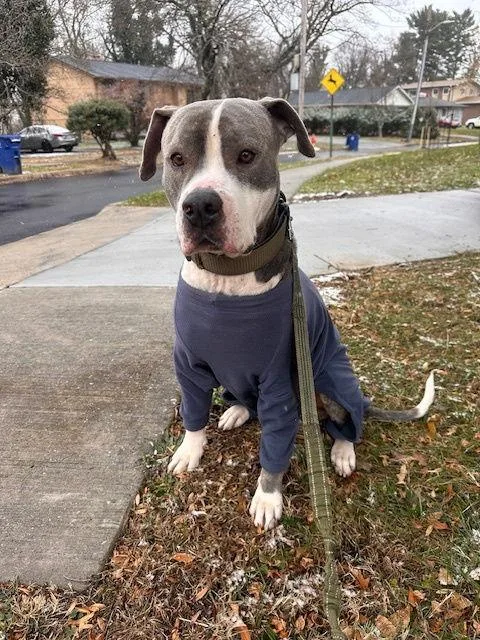
German Pinschers suit Baltimore's rowhouse blocks, as long as they get a real run every day. At 25 to 45 pounds, one is easy to handle on a Lauraville sidewalk, and Herring Run Park is close enough for a daily leashed loop. Expect a watchdog that announces every delivery driver, and a short coat that wants a sweater on January walks. The breed is uncommon, so keep an eye on the listings on this page.

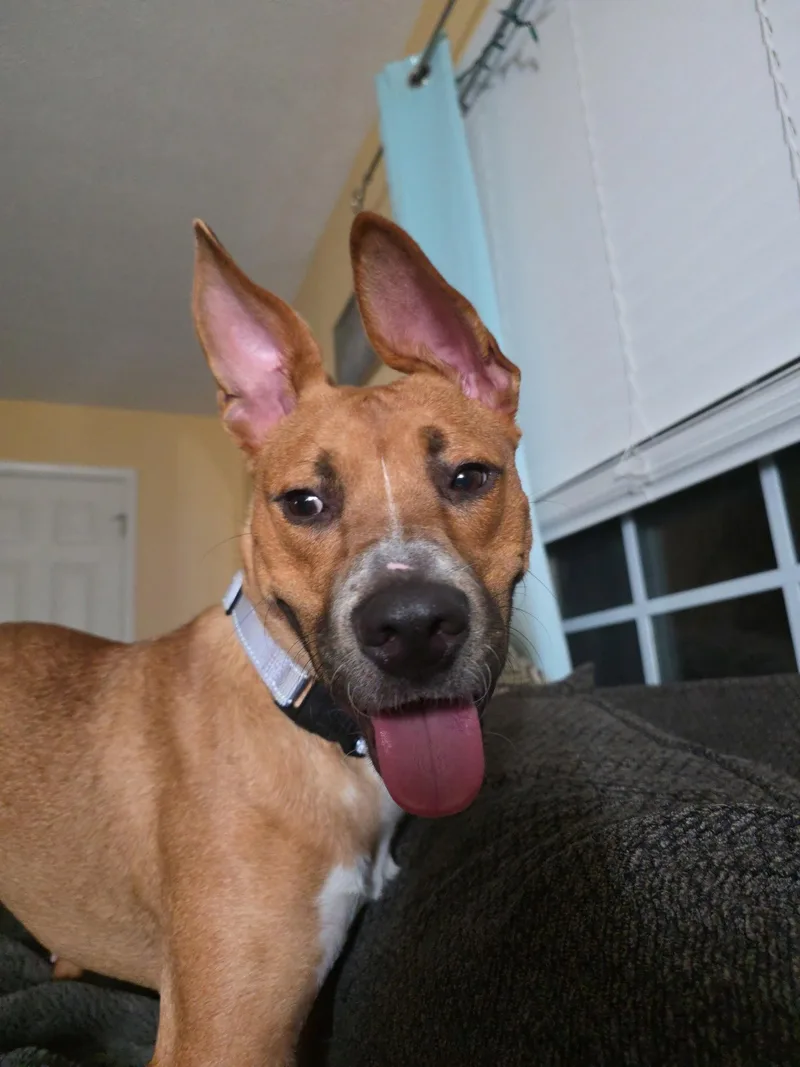
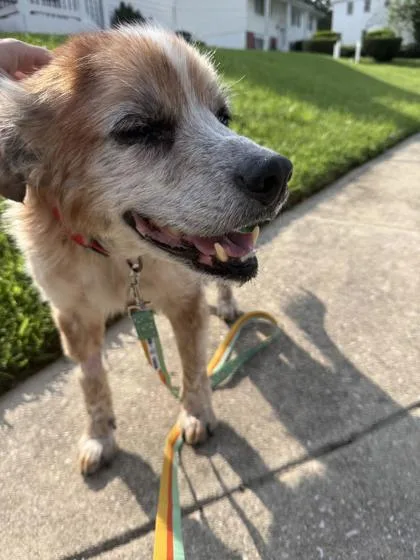
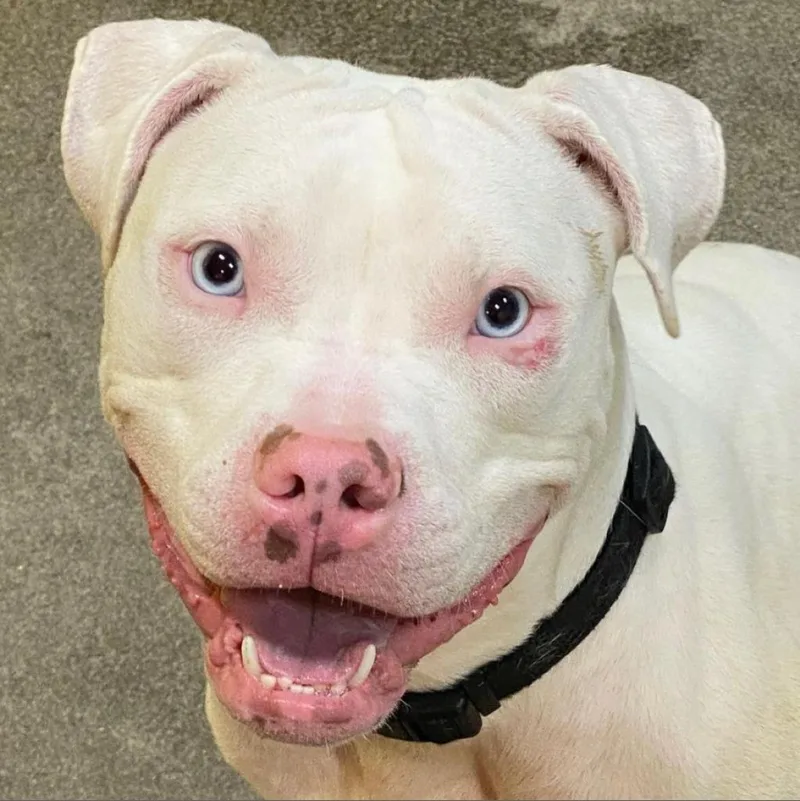
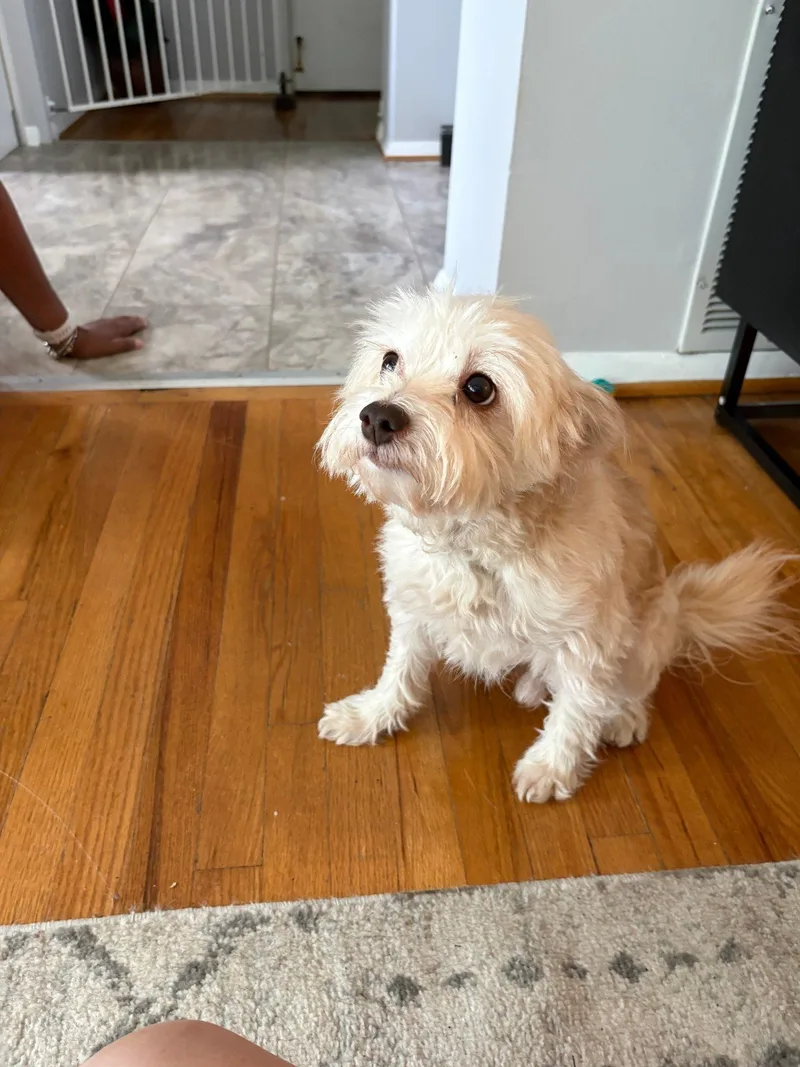
68 German Pinschers available in Baltimore and nationwide

Give a German Pinscher a home

While we don't have enough dogs near Baltimore, keep in mind that many rescues may offer transport.

German Pinschers Available for Adoption Near Baltimore

About the German Pinscher breed

The German Pinscher is a sleek, medium-sized German farm dog once kept to catch rats in stables and guard carriages. It's the smooth-coated cousin of the Standard Schnauzer and an ancestor of the Doberman and Miniature Pinscher. It nearly disappeared after World War II and is still uncommon today, with a short, glossy coat in red or black and rust over a square, muscular frame.

In a city like Baltimore, that history shows up as a dog that watches the street from the front window and wants a job to do. German Pinschers are alert, quick-witted and affectionate with their own people, but often wary of strangers and prone to chasing squirrels and other small animals. Dogs vary, but most do best with daily exercise, firm and kind training, and plenty of company. The coat sheds lightly to moderately.


Weight
25–45 lbs
Height
17–20 in
Lifespan
12–14 yrs
Temperament
Alert, Energetic, Intelligent, Protective
Group
Working
Shedding
Low to Moderate

Owning a German Pinscher in Baltimore

Having a German Pinscher in Baltimore

A German Pinscher pairs a ratter's quick reactions with a watchdog's vigilance and an easy coat. In Baltimore, its energy, prey drive and thin protection from cold shape the walks, training and household routine that work best.

Temperament

Confident, curious and closely bonded to their families, German Pinschers are often reserved with strangers until introduced. On a busy Baltimore block, early socialization helps with passing dogs, joggers and delivery drivers. Many test boundaries and chase small animals, though each dog differs. Calm, consistent training and plenty of mental work keep that alertness useful.

Exercise Needs

Plan on daily brisk walks plus time to run and play. Baltimore's fenced neighborhood dog parks, such as Canton's and Patterson Park's, give room to burn energy, and fetch or flirt-pole games fill gaps between outings. Keep a leash on outside fenced areas, since prey drive can override recall when a squirrel bolts.

Health Considerations

German Pinschers are generally sturdy, but hip dysplasia, cataracts and von Willebrand's disease, an inherited bleeding disorder, are documented in the breed. A veterinarian can check hips and eyes and should know a dog's clotting status before surgery. Rabid raccoons and foxes have turned up in Baltimore's wooded parks, so keep rabies vaccination current.

Living Space

Rowhouses and apartments both work when the dog gets enough daily exercise and attention. A securely fenced yard is a bonus, but this agile breed can jump or climb low fences, so aim for five to six feet. The short coat offers little protection from cold, so a German Pinscher should live indoors with the family.

What it costs to own a German Pinscher in Baltimore

ExpenseTypical costPer year
Food$35 to $70 per month$420 to $840
Pet insurance$45 to $85 per month$540 to $1,020
Routine vet care$225 to $450 per year$225 to $450
Other*$435 to $1,180 per year$435 to $1,180
Estimated yearly total (after year one)$1,620 to $3,490

Other costs are estimates and vary with size, age and health.

* The Baltimore dog license ($10 if spayed or neutered, $30 if not), flea, tick and heartworm prevention, a dental cleaning allowance, toys and bedding, and occasional baths and brushing.

Adopt a German Pinscher in Baltimore.

Now that you know more, let’s find you a new best friend. These rescues and shelters below have dogs available in and near Baltimore.

Rescues and Shelters in or near Baltimore

Baltimore's rescue community includes the city's open-admission shelter and private nonprofits working to match dogs with new homes. Here are the rescues & shelters in the Baltimore area with dogs available for adoption, worth asking whether a German Pinscher is coming in.

Frequently Asked Questions

Yes. Baltimore has no breed-specific rules in its animal code, dangerous-dog status depends on a dog's behavior, and Maryland's dog-bite law applies without regard to breed. You'll need a city license and a current rabies vaccination once the dog is four months old. Some landlords and insurers keep their own breed lists, so read policies before signing.

It can be, for active people who are home a fair amount. Walkable rowhouse neighborhoods, fenced dog parks and long park trails supply the exercise, while humid summers and cold snaps mean planning walks around the weather. A German Pinscher is less suited to long days alone, since boredom often turns into barking or chewing.

Yes, if the dog gets enough exercise. A German Pinscher's medium size suits an apartment or rowhouse, but an alert dog may bark at hallway and stoop noise, and Baltimore treats repeated disturbing barking as a nuisance. Plan on several outings a day plus puzzle toys, and review the lease's pet terms before signing.

The Gwynns Falls Trail, Jones Falls Trail and Herring Run Park's trail give longer leashed routes for a dog with this much stamina, and Lake Montebello's paved 1.3-mile loop suits a daily walk. Keep the leash at six feet or shorter, since prey drive can send this breed after squirrels, and avoid stream-valley trails after heavy rain.

Yes, with some help. The short, thin coat gives little insulation, so a sweater or coat makes walks more comfortable, and the dog should sleep indoors. On Code Blue days, when wind chill is expected to reach 13°F or below, keep outings brief. Wipe or rinse paws after walking on salted sidewalks.

Probably not as an adult. MDOT MTA publishes a pet rule only for Commuter Bus, which allows small pets in closed containers carried by the owner, and most German Pinschers, at 25 to 45 pounds, are too big for a carrier. Check MTA's current rules before riding Metro SubwayLink, light rail or MARC.

Sometimes, on patios only. Maryland lets restaurants choose to allow dogs in outdoor dining areas, and each one sets and posts its own policy. Dogs must stay leashed at the table, can't walk through indoor space and can't be left unattended. Expect a watchful German Pinscher to need practice settling near strangers.

Very little. The short, smooth coat needs weekly brushing and an occasional bath, plus nail trims and tooth care. Baltimore's humid summers and muddy trails may call for extra paw wipe-downs. Professional grooming is optional, and most owners spend roughly $0 to $100 a year, part of the Other line in the cost table.

Yes, German Pinschers shed, but only lightly to moderately. Their short, smooth coat drops small hairs year-round, with slightly more during seasonal changes. Weekly brushing with a rubber curry or grooming mitt removes most loose hair and keeps the coat shiny. Compared with double-coated breeds, cleanup is easy, though short hairs can still cling to fabric.
Expect roughly $1,620 to $3,490 a year for a German Pinscher in Baltimore, or about $135 to $290 a month, covering food, pet insurance, routine vet care and other items like parasite prevention and the city license. Emergencies, boarding, training classes and winter gear beyond a basic sweater aren't included.

Find German Pinschers in Nearby Cities

Expand your search to find German Pinschers available for adoption near Baltimore.