Bernese Mountain Dogs for Adoption in Baltimore, MD

Your guide to finding and caring for a Bernese Mountain Dog in Baltimore

Bernese Mountain Dogs suit Baltimore's leafier neighborhoods, where a big dog has room to stretch out. In Lauraville or Hamilton, detached houses with yards sit beside Herring Run Park, so a Berner gets leashed woodland walks and a shady yard to flop in afterward. A rowhouse can work if the stairs and floor space suit a dog of 70 to 115 pounds. The muggy July stretch is the hard part for such a thick coat, so air conditioning matters.

131 Bernese Mountain Dogs available in Baltimore and nationwide

Adopt a Bernese Mountain Dog today

While we don't have enough dogs near Baltimore, keep in mind that many rescues may offer transport.

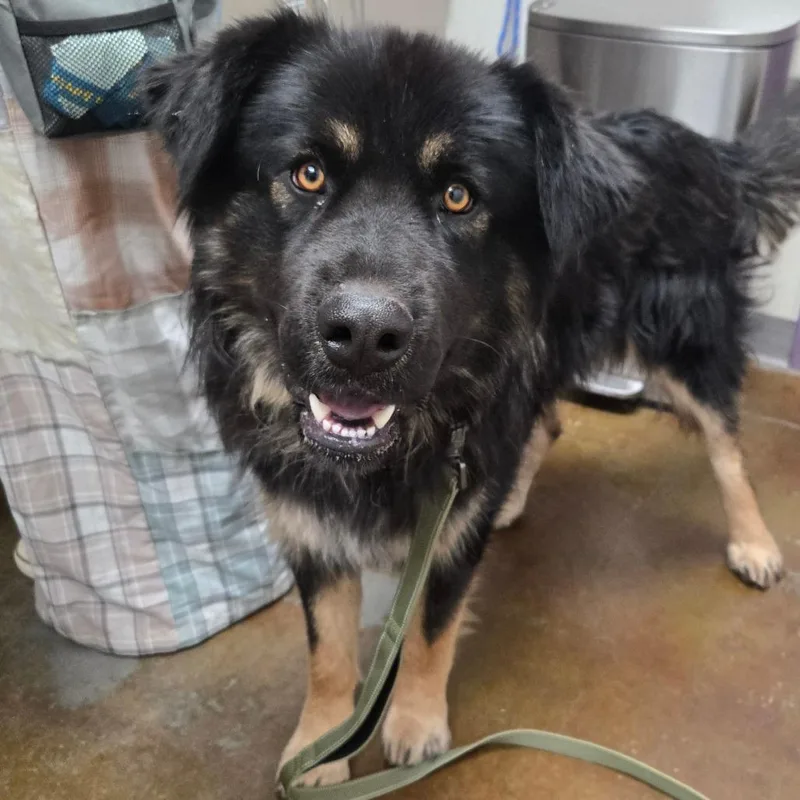
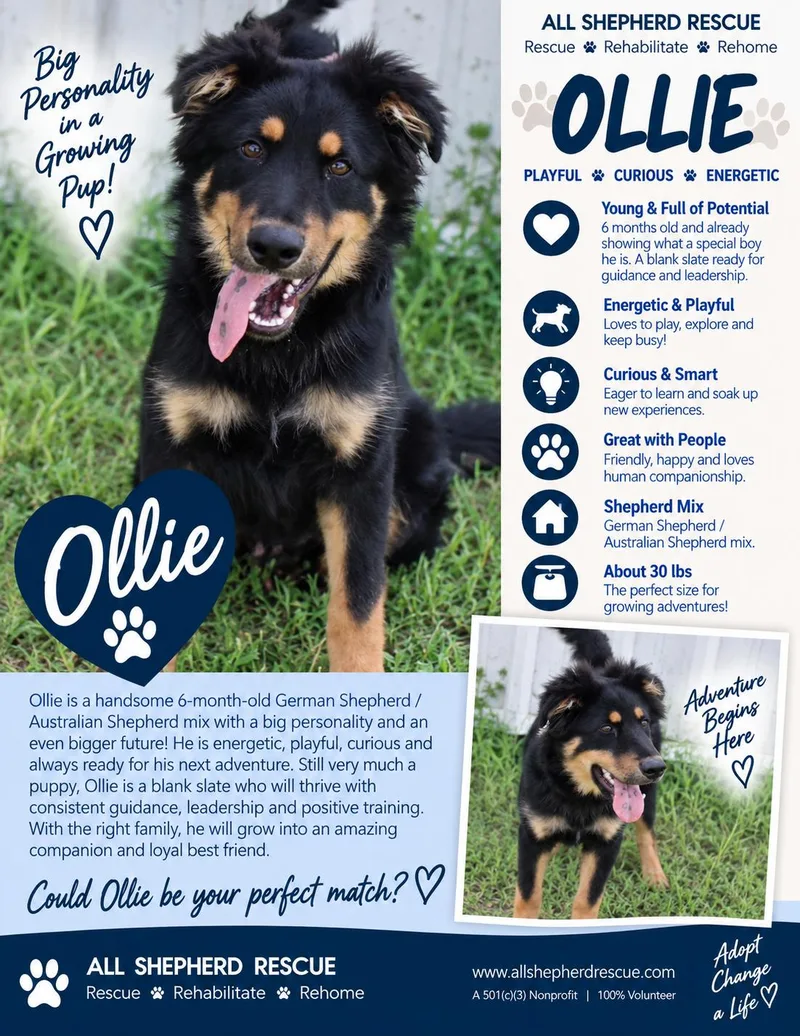
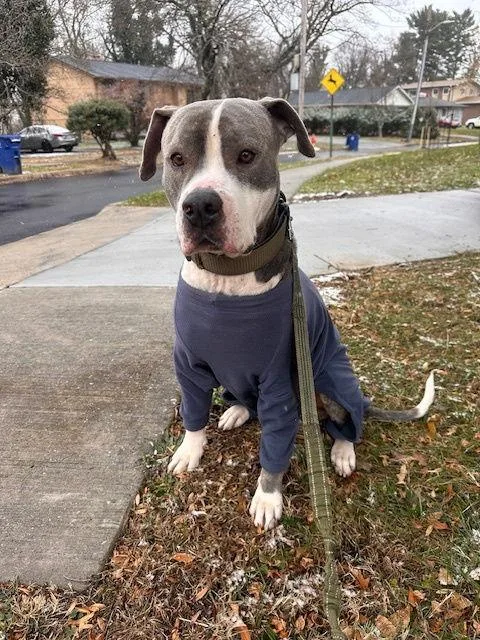
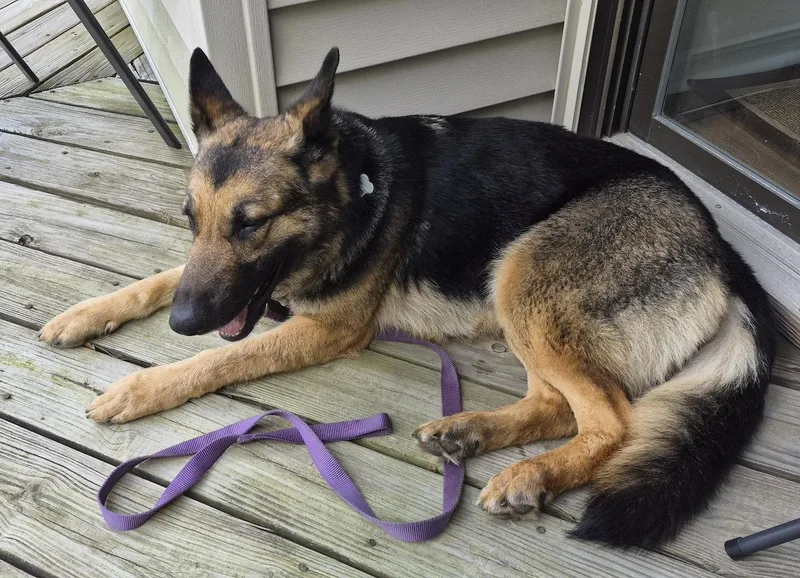
Bernese Mountain Dogs Available for Adoption Near Baltimore

About the Bernese Mountain Dog breed

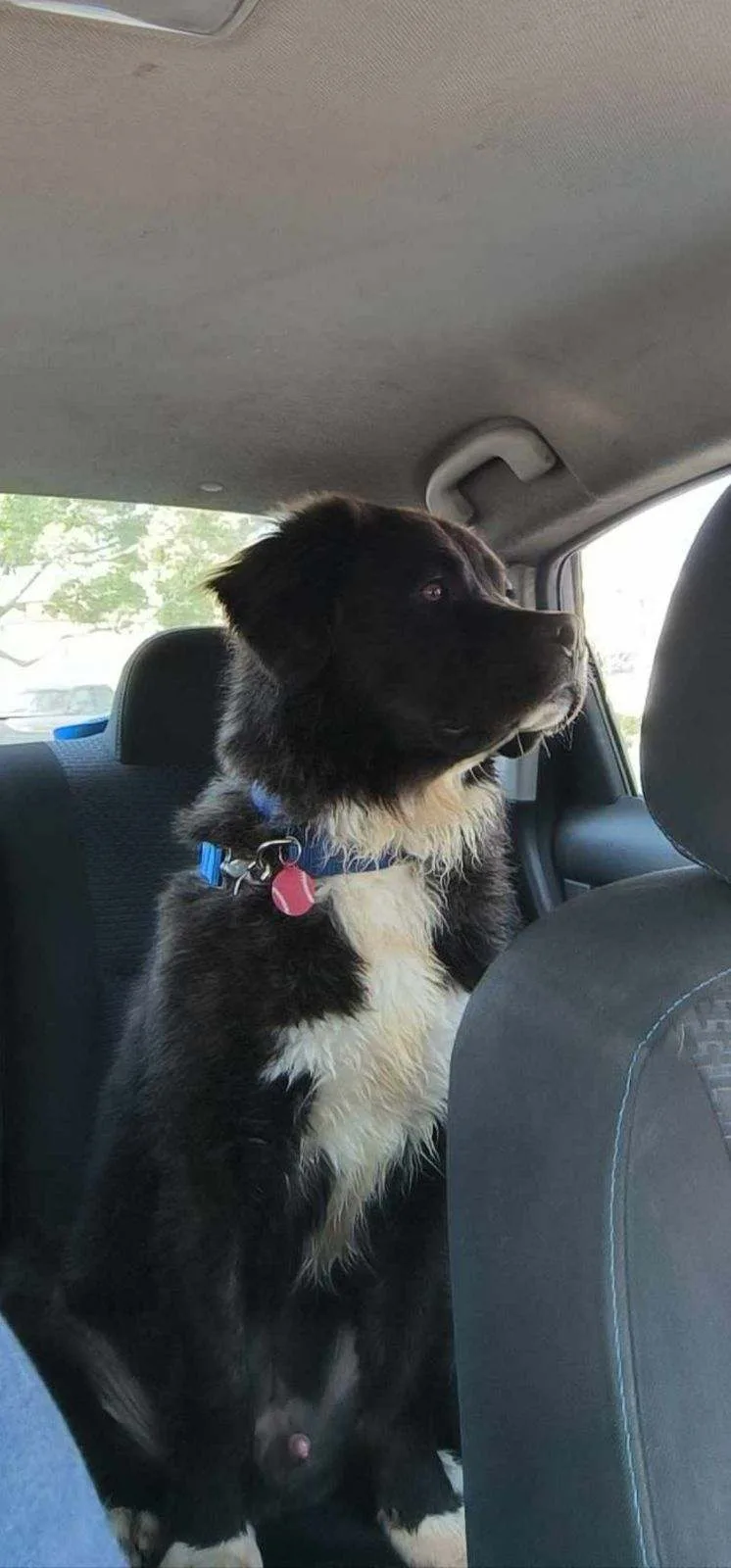
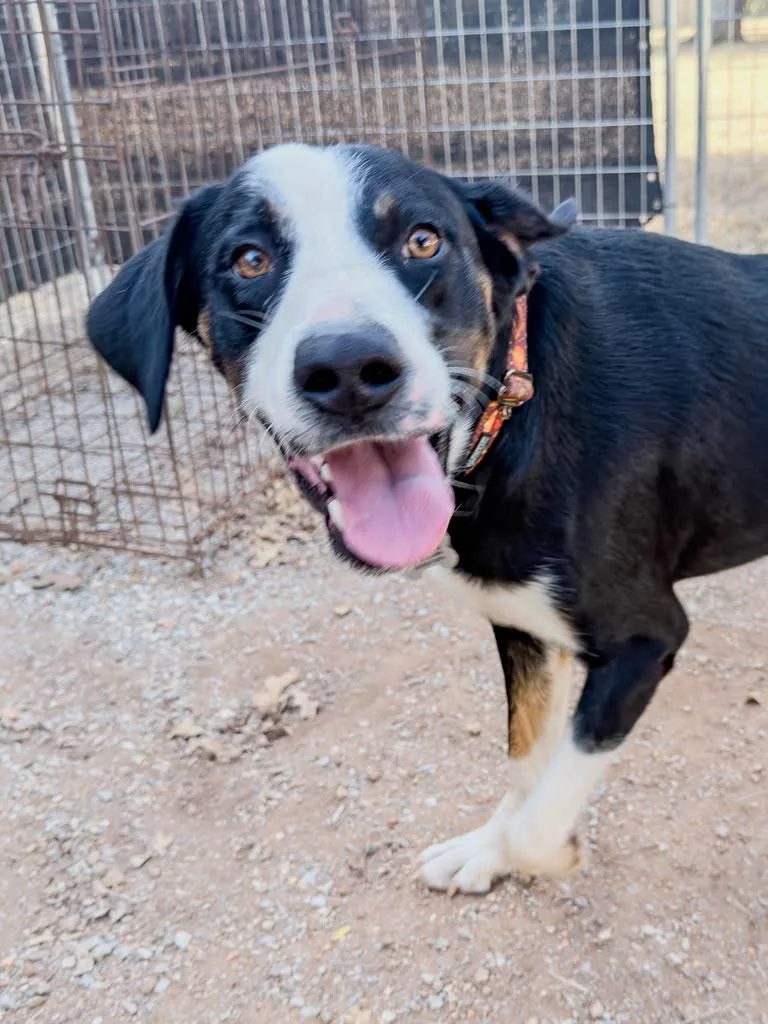
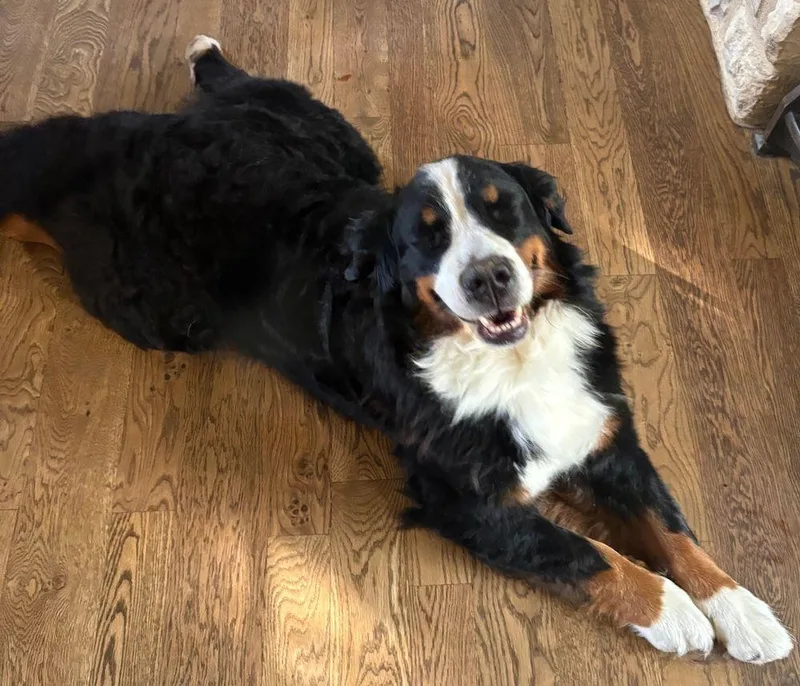
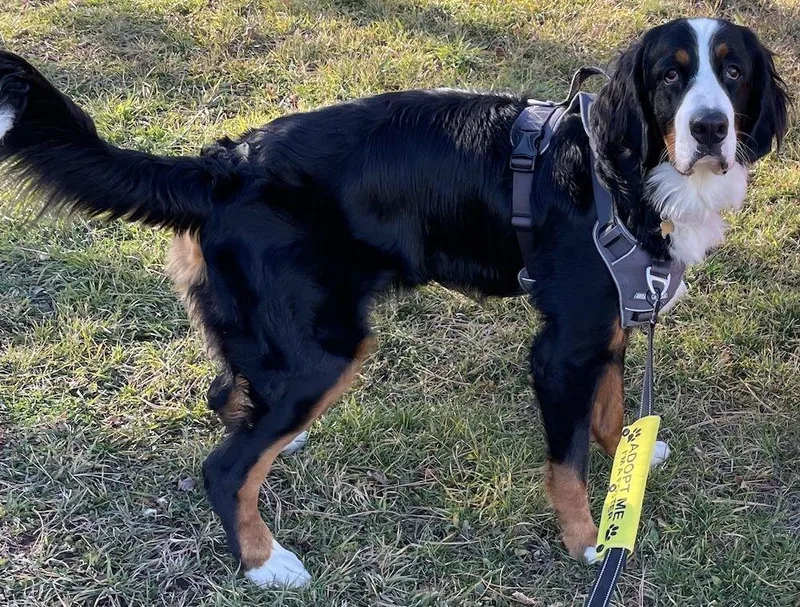
The Bernese Mountain Dog comes from the Swiss canton of Bern, where farmers used these tricolored dogs to pull milk carts, drive cattle and guard the farmyard. It's the only long-coated Swiss mountain dog, with a jet-black coat, rust markings, a white blaze and a white chest cross. Most weigh 70 to 115 pounds.

Berners tend to be gentle, affectionate and a little reserved with strangers, though each dog varies. In Baltimore, that calm nature suits quiet evenings and neighborhood walks, but the thick coat sheds heavily and the lifespan is shorter than average, often 7 to 10 years, mainly because of cancer. Early training matters, since an adult that pulls on the leash is hard to handle on busy sidewalks.

Weight
70–115 lbs
Height
23–28 in
Lifespan
7–10 yrs
Temperament
Gentle, Affectionate, Calm
Group
Working
Shedding
High

Owning a Bernese Mountain Dog in Baltimore

Having a Bernese Mountain Dog in Baltimore

In Baltimore, a Berner's size, thick coat and health risks shape daily life as much as its easygoing personality does. Humid summers, rowhouse stairs and leashed park walks all affect care, so think through space, cooling and long-term veterinary costs before adopting.

Temperament

Berners are usually gentle, patient and devoted to their families, and many are reserved with strangers. On crowded Baltimore sidewalks, early training and calm greetings help a very large dog stay polite. They're sensitive to harsh handling, and a dog's own history and behavior tell you more than the breed label.

Exercise Needs

Most Berners do well with one or two moderate walks a day plus some play. Baltimore parks require leashes of 6 feet or less, so steady leashed walks, such as the path around Druid Lake, fit well. Skip hard exercise on hot days, and keep puppies off long runs while their joints develop.

Health Considerations

Cancer, especially histiocytic sarcoma, is the biggest concern in Berners, along with hip and elbow dysplasia, kidney disease and bloat. Keeping the dog lean protects its joints. Rabies vaccination is required in Baltimore, and rabid foxes and raccoons have turned up in wooded areas, so keep vaccines current and vet visits regular.

Living Space

Baltimore has plenty of rowhouses and apartments, and a Berner can manage in one with daily walks, but steep stairs and tight floor plans are tough on a 70-to-115-pound dog. A house with a fenced yard and cool indoor space fits better. Expect constant shedding wherever the dog lives.

What it costs to own a Bernese Mountain Dog in Baltimore

ExpenseTypical costPer year
Food$80 to $160 per month$960 to $1,920
Pet insurance$85 to $170 per month$1,020 to $2,040
Routine vet care$250 to $500 per year$250 to $500
Other*$685 to $1,880 per year$685 to $1,880
Estimated yearly total (after year one)$2,915 to $6,340

Other costs are estimates and vary with size, age and health.

* The Baltimore dog license ($10 a year if spayed or neutered, $30 if not), flea, tick and heartworm prevention, a dental cleaning allowance, coat care for heavy shedding, joint supplements, and toys and large bedding.

Adopt a Bernese Mountain Dog in Baltimore.

Now that you know more, let’s find you a new best friend. These rescues and shelters below have dogs available in and near Baltimore.

Rescues and Shelters in or near Baltimore

Baltimore's animal rescue community includes the city's open-admission shelter BARCS and private nonprofits like the Maryland SPCA. Here are the rescues & shelters in the Baltimore area with dogs available for adoption, worth asking whether a Bernese Mountain Dog is coming in.

Frequently Asked Questions

It can be, if you have a cool, air-conditioned home and time for daily leashed walks. Baltimore's humid summers, rowhouse stairs and busy sidewalks reward a calm, well-trained dog and a household that's home often. Berners shed heavily and many dislike long days alone, so this suits people who want a big, devoted companion rather than a low-maintenance one.

Yes, but only with a cooling plan. Berners are heat-sensitive, and Baltimore summers are humid, with about 43 days a year at or above 90°F at the harbor. Keep the dog in air conditioning at midday, walk at dawn or after dark, and watch for heavy panting or trouble standing. Summer storms can cause multi-day power outages, so have a cooler place to go.

Yes. Baltimore has no breed ban, and its dangerous-dog rules depend on a dog's behavior rather than its breed. You'll need a city license and a rabies vaccination once the dog is four months old, but the city sets no fixed limit on pets per household. Leases often have their own limits, so confirm size and weight rules before you apply to rent.

Herring Run Park's 5.7-mile loop and the Gwynns Falls Trail, a 15-mile system, give a Berner plenty of leashed walking room, and Druid Hill Park's 1.5-mile path around Druid Lake works for a shorter outing. City parks require a 6-foot leash and cleanup, with a $250 fine per violation, and stream-valley trails can flood after heavy rain.

Plan on brushing once or twice a week, and daily during the heavy spring and fall sheds. Humid Baltimore summers make a clean, well-brushed coat more comfortable, so ask a veterinarian or groomer before trimming it. Occasional professional baths or deshedding sessions are counted in the Other costs shown on this page, not in routine vet care.

Probably not. Baltimore has the Metro SubwayLink, but MTA publishes a pet rule only for Commuter Bus, which allows small pets in closed containers carried by the owner. A Berner at 70 to 115 pounds can't be carried, so plan on walking or driving, and check MTA's current rules before riding any MTA service with a dog.

Only to some outdoor patios. Maryland lets each restaurant choose whether to allow dogs in outdoor dining areas, and those that do post their policy and may limit dog size. The dog must stay leashed at the table and can't be brought through indoor space. A Berner needs room, so pick quiet, off-peak times.

A Bernese Mountain Dog is a large to giant Swiss working breed originally used on farms to pull carts, drive cattle and guard property. It has a long, tricolored coat of black, rust and white and a sturdy, powerful build. Berners are known for their gentle, affectionate nature, though their lifespan is shorter than many breeds.

A Bernese Mountain Dog has a thick, moderately long coat that is jet black with rich rust markings over the eyes, on the cheeks, chest and legs, and white on the face, chest, feet and tail tip. The white chest marking often forms an inverted cross. They have a broad head, dark brown eyes and triangular drop ears.

Plan on roughly $2,900 to $6,300 a year for a Berner in Baltimore. Food runs $80 to $160 a month and insurance $85 to $170 a month, while routine vet care is $250 to $500 a year and other costs add $685 to $1,880 a year. The higher figures reflect giant-breed appetite and health risks.