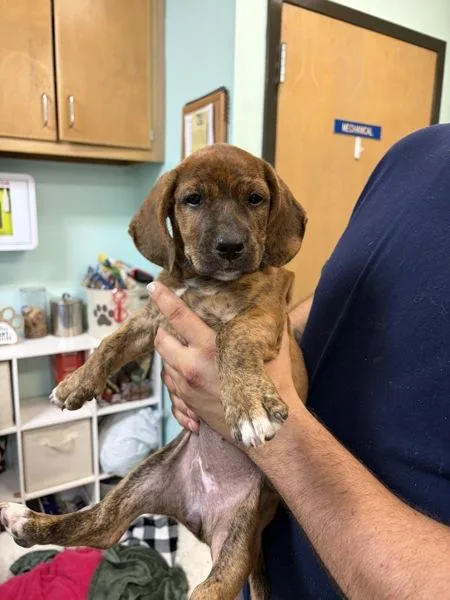
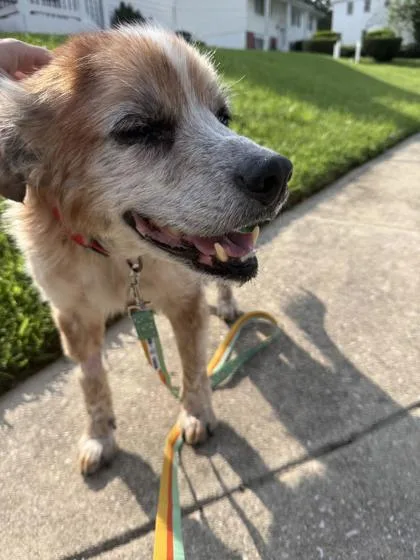
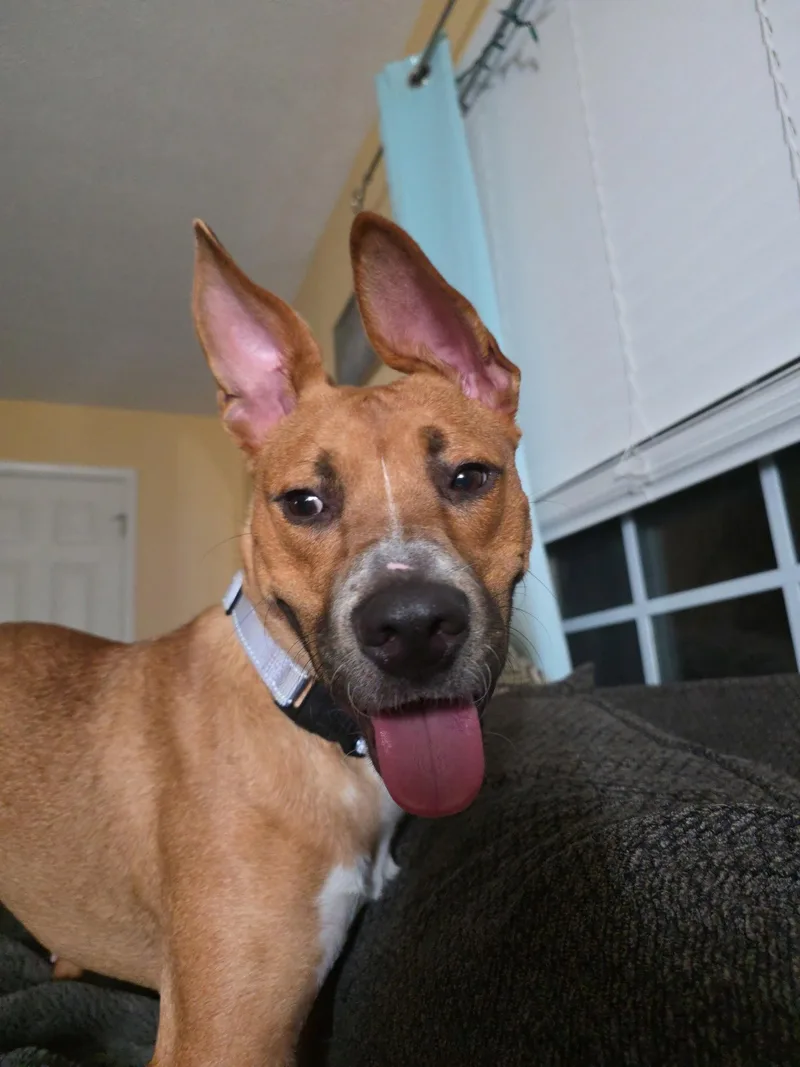
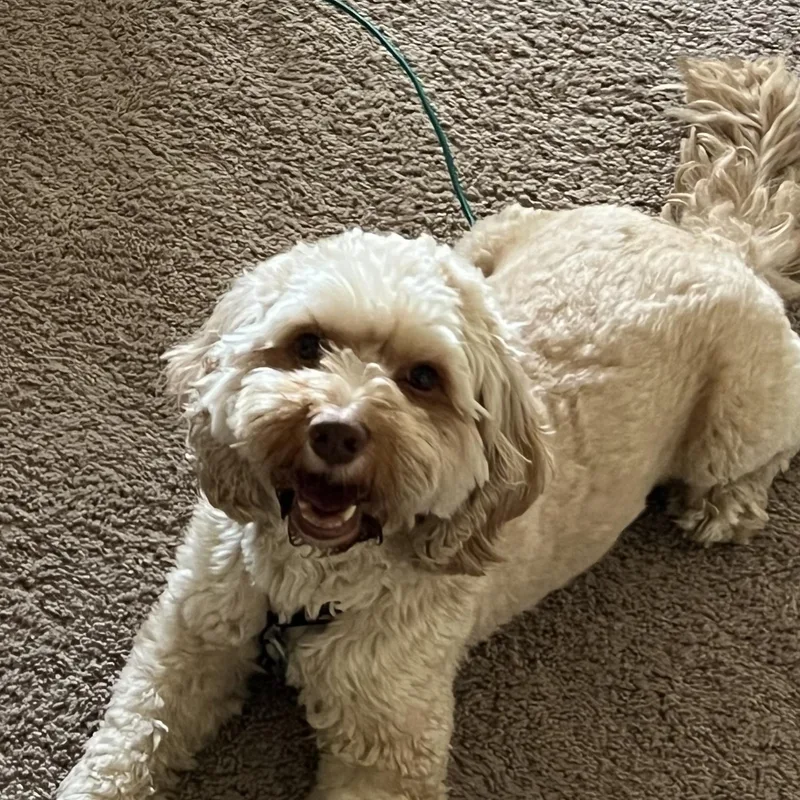
Basset Hound Dogs for Adoption in Baltimore, MD

Your guide to finding and caring for a Basset Hound in Baltimore

Basset Hounds fit the slow, sniff-everything pace of a walk around Lake Montebello in Ednor Gardens-Lakeside. The paved 1.3-mile loop is about the right length for a dog that stops at every bush. Back at home, they're mellow and happy to flop on the couch, though that deep bay carries through the shared walls of a Baltimore rowhouse. If you're thinking of adopting one here, it suits people who like unhurried walks and don't mind a hound with opinions.

516 Basset Hounds available in Baltimore and nationwide

A Basset Hound is ready for you

Basset Hounds Available for Adoption Near Baltimore

About the Basset Hound breed

The Basset Hound is a low, long-bodied scent hound from France, developed in Britain into the heavy-boned type seen today. Its short legs, loose skin and long ears help it trail rabbit and hare on foot, and only the Bloodhound follows ground scent better. The short coat sheds moderately all year, and adults usually weigh 40 to 65 pounds.

At home, a Basset is typically friendly, patient and happy near its people, with a stubborn streak that shows up whenever a smell is involved. In a city like Baltimore, expect a dog that wants slow, nose-led walks, leashed outings, and steady attention to weight, ears and nails. Dogs vary, so a Basset's own history and personality matter more than any breed description.


Weight
40–65 lbs
Height
11–15 in
Lifespan
10–13 yrs
Temperament
Easygoing, Friendly, Gentle, Vocal
Group
Hound
Shedding
Moderate

Owning a Basset Hound in Baltimore

Having a Basset Hound in Baltimore

Basset Hounds pair a relaxed attitude with a heavy, long-backed build and a powerful nose. In Baltimore, that means plenty of sniff-focused walking, care on stairs, and close attention to weight, ears and skin folds.

Temperament

Bassets are usually mellow, sociable and affectionate, and many take busy sidewalks and other dogs in stride. Stubbornness and a loud bay are common, so short, food-rewarded training sessions help, and neighbors in attached homes may notice the noise. Each dog differs with history and socialization.

Exercise Needs

Plan on one or two steady walks a day with plenty of time to sniff, such as a paved lake loop or a quiet park path. Keep a Basset leashed, since a scent can pull it far off course, and skip long runs and repeated stair climbing that stress its back.

Health Considerations

Common concerns include ear infections, skin fold irritation, glaucoma, bloat, disc disease and joint strain. Keeping a Basset lean protects the back. Clean the ears regularly, watch for red eyes or a swollen belly, and keep the rabies vaccine current, since rabid raccoons and foxes have turned up in some leafy city neighborhoods.

Living Space

Baltimore's rowhouses often mean front stoops and steep interior stairs, which are hard on a Basset's long back. A ground-floor apartment, a house with few steps, or a ramp helps. A fenced yard is a plus, and the breed's baying is worth weighing in attached homes.

What it costs to own a Basset Hound in Baltimore

ExpenseTypical costPer year
Food$35 to $70 per month$420 to $840
Pet insurance$55 to $100 per month$660 to $1,200
Routine vet care$225 to $450 per year$225 to $450
Other*$485 to $1,330 per year$485 to $1,330
Estimated yearly total (after year one)$1,790 to $3,820

Other costs are estimates and vary with size, age and health.

* Flea, tick and heartworm prevention, a dental cleaning allowance, the Baltimore dog license ($10 if spayed or neutered, $30 if not), toys and bedding, basic coat care, and ear and skin fold cleaning supplies.

Adopt a Basset Hound in Baltimore.

Now that you know more, let’s find you a new best friend. These rescues and shelters below have dogs available in and near Baltimore.

Rescues and Shelters in or near Baltimore

Baltimore's open-admission city shelter and local rescues list the dogs below, and the selection changes as new pets arrive. Here are the rescues & shelters in the Baltimore area with dogs available for adoption, worth asking whether a Basset Hound is coming in.

Frequently Asked Questions

Yes, a Basset can do well in a Baltimore apartment if it gets steady walks and has few stairs to climb. Ground-floor or elevator units spare its long back, and daily sniff walks help it settle. Baying can travel through shared walls, so enough exercise and company matter in a close building.

Yes, with care. Summers are humid, and the harbor area sees about 43 days a year at 90°F or above, which is hard on a heavy, low-slung Basset. Walk early or late, stay on grass instead of hot asphalt, carry water, and never leave the dog in a parked car, especially during Code Red heat alerts.

Lake Montebello's paved 1.3-mile loop and the 1.5-mile Druid Lake path suit a Basset's pace, and Herring Run Park's 5.7-mile trail works for longer sniffing weekends. Canton and Patterson Park have fenced dog parks. Leashes must be 6 feet or shorter in city parks, which suits a nose that wanders.

Yes. Baltimore has no breed-specific rules, and dangerous-dog status depends on a dog's behavior, not its breed. The city sets no fixed limit on how many dogs a household can keep, though leases often do. Maryland's dog-bite law also applies without regard to breed, so a Basset is treated like any other dog.

Probably not. The only pet rule MTA publishes is for Commuter Bus, which allows small pets in closed containers held by the owner. A Basset weighs 40 to 65 pounds, far too big for a carrier, so plan on walking or driving, and check MTA's current rules before riding any rail line with a dog.

Not much coat care, but regular upkeep. The short coat needs a weekly brushing to manage moderate shedding. Humid Baltimore summers make ear infections and skin fold irritation more likely, so clean the ears and folds weekly and trim nails often. Most owners do this at home, which fits within the yearly Other costs.

Sometimes, on outdoor patios only. Maryland lets restaurants choose whether to allow dogs outside, so each restaurant sets and posts its own policy. Dogs must stay leashed at the table, can't walk through indoor space, and can't be left alone. A Basset usually settles under a table, but expect it to sniff for crumbs.

Basset Hounds are medium-sized dogs that stay short, standing no more than about 15 inches at the shoulder while weighing roughly 40 to 65 pounds. They are heavy-boned for their height, with long bodies and deep chests, so they feel much bigger than they look. Males usually sit at the upper end, and a lean adult rescue may weigh less.

Basset Hounds were bred to trail rabbits and hares by scent, moving slowly enough that hunters could follow on foot instead of on horseback. Their short legs kept them close to the ground scent, and their long ears and loose skin are thought to help stir up and hold that scent. Many still love following a trail.

Budget roughly $1,790 to $3,820 a year for a Basset in Baltimore. Food runs $35 to $70 a month and insurance $55 to $100, while routine vet care is $225 to $450 a year. Other costs, such as parasite prevention, dental care, the city license and ear and skin supplies, add $485 to $1,330 a year.