Australian Kelpie Dogs for Adoption in Baltimore, MD

Your guide to finding and caring for an Australian Kelpie in Baltimore

Australian Kelpies fit best in Baltimore's yard-and-trail neighborhoods, like Lauraville and Hamilton near Herring Run Park. These medium-sized herders have serious stamina, so a fenced yard plus a long leashed run on the wooded trails keeps them happier than a lap around the block. They're sharp, quick learners who like a task, whether that's fetch, scent games or agility. Summer humidity pushes the hardest workouts to early morning. Plan on a dog that follows you from room to room.

513 Australian Kelpies available in Baltimore and nationwide

Adopt an Australian Kelpie today

While we don't have enough dogs near Baltimore, keep in mind that many rescues may offer transport.

Australian Kelpies Available for Adoption Near Baltimore

About the Australian Kelpie breed

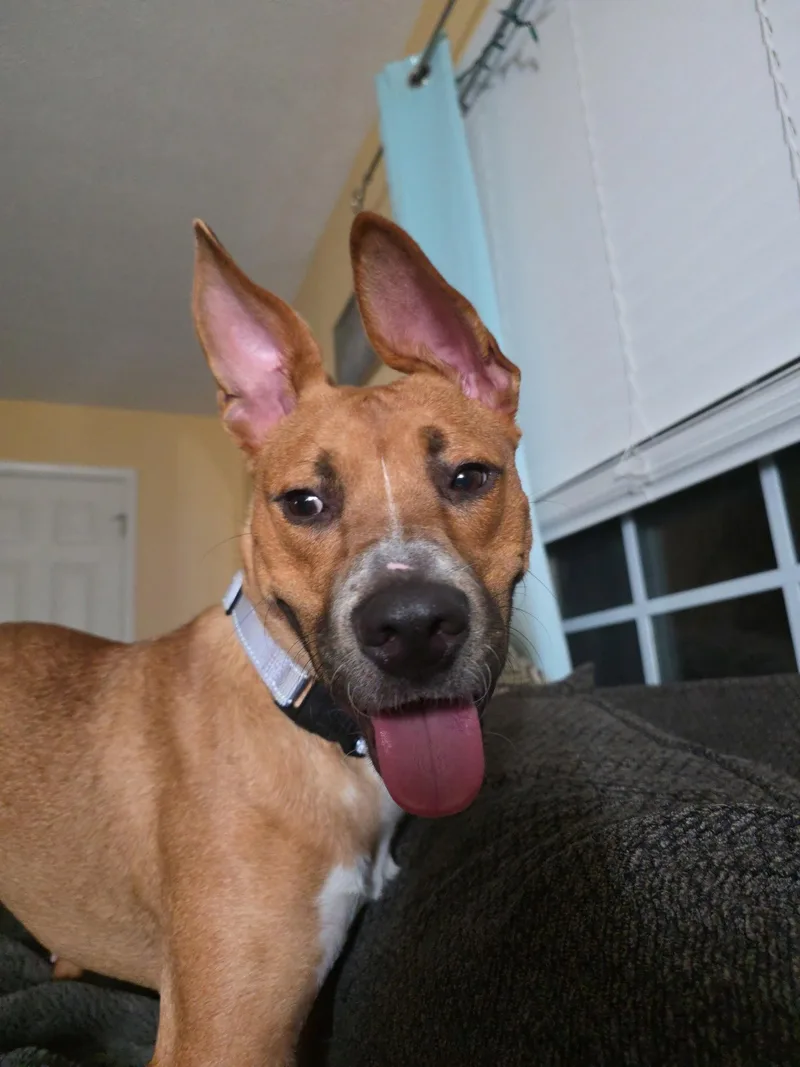
The Australian Kelpie was developed in the 1870s from Scottish working collies to move Merino sheep across big, hot stations. Lean and prick-eared, it has a short, weather-resistant double coat in black, blue, red or tan shades, often with tan points. Show Kelpies follow a written standard, while Working Kelpies are chosen purely for ability, and working lines usually carry the most drive.

Kelpies are alert, loyal and quick to learn, and many stay reserved with strangers. Without a job, a Kelpie may herd children, chase bikes, bark or invent destructive projects. In Baltimore, that means building a routine around trail runs, training sessions and puzzle toys, and thinking about close rowhouse neighbors. Adopters who enjoy daily training and dog sports tend to do best, though each Kelpie differs.

Weight
25–45 lbs
Height
17–20 in
Lifespan
10–14 yrs
Temperament
Energetic, Intelligent, Alert, Loyal
Group
Herding
Shedding
Moderate

Owning an Australian Kelpie in Baltimore

Having an Australian Kelpie in Baltimore

Kelpies pair a sharp mind with real stamina, so the question for Baltimore adopters is whether daily running, training and structure fit your routine. Weigh the exercise and noise points below carefully, since a bored Kelpie will find its own work.

Temperament

Kelpies are usually eager, alert and closely bonded to their household, with some reserve around strangers. On a busy rowhouse block, that alertness can turn into barking at passersby, and herding instinct may show up as nipping or chasing. Reward-based training and early socialization help. Working-line dogs often have more drive, and each Kelpie differs.

Exercise Needs

Plan on vigorous exercise every day, plus mental work like training and scent games. In Baltimore, that could mean leashed runs on the Herring Run or Gwynns Falls trails, or fetch in a fenced dog park. City parks require a leash, so off-leash running means a fenced dog park. A walk around the block won't be enough.

Health Considerations

Hip dysplasia, luxating patella, cryptorchidism and cerebellar abiotrophy, an inherited neurological condition with a DNA test, are reported in Kelpies. Active dogs also pick up foot and soft-tissue injuries. Rabies vaccination is required in Baltimore, and raccoons and foxes live in the wooded parks, so keep it current. A vet can check joints, kneecaps and weight.

Living Space

Rowhouses and apartments can work only if a Kelpie gets substantial daily exercise and training. A securely fenced yard helps, but space never replaces activity. Homes near big green spaces, such as Woodberry's rowhouses beside Druid Hill Park, make daily runs easier, while a long day alone in any home invites barking and boredom.

What it costs to own an Australian Kelpie in Baltimore

ExpenseTypical costPer year
Food$35 to $70 per month$420 to $840
Pet insurance$45 to $85 per month$540 to $1,020
Routine vet care$225 to $450 per year$225 to $450
Other*$435 to $1,180 per year$435 to $1,180
Estimated yearly total (after year one)$1,620 to $3,490

Other costs are estimates and vary with size, age and health.

* The $10 Baltimore license for a spayed or neutered dog ($30 if unaltered), flea, tick and heartworm prevention, a dental cleaning allowance, durable toys and bedding, and home brushing supplies.

Adopt an Australian Kelpie in Baltimore.

Now that you know more, let’s find you a new best friend. These rescues and shelters below have dogs available in and near Baltimore.

Rescues and Shelters in or near Baltimore

Baltimore has a busy rescue community, and these shelters and rescues list dogs of all sizes and types. Here are the rescues & shelters in the Baltimore area with dogs available for adoption, worth asking whether an Australian Kelpie is coming in.

Frequently Asked Questions

A Kelpie fits Baltimore if you can give it daily running, training and a job to do. The city's wooded trail parks and fenced dog parks offer places to burn energy, and many neighborhoods have rowhouses with small yards or larger houses. It's a tougher match if you work long hours away from home, since a bored Kelpie tends to bark or get destructive.

Yes. Baltimore's animal code has no breed-specific rules, and Maryland's dog-bite law applies without regard to breed. You'll need a city license and a current rabies vaccination for any dog over four months old. Dogs must be leashed in parks, and chains can't be used for tethering. The city sets no fixed pet limit, though your lease might.

It's possible, but only if the dog gets serious daily exercise and training. Kelpies are alert and may bark at hallway and street noise, and Baltimore treats repeated disturbing barking as a nuisance, so plan for it. Before applying, read the lease's pet terms, including any weight or breed limits and pet fees, and expect several active outings a day.

For off-leash fetch, use a fenced dog park such as Canton Dog Park or Howard's Park. For leashed runs, Lake Montebello's 1.3-mile loop, the Jones Falls Trail and Herring Run suit a fit Kelpie, and Fort McHenry's grounds allow leashed dogs outside the fort. Keep leashes at six feet in city parks, and skip stream-valley trails after heavy rain.

Yes, with sensible timing. Kelpies were developed for hot Australian stations, but Baltimore summers are humid, so exercise before breakfast or after sunset. Walk on grass because asphalt can burn paws, carry water, and never leave the dog in a parked car. Watch for heavy panting, vomiting or a deep red or purple tongue, and see a vet right away.

Baltimore has a subway, the Metro SubwayLink, but MTA publishes a pet rule only for Commuter Bus, where small pets must ride in closed containers carried by the owner. A Kelpie weighing 25 to 45 pounds is unlikely to fit one, so plan on walking or driving. Check MTA's current rules before riding the subway, light rail or MARC with any pet.

Sometimes, on patios only. Maryland lets restaurants choose to allow dogs in outdoor dining areas, and each restaurant decides and posts its own policy. Where a patio allows dogs, yours must stay leashed at the table and can't walk through indoor space. A Kelpie that barks or herds passing people needs a reliable settled down-stay first.

Very little. A Kelpie's short, hard double coat needs brushing once or twice a week, more during heavier seasonal sheds, and a bath only when dirty. Humid summers and year-round rain mean muddy paws after trail runs, so keep a towel handy. Professional grooming is rarely needed, which matches the modest allowance in the Other cost line.

An Australian Kelpie is a medium-sized herding dog developed in Australia to muster sheep across huge, hot properties. Kelpies are lean and athletic, with prick ears, a fox-like head and a short, weather-resistant double coat. They are known for intelligence, stamina and drive, and they often thrive in homes that offer daily running, training or real livestock work.

Plan on food at $35 to $70 a month, pet insurance at $45 to $85 a month, routine vet care at $225 to $450 a year, and other costs of $435 to $1,180 a year. That comes to roughly $1,600 to $3,500 a year before emergencies or illness. The short coat keeps grooming costs low.