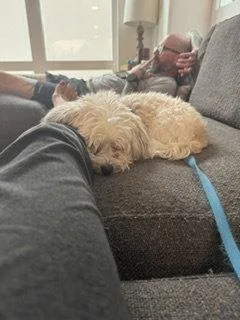
American Hairless Terrier Dogs for Adoption in Baltimore, MD

Your guide to finding and caring for an American Hairless Terrier in Baltimore

An American Hairless Terrier suits Baltimore rowhouse life, as long as you're ready to dress it for the cold. At 12 to 28 pounds, one handles the stairs of a Hampden or Bolton Hill rowhouse easily, and a lap around Druid Lake or Lake Montebello gives a busy terrier plenty to sniff. Hairless skin means a sweater on winter walks, though, and the coated variety needs far less fuss. These dogs like company, so they do best with people who are home a fair amount.

9752 dogs similar to American Hairless Terrier available in Baltimore and nationwide

Find your American Hairless Terrier

American Hairless Terriers and Similar Breeds Available for Adoption Near Baltimore

About the American Hairless Terrier breed

The American Hairless Terrier is a small, muscular dog that began in Louisiana in 1972, when a hairless puppy was born into a litter of Rat Terriers. The AKC recognized the breed in 2016. Hairless dogs lose their puppy fuzz within weeks, while the coated variety has a short, smooth coat, and both come in nearly any color.

Most are alert, curious and playful, with a terrier's love of chasing and digging, and many are affectionate with their families. In Baltimore, that means a leash on wooded trails where squirrels, raccoons and foxes live, and a plan for skin care through humid summers and cold winters. Dogs vary, so a dog's own energy and history count for more than breed alone.

Weight
12–28 lbs
Height
12–16 in
Lifespan
13–16 yrs
Temperament
Energetic, Alert, Curious, Intelligent
Group
Terrier
Shedding
Low

Owning an American Hairless Terrier in Baltimore

Having an American Hairless Terrier in Baltimore

Terrier energy and bare skin shape this breed's daily routine: walks and play every day, plus sun and cold protection. Its size and adaptability work for Baltimore rowhouses and apartments, though each dog's activity level, health and comfort with other pets will differ.

Temperament

Many American Hairless Terriers are affectionate, playful and attached to their families, and they often do well with respectful children. They tend to bark at unfamiliar sounds, which matters in a rowhouse with shared walls, and some chase squirrels or cats. Reward-based training works well, though terrier independence shows up.

Exercise Needs

Plan on a daily walk or two plus active play such as fetch, tug or sniffing games. In Baltimore, a lap around Druid Lake or Lake Montebello works well, and puzzle feeders fill rainy days. Hairless skin scrapes easily on brush, so stick to paved or groomed paths and adjust time outside to the weather.

Health Considerations

Hairless skin can sunburn, dry out, scrape or develop blocked pores, so gentle baths and regular skin checks matter. Patellar luxation, Legg-Calvé-Perthes disease and allergies are reported in the breed, and coated dogs avoid most skin trouble. Keep the rabies vaccine current, since raccoons and foxes live in wooded parks. A vet can check joints, skin and teeth.

Living Space

At 12 to 28 pounds, an American Hairless Terrier fits Baltimore rowhouses and apartments well if exercise is covered. Stairs are rarely a problem for a small dog, though jumping off furniture can stress knees. It needs a warm indoor spot and can't live outdoors. A secure fence helps with digging or chasing.

What it costs to own an American Hairless Terrier in Baltimore

ExpenseTypical costPer year
Food$20 to $45 per month$240 to $540
Pet insurance$35 to $70 per month$420 to $840
Routine vet care$200 to $400 per year$200 to $400
Other*$435 to $1,380 per year$435 to $1,380
Estimated yearly total (after year one)$1,295 to $3,160

Other costs are estimates and vary with size, age and health.

* The Baltimore dog license ($10 a year if spayed or neutered, $30 if not), a dental cleaning allowance, flea, tick and heartworm prevention, toys and bedding, baths and skin care, and sunscreen, shirts and sweaters.

Adopt an American Hairless Terrier in Baltimore.

Now that you know more, let’s find you a new best friend. These rescues and shelters below have dogs available in and near Baltimore.

Rescues and Shelters in or near Baltimore

Baltimore's shelters and rescues care for dogs of every size and mix, and the ones below list dogs you can adopt here. Here are the rescues & shelters in the Baltimore area with dogs available for adoption, worth asking whether an American Hairless Terrier is coming in.

Frequently Asked Questions

Often, yes, for active people who are home a fair amount. The small size works in rowhouses, and parks like Druid Hill and Patterson give a daily outlet. The tradeoffs are skin care and weather, with sunscreen or shirts in summer and sweaters in winter. Dogs differ, so consider the dog's energy, health and comfort with other pets.

Yes, as indoor dogs with the right layers. A hairless dog chills fast, so give it a warm bed and a sweater for walks. Maryland law bars leaving a dog outside unattended for more than 30 minutes below 32°F without suitable shelter, and a hairless dog shouldn't be out that long at all. Coated dogs cope somewhat better.

Yes, it adapts well to apartments, including the converted rowhouse units and condos common in Baltimore. Terriers often bark at hallway and street noise, and the city treats repeated, disturbing barking as a nuisance, so plan training and daily exercise. Walks and play matter more than square footage. Note where the nearest patch of grass is for hot-weather potty trips.

Yes. Baltimore has no breed-specific ban, and its dangerous-dog rules depend on a dog's behavior, not its breed. The city sets no fixed limit on how many dogs a household can keep, though leases often do. Licensing and a current rabies vaccination apply to every dog over four months, so set both up soon after adopting.

Canton's dog park and Howard's Park in Mount Vernon are good for play, since both have small-dog sections. For walks, the paved Lake Montebello loop suits this breed, and the Gwynns Falls Trail and Herring Run offer longer outings. Stay on paths, since brush scratches bare skin, and avoid stream trails after heavy rain.

Possibly, if the dog is small enough for a closed carrier. MTA publishes a pet rule only for Commuter Bus, which allows small pets in closed containers carried by the owner. Check MTA's current rules before riding the Metro SubwayLink, light rail or MARC, and don't count on a larger dog being allowed.

Only to outdoor patios at restaurants that have chosen to allow dogs. Maryland lets each restaurant decide and requires a posted notice of its policy. The dog must stay leashed at your table and can't pass through indoor space. A small terrier is easier to settle at your feet; bring water and shade, and don't assume a patio welcomes dogs.

There's no coat to brush, so grooming is mostly skin care. Many owners give a gentle bath every week or two with a mild shampoo and moisturize if the skin is dry, adjusting to the dog's skin. Humid summers and dry heated air in winter can change what skin needs. Home baths keep these costs low within the Other line of the cost table.

No dog is completely hypoallergenic, but the hairless American Hairless Terrier sheds almost no hair, and many people with mild dog allergies tolerate it well. Allergens also come from dander, saliva and urine, so reactions still vary by person. The coated variety sheds a short coat. Spending time with a specific dog before adopting is the safest test.

Expect roughly $1,300 to $3,200 a year for an American Hairless Terrier in Baltimore. That covers food, insurance, routine vet care and other costs such as parasite prevention, dental care, the city license and sun and cold gear. Emergencies, illness, boarding and training classes would be extra.