Akita dog

Akita Dogs for Adoption in Baltimore, MD

Your guide to finding and caring for an Akita in Baltimore

Akitas fit Baltimore best in neighborhoods with a fenced yard and quiet paths, like Lauraville, where Herring Run Park runs along the edge. They're calm and devoted at home but reserved with strangers, so a leashed morning loop on the park's trails suits them better than a crowded dog park. Rowhouse blocks with narrow sidewalks and lots of passing dogs take more planning. Muggy July afternoons are hard on a dense double coat, so most walks belong in the early morning or after dark.

454 Akitas available in Baltimore and nationwide

Your Akita is waiting

While we don't have enough dogs near Baltimore, keep in mind that many rescues may offer transport.

Akitas Available for Adoption Near Baltimore

About the Akita breed

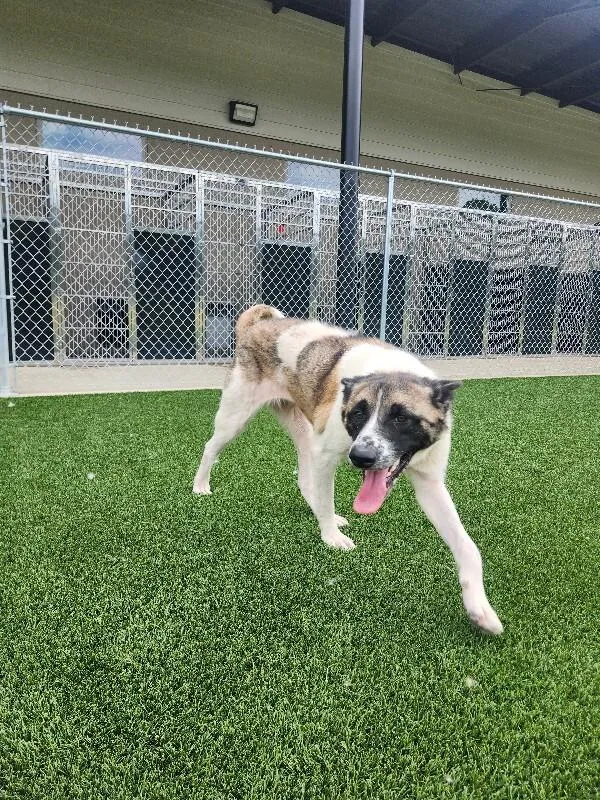
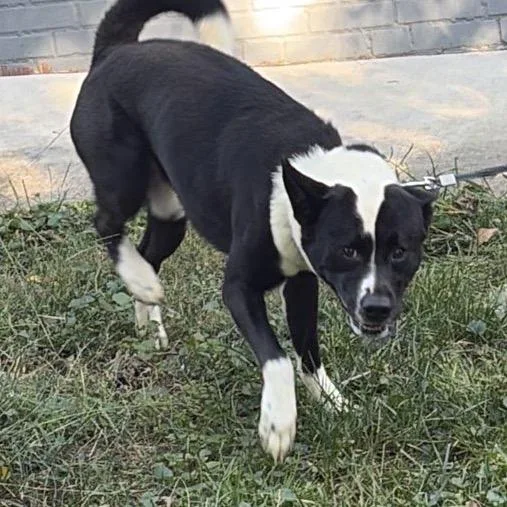
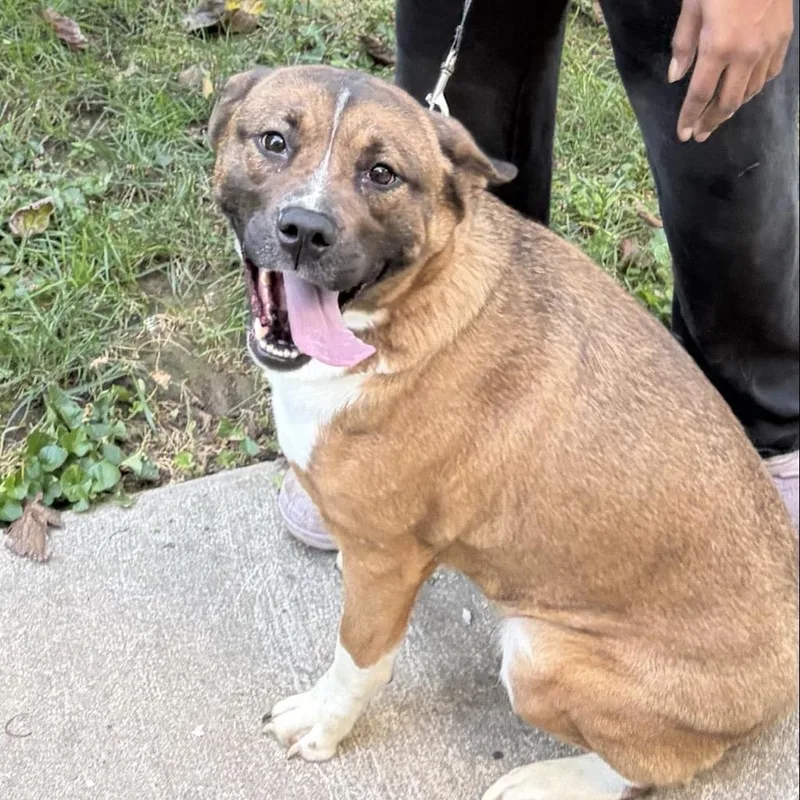
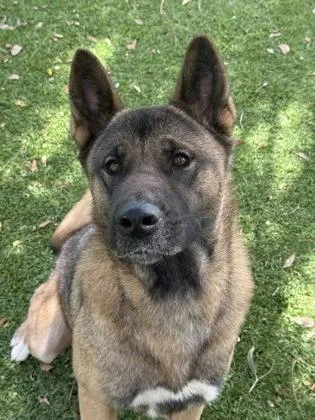
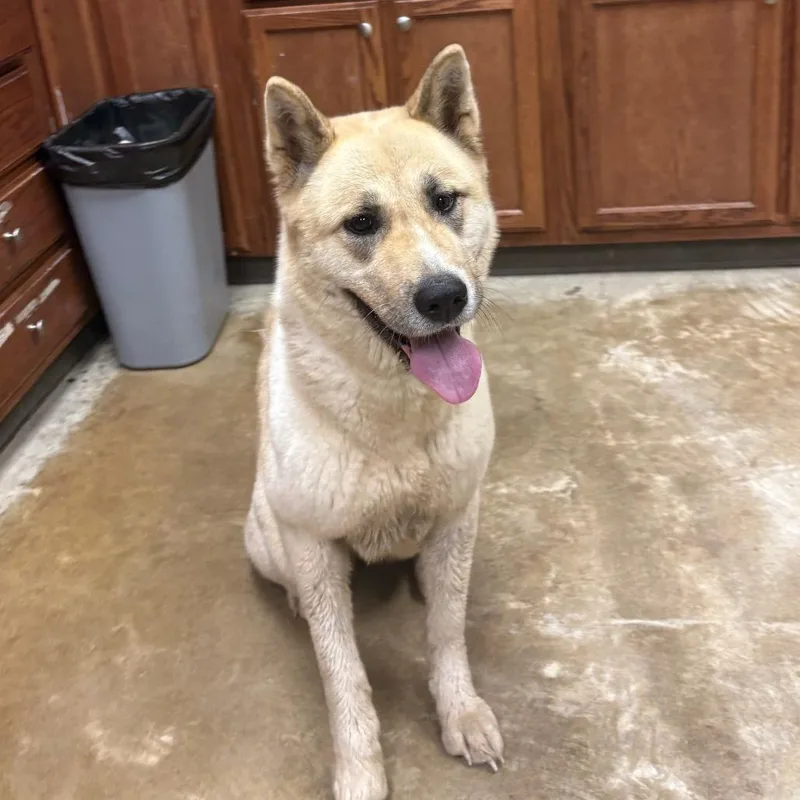
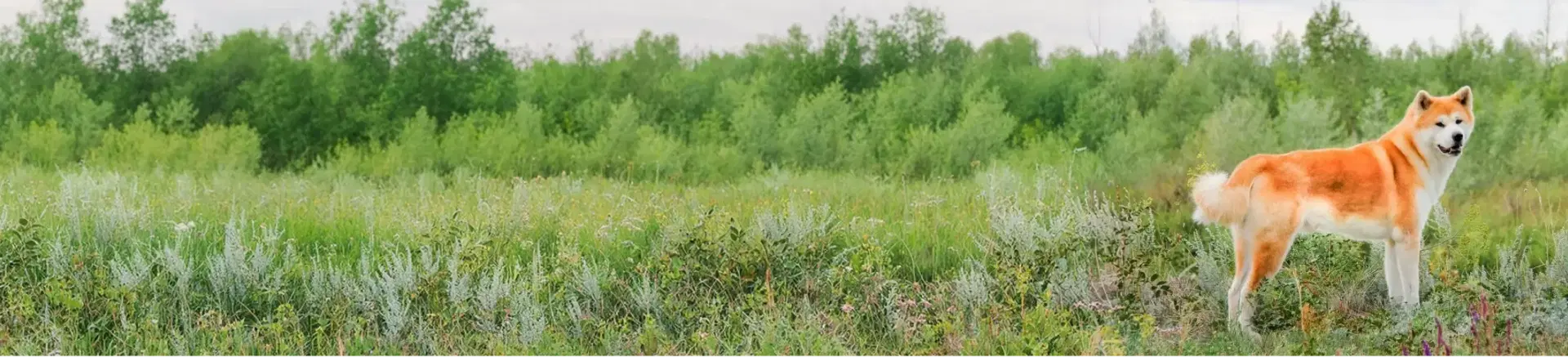
Akitas come from the mountains of northern Japan, where spitz-type dogs hunted bear and boar before guarding estates. The American-type Akita is the heavier, bear-headed dog, with a broad head, small upright ears, a plush double coat and a big tail curled over the back. Females often weigh 70 to 100 pounds, while males can reach 130.

Many Akitas are quiet, dignified and devoted to their own people while staying aloof with strangers. Guarding instincts are common, and some don't tolerate other dogs, especially of the same sex. In Baltimore, that means careful introductions on busy sidewalks, steady reward-based training, and a plan for the coat blowouts that come about twice a year. Dogs vary, so each Akita's own behavior matters more than the breed description.

Weight
70–130 lbs
Height
24–28 in
Lifespan
10–14 yrs
Temperament
Loyal, Dignified, Protective, Independent
Group
Working
Shedding
High

Owning an Akita in Baltimore

Having an Akita in Baltimore

Akitas pair quiet loyalty with real size and a heavy coat. In Baltimore, the tradeoffs are mostly about space, summer heat and managing greetings on busy streets, so the right match depends on your home and routine.

Temperament

Akitas are typically calm and affectionate with family but reserved with strangers, and many dislike other dogs, especially of the same sex. On Baltimore's rowhouse sidewalks, give other dogs room, keep greetings short and use steady, reward-based training. Each Akita differs, so watch how a dog reacts to visitors and passing dogs.

Exercise Needs

Plan on moderate daily exercise: brisk leashed walks, sniffing time and short training games. Baltimore parks require leashes of six feet or less, which suits an Akita better than a busy dog park. Lake Montebello's 1.3-mile loop or Herring Run's trails make good routes, with play in a fenced yard on the side.

Health Considerations

Akitas can develop hip dysplasia, hypothyroidism, bloat and several autoimmune conditions, and their blood values can look unusual on routine labs, so tell the vet the breed. Keep rabies vaccination current, since raccoons and foxes live in Baltimore's stream parks. A veterinary exam soon after adoption helps catch problems early.

Living Space

An Akita can manage in a Baltimore rowhouse or apartment if it gets daily exercise and calm handling, though shared stairwells and narrow sidewalks make a wary dog's outings harder. A fenced yard, like those on the larger detached lots in the northeast, helps a lot. Expect heavy shedding and give it a cool indoor spot in summer.

What it costs to own an Akita in Baltimore

ExpenseTypical costPer year
Food$55 to $110 per month$660 to $1,320
Pet insurance$65 to $130 per month$780 to $1,560
Routine vet care$250 to $500 per year$250 to $500
Other*$585 to $1,480 per year$585 to $1,480
Estimated yearly total (after year one)$2,275 to $4,860

Other costs are estimates and vary with size, age and health.

* The Baltimore dog license ($10 a year if spayed or neutered, $30 if not), flea, tick and heartworm prevention, a dental cleaning allowance, toys and bedding, and brushing and baths for seasonal coat blowouts.

Adopt an Akita in Baltimore.

Now that you know more, let’s find you a new best friend. These rescues and shelters below have dogs available in and near Baltimore.

Rescues and Shelters in or near Baltimore

Baltimore has a busy network of shelters and rescues, and the ones below list adoptable dogs of every size. Here are the rescues & shelters in the Baltimore area with dogs available for adoption, worth asking whether an Akita is coming in.

Frequently Asked Questions

Yes, an Akita can live in a Baltimore apartment or rowhouse if it gets daily walks and calm handling. Narrow sidewalks, shared stairwells and passing dogs are the hard part, since many Akitas are wary of strangers and other dogs. A ground-floor unit or a quiet building makes outings easier, and a fenced yard is a real bonus.

Good picks are Herring Run Park's trails, Gwynns Falls/Leakin Park, Cylburn Arboretum and the grounds of Fort McHenry outside the fort itself, where dogs stay on a leash of six feet or less. Quiet weekday mornings suit Akitas best. Fenced dog parks like Canton's or Patterson Park's are a gamble, since many Akitas dislike unfamiliar dogs.

Akitas can handle Baltimore summers with care, but heat and humidity are their hardest season. Walk at dawn or after dark, stay on grass instead of hot asphalt, and keep the dog in air conditioning during the day. Never leave an Akita in a parked car, which is illegal here. Panting that won't ease or a deep red tongue means a vet right away.

Don't count on it. Baltimore has a Metro SubwayLink, light rail and MARC, but MTA's published pet rule covers only small pets in closed containers on commuter buses. A 70 to 130 pound Akita won't fit a carrier, so plan on walking, driving or a dog-friendly ride rather than transit for most trips.

Possibly, but only on patios. Maryland lets restaurants choose to allow dogs in outdoor dining areas, each restaurant sets and posts its own policy, and dogs must stay leashed at the table. Indoor seating is off limits. Because many Akitas are wary of strangers, a quiet corner spot and a settled dog make it easier.

Plan on brushing a few times a week, and daily during the coat blowouts that come about twice a year. Baltimore's humid summers make clearing loose undercoat worthwhile, but don't shave an Akita, since the coat helps insulate. Baths at home or an occasional groomer visit fit within the roughly $585 to $1,480 a year in other costs.

An Akita is a large, powerful spitz-type dog from northern Japan, known for its plush double coat, upright ears and tail curled over the back. In the United States, the Akita is the heavier American type, while the lighter Japanese Akita Inu is now registered separately. Many Akitas are devoted to their family, reserved with strangers and selective about other dogs.

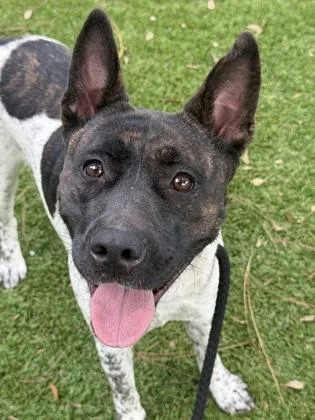
An Akita is a big, heavy-boned dog with a broad, bear-like head, small deep-set eyes and thick triangular ears that stand upright. Its dense double coat is about two inches long, and its full tail curls over the back. American-type Akitas come in almost any color, including white, brindle and pinto, often with a dark mask.

Akitas are large dogs. Males usually stand 26 to 28 inches at the shoulder and weigh 100 to 130 pounds, while females typically stand 24 to 26 inches and weigh 70 to 100 pounds. The Japanese Akita Inu tends to be lighter and more finely built. Most Akitas reach full height around a year but keep filling out until two or three.

Expect roughly $2,275 to $4,860 a year for an Akita in Baltimore, combining food, insurance, routine vet care and other costs. Food runs $55 to $110 a month, insurance $65 to $130, routine vet care $250 to $500 a year, and other costs $585 to $1,480. Emergencies and bloat surgery would be extra.