Afghan Hound dog

Afghan Hound Dogs for Adoption in Baltimore, MD

Your guide to finding and caring for an Afghan Hound in Baltimore

An Afghan Hound fits Baltimore best in a neighborhood with fenced yards, like Lauraville, where detached houses sit on double lots. That space matters, because an Afghan needs room to sprint and can't be trusted off leash. Once they've run, many are calm and quiet indoors, happy on a rowhouse sofa. Herring Run Park's wooded paths give a leashed hound plenty to watch on daily walks. The long silky coat takes real brushing, so a tub and drying space help.

13 Afghan Hounds available in Baltimore and nationwide

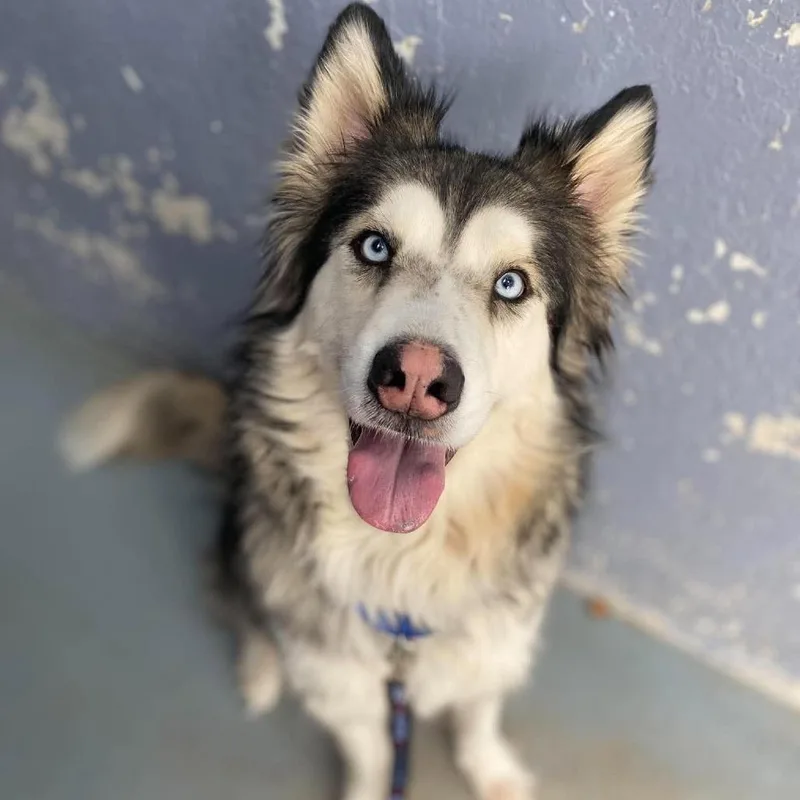
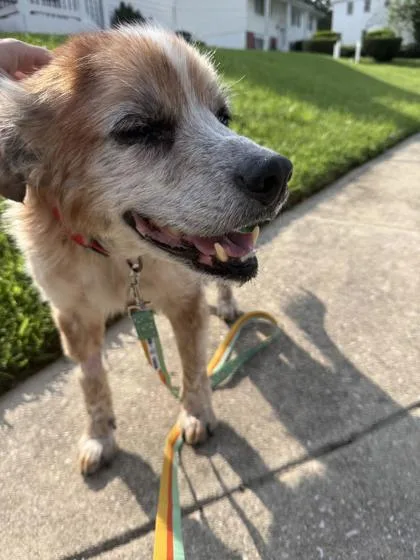
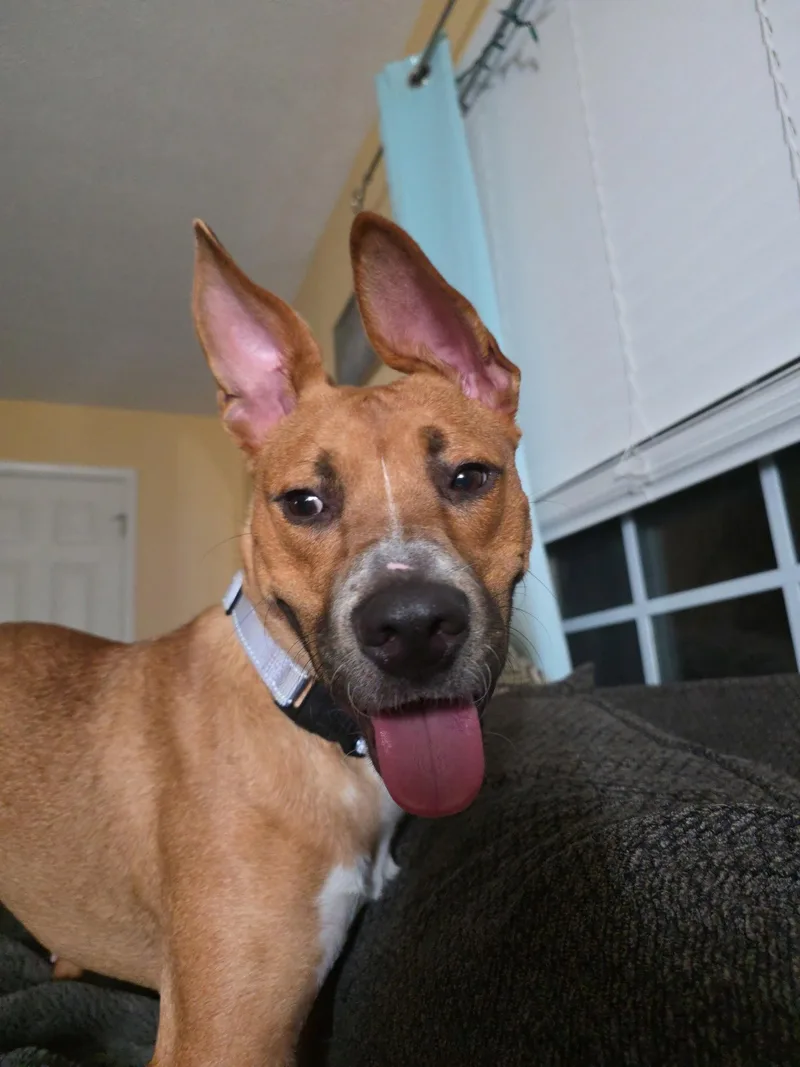
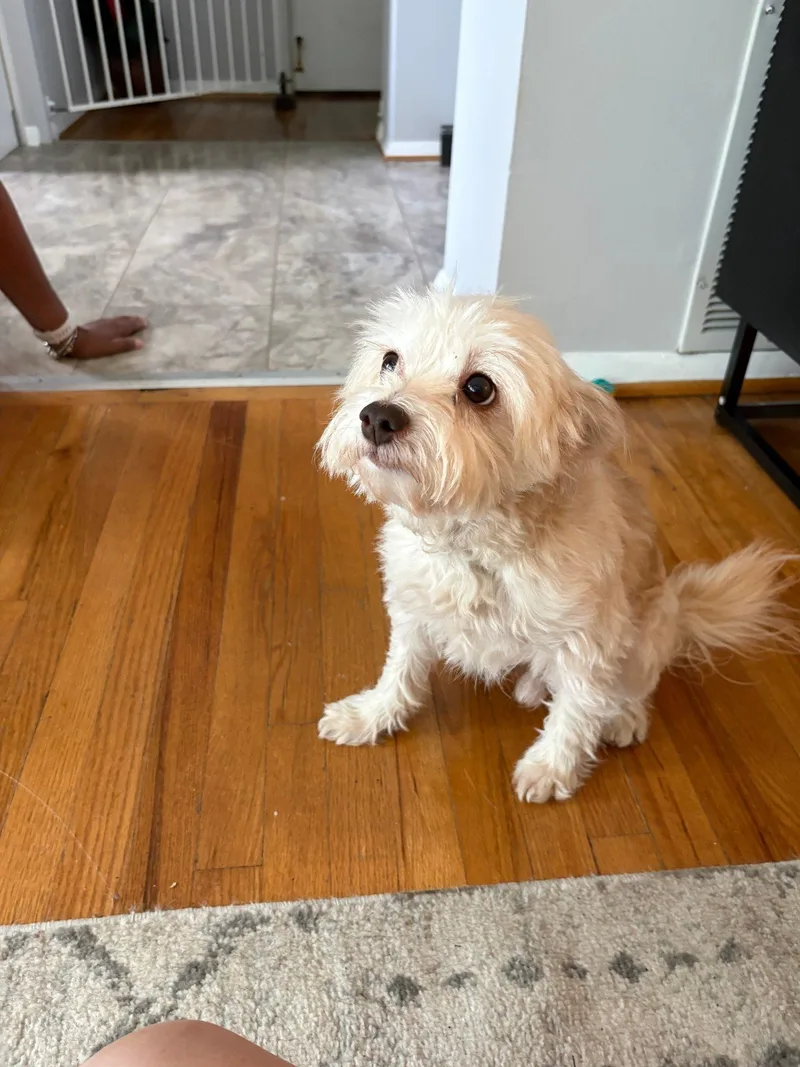
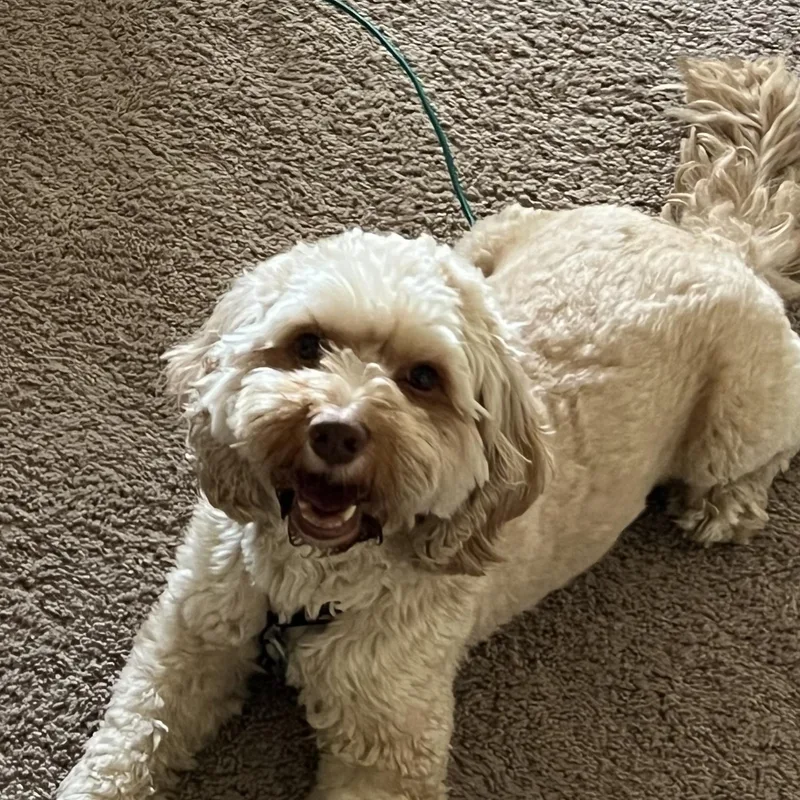
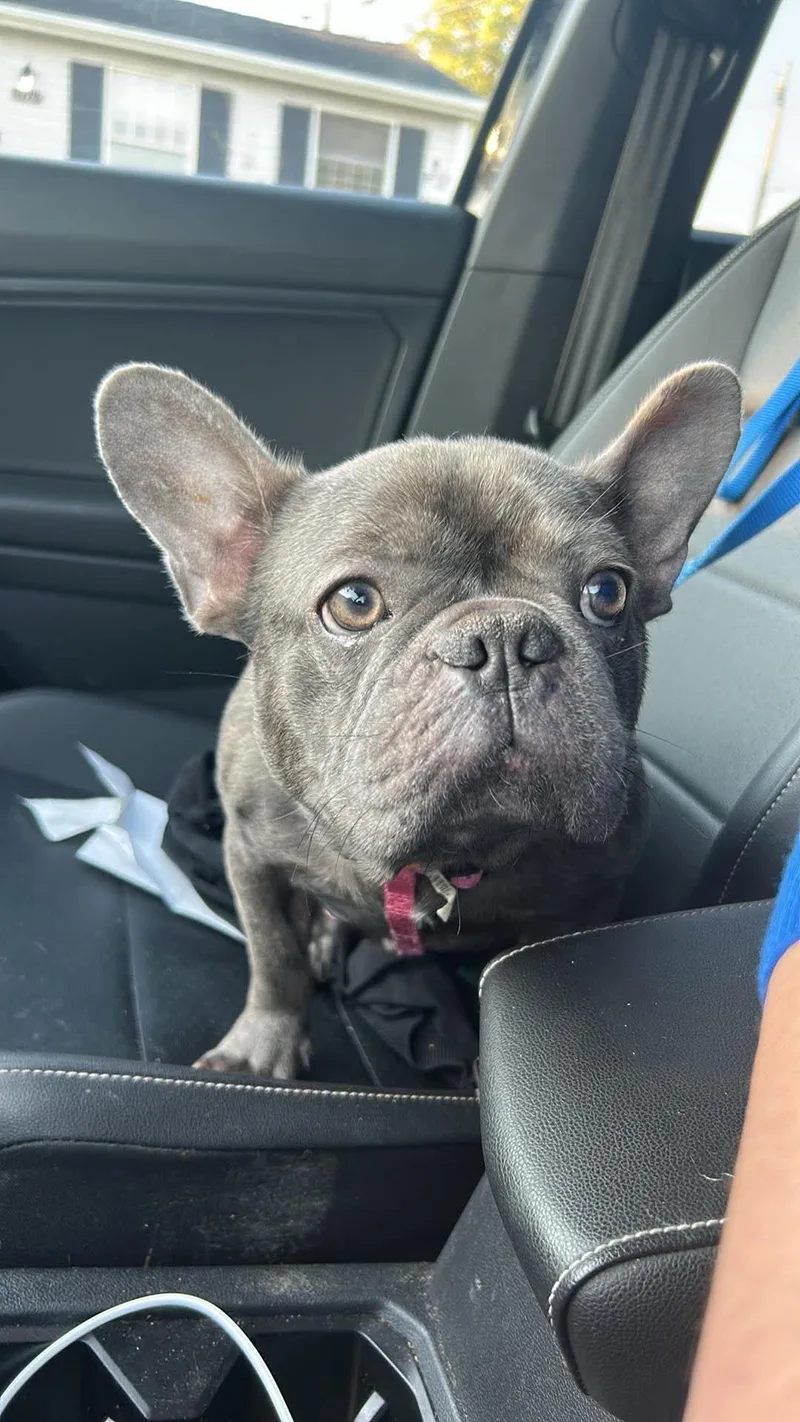
Meet an Afghan Hound who needs you

While we don't have enough dogs near Baltimore, keep in mind that many rescues may offer transport.

Afghan Hounds Available for Adoption Near Baltimore

About the Afghan Hound breed

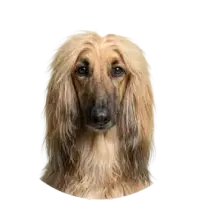
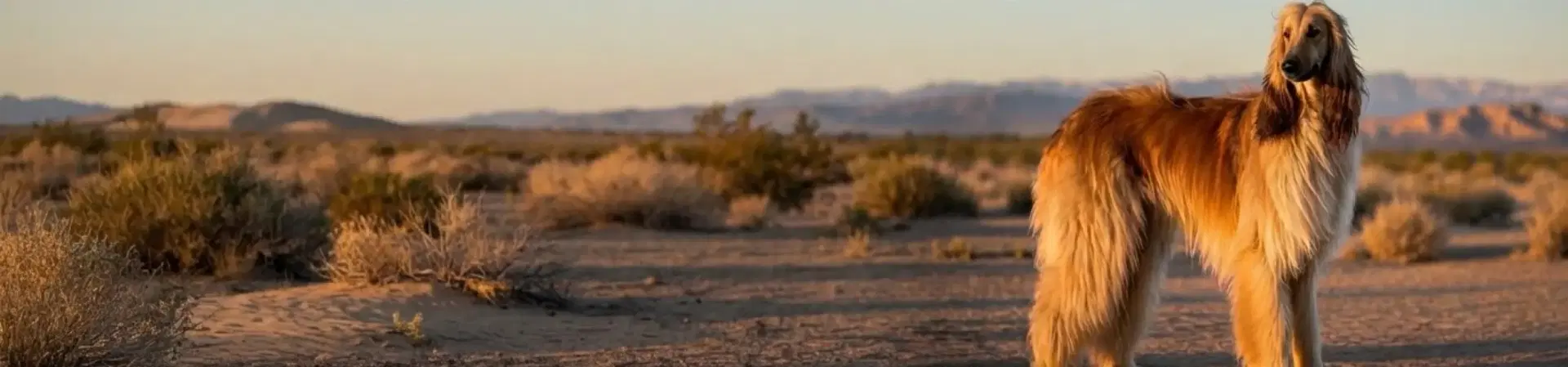
Afghan Hounds are among the oldest dog breeds, sighthounds from the mountains and deserts of Afghanistan that coursed game by sight and speed. The flowing silky coat once protected them from harsh cold, and their large padded feet cushioned rocky ground. British officers brought them to England in the late 1800s, and the breed became a show-ring icon.

Behind the glamour is a sensitive, independent hound, often aloof with strangers but affectionate and even clownish with its own people. In Baltimore, that means planning for a securely fenced yard or lure coursing, since strong prey drive makes recall unreliable around squirrels and park wildlife. The coat needs frequent bathing and brushing to prevent painful mats. Dogs vary, so one Afghan may be more reserved or more energetic than another.

Weight
50–60 lbs
Height
24–28 in
Lifespan
11–14 yrs
Temperament
Dignified, Independent, Loyal, Playful
Group
Hound
Shedding
Low

Owning an Afghan Hound in Baltimore

Having an Afghan Hound in Baltimore

Afghan Hounds combine sighthound speed with a heavy grooming workload. In Baltimore, the main questions are whether you have secure fenced space, time for coat care, and a plan for humid summers and cold snaps.

Temperament

Afghan Hounds are often dignified with strangers and goofy and devoted at home. Their independence means they decide whether a cue is worth following, so patient, gentle training works better than pressure. Many are sensitive to loud noise, which matters around July 4 and New Year's, when illegal fireworks still go off in Baltimore. Personalities vary.

Exercise Needs

Plan on daily walks plus regular chances to sprint in a secure fence. Baltimore's fenced neighborhood dog parks, like Canton's on Toone Street, can work, though a prey-driven hound may do best at quiet times with few small dogs inside. City parks require a leash, and recall is unreliable, so keep trail walks leashed.

Health Considerations

Afghan Hounds are prone to hip dysplasia, hypothyroidism, allergies, cataracts and chylothorax, fluid in the chest. Like other sighthounds, they can be sensitive to anesthesia because of low body fat, so a veterinarian familiar with sighthounds is valuable. Keep rabies vaccination current, since foxes and raccoons have turned up in Baltimore's wooded neighborhoods.

Living Space

Much of Baltimore is rowhouses and apartments, and an Afghan Hound can live in either if daily exercise happens outdoors. Indoors they're often quiet and calm. A tall, secure fence matters because they jump and chase moving animals. Leave room for bathing, brushing and thoroughly drying a long coat.

What it costs to own an Afghan Hound in Baltimore

ExpenseTypical costPer year
Food$55 to $110 per month$660 to $1,320
Pet insurance$55 to $110 per month$660 to $1,320
Routine vet care$250 to $500 per year$250 to $500
Other*$935 to $2,380 per year$935 to $2,380
Estimated yearly total (after year one)$2,505 to $5,520

Other costs are estimates and vary with size, age and health.

* The Baltimore dog license ($10 spayed or neutered, $30 unaltered), flea, tick and heartworm prevention, a dental cleaning allowance, toys and bedding, and professional grooming or frequent home bathing for the long coat.

Adopt an Afghan Hound in Baltimore.

Now that you know more, let’s find you a new best friend. These rescues and shelters below have dogs available in and near Baltimore.

Rescues and Shelters in or near Baltimore

Baltimore's shelters and rescues care for many dogs, and listings change often, so hounds and sighthound mixes can appear. Here are the rescues & shelters in the Baltimore area with dogs available for adoption, worth asking whether an Afghan Hound is coming in.

Frequently Asked Questions

Yes, Baltimore has no breed-specific ban, and the city's dangerous-dog rules depend on a dog's behavior, not its breed. Dogs older than four months need a city license and a current rabies vaccination. The bigger practical question for an Afghan Hound is a securely fenced yard or reliable fenced running space, given its strong prey drive.

Most can, if they stay cool indoors and exercise at the edges of the day. A long coat holds humidity, so dry it fully after baths and rain. Summer storms sometimes cause multi-day power outages, so have a cooling plan ready, such as a cool room, plenty of water and damp towels. Watch for heavy panting.

For leashed walks, Herring Run Park's woodland loop, the Gwynns Falls Trail and Cylburn Arboretum, which welcomes leashed dogs, all offer variety. For off-leash sprints, the fenced dog park at Latrobe Park in Locust Point has separate large- and small-dog areas. Keep trail dogs on a six-foot leash, since an Afghan's recall isn't dependable.

Yes, if daily exercise happens outside the apartment. Afghans are often quiet and calm indoors once they've run. Plan several walks a day and regular fenced sprints, such as at Howard's Park Dog Park in Mount Vernon. Also consider stairs, which can be hard on large dogs, and a bathroom or tub with space to dry a long coat.

Probably not. MDOT MTA publishes a pet rule only for Commuter Bus, which allows small pets in closed containers carried by the owner, and a 50 to 60 pound Afghan Hound won't fit one. Rules for the Metro SubwayLink, light rail and MARC aren't posted the same way, so check MTA's current rules before planning a ride.

Sometimes, but only outdoors. Maryland lets restaurants choose to allow dogs on their patios, and each one decides and posts its policy. Dogs must stay leashed at the table and can't pass through indoor space. An Afghan Hound that lies down quietly can do well, but don't count on patio access without seeing a posted notice.

Afghan Hounds shed lightly compared with most breeds, losing hair in small amounts rather than heavy seasonal coats. Their long, fine hair tends to tangle into mats instead of falling out, which is why frequent brushing and bathing are essential. Puppies shedding their puppy coat as the adult coat grows in, often between about one and three years, can mat especially quickly.

No, Afghan Hounds are not truly hypoallergenic, because all dogs produce allergens in their skin, saliva and urine. Their low shedding means less hair around the house, which some allergy sufferers find easier to live with. Reactions vary widely between people and dogs, so spend time with an Afghan before adopting and talk with your doctor about managing allergies.

Yes, Afghan Hounds are intelligent, but their intelligence is independent rather than obedience-focused. They were bred to hunt by sight and make decisions far from their handlers, so they often ignore commands they see no reason to follow. That is why they rank low on obedience lists. Patient, reward-based training and motivating games work much better than repetition or force.

Plan on roughly $2,500 to $5,500 a year for an Afghan Hound in Baltimore. That covers food at $55 to $110 a month, insurance at $55 to $110 a month, routine vet care at $250 to $500 a year, and other costs of $935 to $2,380 a year, with coat care the largest piece.

Find Afghan Hounds in Nearby Cities

Expand your search to find Afghan Hounds available for adoption near Baltimore.