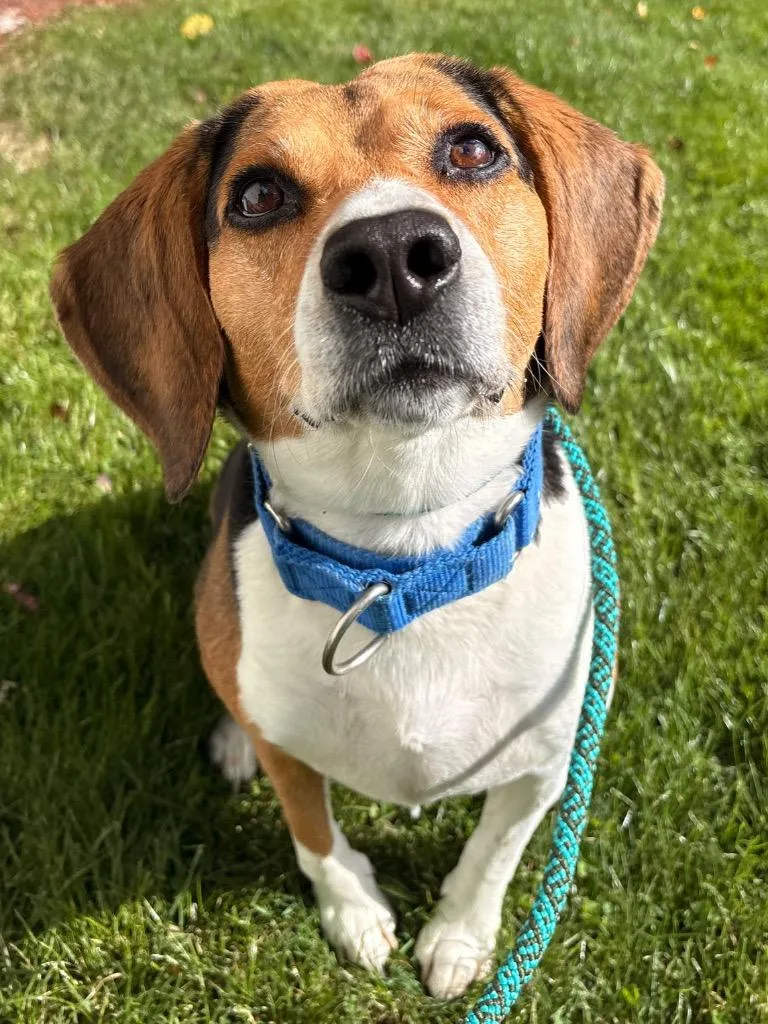
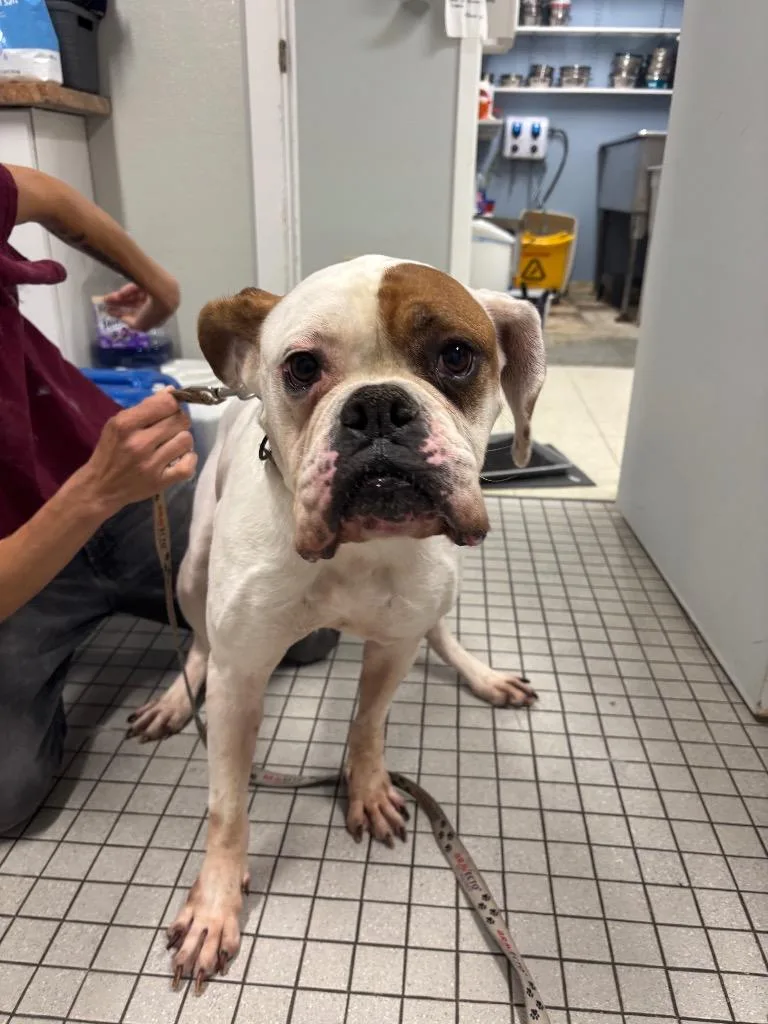
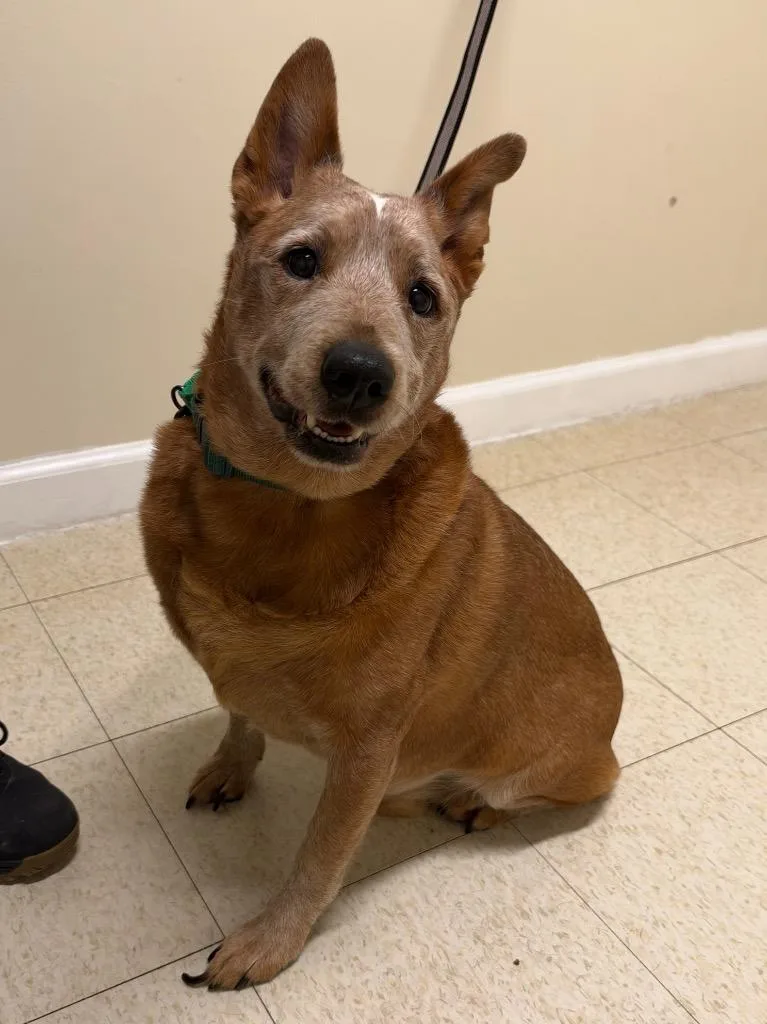
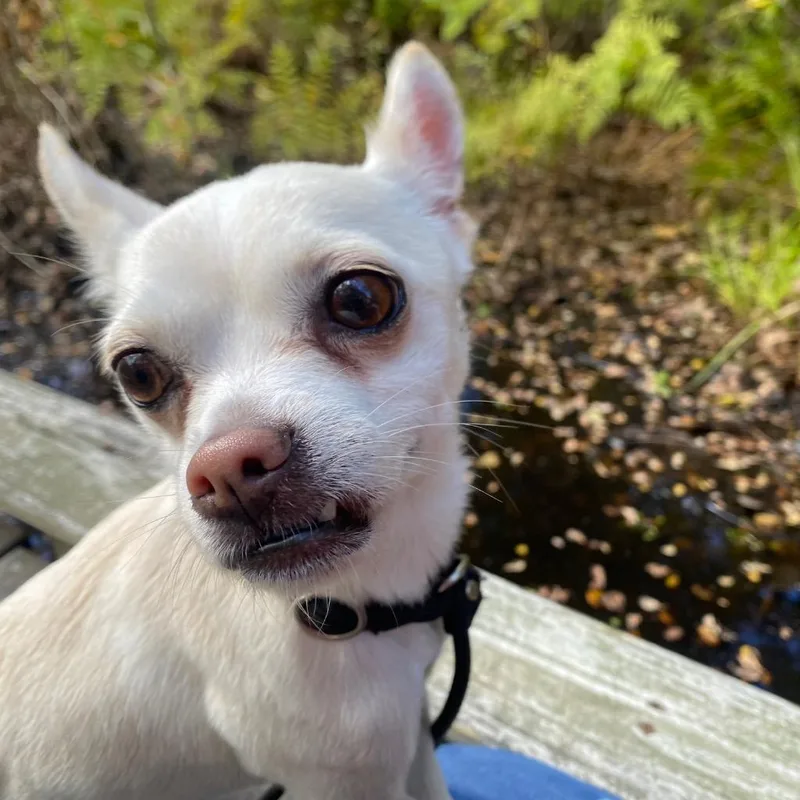
Labrador Retriever Dogs for Adoption in Fall River, MA

Your guide to finding and caring for a Labrador Retriever in Fall River

Labrador Retrievers fit Fall River's triple-deckers and long, leashed walks better than you might expect. A Lab can burn off energy on the Quequechan River Rail Trail along South Watuppa Pond, then settle into a second-floor apartment in Flint, as long as that walk happens every day. Stairs become part of the routine, and so does rinsing salt off paws after a winter outing. Labs love people, so they suit households that are home a fair amount.

13906 Labrador Retrievers available in Fall River and nationwide

Fall for a Labrador Retriever

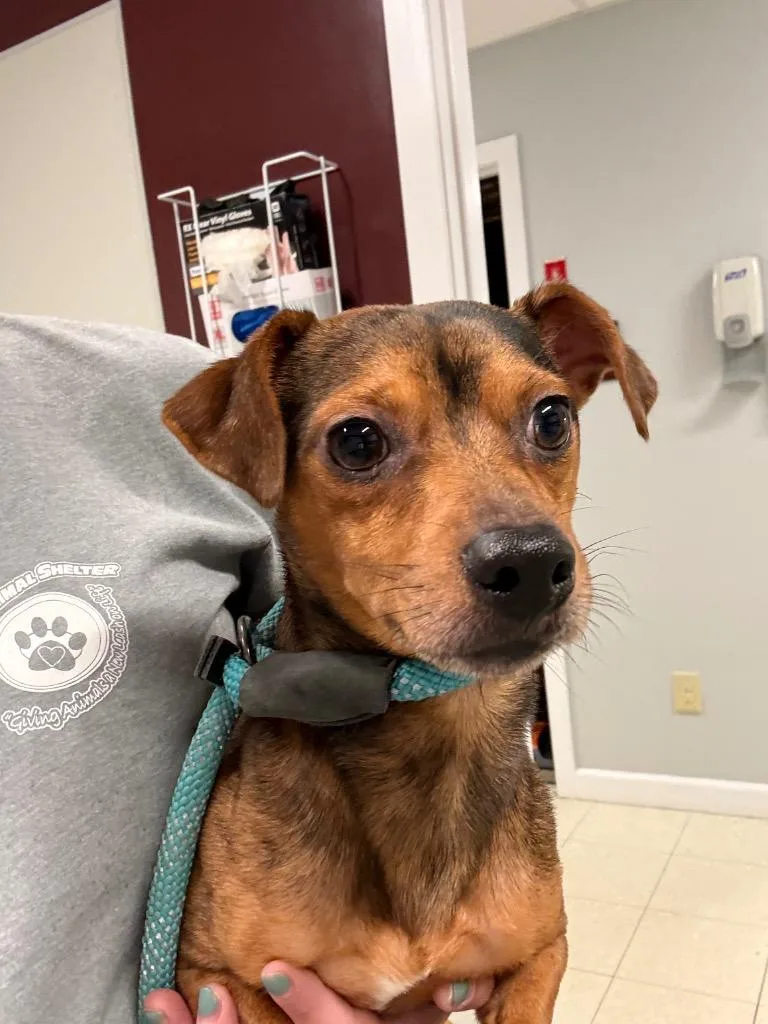
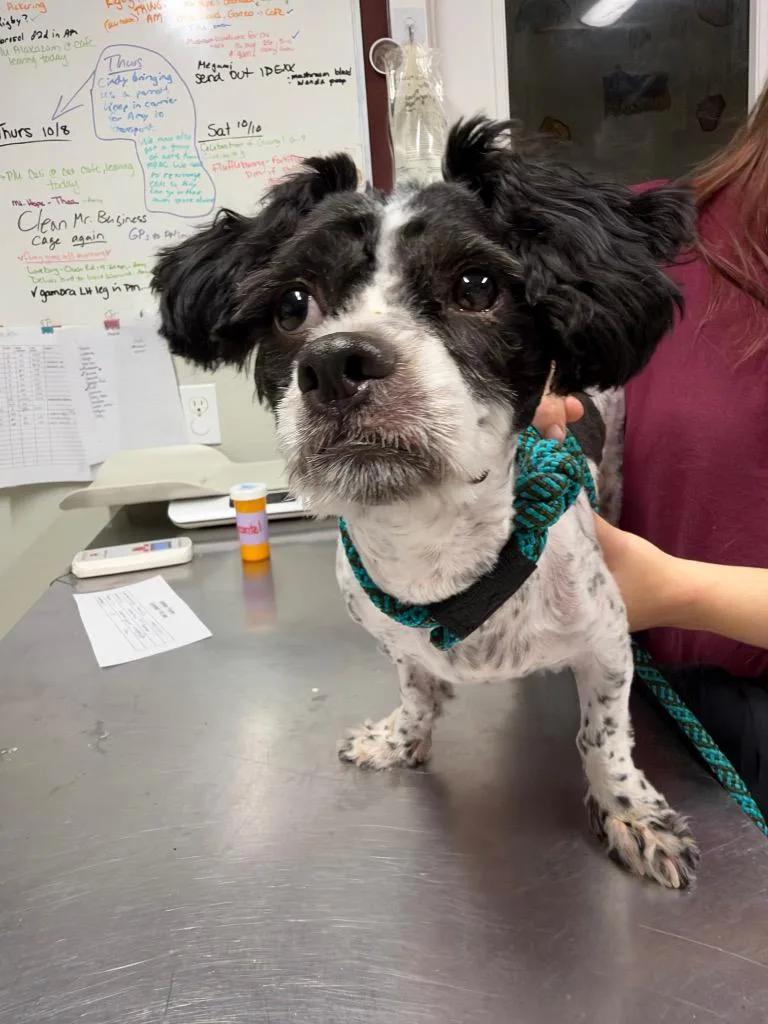
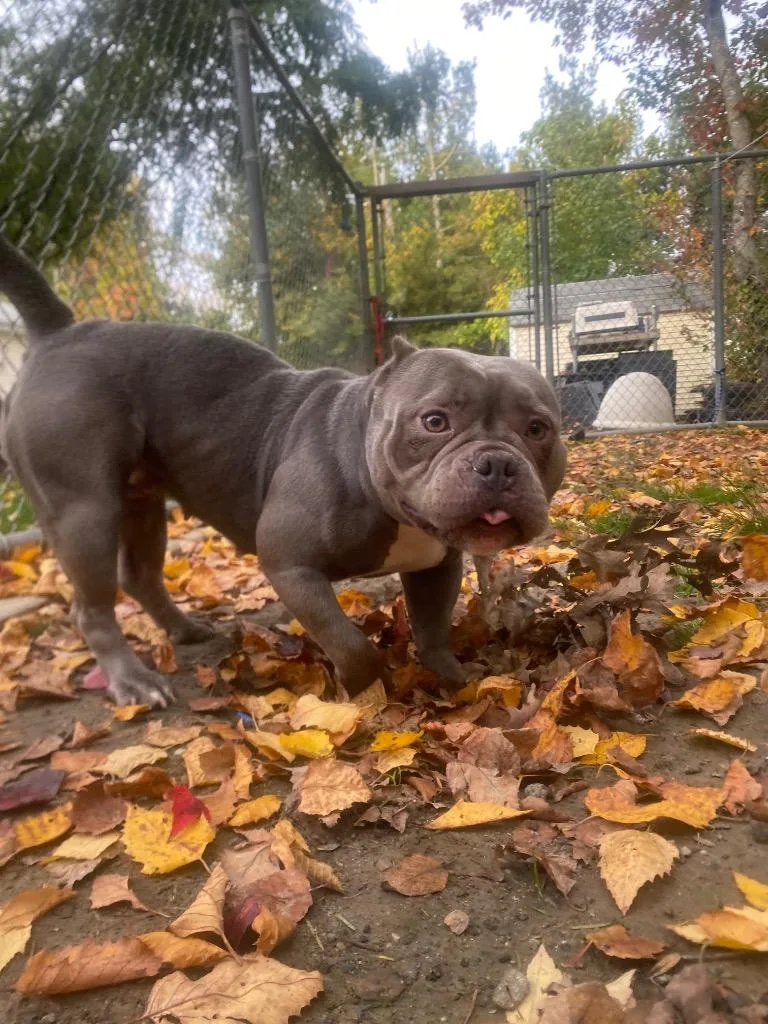
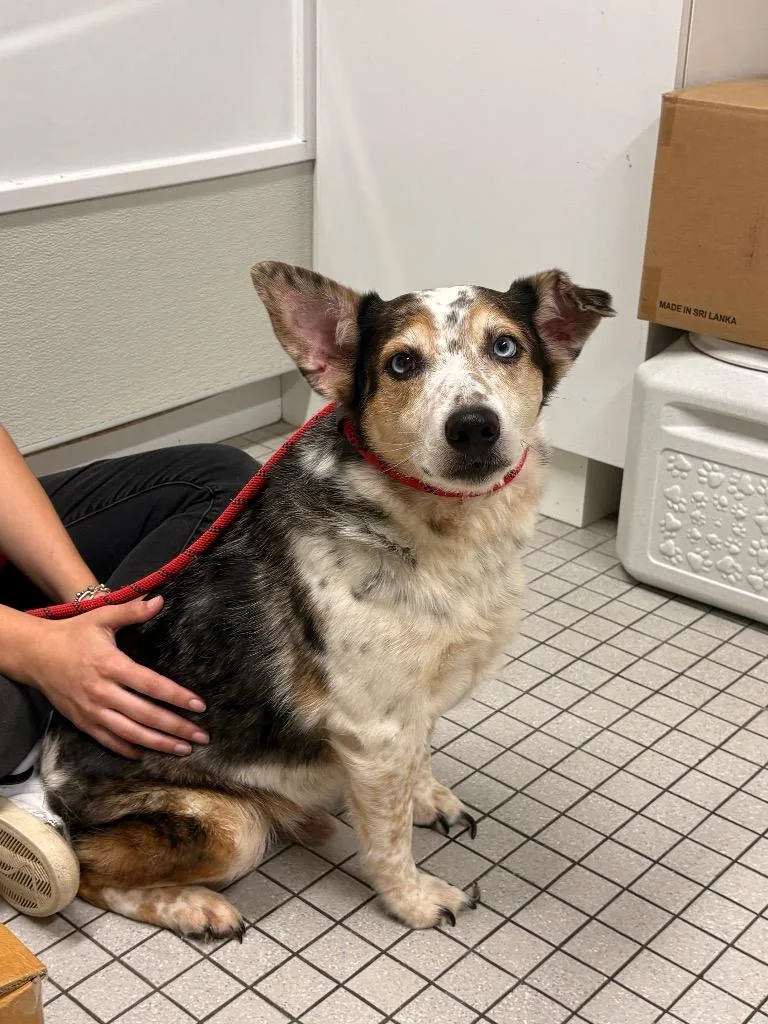
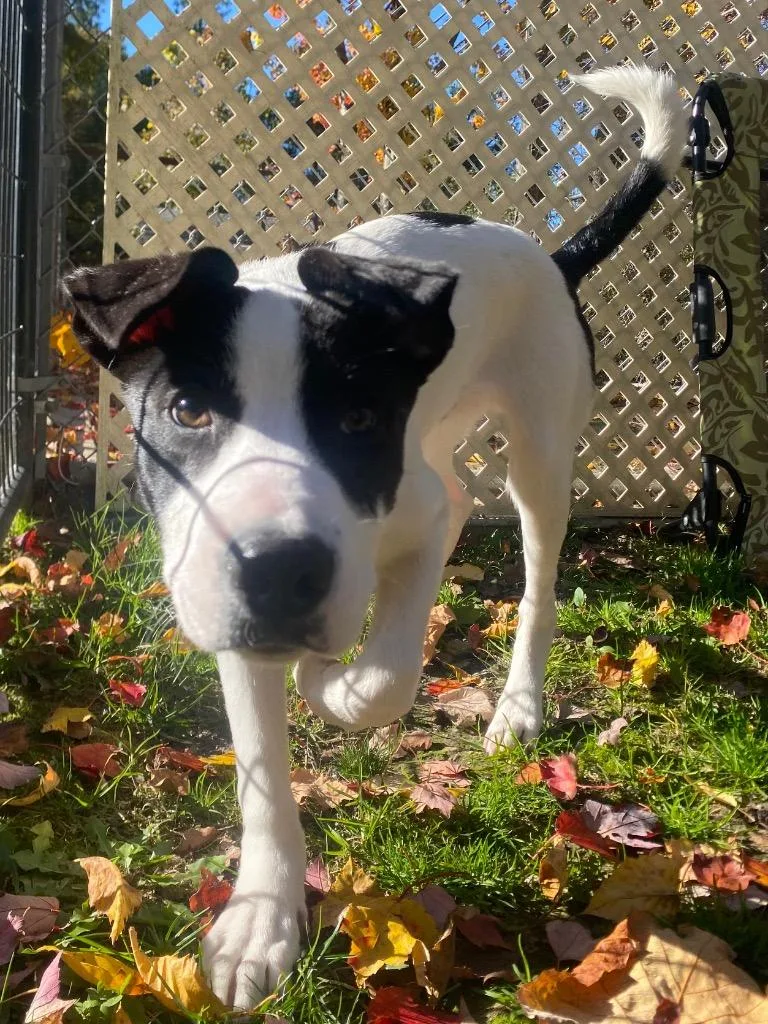
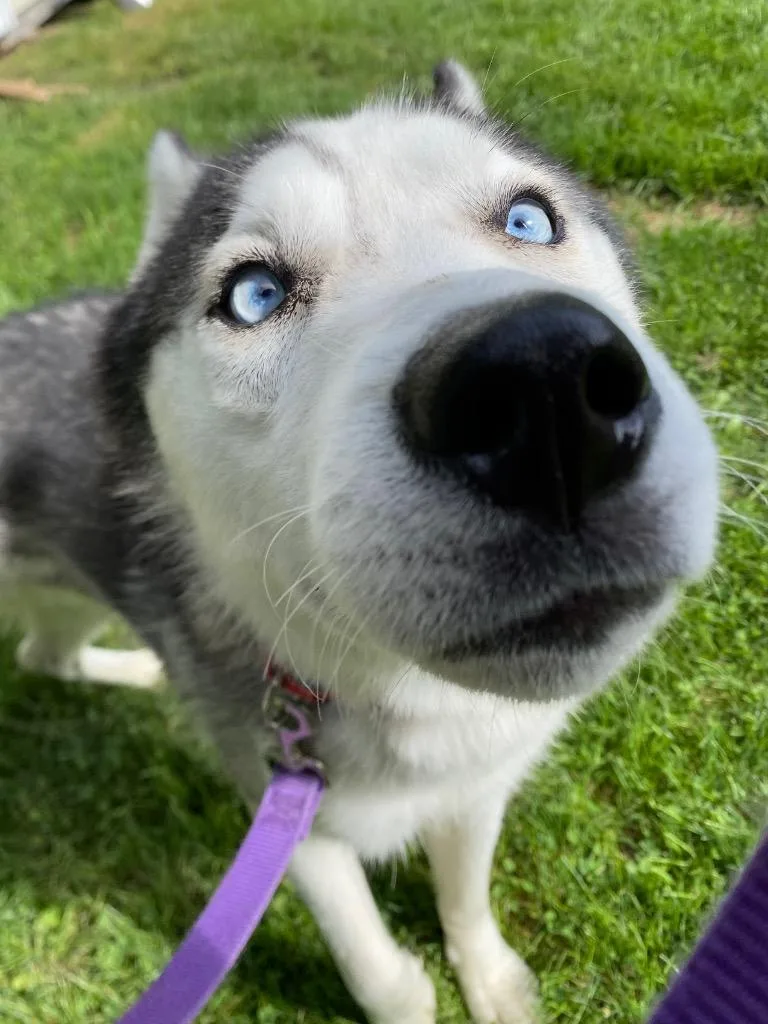
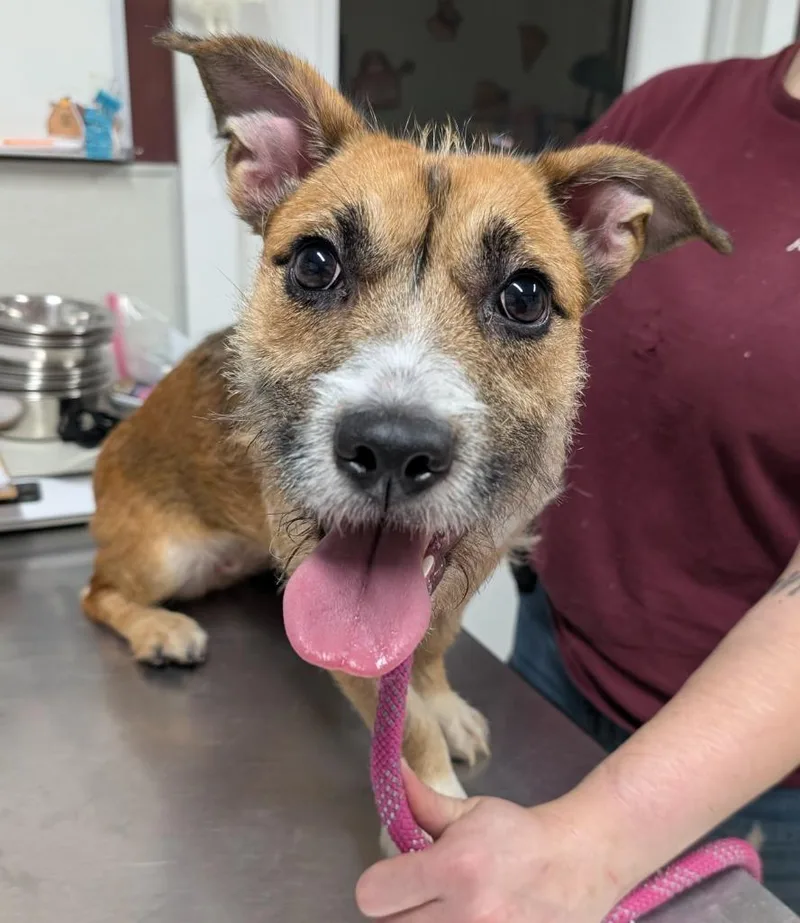
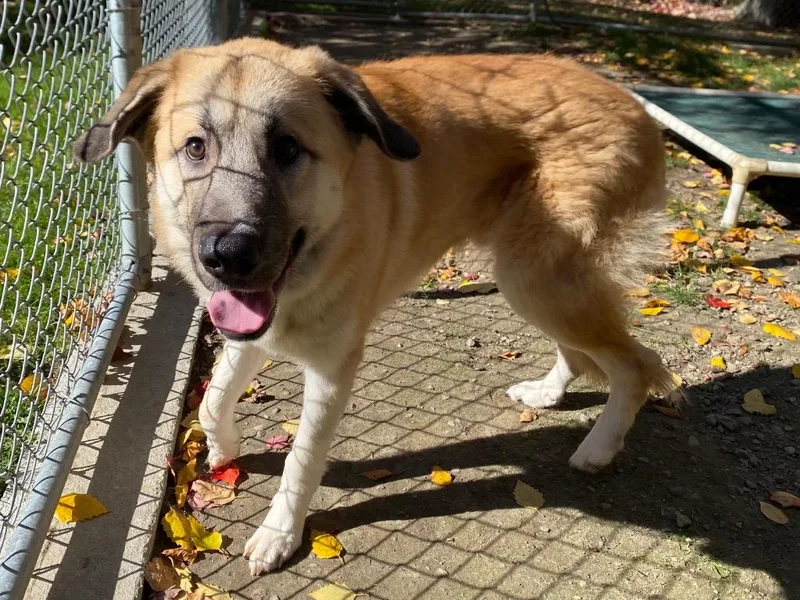
Labrador Retrievers Available for Adoption Near Fall River

About the Labrador Retriever breed

Labrador Retrievers trace back to the St. John's water dogs of Newfoundland, which British sportsmen refined into gun dogs for retrieving game from land and water. The thick otter tail, dense water-resistant double coat and webbed feet all come from that work. Labs come in black, yellow and chocolate, and field-bred dogs tend to be leaner and more driven than show-bred ones.

In Fall River, a water-loving breed has plenty to look at, from Mount Hope Bay to the Watuppa ponds, though not every shoreline is open to dogs. Labs are usually sociable and eager to please, and food motivates them strongly, so portion control matters. Expect moderate to heavy shedding, a bouncy adolescence that can last two or three years, and a dog that does best living indoors with its family.

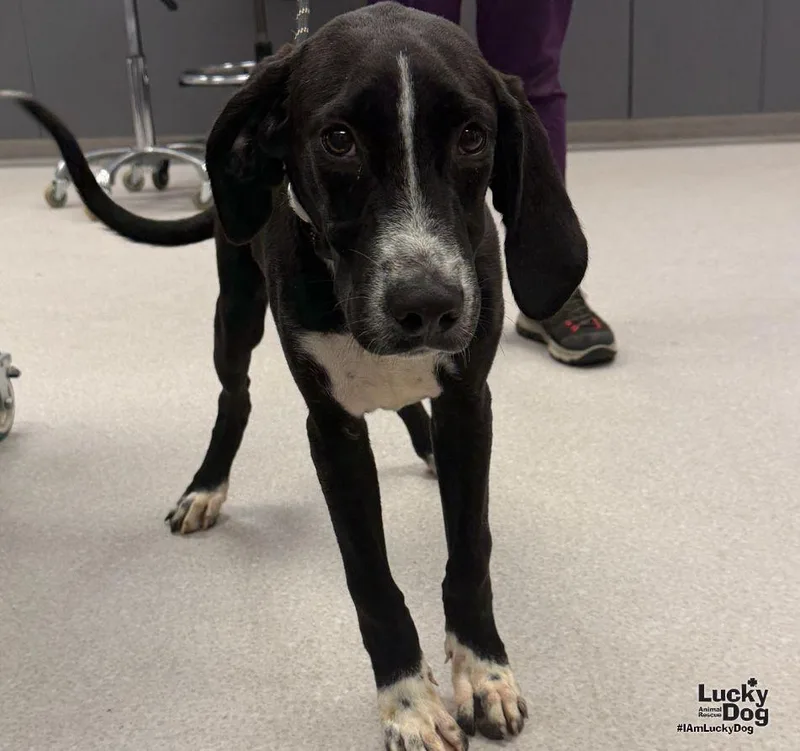
Weight
55–80 lbs
Height
21–25 in
Lifespan
10–14 yrs
Temperament
Friendly, Outgoing, Active
Group
Sporting
Shedding
Moderate to High

Owning a Labrador Retriever in Fall River

Having a Labrador Retriever in Fall River

Labs pair an easygoing, people-loving outlook with a body built for hours of retrieving. In Fall River, that means planning for daily exercise, steady weight management and plenty of shedding, whether you live in a triple-decker or a house with a yard.

Temperament

Most Labs are friendly with family, visitors and other dogs, which helps in a city of shared porches and close neighbors. Young Labs are often mouthy and bouncy, and they can knock over small children. Reward-based training works well because food motivates them. A dog's history and socialization matter more than breed reputation.

Exercise Needs

Plan on vigorous daily activity: brisk walks, fetch, or leashed outings on the paved Quequechan River Rail Trail once the dog is fully grown. Fall River's hills make even a neighborhood loop a workout. Add scent games and short training sessions for mental work. Field-bred dogs often need more, and seniors do better with gentler, regular movement.

Health Considerations

Labs can face hip and elbow dysplasia, cruciate ligament injuries, exercise-induced collapse and progressive retinal atrophy. Obesity is common and preventable, and it worsens joint disease. Ear infections and skin allergies also show up often. Keep rabies shots current, since coyotes are active in the city, and have a veterinarian check hips, ears and weight.

Living Space

A Lab can live in an upstairs apartment or a house if exercise happens reliably every day. In Fall River's triple-deckers, expect stairs several times a day and a big tail at coffee-table height. A fenced yard helps, but routine matters more than square footage. Labs do best living indoors with their people.

What it costs to own a Labrador Retriever in Fall River

ExpenseTypical costPer year
Food$55 to $110 per month$660 to $1,320
Pet insurance$65 to $130 per month$780 to $1,560
Routine vet care$250 to $500 per year$250 to $500
Other*$590 to $1,490 per year$590 to $1,490
Estimated yearly total (after year one)$2,280 to $4,870

Other costs are estimates and vary with size, age and health.

* Flea, tick and heartworm prevention, a dental cleaning allowance, the Fall River dog license, toys and bedding, and brushing and baths for heavy seasonal shedding.

Adopt a Labrador Retriever in Fall River.

Now that you know more, let’s find you a new best friend. These rescues and shelters below currently have Labrador Retrievers available.

Rescues in Fall River with Labrador Retrievers Available

Fall River's rescue community includes private no-kill nonprofits, and the dogs they list for adoption appear here. Here are the rescues & shelters in the Fall River area where you can find Labrador Retrievers and other dogs available for adoption.

Frequently Asked Questions

Yes, a Labrador Retriever can live in an apartment in Fall River if daily exercise is reliable. Many rentals are upstairs units in triple-deckers, so expect stairs several times a day and neighbors who may hear barking or thumping through the floor. Brisk walks, fetch and puzzle games keep a Lab calmer indoors, and early crate training helps.

Yes, Labs generally handle Fall River winters well. Their dense, water-resistant double coat copes with lows near 23°F, and snow is mostly a December-to-March issue. The main hazards are icy hills and road salt, so wipe paws after walks, use a secure harness and keep outdoor time short in freezing wind. Never leave a dog outside in dangerous cold.

Jose Silva Park on North Quarry Street is the city's dog park, about two acres. For leashed walks, try Ruggles Park and North Park, both Olmsted-designed, the grounds of Heritage State Park on the waterfront, or the Freetown–Fall River State Forest. Keep your Lab leashed, and expect to wear blaze orange on woodland trails in hunting season.

Sometimes. MBTA Commuter Rail's Fall River Depot allows small pets in carriers anytime, but a Lab won't fit one. Leashed larger dogs can ride off-peak, not weekdays 7–9 a.m. or 4–7 p.m., at staff discretion. SRTA's published rider rules mention only service and support animals, so don't assume a Lab can board its local buses.

Yes. Massachusetts bars cities from regulating dogs by breed, so Labs face no special restrictions in Fall River. You'll need a dog license and current rabies vaccination, and a leash can be no longer than six feet. Keeping more than four dogs requires a kennel license. If you live near the Tiverton line, remember Rhode Island has different laws.

A Lab needs more brushing than trimming. Weekly brushing handles most of the year, but daily sessions help during the heavy spring and fall sheds, when the double coat turns over. A bath every month or two is plenty, with ears checked regularly. Grooming is a modest part of the yearly Other costs of roughly $590 to $1,490.

Possibly outdoors, but don't count on it. Massachusetts follows a food code that generally bars animals from food establishments other than service animals, so patio access depends on each restaurant and local health rules. A Lab that settles calmly under a table, plus a long walk beforehand, makes any outing easier. Heritage State Park's grounds are a leashed outdoor alternative.

A Lab fits Fall River if you can walk daily, handle stairs and accept shedding. The hills, the rail trail and nearby parks reward active owners, and Labs usually enjoy neighbors and visitors. Households away all day, or wanting a quiet, low-shedding dog, may find it harder. An adult Lab can be easier than a bouncy adolescent.

We have 1 rescue with Labrador Retrievers available: Forever Paws Animal Shelter. You can see every rescue with Labrador Retrievers available in the list above these questions, or scroll to the top to see the Labrador Retrievers near Fall River.

Expect roughly $2,280 to $4,870 a year for a Lab in Fall River. That covers food at $55 to $110 a month, insurance at $65 to $130 a month, routine vet care at $250 to $500 a year, and other costs at $590 to $1,490 a year. Emergencies and illness are extra.