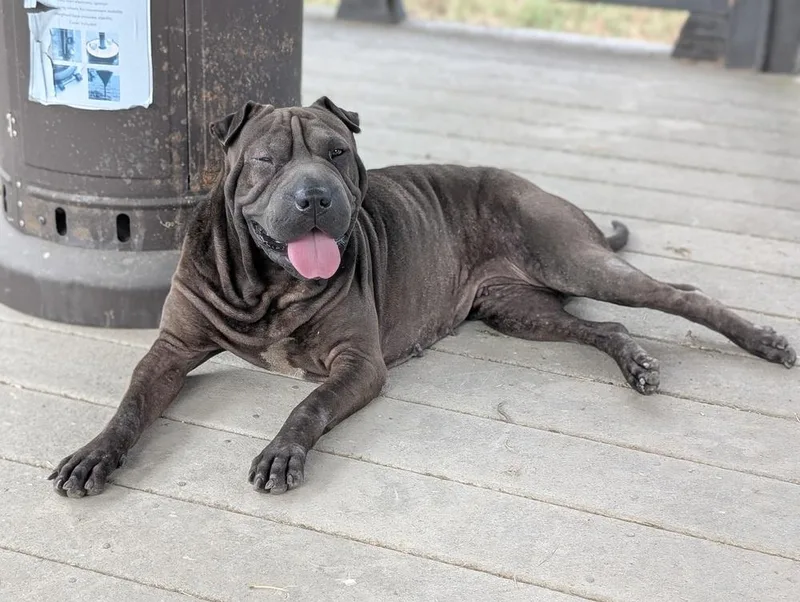
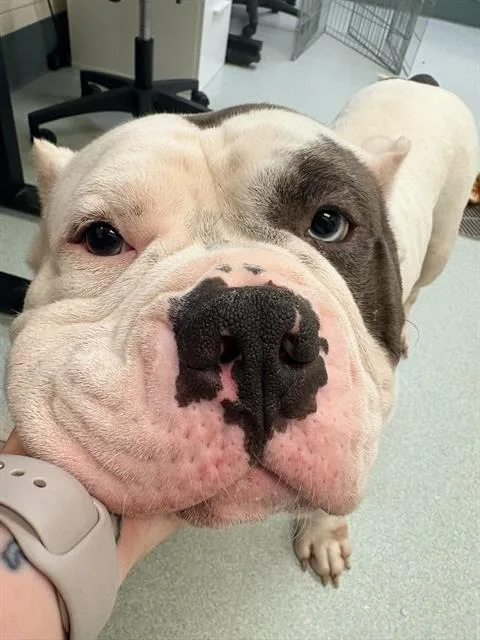
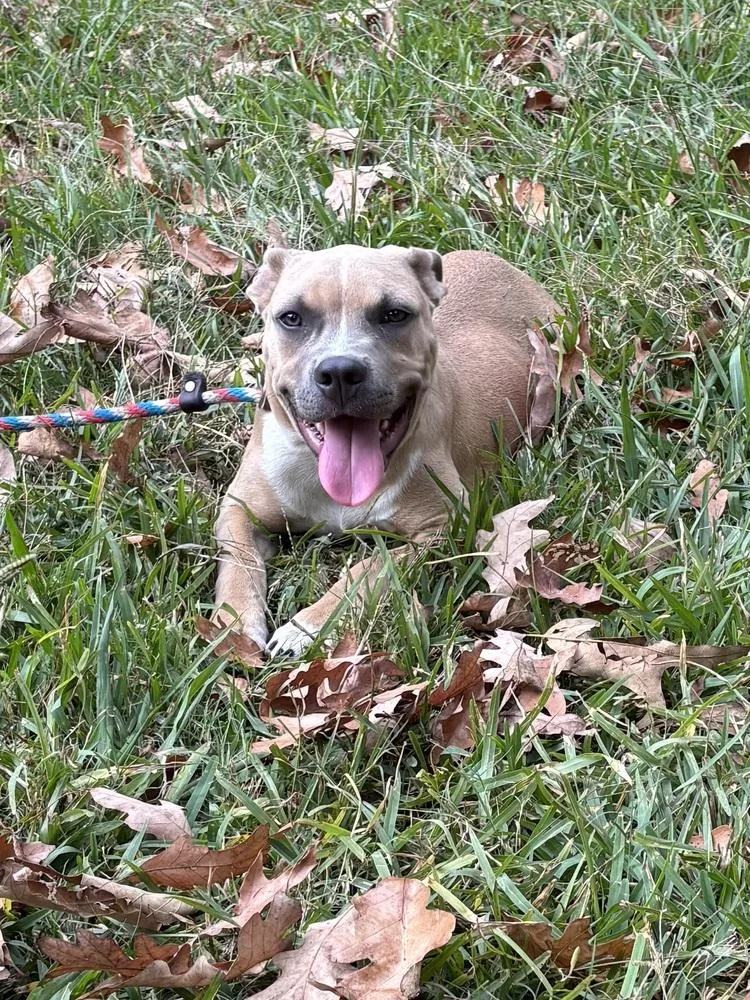
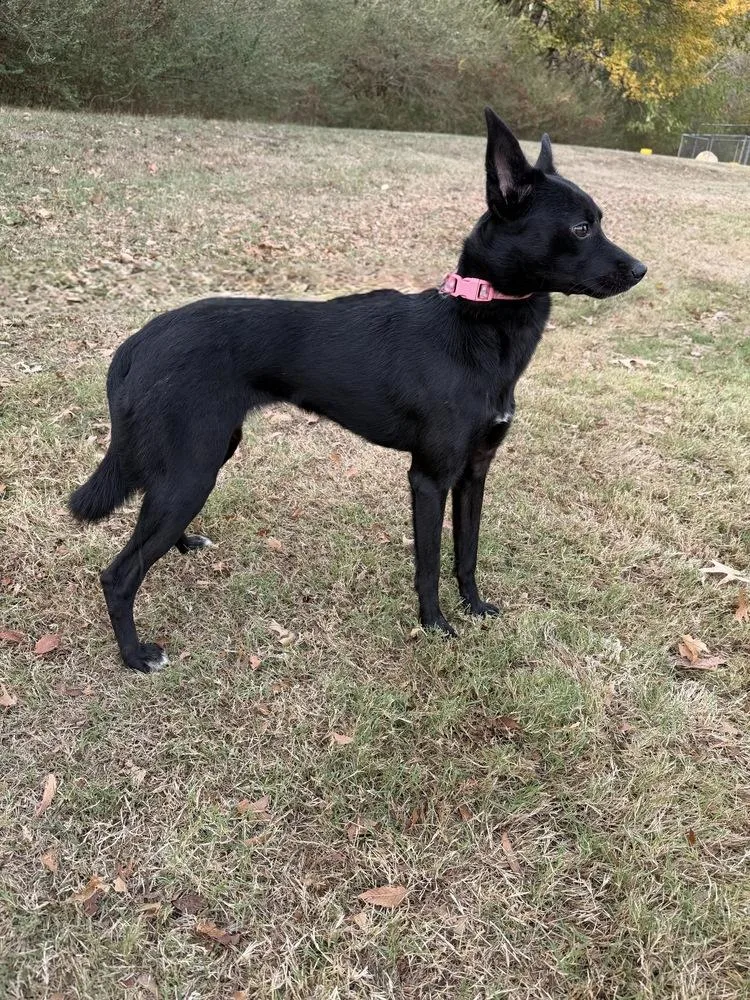
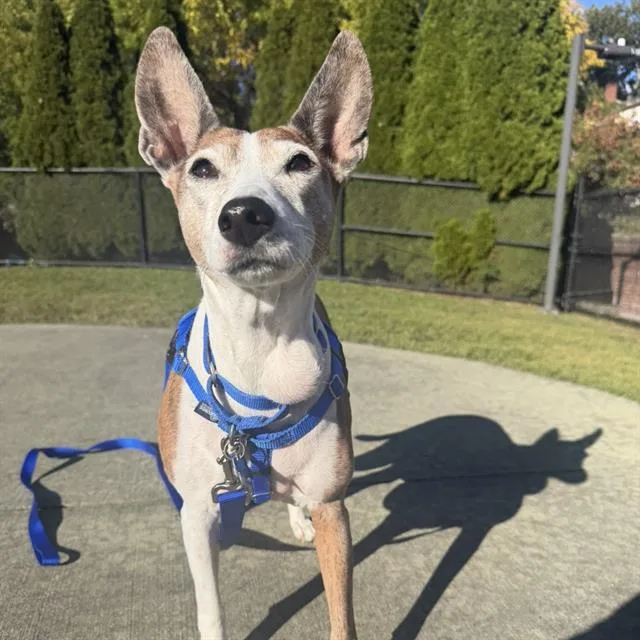
Siberian Husky Dogs for Adoption in Boston, MA

Your guide to finding and caring for a Siberian Husky in Boston

A Siberian Husky in Boston does best with long daily miles, and Hyde Park and West Roxbury put Stony Brook Reservation's 10 miles of paths close by. Huskies are built for the cold, so snowy January walks are a pleasure rather than a chore. The harder part is fences and leashes: most Huskies can't be trusted off leash, and Boston requires a leash off your property anyway. If you live in a triple-decker in Dorchester or Mattapan, plan on a harness and a fixed routine.

2477 Siberian Huskies available in Boston and nationwide

Open your home to a Siberian Husky

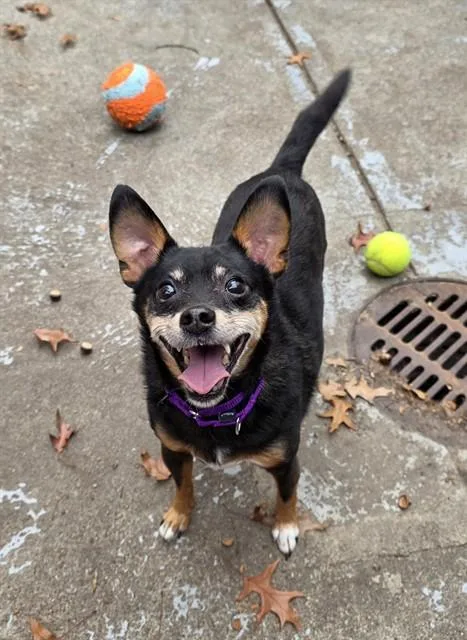
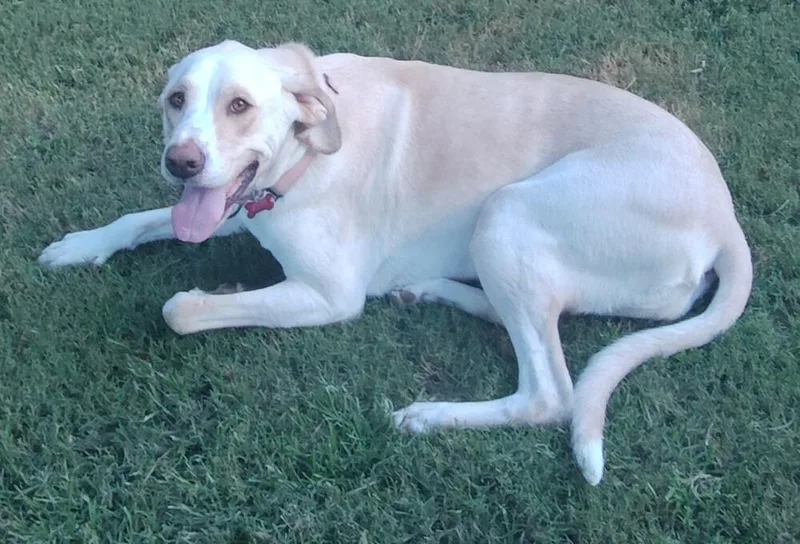
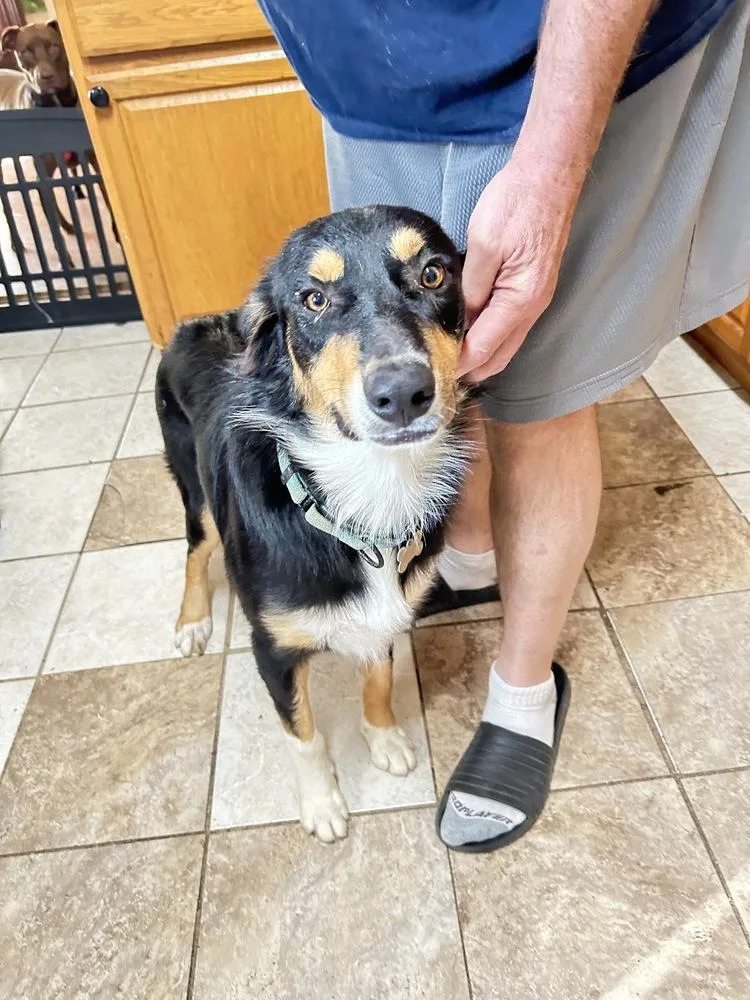
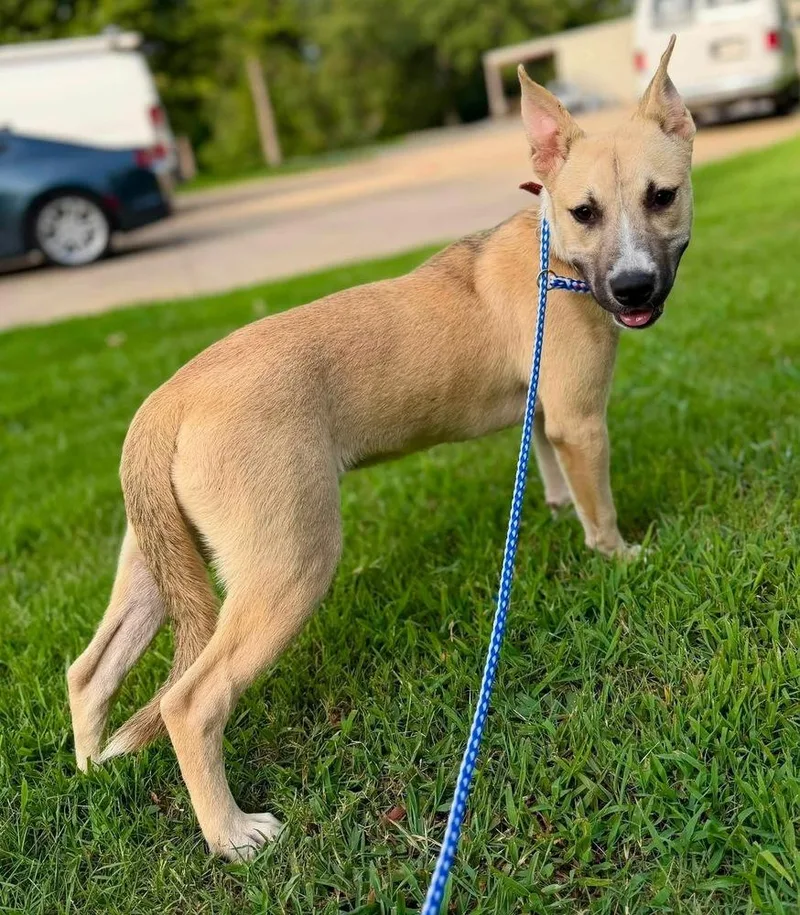
Siberian Huskies Available for Adoption Near Boston

About the Siberian Husky breed

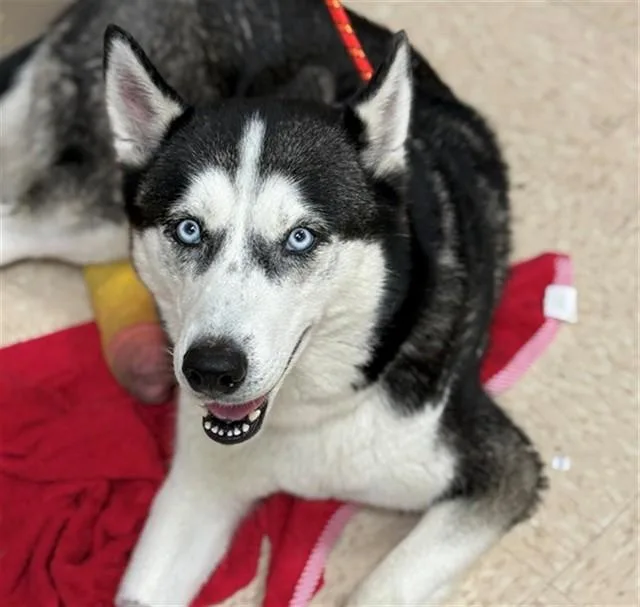
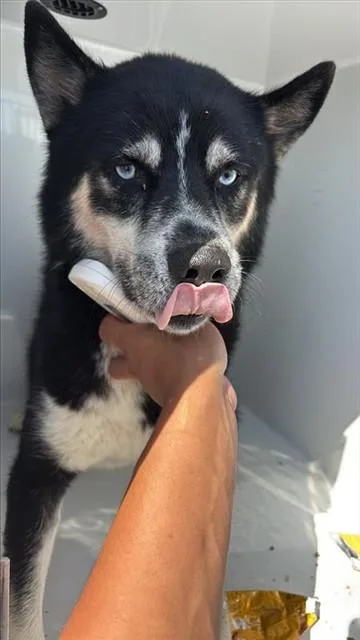
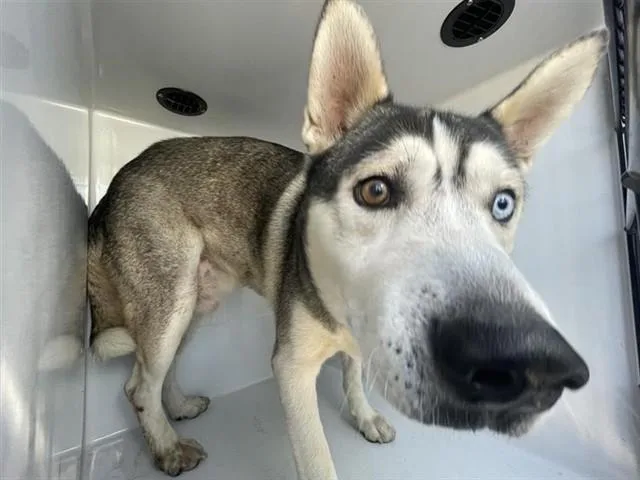
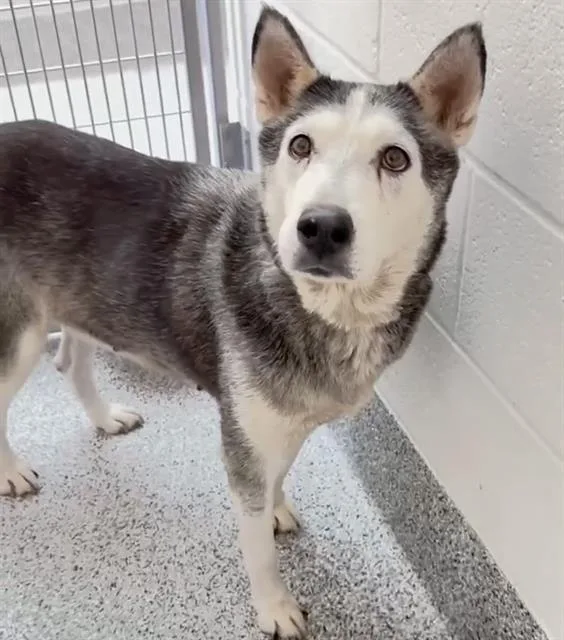
Siberian Huskies are medium-sized sled dogs developed by the Chukchi people of northeastern Siberia to pull light loads over long distances in a team. They became famous through the 1925 serum run to Nome. Erect ears, a brush tail, a thick double coat and eyes that may be brown, blue or one of each give them a wolf-like look, though they are domestic dogs.

That heritage shows up in everyday life. Many Huskies are friendly with nearly everyone, so they make sociable neighbors but poor watchdogs. They tend to howl, dig and test fences, and a strong prey drive can put cats and small pets at risk. Expect two heavy sheds a year, with plenty of brushing and loose fur around the home. Huskies vary, so spend time with a particular dog before deciding.

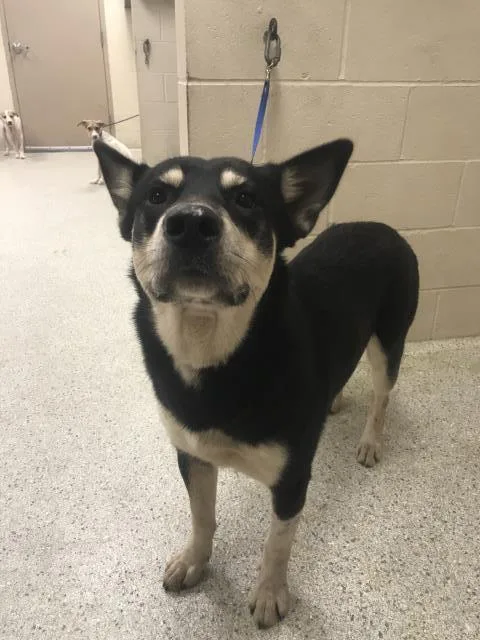
Weight
35–60 lbs
Height
20–24 in
Lifespan
11–14 yrs
Temperament
Friendly, Energetic, Independent
Group
Working
Shedding
High

Owning a Siberian Husky in Boston

Having a Siberian Husky in Boston

Huskies pair sled-dog stamina with a free-thinking streak. Their need to run, talent for escaping and heavy coat blowouts matter as much as their looks, and Boston's cold winters suit the coat better than its humid summer heat waves do.

Temperament

Many Huskies are outgoing, gentle and playful, and they often greet strangers as friends, which suits busy Boston sidewalks and apartment lobbies. They usually enjoy other dogs, but prey drive can be a concern around cats and small pets. Their independent streak can look like stubbornness, so patient, consistent training helps. Each Husky is different.

Exercise Needs

Plan on vigorous daily exercise such as long walks, jogging, hiking or canicross. Few Huskies have reliable recall, so fenced dog spaces are the safest place for off-leash play in Boston, and a leash of 8 feet or less works everywhere else. Puzzle toys and training add mental work, and summer runs belong in cool hours.

Health Considerations

Huskies are generally robust, but juvenile cataracts, corneal dystrophy and progressive retinal atrophy occur in the breed, and some develop a zinc-responsive skin condition. Hip problems are uncommon. The thick coat raises heatstroke risk, which matters during Boston's humid heat waves. A veterinarian can check eyes, skin and hips at a first visit and regular checkups.

Living Space

A Husky can live in a Boston apartment if exercise happens every day, though a triple-decker near a big park is easier than a unit far from green space. Yards need tall, buried or reinforced fencing, since many Huskies dig or climb. They do best indoors with company, and air conditioning makes summer safer.

What it costs to own a Siberian Husky in Boston

ExpenseTypical costPer year
Food$35 to $70 per month$420 to $840
Pet insurance$45 to $85 per month$540 to $1,020
Routine vet care$225 to $450 per year$225 to $450
Other*$540 to $1,380 per year$540 to $1,380
Estimated yearly total (after year one)$1,725 to $3,690

Other costs are estimates and vary with size, age and health.

* The $15 to $30 Boston dog license, flea, tick and heartworm prevention, a dental cleaning allowance, toys and bedding, and brushing tools and baths for twice-yearly coat blowouts.

Adopt a Siberian Husky in Boston.

Now that you know more, let’s find you a new best friend. These rescues and shelters below currently have Siberian Huskies available.

Rescues in Boston with Siberian Huskies Available

Boston's adoption community includes a city-run shelter and private nonprofits, and the ones listed here share their adoptable dogs on this page. Here are the rescues & shelters in the Boston area where you can find Siberian Huskies and other dogs available for adoption.

Frequently Asked Questions

Yes, you can own a Siberian Husky in Boston. Massachusetts law bars cities from regulating dogs by breed, so Huskies face no breed ban or special rules. Like any dog over six months, a Husky needs a rabies vaccination and a yearly Boston license by March 31, and must be leashed off your property. Tethering is capped at five hours in 24.

Yes, if the daily exercise is guaranteed. Huskies can manage in Boston apartments and triple-deckers when they get long walks or runs, company and mental work. Bored Huskies howl, which neighbors hear through shared walls, and many dig or chew. Read the lease for size limits and pet rent, and favor a unit near a large park.

Yes, Boston's cold suits a Husky's double coat, and snow days are often a highlight. The risks are subtler: wipe paws and coat after walks to remove toxic road salt, watch for ice on sidewalks, and keep the dog inside. State law bars leaving a dog outdoors during weather advisories or extreme cold, and coyotes stay active in winter.

Stony Brook Reservation in Hyde Park and West Roxbury has over 400 acres and about 10 miles of paths, and the Arnold Arboretum and Franklin Park offer big leashed walks. For safe off-leash play, try the fenced spaces at Peters Park, Smith Playground and Flaherty Playground. Use a leash of 8 feet or less elsewhere, and skip Castle Island's beaches from May 1 to September 15.

Yes, with limits. The MBTA allows larger dogs on the subway only off-peak, so not weekdays 7–9 a.m. or 4–7 p.m., and they must stay leashed and off the seats. A 35–60 pound Husky won't fit a carrier, so plan trips around those hours. Avoid holidays and big events, since staff can restrict pets when trains are crowded.

Sometimes, on patios only. Boston restaurants can get a City variance to welcome dogs outdoors, so look for dog friendly signs, since not every patio allows them. Dogs must stay leashed, off tables and chairs, and out of the interior, and they're served water only. Your Husky needs a current license and rabies vaccine, and a calm dog that settles under the table is easiest.

Expect weekly brushing most of the year and daily brushing during the two heavy sheds, when the undercoat comes out in clumps. Never shave a Husky, since the double coat helps regulate temperature in Boston's cold winters and humid summers. Baths are only occasionally needed, and a professional blowout visit or two fits within the breed's $540–$1,380 yearly Other costs.

Often yes, for active people who are home a lot. A Husky matches Boston's walkable neighborhoods, cold winters and big parks, but it needs a secure fence or leash, company and daily miles. It's a poorer match for someone working long days away or wanting an off-leash companion, since most Huskies roam. Age and energy level vary from dog to dog.

We have 1 rescue with Siberian Huskies available: MSPCA Boston Animal Care and Adoption Center. You can see every rescue with Siberian Huskies available in the list above these questions, or scroll to the top to see the Siberian Huskies near Boston.

Budget roughly $35–$70 a month for food, $45–$85 for insurance, $225–$450 a year for routine vet care, and $540–$1,380 a year for other costs such as prevention, dental care, supplies and coat care. That works out to about $1,725–$3,690 a year, before emergencies or one-time costs.