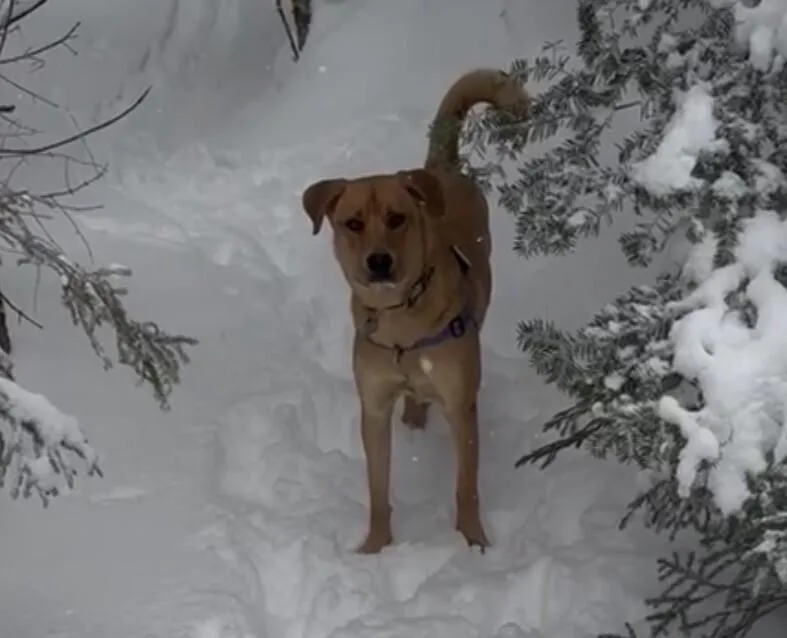
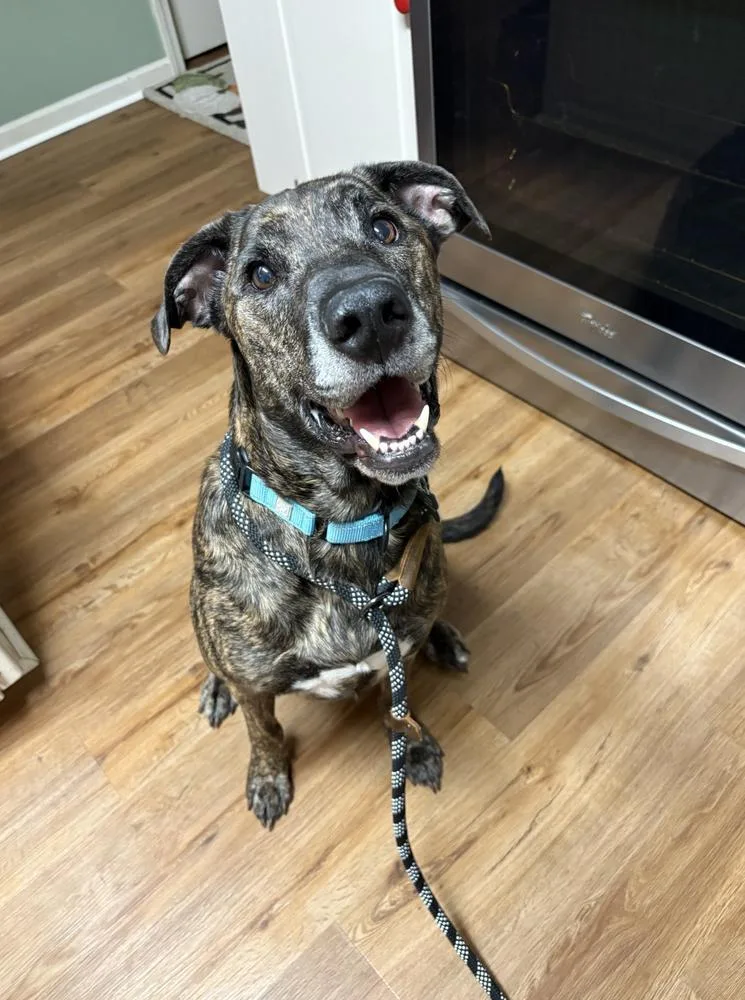
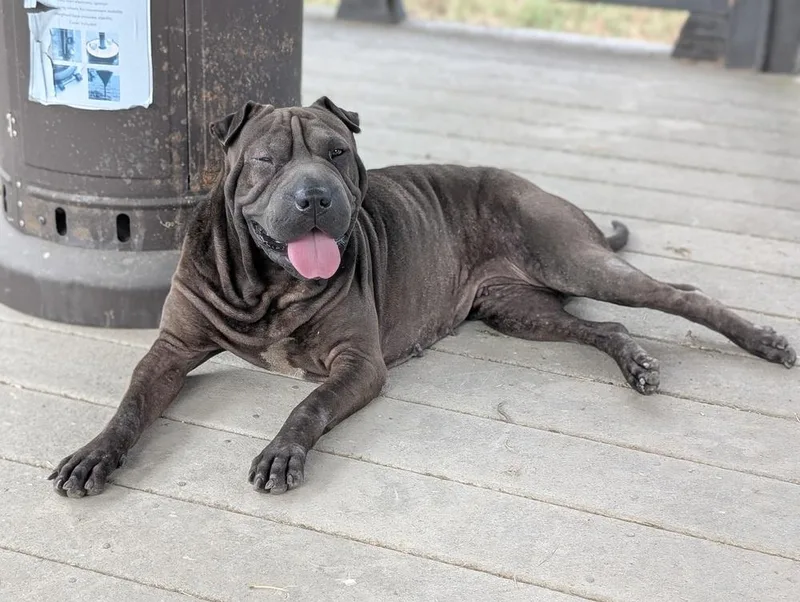
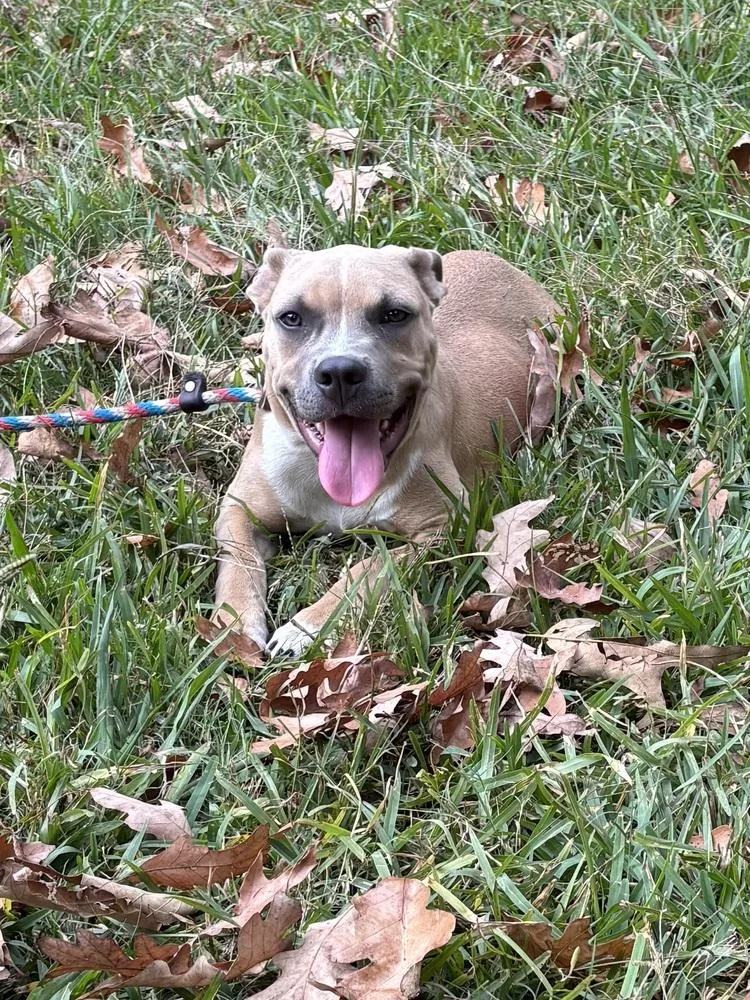
Rhodesian Ridgeback Dogs for Adoption in Boston, MA

Your guide to finding and caring for a Rhodesian Ridgeback in Boston

A Rhodesian Ridgeback fits best in a Boston neighborhood with fenced yards and room to run, like West Roxbury or Hyde Park. These big, athletic dogs need a real run every day, and Stony Brook Reservation's 400-plus acres of paths are a good place for leashed outings. Ridgebacks are reserved with strangers, so a quiet residential street suits them better than a packed sidewalk. If you live in a Dorchester triple-decker instead, plan on long daily walks.

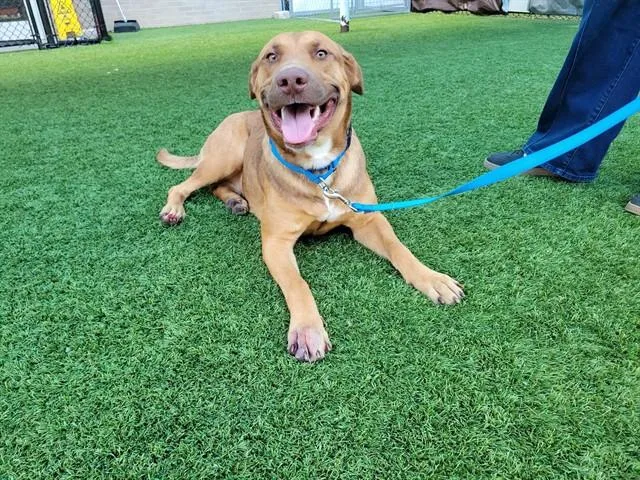
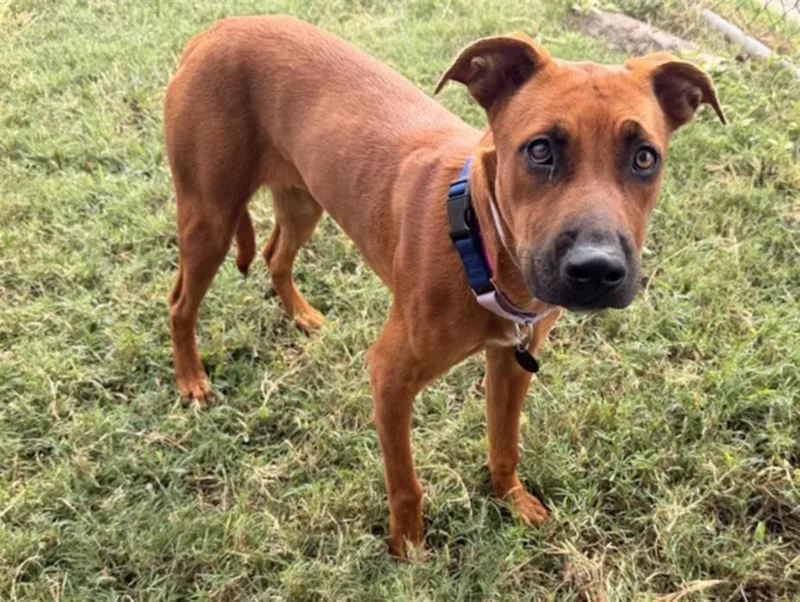
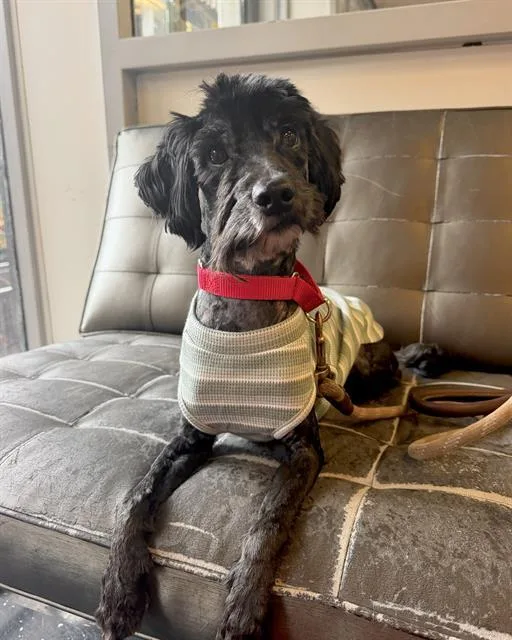
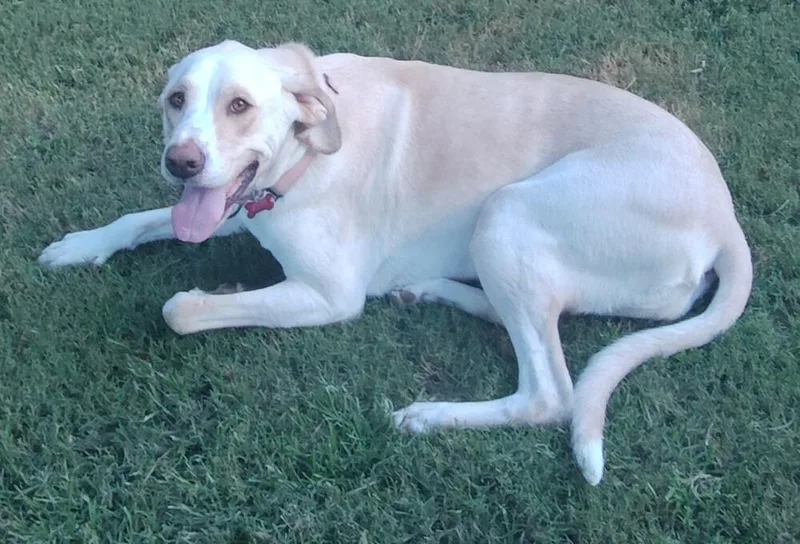
375 Rhodesian Ridgebacks available in Boston and nationwide

Say hello to your Rhodesian Ridgeback

While we don't have enough dogs near Boston, keep in mind that many rescues may offer transport.

Rhodesian Ridgebacks Available for Adoption Near Boston

About the Rhodesian Ridgeback breed

The Rhodesian Ridgeback comes from southern Africa, where the ridged dogs of the Khoikhoi people were crossed with European breeds brought by settlers. Farmers valued them for guarding homesteads and for tracking lions and holding them at bay without closing in. The breed standard was written in 1922 in what is now Zimbabwe, and the AKC recognized the Ridgeback in 1955.

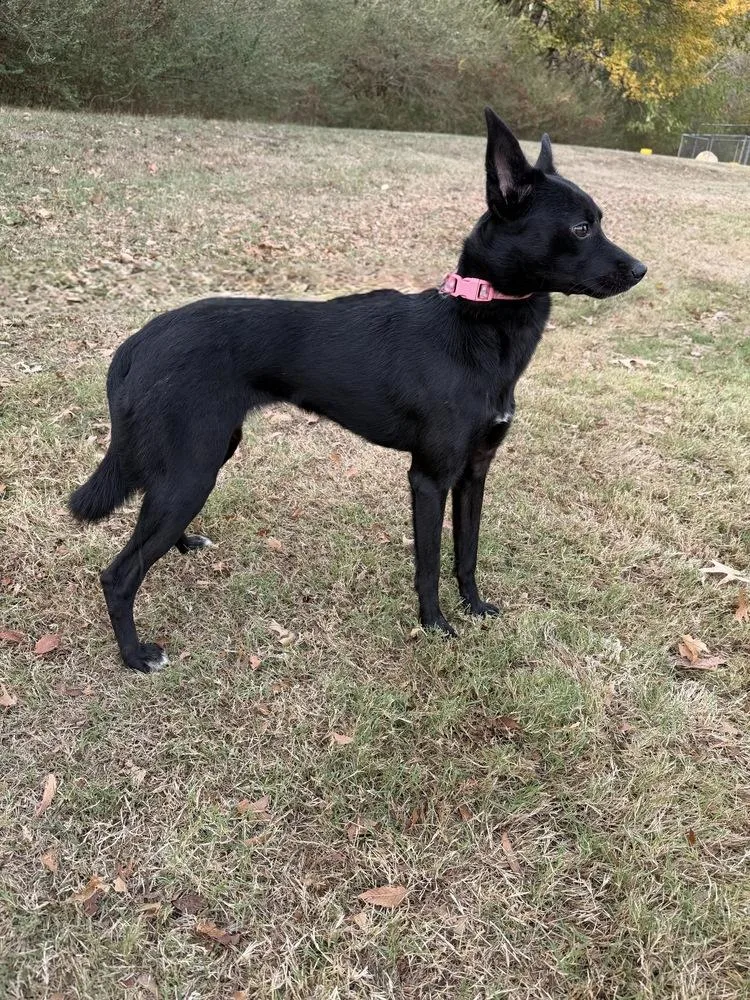
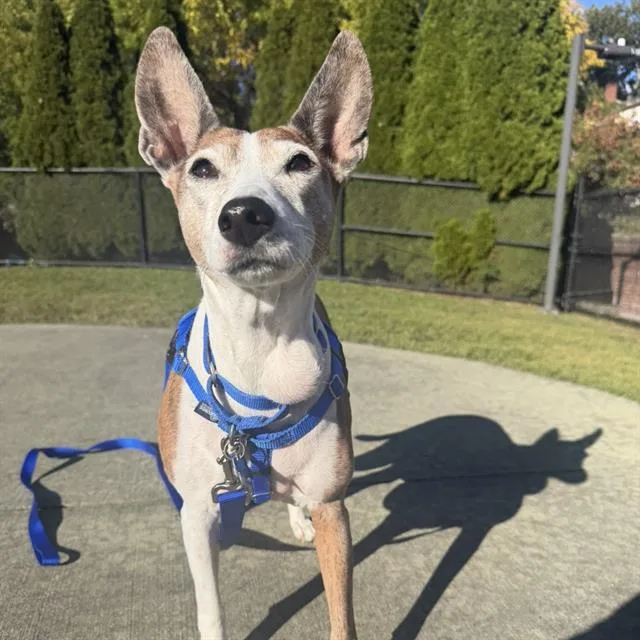
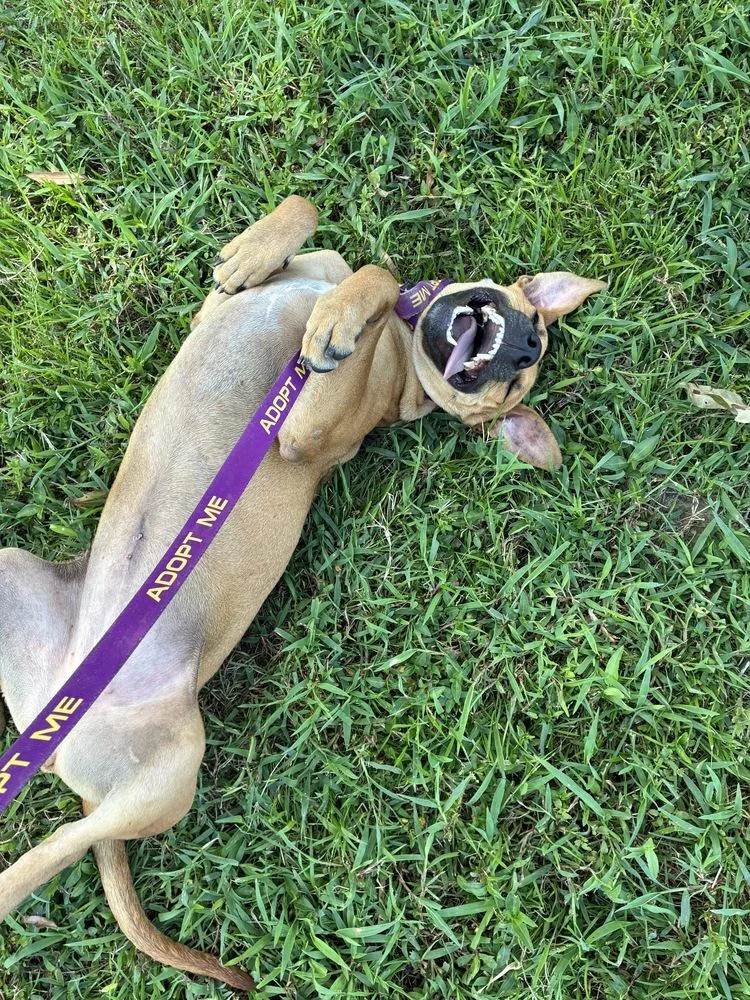
Ridgebacks are muscular, short-coated dogs in light to red wheaten, with a stripe of reverse-growing hair along the spine. Many are devoted to family, reserved with strangers, quiet and independent, with a sensitive streak that responds poorly to harsh training. In Boston, that means committing to vigorous daily exercise, secure fencing and plenty of indoor time with their people, plus a leash almost everywhere you go.


Weight
65–90 lbs
Height
24–27 in
Lifespan
10–12 yrs
Temperament
Loyal, Dignified, Independent
Group
Hound
Shedding
Low to Moderate

Owning a Rhodesian Ridgeback in Boston

Having a Rhodesian Ridgeback in Boston

Ridgebacks pair athletic stamina with a strong prey drive and a self-assured, reserved nature. In Boston, those traits show up in how a Ridgeback handles crowded sidewalks, leash-only parks, winter weather and shared buildings.

Temperament

Ridgebacks tend to be affectionate and gentle with family and aloof with strangers, which helps on busy Boston sidewalks and in shared stairwells. Many bark sparingly, though they can be independent and sensitive to harsh corrections. Some are choosy with other dogs, and squirrels or small pets may trigger chasing. Each dog's history and personality vary.

Exercise Needs

Plan on an hour or more of vigorous activity daily: brisk walks, jogging or running in a secure space. Boston's fenced dog parks and the Common's off-leash lawn can help, but a Ridgeback's chase instinct means a leash everywhere else, as the city requires. Training games and scent work add mental exercise.

Health Considerations

Ridgebacks can be born with dermoid sinus, a skin defect tied to the same gene that creates the ridge. Hip and elbow dysplasia, hypothyroidism, degenerative myelopathy and bloat also occur. Keep the dog lean, learn bloat warning signs from a veterinarian, and book a wellness exam soon after adoption so a vet can check the skin along the spine.

Living Space

Boston's mix of triple-deckers, row houses and high-rises can work for a Ridgeback with a committed owner, since routine matters more than square footage. A single-family home with a tall fence, as in parts of West Roxbury, suits most. Expect a counter-surfer that wants to live indoors with its people.

What it costs to own a Rhodesian Ridgeback in Boston

ExpenseTypical costPer year
Adoption fee$475, one time$475 in year one
Food$55 to $110 per month$660 to $1,320
Pet insurance$65 to $130 per month$780 to $1,560
Routine vet care$250 to $500 per year$250 to $500
Other*$490 to $1,290 per year$490 to $1,290
Estimated yearly total (after year one)$2,180 to $4,670
First-year total (with adoption fee)$2,655 to $5,145

Adoption fee is the fee on Rhodesian Ridgeback listings in Boston on GetBuddy today. Other costs are estimates and vary with size, age and health.

* The Boston dog license ($15 spayed or neutered, $30 intact), flea, tick and heartworm prevention, a dental cleaning allowance, durable toys and bedding, and simple home grooming for the short coat.

Adopt a Rhodesian Ridgeback in Boston.

Now that you know more, let’s find you a new best friend. These rescues and shelters below currently have Rhodesian Ridgebacks available.

Rescues in Boston with Rhodesian Ridgebacks Available

Boston's city shelter and nonprofit rescues list adoptable dogs here, and listings change often, so new dogs appear regularly. Here are the rescues & shelters in the Boston area where you can find Rhodesian Ridgebacks and other dogs available for adoption.

Frequently Asked Questions

Yes, with limits. The MBTA allows dogs too large for a carrier only off-peak, so not weekdays 7–9 a.m. or 4–7 p.m., and they must stay on a leash. A 65–90 pound Ridgeback can't ride on a seat, and staff may restrict pets when trains are crowded or a dog seems unsettled. Skip holidays and big events.

Yes, with some prep. Boston winters bring about 90 freezing nights and roughly 49 inches of snow, and a Ridgeback's short coat gives little insulation. Use a fitted coat for walks, keep the dog indoors, and wipe paws after every outing to remove road salt. Shorten outings on bitter days, and watch for icy sidewalks.

Boston Common has an off-leash lawn program open 6 a.m. to 11 p.m., but dogs need a license and ID tag, and a Ridgeback's chase instinct calls for reliable recall. For long leashed outings, try Stony Brook Reservation in Hyde Park and West Roxbury, with about 10 miles of paths, or the Arnold Arboretum, where leashes are required.

Yes. Massachusetts law bars cities from regulating dogs by breed, so Boston has no Ridgeback-specific ban or restriction. You'll need a yearly license for dogs over six months and a current rabies vaccine. A landlord or condo association can still set its own pet rules, so read the policy before you commit.

It can, if the dog gets enough exercise. Ridgebacks are fairly quiet indoors, but they need daily vigorous activity and company. About 64% of Boston households rent, so many Ridgeback owners lease; check the lease for any size or breed limits. Ground-floor units or ones near a park ease routines, and a bored Ridgeback may chew.

It can be, for active people who are home often. Ridgebacks need vigorous exercise, patient training and leash discipline, which suits Boston's walkable neighborhoods and green spaces. Winter takes planning, with a coat and paw care. Long workdays away are harder, since Ridgebacks want to be indoors with their people.

Possibly, on a patio only. Boston restaurants can get a City variance to welcome dogs outdoors, so look for dog-friendly signs. Dogs must stay leashed, off tables and chairs, and outside, and they need a current license and rabies vaccination. Bring a water bowl, and make sure your reserved Ridgeback can lie quietly near strangers first.

Very little. The short, sleek coat needs a weekly brushing with a rubber curry or hound glove, a bit more during moderate shedding, and a bath only when dirty. In Boston, the main extras are wiping paws after salted winter sidewalks and checking for ticks after trail days. Most owners groom at home, which keeps costs low.

We have 1 rescue with Rhodesian Ridgebacks available: Last Hope K9 Rescue. You can see every rescue with Rhodesian Ridgebacks available in the list above these questions, or scroll to the top to see the Rhodesian Ridgebacks near Boston.

Expect roughly $2,200 to $4,700 a year for a Ridgeback in Boston. Food runs $55–$110 a month and pet insurance $65–$130 a month. Routine vet care costs $250–$500 a year, and other yearly costs such as the license, parasite prevention and dental care add $490–$1,290.