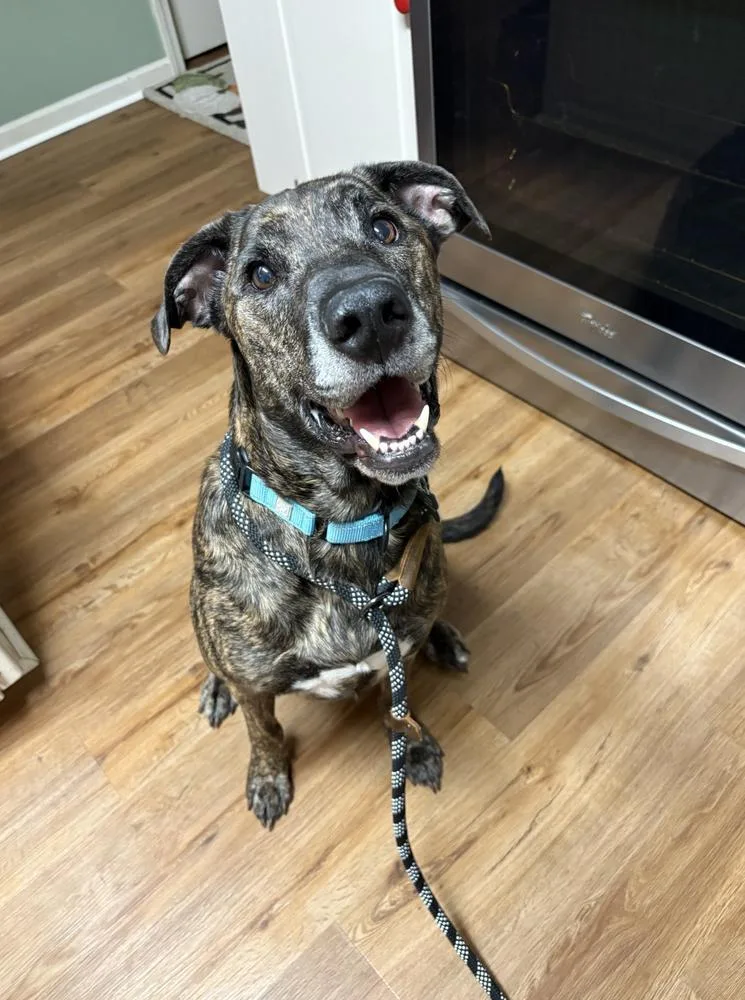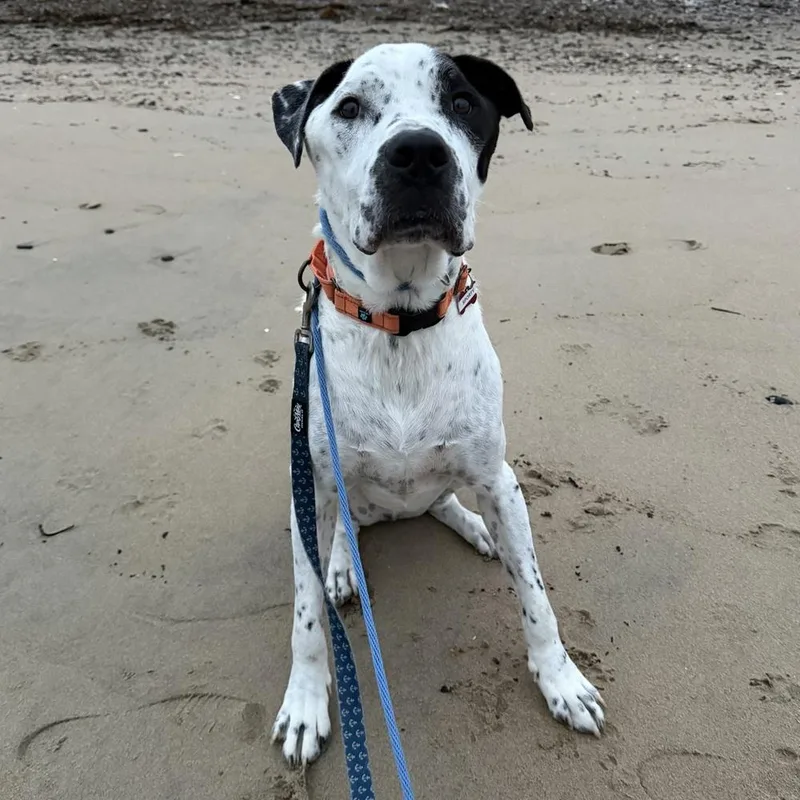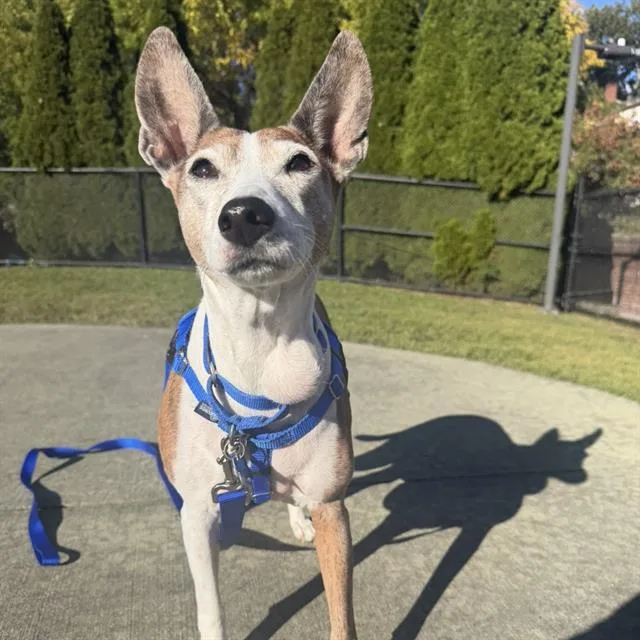


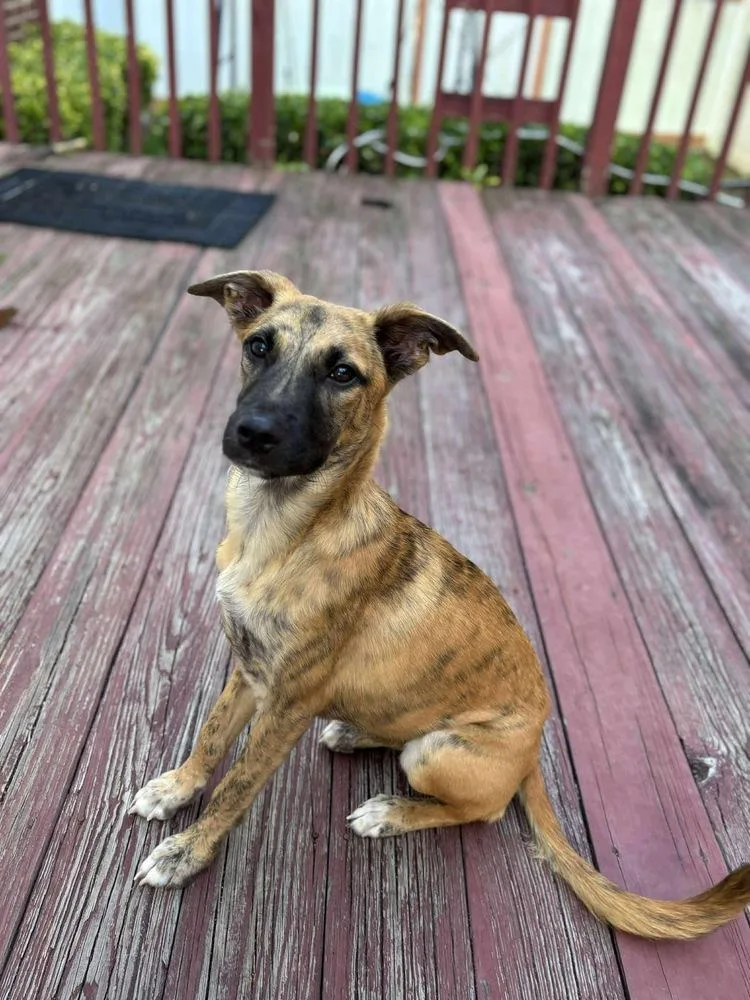

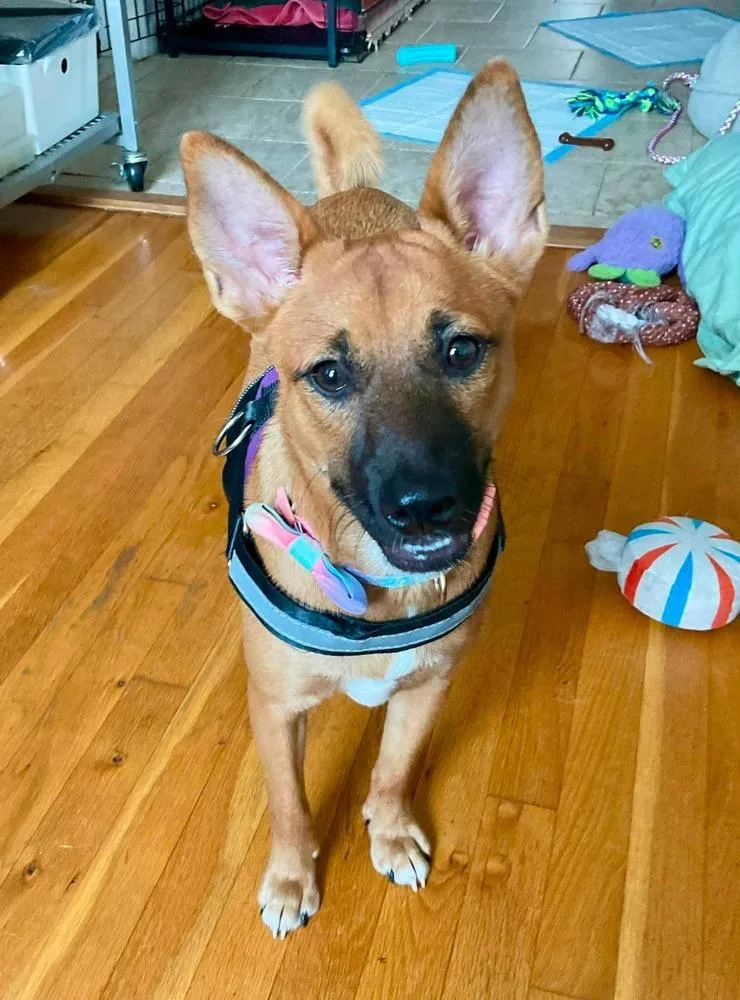


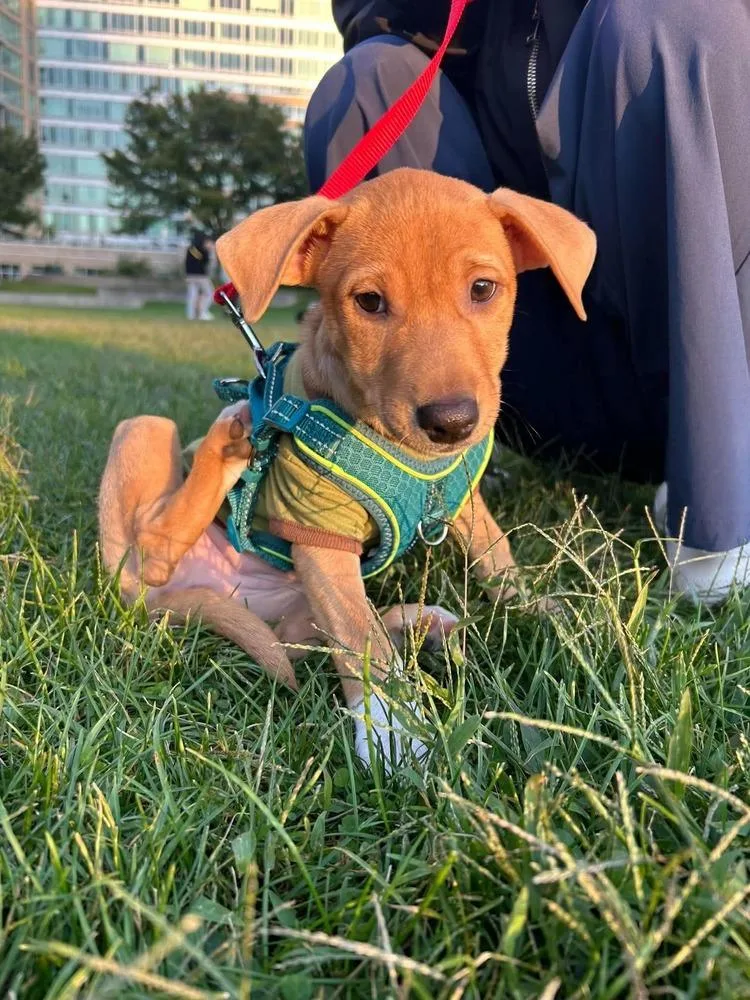
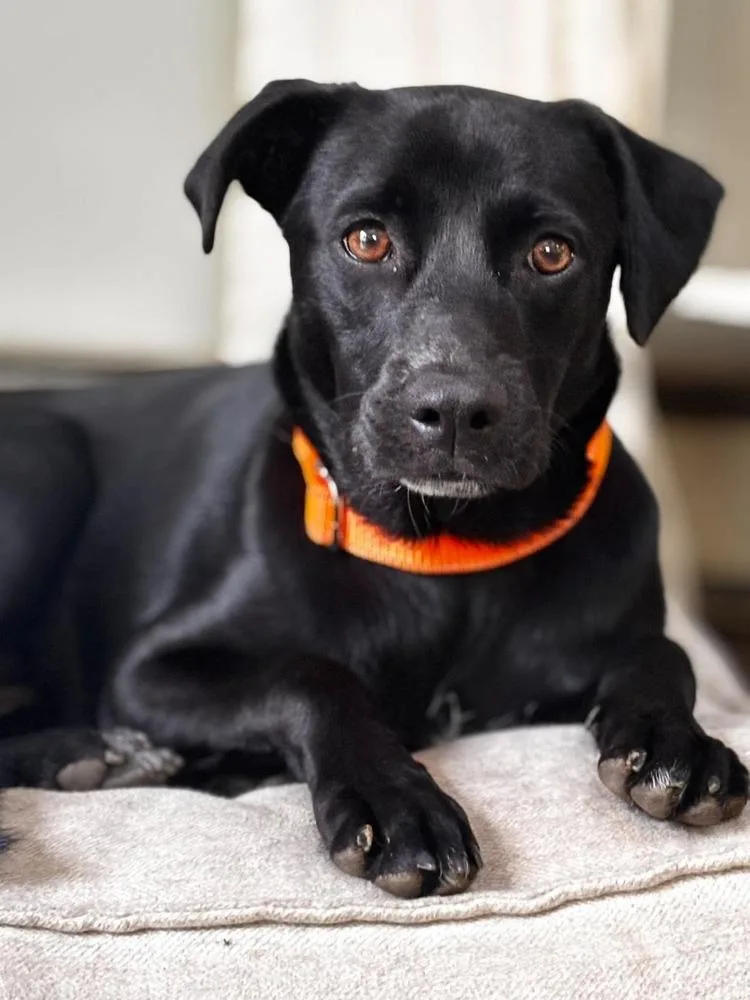
Retriever Dogs for Adoption in Boston, MA

Your guide to finding and caring for a Retriever in Boston

A Retriever-type dog suits Boston best when you like being outdoors every day. In Jamaica Plain that might mean a leashed morning walk through the Arnold Arboretum, and in West Roxbury a yard plus the trails of Stony Brook Reservation. Most are Lab or Golden mixes that love fetch, so a Dorchester triple-decker works if the stairs and a daily game are part of your routine. They're sociable, which helps on busy sidewalks, but keep a lint roller by the door.

882 Retrievers available in Boston and nationwide

Bring home a Retriever mix

Retrievers Available for Adoption Near Boston

About the Retriever breed

Retriever is a label for sporting dogs developed to find shot birds and carry them back gently. On adoption listings it usually means a Labrador or Golden Retriever mix, or a dog with that look whose ancestry is unknown. Labs and Goldens are among Boston's most-licensed breeds, so retriever-type dogs are a familiar sight on the city's paths and sidewalks.

Most weigh 50 to 80 pounds and have a water-resistant double coat that sheds a good deal. Many are food-motivated, eager to work with people and happiest with something in their mouths. Expect a long, bouncy adolescence and a need for daily exercise and training. Because ancestry varies, how a dog behaves in person tells you more than the label does.

Weight
50–80 lbs
Height
20–25 in
Lifespan
10–14 yrs
Temperament
Friendly, Outgoing, Active
Group
Sporting
Shedding
Moderate to High

Owning a Retriever in Boston

Having a Retriever in Boston

Retriever covers many mixes, so these cards describe common tendencies rather than guarantees. In Boston, the themes that matter most are daily leashed exercise, winter salt and snow, and fitting a sociable, shedding dog into a city of renters.

Temperament

Retriever-type dogs are usually friendly with family, guests and other dogs, which suits Boston's crowded sidewalks and shared stairwells. Young dogs can be mouthy, jumpy and prone to chewing, and their enthusiasm can overwhelm small children. Reward-based training tends to work well because most love food and praise. Each dog's personality varies.

Exercise Needs

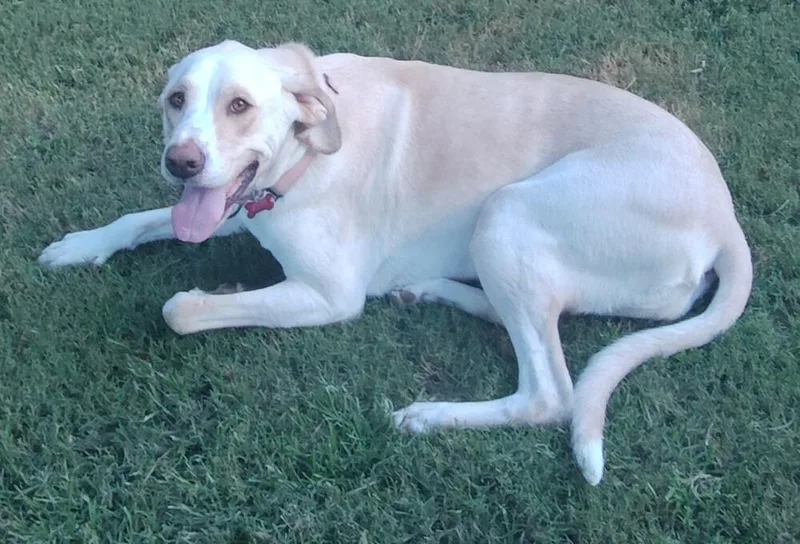
Plan on at least an hour of activity a day: brisk walks, fetch, hiking or swimming where allowed. Boston Common's off-leash area is open 6 a.m. to 11 p.m. for dogs with a license and ID tag, and elsewhere an 8-foot leash is the rule. Puzzle toys and training games help on icy or rainy days.

Health Considerations

Hip and elbow dysplasia, cruciate injuries, ear infections, skin allergies and weight gain are common in retriever-type dogs, and some carry inherited eye disease or higher cancer risk. Boston's wooded areas mean tick exposure, so check coat and ears after walks. Keeping a dog lean protects the joints, and regular vet visits catch problems early.

Living Space

A Retriever can live in a Boston apartment or a house when exercise is reliable, though a fenced yard makes play easier. Brownstone and triple-decker stairs are fine for a healthy adult but harder on seniors and dogs with joint trouble. These dogs want to be indoors with people, and they shed year-round.

What it costs to own a Retriever in Boston

ExpenseTypical costPer year
Food$55 to $110 per month$660 to $1,320
Pet insurance$55 to $110 per month$660 to $1,320
Routine vet care$250 to $500 per year$250 to $500
Other*$590 to $1,480 per year$590 to $1,480
Estimated yearly total (after year one)$2,160 to $4,620

Other costs are estimates and vary with size, age and health.

* The $15 or $30 Boston dog license, flea, tick and heartworm prevention, a dental cleaning allowance, toys and bedding, and brushing and baths for a shedding coat.

Adopt a Retriever in Boston.

Now that you know more, let’s find you a new best friend. These rescues and shelters below have dogs available in and near Boston.

Rescues and Shelters in or near Boston

Boston's adoption community includes a city shelter and nonprofit adoption centers in Roslindale, the South End and Jamaica Plain. Here are the rescues & shelters in the Boston area with dogs available for adoption, worth asking whether a Retriever is coming in.

Frequently Asked Questions

Usually only off-peak. Most Retriever-type dogs are too big for a carrier, and the MBTA keeps larger dogs off during weekday peak hours, 7–9 a.m. and 4–7 p.m. Off-peak, the dog must stay leashed and on the floor, not a seat. Staff can restrict access when crowded, so avoid holidays and big events like the Marathon.

Yes, most do well. A retriever's double coat copes with about 90 freezing nights and roughly 49 inches of snow a year. The real risk is road salt, which the City says is toxic and can burn, so wipe paws and coat after walks. Thin-coated seniors may want a jacket, and every dog should sleep indoors.

For fetch, Boston Common's off-leash area is open 6 a.m. to 11 p.m. and requires a license, ID tag and vaccinations, with a limit of three dogs per adult. For long leashed walks, try Franklin Park, the Arnold Arboretum or Stony Brook Reservation. Dogs aren't allowed on state beaches May 1 to September 15.

Yes. Massachusetts law bars cities from regulating dogs by breed, so no Boston rule singles out retriever-type dogs. You'll need an annual city license and a rabies vaccine once the dog is six months old. Keeping more than four dogs requires a kennel license. Boston also bans pet-store sales of commercially bred dogs.

Yes, if daily exercise is reliable. Retriever-type dogs are calm indoors once they've had a long walk and some play, and they're usually friendly in shared hallways. Consider the stairs in brownstones and triple-deckers, and check a building's size or weight limits before applying, since many cap dogs below 50 pounds.

It can be, for active people. Boston's walkable neighborhoods, Common off-leash area and Emerald Necklace parks give retriever-type dogs plenty of outlets, and their sociable nature suits busy streets. The tradeoffs are salt-covered winters, hot humid spells, rental limits and long workdays, since many of these dogs dislike being alone for hours.

Only to some patios. Boston restaurants can get a City variance to welcome dogs outdoors, so look for dog-friendly signs. Dogs must stay leashed, off tables and chairs, and outside, never inside the dining room. Owners need current license and rabies vaccination. Bring a mat, since a retriever's tail clears a table fast.

Plan on brushing a few times a week, and daily during the heavy spring and fall sheds. Baths every month or two, or after muddy outings, are usually enough. In winter, wipe off salt after every walk, and dry the ears after swims. Many owners brush at home, which keeps grooming within the yearly Other costs.

Most retriever-type dogs live about 10 to 14 years, with some reaching 15. Retriever is a type label rather than one breed, so mixes and different retriever breeds vary. Keeping a retriever lean, staying current on veterinary checkups all support a longer, more comfortable life.

Expect roughly $55 to $110 a month for food and $55 to $110 a month for pet insurance. Routine vet care runs about $250 to $500 a year, and other yearly costs add $590 to $1,480. Together that comes to about $2,160 to $4,620 a year for a Retriever.