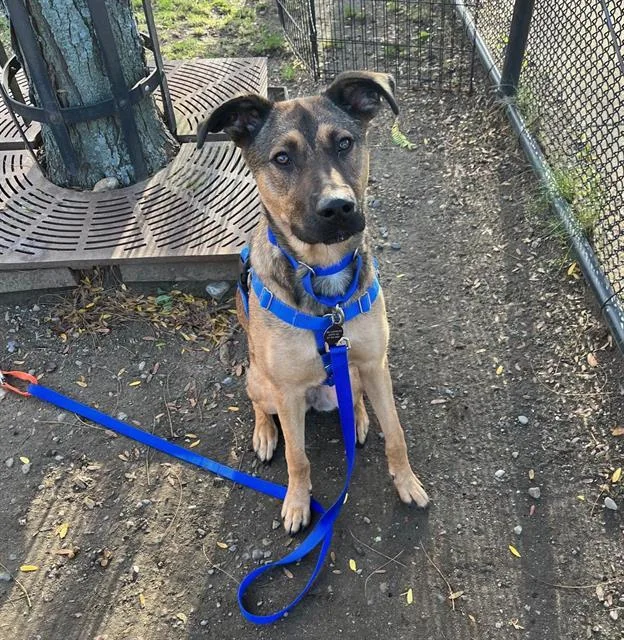
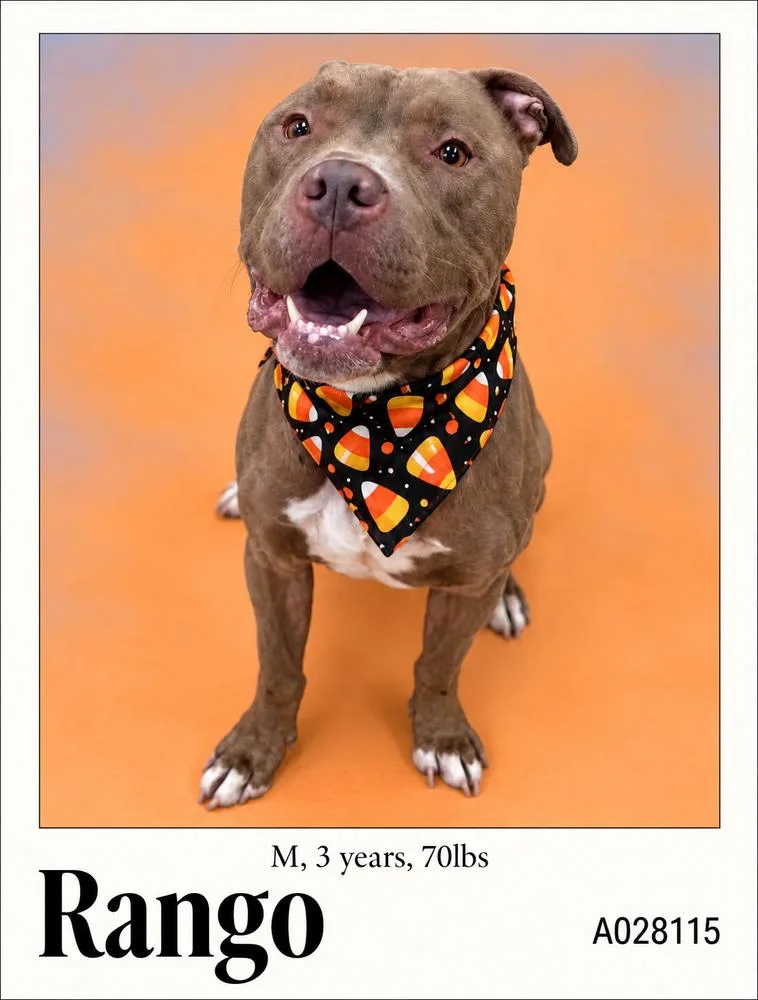
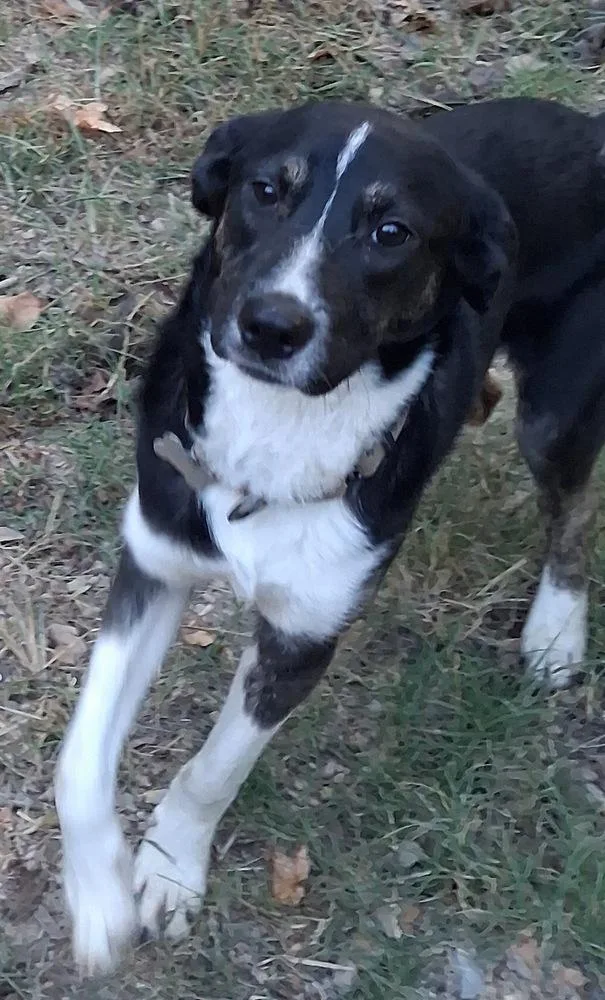
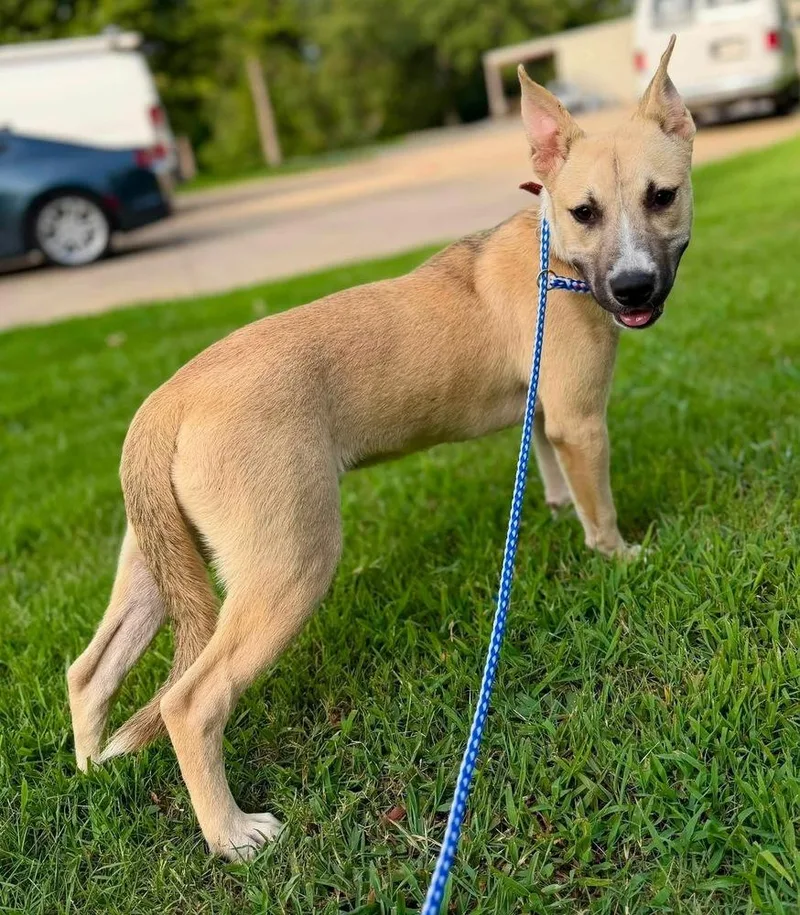
Pomeranian dog

Pomeranian Dogs for Adoption in Boston, MA

Your guide to finding and caring for a Pomeranian in Boston

A Pomeranian suits Boston's triple-decker neighborhoods, where a few short walks cover most of its exercise. In Jamaica Plain or Dorchester, a Pom can manage the stairs to a second-floor flat, loop the block, then watch the street from a window all afternoon. Expect barking at every footstep in the hallway, which matters in older buildings with thin walls. A lap of the Southwest Corridor path or a stroll along Centre Street tires a Pom out fast.

710 Pomeranians available in Boston and nationwide

Bring home a Pomeranian

While we don't have enough dogs near Boston, keep in mind that many rescues may offer transport.

Pomeranians Available for Adoption Near Boston

About the Pomeranian breed

Pomeranians descend from larger German Spitz dogs that herded and guarded, and the breed took its name from the Baltic region of Pomerania. Victorian England's enthusiasm for small, colorful Poms shrank them to today's 3 to 7 pounds, though some shelter Poms run heavier. Under the plumed tail and foxy face sits a thick double coat that sheds moderately to heavily.

Most Poms are bold, curious and convinced they're enormous. They bond closely, announce every noise and enjoy learning tricks. Adopters should plan for regular brushing, daily tooth care, barking management and protection from falls, rough play and larger dogs. They suit adults and older children who handle a small dog gently, and a Pom's own history shapes its personality as much as breed does.


Weight
3–7 lbs
Height
6–11 in
Lifespan
12–16 yrs
Temperament
Lively, Alert, Curious, Bold
Group
Toy
Shedding
Moderate to High

Owning a Pomeranian in Boston

Having a Pomeranian in Boston

Pomeranians pair a bold, watchful nature with a fragile frame and a thick double coat. In Boston, barking in shared buildings, winter salt and snow, and coyotes near green spaces shape daily life more than exercise does.

Temperament

Pomeranians are typically confident, curious and quick to sound the alarm, which can echo in a Boston triple-decker stairwell. Many bond hard with one person and act bossy around bigger dogs. Each Pom differs, so patient socialization and reward-based training on quiet streets matter more than breed reputation.

Exercise Needs

Plan on two or three short walks a day plus indoor play, which suits Boston's compact blocks. Use a harness rather than a collar, and a leash of eight feet or less, which meets both city park and state land rules. Puzzle toys and trick practice fill the days when snow or ice keeps walks brief.

Health Considerations

Poms are prone to luxating kneecaps, collapsing trachea, dental disease and, for some, alopecia X. Icy sidewalks add slip risk for small joints, so shorter, careful winter walks help. Brush teeth daily and keep weight lean. A veterinarian can check knees, heart and teeth at the first visit after adoption.

Living Space

Pomeranians fit Boston's rentals well, from South End brownstone flats to Seaport high-rises, because indoor play covers much of their exercise. Barking carries through shared walls, so training is key. Watch for open doors, steep stairs and furniture they might leap from, and supervise around toddlers or large dogs.

What it costs to own a Pomeranian in Boston

ExpenseTypical costPer year
Food$15 to $35 per month$180 to $420
Pet insurance$35 to $70 per month$420 to $840
Routine vet care$200 to $400 per year$200 to $400
Other*$590 to $1,430 per year$590 to $1,430
Estimated yearly total (after year one)$1,390 to $3,090

Other costs are estimates and vary with size, age and health.

* The Boston dog license ($15 spayed or neutered, $30 intact), flea, tick and heartworm prevention, a dental allowance for a toy breed, toys and bedding, and regular brushing and baths for a double coat.

Pomeranian dog

Adopt a Pomeranian in Boston.

Now that you know more, let’s find you a new best friend. These rescues and shelters below have dogs available in and near Boston.

Rescues and Shelters in or near Boston

Boston's rescue community includes a city shelter and nonprofits, and the listings here show which small dogs are listed for adoption. Here are the rescues & shelters in the Boston area with dogs available for adoption, worth asking whether a Pomeranian is coming in.

Frequently Asked Questions

Yes, with limits. The MBTA lets small dogs ride at any hour in a secure carrier, so a Pomeranian can usually travel on the Red, Orange, Green or Blue lines if it stays zipped inside, ideally on your lap and away from doors. Pets aren't allowed on seats, and staff can refuse access when trains are crowded or a dog is reactive.

Yes, with some care. A Pomeranian's double coat insulates well, but short legs sink in deep snow and icy sidewalks threaten small kneecaps. Use a sweater on the coldest days, keep walks short when it's slick, and wipe paws and belly afterward to remove road salt. Nor'easters can keep you inside, so keep puzzle toys and indoor games ready.

Fenced dog spaces include Flaherty Playground in Jamaica Plain, Ronan Park and Downer Avenue Playground in Dorchester, DeFilippo Playground in the North End, and Bremen Street Dog Park in East Boston. Watch for larger dogs and step out if play turns rough. Dogs aren't allowed in tot lots or ball fields, and DCR beaches are closed to dogs May 1 to September 15.

Yes. Massachusetts law bars cities from regulating dogs by breed, so Boston has no Pomeranian-specific rules. You'll need a license once the dog is over six months old and a current rabies vaccination, and the dog must be leashed off your property. State law also caps outdoor tethering at five hours a day and bans it overnight.

Sometimes, on patios only. Boston lets restaurants apply for a City variance to allow dogs outdoors, so look for dog-friendly signs rather than assuming. Your Pomeranian must stay leashed or in a carrier, off chairs and tables, with a current license and rabies vaccination. Dogs can't enter restaurant interiors, and water is the only thing they may be served.

Plan on brushing a Pomeranian's double coat several times a week, daily during heavy shedding in spring and fall, plus a bath every month or two. Winter salt and spring mud mean extra paw and belly wipe-downs. Professional grooming fits within the Other line of about $590 to $1,430 a year, which also covers dental care and parasite prevention.

It can be, if your routine allows several short outings a day. A Pomeranian needs little space and enjoys Boston's walkable blocks, but expect barking at stairwell noise, and watch for steep stairs, icy steps and bigger dogs on crowded sidewalks. It does best with someone home part of the day, since many Poms bond closely and dislike long absences.

Pomeranians come from the Pomerania region along the Baltic Sea, now part of northern Poland and northeastern Germany, where its larger German Spitz ancestors developed. The breed as we know it was shaped in England, where royals including Queen Charlotte and Queen Victoria kept them in the 1700s and 1800s and the dogs grew steadily smaller. The first English breed club formed in 1891.

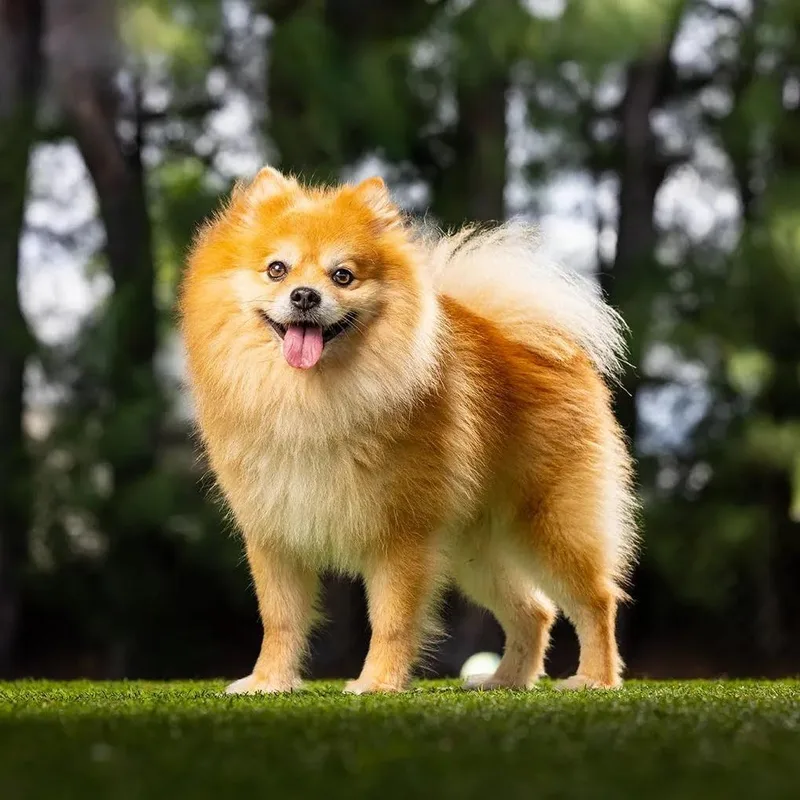
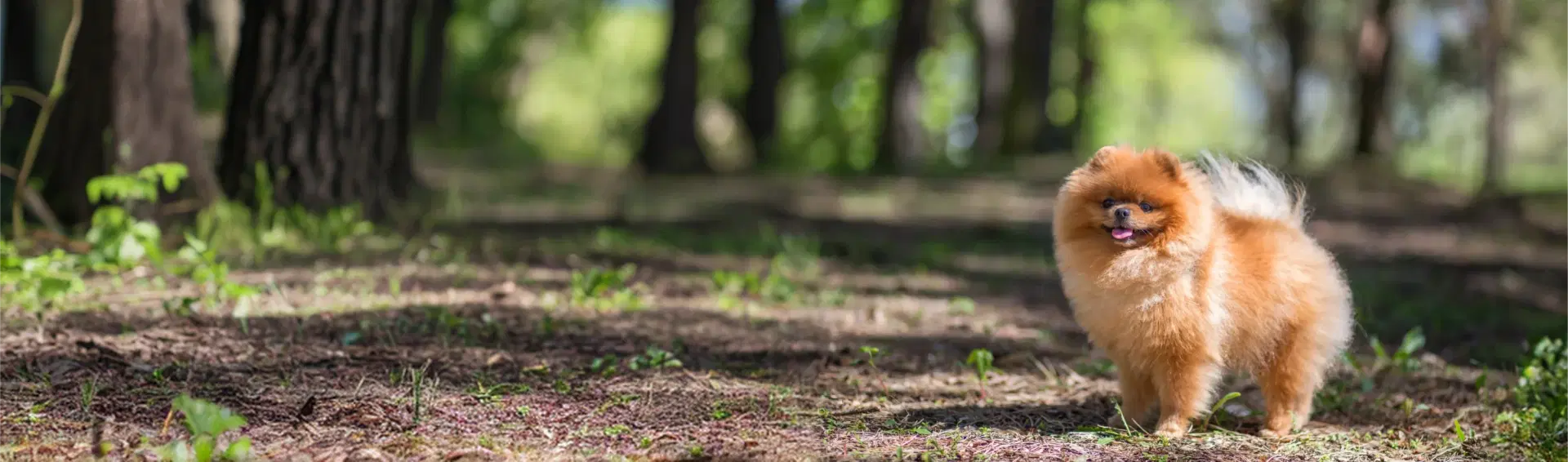
A Pomeranian is a tiny, compact dog with a short back, a wedge-shaped head and a fox-like face with small pricked ears and bright almond eyes. Its signature feature is an abundant double coat that stands away from the body, forming a ruff around the neck and a plumed tail carried flat over the back. Poms come in many colors and patterns.

Expect roughly $15 to $35 a month for food, $35 to $70 for insurance, $200 to $400 a year for routine vet care, and $590 to $1,430 a year in other costs such as the license, dental care, parasite prevention and coat care. Illness or emergencies would add to these figures.

Find Pomeranians in Nearby Cities

Expand your search to find Pomeranians available for adoption near Boston.