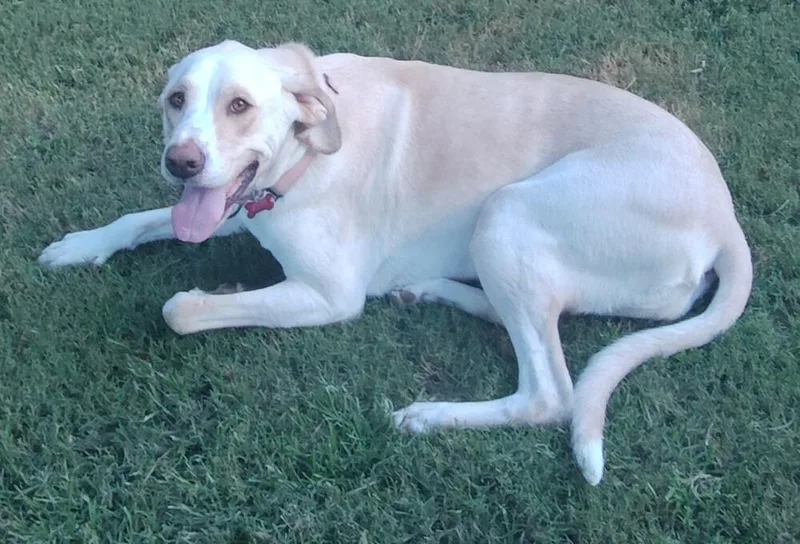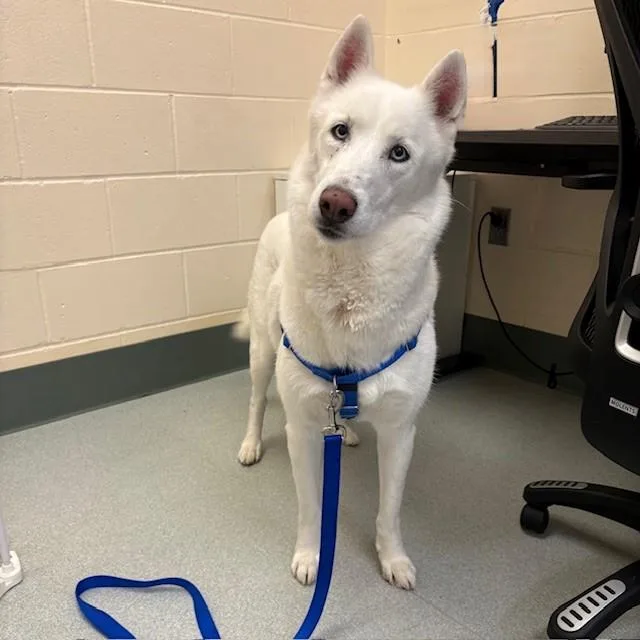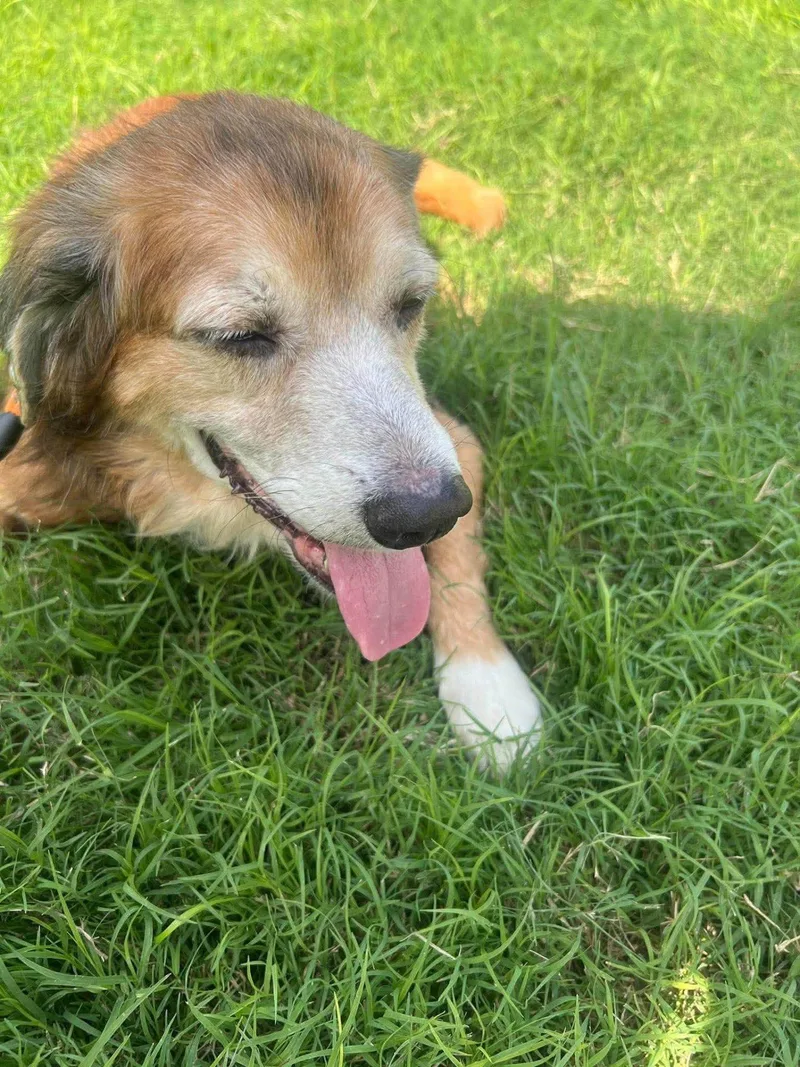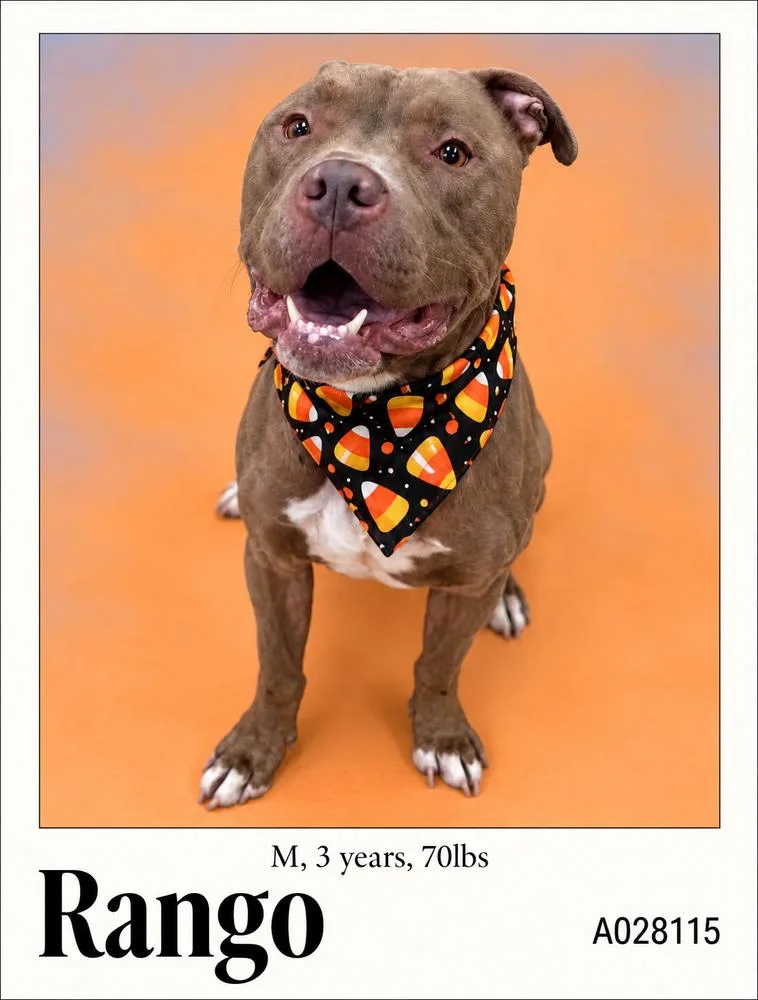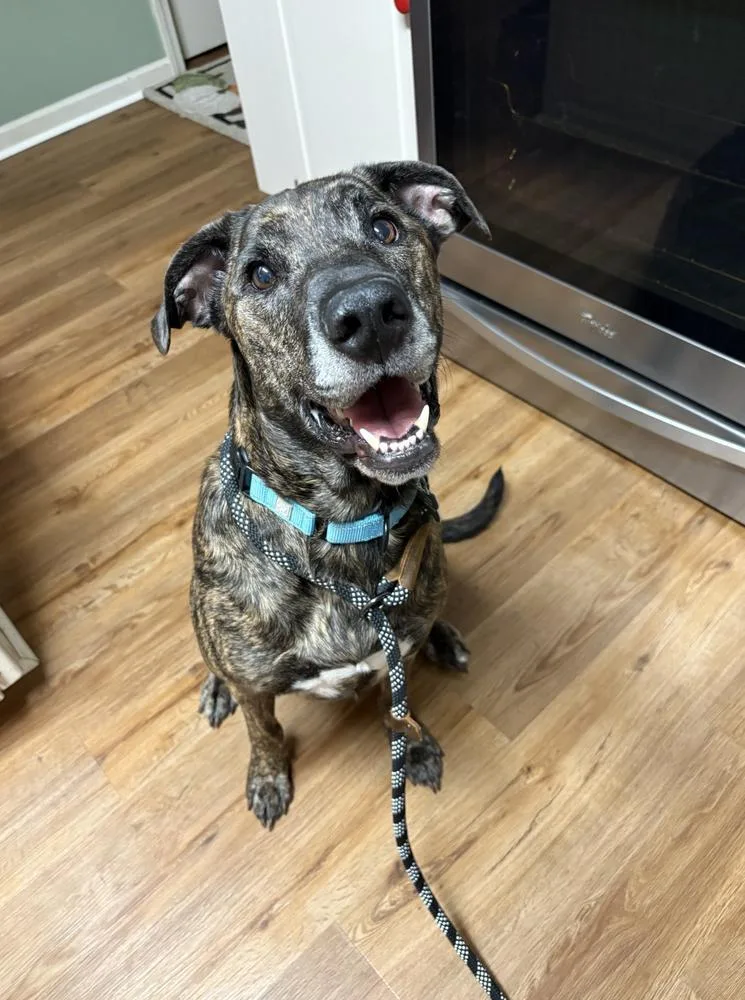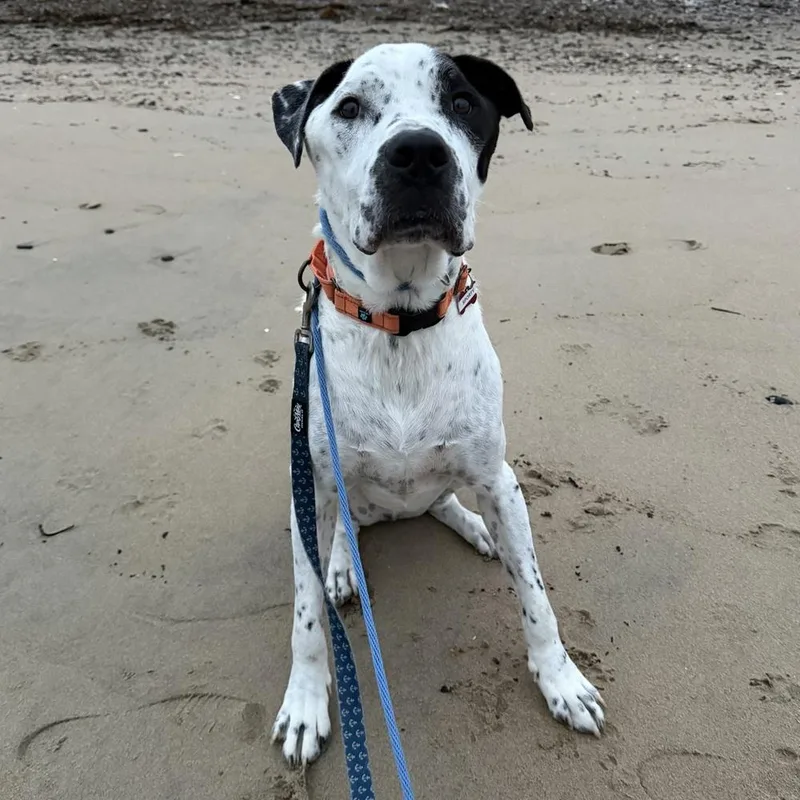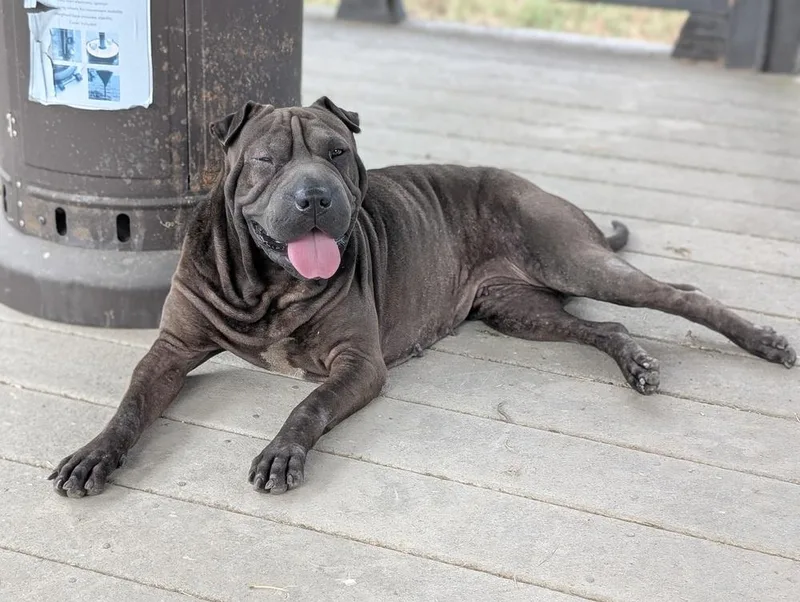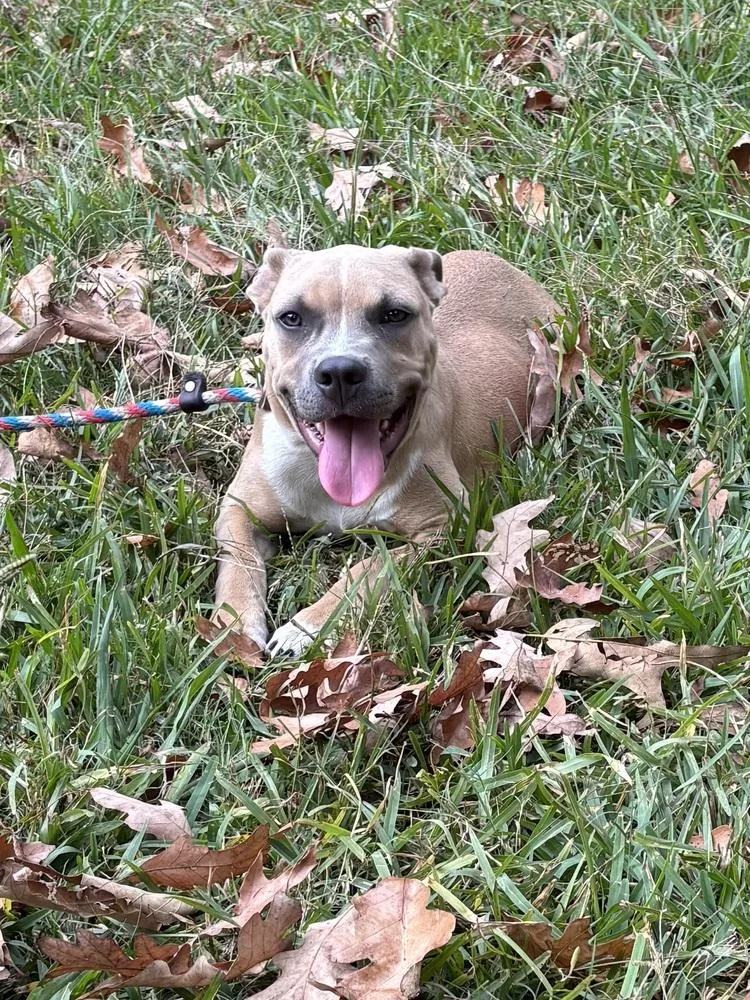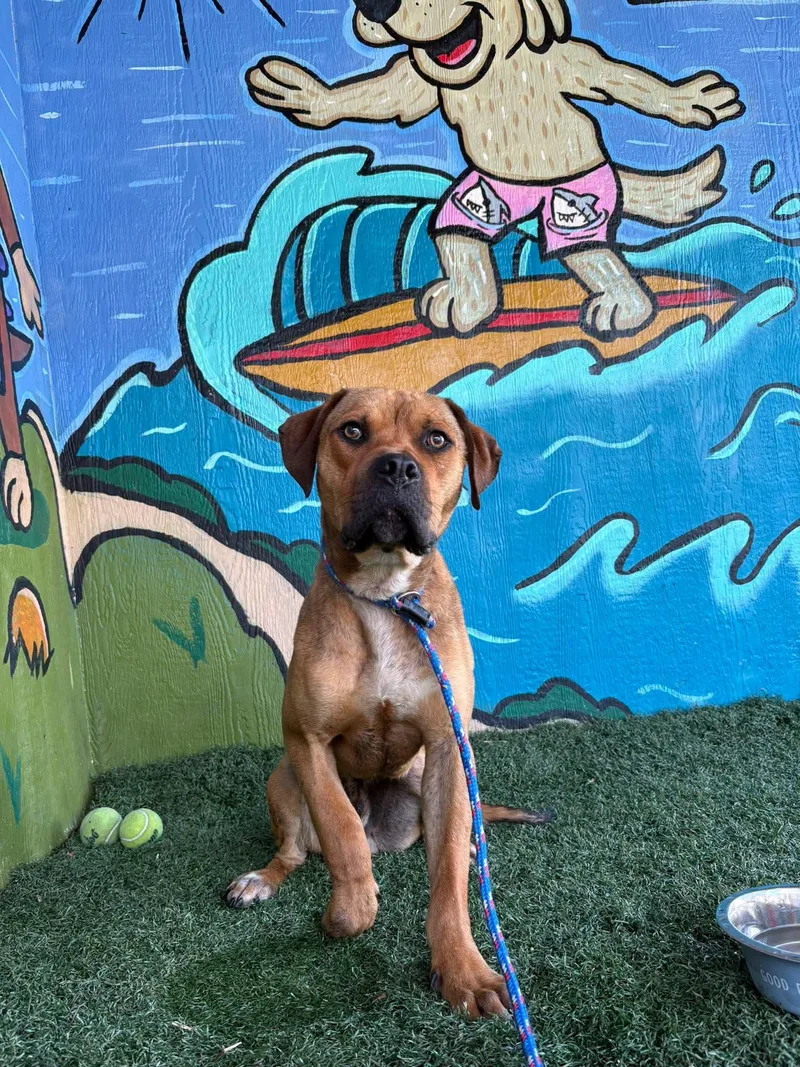
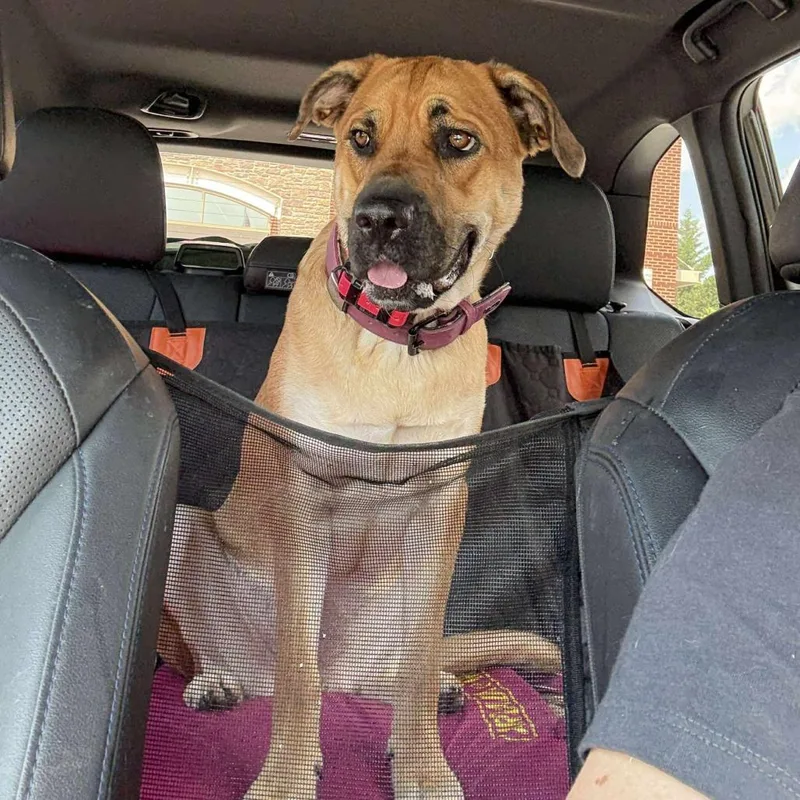

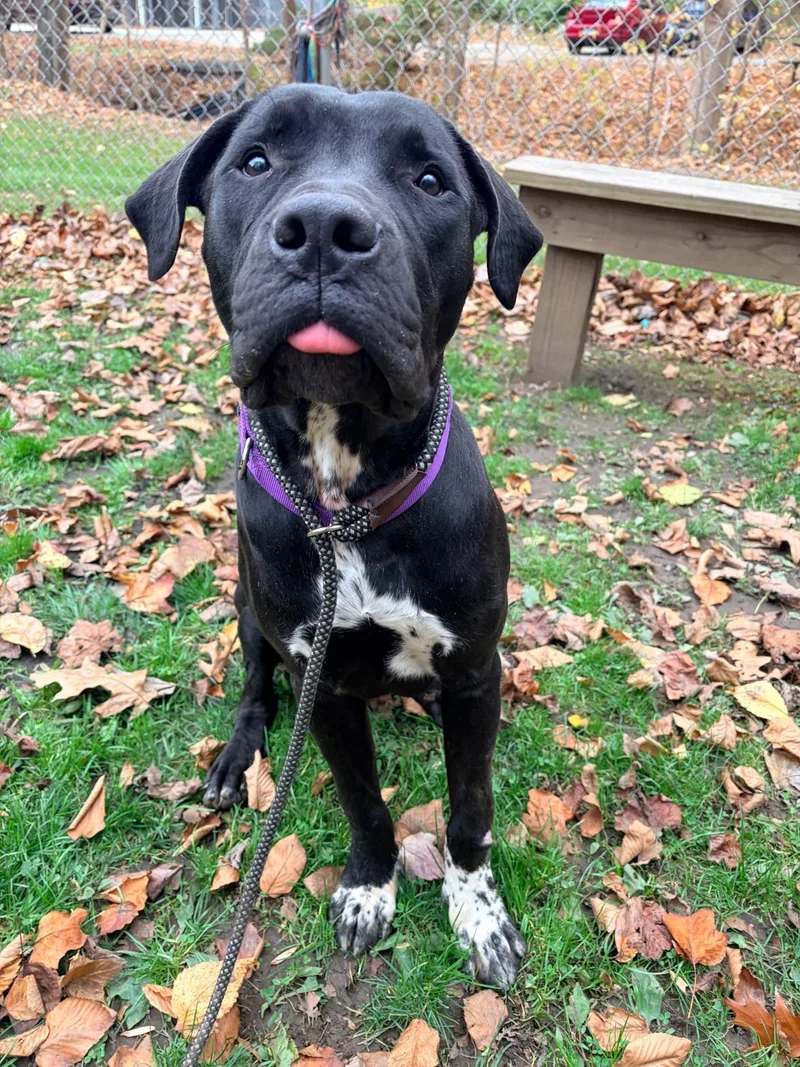
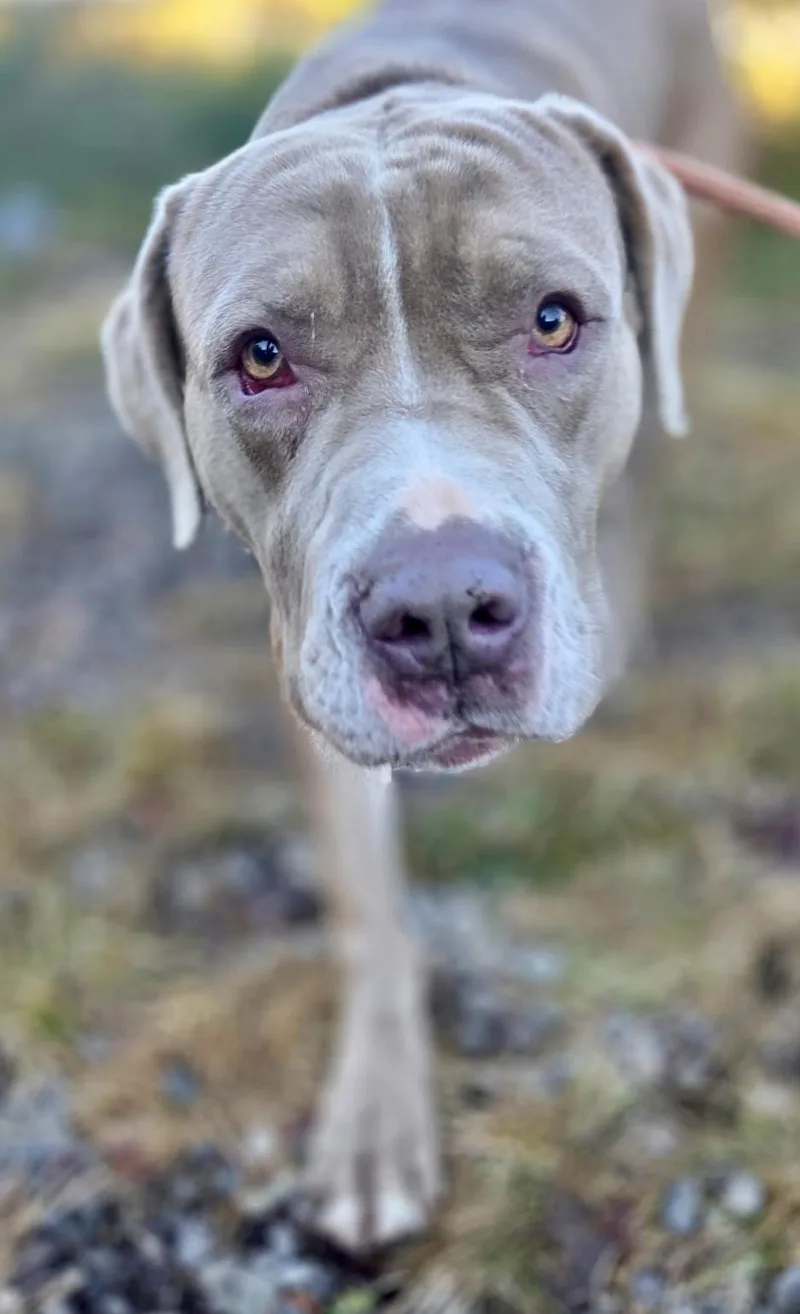
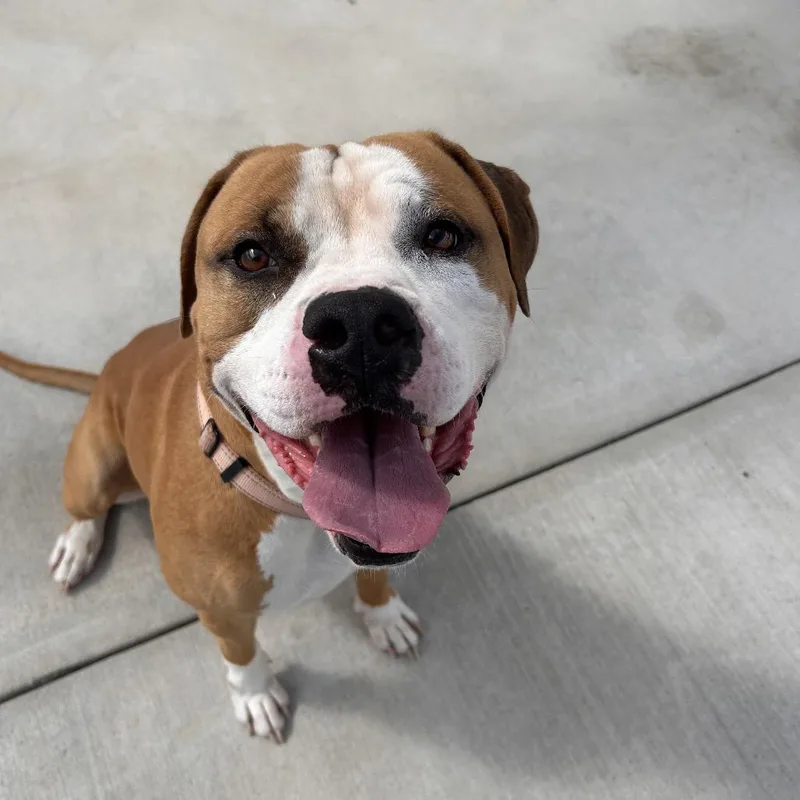
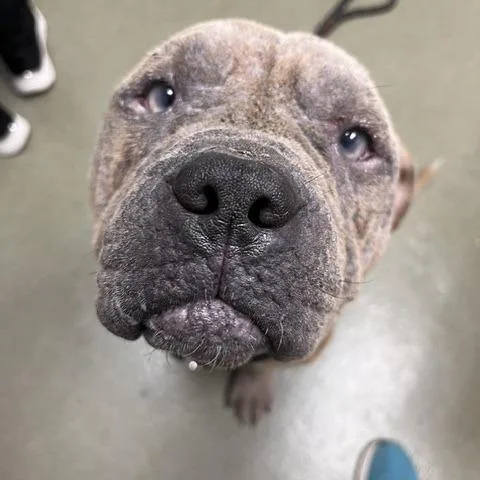

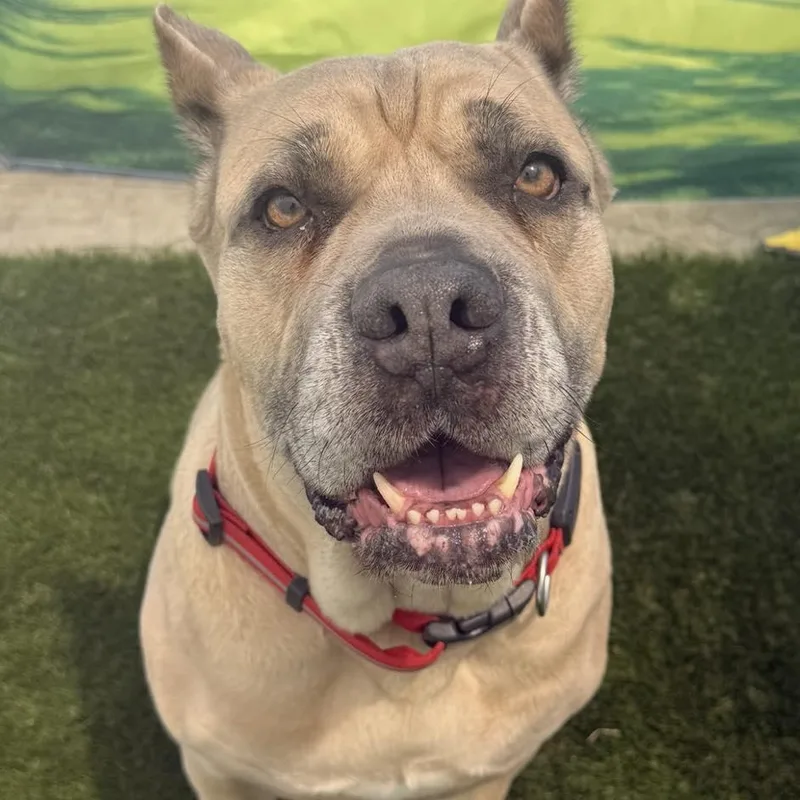
Mastiff Dogs for Adoption in Boston, MA

Your guide to finding and caring for a Mastiff in Boston

A Mastiff fits Boston best in a home with few stairs, like a ground-floor unit in Roslindale or a single-family house in West Roxbury. These dogs are calm and mostly want to lie near their people, so the daily routine is a couple of unhurried walks rather than long runs. The size is the real adjustment: carrying or coaxing 150 pounds up a Dorchester triple-decker's three flights isn't realistic, so count the stairs before you apply.

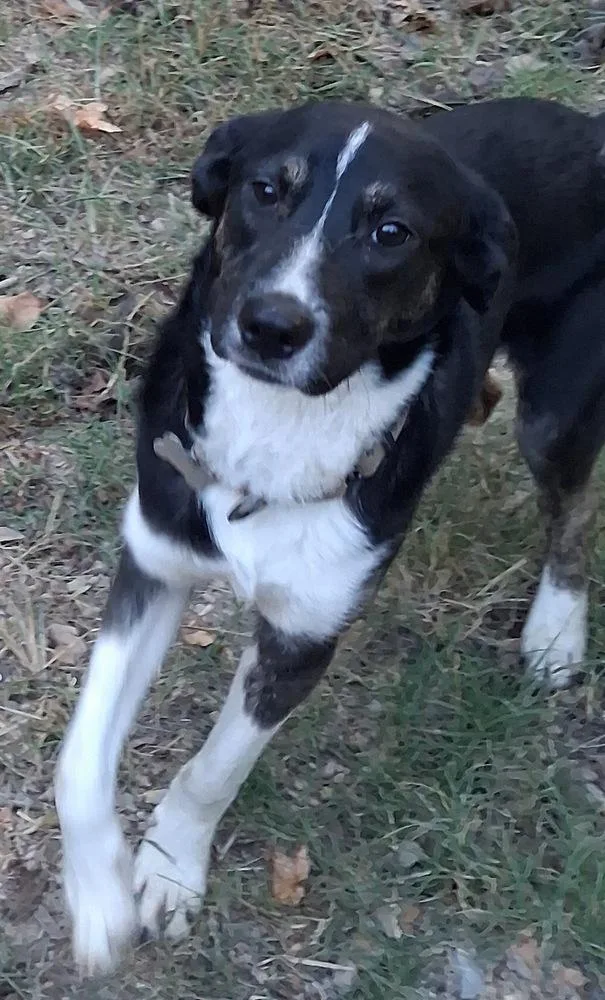
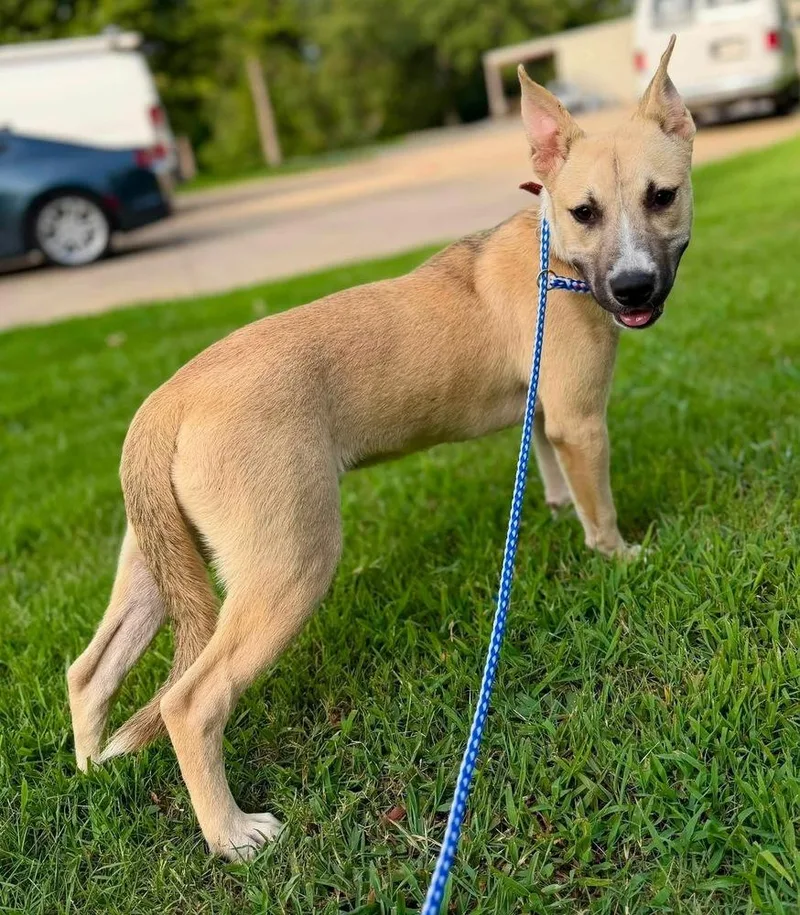
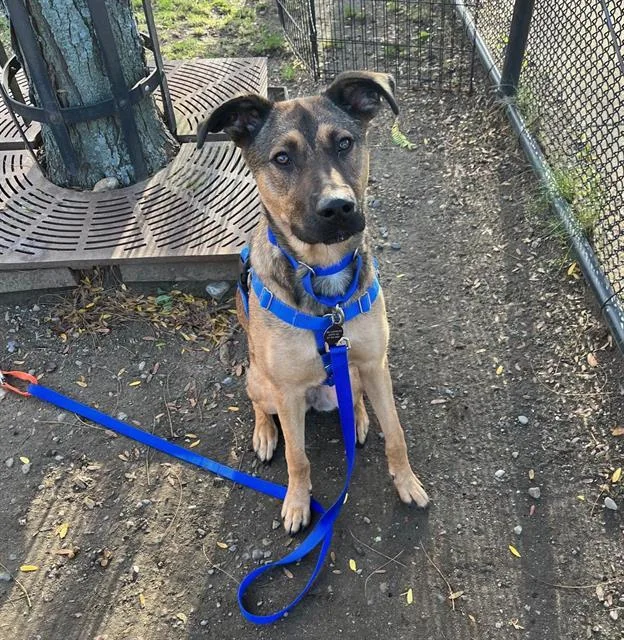
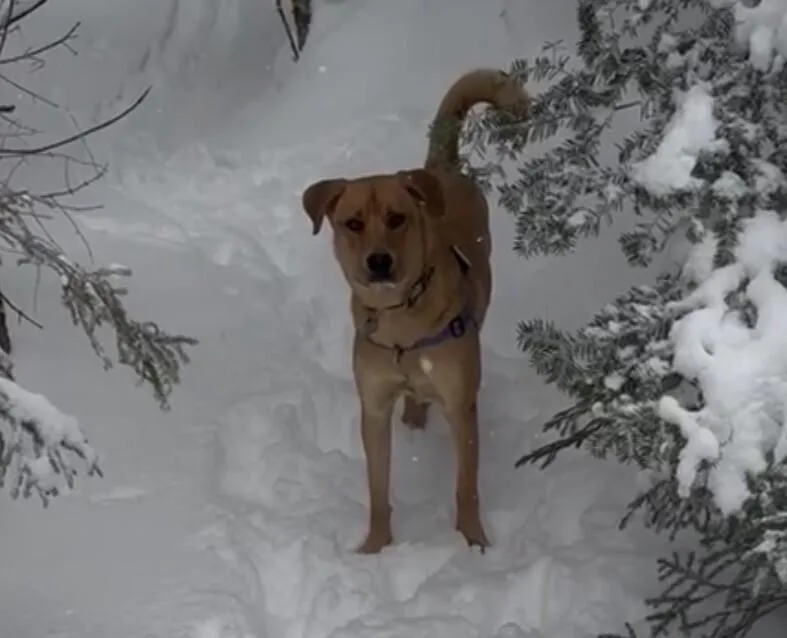
895 Mastiffs available in Boston and nationwide

Give a Mastiff a home

While we don't have enough dogs near Boston, keep in mind that many rescues may offer transport.

Mastiffs Available for Adoption Near Boston

About the Mastiff breed

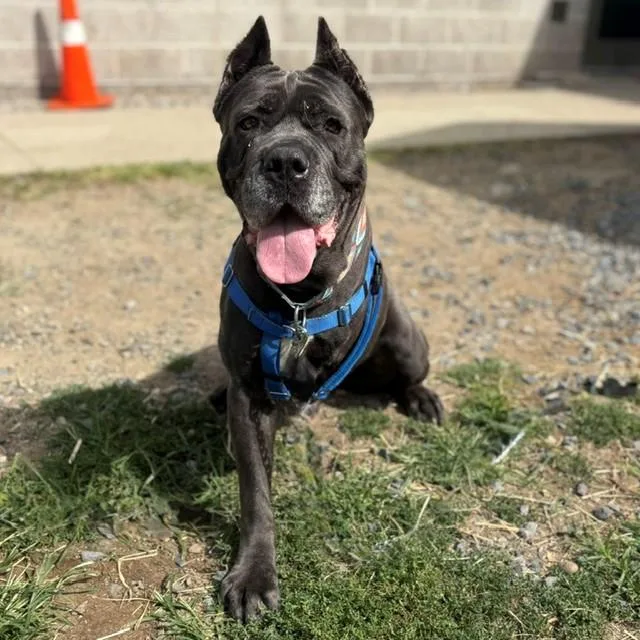
The Mastiff, officially the English Mastiff, is a massive, heavy-boned guardian with a broad head, dark mask and short fawn, apricot or brindle coat. Dogs like it have guarded British estates for centuries, and the breed nearly vanished after World War II before a small group of dogs rebuilt it.

Most Mastiffs are calm, dignified and gentle at home, with a quiet protectiveness toward their people and some reserve with strangers. Dogs vary, though, and a Mastiff that weighs 150 pounds or more needs early training, sturdy gear and a budget for giant-breed food and vet care. Lifespans are shorter than in smaller breeds, often under ten years. In Boston, that means thinking about stairs, sidewalks and summer heat before bringing one home.

Weight
120–230 lbs
Height
27–36 in
Lifespan
6–10 yrs
Temperament
Gentle, Dignified, Protective
Group
Working
Shedding
Moderate

Owning a Mastiff in Boston

Having a Mastiff in Boston

A Mastiff's mild manner comes in one of the heaviest bodies in the dog world. These cards cover how that size shapes exercise, health and housing in Boston, so you can judge whether a giant guardian suits your home.

Temperament

Mastiffs tend to be good-natured, calm and affectionate with family, and many are patient with respectful children. They're watchful and often aloof with strangers, so steady socialization on busy Boston sidewalks matters. Start reward-based training early, because a stubborn adult this heavy can't be physically managed. Each dog's personality differs, whatever the breed.

Exercise Needs

Most adult Mastiffs need moderate exercise: a couple of daily walks and relaxed play rather than long runs. Shaded, leashed walks in Franklin Park or the Arnold Arboretum suit them well. They overheat easily, so summer outings should be short and early. Puppies should avoid heavy stairs, jumping and forced running while their joints develop.

Health Considerations

Mastiffs are prone to hip and elbow dysplasia, bloat, obesity and bone cancer, and some carry heart or eye conditions. Bloat is an emergency, so learn its signs. Keeping a Mastiff lean protects its joints. A veterinarian can check the hips and heart, and regular visits matter because giant breeds age faster.

Living Space

Mastiffs are quiet indoors, but a Boston apartment works best with an elevator or a ground-floor entry, since walk-up triple-deckers are tough on a giant dog's joints. Plan for a giant crate, a sturdy car setup and space for a tail at table height. Washable covers help with drool.

What it costs to own a Mastiff in Boston

ExpenseTypical costPer year
Food$80 to $160 per month$960 to $1,920
Pet insurance$85 to $170 per month$1,020 to $2,040
Routine vet care$250 to $500 per year$250 to $500
Other*$590 to $1,690 per year$590 to $1,690
Estimated yearly total (after year one)$2,820 to $6,150

Other costs are estimates and vary with size, age and health.

* The Boston dog license ($15 spayed or neutered, $30 intact), giant-dose flea, tick and heartworm prevention, a dental cleaning allowance, durable toys and bedding, basic coat care and joint supplements.

Adopt a Mastiff in Boston.

Now that you know more, let’s find you a new best friend. These rescues and shelters below currently have Mastiffs available.

Rescues in Boston with Mastiffs Available

Boston's rescue community includes a city shelter in Roslindale and nonprofit adoption centers in the South End and Jamaica Plain. Here are the rescues & shelters in the Boston area where you can find Mastiffs and other dogs available for adoption.

Frequently Asked Questions

Yes, but only off-peak. The MBTA lets dogs too big for a carrier ride on a leash outside weekday peak hours, 7–9 a.m. and 4–7 p.m., and never on seats. A Mastiff won't fit in a carrier, and staff may refuse crowded trains, so plan midday trips, practice calm train manners and avoid holidays and big events.

Usually yes, with precautions. Boston summers are warm rather than extreme, with about two weeks a year at 90°F or higher, but humid heat waves happen and Mastiffs overheat easily. Walk at dawn or dusk, avoid hot pavement, keep air conditioning running and never leave a dog in a parked car. Winters are manageable with paw wipes after salted sidewalks.

Boston Common's off-leash lawns suit a social Mastiff with reliable recall; dogs must be licensed, ID-tagged and leashed entering and exiting. The Arnold Arboretum and Franklin Park offer shaded leashed walks, and Stony Brook Reservation has about 10 miles of paths. Dogs aren't allowed on DCR beaches from May 1 to September 15, so save beach trips for the off-season.

Yes. Massachusetts law bars towns from regulating dogs by breed, so Boston has no Mastiff-specific restrictions. You'll need a yearly license after the dog turns six months ($15 spayed or neutered, $30 intact) and a current rabies vaccine, and the dog must be leashed off your property. Your lease or condo rules are the likelier limit, especially on weight.

Yes, if the building suits it. Mastiffs are quiet indoors, but a giant dog does best with an elevator or ground-floor unit, since steep walk-up stairs strain its joints. Most Boston households rent, so read the weight limits and pet terms in the lease before applying. Leave room for a big bed and an easy-to-wash setup for drool.

It can be, for the right household. A Mastiff suits someone who wants a calm companion and can handle stairs, summer heat, snowy sidewalks and giant-breed costs. It's harder for walk-up renters or anyone away for long hours. Dogs vary, so weigh your building, schedule and budget rather than the breed's reputation alone.

Only to patios with a City dog-friendly variance, so look for the signage. Dogs must be leashed, licensed and rabies-vaccinated, stay outside and off the furniture, and get water only; they can't enter the dining room unless they're service dogs. A Mastiff takes a lot of floor, so pick a quiet time and bring a water bowl.

Not much: weekly brushing with a rubber curry or hound glove handles the short coat, with extra sessions during spring and fall shedding. Wipe drool daily, clean facial folds and trim nails regularly. In winter, wipe paws and belly after salted sidewalks. Professional grooming is optional and falls under the budget's Other line, so costs stay modest.

We have 1 rescue with Mastiffs available: Animal Rescue League of Boston. You can see every rescue with Mastiffs available in the list above these questions, or scroll to the top to see the Mastiffs near Boston.

Plan on about $80 to $160 a month for food, $85 to $170 a month for insurance, $250 to $500 a year for routine vet care and $590 to $1,690 a year for other costs such as prevention, dental cleanings, a Boston license and joint supplements. Giant-breed food and care are the biggest drivers.