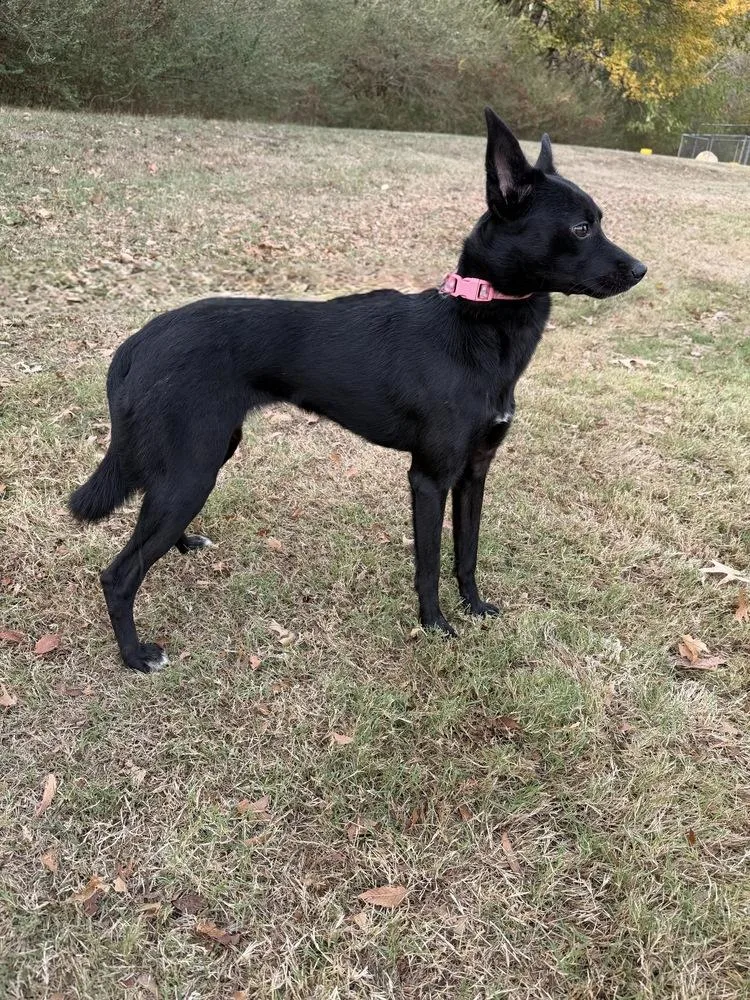
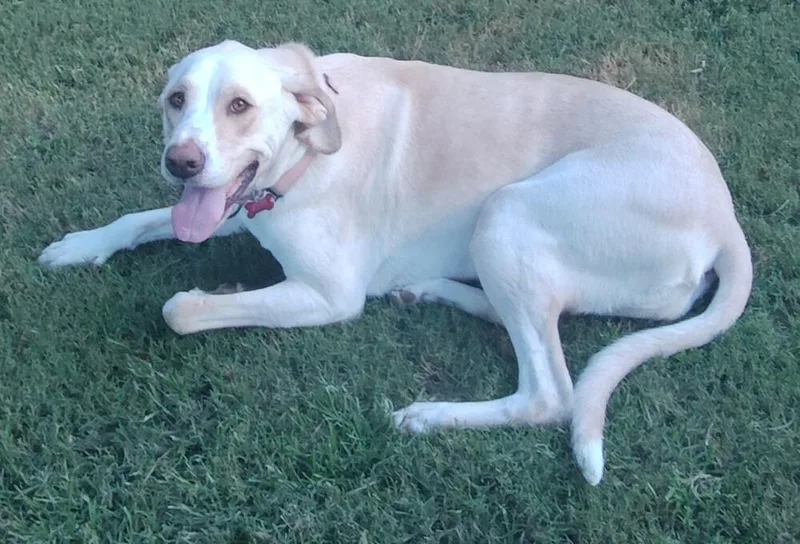
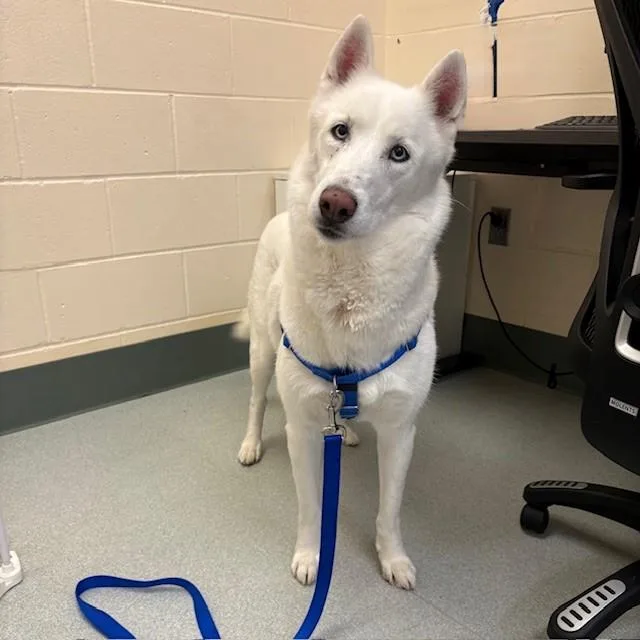
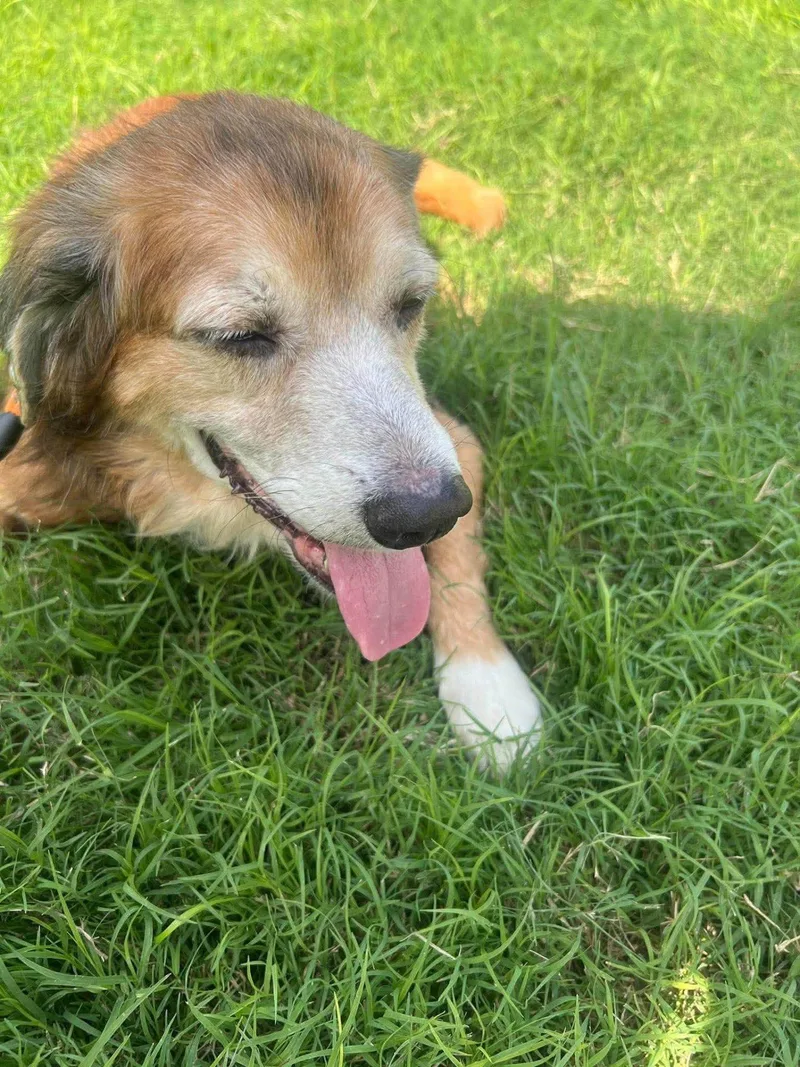
Lancashire Heeler Dogs for Adoption in Boston, MA

Your guide to finding and caring for a Lancashire Heeler in Boston

A Lancashire Heeler suits Boston's triple-deckers and brick row houses, since it's small enough for a third-floor walk-up. Under 17 pounds, a Heeler manages a Dorchester stairwell or a Roslindale two-family easily, and daily laps around Jamaica Pond or the Arnold Arboretum give it the steady walking it craves. These are busy, talkative dogs that need training games every day. A bored Heeler in a thin-walled building will let the whole stairwell know.

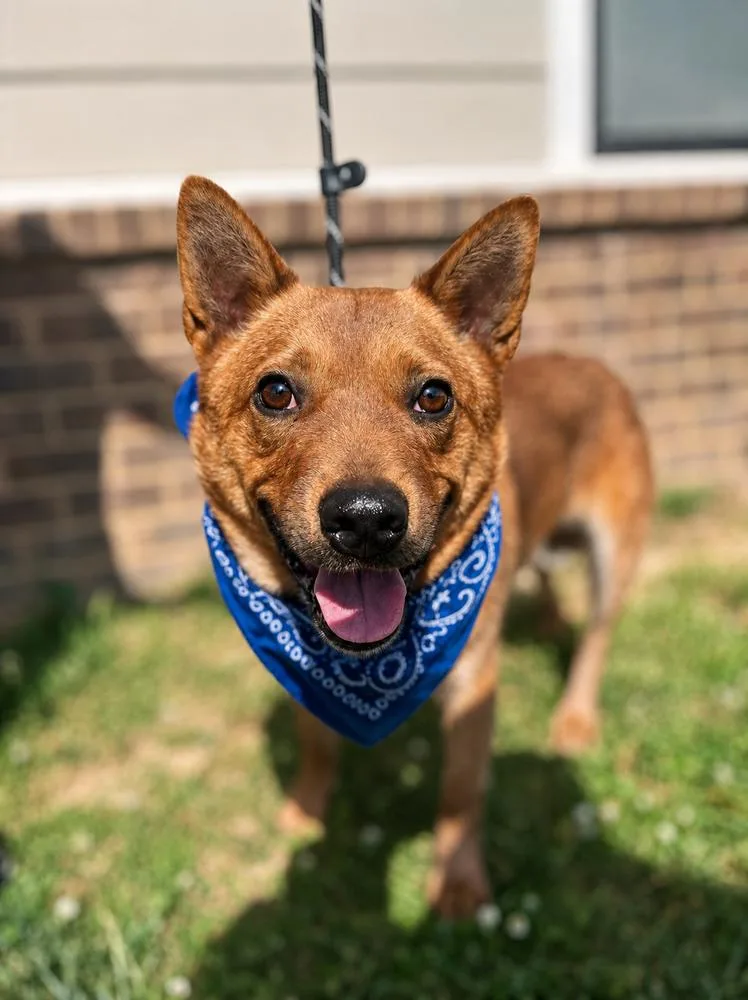
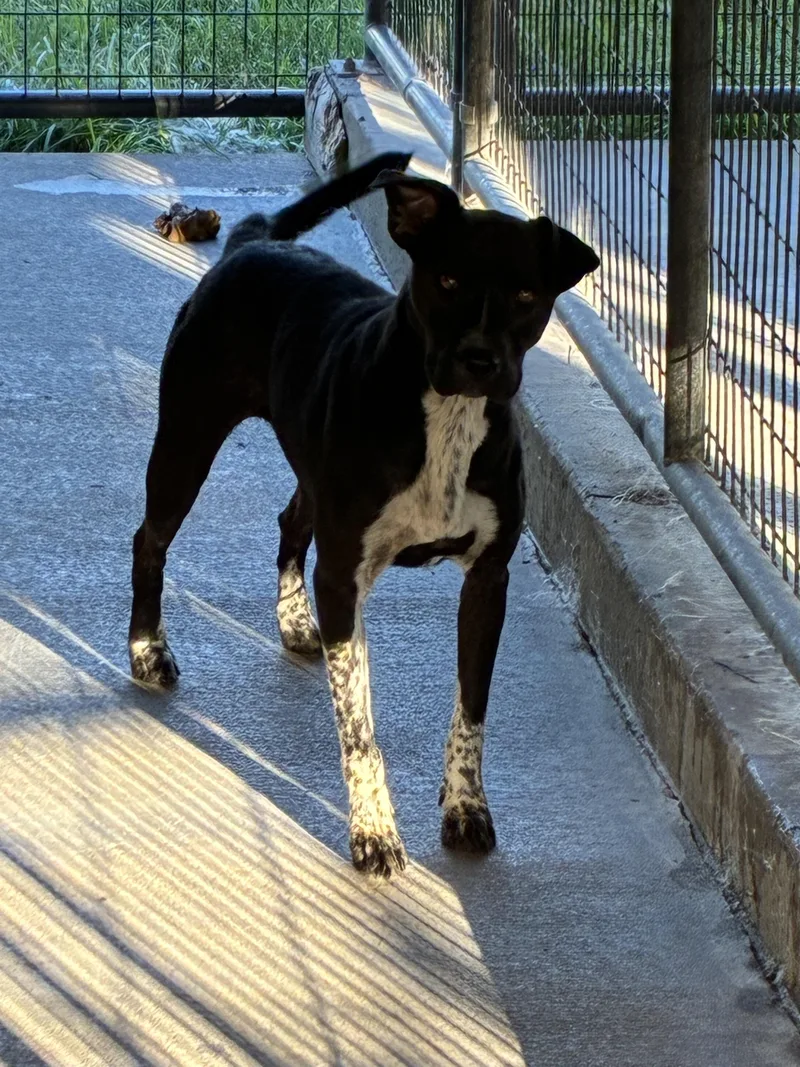
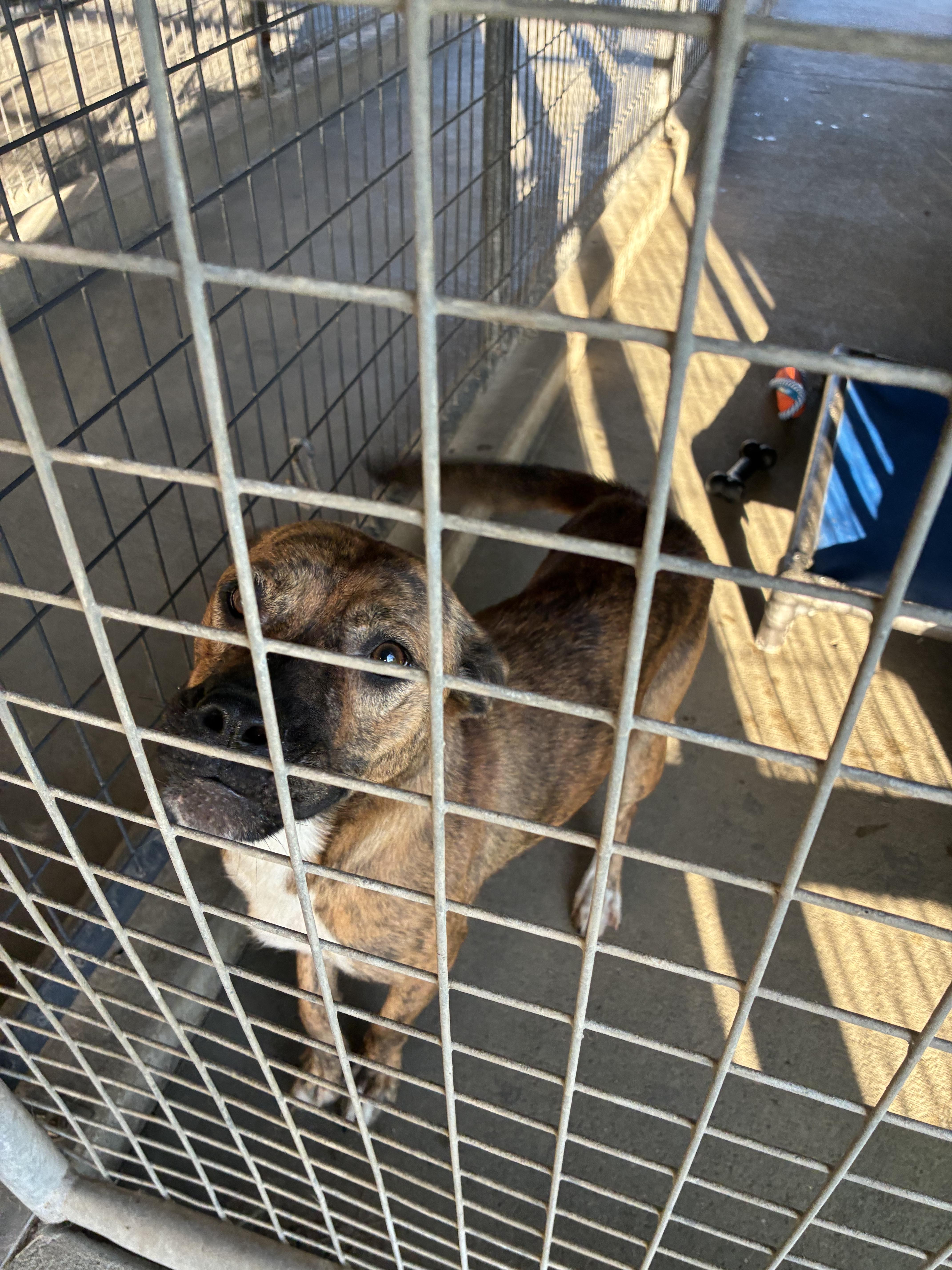
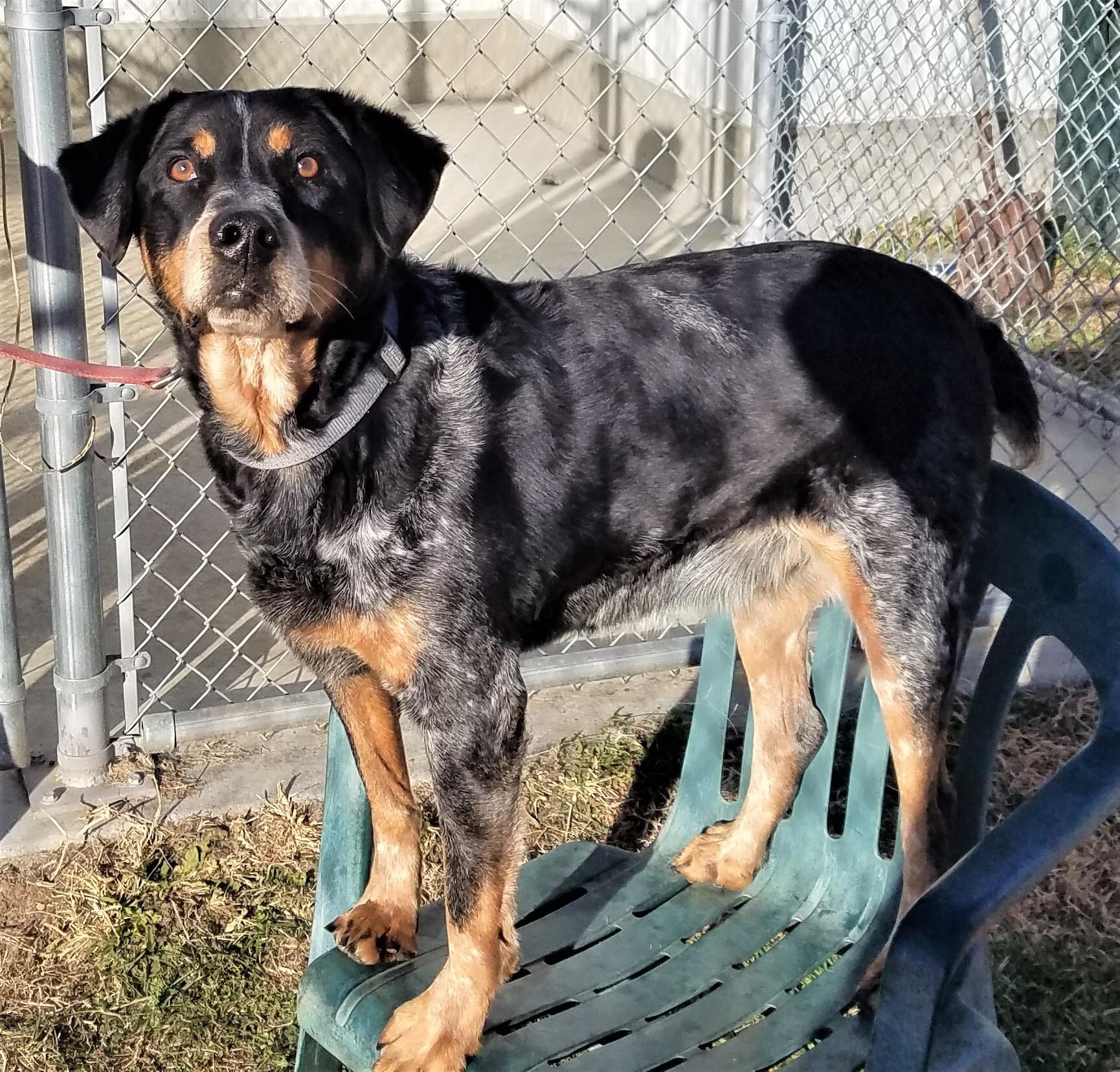
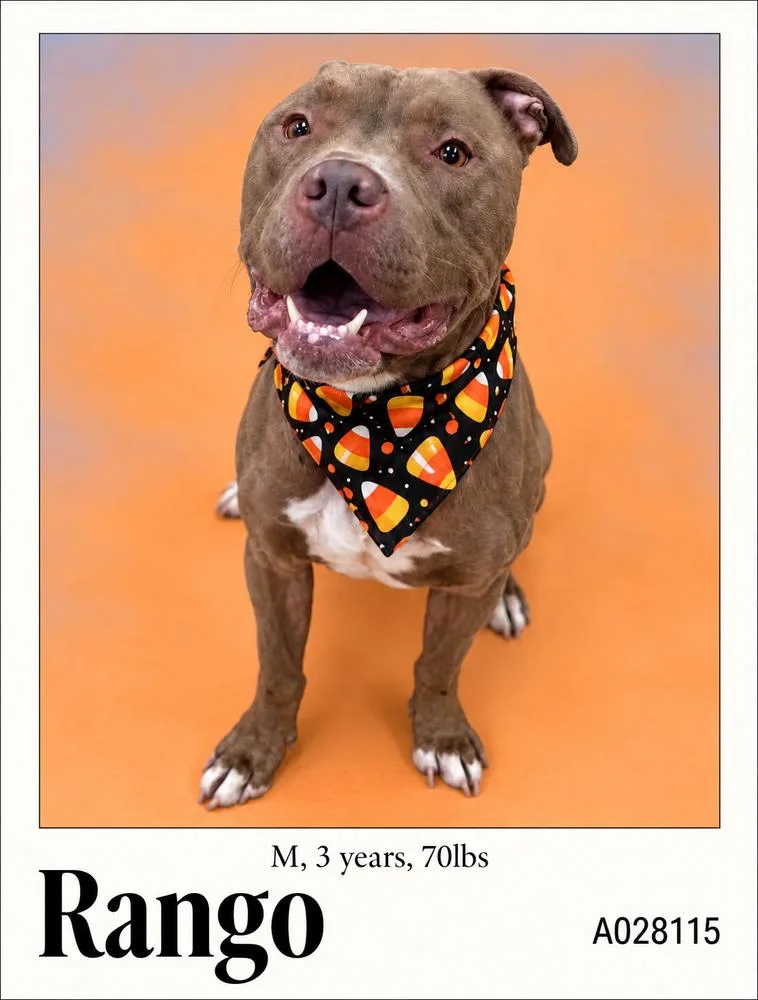
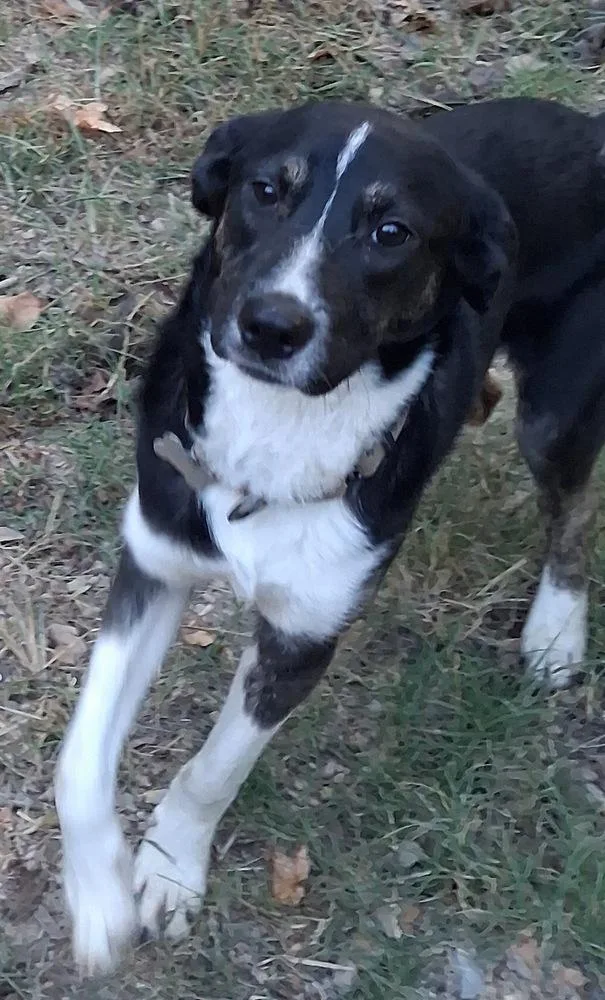
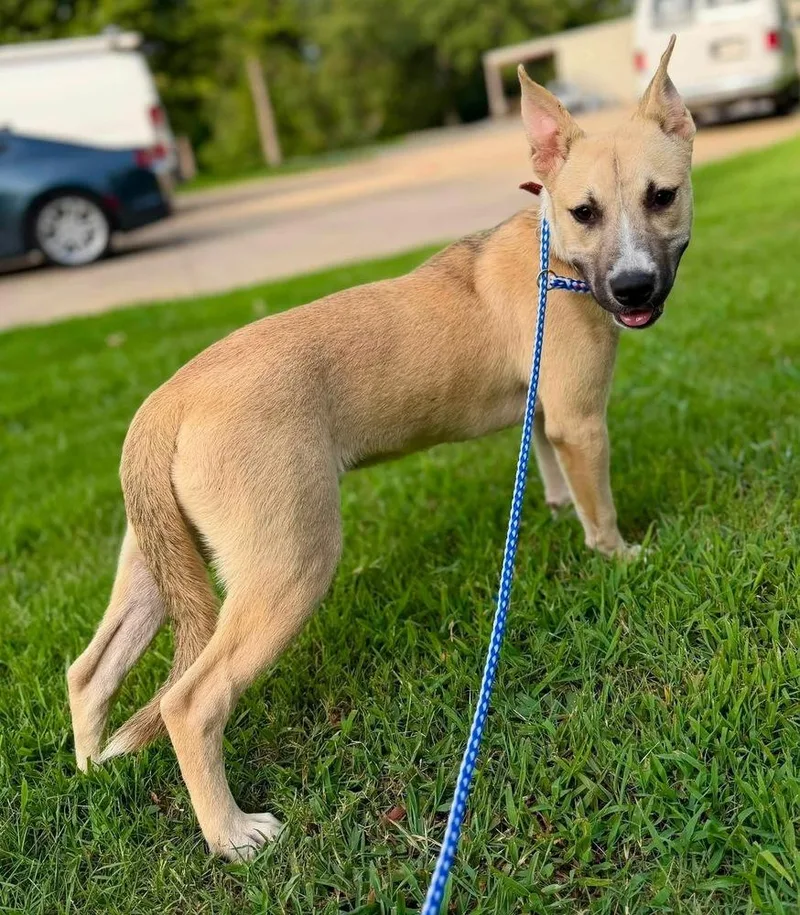
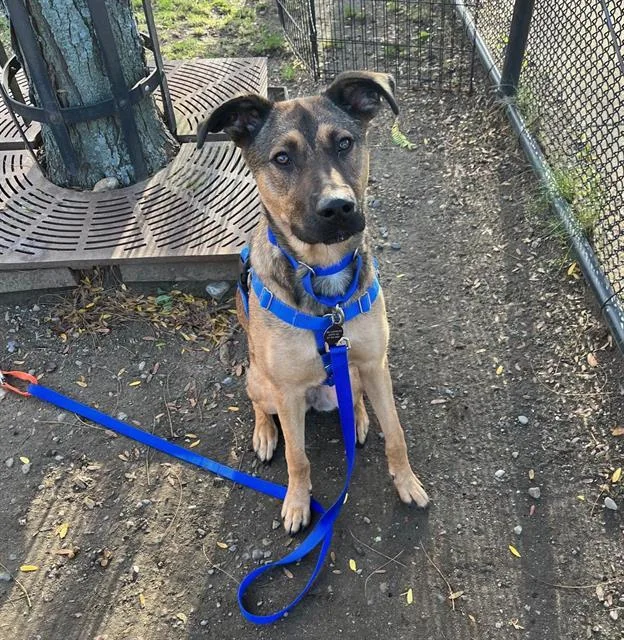
26 Lancashire Heelers available in Boston and nationwide

Find your forever Lancashire Heeler

While we don't have enough dogs near Boston, keep in mind that many rescues may offer transport.

Lancashire Heelers Available for Adoption Near Boston

About the Lancashire Heeler breed

The Lancashire Heeler is a low-slung herding breed from northwest England, bred to drive cattle and clear barns of rats. Most weigh 9 to 17 pounds and have a smooth, weather-resistant coat with an undercoat, in black and tan or liver and tan. Many are known for a lip-parting "smile" when they greet their people.

Heelers tend to be cheerful, alert and affectionate, with a terrier's quick mind and a herder's urge to chase. That combination works well on walkable city streets, but it calls for a daily routine of walks, scent games and short training sessions. Shedding is low to moderate, with a heavier seasonal undercoat shed, and regular brushing keeps up with it. Temperament varies from dog to dog, so get to know each Heeler as the dog it is.


Weight
9–17 lbs
Height
10–12 in
Lifespan
12–16 yrs
Temperament
Alert, Energetic, Affectionate, Intelligent
Group
Herding
Shedding
Low to Moderate

Owning a Lancashire Heeler in Boston

Having a Lancashire Heeler in Boston

A Lancashire Heeler pairs herding drive with a terrier's curiosity in a compact body. Energy, intelligence, chasing instincts and a few inherited eye conditions shape daily life, and Boston's dense streets, winters and neighbors add their own wrinkles.

Temperament

Many Heelers are devoted to their families and reserved with strangers, and plenty are quick to announce every visitor. On busy Boston sidewalks, that alertness can show up as barking at passing dogs and people. Heel-nipping and chasing small animals are possible, so early socialization and reward-based training help. Each dog differs.

Exercise Needs

Plan on daily walks plus active play like fetch, tug or a flirt pole. Boston's leash rules mean off-leash running is limited to designated dog spaces, so mix in training, scent games and puzzle toys at home. A Heeler without enough to do often invents jobs, like barking, digging or herding the family.

Health Considerations

Heelers are often long-lived, but they can inherit eye conditions, including primary lens luxation, collie eye anomaly and persistent pupillary membranes. DNA tests and eye exams exist, so ask a veterinarian about screening soon after adoption. Keep up yearly checkups and dental care, and see a vet quickly for any sudden eye pain or redness.

Living Space

At under 17 pounds, a Heeler fits Boston's apartments, condos and triple-decker units, as long as it gets daily exercise. Barking may matter more to neighbors than square footage does, so think about shared walls. Boston's coyotes treat small dogs as prey, so a fenced yard needs supervision, and a leash is safest.

What it costs to own a Lancashire Heeler in Boston

ExpenseTypical costPer year
Food$20 to $45 per month$240 to $540
Pet insurance$35 to $70 per month$420 to $840
Routine vet care$200 to $400 per year$200 to $400
Other*$390 to $1,090 per year$390 to $1,090
Estimated yearly total (after year one)$1,250 to $2,870

Other costs are estimates and vary with size, age and health.

* The $15 Boston dog license for a spayed or neutered dog ($30 if intact), flea, tick and heartworm prevention, a dental cleaning allowance, toys and bedding, and light grooming.

Adopt a Lancashire Heeler in Boston.

Now that you know more, let’s find you a new best friend. These rescues and shelters below have dogs available in and near Boston.

Rescues and Shelters in or near Boston

Boston's animal welfare community includes city and nonprofit shelters, and the pets listed below change as new animals arrive. Here are the rescues & shelters in the Boston area with dogs available for adoption, worth asking whether a Lancashire Heeler is coming in.

Frequently Asked Questions

Yes, with limits. A Heeler weighs under 17 pounds, so it can ride the MBTA at any time in a secure carrier, ideally on your lap and away from the doors. Without a carrier, a leashed dog is allowed only off-peak, not weekdays 7–9 a.m. or 4–7 p.m. Pets can't sit on seats, and staff may restrict access when crowded.

Most can, with some help. A Heeler's weather-resistant coat copes with Boston's cold, but its short legs and small body lose heat fast in deep snow. Expect about 90 freezing nights a year. Use a coat and boots, keep outings shorter on the coldest days, and wipe paws afterward, since road salt can burn and is toxic.

Boston Common's off-leash Common Canine area is a good start, open 6 a.m. to 11 p.m., with a license and ID tag required. Fenced options include Peters Park in the South End and Flaherty Playground in Jamaica Plain. The Arnold Arboretum is leash-only. Keep a Heeler close, since coyotes see small dogs as prey.

Yes. Massachusetts law bars breed-specific rules, so no Boston restriction targets Lancashire Heelers. You'll need a city license every year by March 31 for a dog over six months, a current rabies vaccination, and a leash whenever you're off your property. Keeping more than four dogs requires a state kennel license.

Yes, a Heeler's compact size suits Boston's apartments and triple-decker units. The bigger issue is noise, since many Heelers bark at hallway sounds, so shared walls matter. Daily walks and puzzle toys help. Massachusetts limits upfront rental charges, but check each building's pet policy, because a landlord's rules can still apply.

It can be, for walkers who enjoy training. A Heeler handles compact housing and city streets, but it needs daily exercise, mental work and a plan for barking and chasing. Winter snow, salted sidewalks and crowded sidewalks take some effort. Heelers are less suited to owners who are away for long days.

Sometimes, on patios only. Boston lets restaurants apply for a City variance to allow dogs outdoors, so look for dog-friendly signs rather than assuming. Dogs stay leashed or in a carrier, off chairs and tables, and can't enter the interior. Bring a water bowl, and keep your Heeler's licenses and rabies shots current.

Very little. The short, weather-resistant coat needs a weekly brush, more often during the seasonal undercoat shed in spring and fall. Occasional baths, nail trims and teeth care round it out. In winter, wipe paws after salty walks. Light grooming fits within the Other cost line, so most owners need little professional help.

A Lancashire Heeler is a small, sturdy herding dog from northwest England, about 10 to 12 inches tall and 9 to 17 pounds, originally used to drive cattle and catch rats on farms. It has a short black-and-tan or liver-and-tan coat, an alert, cheerful personality and plenty of energy. The AKC recognized the breed in 2024.

Budget about $20 to $45 a month for food, $35 to $70 a month for pet insurance, and $200 to $400 a year for routine vet care. Other yearly costs, including the license, parasite prevention, dental care, supplies and light grooming, run roughly $390 to $1,090. Adoption fees depend on the listing.