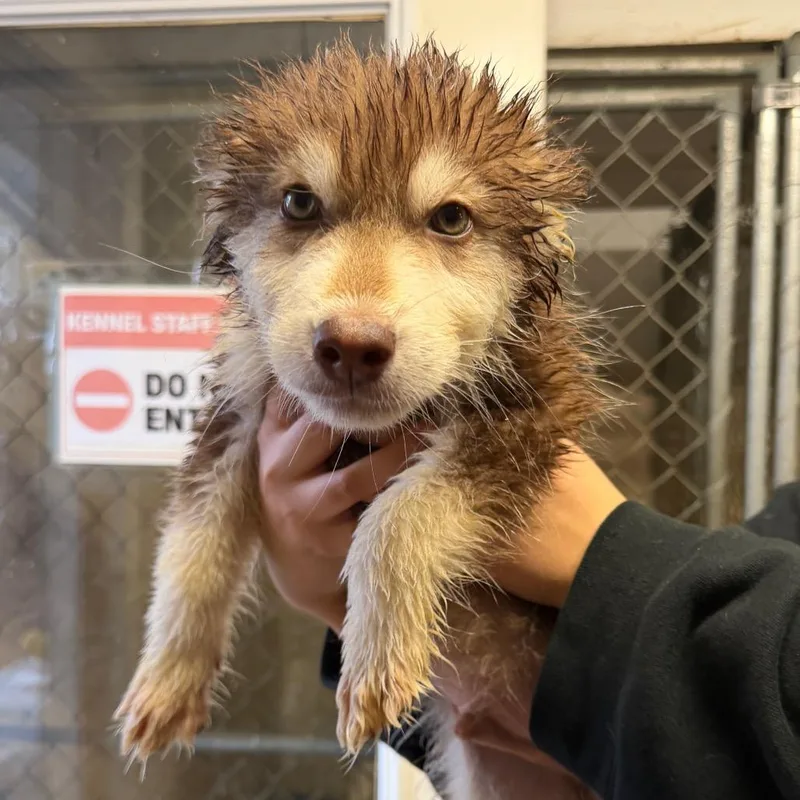


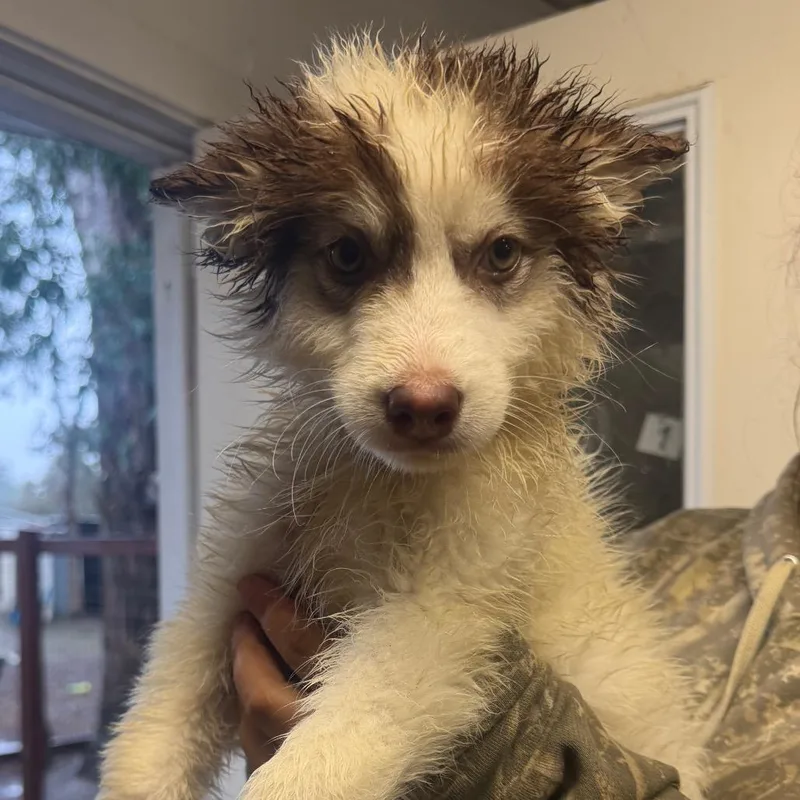
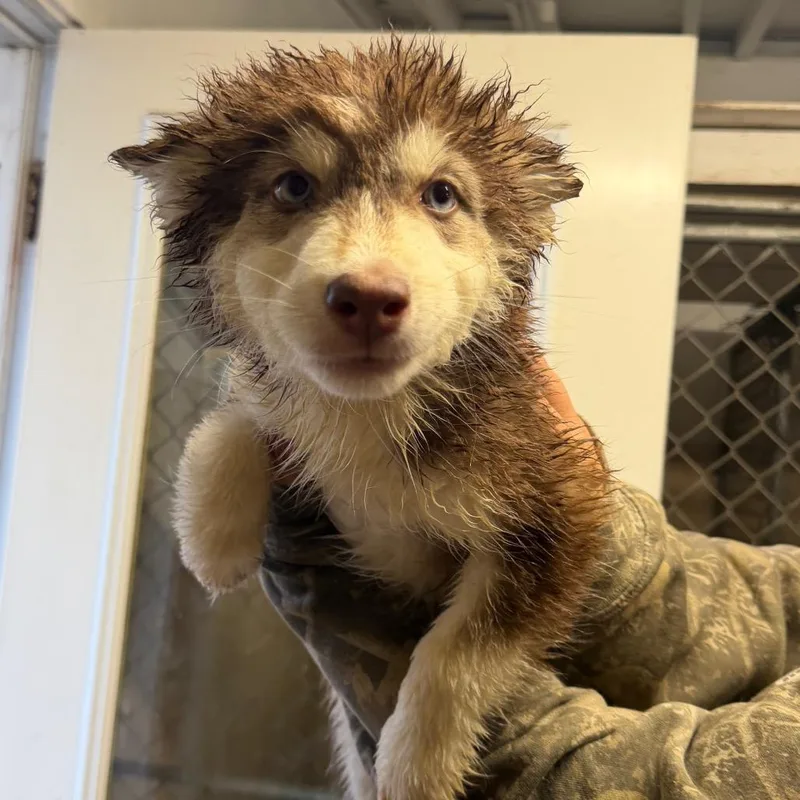
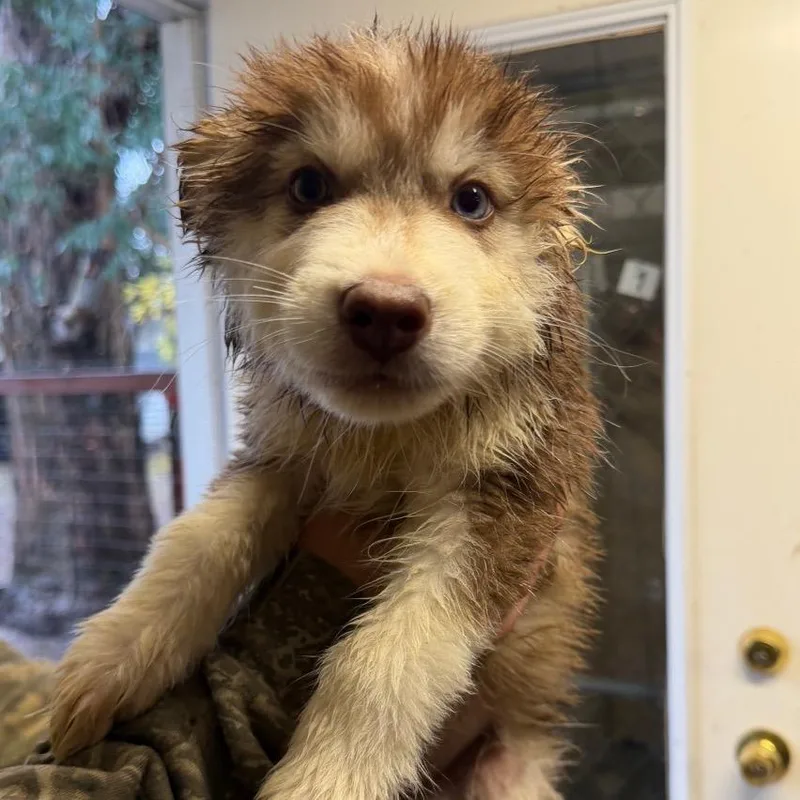
Klee Kai Dogs for Adoption in Boston, MA

Your guide to finding and caring for a Klee Kai in Boston

A Klee Kai suits Boston's walkable neighborhoods well, as long as it gets a real workout every day. They're small enough for a Dorchester triple-decker or a Roslindale two-family, but they're alert, talkative and often wary of strangers, so a busy square like Uphams Corner takes some practice. A brisk loop on the leashed paths of the Arnold Arboretum gives a Klee Kai the energy outlet it wants, and the double coat handles New England winters comfortably. Plan on steady training before the first walk down Centre Street.

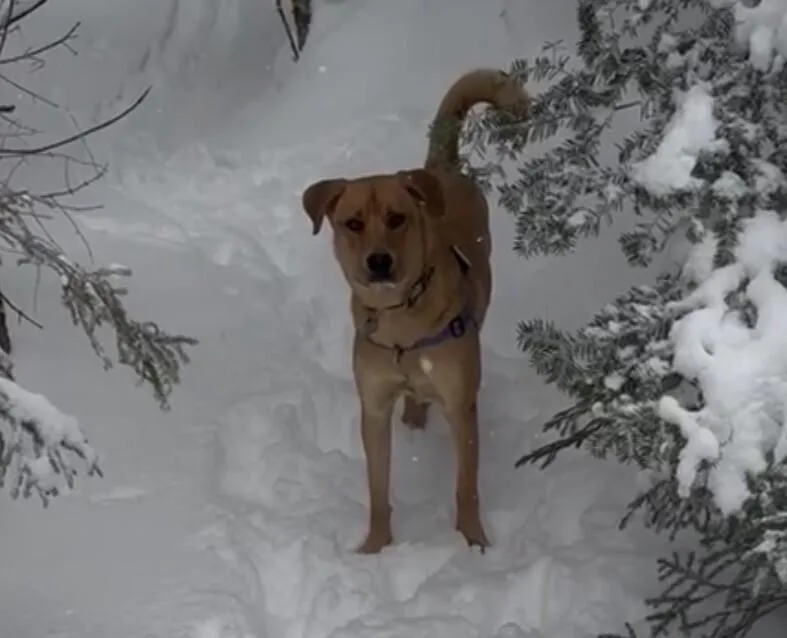
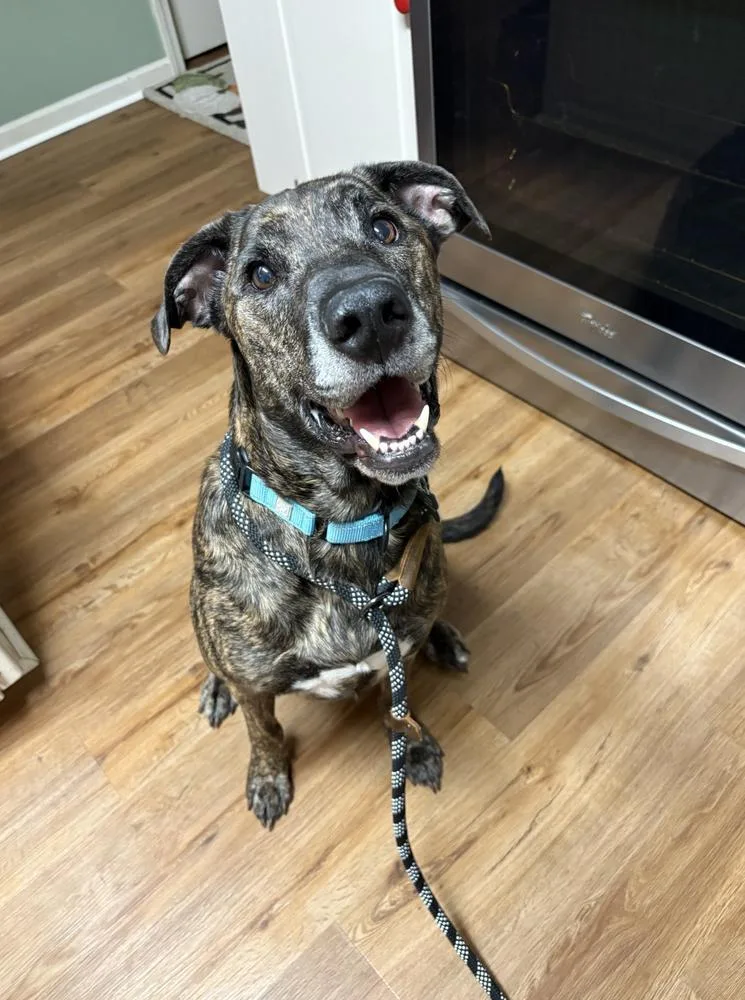
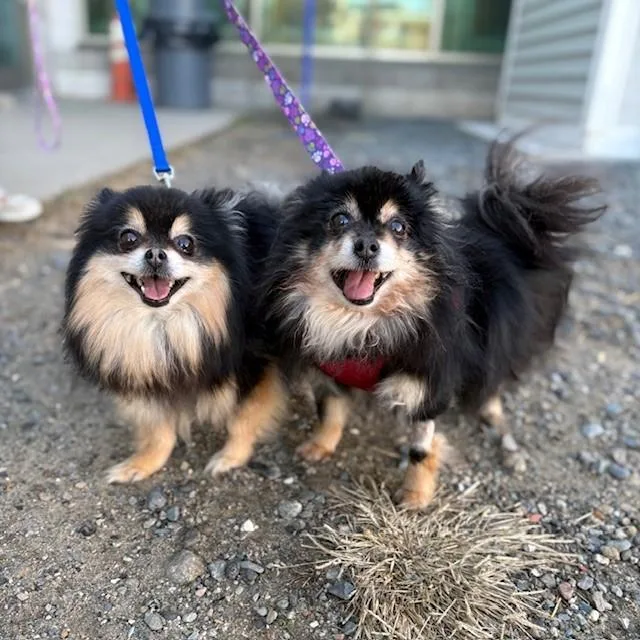
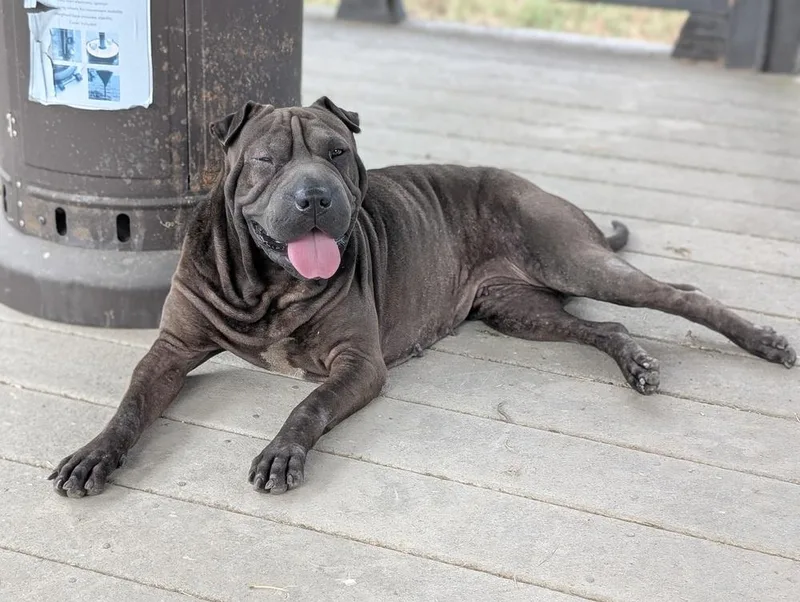
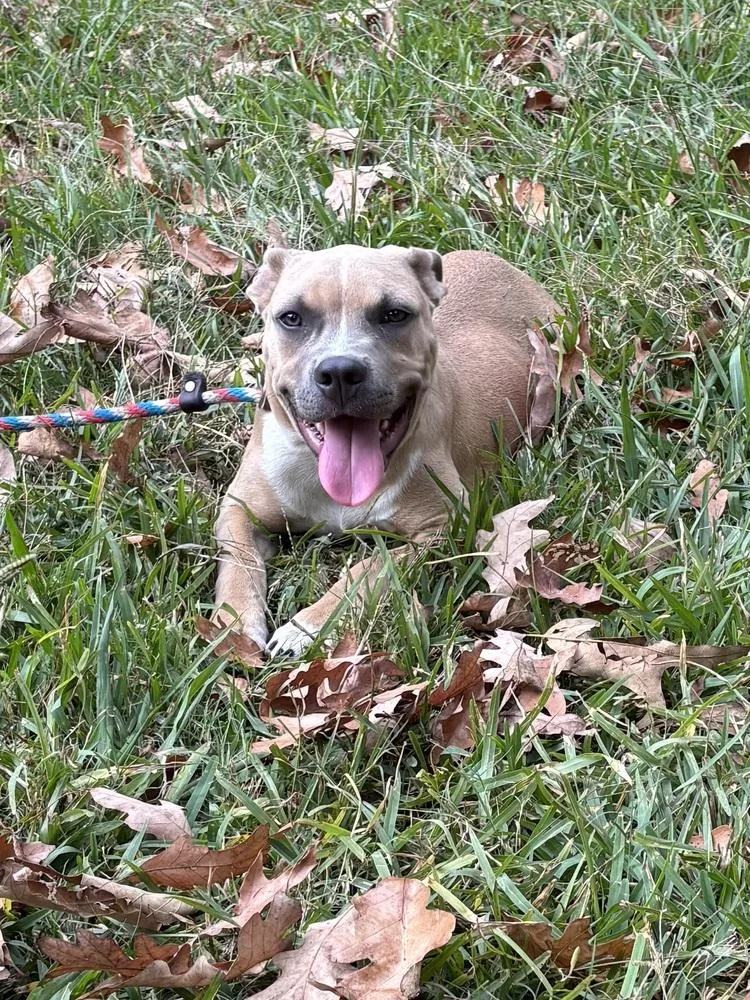
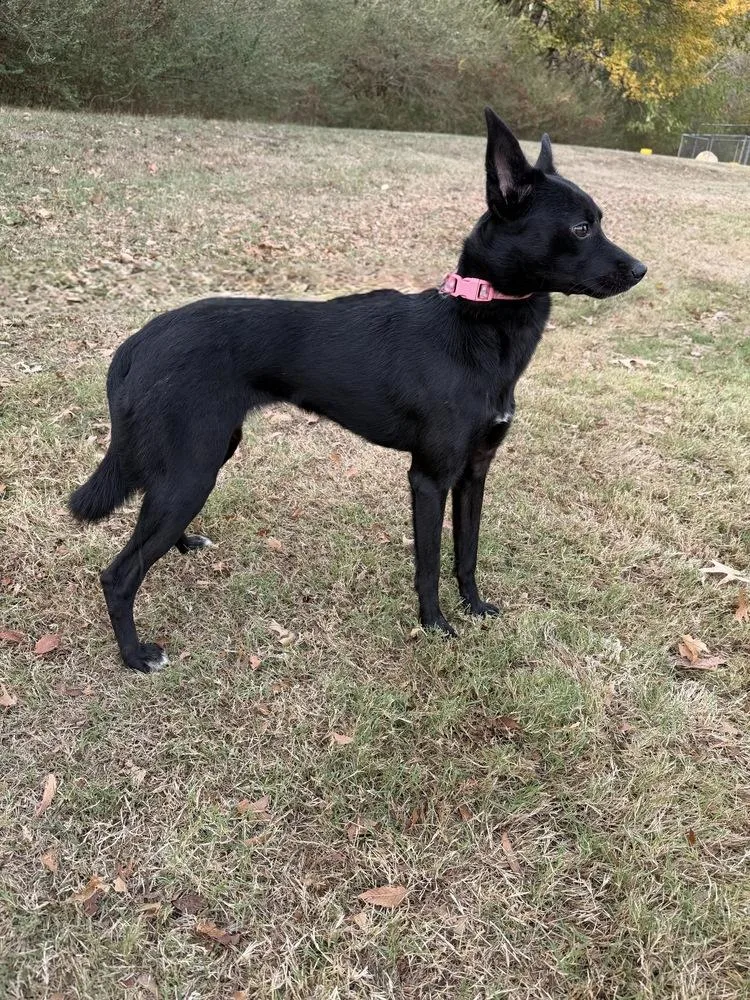
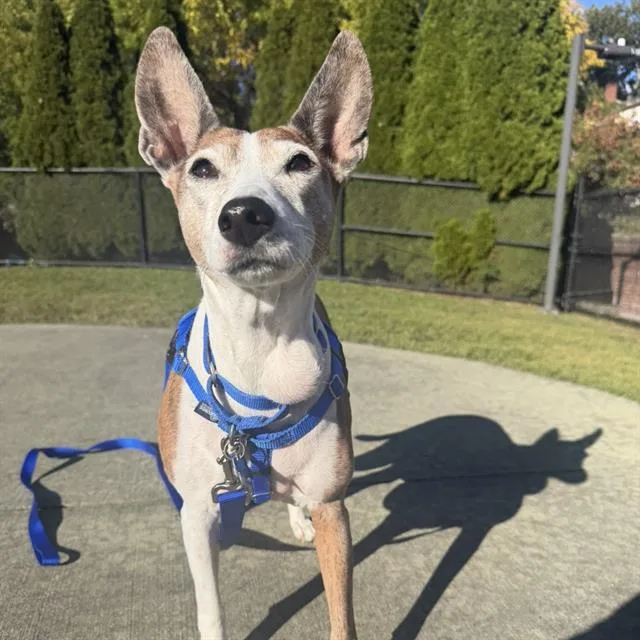
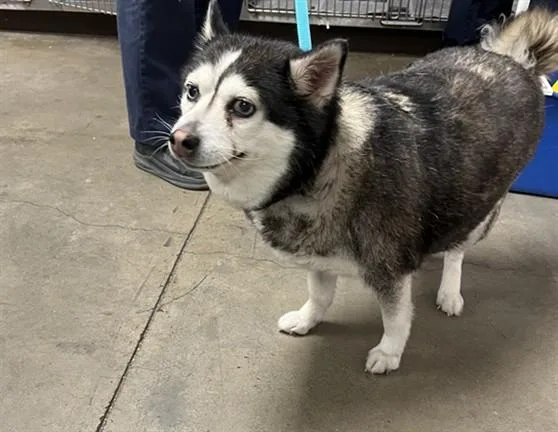
17 Klee Kais available in Boston and nationwide

Your Klee Kai is waiting

While we don't have enough dogs near Boston, keep in mind that many rescues may offer transport.

Klee Kais Available for Adoption Near Boston

About the Klee Kai breed

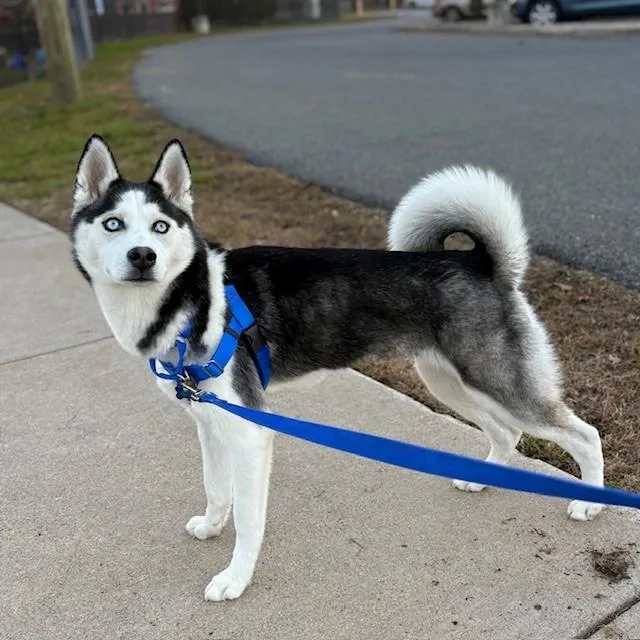
The Alaskan Klee Kai was developed in Alaska in the 1970s as a companion-sized take on the sled-pulling Alaskan Husky, with Siberian Husky, Schipperke and American Eskimo Dog added to bring the size down. It looks like a miniature husky, with a facial mask, erect ears, a curled tail and a double coat, and comes in toy, miniature and standard sizes.

Temperament is where it differs most from a Siberian. Many Klee Kai are reserved with strangers, devoted to their own people, clever and vocal. They shed moderately year-round and blow coat about twice a year. In a dense city like Boston, early socialization, a secure harness and leash, and daily mental work matter as much as the walks do.

Weight
6–22 lbs
Height
12–17 in
Lifespan
12–16 yrs
Temperament
Alert, Curious, Intelligent, Energetic
Group
Miscellaneous
Shedding
Moderate to High

Owning a Klee Kai in Boston

Having a Klee Kai in Boston

Klee Kai pair husky-style energy and intelligence with a compact body. In Boston, wariness of strangers, a talkative streak and a strong chase instinct shape daily routines more than size does, though each dog's personality varies.

Temperament

Klee Kai are usually playful and affectionate with their household and cautious with newcomers. Poorly socialized dogs may turn fearful or snappy. Many howl and chatter, which carries through shared walls, and squirrels or other small animals can trigger a chase. Gradual, positive exposure to Boston's crowds, buses and sidewalk traffic helps a great deal.
Exercise Needs

Plan on vigorous daily activity: brisk walks, fetch, agility-style games and puzzle toys. Klee Kai are quick, agile jumpers that bolt after squirrels, so use a secure harness and a leash of 8 feet or less. Boston's fenced dog spaces offer safer off-leash play than open lawns. Bored dogs often dig, chew or vocalize.

Health Considerations

Klee Kai are generally sturdy, but documented concerns include juvenile cataracts, liver disease, heart problems, thyroid issues and factor VII deficiency, an inherited clotting disorder with a DNA test. Smaller dogs can have slipping kneecaps. A veterinarian can check eyes, knees and heart, and should know about any bleeding disorder before surgery. Wipe paws after winter walks to remove road salt.

Living Space

A Klee Kai can do well in a Boston condo, triple-decker apartment or single-family home if its exercise needs are met. Small size helps, but howling can test thin walls. Yards need tall, dig-proof fencing, because these dogs climb and jump well. Homes with cats or other small pets need careful, gradual planning.

What it costs to own a Klee Kai in Boston

ExpenseTypical costPer year
Food$20 to $45 per month$240 to $540
Pet insurance$35 to $70 per month$420 to $840
Routine vet care$200 to $400 per year$200 to $400
Other*$490 to $1,290 per year$490 to $1,290
Estimated yearly total (after year one)$1,350 to $3,070

Other costs are estimates and vary with size, age and health.

* The Boston dog license ($15 spayed or neutered, $30 intact), flea, tick and heartworm prevention, a dental cleaning allowance, toys and bedding, and extra brushing when the double coat sheds out.

Adopt a Klee Kai in Boston.

Now that you know more, let’s find you a new best friend. These rescues and shelters below have dogs available in and near Boston.

Rescues and Shelters in or near Boston

Boston's rescue community includes a city shelter and several private nonprofits, giving adopters a range of places to browse available dogs. Here are the rescues & shelters in the Boston area with dogs available for adoption, worth asking whether a Klee Kai is coming in.

Frequently Asked Questions

Yes, with limits. The MBTA allows small pets in a secure carrier at any time, so a Klee Kai that fits in one can ride, ideally on your lap. Larger dogs must be leashed and are barred on weekdays from 7–9 a.m. and 4–7 p.m. Nothing may sit on seats, and staff can refuse crowded trains.

Usually yes. The double coat suits Boston's winter, which brings about 90 freezing nights and roughly 49 inches of snow a year. The bigger risks are ice and salt, so wipe paws after walks and use a harness on slick sidewalks. Limit time outside during storms, and never leave a dog out in extreme cold.

Fenced dog spaces are the best fit, since Klee Kai can bolt after squirrels. Try Peters Park in the South End, the Allston-Brighton Dog Park or Flaherty Playground in Jamaica Plain. The Arnold Arboretum offers leashed walks. Boston Common's off-leash area needs a license, ID tag and reliable recall.

Yes. Massachusetts law bars breed-specific rules, so Klee Kai aren't restricted. You'll need a dog license each year by March 31 once the dog is over six months, a current rabies vaccination, a leash whenever you're off your property, and waste pickup. Keeping more than four dogs requires a kennel license.

Sometimes, on patios only. Boston restaurants can get a City variance to welcome dogs outdoors, so look for dog-friendly signs. Dogs must stay leashed, off furniture and out of the dining room, and they get water only. A wary, vocal Klee Kai may find a busy patio stressful, so practice first.

Weekly brushing is usually enough, with daily brushing during the two heavy sheds, typically spring and fall. Never shave the double coat, since it helps with both cold and summer heat. Most owners groom at home, with an occasional professional bath, which fits within the $490–$1,290 yearly Other costs listed on this page.

It can be, for active owners. Boston's walkable streets, fenced dog spaces and mild spring and fall suit a Klee Kai, and its small size works in rentals. Winter ice, summer humidity, crowded sidewalks and howling through shared walls take planning, and a wary dog needs patient socialization to enjoy the city.

Alaskan Klee Kai come in three sizes: toy dogs stand up to 13 inches at the shoulder, miniatures over 13 to 15 inches, and standards over 15 to 17 inches. Weights typically run from under 10 pounds for toys to about 16 to 22 pounds for standards. Even within a litter, puppies can grow into different size varieties.

An Alaskan Klee Kai is a small, husky-like companion dog developed in Alaska in the 1970s from Alaskan Husky, Siberian Husky, Schipperke and American Eskimo Dog lines. It has a facial mask, erect ears, a curled tail and a double coat, and comes in three sizes. Many are energetic, intelligent and vocal, and often reserved with strangers.

A Klee Kai typically costs about $20–$45 a month for food and $35–$70 a month for pet insurance. Routine vet care runs roughly $200–$400 a year, and other yearly costs such as the license, parasite prevention, dental care, supplies and coat care add about $490–$1,290. Actual totals depend on the dog.