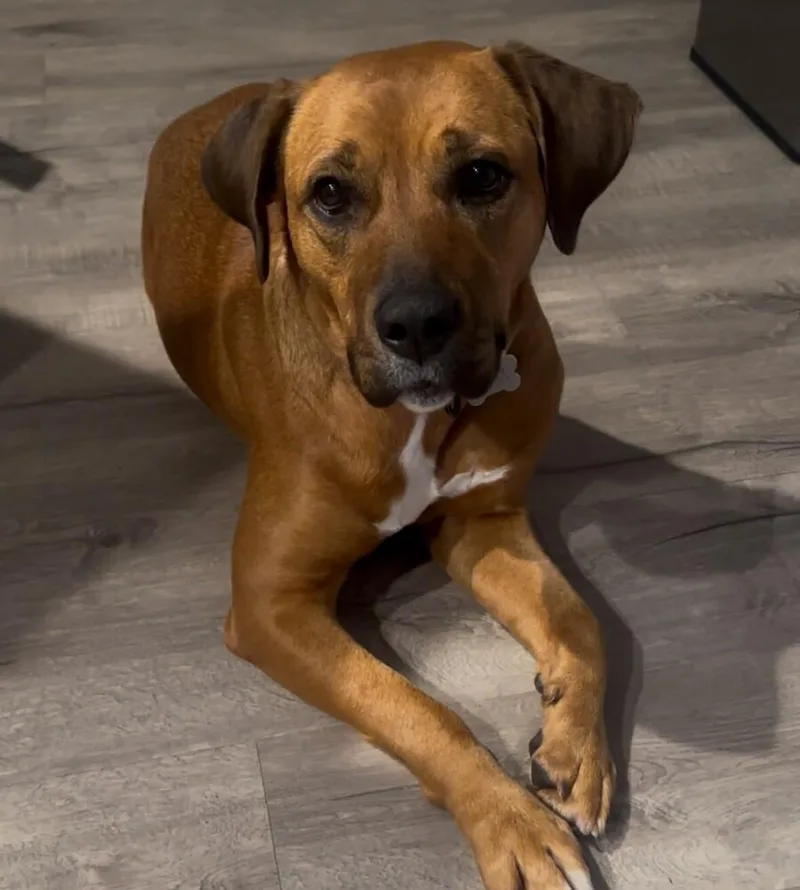
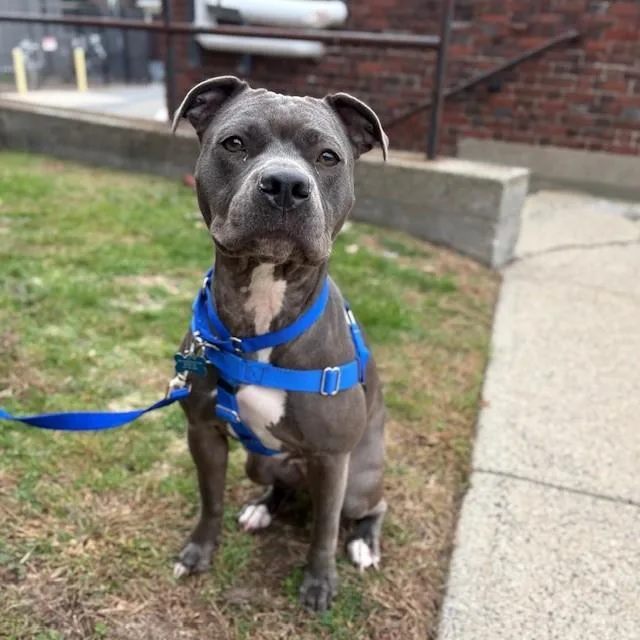
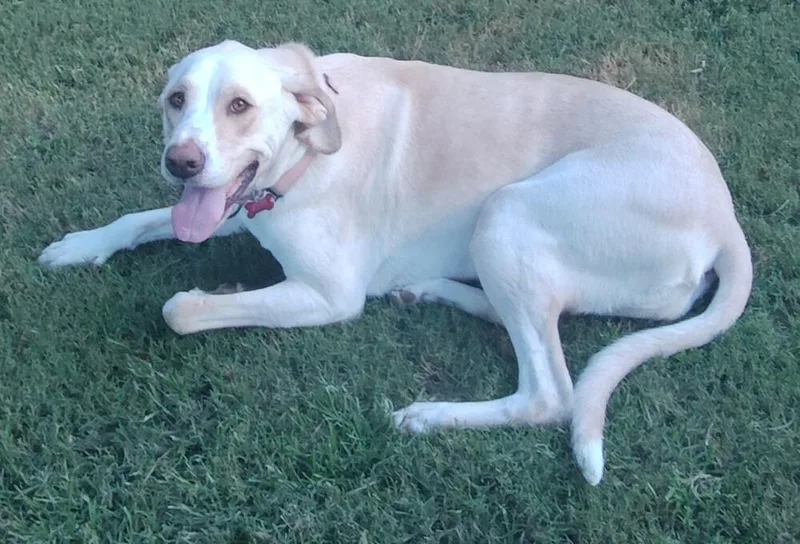
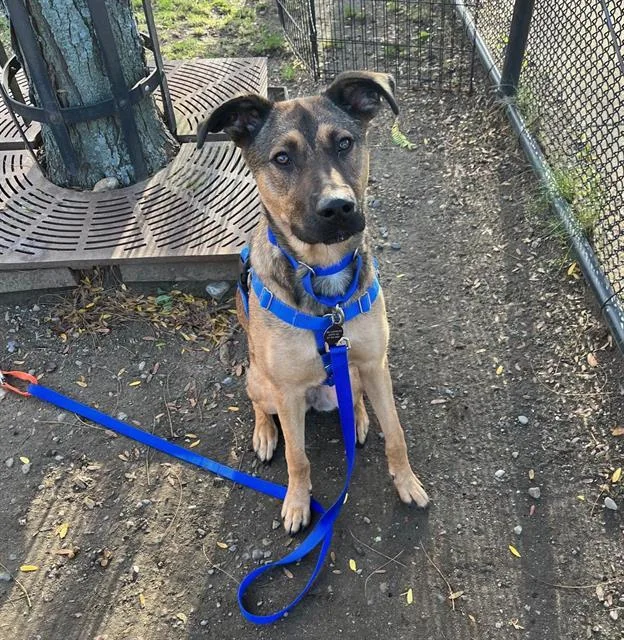
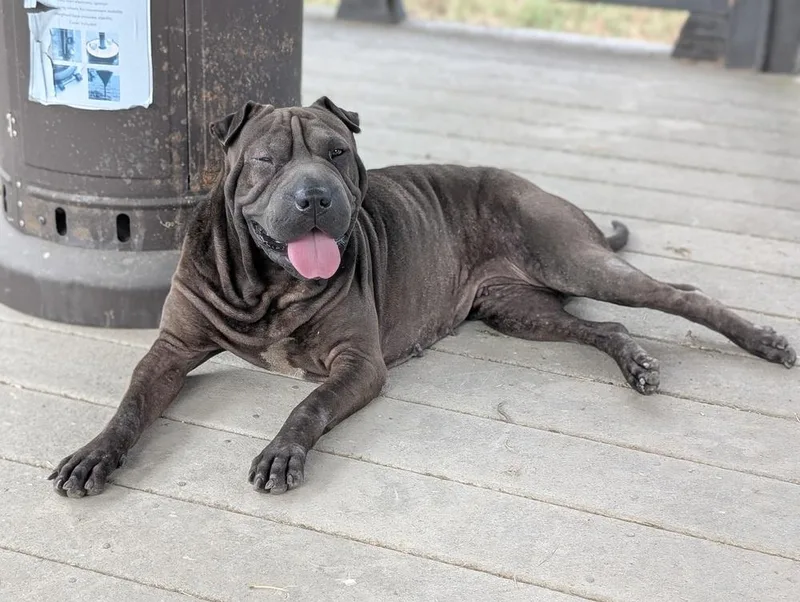
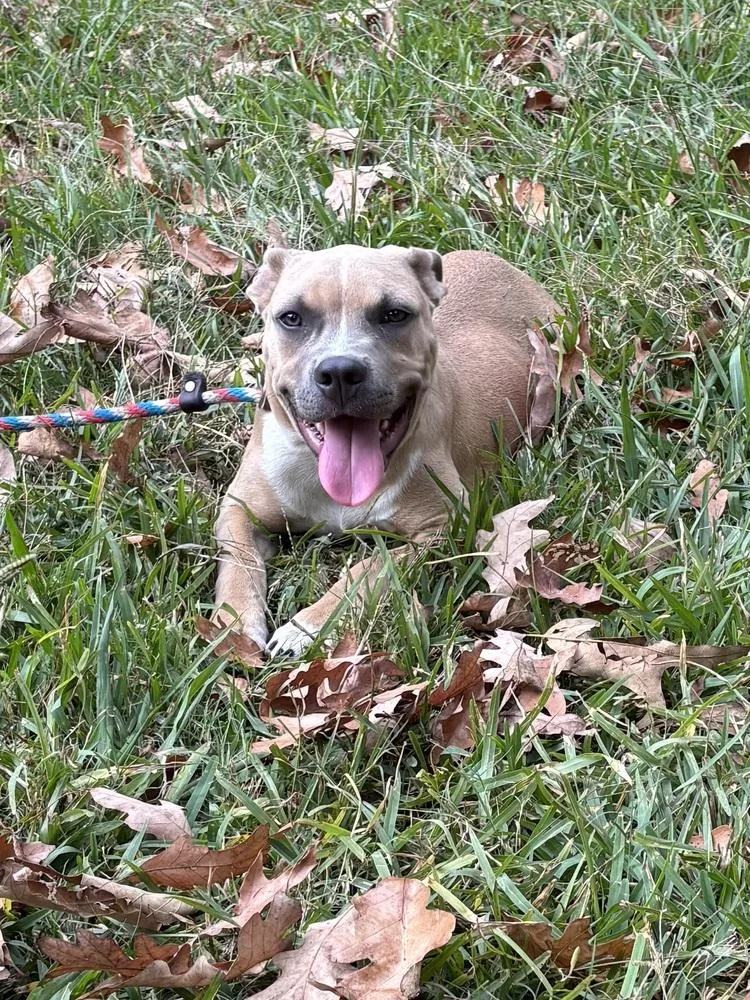
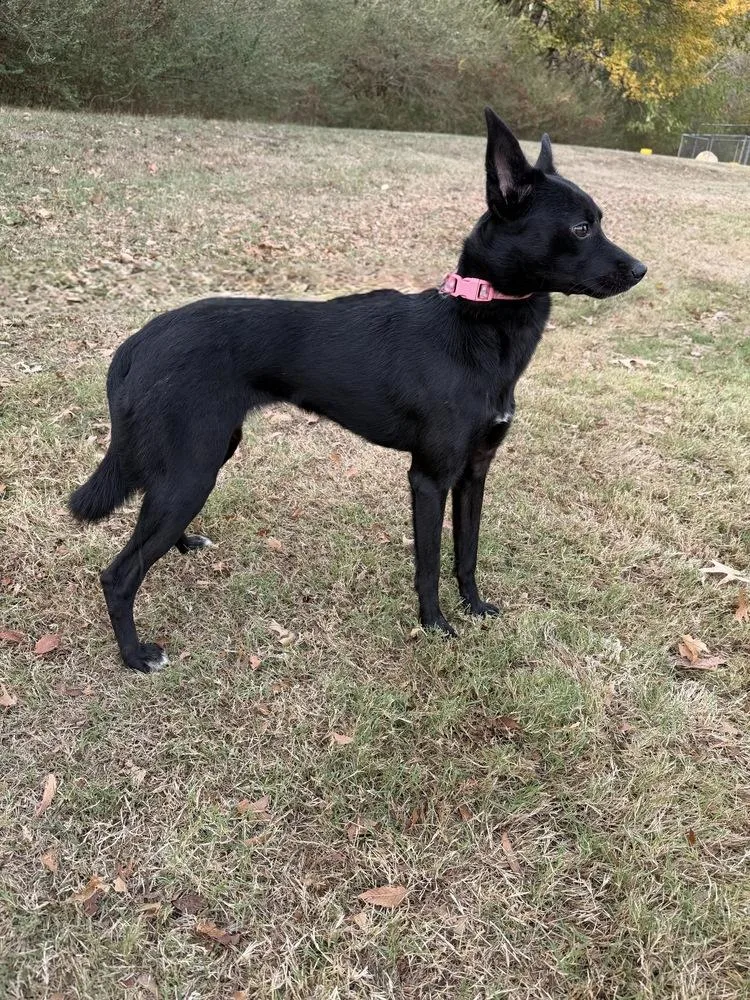
Hound Dogs for Adoption in Boston, MA

Your guide to finding and caring for a Hound in Boston

A hound mix in Boston turns every walk into a sniffing expedition. In Jamaica Plain, that means the Arnold Arboretum paths and Centre Street sidewalks, with plenty of scents on both. Most hounds are friendly with neighbors and other dogs, though a baying voice carries through the thin walls of a triple-decker. Because a hound will follow a scent wherever it leads, a secure harness and a short leash matter on busy city streets. Plan on long, unhurried walks every day.

4629 Hounds available in Boston and nationwide

Your Hound mix is waiting

Hounds Available for Adoption Near Boston

About the Hound breed

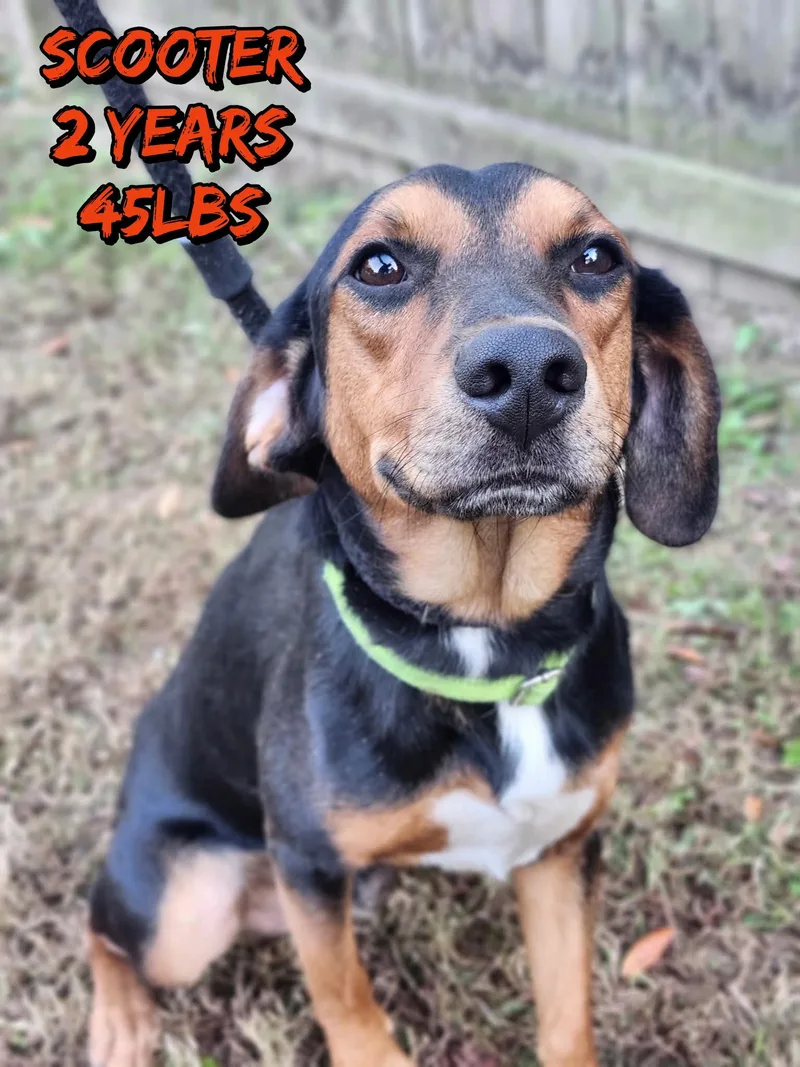
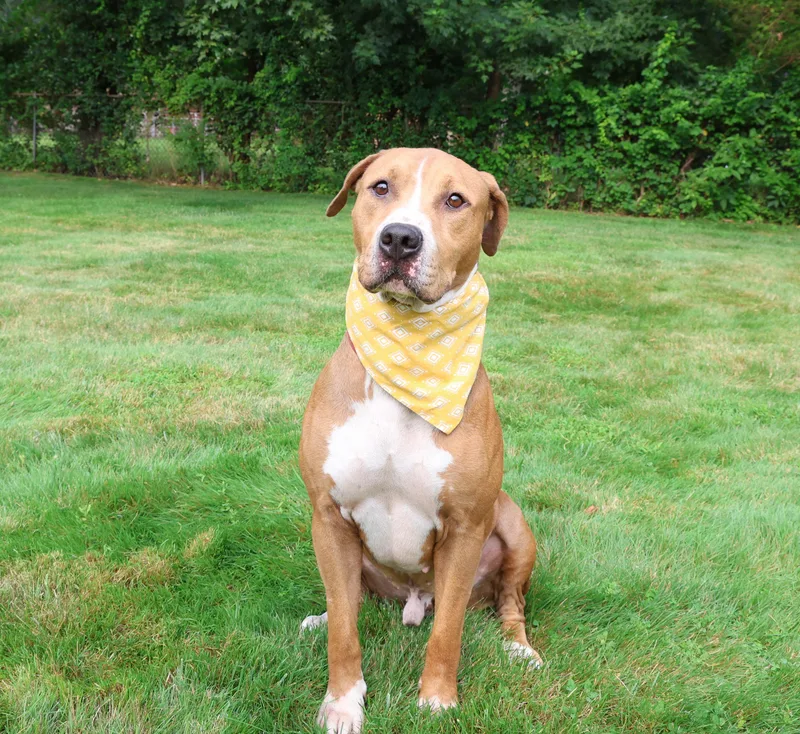
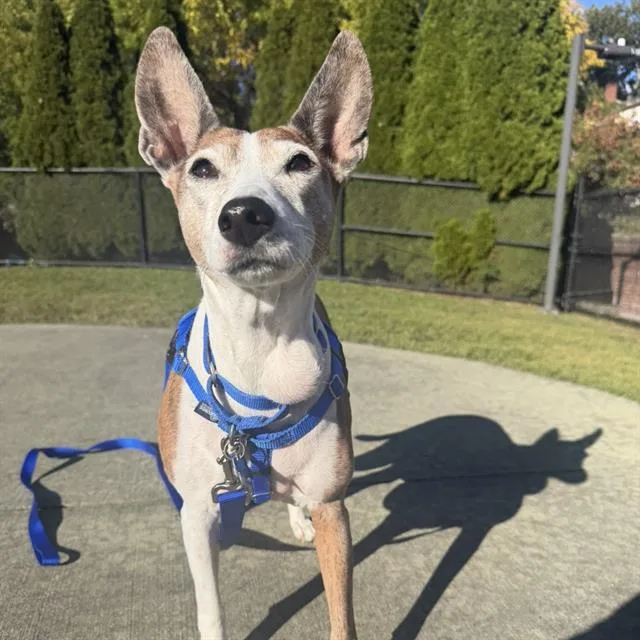
Hound isn't one breed but a large family of hunting dogs. Scent hounds like Beagles, Coonhounds, Foxhounds and Bloodhounds follow a trail with their noses, while sighthounds such as Greyhounds and Whippets chase what they see. On adoption listings, hound usually means a scent hound mix with long ears, a short coat and a loud voice.

Most hounds are friendly, easygoing with people and other dogs, and happiest following their noses. That instinct has trade-offs: many howl or bay, wander off after a scent, and treat training as a negotiation. In Boston, that makes a leash and a secure yard or a well-fitted harness essential. Ancestry varies widely, so a listing's notes on size, energy and voice say more than the label.


Weight
20–70 lbs
Height
13–27 in
Lifespan
10–14 yrs
Temperament
Friendly, Independent, Vocal
Group
Hound
Shedding
Moderate

Owning a Hound in Boston

Having a Hound in Boston

Hound covers many breeds and mixes, so these cards describe what most adoptable hounds share: a sociable nature, a powerful nose, an independent streak and a voice. A dog's ancestry decides how strongly each trait shows, and no two hounds are alike.

Temperament

Many hounds are gentle and sociable, which helps on crowded Boston sidewalks and in busy dog parks. They can also be stubborn, because they were bred to follow a trail without waiting for direction. Patient, food-based training works better than force. Baying is common, though some hounds are surprisingly quiet, so be ready for a vocal dog.

Exercise Needs

Plan on daily walks long enough to sniff and explore, plus scent games or food puzzles at home. Boston's Arnold Arboretum and Franklin Park offer room to roam, but dogs must stay leashed there, which suits hounds, since a strong scent can override recall. Sighthound types often prefer short sprints followed by long naps.

Health Considerations

Long, hanging ears trap moisture, so ear infections are common in scent hounds, and a veterinarian can show you how to clean them. Many hounds gain weight easily, and larger ones can develop hip dysplasia. Boston's tick season makes a post-walk check worthwhile after trail outings. Sighthounds can be sensitive to anesthesia.

Living Space

Hounds can adapt to apartments or houses when they get enough outdoor time, but baying can test the thin walls of Boston's triple-deckers and brownstone conversions. A securely fenced yard helps, since many hounds dig or follow a scent through gaps. Coyotes can clear six-foot fences, so supervise yard time and keep food and trash out of reach.

What it costs to own a Hound in Boston

ExpenseTypical costPer year
Food$35 to $70 per month$420 to $840
Pet insurance$45 to $85 per month$540 to $1,020
Routine vet care$225 to $450 per year$225 to $450
Other*$440 to $1,180 per year$440 to $1,180
Estimated yearly total (after year one)$1,625 to $3,490

Other costs are estimates and vary with size, age and health.

* Flea, tick and heartworm prevention, a dental cleaning allowance, the Boston dog license ($15 spayed or neutered, $30 not), toys and bedding, and basic brushing and ear care.

Adopt a Hound in Boston.

Now that you know more, let’s find you a new best friend. These rescues and shelters below have dogs available in and near Boston.

Rescues and Shelters in or near Boston

Boston's shelters and rescues listed below take in dogs of every size, age and mix, hound mixes among them. Here are the rescues & shelters in the Boston area with dogs available for adoption, worth asking whether a Hound is coming in.

Frequently Asked Questions

Yes, you can get a Hound in Boston. Massachusetts law bars cities from regulating dogs by breed, so no rule singles out hounds or hound mixes. You'll need a city license every year by March 31 and a current rabies vaccination once the dog is six months old. Boston pet stores can't sell dogs, so browse the listings on this page.

Yes, a Hound can live in a Boston apartment when long daily walks are part of the routine. Noise is the main risk: baying carries through thin walls, and a tired hound is usually a quieter one. Sniff-heavy walks, scent games and food puzzles help. Confirm the building's pet policy and any weight limit before you apply.

A Hound is a good fit for Boston if you enjoy long, leashed walks and can plan around winter and noise. The Emerald Necklace parks and neighborhood streets give a scent-driven dog plenty to explore. It's a weaker match for anyone wanting an off-leash companion or a dog left alone all day, since hounds are pack-minded and follow their noses.

Yes, with limits. MBTA rules let small dogs ride at any time in a secure carrier, ideally on your lap. Many hounds are too big for a carrier, and those dogs can't ride on weekdays from 7 to 9 a.m. or 4 to 7 p.m. Off-peak, they must stay leashed and off the seats. Staff may restrict access in crowds.

Start with the Arnold Arboretum in Jamaica Plain and Franklin Park, both leashed and large enough for long sniffing walks. Stony Brook Reservation in Hyde Park and West Roxbury adds about 10 miles of paths. Save off-leash play for fenced dog parks. Dogs aren't allowed on South Boston beaches like Carson Beach from May 1 through September 15.

Yes, with some help. Short coats don't insulate much, so use a coat on bitter days and wipe paws and belly after walks to remove road salt, which the City warns is toxic. State law bars leaving a dog outside in extreme cold, and a hound that follows a scent into a snowstorm can get lost quickly, so keep it leashed.

Sometimes, on patios only. Boston lets restaurants with outdoor space apply for a City variance to welcome dogs, so look for dog friendly signs. Dogs must be licensed, vaccinated for rabies and leashed, and can't sit on chairs or tables or enter the dining room. Bring a water bowl, and watch for dropped food, because a hound will find it.

Not much. Most hounds have short, dense coats that need a weekly brush to manage moderate shedding, plus regular ear checks and cleaning, since floppy ears trap moisture after wet or snowy walks. In winter, wipe paws and belly after salted sidewalks. Professional grooming is rarely necessary, so it adds little to the roughly $440 to $1,180 yearly Other costs.

A hound dog is a hunting dog bred to track or chase game, either by following a scent or by sight and speed. Beagles, Coonhounds, Bloodhounds and Basset Hounds hunt by nose, while Greyhounds and Salukis are sighthounds. Shelters often label a dog hound when it shows scent hound traits, such as long ears, a strong nose and a baying voice.

Expect roughly $1,600 to $3,500 a year for a hound in Boston. Food runs $35 to $70 a month, insurance $45 to $85 a month, routine vet care $225 to $450 a year, and other costs $440 to $1,180 a year. Size and coat shape the range, with larger coonhound types toward the top.