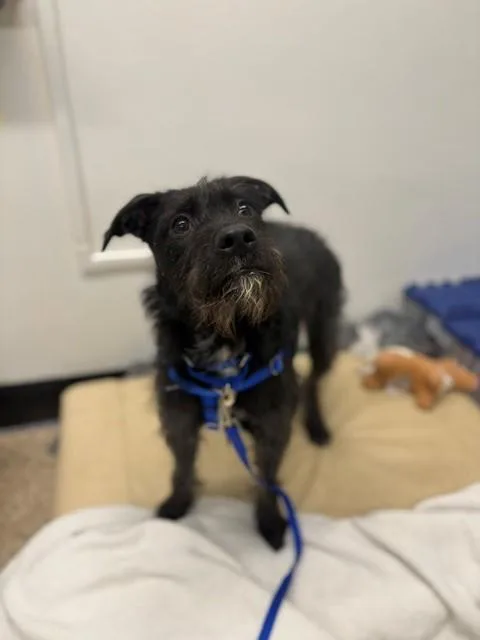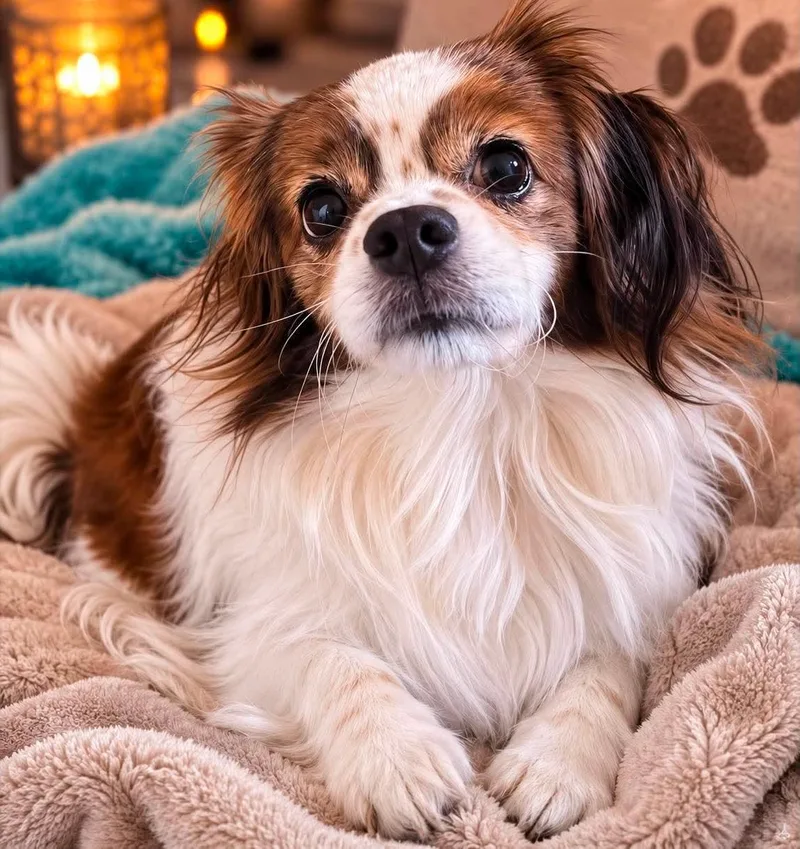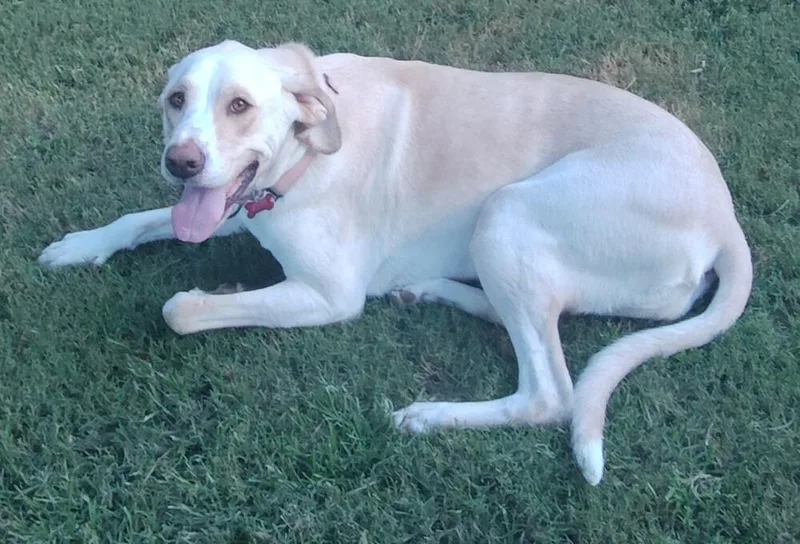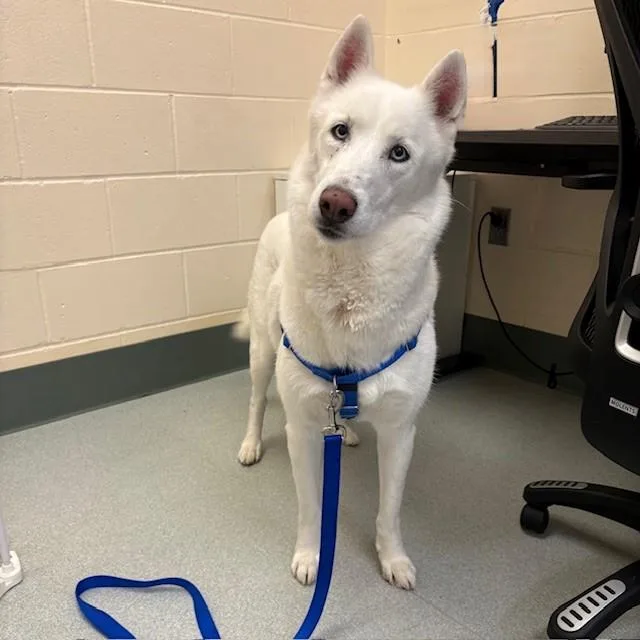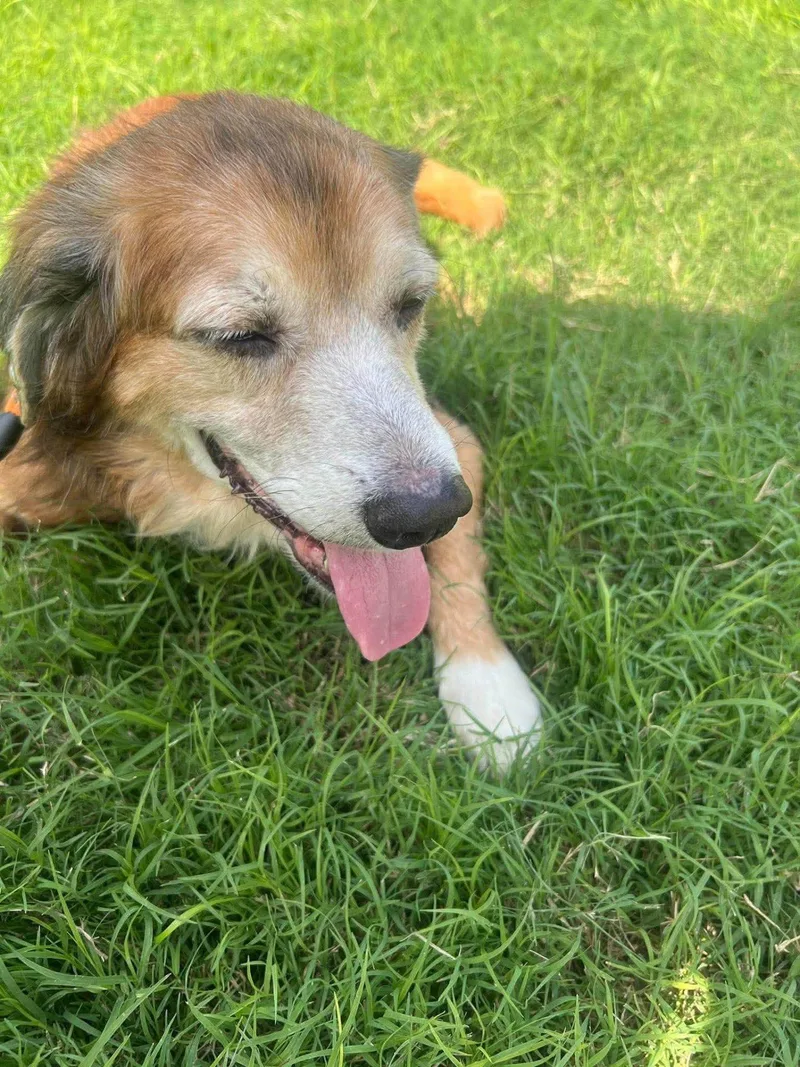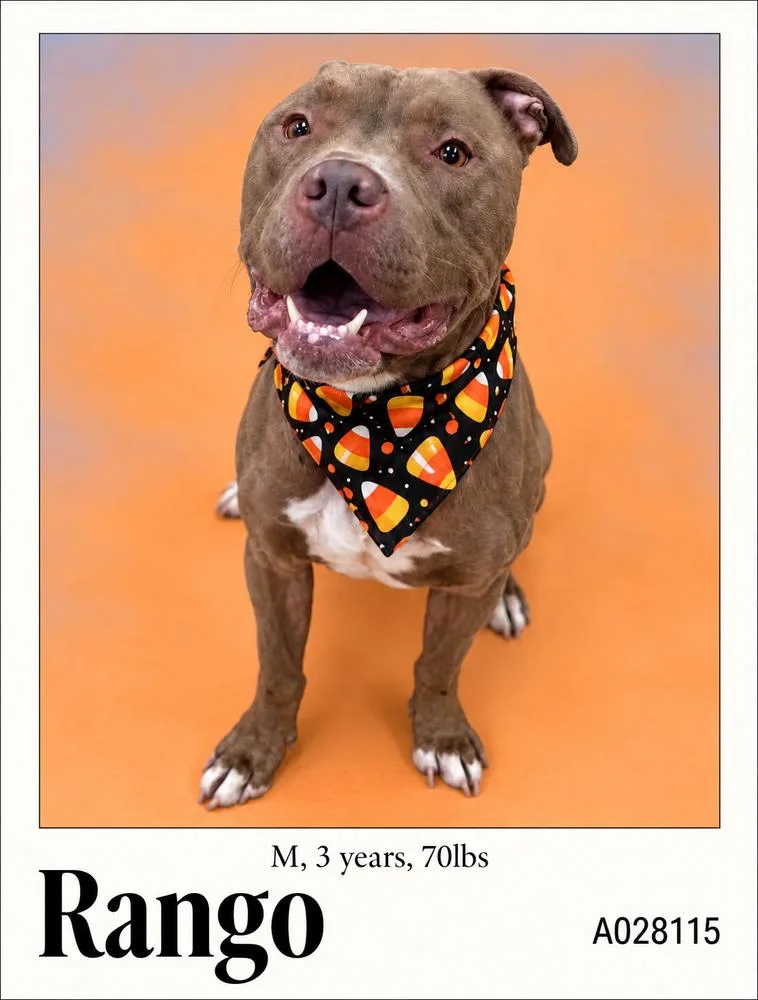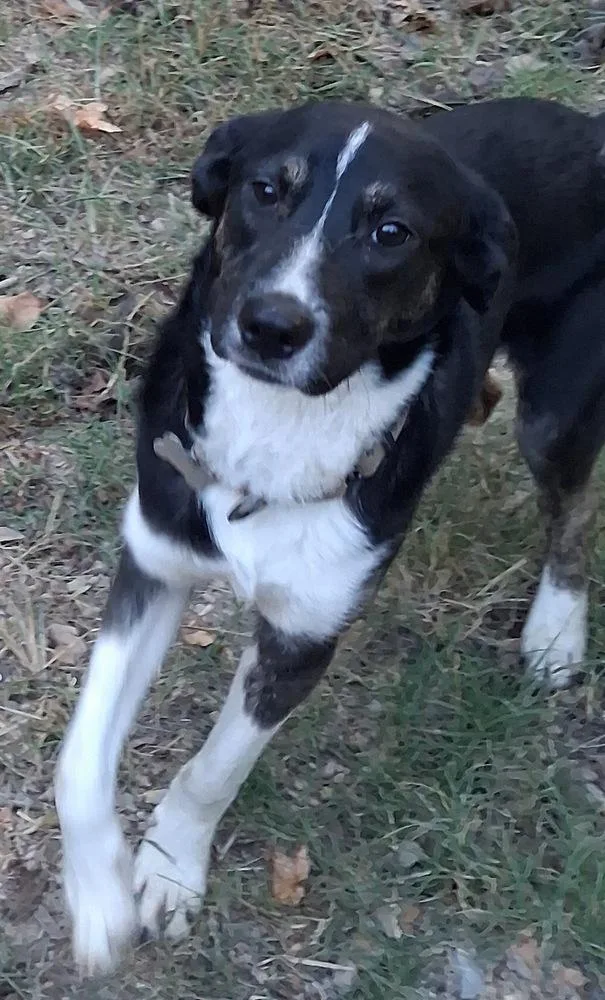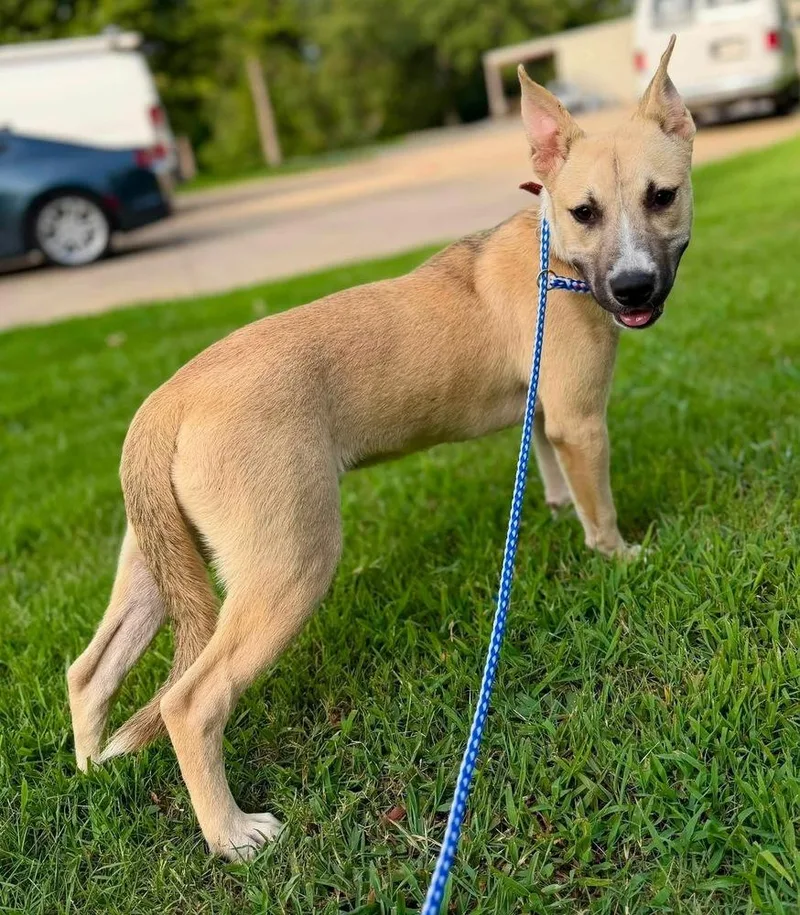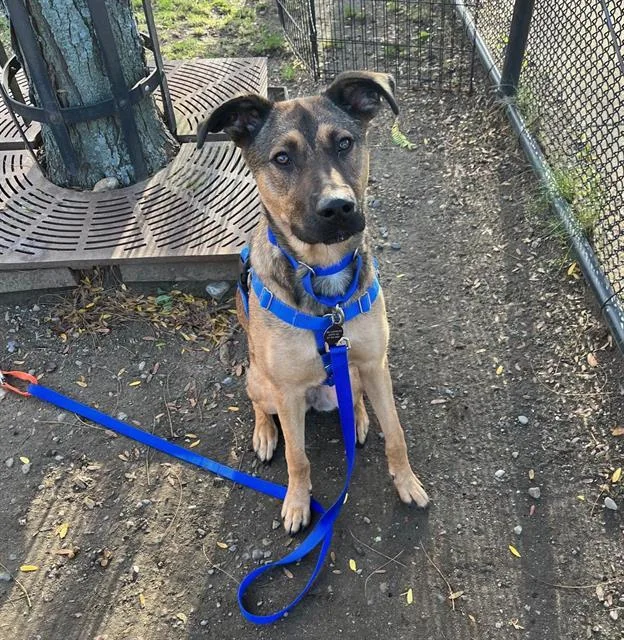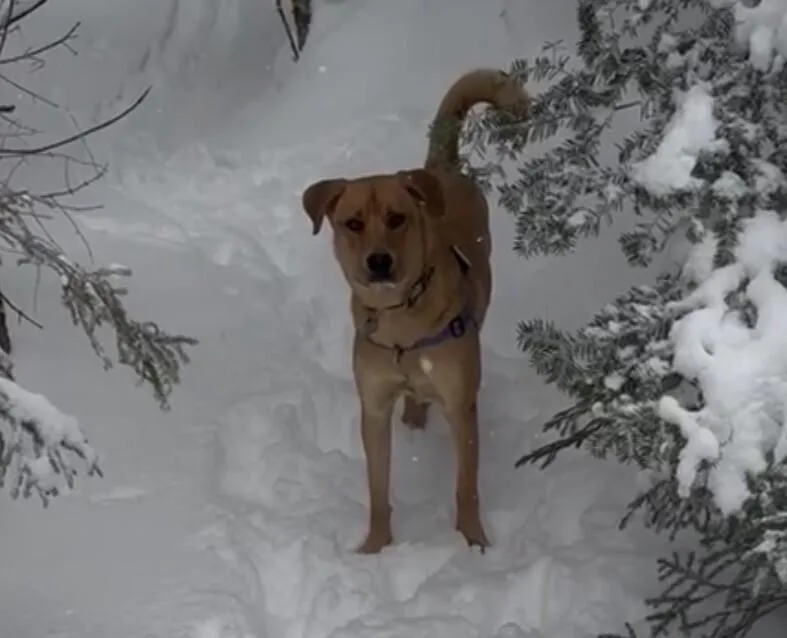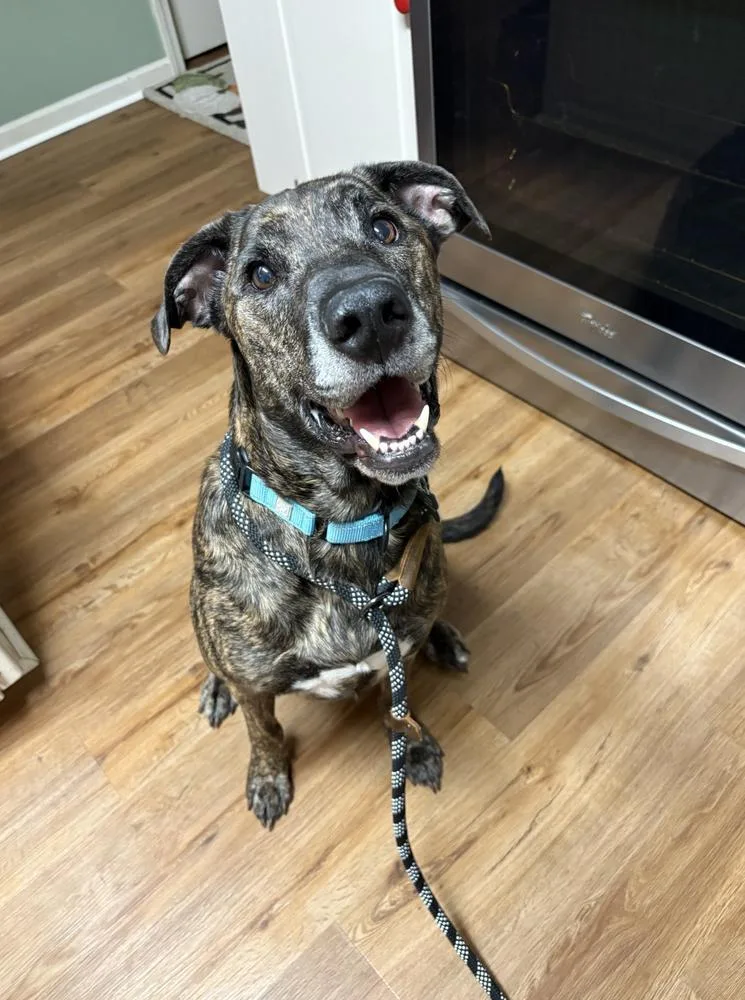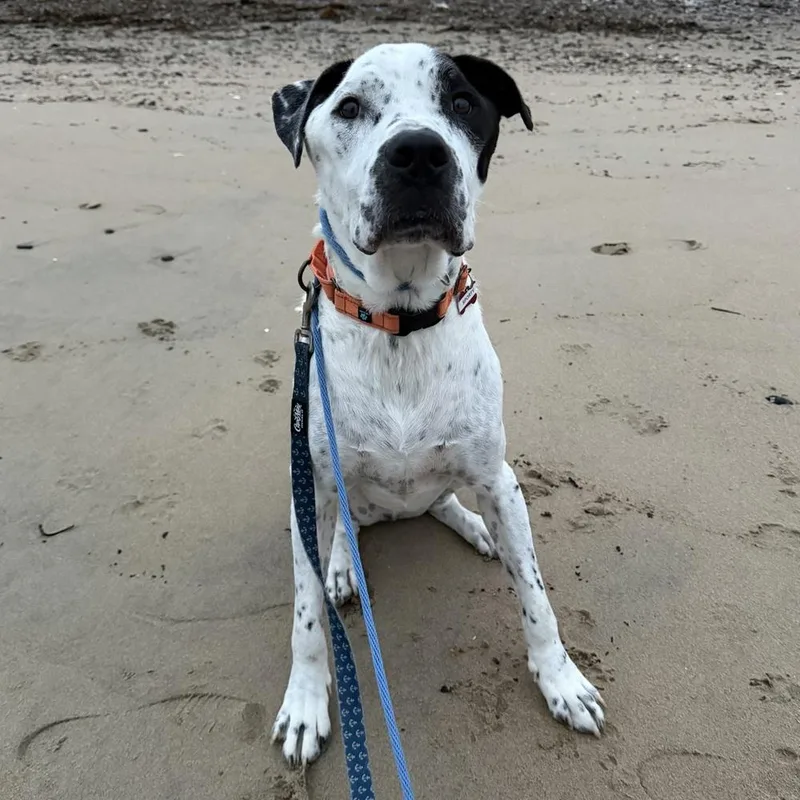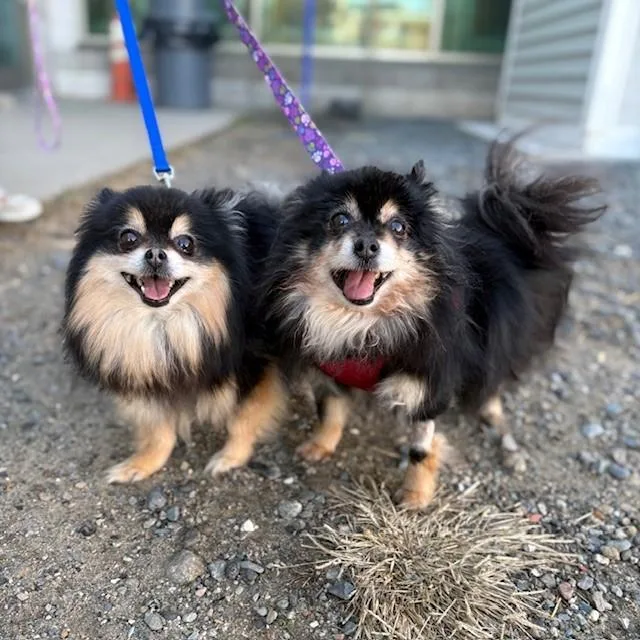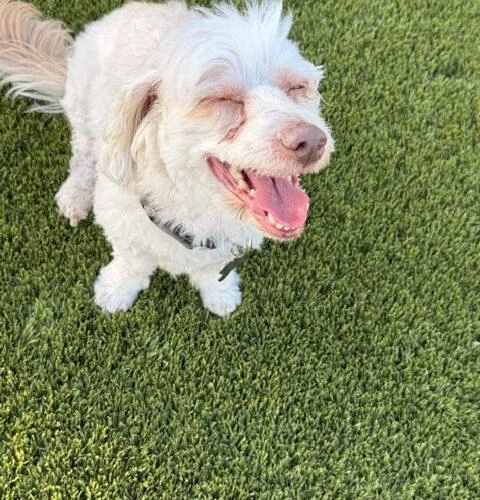
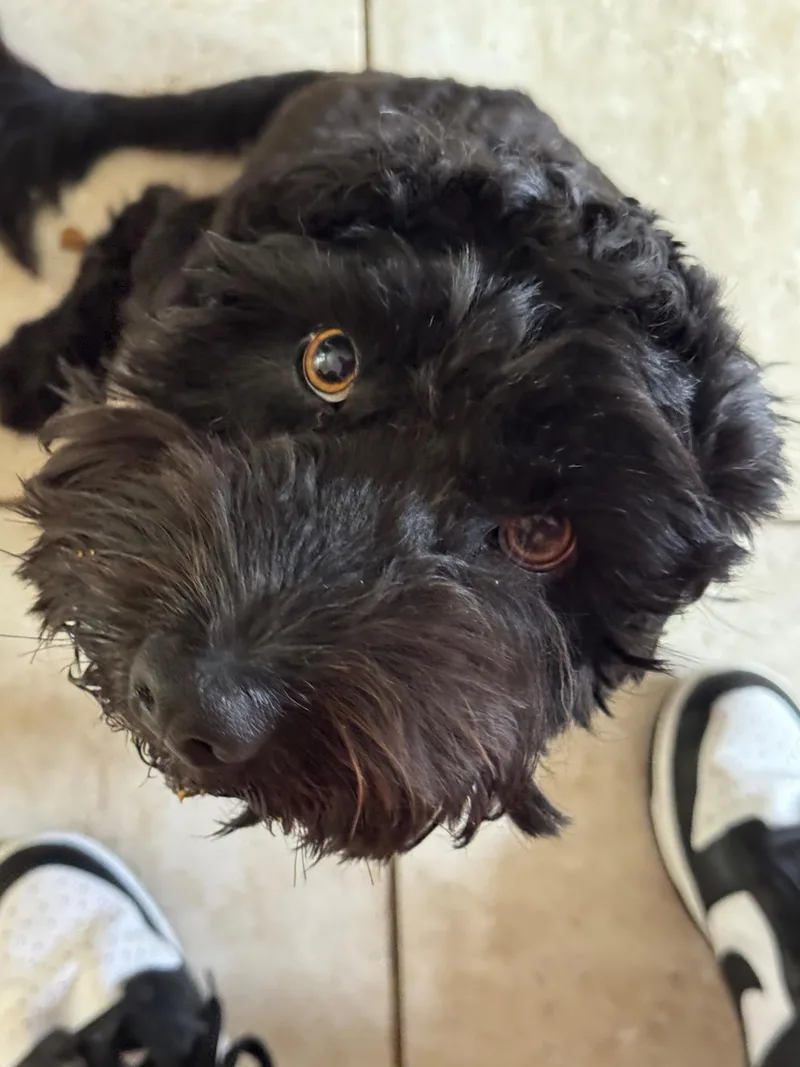
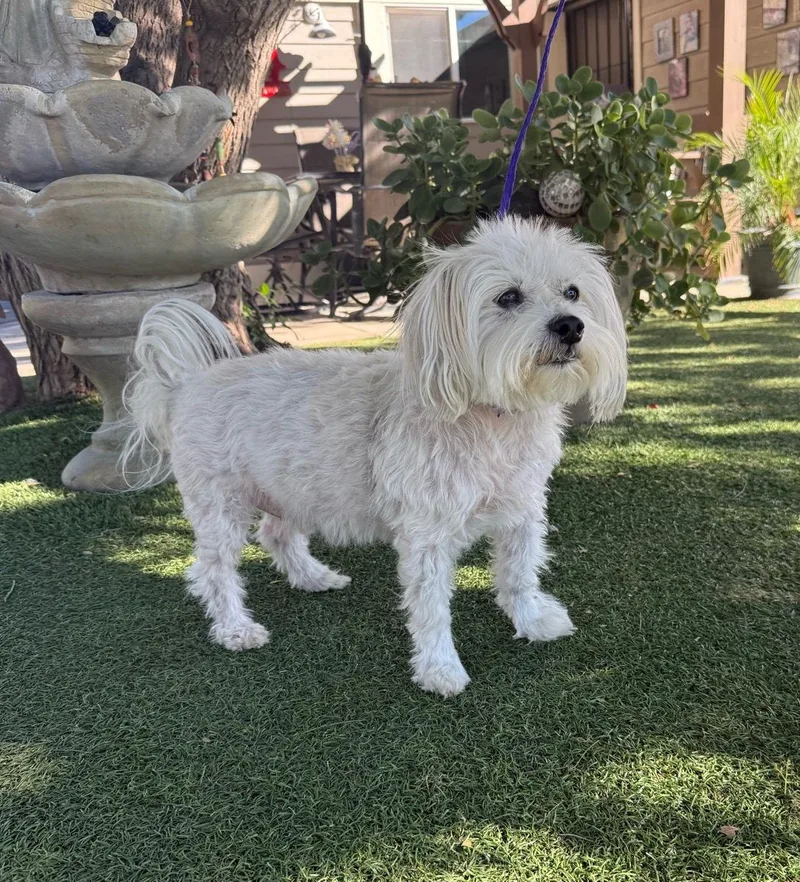
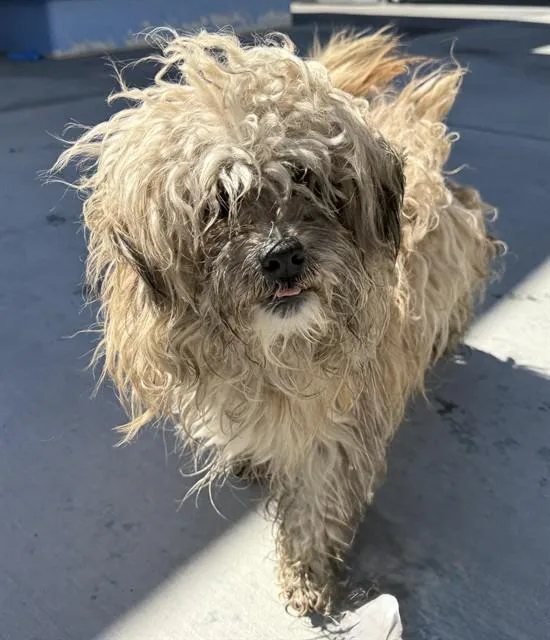
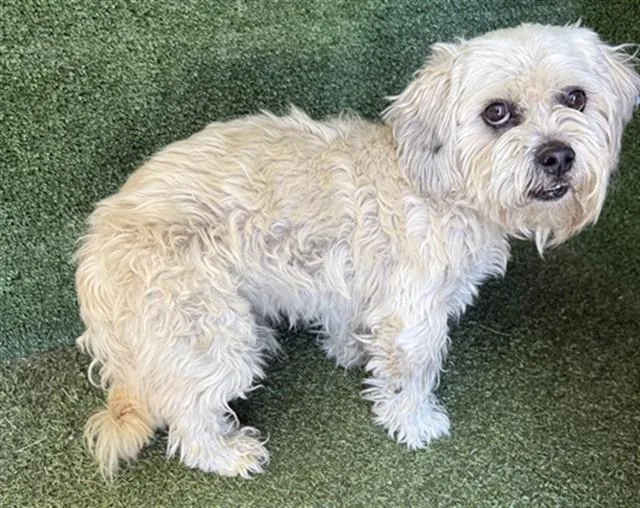
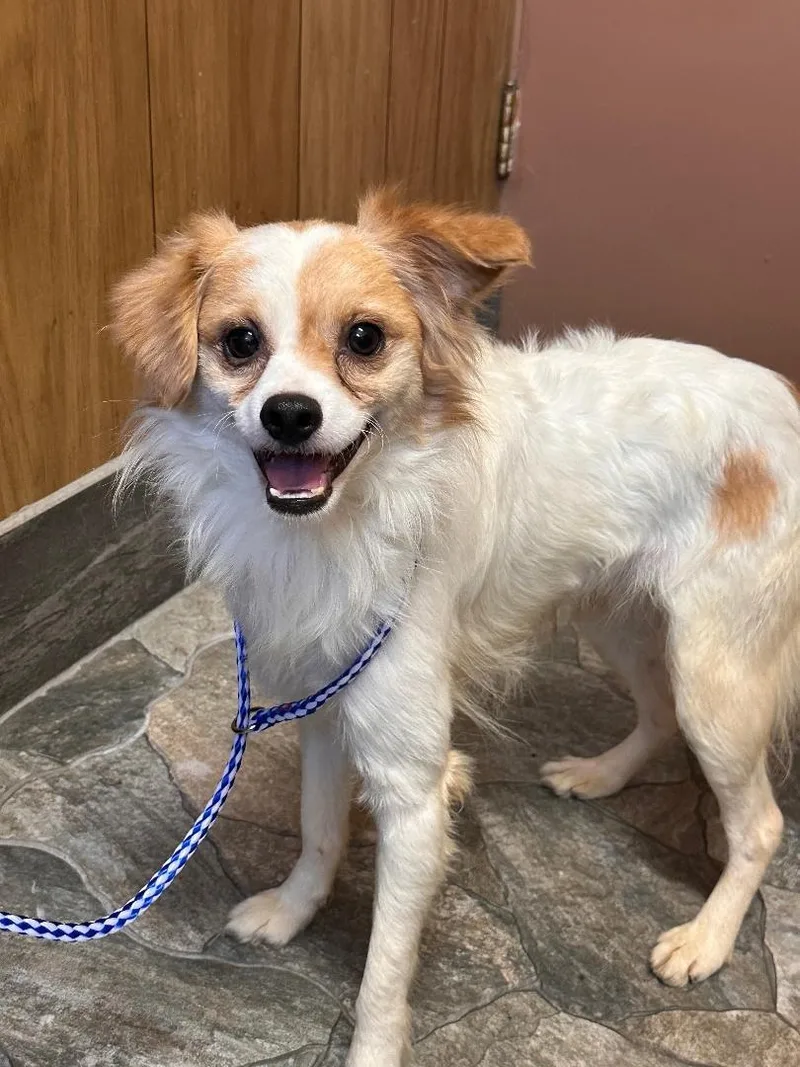
Havanese Dogs for Adoption in Boston, MA

Your guide to finding and caring for a Havanese in Boston

A Havanese suits Boston's walk-up apartments well, since a few short loops a day cover most of what the dog needs. In the South End, a Havanese can trot between the garden squares and brownstone stoops, and in Jamaica Plain a walk toward Jamaica Pond makes a good longer outing. They're small, social and happy to tag along on errands down Centre Street. They don't like long days alone, though, and the coat needs regular brushing.

154 Havanese available in Boston and nationwide

Give a Havanese a home

While we don't have enough dogs near Boston, keep in mind that many rescues may offer transport.

Havanese Available for Adoption Near Boston

About the Havanese breed

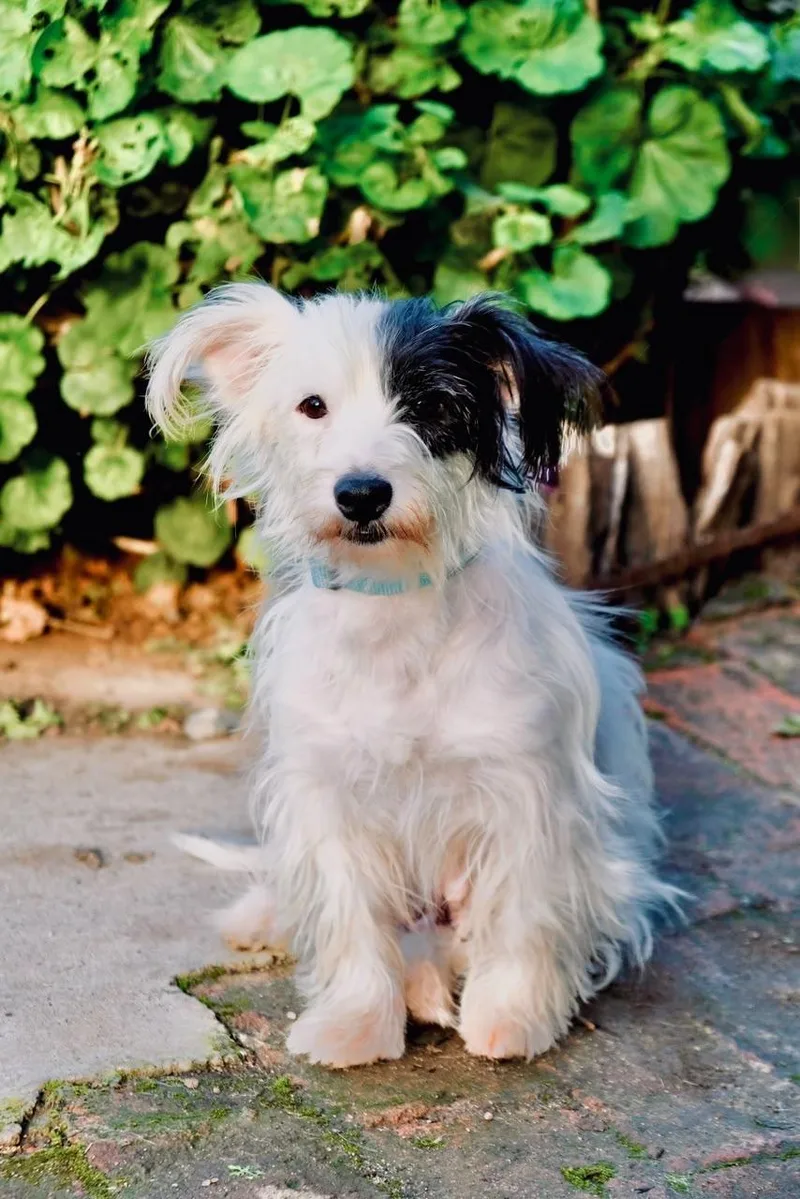
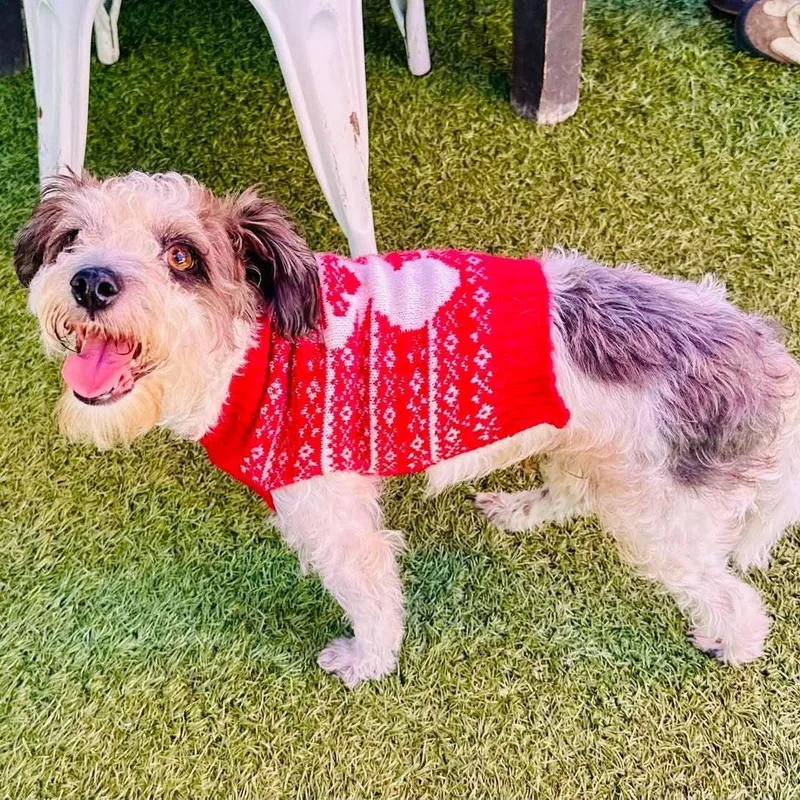
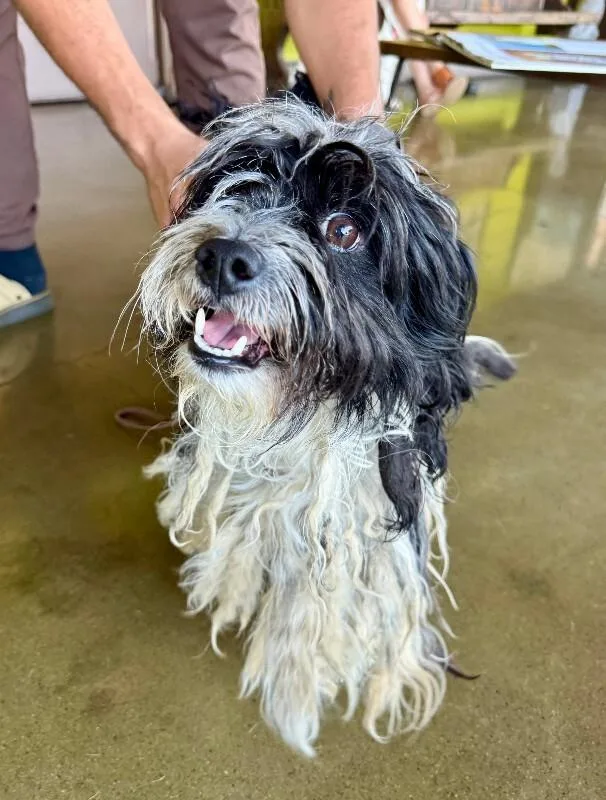
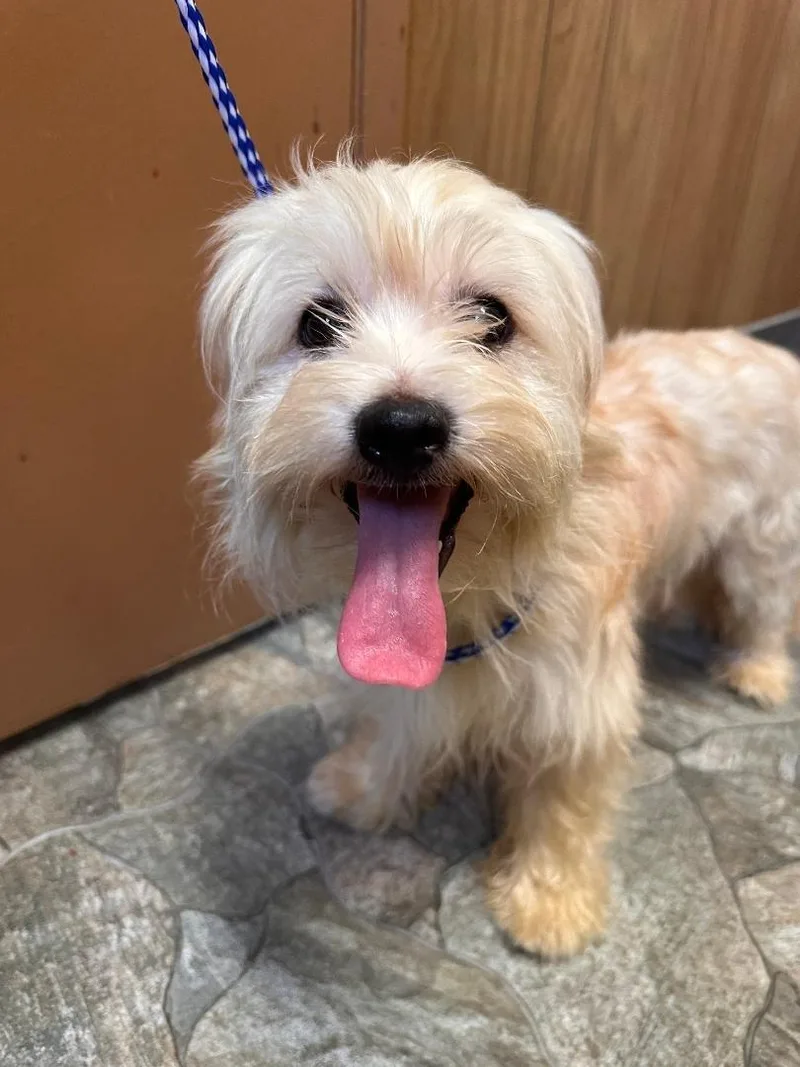
The Havanese is Cuba's national dog, a member of the Bichon family that came to the island with Spanish settlers. The breed nearly disappeared after the Cuban Revolution, and American Havanese descend from a small group of dogs that Cuban families brought out. They're sturdy toy dogs, usually 7 to 13 pounds, with a long, silky, wavy coat and a plumed tail carried over the back.

Most are cheerful, people-focused and playful without being frantic, and many follow their people from room to room. The coat sheds little but tangles easily, so plan on brushing several times a week or keeping a short trim. In Boston, that routine also means wiping a damp coat after winter walks.

Weight
7–13 lbs
Height
8–12 in
Lifespan
12–16 yrs
Temperament
Affectionate, Playful, Social, Intelligent
Group
Toy
Shedding
Low

Owning a Havanese in Boston

Having a Havanese in Boston

Havanese pair a small, sturdy body with moderate energy and a coat that needs steady care. In Boston, the main questions are how long the dog will be alone, how winter affects walks, and whether you can keep up the grooming.

Temperament

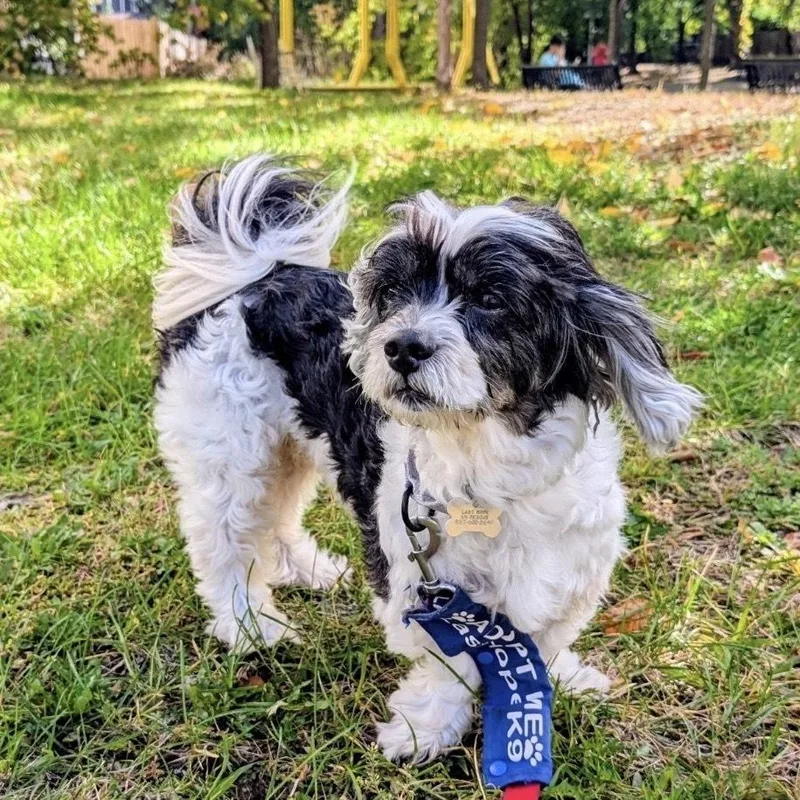
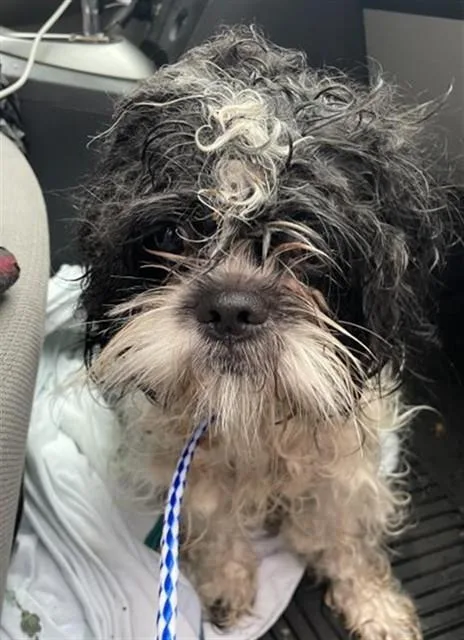
Havanese are usually friendly with family, visitors and other pets, and many bond closely with one household. Some struggle with long stretches alone, and a dog with little early socialization may be shy with strangers. On busy Boston sidewalks, calm exposure and reward-based training help, and each dog's history matters more than breed reputation.
Exercise Needs

Two or three short walks plus indoor play usually add up to the 20 to 40 minutes most Havanese need. Training sessions and games like hide-and-seek add mental exercise. In Boston, an 8-foot leash or shorter works in City parks and on state land, and winter walks may be brief on icy days.

Health Considerations

Havanese can be affected by patellar luxation, cataracts and other eye disease, liver shunts, heart disease and Legg-Calvé-Perthes disease. Dental disease is common in small dogs. A veterinarian can check knees, eyes, heart and teeth, and regular tooth brushing helps. In Boston, wipe salt from paws and coat after winter walks.

Living Space

A Havanese fits Boston's rentals, from South End row-house flats to Dorchester triple-deckers, because company matters more than square footage. They can be alert barkers, which matters in buildings with thin walls. Plan on a midday walker or a flexible schedule if your work keeps you away for long hours.

What it costs to own a Havanese in Boston

ExpenseTypical costPer year
Food$15 to $35 per month$180 to $420
Pet insurance$30 to $60 per month$360 to $720
Routine vet care$200 to $400 per year$200 to $400
Other*$940 to $2,330 per year$940 to $2,330
Estimated yearly total (after year one)$1,680 to $3,870

Other costs are estimates and vary with size, age and health.

* Professional grooming, flea, tick and heartworm prevention, a dental cleaning allowance, the Boston dog license ($15 spayed or neutered, $30 intact), and toys and bedding.

Adopt a Havanese in Boston.

Now that you know more, let’s find you a new best friend. These rescues and shelters below currently have Havanese available.

Rescues in Boston with Havanese Available

Boston's shelters and rescues care for dogs of every size, and small breeds like the Havanese can turn up among them. Here are the rescues & shelters in the Boston area where you can find Havanese and other dogs available for adoption.

Frequently Asked Questions

For many people, yes. A Havanese is small, social and comfortable in a Boston apartment, and it's content with short walks. The tradeoffs are a long coat, winter gear and a dislike of long days alone. It suits someone who's home often or has a midday walker, whether in a Dorchester triple-decker or a South End flat.

Yes, you can own a Havanese in Boston. Massachusetts bans breed-specific rules, so no city rule treats Havanese differently from other dogs. Your dog needs a Boston license each year by March 31 once it's over six months, plus a rabies vaccine and a leash off your property. Licenses cost $15 if spayed or neutered and $30 if not.

Yes, with some care. Boston winters bring about 90 freezing nights and roughly 49 inches of snow a year, which is hard on a toy dog. Use a coat or sweater, keep walks short on the coldest days, and wipe paws and belly to remove road salt. Massachusetts law also restricts leaving dogs outside in extreme weather.

Yes, with limits. The MBTA allows small pets at all times in a secure carrier, ideally on your lap and away from doors. Most Havanese fit a carrier, so rush hour is possible, but staff can restrict pets when trains are crowded. Avoid holidays and big events such as the Boston Marathon.

Boston Common's off-leash program is a good start, open 6 a.m. to 11 p.m. with a license, ID tag and leash on arrival. Peters Park in the South End and the Allston-Brighton Dog Park, which has a small-dog area, are fenced options. The Arnold Arboretum allows leashed dogs, but coyotes are known to view small dogs as prey, so stay close.

Sometimes, on patios only. Boston restaurants can get a City variance to allow dogs outdoors, so look for dog friendly signs. Your Havanese must stay leashed or in a carrier, off chairs and tables, with a current license and rabies vaccine. Dogs can't go inside restaurants unless they're service dogs, and only water is served to them.

Brush a Havanese several times a week, since the long silky coat tangles easily, and plan a professional groom every six to eight weeks. Boston's damp, salty winters mean wiping the coat after walks and checking the belly and legs for mats. Grooming is the biggest part of the $940 to $2,330 yearly Other costs.

A Havanese is a small, sturdy companion dog from Cuba and a member of the Bichon family, related to the Bichon Frise, Maltese and Bolognese. It has a long, silky, wavy coat in any color, a plumed tail carried over the back and a springy walk. Most are cheerful, sociable dogs that prefer to stay close to their people.

We have 2 rescues with Havanese available: City of Boston Animal Shelter and MSPCA Boston Animal Care and Adoption Center. You can see every rescue with Havanese available in the list above these questions, or scroll to the top to see the Havanese near Boston.

Expect roughly $1,700 to $3,900 a year for a Havanese in Boston, counting food, insurance, routine vet care and other costs. Food runs $15 to $35 a month and insurance $30 to $60. Routine vet care is $200 to $400 a year. Grooming makes up most of the $940 to $2,330 in other costs.

Find Havanese in Nearby Cities

Expand your search to find Havanese available for adoption near Boston.