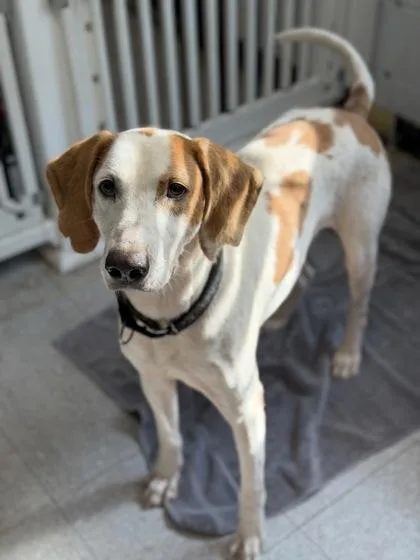
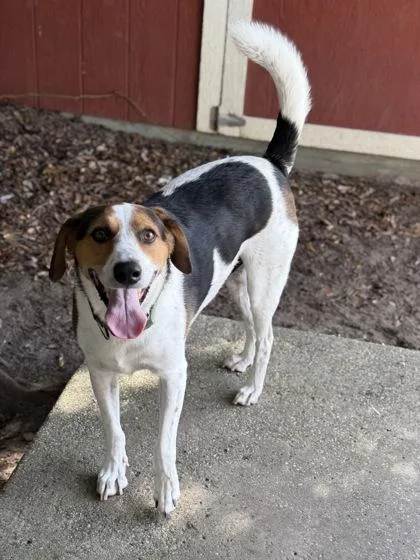
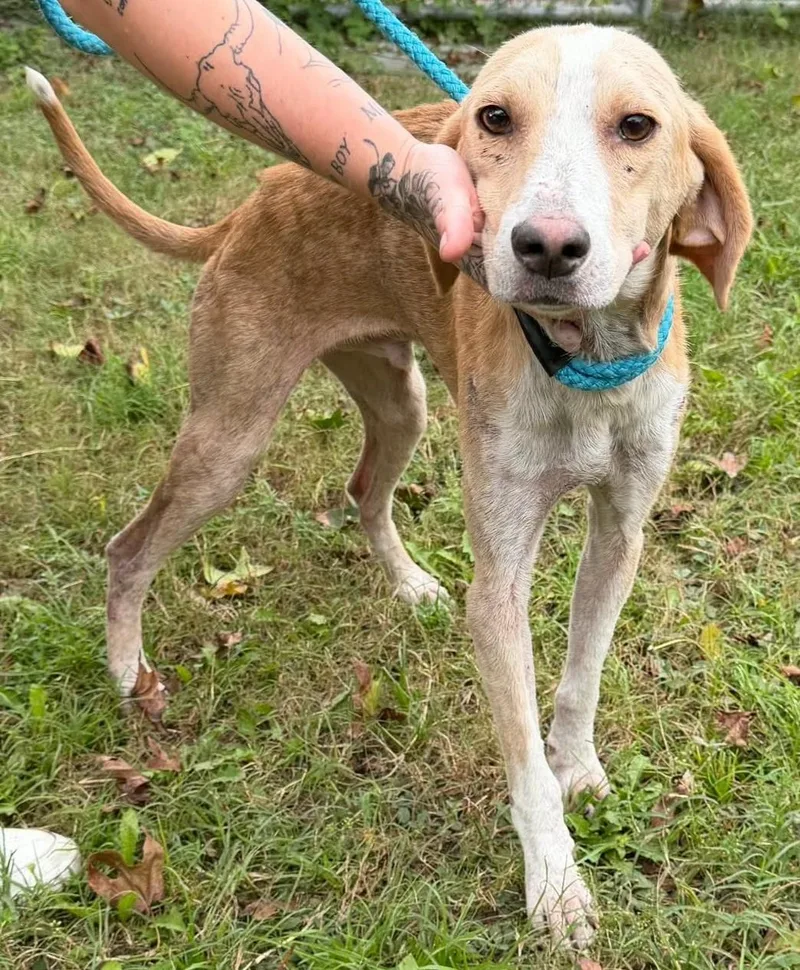
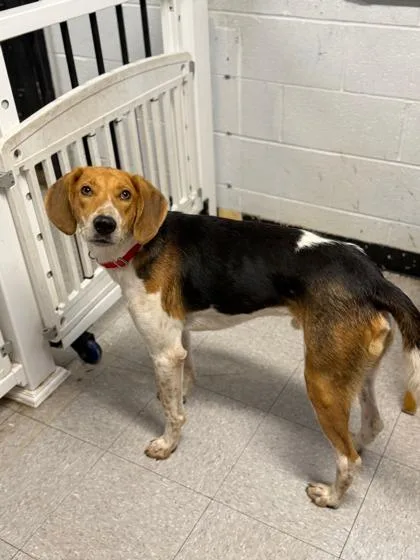
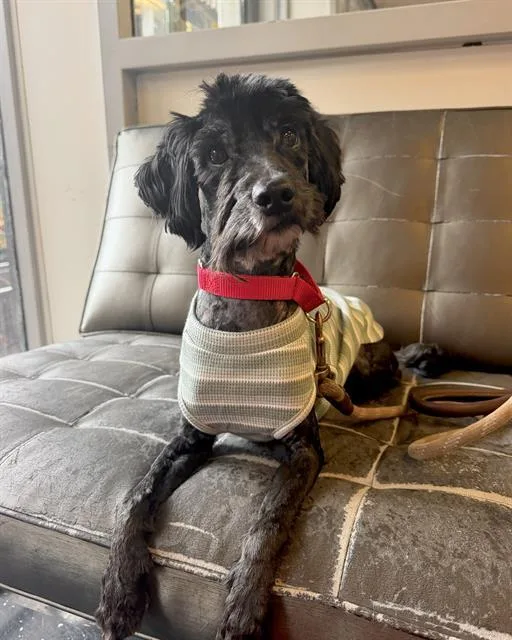
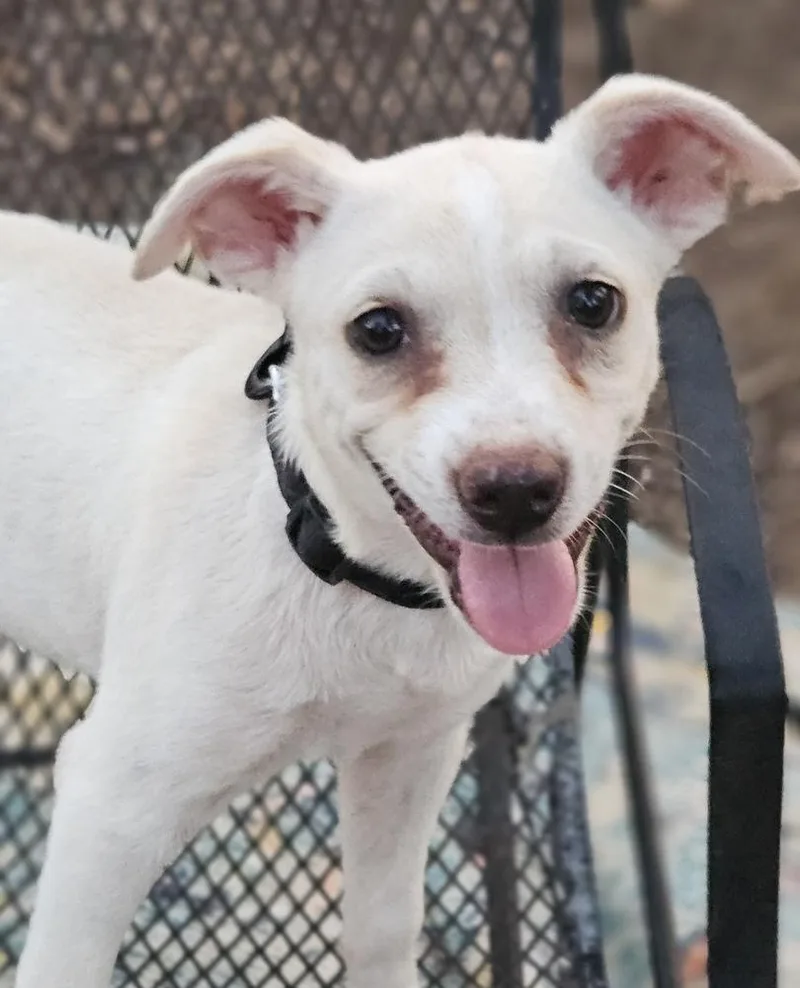
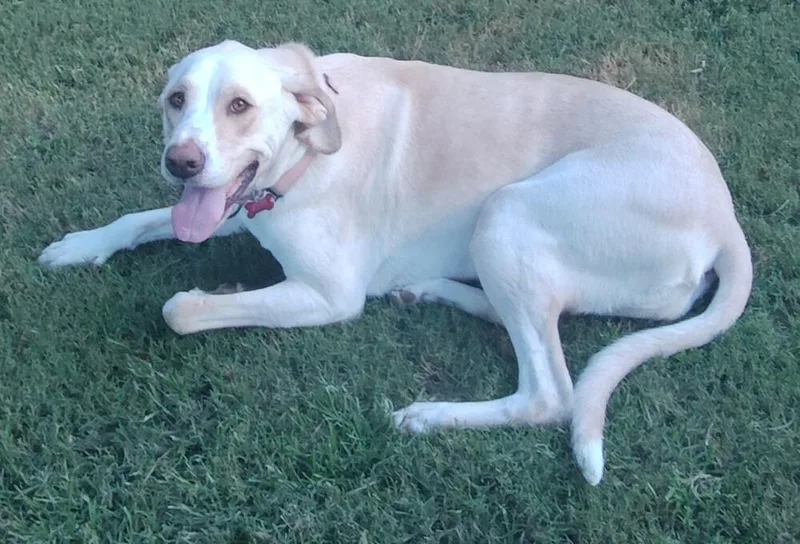
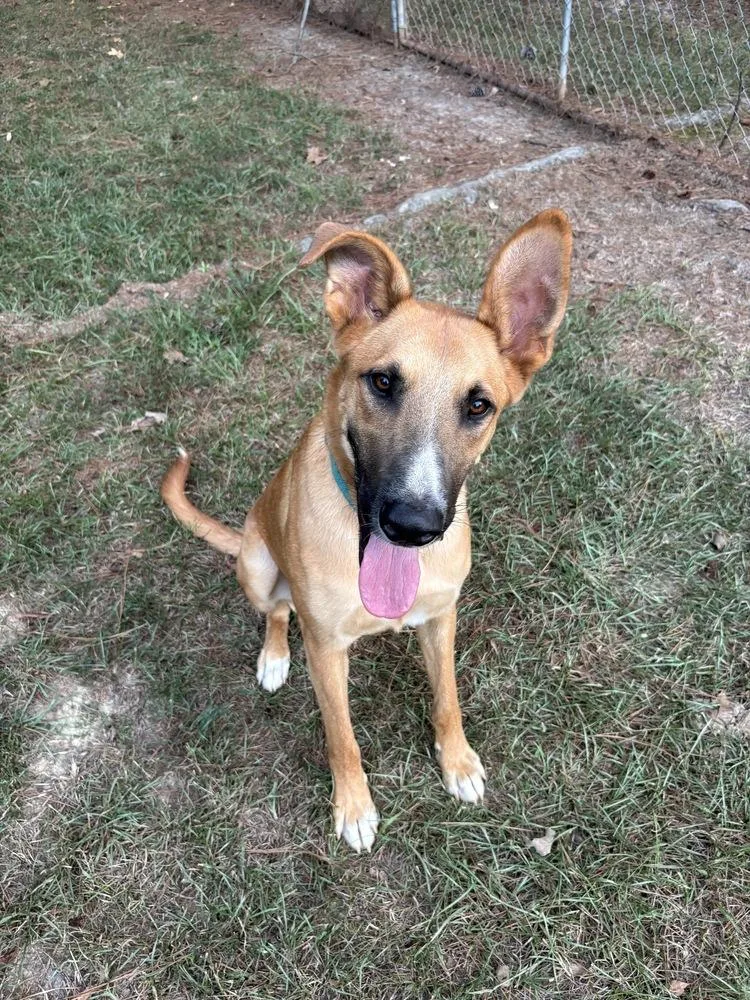
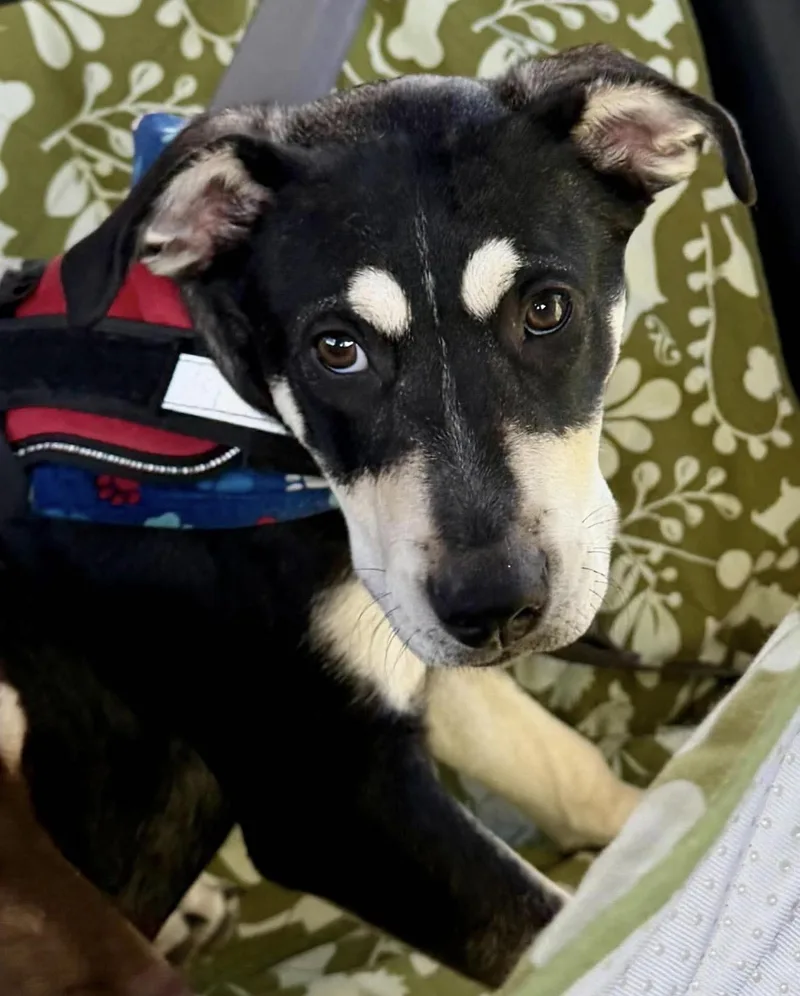
Hamiltonstovare Dogs for Adoption in Boston, MA

Your guide to finding and caring for a Hamiltonstovare in Boston

A Hamiltonstovare fits Boston best when a long walk with plenty to sniff is part of the daily routine. Hyde Park's Stony Brook Reservation has more than 400 acres and about 10 miles of paths, the kind of place a scent hound can spend a whole morning with its nose down. At home these dogs are friendly and easygoing. Outside, that nose takes over, so expect to keep a sturdy leash on at Stony Brook and everywhere else except fenced dog parks.

7897 dogs similar to Hamiltonstovare available in Boston and nationwide

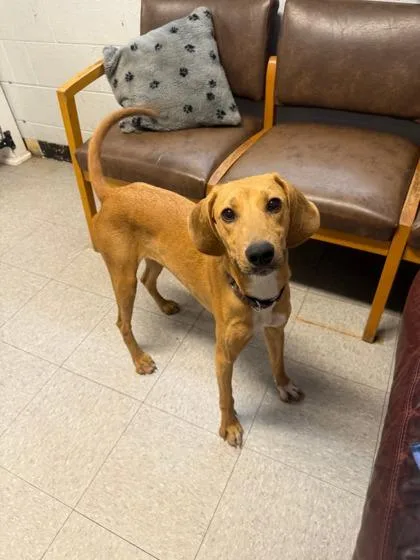
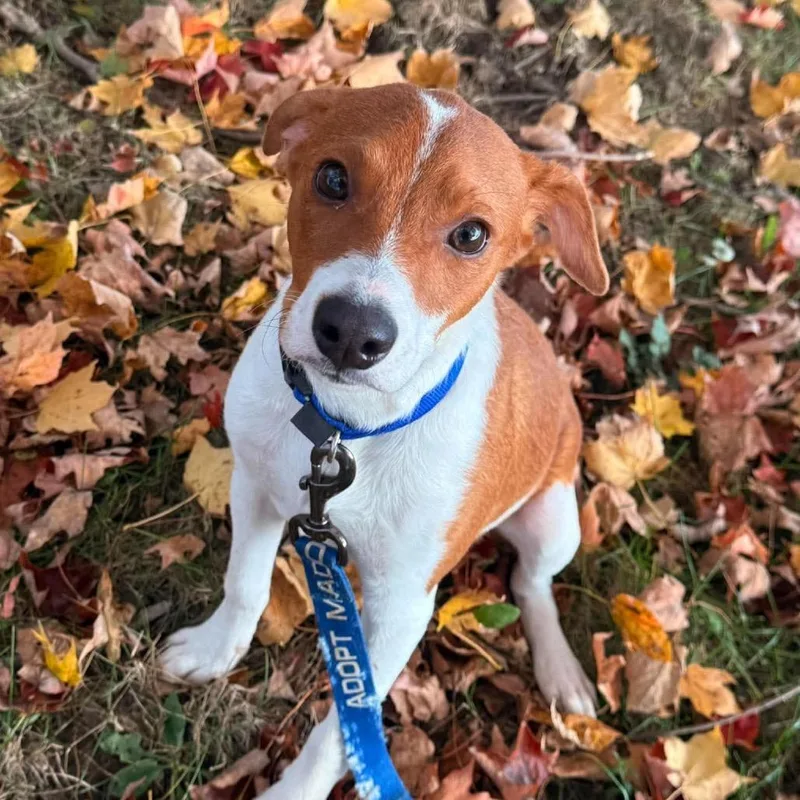
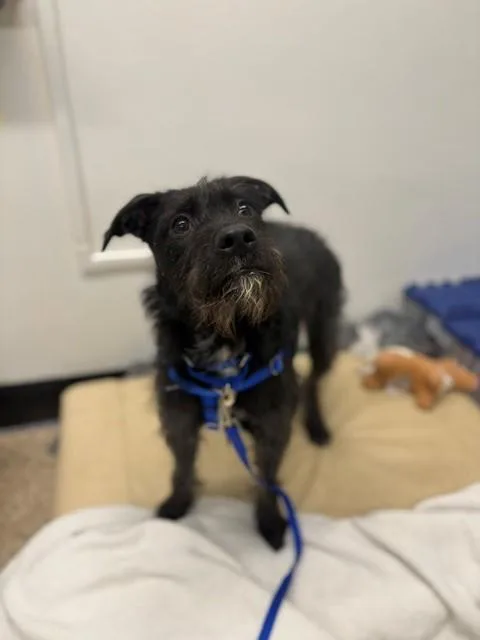
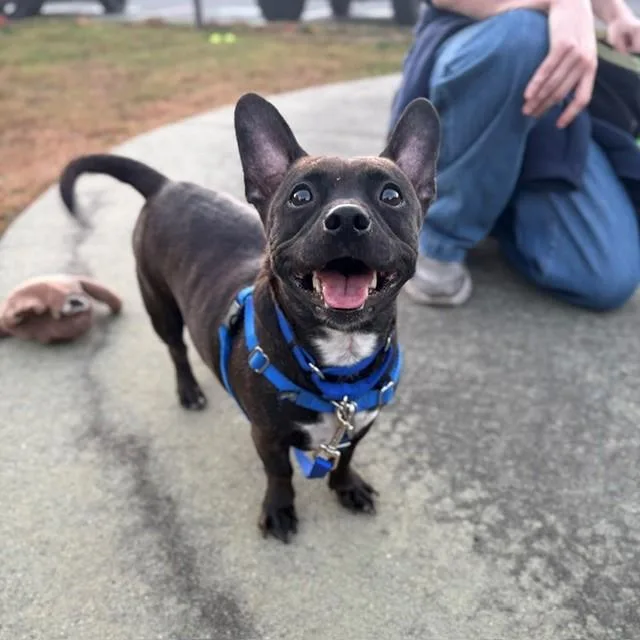
Say hello to your Hamiltonstovare

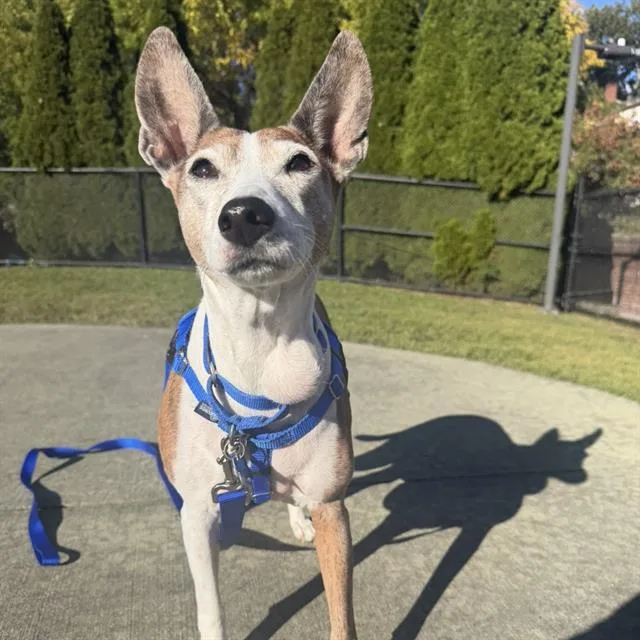
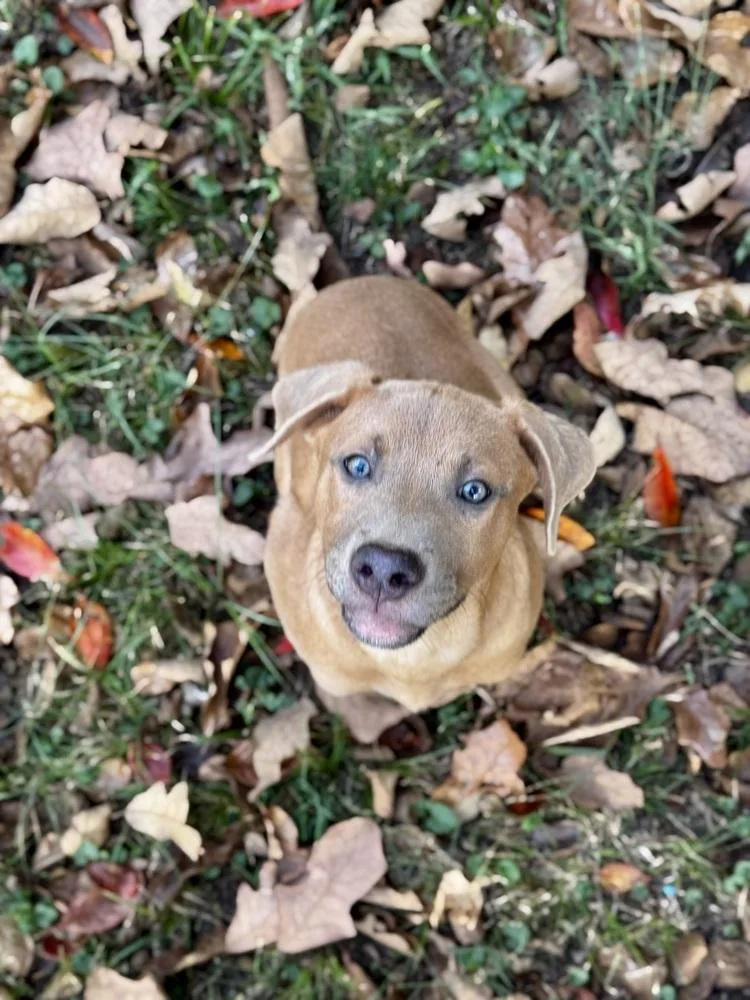
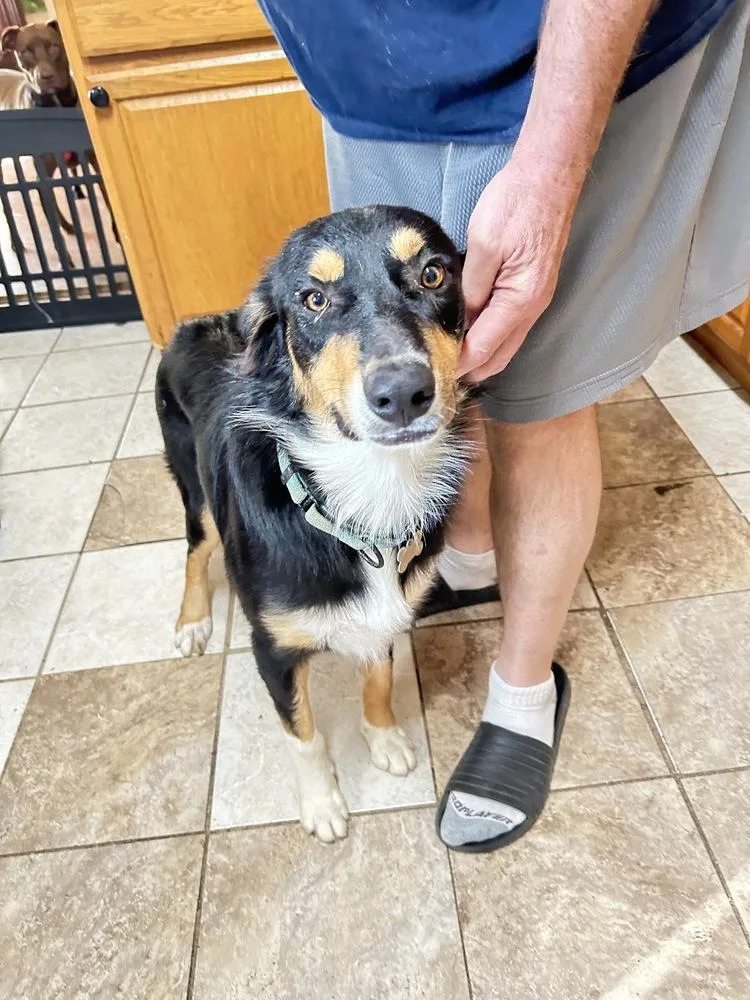
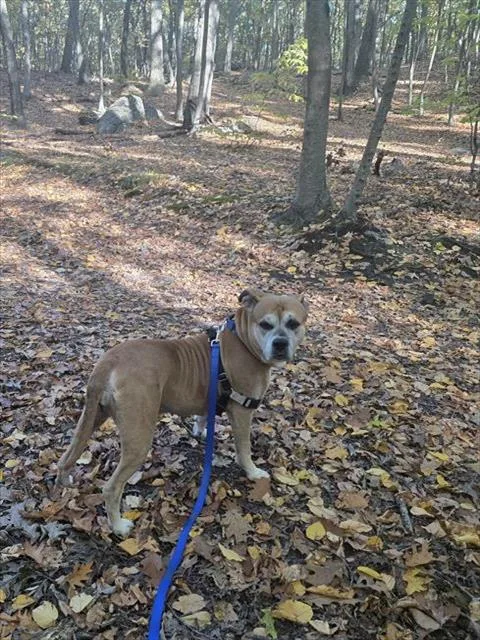
Hamiltonstovares and Similar Breeds Available for Adoption Near Boston

About the Hamiltonstovare breed

The Hamiltonstovare is a Swedish scent hound named for Count Adolf Hamilton, founder of the Swedish Kennel Club, who created the breed from the English Foxhound and several continental hounds in the late 1800s. It was developed to trail hare and fox alone and to give tongue so hunters could follow. It's a medium-sized, athletic dog, usually 50 to 60 pounds, with a close-lying tricolor coat of black, tan and white.

Many Hamiltonstovares are friendly and even-tempered with people and other dogs, though each dog differs and some are stubborn or easily distracted by a fresh scent. In Boston, where leashes are required off your own property, that means patient training, daily exercise and a fenced yard or dog park for any off-leash time. The breed is uncommon outside Scandinavia, and the AKC lists it only in its Foundation Stock Service.

Weight
50–60 lbs
Height
19–24 in
Lifespan
10–13 yrs
Temperament
Friendly, Energetic, Independent
Group
Hound
Shedding
Moderate

Owning a Hamiltonstovare in Boston

Having a Hamiltonstovare in Boston

A Hamiltonstovare pairs a relaxed home manner with the stamina of a dog developed to trail game alone. In a dense city like Boston, its nose and need for movement shape daily life more than its size or low-maintenance coat.

Temperament

Hamiltonstovares tend to be friendly and even-tempered, and many enjoy other dogs, which helps on crowded Boston sidewalks and at dog parks. They can also be stubborn and easily pulled off task by smells, so short, rewarding training sessions work well. Small pets may spark chasing, and every dog's personality differs.

Exercise Needs

Plan on a long walk or jog every day, plus mental work such as sniff games. In Boston, wooded paths like Stony Brook Reservation or the Arnold Arboretum suit a hound's nose, but both require a leash. Fenced dog spaces are safer for off-leash play, since recall can vanish the moment a scent appears.

Health Considerations

The breed is generally considered sturdy, though little health data exists outside Scandinavia. Hip dysplasia occurs, so keeping the dog lean helps its joints, and drop ears need regular checks for infection. Boston's ticks make a full check worthwhile after woodsy outings. Have a veterinarian review any records you receive and set up routine wellness visits.

Living Space

Boston's rentals and row houses can work for an adult Hamiltonstovare that gets long daily outings, though a fenced yard, as in some West Roxbury or Hyde Park homes, makes life easier. Boredom can lead to baying that carries through thin walls. The short coat is comfortable indoors, and this dog should live inside with the family.

What it costs to own a Hamiltonstovare in Boston

ExpenseTypical costPer year
Food$35 to $70 per month$420 to $840
Pet insurance$45 to $85 per month$540 to $1,020
Routine vet care$225 to $450 per year$225 to $450
Other*$440 to $1,180 per year$440 to $1,180
Estimated yearly total (after year one)$1,625 to $3,490

Other costs are estimates and vary with size, age and health.

* The Boston dog license ($15 spayed or neutered, $30 intact), a dental cleaning, flea, tick and heartworm prevention, toys and bedding, and occasional brushing and baths.

Adopt a Hamiltonstovare in Boston.

Now that you know more, let’s find you a new best friend. These rescues and shelters below have dogs available in and near Boston.

Rescues and Shelters in or near Boston

Boston's rescue community includes a city-run shelter in Roslindale and nonprofit adoption centers, and the dogs listed here change often. Here are the rescues & shelters in the Boston area with dogs available for adoption, worth asking whether a Hamiltonstovare is coming in.

Frequently Asked Questions

Yes, there are no breed bans in Boston, and Massachusetts law bars cities and towns from regulating dogs by breed. You'll need to license a Hamiltonstovare older than six months every year, keep its rabies vaccination current, and leash it off your property. Tethering is capped at five hours in 24 and banned overnight.

Yes, an adult Hamiltonstovare can live in a Boston apartment if it gets long daily outings and isn't left alone for long stretches. Boredom can lead to baying that neighbors hear, so consider building layout and noise tolerance. Because Massachusetts caps upfront move-in charges, confirm a landlord's pet terms before you commit.

Yes, a Hamiltonstovare can handle Boston winters well. Its short double coat copes with temperatures in the 20s and 30s, though it should live indoors and never be left outside in extreme cold. Wipe paws and coat after every walk to remove road salt, which is toxic, and keep walks shorter during snowstorms.

Fenced dog areas like Peters Park in the South End and Flaherty Playground in Jamaica Plain are the safest places to let a Hamiltonstovare run. Boston Common's off-leash program requires a license and ID tag and allows up to three dogs per adult, but open lawn is risky for a hound whose recall fails near a scent. Elsewhere, keep the dog leashed.

Yes, with timing limits. On the MBTA, a 50-to-60-pound Hamiltonstovare counts as a larger dog, so it can ride only off-peak on a leash, not weekdays 7–9 a.m. or 4–7 p.m. Dogs can't sit on seats, staff may restrict access when trains are crowded, and holidays and big events are best avoided.

Sometimes, on patios only. Boston restaurants can get a City variance to welcome dogs outdoors, so look for dog-friendly signs. The dog must stay leashed, off tables and chairs, and out of the dining room, and staff can serve it water only. Your Hamiltonstovare needs a current license and rabies vaccination.

A Hamiltonstovare needs little grooming: a weekly brush, more often when the coat sheds seasonally, and a bath only when it's dirty. In Boston winters, wipe paws and coat after walks to remove salt, and check the drop ears and coat for ticks after trail days. Occasional baths fit within the yearly Other costs on this page.

Yes, Hamiltonstovares shed, though their short, close-lying coat makes care easy. Expect a moderate amount of hair year-round, with heavier shedding when the coat changes with the seasons. A weekly once-over with a rubber curry brush or hound glove removes most loose hair. They are not hypoallergenic, so people with dog allergies should spend time with one before adopting.

Hamiltonstovares can be loud, but they are not usually constant barkers at home. The breed was developed to give tongue, baying as it follows a scent so hunters can track it, and that voice comes out when a dog catches an interesting trail or grows bored. Plenty of exercise, scent games and company keep household noise lower.

Expect roughly $35 to $70 a month for food and $45 to $85 a month for pet insurance. Routine vet care runs about $225 to $450 a year, and other yearly costs such as parasite prevention, a dental cleaning, the license and supplies add roughly $440 to $1,180. Adoption fees appear on the listings.