Fila Brasileiro Dogs for Adoption in Boston, MA

Your guide to finding and caring for a Fila Brasileiro in Boston

A Fila Brasileiro is happiest in Boston in a house with a tall fence, like the single-family streets of West Roxbury or Hyde Park. Filas are devoted to their own family and wary of everyone else, so shared stairwells and a steady stream of delivery drivers can wear on them. Most need steady leashed walks and quiet patrol time in a secure yard rather than long runs. In a city of mostly renters, finding a landlord who'll welcome a 100-pound-plus dog takes real planning.

1782 dogs similar to Fila Brasileiro available in Boston and nationwide

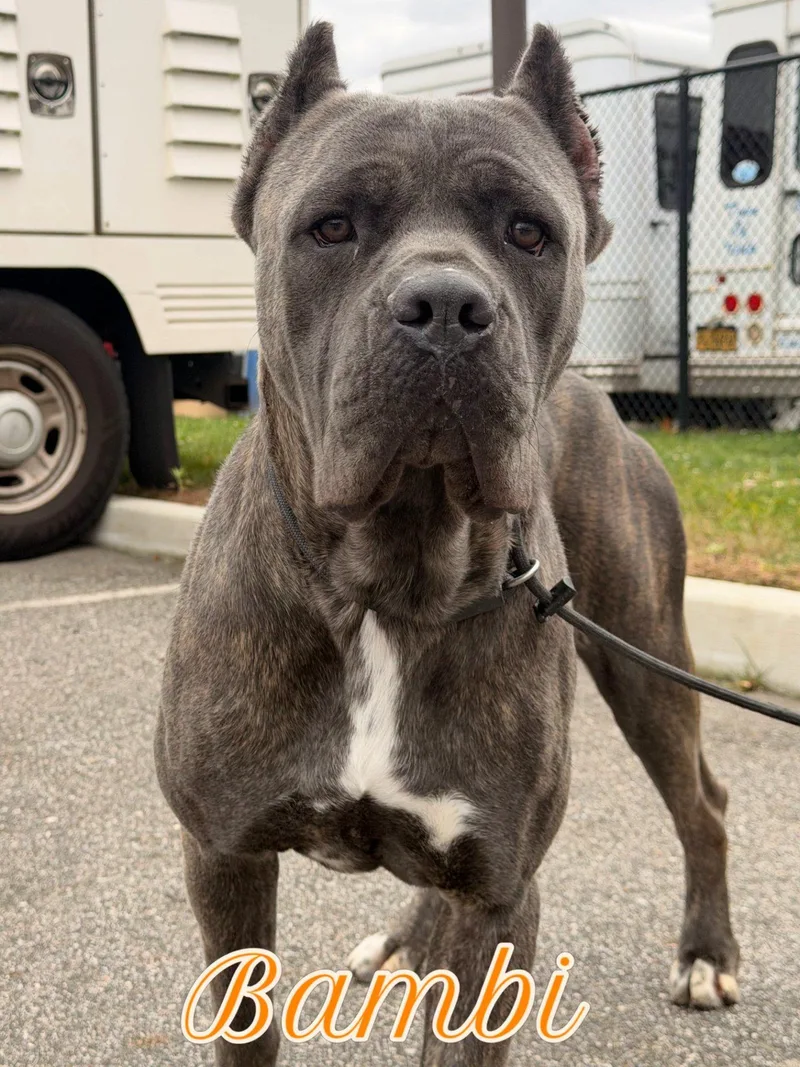
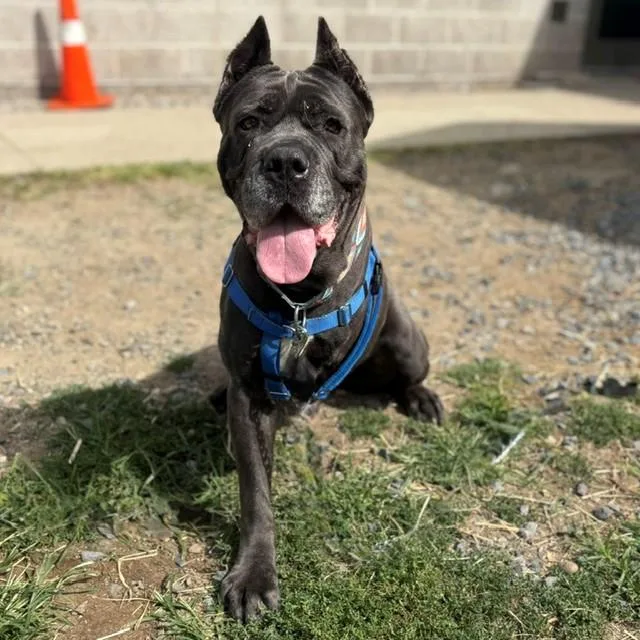
Meet a Fila Brasileiro who needs you

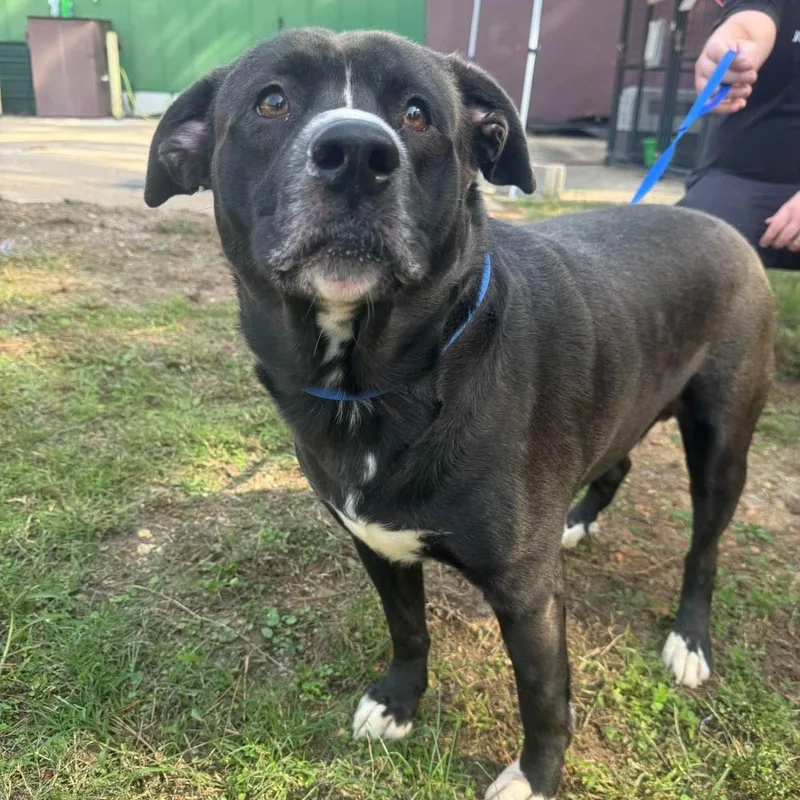
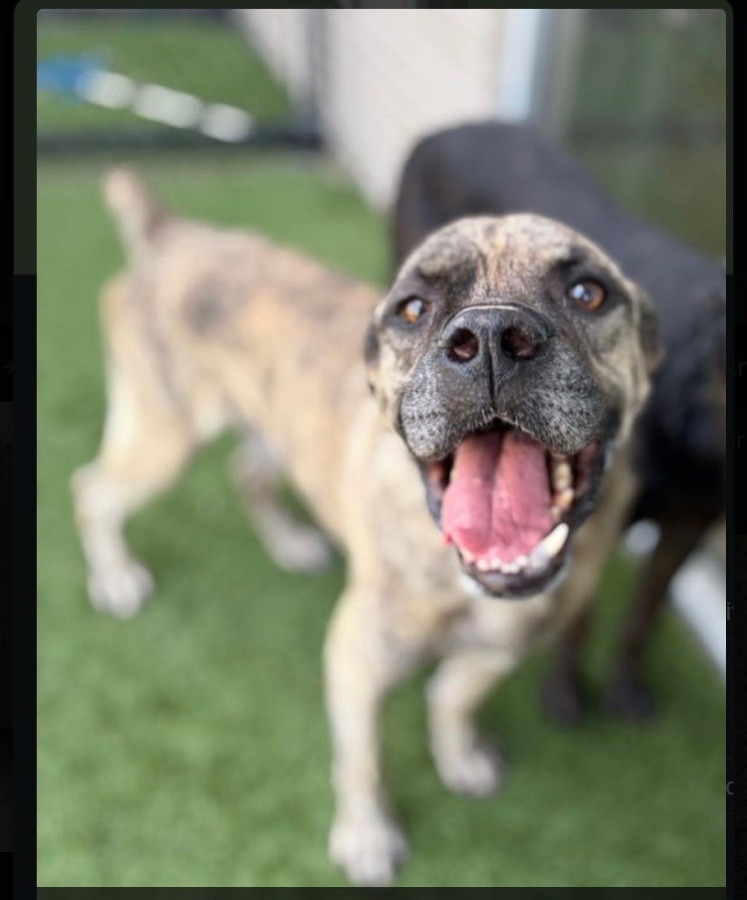
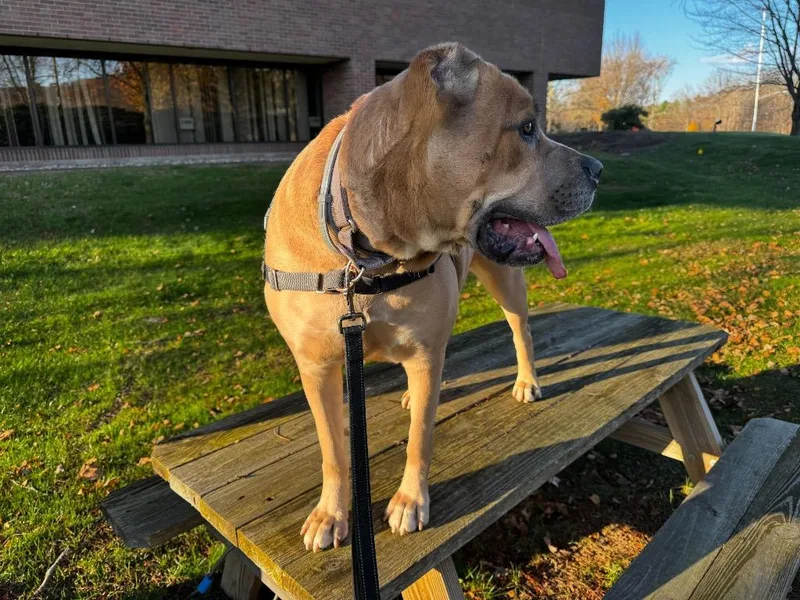
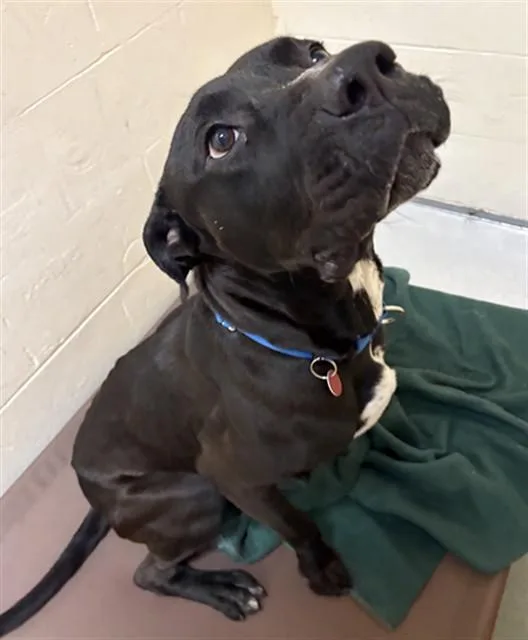
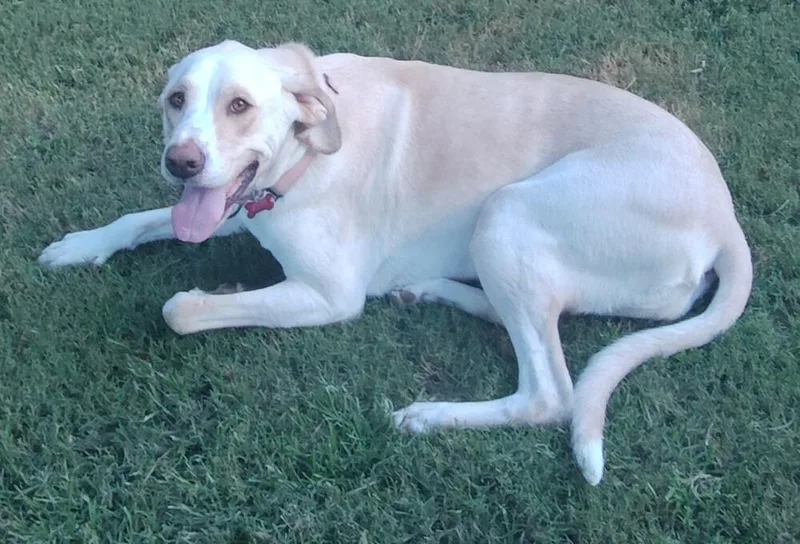
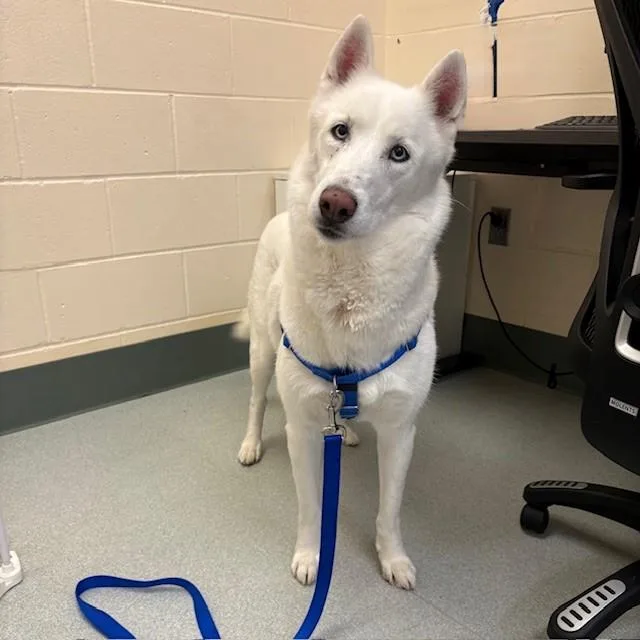
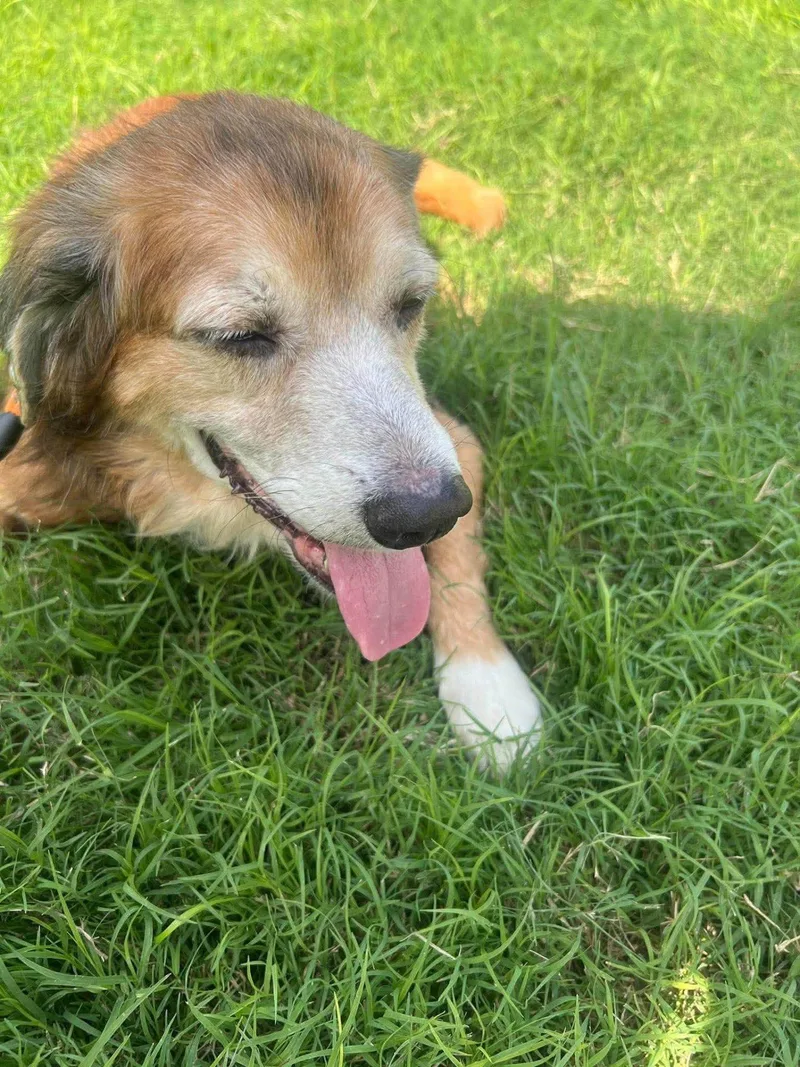
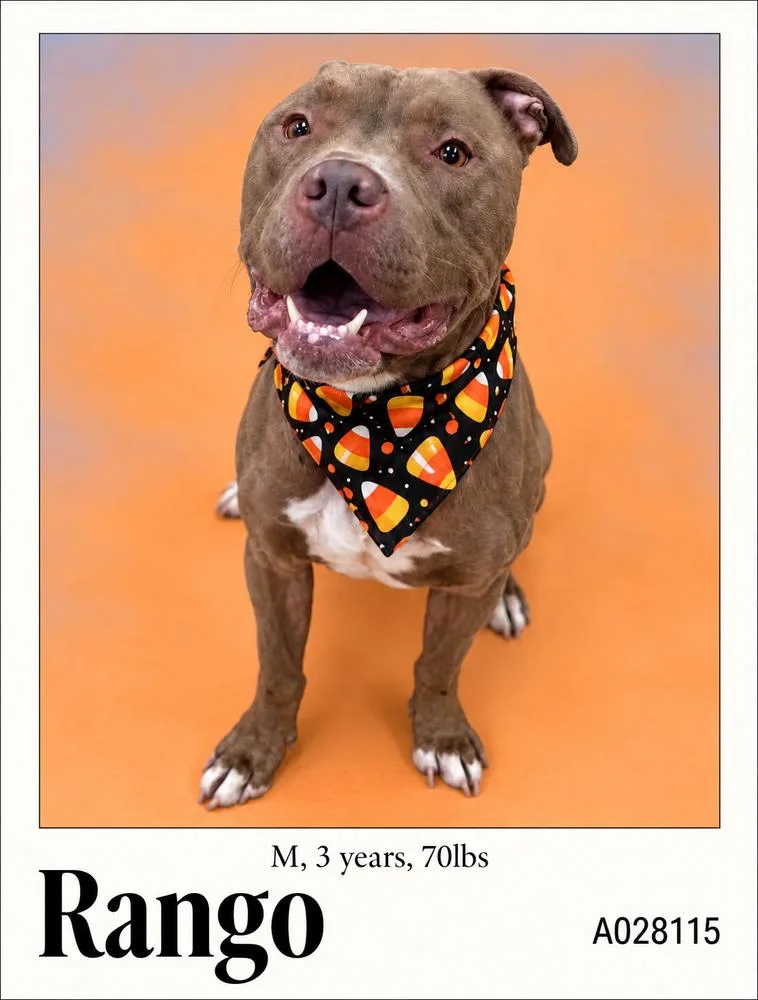
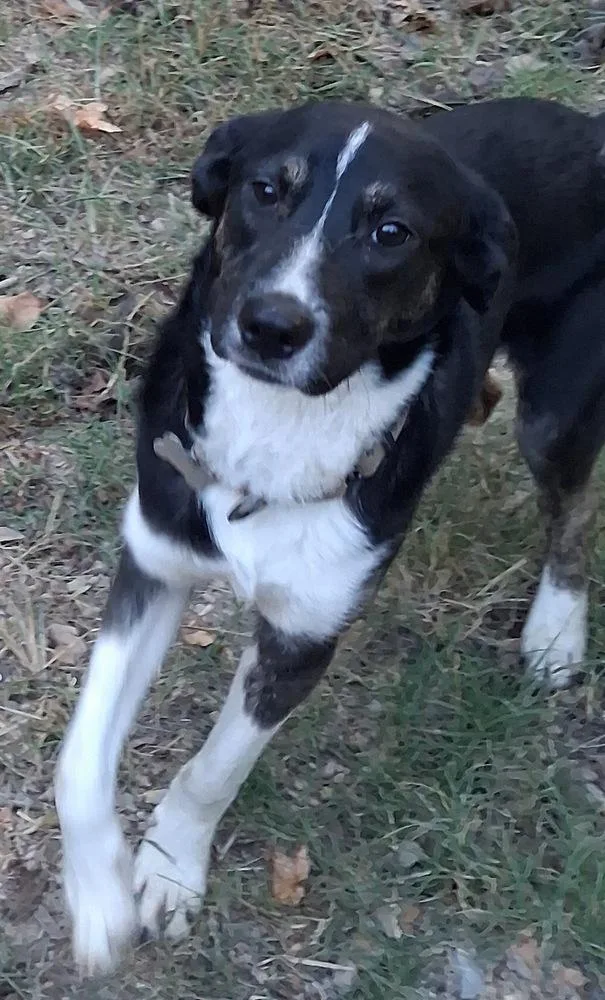
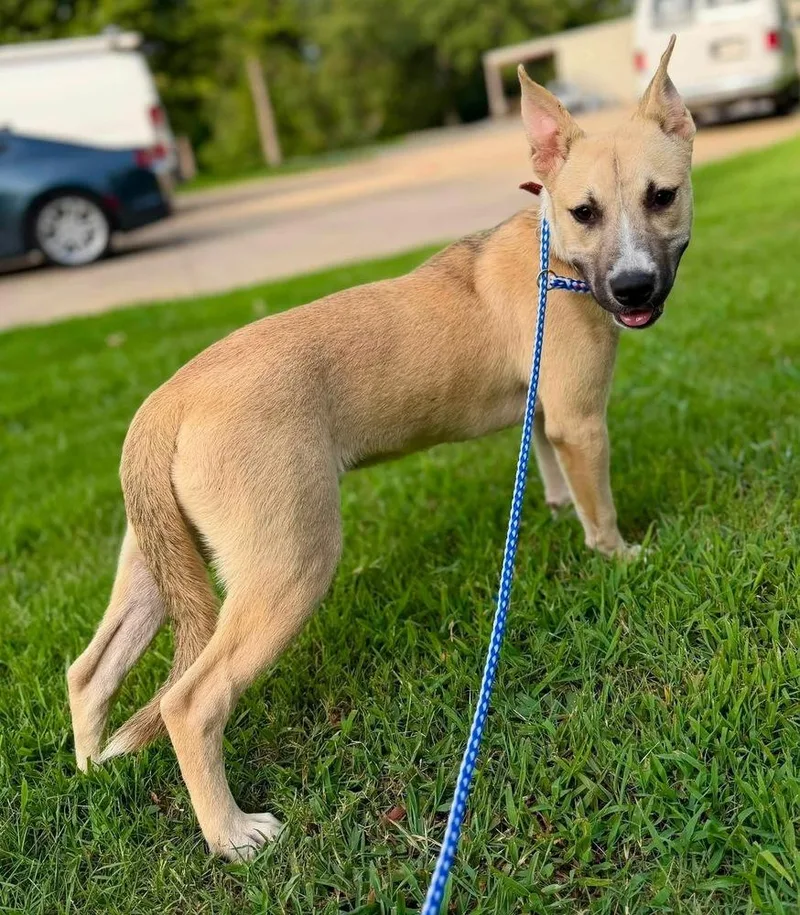
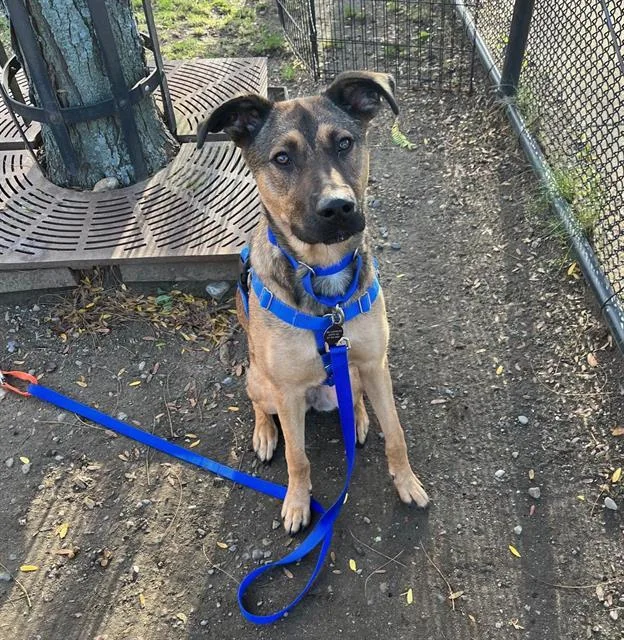
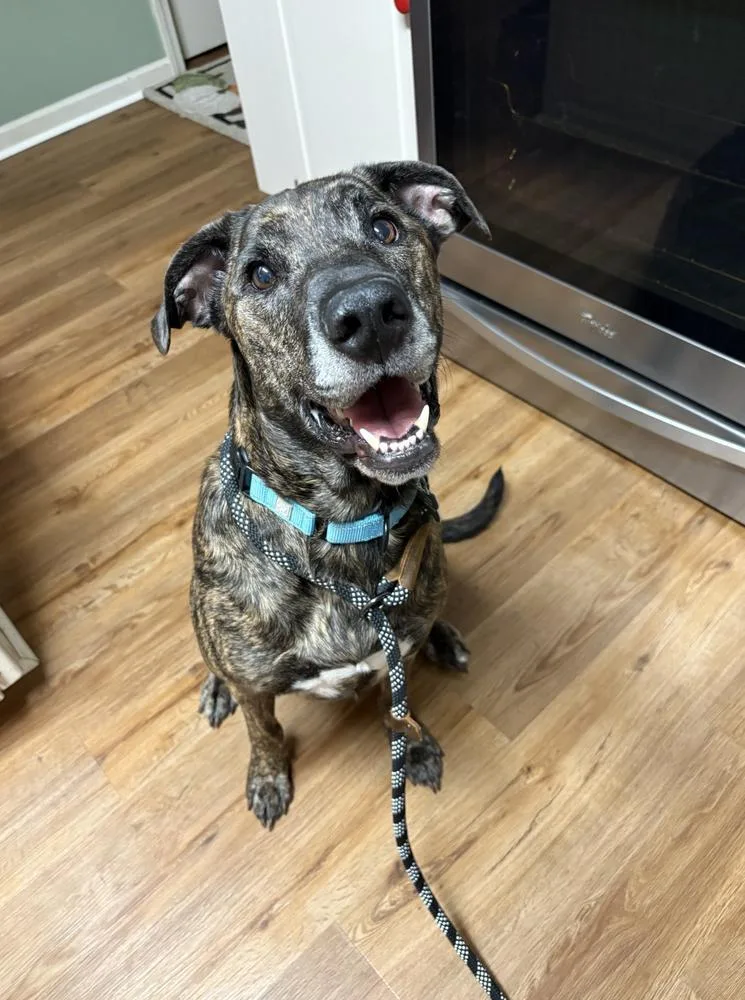
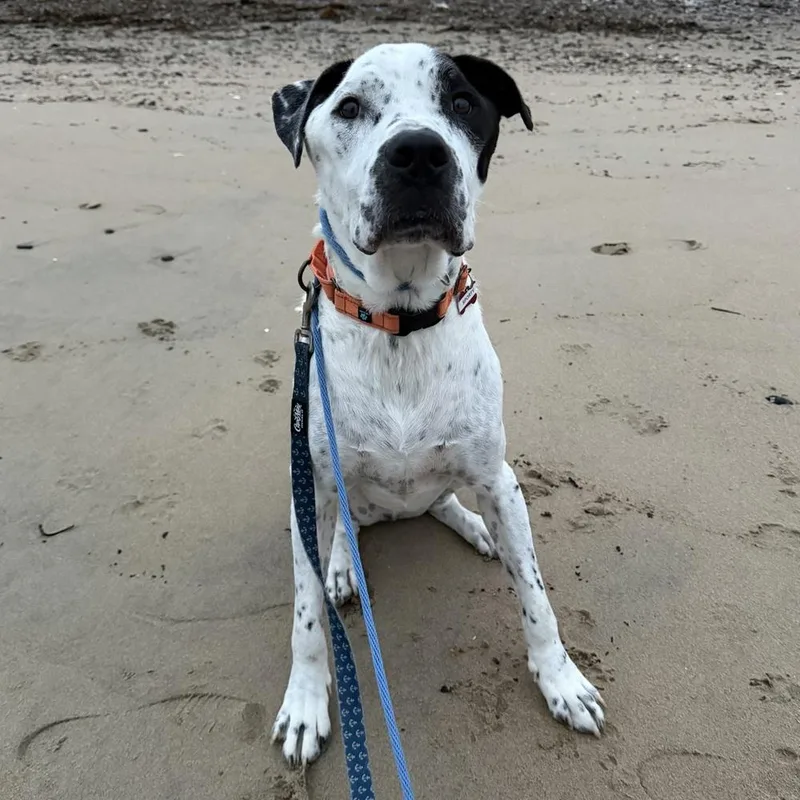
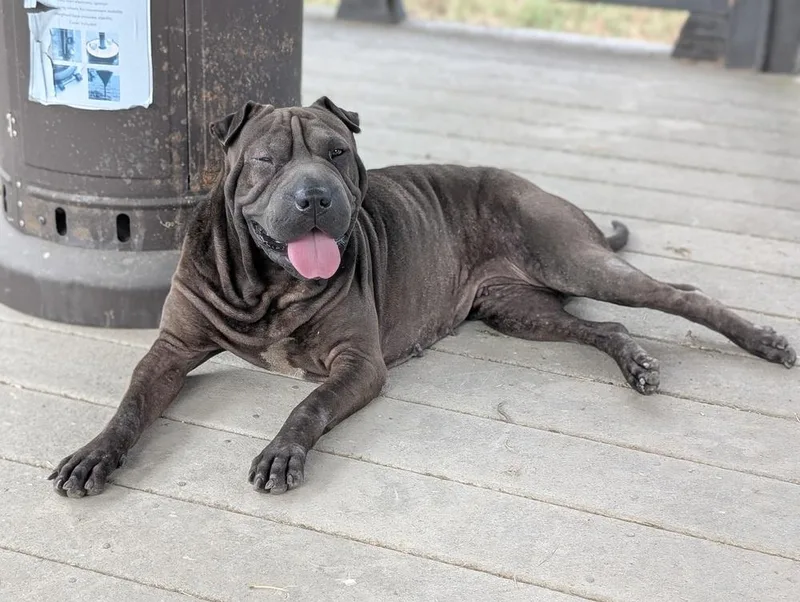
Fila Brasileiros and Similar Breeds Available for Adoption Near Boston

About the Fila Brasileiro breed

The Fila Brasileiro, or Brazilian Mastiff, was developed on Brazil's colonial-era ranches from European mastiff, bloodhound and bulldog-type dogs. It worked as an estate guardian and big-game catch dog, and its name comes from the Portuguese filar, "to grab and hold." Loose, thick skin, heavy dewlaps and a rolling, camel-like gait set it apart from other mastiffs. Adults typically weigh 90 to 150 pounds.

Filas are described as docile and devoted with their own family but naturally aloof with strangers, a trait breed fans call ojeriza. That guarding instinct is why several countries restrict the breed. A Fila needs an experienced owner, careful socialization and controlled introductions for life. Dogs vary, so how a particular adult behaves with strangers and other animals matters more than the breed label.

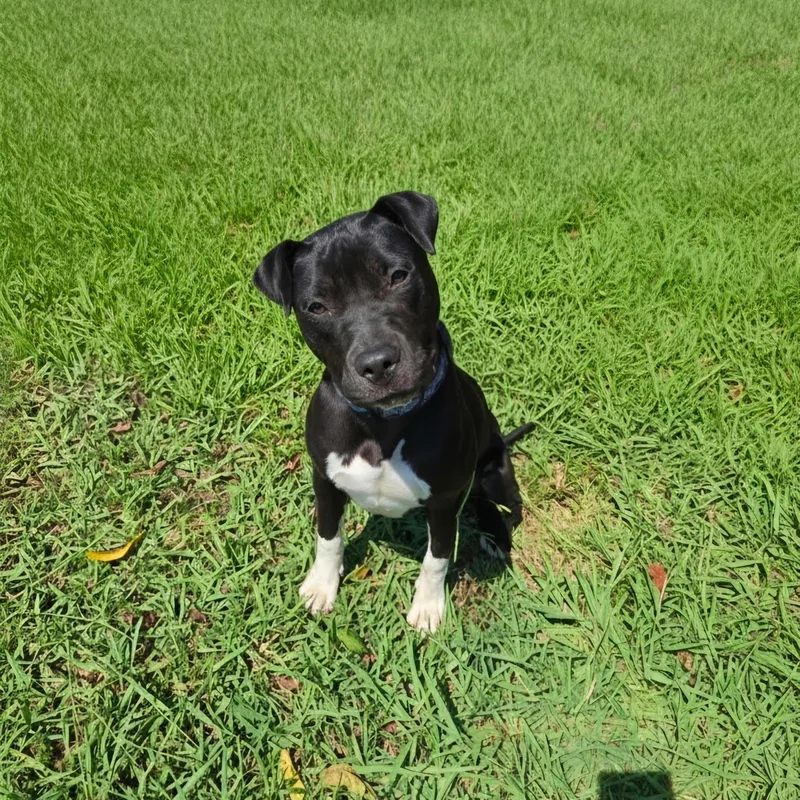
Weight
90–150 lbs
Height
24–30 in
Lifespan
9–11 yrs
Temperament
Protective, Devoted, Courageous
Group
Working
Shedding
Moderate

Owning a Fila Brasileiro in Boston

Having a Fila Brasileiro in Boston

Giant size, a strong guarding instinct and a need for firm, experienced handling define life with a Fila. In Boston, that shapes which building you can live in and how you manage busy sidewalks, visitors and shared entryways.

Temperament

Filas are typically calm and affectionate with their own family but suspicious of unfamiliar people and animals, and many never warm to visitors. On crowded Boston sidewalks, that means a short leash, space from strangers and early, ongoing socialization. Each dog differs, so how a particular adult handles strangers matters greatly.

Exercise Needs

Adults usually need moderate exercise: steady daily walks on a leash of 8 feet or less, which satisfies both City park and state land rules, plus time in a fenced yard. Boston's off-leash spaces are a poor match for a dog wary of strangers. Puppies need low-impact activity while their large joints develop.

Health Considerations

Like other giant mastiffs, Filas can develop hip and elbow dysplasia and bloat, a sudden, life-threatening stomach emergency. Keep weight lean, feed smaller meals and have a veterinarian check the joints. Lifespan estimates of 9 to 11 years are approximate because breed data are limited. Wiping paws after winter walks helps remove street salt.

Living Space

A Fila does best in a house with a tall, secure fence, which fits neighborhoods like West Roxbury better than a Seaport high-rise or a triple-decker with shared entries. Boston's coyotes can clear six-foot fences, so supervise yard time. A Fila should live indoors with its family.

What it costs to own a Fila Brasileiro in Boston

ExpenseTypical costPer year
Food$80 to $160 per month$960 to $1,920
Pet insurance$85 to $170 per month$1,020 to $2,040
Routine vet care$250 to $500 per year$250 to $500
Other*$590 to $1,690 per year$590 to $1,690
Estimated yearly total (after year one)$2,820 to $6,150

Other costs are estimates and vary with size, age and health.

* The Boston dog license ($15 spayed or neutered, $30 intact), giant-size flea, tick and heartworm prevention, a dental cleaning allowance, sturdy toys and bedding, minimal coat care and joint supplements.

Adopt a Fila Brasileiro in Boston.

Now that you know more, let’s find you a new best friend. These rescues and shelters below have dogs available in and near Boston.

Rescues and Shelters in or near Boston

Boston's shelters and rescues care for dogs of every size, including giant breeds and mixes that resemble the Fila. Here are the rescues & shelters in the Boston area with dogs available for adoption, worth asking whether a Fila Brasileiro is coming in.

Frequently Asked Questions

Yes. Massachusetts law bars cities and towns from regulating dogs by breed, so Boston has no Fila ban or breed-specific rule. Standard rules apply: an annual license for dogs over six months, a current rabies vaccine, and a leash whenever the dog is off your property. Landlords and insurers set their own limits, though, and those often matter more than city law.

It's possible but rarely ideal. Filas are giant, guard their territory and can find shared hallways, elevators and constant strangers stressful. Landlords can limit dog size or breed, so a Fila has to be welcome in writing. A ground-floor unit with a private entrance works better than a high-rise, and a house with a fenced yard works best.

Sometimes. The MBTA keeps dogs too big for a carrier off its vehicles on weekdays from 7 to 9 a.m. and 4 to 7 p.m. Off-peak, a Fila must be leashed and off the seats, and staff can refuse a crowded train. Because Filas are wary of strangers, a packed car is a poor setting, so walking or driving is usually easier.

Yes, with some care. Filas have short coats, so they feel Boston's cold and ice. Use a coat on longer walks, wipe paws after salted sidewalks and keep the dog indoors, since Massachusetts law bars leaving dogs outside in extreme cold. Slow, steady walking on ice also protects a giant dog's joints.

Quiet, leashed routes suit a Fila best. The Arnold Arboretum in Jamaica Plain and Franklin Park are large and leash-only, so go early when they're less crowded. Boston Common has an off-leash area, but a Fila wary of strangers and other dogs is usually better off on a leash. Keep dogs out of tot lots and off DCR beaches from May 1 through September 15.

Only to outdoor patios, and only where the restaurant holds a City variance for dogs, so look for dog-friendly signs. Dogs must stay leashed, off furniture and outside, with a current license and rabies vaccine. Many Filas are uneasy when strangers brush past, so choose a quiet corner table or skip crowded patios.

Not often. The short, dense coat needs a weekly brushing, a bit more during heavier shedding, plus occasional baths, nail trims and regular cleaning of skin folds and ears. In winter, wiping paws and belly after salted walks matters more than coat care. Grooming costs stay small and fall within the Other line of the cost table.

A Fila Brasileiro is a giant Brazilian mastiff-type guardian, also called the Brazilian Mastiff. It was developed on colonial ranches to guard property, drive cattle and catch large game. Filas have loose skin, heavy dewlaps and a distinctive pacing gait. They tend to be devoted to their own family and strongly distrustful of strangers, so they suit experienced owners.

The Fila Brasileiro is banned or restricted in some countries because lawmakers judge its guarding temperament, size and strength to pose a risk to the public. The breed standard itself describes a natural aversion to strangers. Countries including the United Kingdom, Norway, Australia, Fiji, Cyprus and Turkey prohibit or tightly restrict ownership, usually under broader dangerous-dog laws.

Expect roughly $80 to $160 a month for food and $85 to $170 for pet insurance, though some insurers surcharge or decline guardian breeds. Routine vet care runs about $250 to $500 a year, and other costs such as prevention, dental care and supplements add $590 to $1,690 yearly. Giant breeds cost more at every line.