Curly-Coated Retriever Dogs for Adoption in Boston, MA

Your guide to finding and caring for a Curly-Coated Retriever in Boston

A Curly-Coated Retriever fits best in a Boston neighborhood with real walking room, like Hyde Park or West Roxbury. Stony Brook Reservation has more than 400 acres and about 10 miles of paths, enough to tire out a tall, athletic retriever on a leash. Curlies are rare, so most people on Centre Street have never met one and may ask what kind of dog it is. Expect a thoughtful, slightly reserved dog that wants a job and a long outing every day.

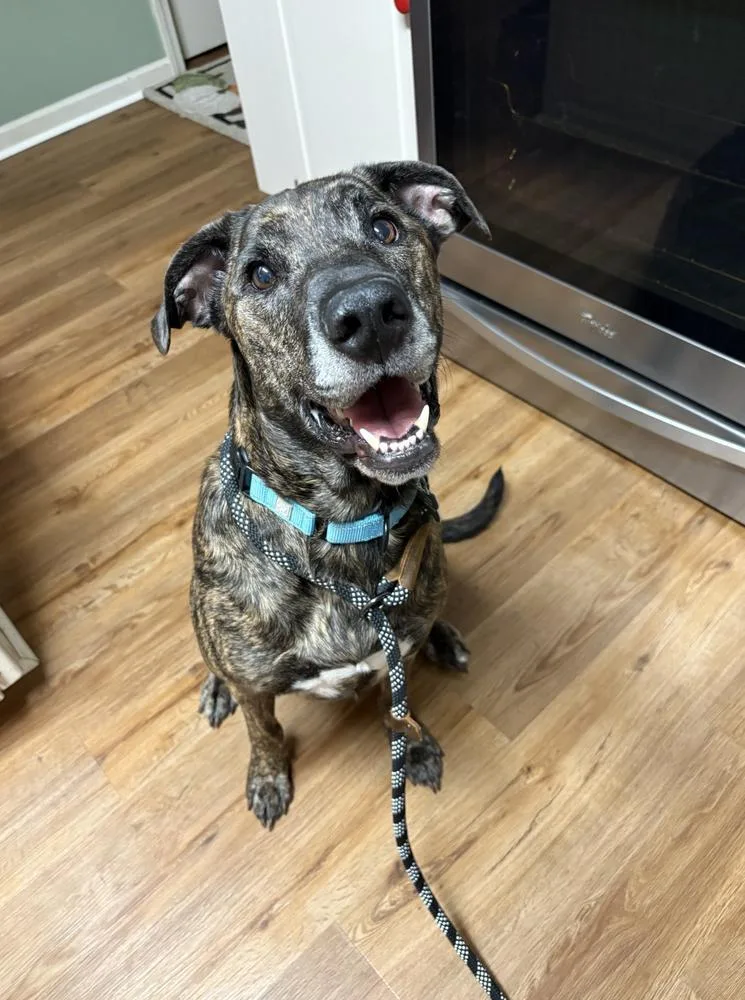
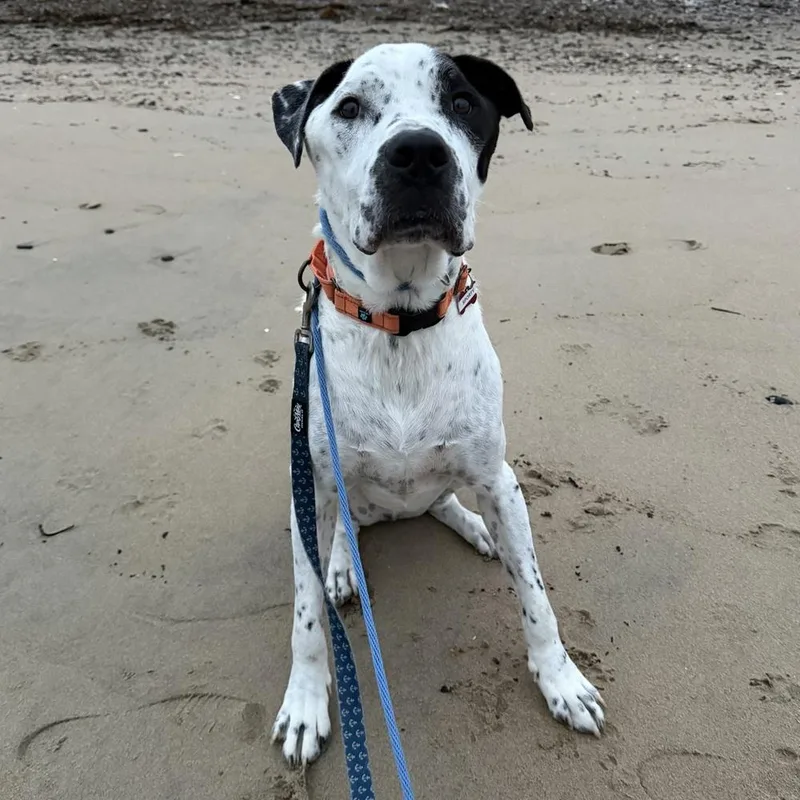
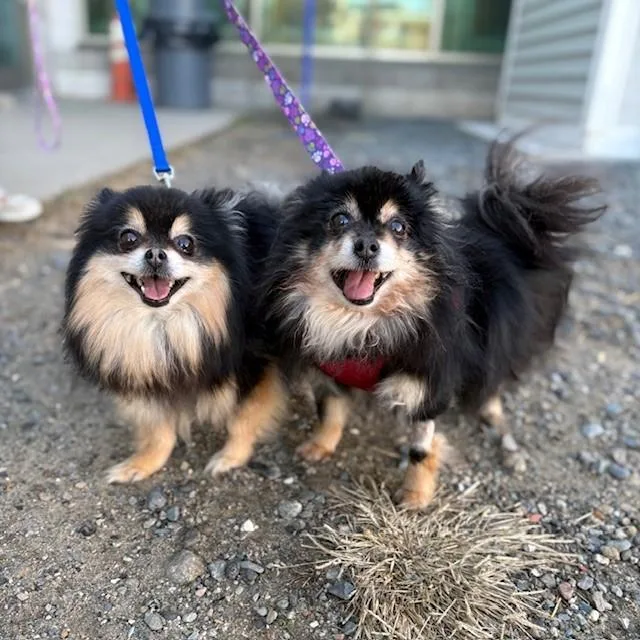
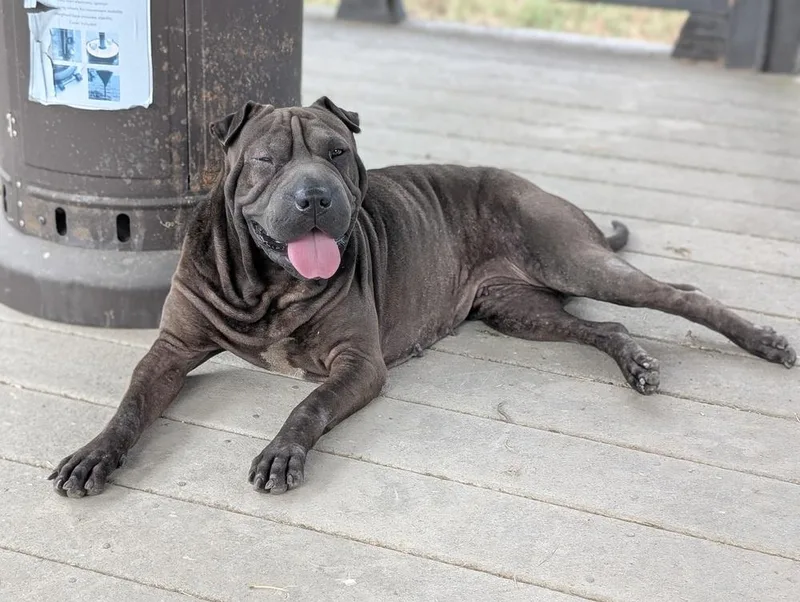
15109 dogs similar to Curly-Coated Retriever available in Boston and nationwide

Bring home a Curly-Coated Retriever

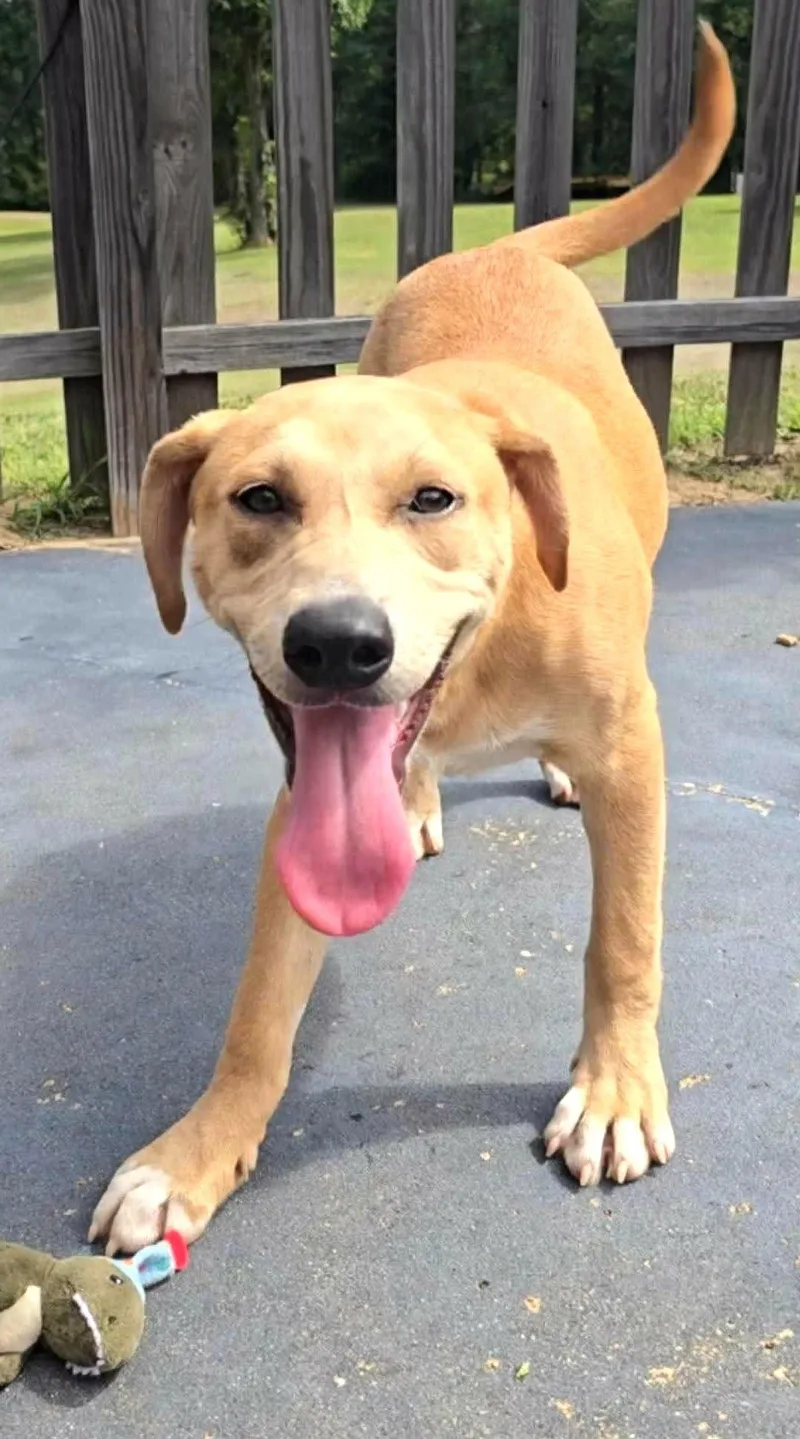
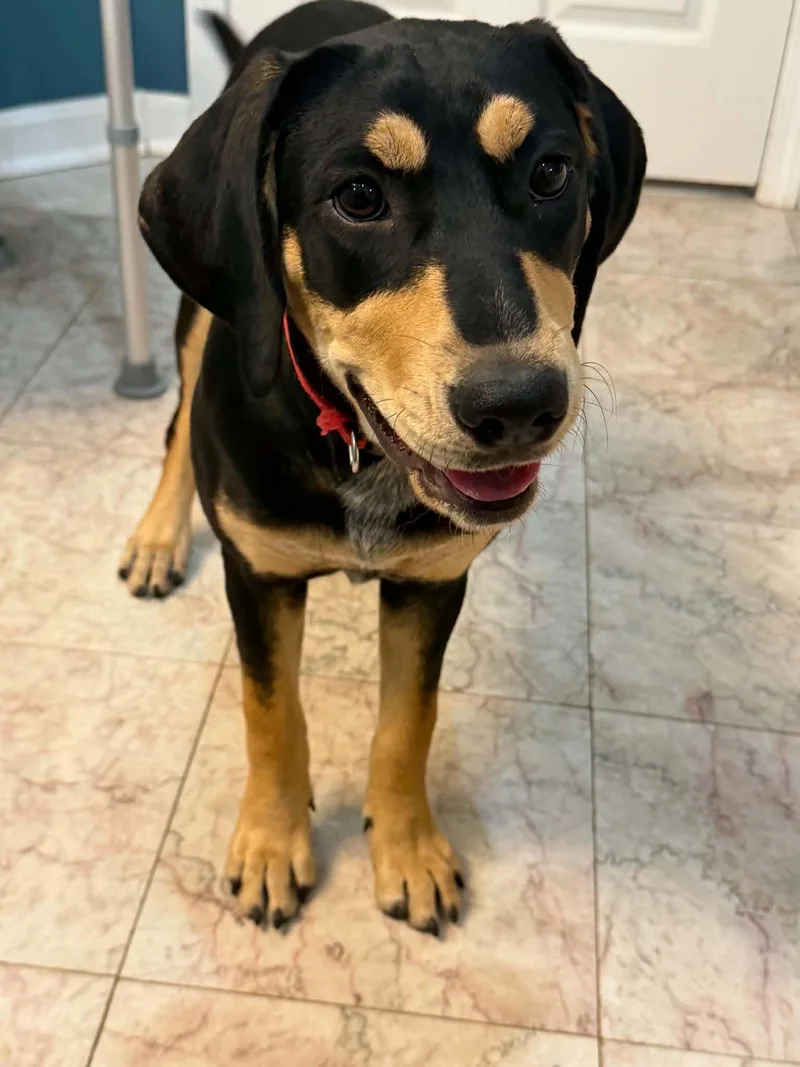
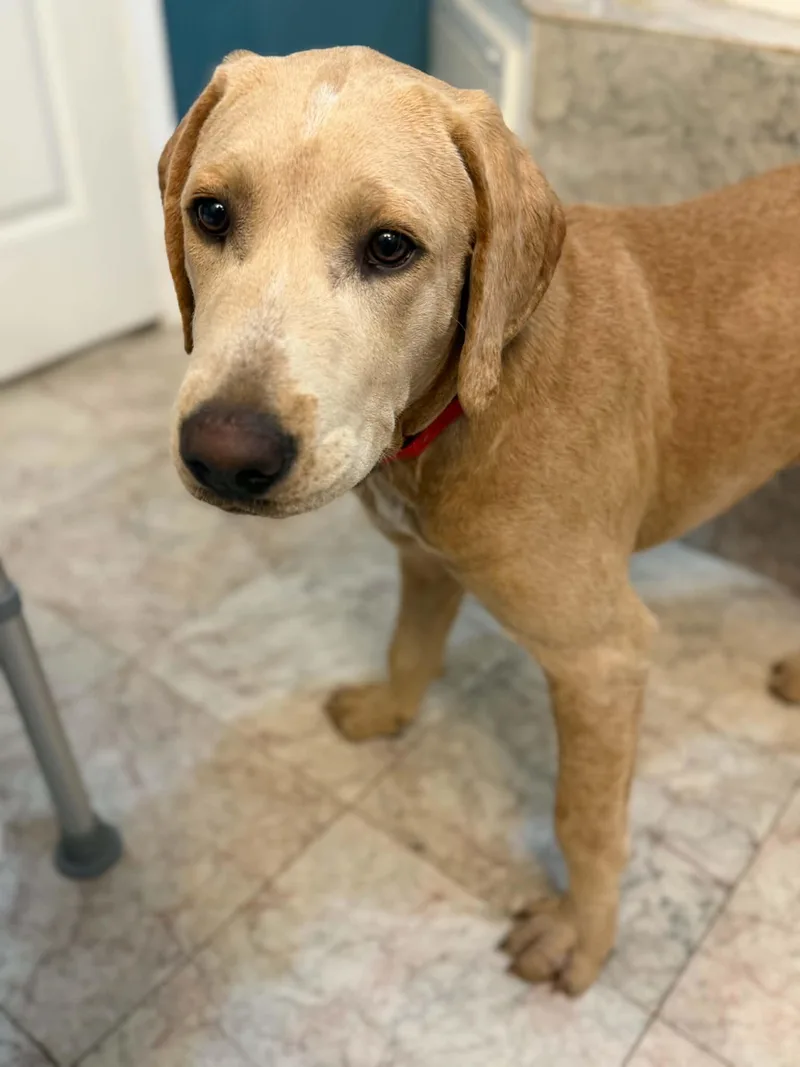
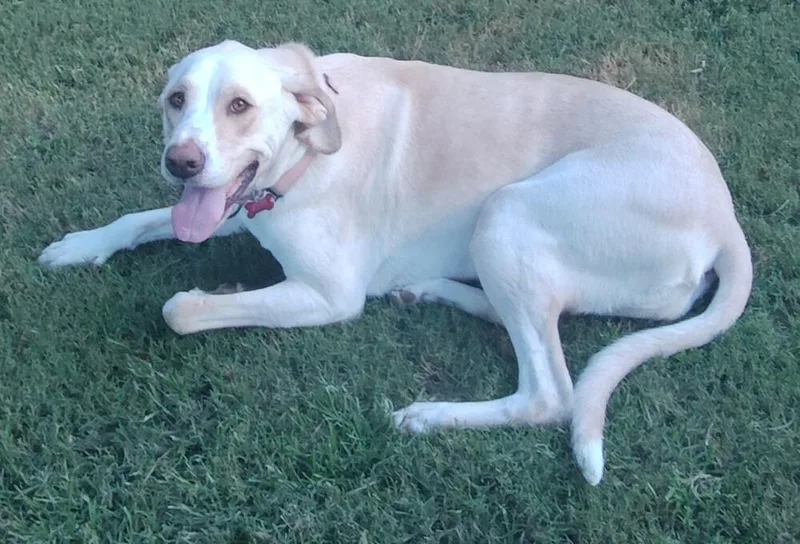
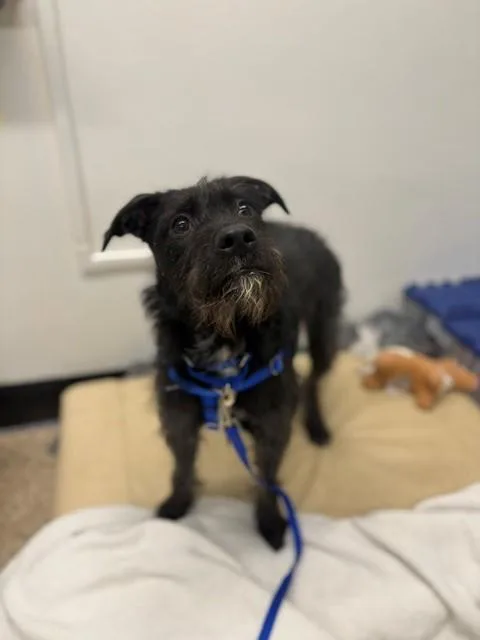
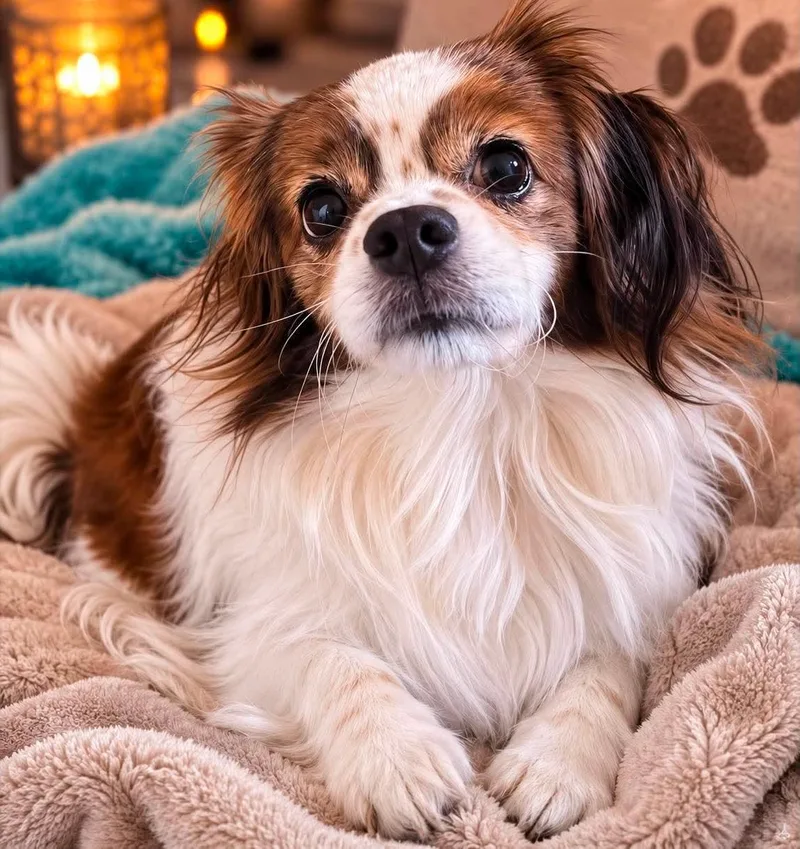
Curly-Coated Retrievers and Similar Breeds Available for Adoption Near Boston

About the Curly-Coated Retriever breed

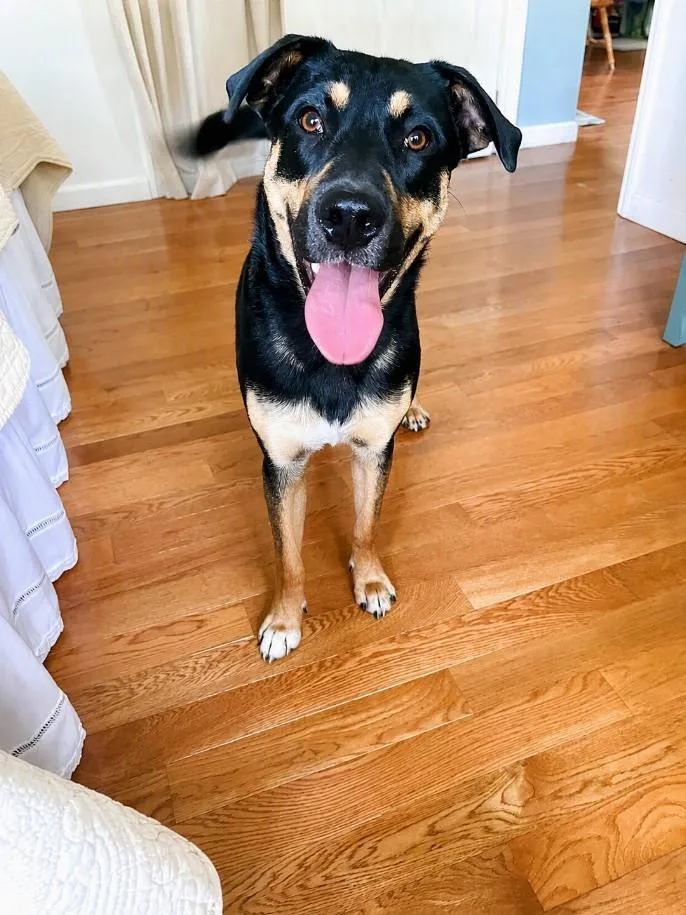
The Curly-Coated Retriever is one of the oldest retriever breeds, developed in England by gamekeepers who wanted a tireless dog for waterfowl and upland birds. It's the tallest of the retrievers, usually 60 to 95 pounds, with a coat of tight, crisp curls that sheds water and brambles while the face and front legs stay smooth. Curlies come in solid black or liver.

Many Curlies are more reserved with strangers and more independent than Labs or Goldens, and they often stay playful for two or three years. With their own people they tend to be affectionate and gentle. Labs are Boston's most-licensed breed, so a Curly is an uncommon sight here. Dogs vary, and a Curly's personality depends on the dog, not just the breed.

Weight
60–95 lbs
Height
23–27 in
Lifespan
10–12 yrs
Temperament
Confident, Intelligent, Independent
Group
Sporting
Shedding
Low to Moderate

Owning a Curly-Coated Retriever in Boston

Having a Curly-Coated Retriever in Boston

A Curly pairs working-retriever stamina with a coat that needs little brushing but some attention to texture. Slow maturity, a big appetite for exercise and a love of water shape daily life in Boston, from snowy winters to leashed walks near the river.

Temperament

Curlies are often devoted and gentle with their own people but politely aloof with strangers, which can help on busy Boston sidewalks. They think for themselves and may tire of repetitive drills, so short, varied, reward-based training and early socialization help. Many stay puppyish for two or three years, and each dog's personality differs.

Exercise Needs

Plan on vigorous daily exercise: long leashed walks, runs or retrieving games. Boston has fenced dog spaces and an off-leash area on Boston Common, which requires a license and ID tag and allows no more than three dogs per adult. Add scent games or training classes so the dog works its mind as well as its legs.

Health Considerations

Curlies can face hip and elbow dysplasia, exercise-induced collapse, glycogen storage disease type IIIa, a form of progressive retinal atrophy, heart disease, coat loss and bloat. A veterinarian can check hips, eyes and heart and talk through screening. Tick checks matter after trail walks around Boston's wooded parks, and regular checkups catch problems early.

Living Space

A Curly is a big, tall dog with an active tail, so it needs room to turn around indoors. An apartment can work if daily outings are dependable, but a securely fenced yard is easier, as in the single-family homes common in West Roxbury. Coyotes are reported in Boston and can clear six-foot fences, so stay outside with the dog.

What it costs to own a Curly-Coated Retriever in Boston

ExpenseTypical costPer year
Food$55 to $110 per month$660 to $1,320
Pet insurance$65 to $130 per month$780 to $1,560
Routine vet care$250 to $500 per year$250 to $500
Other*$490 to $1,280 per year$490 to $1,280
Estimated yearly total (after year one)$2,180 to $4,660

Other costs are estimates and vary with size, age and health.

* The Boston dog license ($15 spayed or neutered, $30 intact), flea, tick and heartworm prevention, a dental cleaning allowance, toys and bedding, and light at-home coat care with occasional trims.

Adopt a Curly-Coated Retriever in Boston.

Now that you know more, let’s find you a new best friend. These rescues and shelters below have dogs available in and near Boston.

Rescues and Shelters in or near Boston

Boston's shelter and rescue community lists dogs of all sizes and ages, and the listings below update as new dogs arrive. Here are the rescues & shelters in the Boston area with dogs available for adoption, worth asking whether a Curly-Coated Retriever is coming in.

Frequently Asked Questions

Yes, with limits. The MBTA lets larger dogs ride off-peak on a leash, but not on weekdays from 7 to 9 a.m. or 4 to 7 p.m. Dogs can't sit on seats, and staff may restrict access when trains are crowded. Avoid holidays and big events, and practice calm behavior around strangers first.

Yes, most can. A Curly's dense, water-shedding coat copes well with Boston's cold, and daily walks still matter through about 49 inches of snow a year. The real hazard is sidewalk salt, which is toxic, so wipe paws and coat after every walk. Dogs shouldn't be left outside during storms or extreme cold.

For off-leash play, Boston Common has an off-leash area open 6 a.m. to 11 p.m., with a license and ID tag required. For longer leashed outings, try Stony Brook Reservation or the Arnold Arboretum. Flaherty Playground in Jamaica Plain has a fenced dog run. Dogs can't enter tot lots or ball fields.

Yes. Massachusetts law bars cities from regulating dogs by breed, so Curlies face no breed ban or special restriction in Boston. You'll need a yearly license and rabies vaccination, and more than four dogs in a household requires a kennel license. Because Curlies are rare, keep watching the listings on this page.

It can, if exercise is dependable. A Curly needs a long daily outing plus mental work, and its size and active tail need floor space. Many Boston apartments are walk-ups, so a large dog's stairs routine matters. Confirm any weight limits in the lease before applying, since many landlords cap dog size.

It can be for active people. Boston offers walkable neighborhoods, big parks and a mild spring and fall, and a Curly thrives on daily outings. It's less ideal for long days alone, and sloppy winter weather and hot, humid weeks take planning. Their reserve with strangers can suit busy sidewalks well.

Only to some patios. Boston restaurants can get a City variance to welcome dogs outdoors, so look for dog-friendly signs. Dogs must stay leashed, off furniture and outside, and they must be licensed and vaccinated against rabies. Dogs can't enter restaurant interiors unless they're service dogs, so don't assume any patio allows them.

Less than you might expect. Skip the brush, which frizzes the curls. Dampen the coat and work the curls with your fingers every week or so, with an occasional trim. In winter, rinse or wipe off salt after walks. Light coat care is part of the yearly Other costs shown in the cost table.

Yes, Curly-Coated Retrievers shed, but usually less than most retrievers for much of the year. Many have one or two heavier seasonal sheds when the curls loosen and drop hair, and intact females may shed more after a heat cycle. Owners generally avoid brushing, which frizzes the curls, and instead dampen the coat and work loose hair out by hand.

Expect about $55 to $110 a month for food and $65 to $130 a month for pet insurance. Routine vet care runs roughly $250 to $500 a year. Other costs, including the license, parasite prevention, dental care and coat upkeep, add about $490 to $1,280 a year. Emergencies and illness aren't included.