Black Russian Terrier Dogs for Adoption in Boston, MA

Your guide to finding and caring for a Black Russian Terrier in Boston

A Black Russian Terrier fits best in a part of Boston with some room, like West Roxbury or Hyde Park. Those neighborhoods have more single-family homes with yards, and Stony Brook Reservation offers about ten miles of paths for the long walks this working dog needs. A South End walk-up with steep stairs is harder with 80 to 130 pounds of dog, though a calm adult can manage with steady daily exercise. The thick black coat handles a Boston winter well. Expect to brush it often.

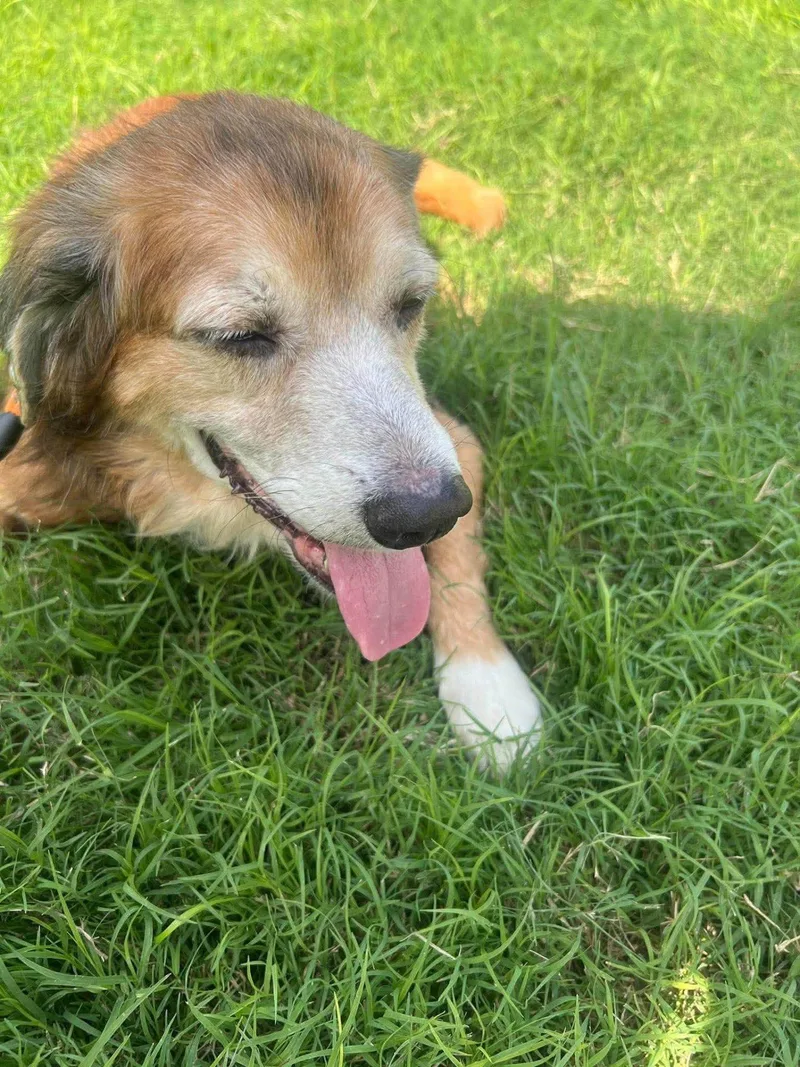
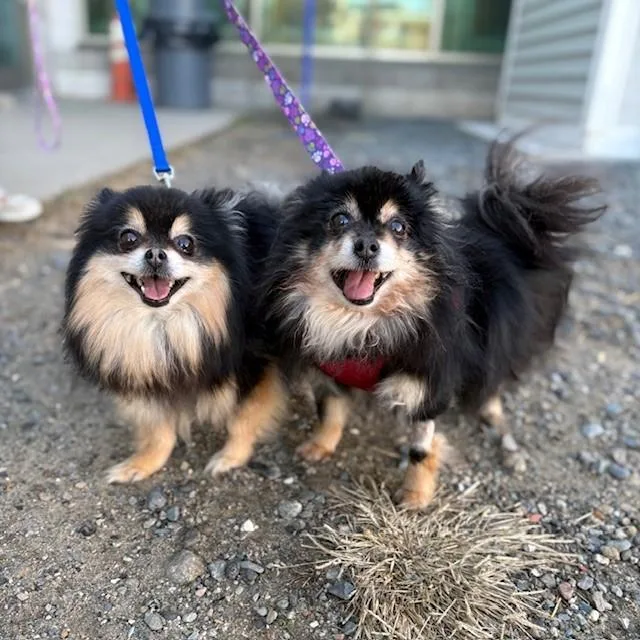
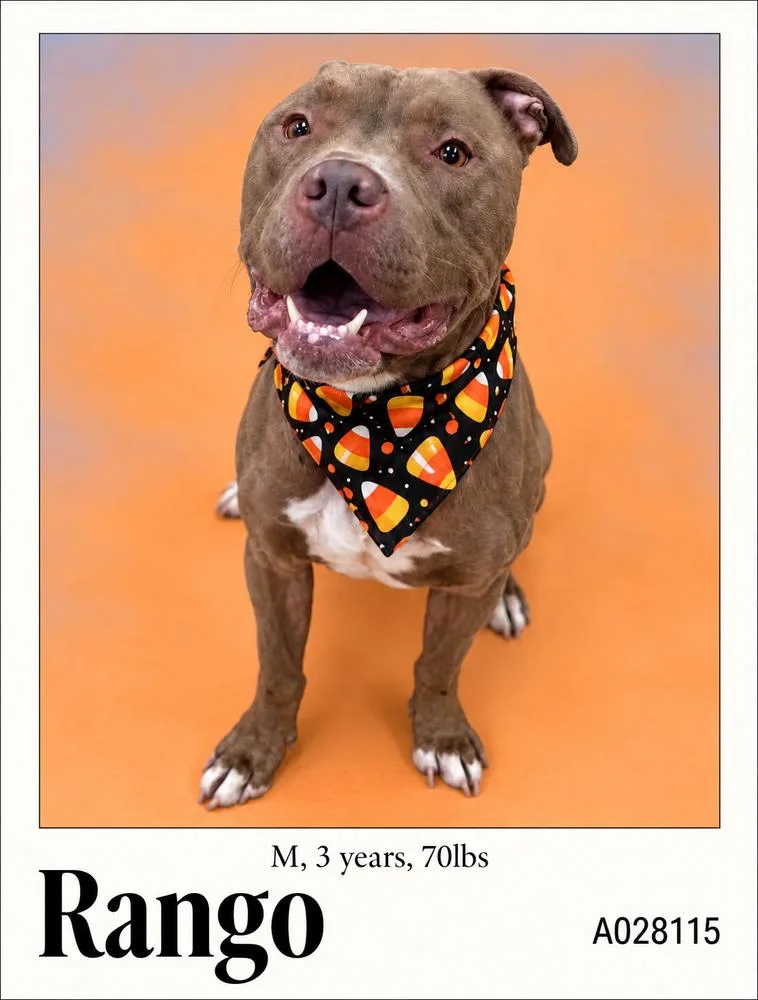
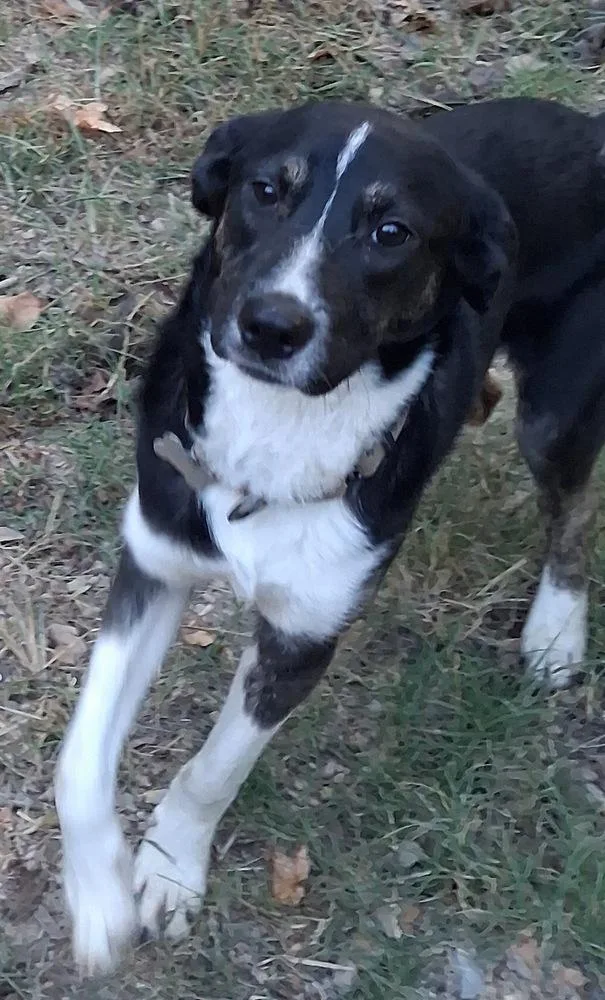
2696 dogs similar to Black Russian Terrier available in Boston and nationwide

Find your Black Russian Terrier

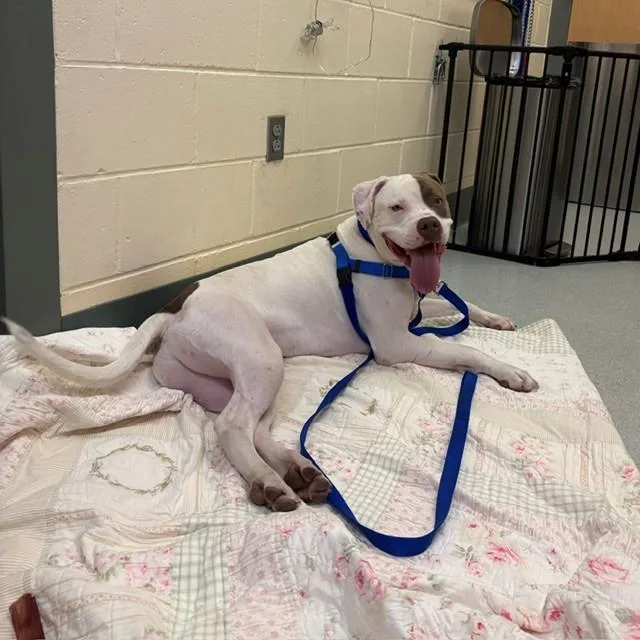
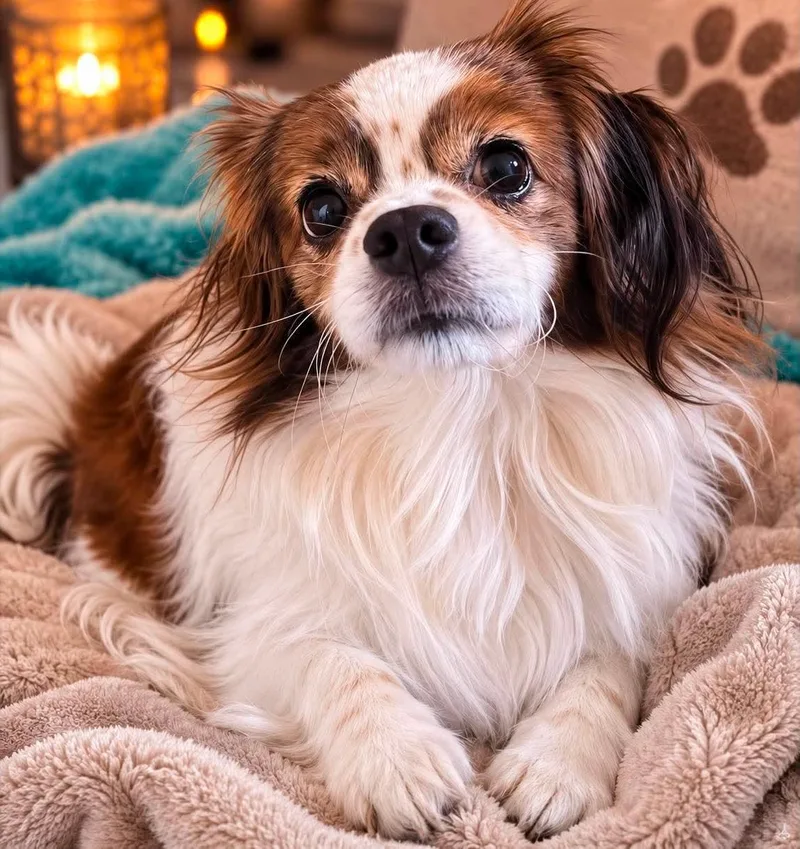
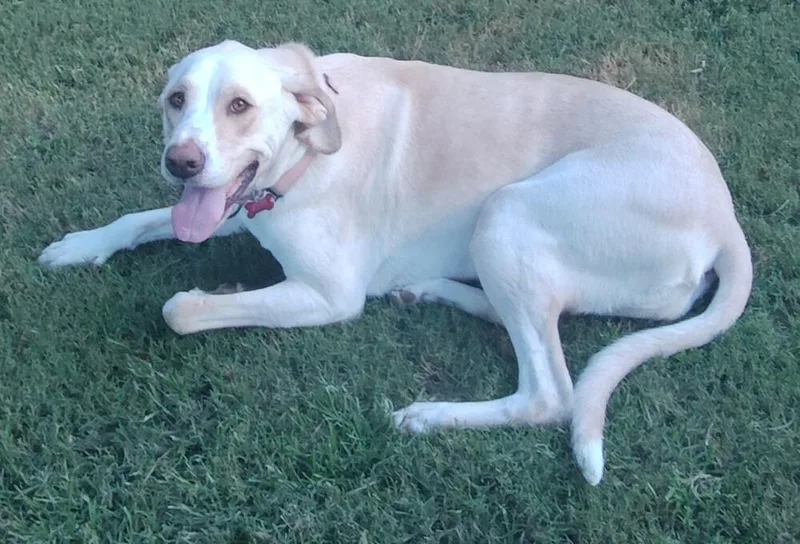
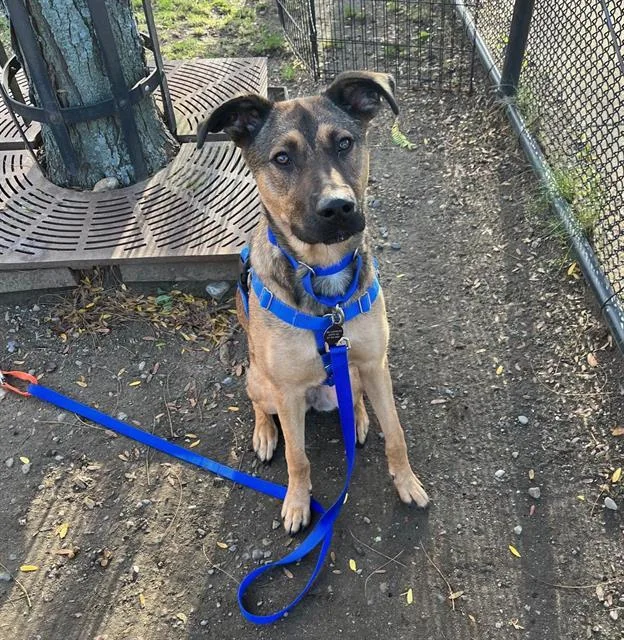
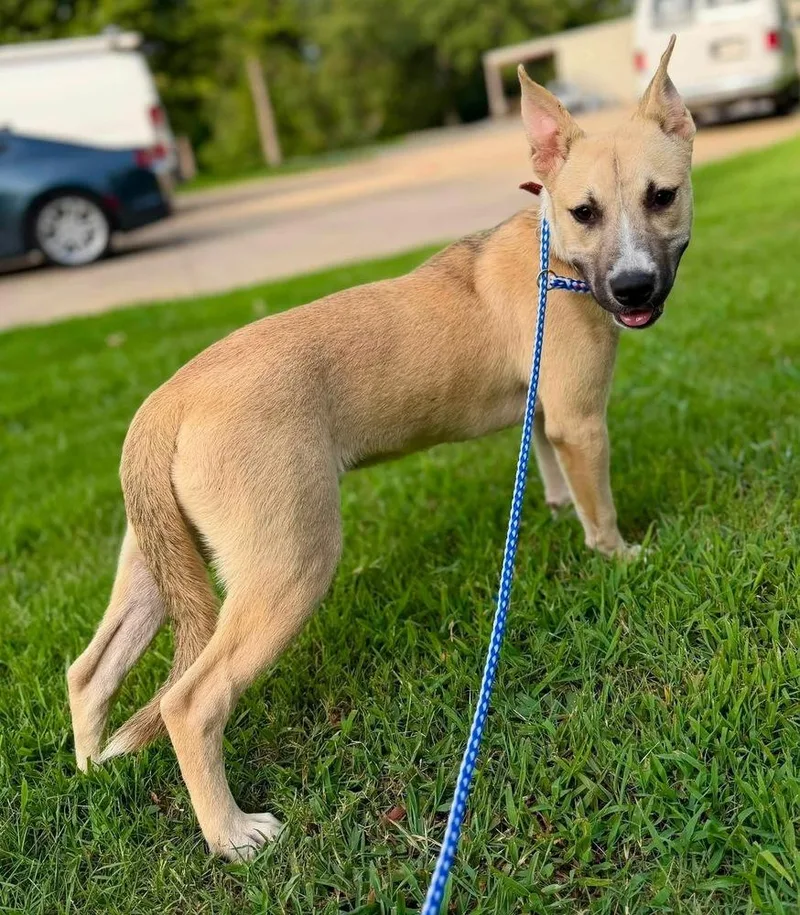
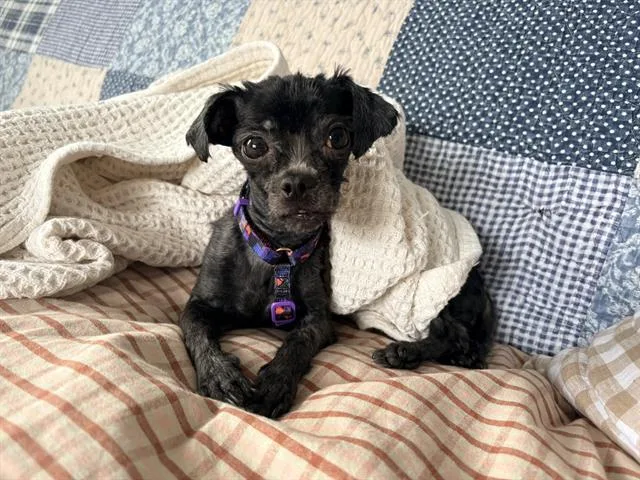
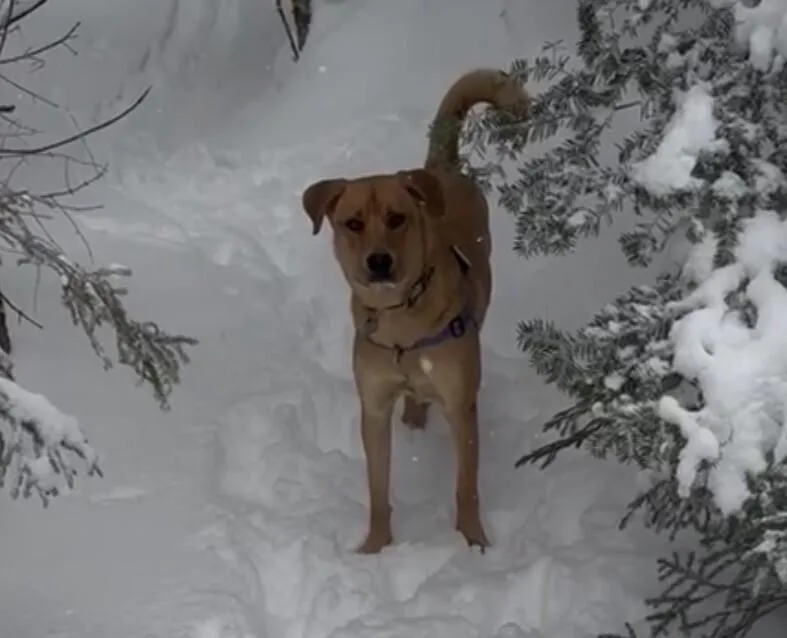
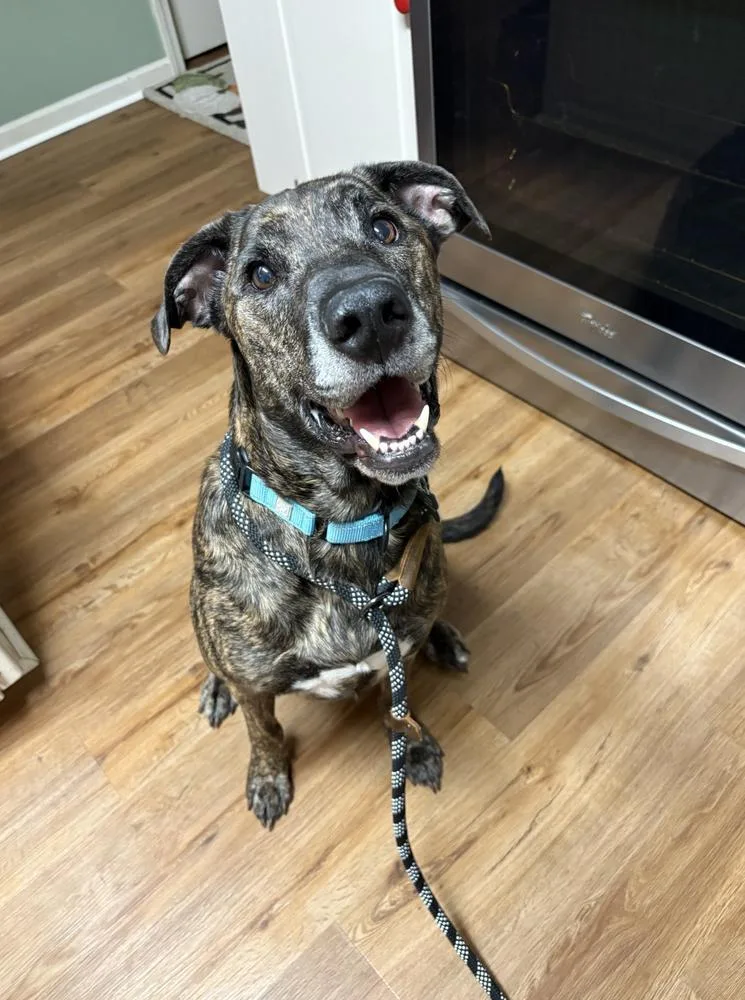
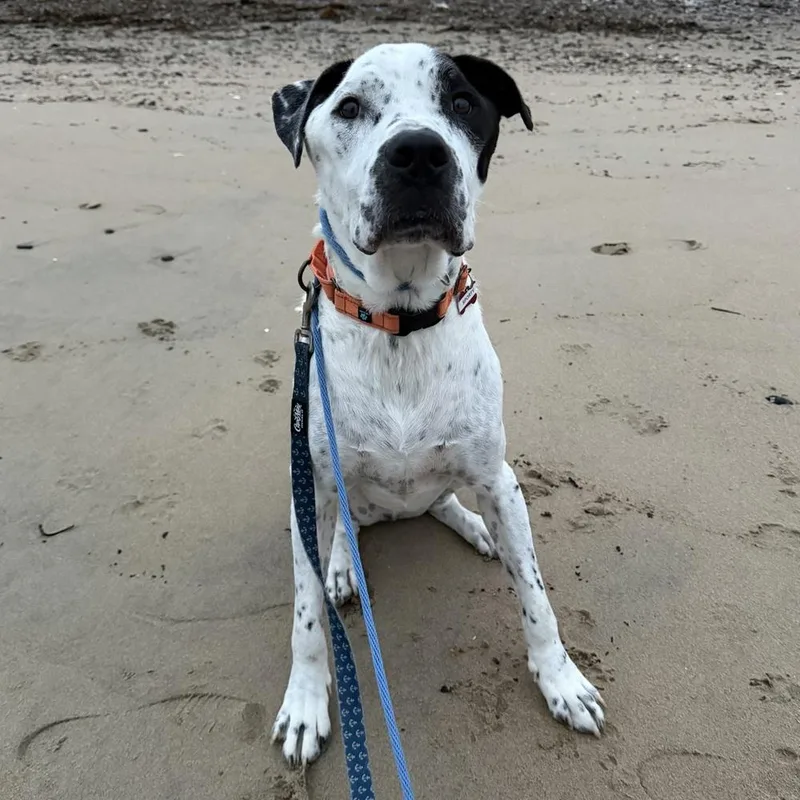
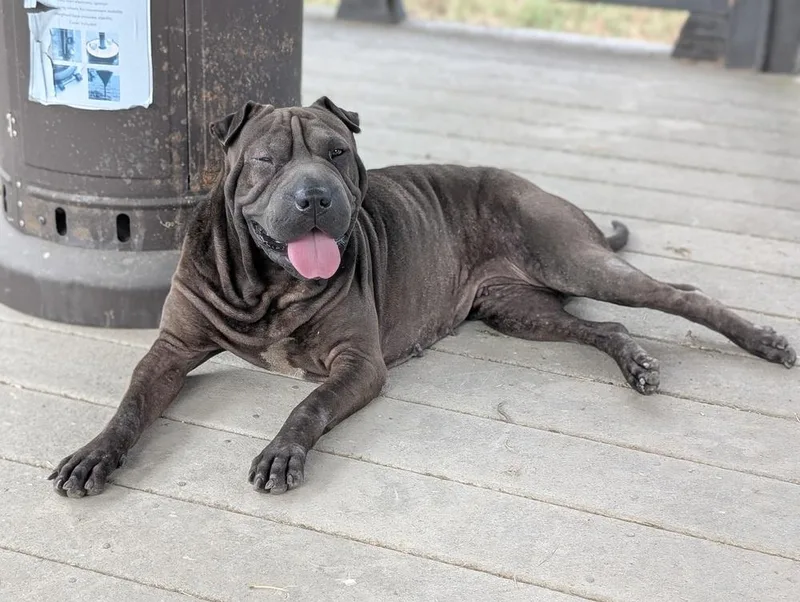
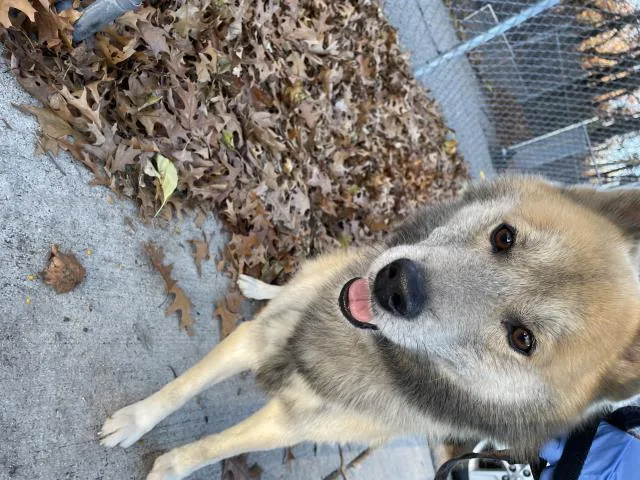
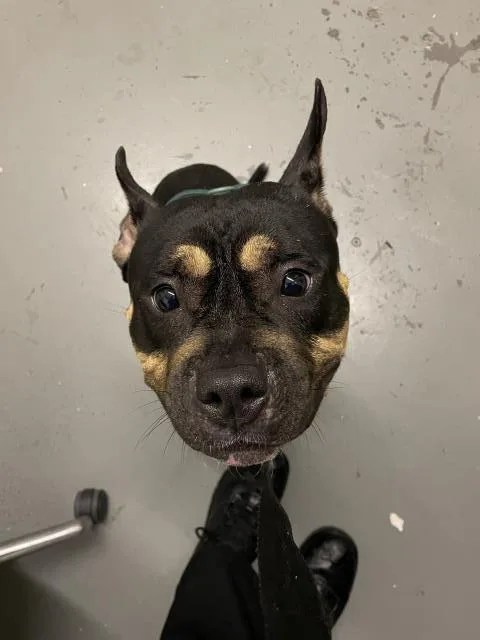
Black Russian Terriers and Similar Breeds Available for Adoption Near Boston

About the Black Russian Terrier breed

The Black Russian Terrier isn't a true terrier. The Soviet Army's Red Star Kennel developed it in the late 1940s and 1950s as a tough guard and working dog, drawing on about 17 breeds, including the Giant Schnauzer, Airedale, Rottweiler and Newfoundland. The AKC placed it in the Working Group in 2004.

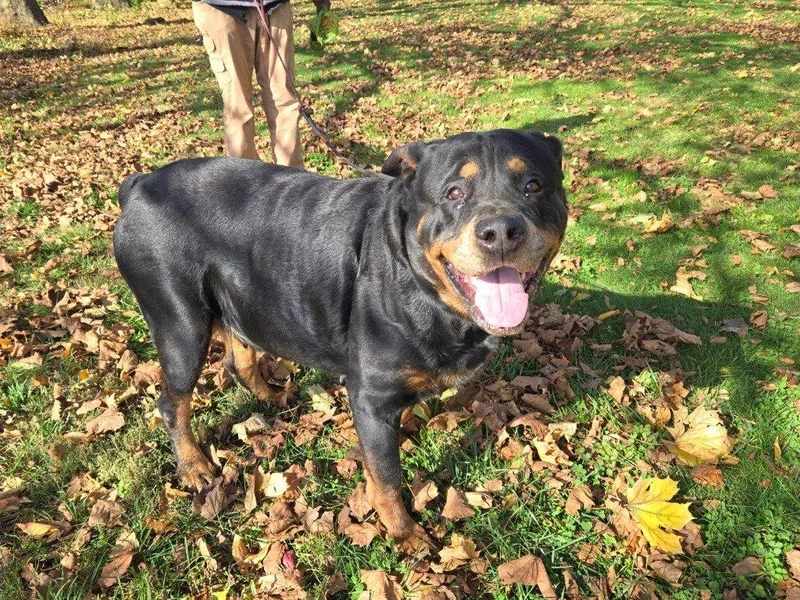
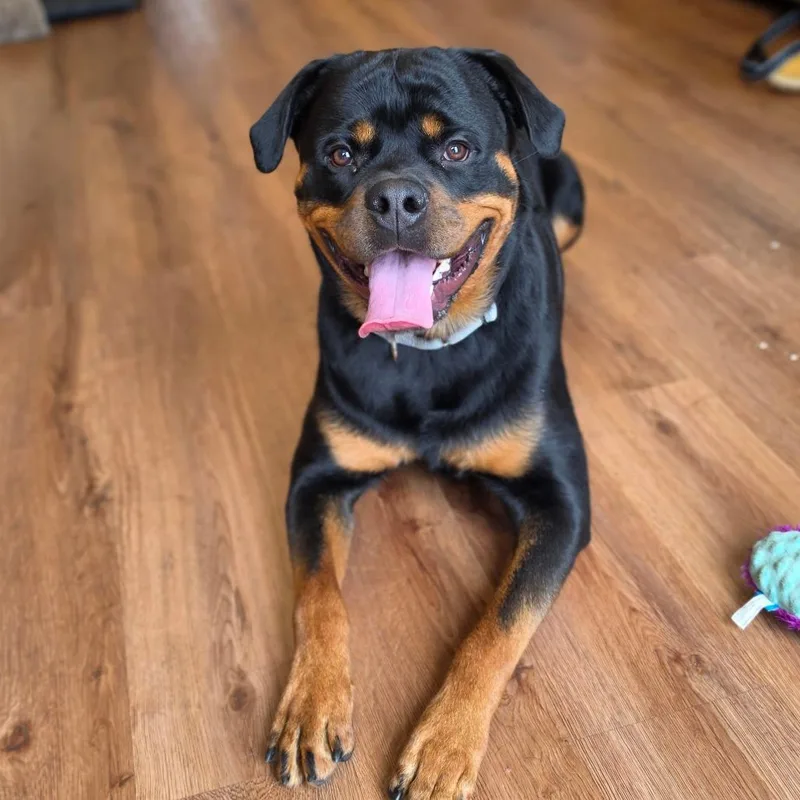
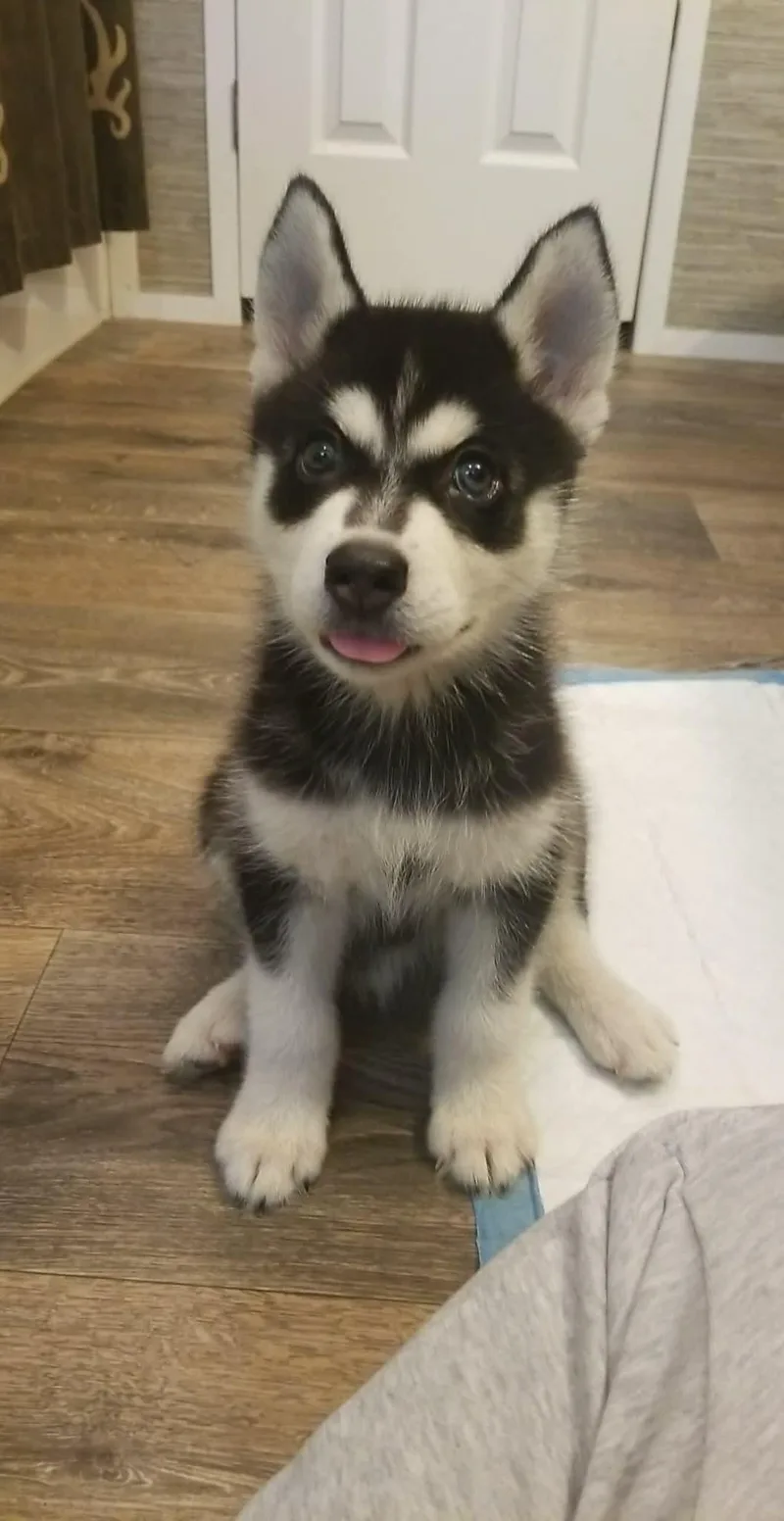
Expect a powerful, heavy-boned dog with a wavy black double coat, a full beard and eyebrows that fall over the eyes. Many are calm and devoted at home but aloof with strangers, so socialization matters on busy Boston sidewalks. They're smart and trainable, yet their size and protective streak suit a confident, consistent handler. Low shedding doesn't mean low maintenance: the coat needs regular brushing and professional trims.

Weight
80–130 lbs
Height
26–30 in
Lifespan
10–12 yrs
Temperament
Confident, Protective, Loyal
Group
Working
Shedding
Low

Owning a Black Russian Terrier in Boston

Having a Black Russian Terrier in Boston

A Black Russian Terrier pairs a guardian's watchfulness with a family-centered nature and a coat that needs real upkeep. In Boston, size, training and grooming time count as much as space, and dogs of this breed vary, so each one's needs differ.

Temperament

Many Black Russians are calm, self-assured and devoted to their own people, though reserved with strangers. In Boston, busy sidewalks, T platforms and crowded squares call for early, steady socialization and a confident handler. Temperament varies from dog to dog, so how a particular dog behaves says more than breed reputation.

Exercise Needs

Plan on at least two good walks a day plus play, hiking or swimming. The Emerald Necklace parks and Stony Brook Reservation give room for long leashed walks, and Boston Common has an off-leash area. Skip hard running around mealtimes because of bloat risk, and keep the leash at eight feet or less.

Health Considerations

Breed-level concerns include hip and elbow dysplasia, progressive retinal atrophy, bladder stones from hyperuricosuria, juvenile laryngeal paralysis and bloat. A veterinarian can check the joints and overall condition after adoption. Keep the dog lean, and wipe paws and coat after winter walks to remove road salt, which can burn.

Living Space

A house with a securely fenced yard suits a Black Russian best, but a calm adult can do well in a Boston apartment if daily exercise is reliable. Expect a big dog on the floor and sofa, plus stairs in many triple-deckers and walk-ups. Coyotes are reported around the city, so supervise yard time.

What it costs to own a Black Russian Terrier in Boston

ExpenseTypical costPer year
Food$80 to $160 per month$960 to $1,920
Pet insurance$85 to $170 per month$1,020 to $2,040
Routine vet care$250 to $500 per year$250 to $500
Other*$1,040 to $2,790 per year$1,040 to $2,790
Estimated yearly total (after year one)$3,270 to $7,250

Other costs are estimates and vary with size, age and health.

* Flea, tick and heartworm prevention, a dental cleaning, the Boston dog license ($15 spayed or neutered, $30 intact), supplies, professional trims every 6–8 weeks and joint supplements.

Adopt a Black Russian Terrier in Boston.

Now that you know more, let’s find you a new best friend. These rescues and shelters below have dogs available in and near Boston.

Rescues and Shelters in or near Boston

Boston's city shelter and nonprofit adoption centers care for dogs of every size, and their listings change often. Here are the rescues & shelters in the Boston area with dogs available for adoption, worth asking whether a Black Russian Terrier is coming in.

Frequently Asked Questions

Yes, you can own a Black Russian Terrier in Boston. Massachusetts law bars cities and towns from regulating dogs by breed, so no Boston rule targets them. Dogs over six months need a yearly license by March 31 and a current rabies vaccination, and they must be leashed off your property. The bigger question is housing that fits a giant dog.

A calm adult Black Russian can live in a Boston apartment, but 80 to 130 pounds of dog is a stretch in a small unit. Plan on two walks a day plus play, and look for ground floors or elevators. Some buildings cap dog weight, so confirm that in the lease. A house with a fenced yard is usually easier.

Yes. A Black Russian's double coat is built for cold, so Boston's 26 to 39°F winters rarely bother it. Snowy days mostly mean checking for ice clumps, sticking to cleared sidewalks and keeping the dog indoors, since state law bars leaving dogs outside in extreme weather. The harder season for a black-coated giant is humid July.

Boston Common's off-leash area is a good start if the dog is licensed, tagged and comfortable around other dogs. For fenced play, try the Allston-Brighton Dog Park or Peters Park. For long leashed walks, the Arnold Arboretum and Stony Brook Reservation give a big dog room to move. Dogs aren't allowed in tot lots or ball fields.

Only at certain times. The MBTA doesn't allow larger dogs on weekdays from 7 to 9 a.m. and 4 to 7 p.m., and a Black Russian is far too big for a carrier. Off-peak, the dog must be leashed and kept off seats. Staff can restrict pets in crowds, so avoid holidays and big events.

Sometimes, but only on patios. Boston restaurants can apply for a City variance that allows dogs outdoors, so look for dog-friendly signs. Dogs can't enter the dining room, must stay leashed and off chairs, and need a current license and rabies vaccination. Bring a water bowl, and expect a giant dog to need plenty of floor space.

Plan on brushing a few times a week and professional trims about every 6 to 8 weeks. Salty, slushy winters and muddy springs in Boston mean combing and wiping the legs and beard after walks to prevent mats. Grooming is the largest piece of the yearly Other cost, which runs about $1,040 to $2,790 with prevention and supplements.

Black Russian Terriers can be good family dogs for experienced owners. Many are affectionate, calm and protective with their own families and gentle with children they are raised with. Their size and guarding instincts mean they need training, socialization and supervision around visiting kids. An adult rescue with a known history in a family home can be a strong match.

No, Black Russian Terriers are not truly hypoallergenic, since no dog is free of allergens. Their coat sheds little, so they drop less hair around the house than many breeds, which helps some people with mild allergies. Dander and saliva still cause reactions, so spend time with the specific dog before adopting if anyone has allergies.

Expect about $80 to $160 a month for food, $85 to $170 a month for optional insurance, and $250 to $500 a year for routine vet care. Other yearly costs, mainly professional trims, parasite prevention, dental care and joint supplements, run roughly $1,040 to $2,790. Actual totals vary with the dog's age, health and coat.