


Pomeranian dog

Pomeranian Dogs for Adoption in New Orleans, LA

Your guide to finding and caring for a Pomeranian in NOLA

Pomeranians suit a Carrollton shotgun double, where a few short walks and some indoor play cover most of a toy dog's day. They're alert and chatty, so the St. Charles streetcar rumbling down the neutral ground or a neighbor on the porch will probably earn a bark. Keep walks on the shady side of the street and take them early, since the hot season runs long here. Plenty of Poms are happy to spend the rest of the day on a lap. Expect a big personality in a few pounds.

669 Pomeranians available in New Orleans and nationwide

Bring home a Pomeranian

While we don't have enough dogs near New Orleans, keep in mind that many rescues may offer transport.

Pomeranians Available for Adoption Near New Orleans

About the Pomeranian breed

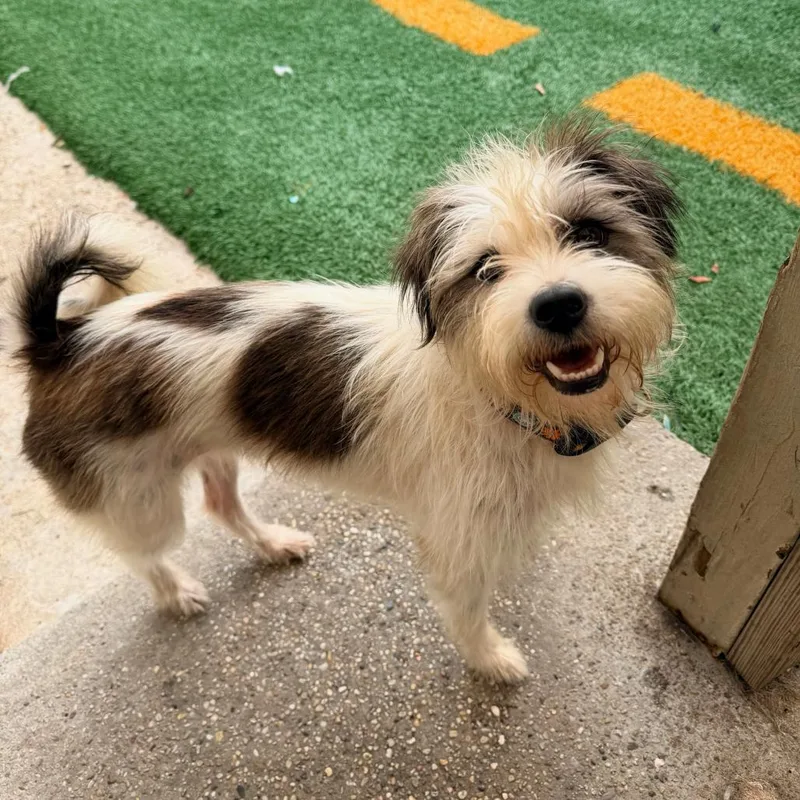
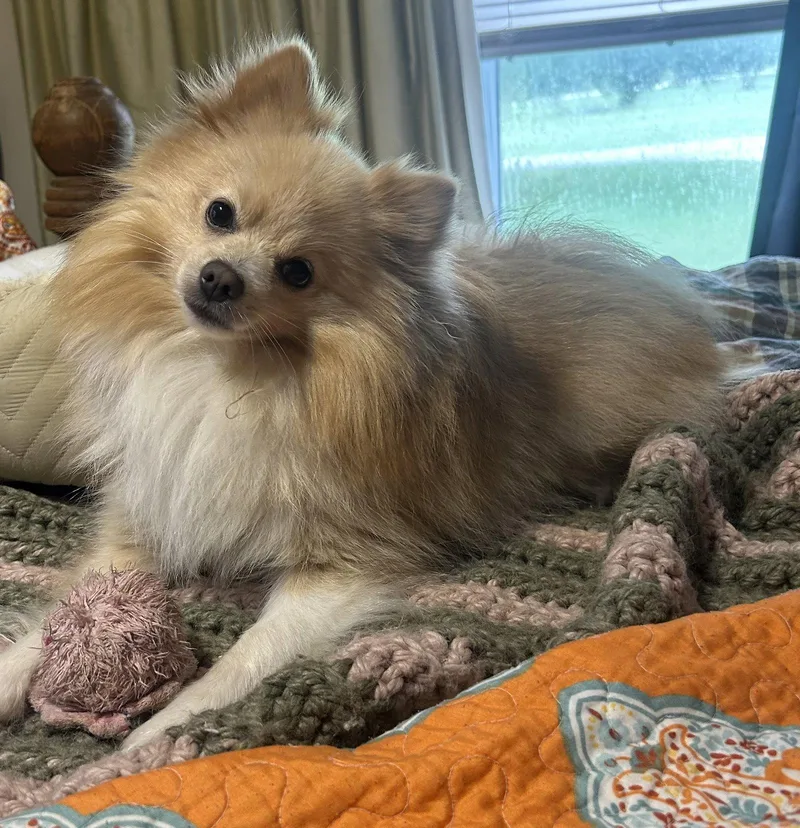
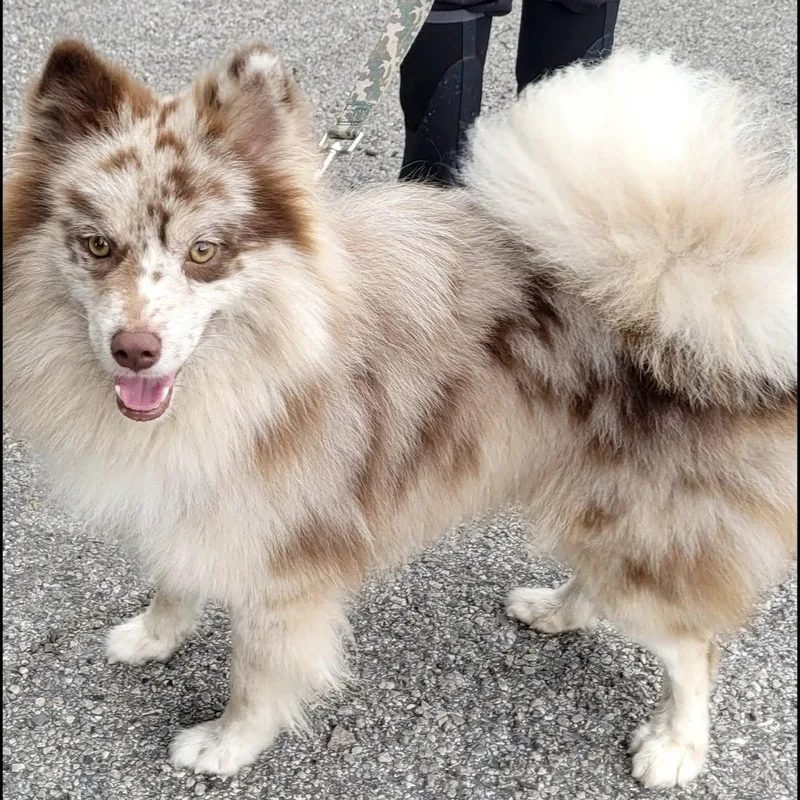
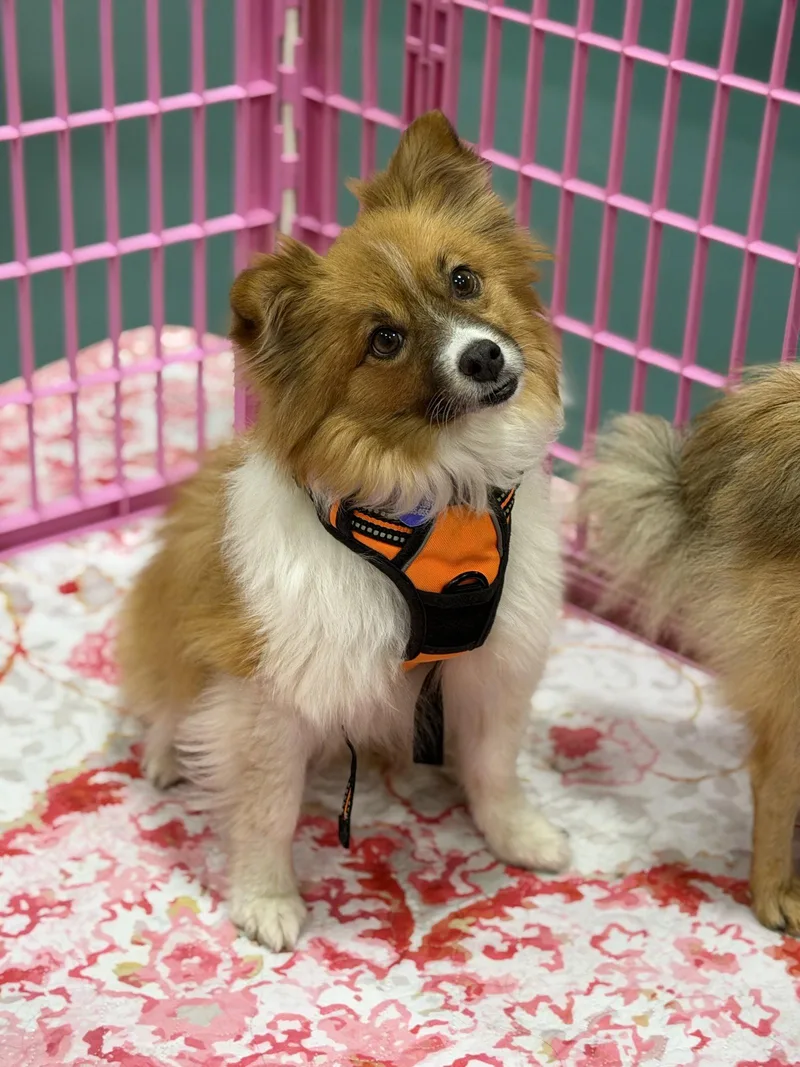
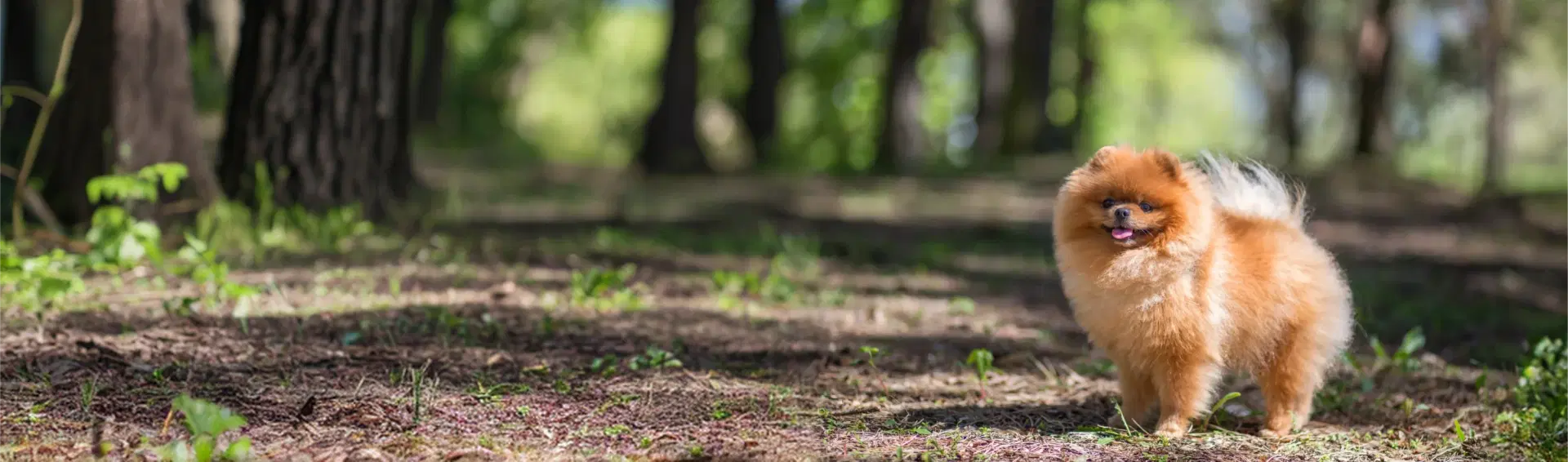
Pomeranians are the smallest of the German Spitz family, named for the Baltic region of Pomerania and shrunk to toy size in Victorian England. Most weigh 3 to 7 pounds, though some pet Poms run heavier. The standoff double coat comes in nearly every color, framing a fox-like face with small pricked ears and a plumed tail carried over the back.

Many Poms are bold, curious and quick to sound the alarm. In New Orleans the coat is the main thing to plan around: regular brushing keeps it airy, and NOLA Ready advises brushing long coats rather than shaving them. Dogs vary, so watch how a Pom handles noise, handling and other dogs. They're fragile, so harness walks and care around stairs, porches and bigger dogs matter.

Weight
3–7 lbs
Height
6–11 in
Lifespan
12–16 yrs
Temperament
Lively, Alert, Curious, Bold
Group
Toy
Shedding
Moderate to High

Owning a Pomeranian in New Orleans

Having a Pomeranian in NOLA

A Pomeranian is a small, watchful dog with a heavy coat and delicate joints and teeth. In New Orleans, heat, humidity and storm season shape daily care as much as the breed's barking and grooming needs do.

Temperament

Many Pomeranians are bold, curious and attached to their person, with a bark for every visitor and passing noise. Some get bossy with larger dogs or snappy when handled roughly. Parade-season music, sirens and fireworks can unsettle noise-sensitive dogs, so a quiet room and reward-based training help. Each dog's history and personality differ from breed averages.
Exercise Needs

Daily short walks plus indoor play and trick training usually meet a Pom's needs. Use a harness rather than a collar to protect the trachea, and walk at dawn or after sunset because summer nights stay in the upper 70s. On warm pavement, stay on grass or carry the dog. Puzzle toys fill rainy afternoons.

Health Considerations

Pomeranians are prone to luxating kneecaps, collapsing trachea, dental disease and, in some dogs, alopecia X coat loss. In NOLA, heartworm is a concern, so year-round prevention matters, and heat can worsen breathing trouble. Brush teeth daily, keep weight lean, and have a veterinarian check knees, heart and teeth after adoption.

Living Space

A Pom is well matched to New Orleans' many shotgun doubles, condos and apartments, since indoor play covers most exercise. Barking carries through shared walls, so training matters. Watch porch steps, open doors and high furniture. Coyotes live around the city, so supervise yard time and keep a small dog close.

What it costs to own a Pomeranian in New Orleans

ExpenseTypical costPer year
Food$15 to $35 per month$180 to $420
Pet insurance$35 to $70 per month$420 to $840
Routine vet care$200 to $400 per year$200 to $400
Other*$585 to $1,414 per year$585 to $1,414
Estimated yearly total (after year one)$1,385 to $3,074

Other costs are estimates and vary with size, age and health.

* The $10 to $14 New Orleans dog license, year-round flea, tick and heartworm prevention, dental cleanings, toys and bedding, and brushing and baths for a heavy double coat.

Pomeranian dog

Adopt a Pomeranian in New Orleans.

Now that you know more, let’s find you a new best friend. These rescues and shelters below currently have Pomeranians available.

Frequently Asked Questions

Yes. New Orleans has no breed-specific rules, so Pomeranians are treated like any other dog. You'll need rabies vaccination, a yearly City license tag from a veterinarian, and either spay/neuter after six months or an intact-dog permit. Keep your Pom on a leash no longer than six feet off your property, with the tag on its collar.

Yes, as mostly indoor dogs with air conditioning. Summer highs reach 90 and nights stay in the upper 70s, which is hard on a thick double coat. Limit outings to dawn and dusk, and have a cooling plan if storms knock out power. Heavy panting, drooling or red gums mean cool the dog with water and call a veterinarian.

Yes, in a carrier. RTA lets pets ride buses and streetcars only when they're in a small container that fits on your lap, and a Pomeranian fits easily in a carrier that size. Service animals are allowed without one. New Orleans has streetcars rather than a subway, so a lap-sized carrier is worth owning.

NOLA City Bark in City Park works for a spayed or neutered, vaccinated Pom, though it requires a paid permit and small dogs can be overwhelmed by larger ones. Wisner Dog Park and the Crescent Park dog run are free. For leashed walks, try City Park's trails or Audubon Park's 1.8-mile loop, away from alligator-prone water edges.

Plan on brushing several times a week, daily during heavy shedding, plus a bath every month or two. In NOLA's humidity, a well-brushed double coat dries and cools better than a matted one. Don't shave it, since brushing is the recommended approach for long coats. Brushing supplies, baths and any groomer visits fall under the Other costs in the table above.

Usually not indoors, and patios depend on the venue. Louisiana has no state law allowing dogs in outdoor dining areas, and there is no known city patio rule, so each business decides. Look for posted pet policies before you go, and keep a nervous or barky Pom at home on busy evenings.

Often, for someone who is home a fair amount and ready for heat and storm planning. A Pom's small size suits shotgun doubles and short neighborhood walks. The trade-offs are summer heat, barking near close neighbors, and a hurricane plan: a carrier, vaccination records and microchip registration ready from June through November.

Pomeranians come from the Pomerania region along the Baltic Sea, now part of northern Poland and northeastern Germany, where its larger German Spitz ancestors developed. The breed as we know it was shaped in England, where royals including Queen Charlotte and Queen Victoria kept them in the 1700s and 1800s and the dogs grew steadily smaller. The first English breed club formed in 1891.

We have 1 rescue with Pomeranians available: Louisiana SPCA. You can see every rescue with Pomeranians available in the list above these questions, or scroll to the top to see the Pomeranians near New Orleans.

Expect roughly $1,400 to $3,100 a year for a Pomeranian: $15 to $35 a month for food, $35 to $70 a month for insurance, $200 to $400 for routine vet care, and $585 to $1,414 for everything else. Dental care and coat upkeep drive the upper end. Emergency care and one-time setup costs are extra.

Find Pomeranians in Nearby Cities

Expand your search to find Pomeranians available for adoption near New Orleans.