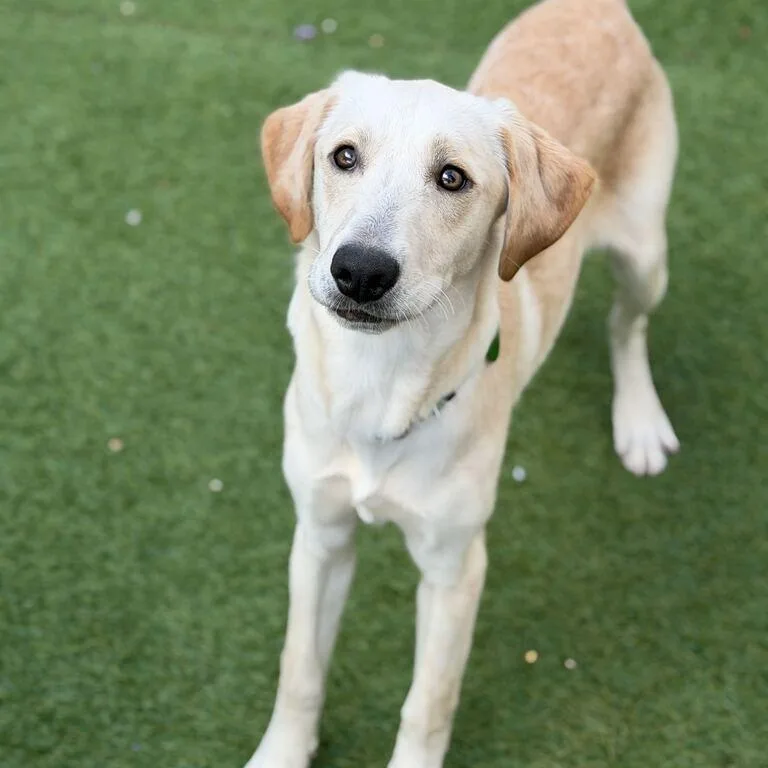
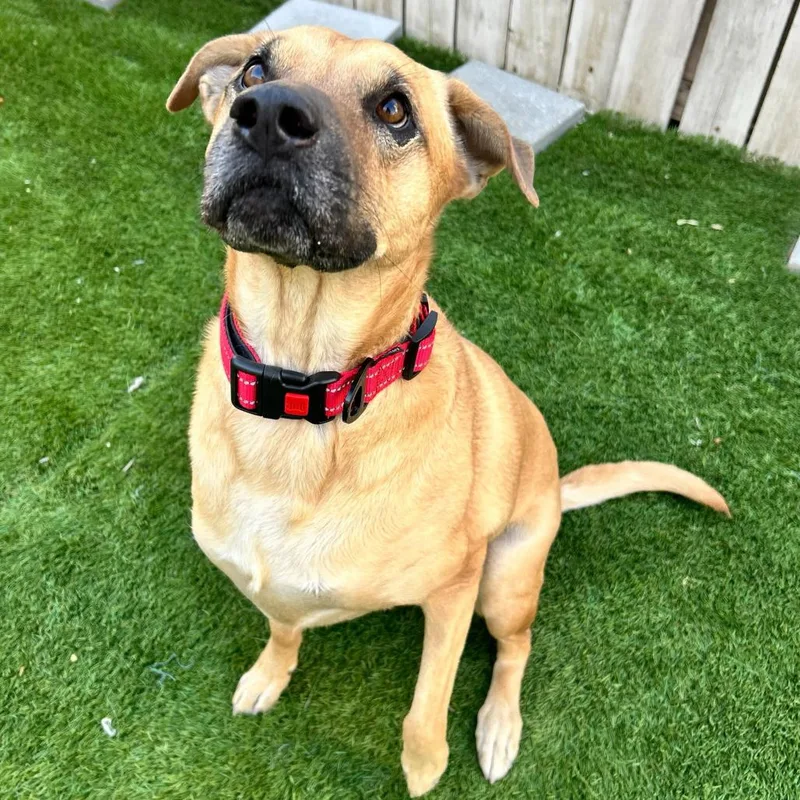
Hamiltonstovare Dogs for Adoption in New Orleans, LA

Your guide to finding and caring for a Hamiltonstovare in NOLA

A Hamiltonstovare suits a New Orleans household that has a fenced yard and time for long walks. In a post-war neighborhood like Pontchartrain Park, with its single-family homes and suburban-style layout, this Swedish scent hound has room to work through smells without much fuss. It's friendly and even-tempered, but its nose leads, so a secure fence matters more than square footage. The breed is rare, so watch the listings here and save a search.

7892 dogs similar to Hamiltonstovare available in New Orleans and nationwide

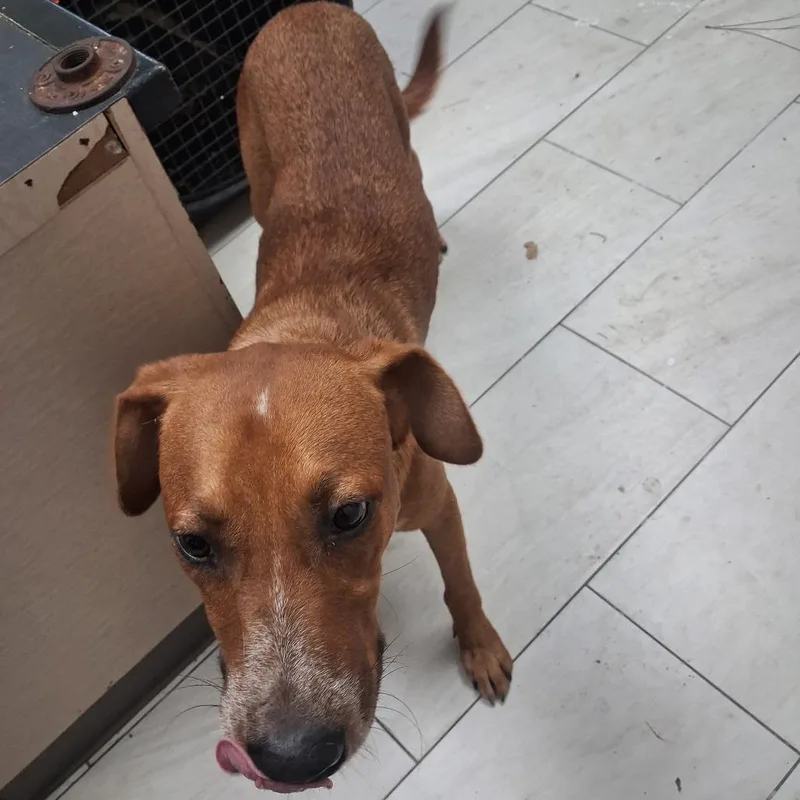
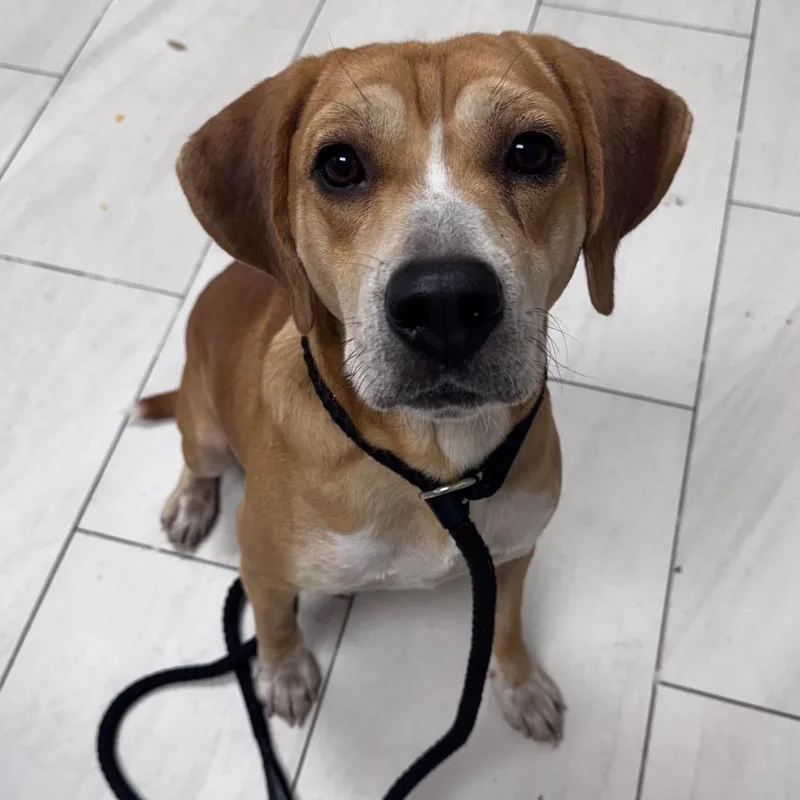
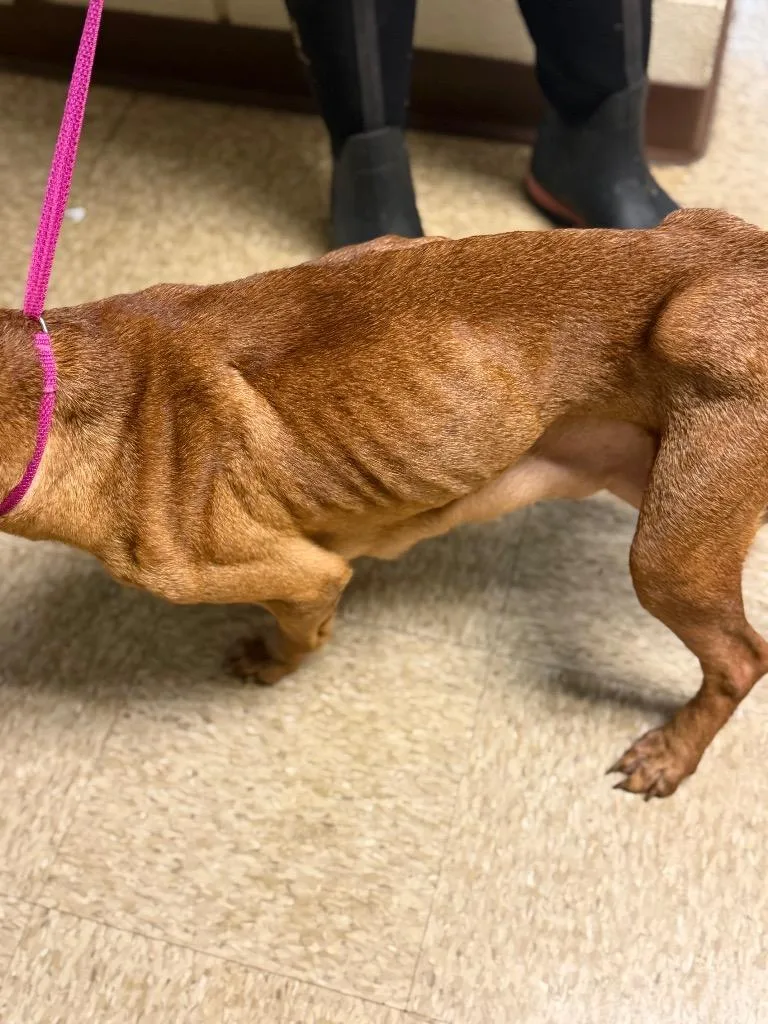
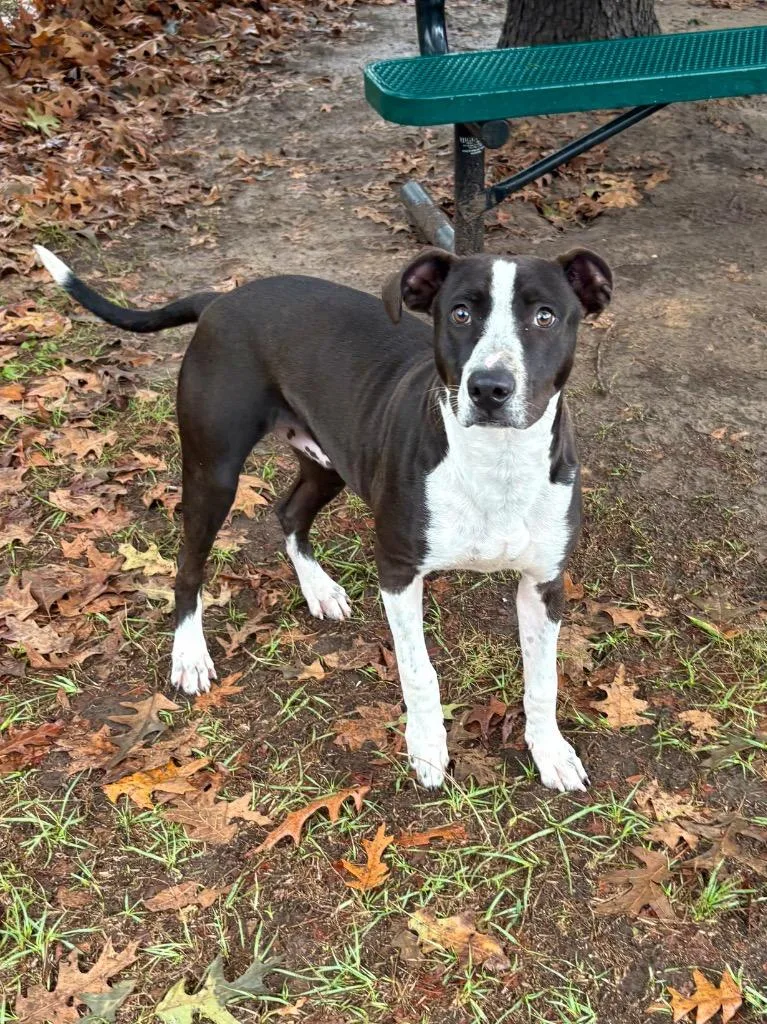
Say hello to your Hamiltonstovare

Hamiltonstovares and Similar Breeds Available for Adoption Near New Orleans

About the Hamiltonstovare breed

The Hamiltonstovare is a Swedish scent hound named for Count Adolf Hamilton, founder of the Swedish Kennel Club, who showed the first examples in 1886. It was developed to trail hare and fox alone and to give tongue so hunters could follow. It's a medium, athletic dog, usually 50 to 60 pounds, with a close-lying tricolor coat of black mantle, tan and white markings.

Many Hamiltonstovares are friendly and good-natured with people and other dogs, but a fresh scent can override recall in an instant. In NOLA, where bayou banks, lagoons and busy streets are never far, that means a leash outside fenced areas and patient, lifelong training. Dogs vary, so expect a range of energy and independence. Because the breed is uncommon in the US, similar hounds are worth a look too.

Weight
50–60 lbs
Height
19–24 in
Lifespan
10–13 yrs
Temperament
Friendly, Energetic, Independent
Group
Hound
Shedding
Moderate

Owning a Hamiltonstovare in New Orleans

Having a Hamiltonstovare in NOLA

This is a sturdy scent hound with plenty of stamina, a carrying voice on the trail and an easygoing side at home. In New Orleans, the nose, the heat and the need for a secure fence shape daily life more than the dog's size does.

Temperament

Hamiltonstovares are typically friendly and even-tempered, and many enjoy other dogs, though every dog varies. Stubbornness and distraction are common hound traits, so keep training sessions short and rewarding. Small pets can trigger chasing, which matters in New Orleans, where cats and small dogs often share tight quarters in doubles and close-set blocks.

Exercise Needs

Plan on long daily walks, jogging once the dog is mature, and scent games to tire the mind. In NOLA, schedule outings around the heat, and keep the dog leashed on bayou banks and park trails, since a fresh scent can override recall. Fenced runs offer safer off-leash time.

Health Considerations

Hip dysplasia occurs in the breed, and drop ears need regular checks, especially in humid New Orleans. Heartworm is a real concern here, so year-round prevention is wise. Keeping the dog lean protects its joints. Share any records with a veterinarian, who can check hips, ears and heartworm status at the first visit.

Living Space

A house with a fully fenced yard is the best match, though an adult with long daily outings can manage in an apartment. Many New Orleans homes are doubles or rentals with small or shared yards, so confirm the fence is secure before letting the dog roam. Baying can carry through shared walls.

What it costs to own a Hamiltonstovare in New Orleans

ExpenseTypical costPer year
Food$35 to $70 per month$420 to $840
Pet insurance$45 to $85 per month$540 to $1,020
Routine vet care$225 to $450 per year$225 to $450
Other*$435 to $1,164 per year$435 to $1,164
Estimated yearly total (after year one)$1,620 to $3,474

Other costs are estimates and vary with size, age and health.

* The $10 to $14 New Orleans dog license, year-round flea, tick and heartworm prevention, a dental cleaning allowance, toys and bedding, and occasional brushing and baths.

Adopt a Hamiltonstovare in New Orleans.

Now that you know more, let’s find you a new best friend. These rescues and shelters below have dogs available in and near New Orleans.

Frequently Asked Questions

Yes. New Orleans has no breed-specific rules, and dangerous-dog findings are based on behavior, not breed. You'll need a yearly City license tag through a veterinarian ($10 spayed or neutered, $14 intact), rabies vaccination, and a dog over six months old who is altered or covered by an intact permit. Other Louisiana towns can set their own breed rules.

They can with care. Summer brings heat and heavy humidity, and nights stay warm, so walk at dawn or after sunset, carry water, and spend midday indoors in air conditioning. Test pavement with your hand, watch for heavy panting or drooling, and never leave the dog in a parked car. Afternoon storms may cut walks short.

City Park's 24 miles of trails, Audubon Park's 1.8-mile loop and the 2.6-mile Lafitte Greenway all work for leashed walks. For safer off-leash time, NOLA City Bark requires an $85 yearly permit, and Wisner and Crescent Park have free fenced runs. Keep the dog away from lagoon and bayou edges because of alligators.

Yes, if the dog gets long daily outings. Many New Orleans rentals are doubles or converted buildings with shared walls, so a bored, baying hound can wear on neighbors. Scent games and puzzle feeders help burn mental energy. Look for a place near a park or greenway, and get pet permission in writing.

Usually not. RTA allows pets on buses and streetcars only in a carrier that fits on the rider's lap, and a 50-to-60-pound Hamiltonstovare won't fit. Service animals are exempt from that rule. New Orleans has streetcars and ferries rather than a subway, so plan on walking or driving for most outings.

It can be for active households with a securely fenced yard and a plan for the heat. Daily walks, scent games and air conditioning matter most. Coyotes and alligators near some green spaces mean leashes and supervision. It's a weaker match if the dog would be alone for long hours or has no secure fence.

Don't count on it. Louisiana has no state law allowing dogs in outdoor dining areas, so patio access is up to each venue. Indoor dining rooms generally don't allow pet dogs. If a patio does welcome dogs, bring water, choose a shaded spot in warm weather, and exercise the dog first so it settles.

Very little. A weekly brush with a rubber mitt keeps the close-lying coat tidy, with a bath only when needed. In New Orleans heat, brush rather than shave. Humidity and wet walks make ear checks important for drop ears. Basic grooming fits within the Other cost line of about $435 to $1,164 a year.

Yes, Hamiltonstovares shed, though their short, close-lying coat makes care easy. Expect a moderate amount of hair year-round, with heavier shedding when the coat changes with the seasons. A weekly once-over with a rubber curry brush or hound glove removes most loose hair. They are not hypoallergenic, so people with dog allergies should spend time with one before adopting.

A Hamiltonstovare typically costs about $1,620 to $3,470 a year in New Orleans. That adds food at $35 to $70 a month, insurance at $45 to $85 a month, routine vet care at $225 to $450 a year, and other costs of $435 to $1,164 a year. Emergencies and storm-season boarding would be extra.