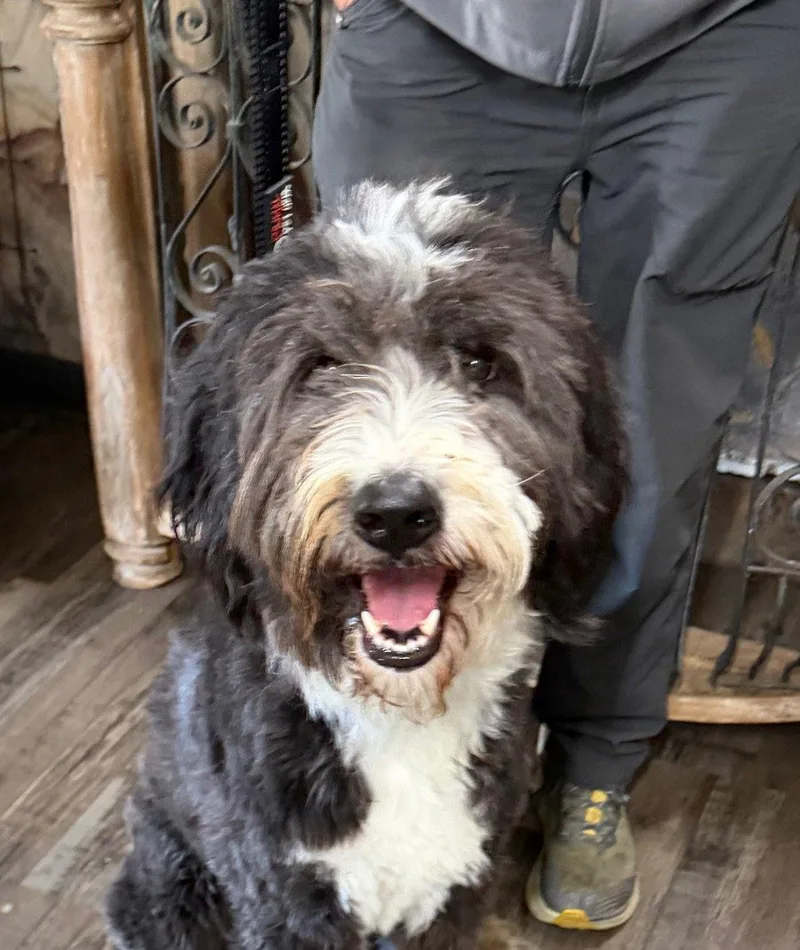
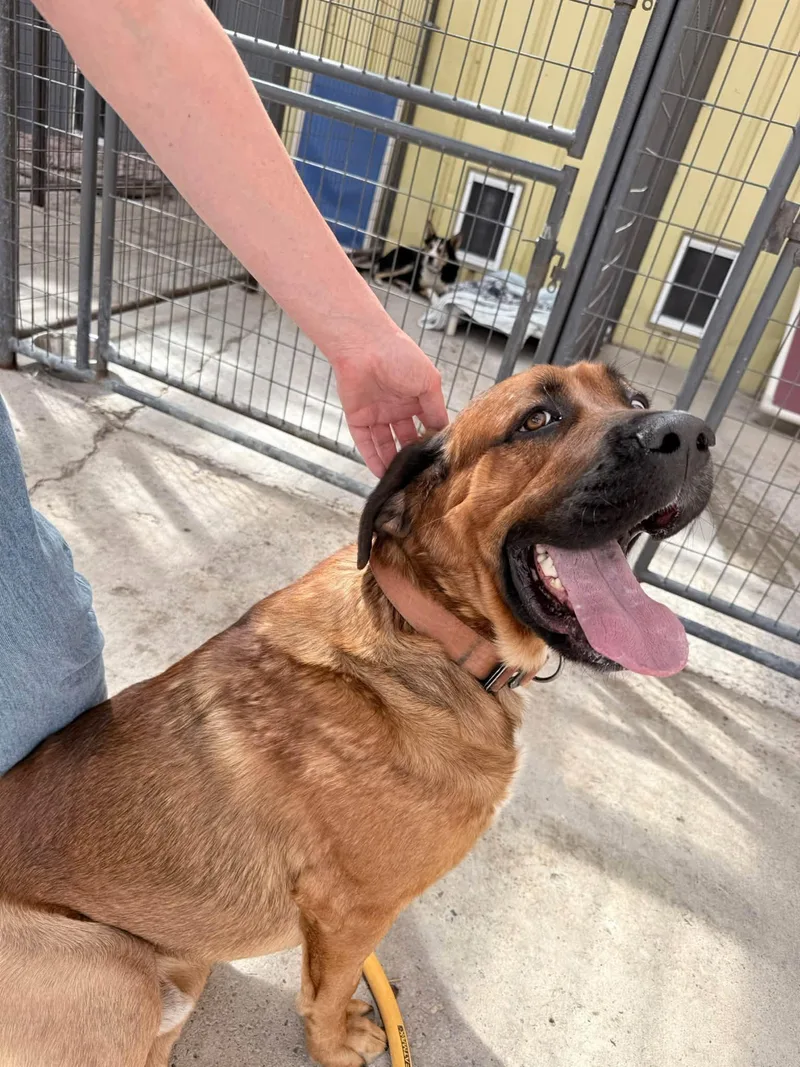
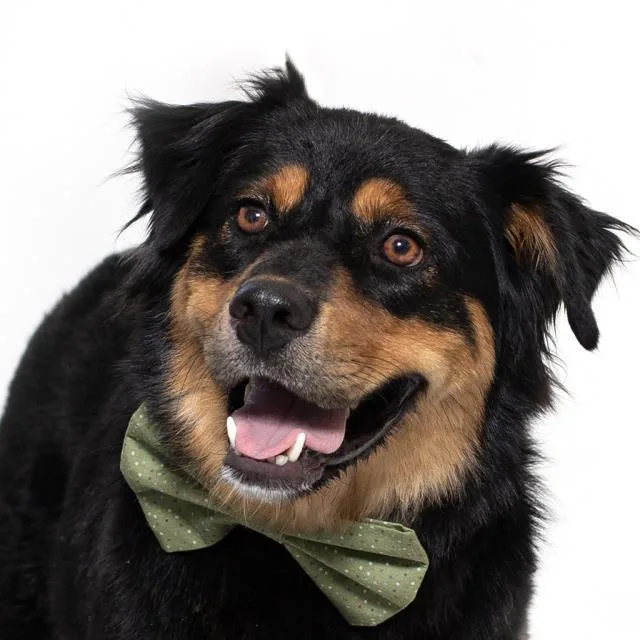

Bernese Mountain Dogs for Adoption in New Orleans, LA

Your guide to finding and caring for a Bernese Mountain Dog in NOLA

A Bernese Mountain Dog in New Orleans needs more help staying cool than exercise. A Berner comes from cold Alpine farms, so a bungalow with a fenced yard in Pontchartrain Park suits one better than a shotgun double with a postage-stamp yard. Expect walks at dawn or after dark, long stretches on air-conditioned floors, and a gentle dog that mostly wants to be wherever you are.

131 Bernese Mountain Dogs available in New Orleans and nationwide

Adopt a Bernese Mountain Dog today

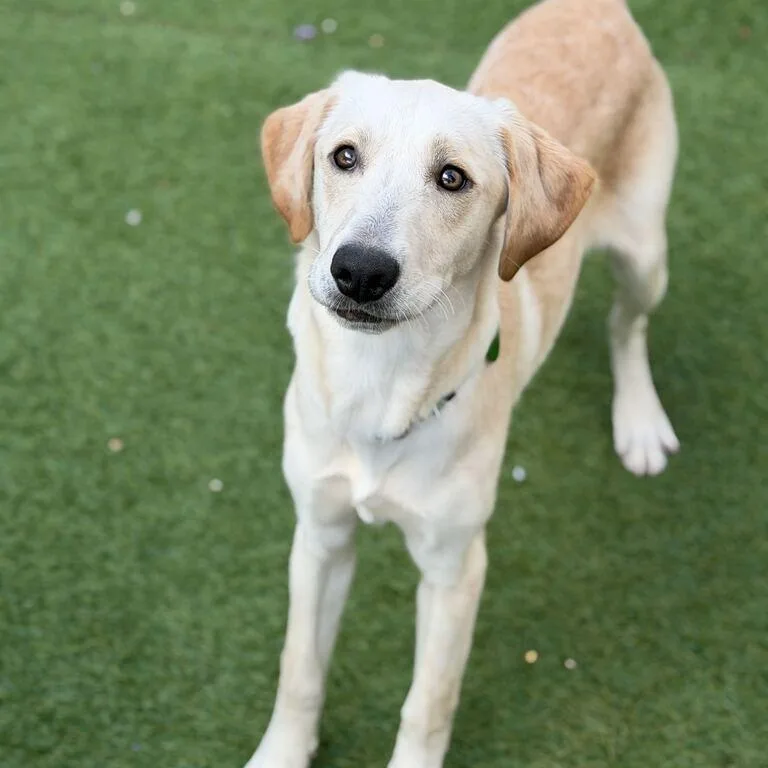
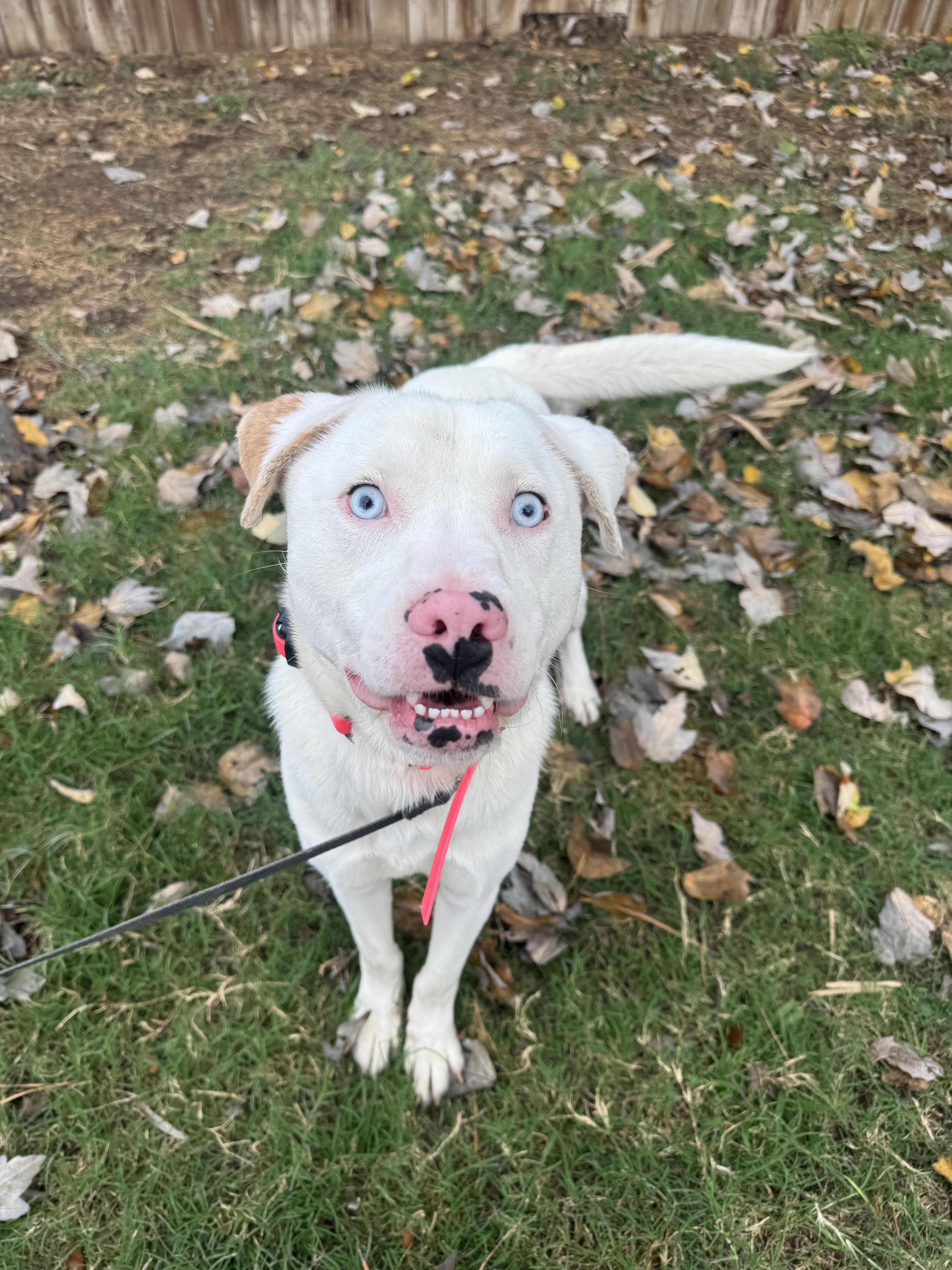
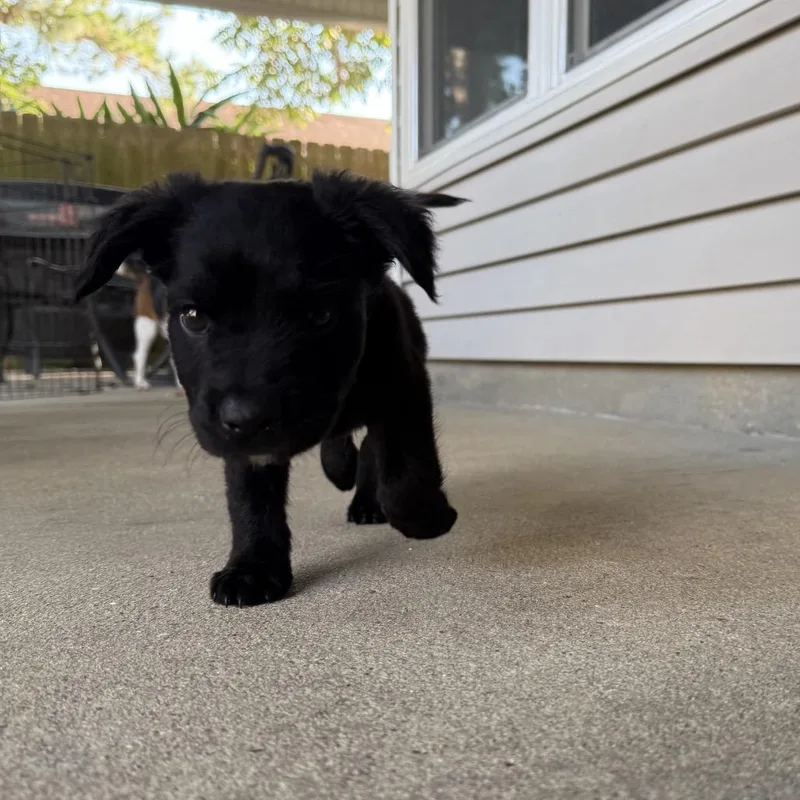
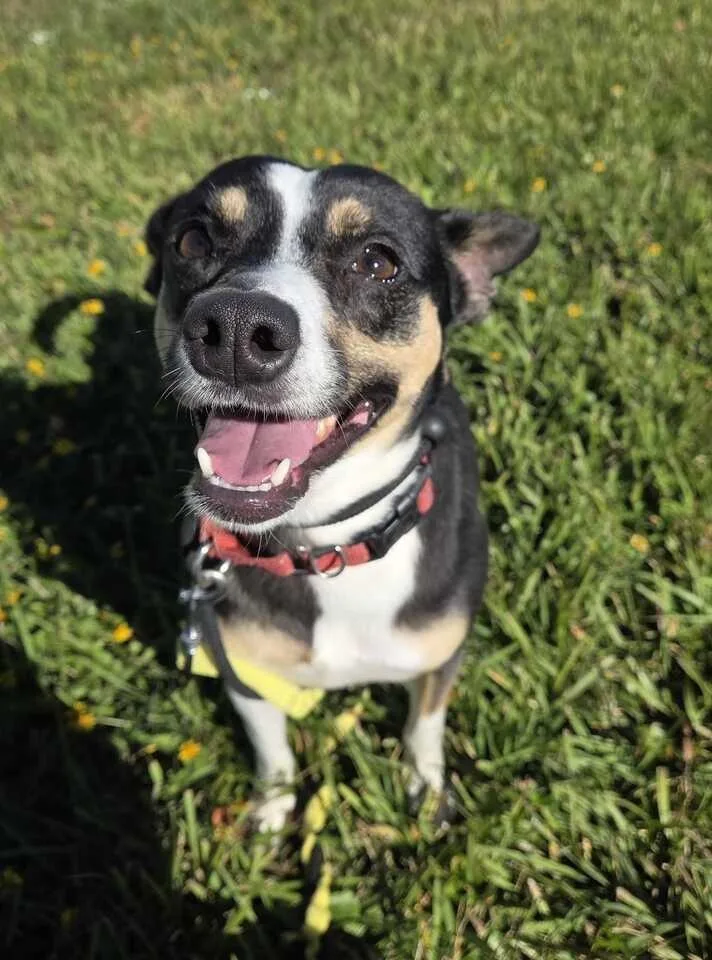
While we don't have enough dogs near New Orleans, keep in mind that many rescues may offer transport.

Bernese Mountain Dogs Available for Adoption Near New Orleans

About the Bernese Mountain Dog breed

Bernese Mountain Dogs began as farm dogs in the Swiss canton of Bern, pulling milk carts and driving cattle. The tricolor coat, jet black with rust markings and a white blaze, is thick and moderately long, and adults commonly weigh 70 to 115 pounds.

Berners tend to be gentle, affectionate and a little reserved with strangers, though each dog differs. In New Orleans the coat is the main care issue: it sheds heavily, brushing a couple of times a week helps, and cooling matters more than most new owners expect. Lifespans run shorter than average, roughly 7 to 10 years, because cancer is common, so a veterinarian can help you plan checkups and weight control.

Weight
70–115 lbs
Height
23–28 in
Lifespan
7–10 yrs
Temperament
Gentle, Affectionate, Calm
Group
Working
Shedding
High

Owning a Bernese Mountain Dog in New Orleans

Having a Bernese Mountain Dog in NOLA

Berners are gentle, people-oriented giants with a thick coat that struggles in Gulf Coast humidity. In New Orleans, heat management, joint care and a hurricane plan that can move a heavy dog shape daily life as much as their easygoing nature does.

Temperament

Berners are usually gentle, affectionate and calm indoors, and many are reserved with strangers at first. That suits quieter New Orleans streets, but crowded sidewalks, brass bands and parade noise can overwhelm a shy dog. Slow, positive introductions help, and each Berner's personality varies, so spend time with the dog before deciding.
Exercise Needs

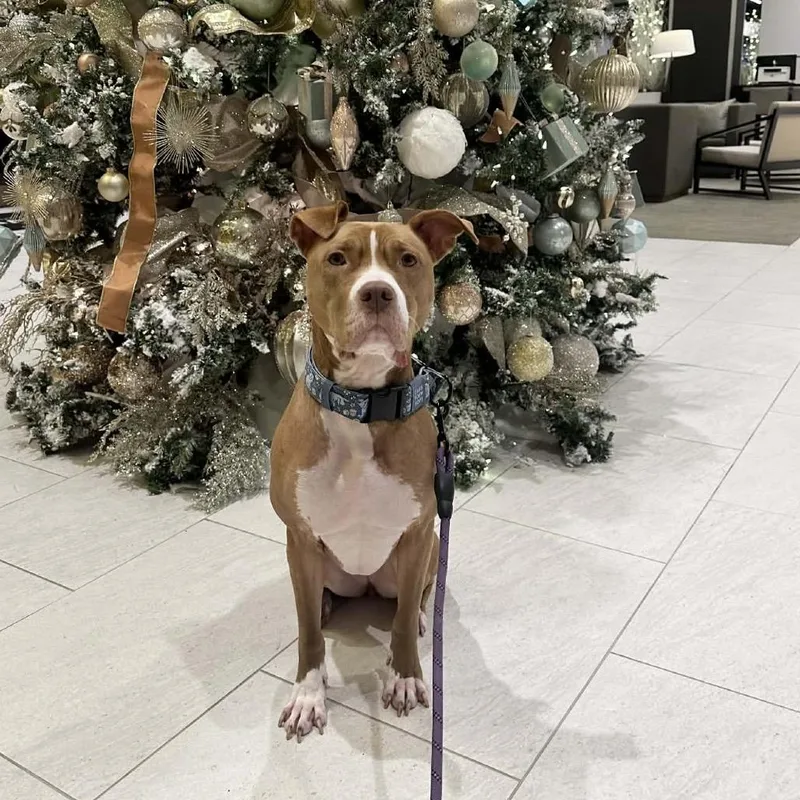
One or two moderate walks a day usually satisfy a Berner, but timing matters here. Walk before sunrise or after dark, test the pavement with your hand, and carry water. Leashed trail time in City Park works best in cooler months, with indoor training and scent games on hot days.

Health Considerations

Berners face high cancer rates, plus hip and elbow dysplasia, kidney disease and bloat. Heartworm is a real concern in New Orleans, so year-round prevention matters. Heat adds heatstroke risk, so learn the signs: heavy panting, drooling and red gums. Keeping a Berner lean eases the joints, and regular checkups catch problems early.

Living Space

A Berner needs room to stretch out and a cool, air-conditioned floor to rest on. Raised shotguns and doubles often come with porch steps that tax big joints, while a house with a fenced yard gives more room. Keep the dog indoors with the family, since this breed overheats easily.

What it costs to own a Bernese Mountain Dog in New Orleans

ExpenseTypical costPer year
Food$80 to $160 per month$960 to $1,920
Pet insurance$85 to $170 per month$1,020 to $2,040
Routine vet care$250 to $500 per year$250 to $500
Other*$685 to $1,864 per year$685 to $1,864
Estimated yearly total (after year one)$2,915 to $6,324

Other costs are estimates and vary with size, age and health.

* The $10 New Orleans dog license for a spayed or neutered dog, flea, tick and heartworm prevention, a dental cleaning allowance, toys and large bedding, coat care for heavy shedding, and joint supplements.

Adopt a Bernese Mountain Dog in New Orleans.

Now that you know more, let’s find you a new best friend. These rescues and shelters below have dogs available in and near New Orleans.

Frequently Asked Questions

Yes, with planning, but summer is hard on them. New Orleans sees roughly 85 to 105 days a year at or above 90 degrees, and nights stay in the upper 70s. A Berner needs air conditioning, dawn or late-evening walks, shade and water, and never any time in a parked car. If the power goes out after a storm, have a cooling plan ready.

Usually not. The RTA allows pets on buses and streetcars only in a carrier that fits on your lap, which rules out a Berner, though service animals are allowed. New Orleans has streetcars and ferries but no subway. For a giant dog, plan on walking or driving instead.

Leashed Berners are welcome on City Park's 24 miles of trails and open lawns, Audubon Park's 1.8-mile loop, and the 2.6-mile Lafitte Greenway. NOLA City Bark is the big fenced dog park but requires a paid permit, spay/neuter and vaccinations; Wisner and Crescent Park have free runs. Keep your dog back from lagoon and bayou edges because of alligators.

Yes. New Orleans has no breed ban, so Bernese Mountain Dogs face no special city rules. You'll need a rabies vaccination, a yearly city license tag through a veterinarian, spay/neuter for dogs over six months or an intact-dog permit, and a six-foot leash. Rules in neighboring towns can differ, so confirm them before moving a dog outside the city.

It can be, for adopters who can keep a giant dog cool. A Berner's calm, affectionate nature fits walkable neighborhoods, but the heat, humidity and hurricane season need real planning. A home with air conditioning, a fenced yard or ground-floor access, and a budget for a giant dog's care makes it much easier.

Probably not indoors, and patios depend on the venue. Louisiana has no state law allowing dogs in outdoor dining areas, so access is up to each restaurant. A Berner takes up a lot of room, and summer afternoons are dangerous for one, so patio visits work best on cool evenings after a walk, with water on hand.

Plan to brush a Berner at least once or twice a week, and more during heavy sheds, especially in spring. In New Orleans heat, don't shave the coat; city guidance for long-coated dogs is to brush instead. Professional grooming and coat care fall within the $685 to $1,864 yearly Other costs.

A Bernese Mountain Dog is a large to giant Swiss working breed originally used on farms to pull carts, drive cattle and guard property. It has a long, tricolored coat of black, rust and white and a sturdy, powerful build. Berners are known for their gentle, affectionate nature, though their lifespan is shorter than many breeds.

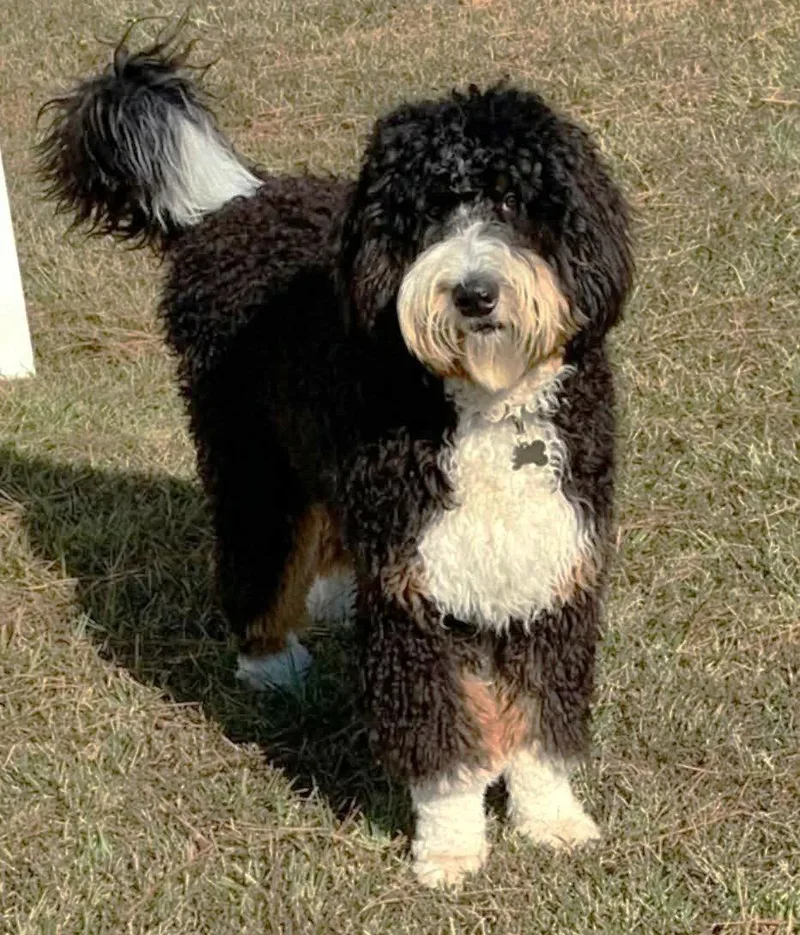
A Bernese Mountain Dog has a thick, moderately long coat that is jet black with rich rust markings over the eyes, on the cheeks, chest and legs, and white on the face, chest, feet and tail tip. The white chest marking often forms an inverted cross. They have a broad head, dark brown eyes and triangular drop ears.

Expect roughly $2,900 to $6,300 a year for a Berner in New Orleans. Food runs $80 to $160 a month, insurance $85 to $170 a month, routine vet care $250 to $500 a year, and other costs such as prevention, dental care and coat care $685 to $1,864 a year. Illness or emergency care, including cancer treatment, can add substantially.