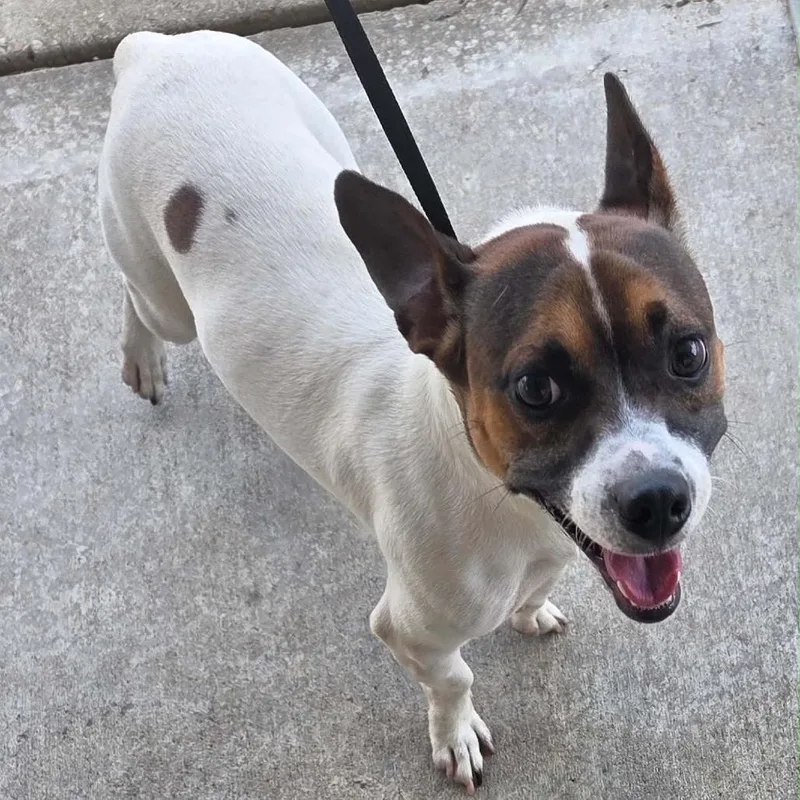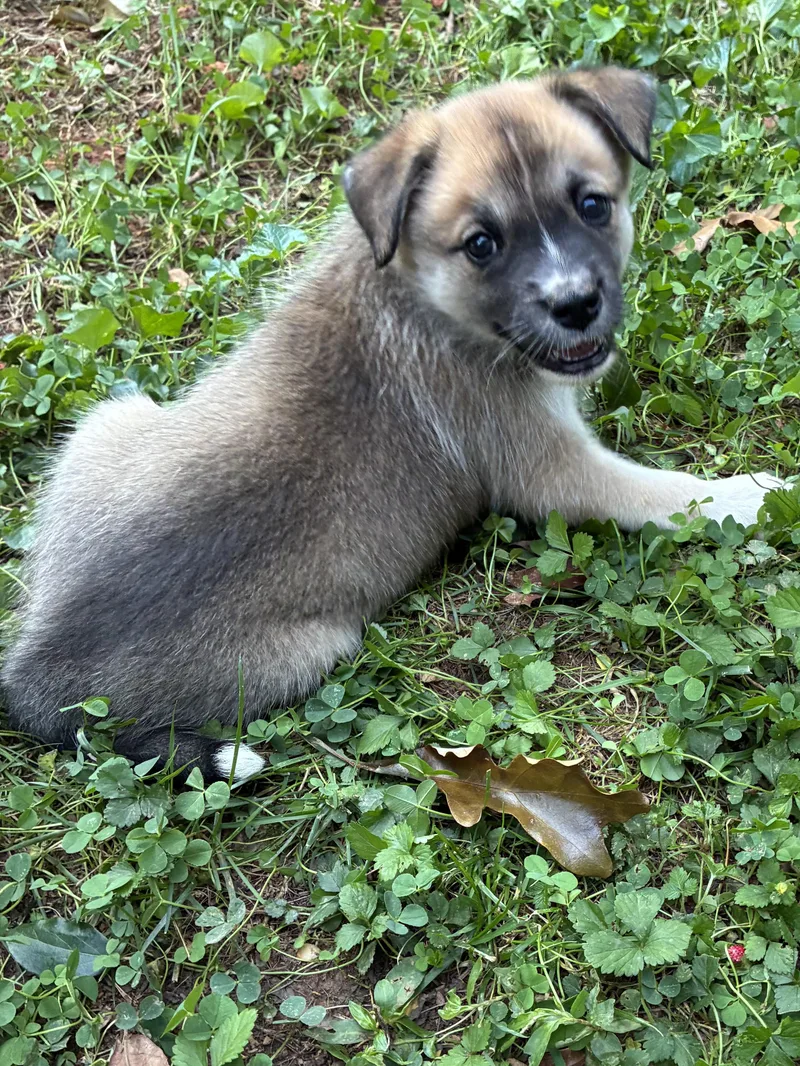
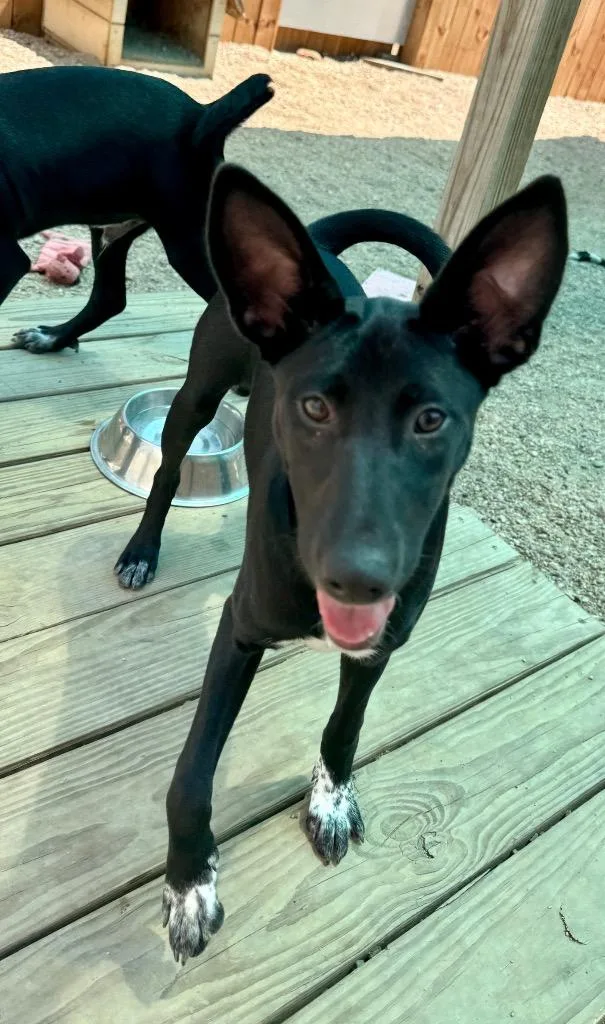
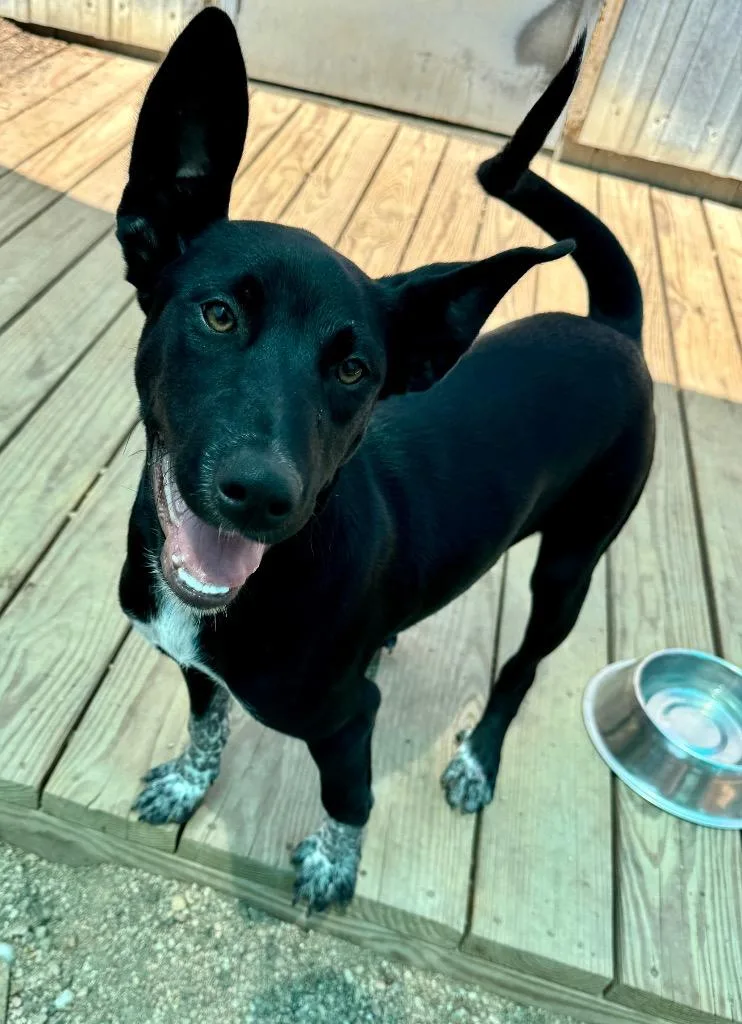
Basenji Dogs for Adoption in New Orleans, LA

Your guide to finding and caring for a Basenji in NOLA

Basenjis suit a New Orleans shotgun double better than you'd expect. They're small, short-coated and nearly silent, so a Bywater or Freret rental with shared walls rarely turns into a noise problem, though they do yodel when excited. The catch is the chase instinct: old picket fences, loose gates and gaps under porches invite a clever escape artist. Plan on a couple of brisk leashed walks a day, along Bayou St. John or around the Audubon Park loop.

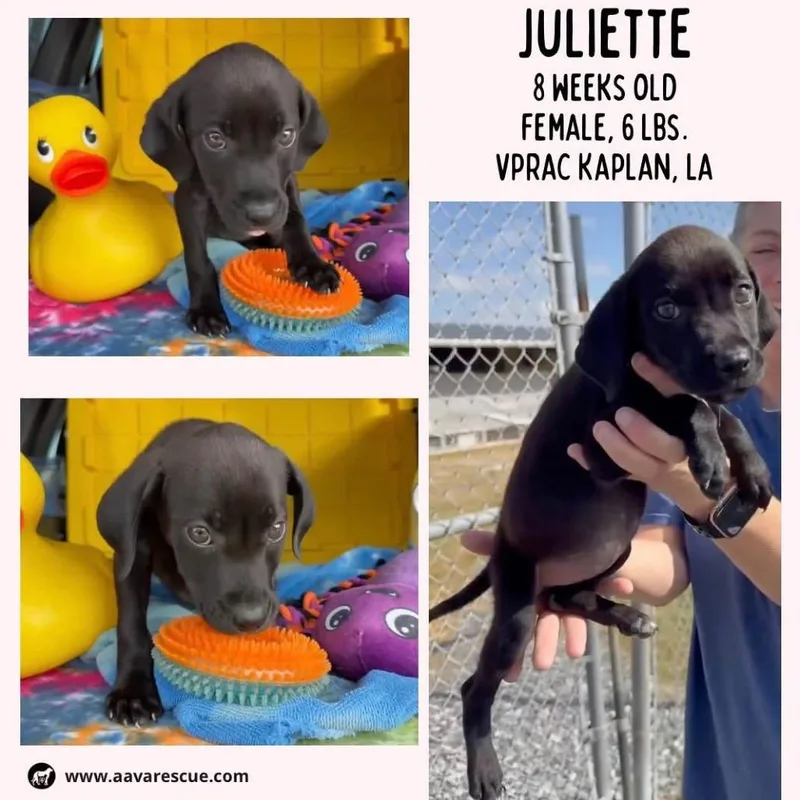
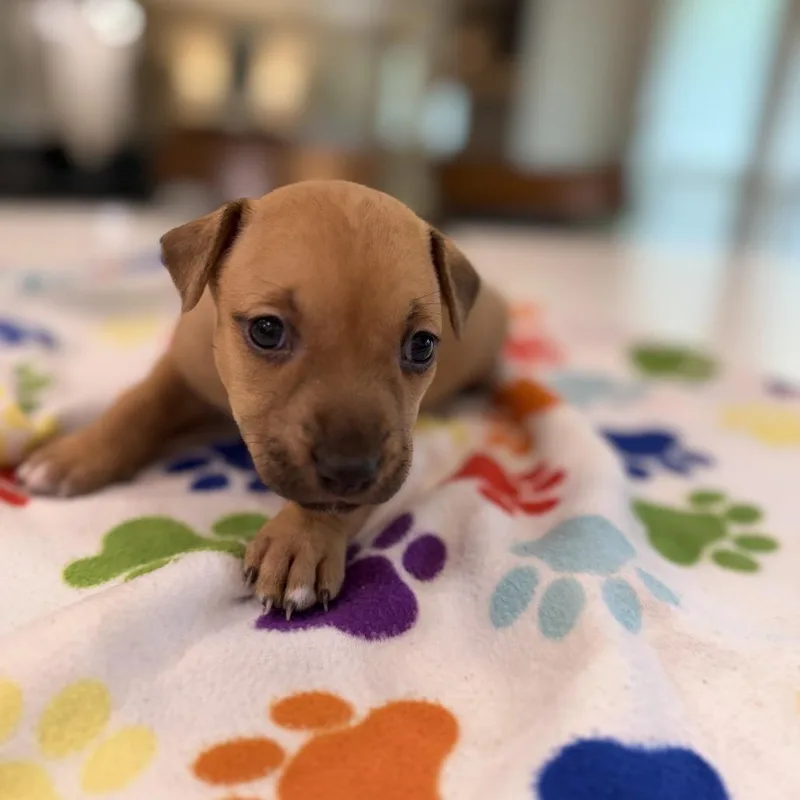
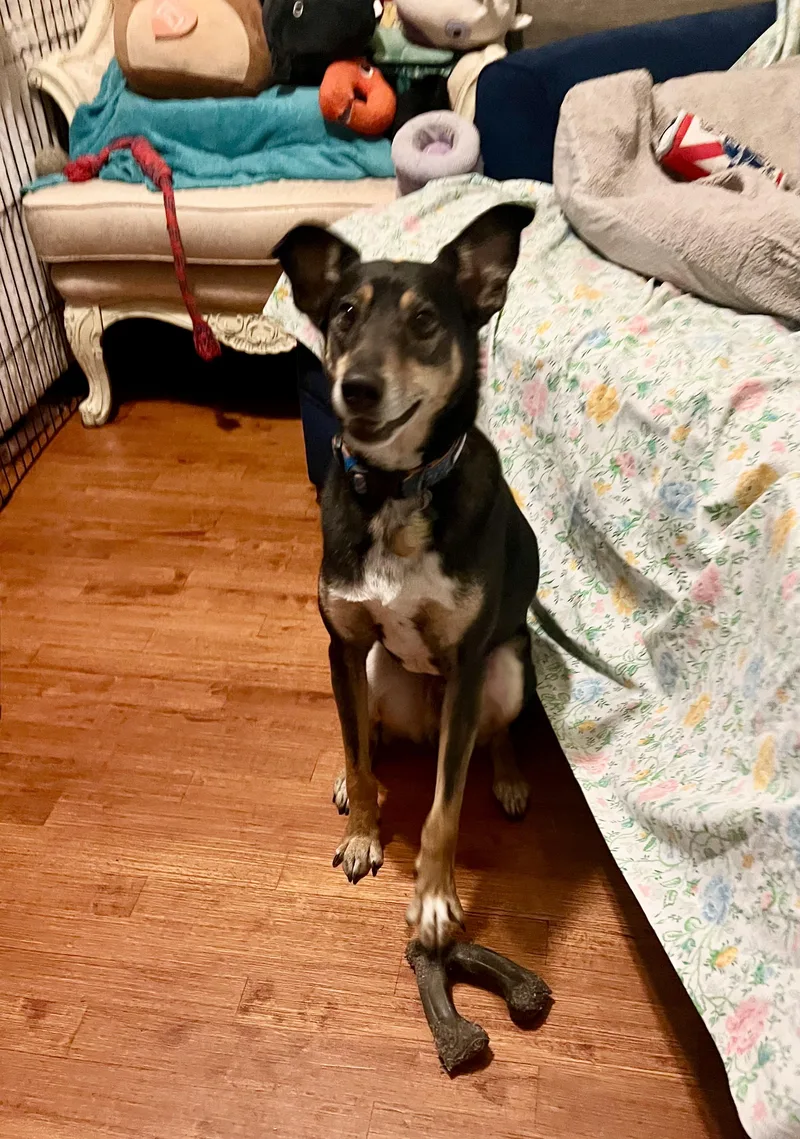
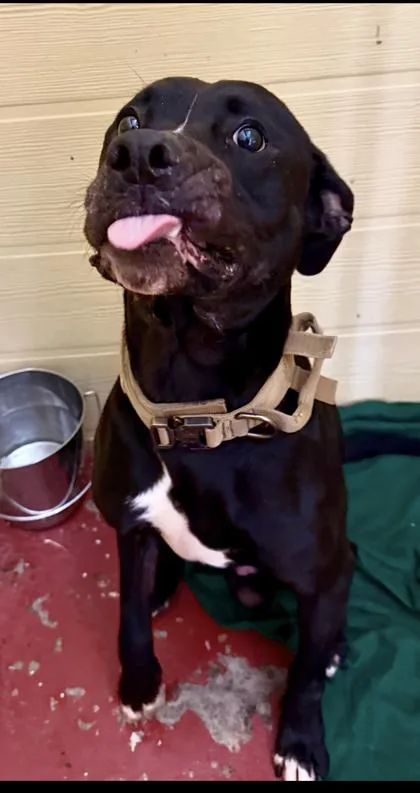
156 Basenjis available in New Orleans and nationwide

Fall for a Basenji

While we don't have enough dogs near New Orleans, keep in mind that many rescues may offer transport.

Basenjis Available for Adoption Near New Orleans

About the Basenji breed

The Basenji is a small hunting hound from Central Africa, where village hunters relied on it to find small game and drive it into nets. Instead of barking, it yodels and makes a sound called a baroo. Adults weigh 20 to 26 pounds, with a wrinkled brow, upright ears, a tightly curled tail and a short coat in chestnut, black, tricolor or brindle.

Many Basenjis are affectionate at home but independent and reserved with strangers, and they groom themselves much like cats. In New Orleans, that means a clean, low-shedding dog that still needs secure fencing, leashed outings and patient, creative training. Dogs vary, so a Basenji's own energy, history and comfort with other pets matter more than any breed description.

Weight
20–26 lbs
Height
15–18 in
Lifespan
12–15 yrs
Temperament
Independent, Intelligent, Alert, Affectionate
Group
Hound
Shedding
Low

Owning a Basenji in New Orleans

Having a Basenji in NOLA

Catlike independence, a hunter's drive and an unusual voice define the Basenji. In New Orleans, those traits show up in secure fencing, leashed walks near water and wildlife, and how well a clever, strong-willed hound fits a household's routine and patience.

Temperament

Basenjis are usually affectionate with their families, alert and reserved with strangers. They think for themselves, so expect negotiation rather than instant obedience. Strong prey drive means squirrels, lizards and small pets draw their attention, which matters on NOLA's live-oak streets. Some Basenjis enjoy other dogs; others prefer to be the only one.

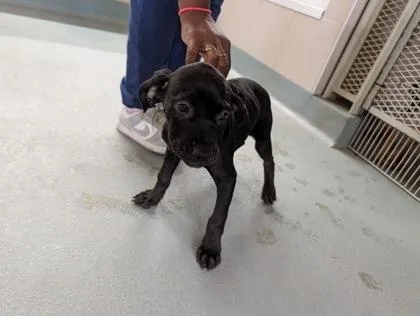
Exercise Needs

Plan on a daily brisk walk or two, plus time to sprint in a securely fenced space. Leashed laps on City Park's trails or the Audubon Park loop work well, and NOLA City Bark is a fenced option with a paid permit. Puzzle toys and scent games help burn energy on rainy days.

Health Considerations

Basenjis can carry Fanconi syndrome, a kidney disorder, along with progressive retinal atrophy, pyruvate kinase deficiency and hypothyroidism. A veterinarian can discuss urine screening, DNA tests and regular checkups. In NOLA, year-round heartworm prevention matters because mosquitoes are active much of the year, and a heartworm test belongs in the first vet visit.

Living Space

A Basenji can fit a shotgun double, a Mid-City cottage or a CBD condo if exercise and mental work are covered, and quiet habits help with shared walls. Security is the bigger issue: small or shared yards in older neighborhoods often have gaps, and Basenjis climb and squeeze through them. Check fences and gates first.

What it costs to own a Basenji in New Orleans

ExpenseTypical costPer year
Food$20 to $45 per month$240 to $540
Pet insurance$40 to $85 per month$480 to $1,020
Routine vet care$200 to $400 per year$200 to $400
Other*$385 to $1,064 per year$385 to $1,064
Estimated yearly total (after year one)$1,305 to $3,024

Other costs are estimates and vary with size, age and health.

* The $10 City dog license for a spayed or neutered dog, year-round flea, tick and heartworm prevention, a dental cleaning allowance, durable chew toys and bedding, and minimal grooming.

Adopt a Basenji in New Orleans.

Now that you know more, let’s find you a new best friend. These rescues and shelters below have dogs available in and near New Orleans.

Frequently Asked Questions

Yes. New Orleans has no breed-specific rules, so Basenjis are treated like any other dog. You'll need rabies vaccination by 3 months, a yearly City license tag, spay/neuter after six months or an intact permit, and a leash of six feet or less off your property. Rules in neighboring towns can differ, so confirm them before moving across the parish line.

It can be, for owners who enjoy a clever, independent dog and can manage the heat. Mild winters and year-round walking suit a short-coated hound, and Basenjis rarely bark. The challenges are fence escapes, summer humidity and hurricane planning. Active people who are home a fair amount tend to do best, though each Basenji differs.

They can work in a small rental if daily exercise is covered. Quiet habits help with shared walls, though a Basenji may yodel when excited. Louisiana requires itemized deposit returns within a month, so photograph the unit at move-in. Basenjis chew, so durable toys and crate training protect both the dog and the apartment.

Leashed Basenjis are welcome on City Park's trails, including the 1-mile Couturie Forest path, and on the Audubon Park loop. The Lafitte Greenway is open around the clock for leashed walks. For safe sprinting, NOLA City Bark requires a permit, while Wisner and Crescent Park have free fenced runs. Skip lagoon edges because of alligators.

Mostly yes. Short-coated Basenjis usually enjoy warmth, and winters are mild. The hard parts are summer humidity, frequent rain that many Basenjis hate, and hurricane season. Walk at dawn or dusk, provide shade and water, and keep a dry indoor spot. Freezes are rare, but a sweater helps on chilly mornings.

Only in limited cases. RTA buses and streetcars allow pets only in a carrier that fits on your lap, and service animals are exempt from that rule. Most adult Basenjis, at 20 to 26 pounds, are too big for that. New Orleans has no subway, so plan on car trips or walking, and carry water.

Very little. A Basenji's short coat is self-cleaning, so a weekly brush and an occasional bath are plenty, and a professional groomer is rarely needed. Don't shave the coat in the heat. Wipe paws after wet walks, trim nails regularly and brush teeth, so grooming costs stay modest.

Sometimes, on patios only. Louisiana has no state law allowing dogs in outdoor dining areas, so access depends on each venue's own policy, and indoor dining rooms generally don't admit pet dogs. If a patio welcomes you, keep a Basenji leashed and settled; prey drive and wariness of strangers can make busy patios stressful.

A Basenji is a small, ancient hunting dog from Central Africa, famous for not barking. It belongs to the AKC Hound Group and was recognized in 1943. Basenjis are lean and elegant, with a wrinkled forehead, upright ears and a tightly curled tail. They tend to be clever, independent, clean and energetic, with a strong instinct to chase.

Expect roughly $1,300 to $3,000 a year for a Basenji in NOLA. Food runs $20 to $45 a month and insurance $40 to $85. Routine vet care is $200 to $400 a year, and other costs such as parasite prevention, dental care, the license and supplies add $385 to $1,064. Insurance is worth pricing given the breed's hereditary conditions.

Find Basenjis in Nearby Cities

Expand your search to find Basenjis available for adoption near New Orleans.