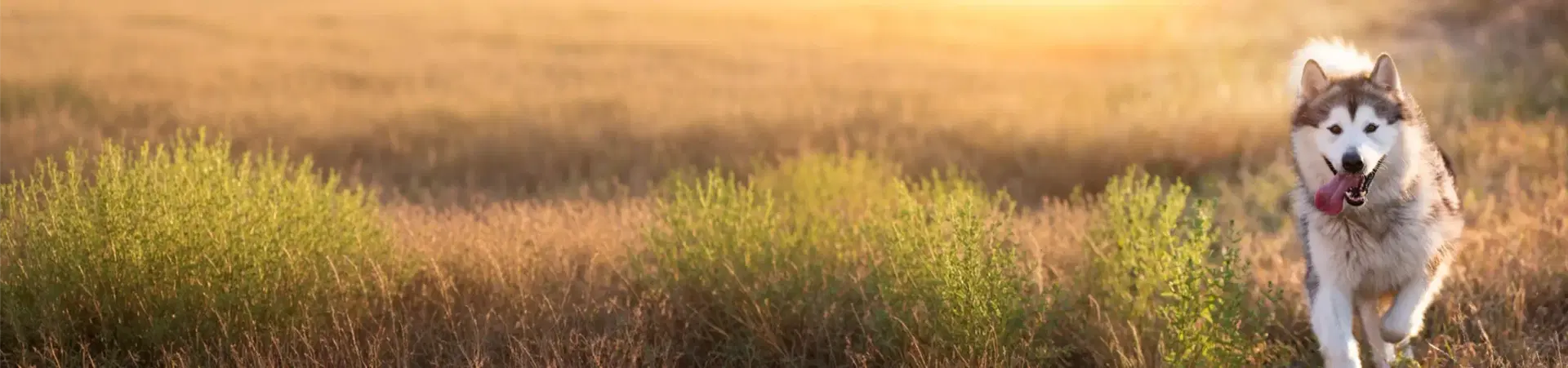
Alaskan Malamute dog

Alaskan Malamute Dogs for Adoption in New Orleans, LA

Your guide to finding and caring for an Alaskan Malamute in NOLA

An Alaskan Malamute can do well in New Orleans if the house stays cool and the yard has a tall fence. Post-war neighborhoods like Lakeview and Pontchartrain Park have more room for a big, strong digger than a shotgun double does, and the Lafitte Greenway gives a leashed Malamute a long, flat path to pull along. These are snow-country freight dogs, though, so summer walks belong at dawn, and even then the air is warm and muggy.

268 Alaskan Malamutes available in New Orleans and nationwide

Adopt an Alaskan Malamute today

While we don't have enough dogs near New Orleans, keep in mind that many rescues may offer transport.

Alaskan Malamutes Available for Adoption Near New Orleans

About the Alaskan Malamute breed

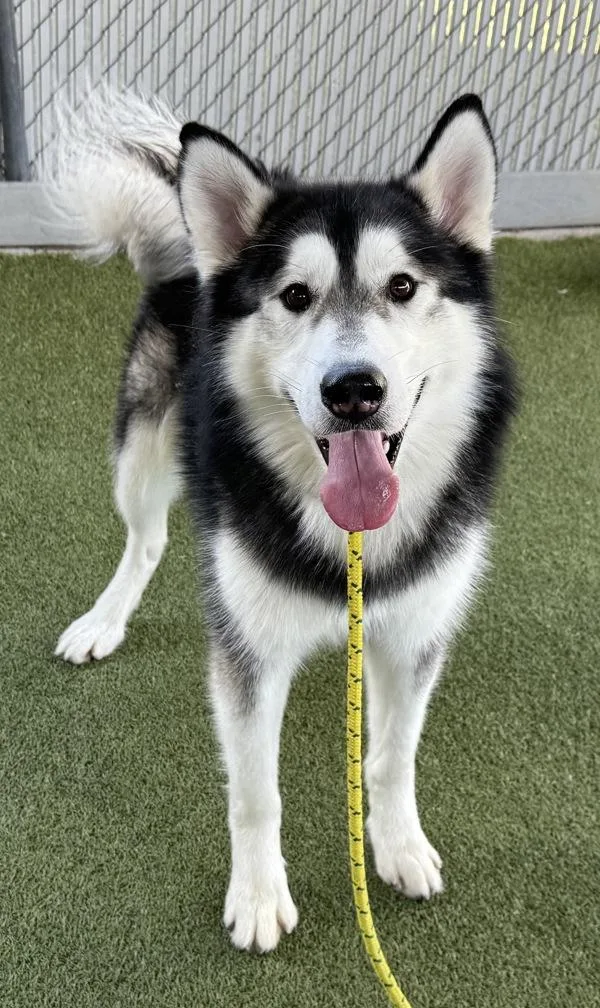
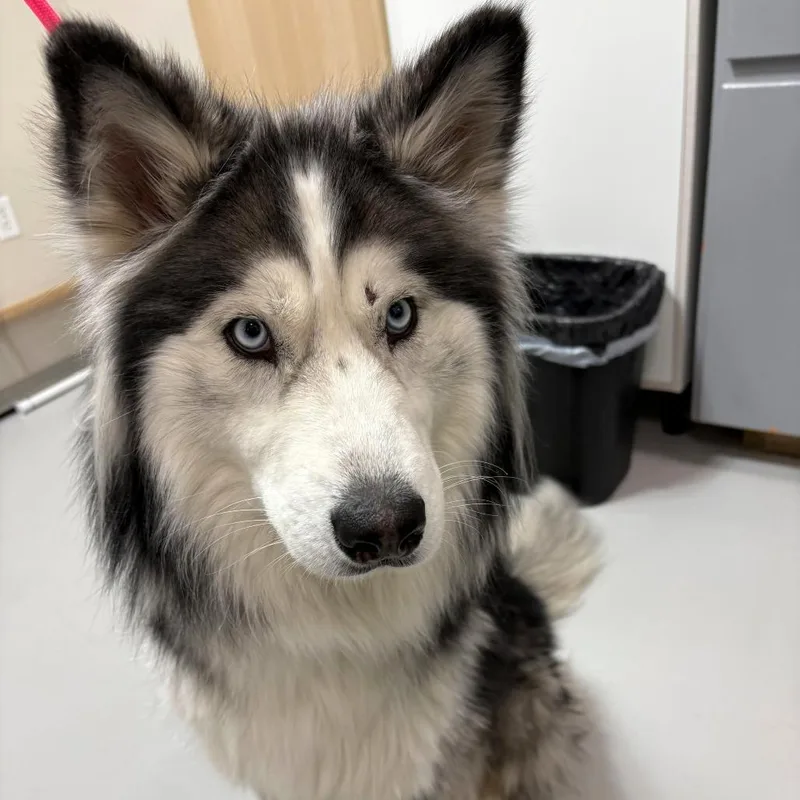
The Alaskan Malamute is one of the oldest Arctic sled dogs, developed by the Mahlemiut Inupiaq people of northwestern Alaska to haul heavy freight over long distances. Males often reach about 85 pounds and females about 75, with heavy bone, a deep chest, snowshoe feet and a thick double coat that sheds heavily during seasonal coat blows.

Malamutes are usually affectionate and friendly with people, so they make poor guard dogs but engaging companions. They're also independent, strong-willed and food-motivated, with a strong prey drive and a talent for digging and escaping. In New Orleans that means a secure fence, firm and patient training, and a cool indoor spot, since the coat was built for snow. Dogs vary, and a dog's own history and personality matter as much as breed.

Weight
70–95 lbs
Height
23–26 in
Lifespan
10–14 yrs
Temperament
Affectionate, Friendly, Independent, Loyal
Group
Working
Shedding
High

Owning an Alaskan Malamute in New Orleans

Having an Alaskan Malamute in NOLA

Strength, heavy shedding and heat sensitivity shape life with a Malamute more than its friendly face does. In New Orleans, home cooling, secure fencing and exercise timing matter most, along with a hurricane plan that includes the dog.

Temperament

Malamutes tend to greet people warmly and are rarely one-person dogs, but they think for themselves and may ignore cues that seem pointless. Many have a strong prey drive, and some are intolerant of dogs of the same sex. That matters on busy NOLA sidewalks and greenway paths, so keep introductions calm and leashed.

Exercise Needs

Most Malamutes need substantial daily exercise, such as long leashed walks, hiking or pulling sports, and they were bred for stamina rather than sprints. In New Orleans, City Park's trails, Audubon Park's loop and the Lafitte Greenway suit them, at dawn or after dark. Keep them away from lagoon edges, where alligators live.

Health Considerations

Malamutes can be prone to hip dysplasia, hypothyroidism, inherited chondrodysplasia, polyneuropathy, day blindness and cataracts. Keeping a Malamute lean protects its joints. Heartworm is a real concern in Louisiana, so year-round prevention is wise. A veterinarian can check joints, eyes and thyroid and suggest screening as the dog ages.

Living Space

A house with a securely fenced yard suits most Malamutes, since many dig and climb. Many New Orleans homes are shotguns and doubles with small or shared yards, so look closely at the fence height and the ground. Reliable air conditioning matters far more than square footage.

What it costs to own an Alaskan Malamute in New Orleans

ExpenseTypical costPer year
Food$55 to $110 per month$660 to $1,320
Pet insurance$65 to $130 per month$780 to $1,560
Routine vet care$250 to $500 per year$250 to $500
Other*$585 to $1,464 per year$585 to $1,464
Estimated yearly total (after year one)$2,275 to $4,844

Other costs are estimates and vary with size, age and health.

* The $10 New Orleans license for a spayed or neutered dog, flea, tick and year-round heartworm prevention, a dental cleaning allowance, toys and bedding, and brushing and baths for the heavy seasonal coat blow.

Adopt an Alaskan Malamute in New Orleans.

Now that you know more, let’s find you a new best friend. These rescues and shelters below have dogs available in and near New Orleans.

Frequently Asked Questions

Malamutes can handle a NOLA summer only with careful management, because the thick double coat holds heat. Highs reach about 90 with high humidity, so air conditioning is essential. Since storms can cut power for days, have a backup plan for staying cool, such as a pet-friendly destination outside the city. Skip midday walks, and brush rather than shave the coat.

Yes, New Orleans has no breed-specific rules, so owning a Malamute is legal. Other Louisiana towns set their own rules, so a neighboring town may differ. Some landlords and home insurers restrict Malamutes anyway, so confirm that your lease or insurance policy allows a large breed before you commit.

A Malamute fits NOLA best with an active owner who has a cooled house, a securely fenced yard and time for dawn or evening walks. It's a harder fit for someone who's away most of the day or lives in a small rental without a yard. Mild winters are ideal for hikes, but hurricane season needs a plan for an 80-pound dog.

Leashed Malamutes can walk City Park's 24 miles of trails, Audubon Park's 1.8-mile loop and the 2.6-mile Lafitte Greenway. NOLA City Bark in City Park is fenced and requires a permit, while Wisner Dog Park in Uptown and the Crescent Park dog run in Bywater are free. Keep your dog away from lagoon edges, where alligators live.

A Malamute needs brushing a few times a week, and daily during the coat blows that come about twice a year. Brush rather than shave, since the double coat helps insulate against heat. Baths every few months and occasional professional help during a blow fit within the Other cost line, which also covers the license and parasite prevention.

Generally no. RTA buses and streetcars allow pets only in a carrier that fits on your lap, so an 80-pound Malamute can't ride unless it's a service animal. Plan on walking or driving, and never leave a Malamute waiting in a parked car in New Orleans heat.

Sometimes, but not reliably. Louisiana has no state law allowing dogs in outdoor dining areas, so patio access is up to each venue, and dining rooms are generally off-limits to pet dogs. For a large, food-motivated Malamute, a shaded patio in the cooler months is the realistic option, so confirm with the venue first.

Alaskan Malamutes are large dogs, typically standing about 23 to 26 inches at the shoulder, with males around 25 inches and females around 23. Their heavy bone, deep chest and thick coat make them look even bigger. Most reach full height by about a year old but keep filling out until two or three, so a young adult may still be broadening.

Most Alaskan Malamutes weigh about 75 to 95 pounds, and the breed standard describes ideal freighting weights of about 85 pounds for males and 75 for females. Individual dogs can be lighter or heavier depending on bone, sex and body condition. A fit Malamute has a visible waist under its coat, so feeling for ribs is more reliable than looking.

Expect about $55 to $110 a month for food and $65 to $130 for insurance. Routine vet care runs $250 to $500 a year, and other costs such as the license, parasite prevention, dental care and coat grooming add $585 to $1,464 a year. Together that's roughly $2,275 to $4,844 yearly, before emergencies.