Black Labrador Retriever Dogs for Adoption in Baton Rouge, LA

Your guide to finding and caring for a Black Labrador Retriever in Baton Rouge

A black Lab fits Baton Rouge best when there's a daily loop around the LSU lakes. Labs love company and water, so a few miles of lakeside path near Southdowns or Poets Corner suits them, and a fenced yard in Sherwood Forest or Broadmoor gives them room for fetch. They're social enough for a porch in the Garden District, too. Expect a dog that wants to be wherever you are, and plan walks for early morning, since the humidity doesn't let up.

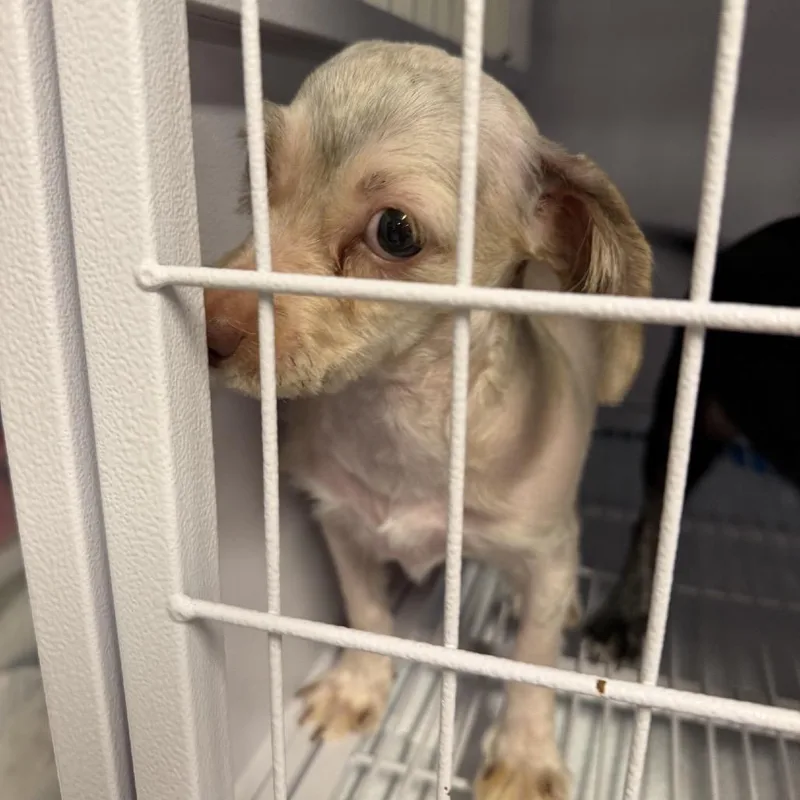
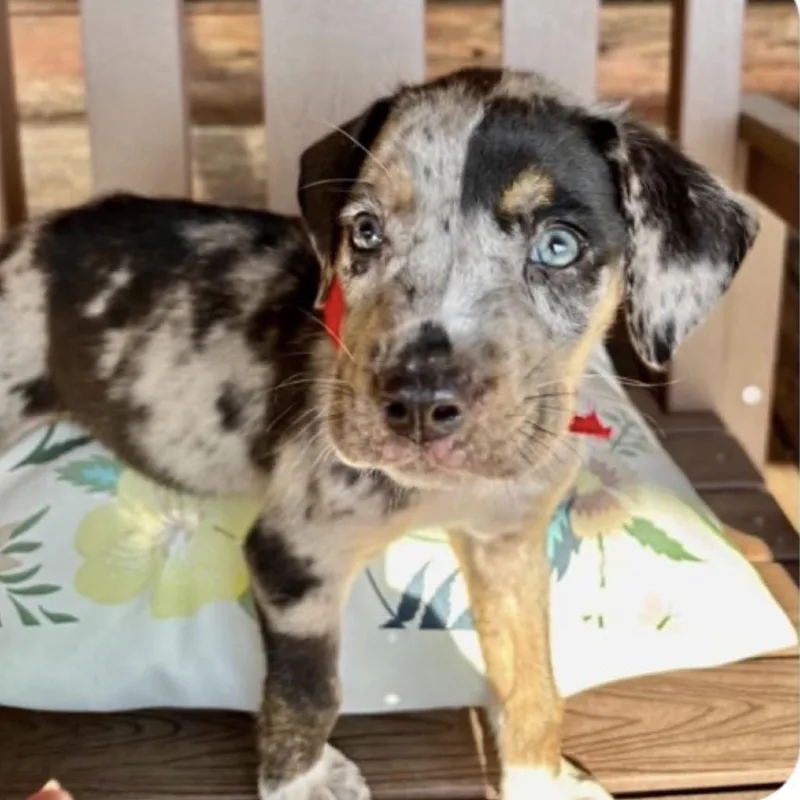
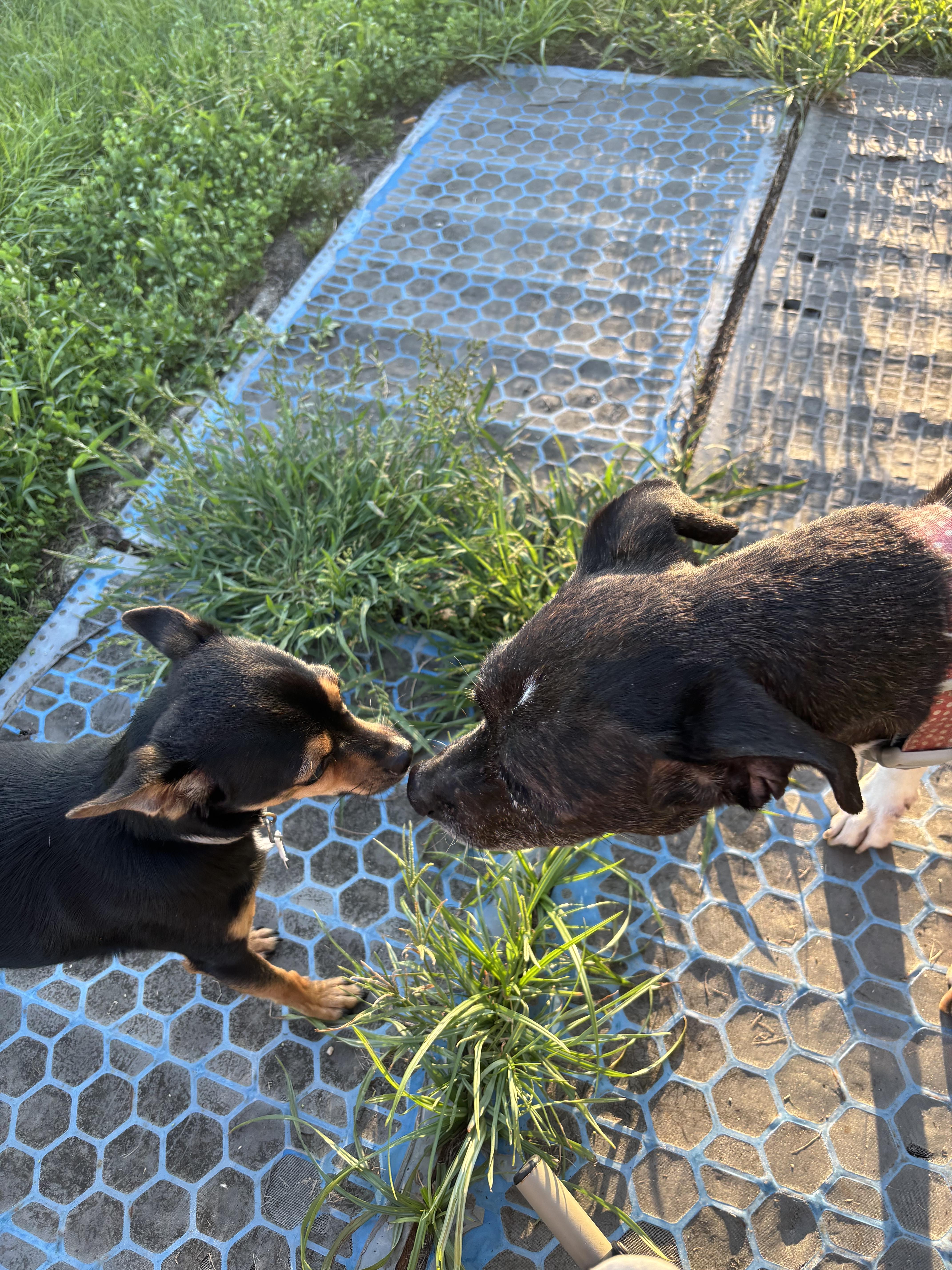
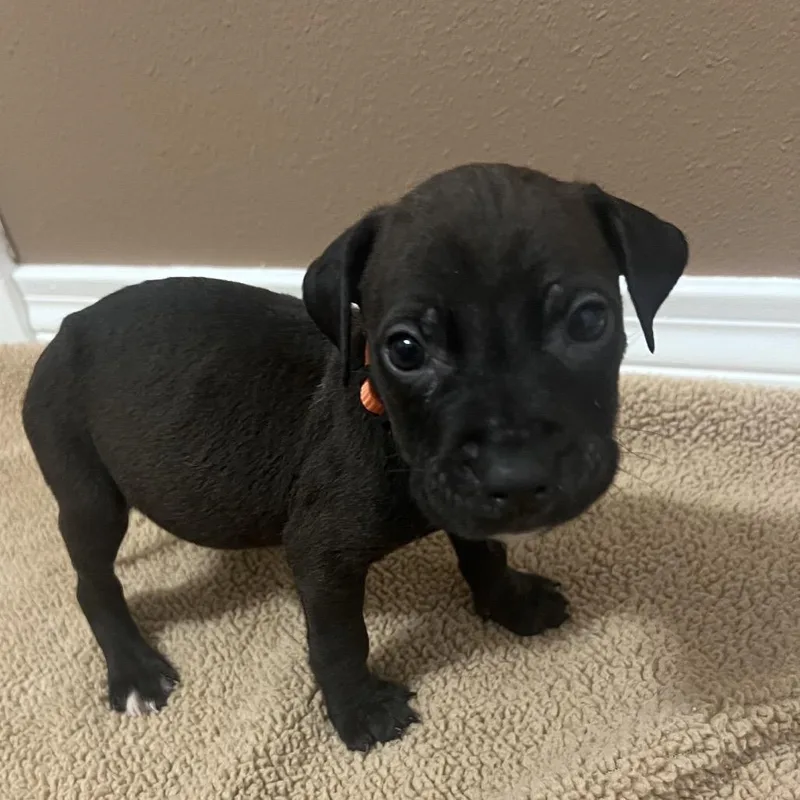
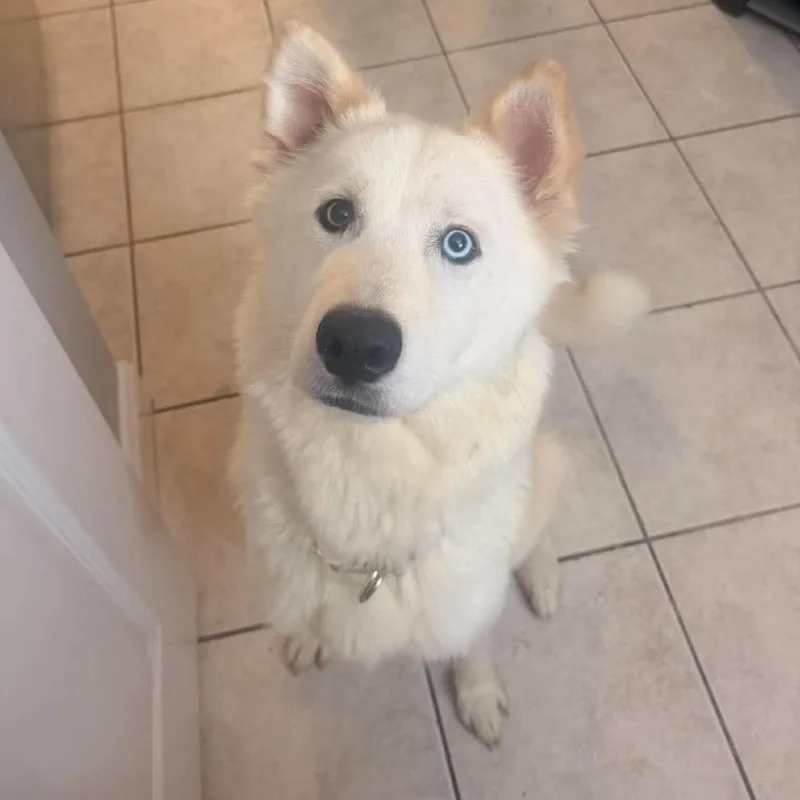
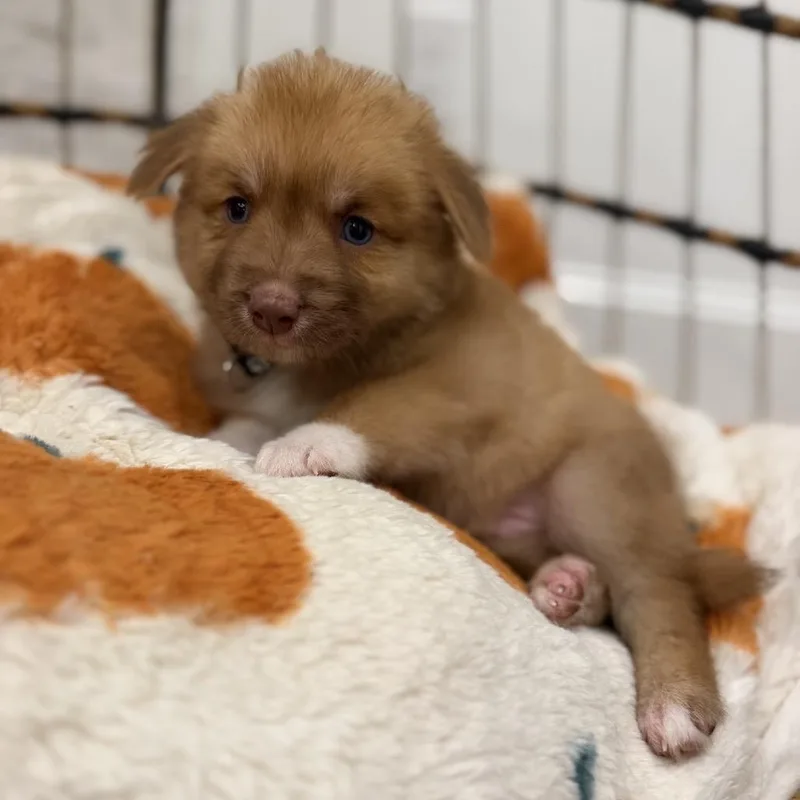
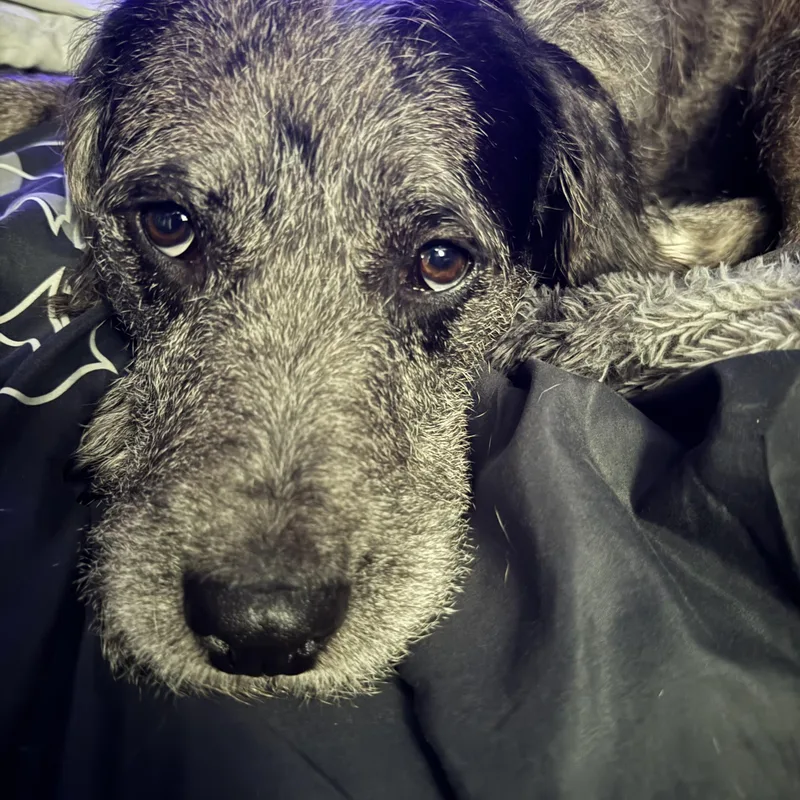
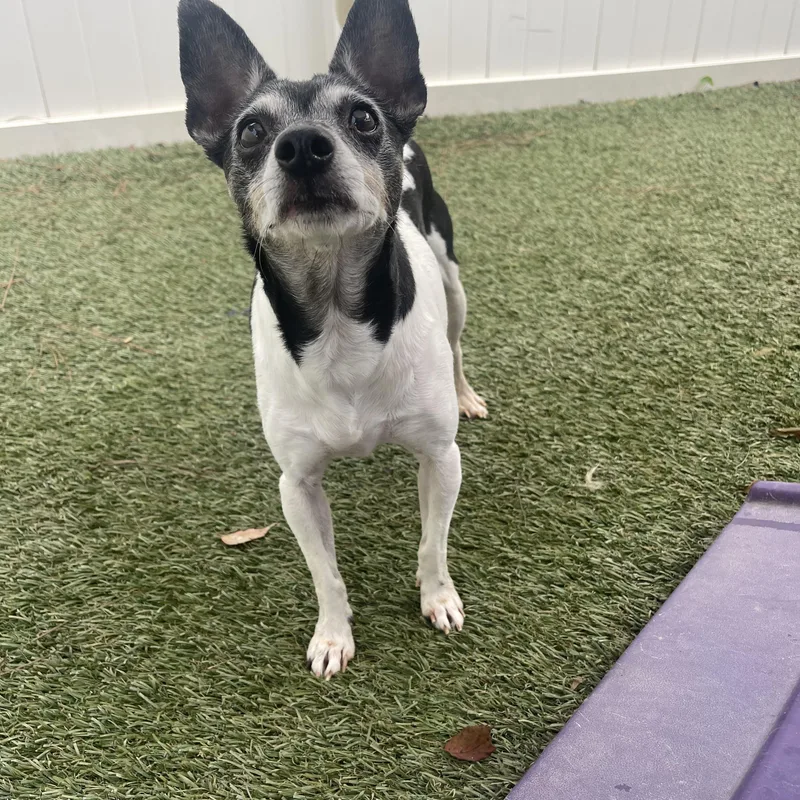
3050 Black Labrador Retrievers available in Baton Rouge and nationwide

Find your Black Labrador Retriever

While we don't have enough dogs near Baton Rouge, keep in mind that many rescues may offer transport.

Black Labrador Retrievers Available for Adoption Near Baton Rouge

About the Black Labrador Retriever breed

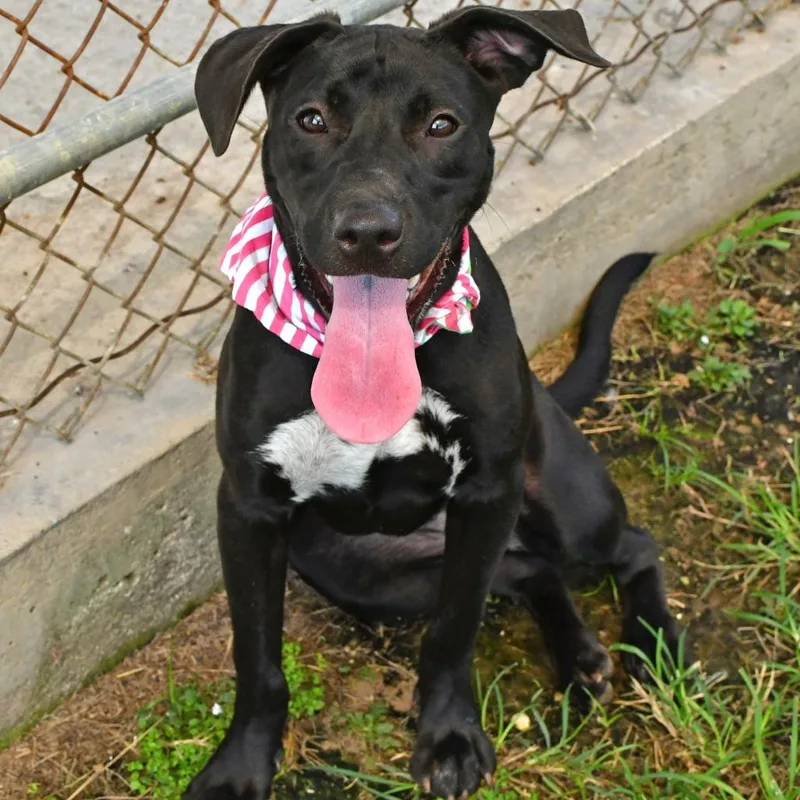
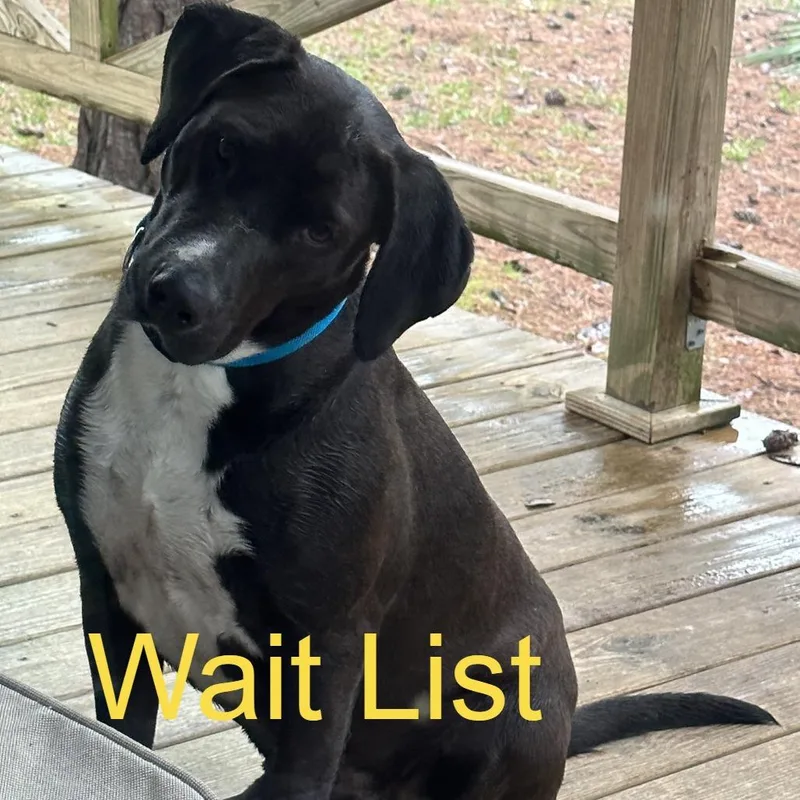
A black Labrador Retriever is a Lab in the breed's original and most familiar color, not a separate breed. Labs descend from the St. John's water dogs of Newfoundland and were refined in Britain as gun dogs. They have a broad head, an otter tail and a dense, water-resistant double coat. Some carry a small white chest spot, and the muzzle grays with age.

In Baton Rouge, that water-loving build comes with a catch: a thick, dark coat in a hot, humid climate, and steady shedding. Color doesn't change personality, so expect the friendly, food-motivated, eager-to-please Lab, with a bouncy adolescence. Field-bred dogs are often leaner and more driven than show-bred ones. Daily exercise, consistent training and measured portions matter far more than coat shade.

Weight
55–80 lbs
Height
21–25 in
Lifespan
10–14 yrs
Temperament
Friendly, Outgoing, Active
Group
Sporting
Shedding
Moderate to High

Owning a Black Labrador Retriever in Baton Rouge

Having a Black Labrador Retriever in Baton Rouge

A black Lab brings sociable energy and an appetite to match. Age, background and drive shape daily life more than coat color, so match the dog to your routine, and in Baton Rouge plan around heat, humidity and wet ground.

Temperament

Black Labs are usually outgoing and affectionate with family, visitors and other dogs, and many are patient with respectful children. Young dogs can be mouthy and boisterous. Food drive makes reward-based training work well. A dog's history and socialization matter more than breed reputation, so watch how a Lab handles busy sidewalks and new people.

Exercise Needs

Plan on an hour or more of active exercise for a grown Lab: brisk walks, fetch or runs, plus mental work like scent games. In Baton Rouge, go early or after sunset in warm months, and keep swimming away from lake, bayou and swamp edges, where alligators live. Seniors still need regular, gentler outings.

Health Considerations

Labs can face hip and elbow dysplasia, cruciate tears, exercise-induced collapse, eye disease, ear infections and skin allergies. Obesity is common, so measure meals. Baton Rouge's warm, wet climate favors ear and skin trouble, and year-round heartworm prevention matters. A veterinarian can check hips, elbows, weight and ears after adoption.

Living Space

A black Lab can live in a house or an apartment if daily exercise is met. A fenced yard helps but doesn't replace walks. The dark coat absorbs heat, so a Lab needs air-conditioned indoor time and shade outside. Expect shed hair, a sweeping tail and a dog that wants to live indoors with you.

What it costs to own a Black Labrador Retriever in Baton Rouge

ExpenseTypical costPer year
Adoption fee$200, one time$200 in year one
Food$55 to $110 per month$660 to $1,320
Pet insurance$65 to $130 per month$780 to $1,560
Routine vet care$250 to $500 per year$250 to $500
Other*$585 to $1,470 per year$585 to $1,470
Estimated yearly total (after year one)$2,275 to $4,850
First-year total (with adoption fee)$2,475 to $5,050

Adoption fee is the fee on Black Labrador Retriever listings in Baton Rouge on GetBuddy today. Other costs are estimates and vary with size, age and health.

* The $10 to $20 Baton Rouge dog license, flea, tick and heartworm prevention, a dental cleaning allowance, toys and bedding, and brushing and baths for seasonal shedding.

Adopt a Black Labrador Retriever in Baton Rouge.

Now that you know more, let’s find you a new best friend. These rescues and shelters below currently have Black Labrador Retrievers available.

Rescues in Baton Rouge with Black Labrador Retrievers Available

Baton Rouge's adoptable dogs come from an open-intake parish shelter and local rescues, many of them foster-based. Here are the rescues & shelters in the Baton Rouge area where you can find Black Labrador Retrievers and other dogs available for adoption.

Frequently Asked Questions

Yes. Baton Rouge has no breed-specific rules, and a kennel permit is only needed above 12 animals. You'll need a rabies vaccine from three months with the tag on the collar, a yearly license through a veterinarian ($10 spayed or neutered, $20 unaltered), and a leash of 6 feet or less or secure confinement.

Yes, with planning. Summer highs hover around 91°F, nights stay in the low 70s, and humidity is high, so a dark-coated Lab should walk at dawn or after dark, rest in air conditioning and always have water. Test pavement with your hand. Heavy panting, vomiting or collapse means cooling the dog and calling a veterinarian right away.

Often, for active people who are home a fair amount and can manage heat. Labs enjoy company and outdoor time, but summer walks must be early or late. Plan for hurricane season too: Red Cross shelters don't accept pets, so keep a carrier or crate, vaccination records and a pet-friendly destination ready.

Yes, if the building allows large dogs and the Lab gets daily exercise. About half of Baton Rouge households rent, and weight limits and pet fees vary by building, so confirm terms before signing. Plan several walks a day, chew toys and indoor cooling in summer, since a bored young Lab can be destructive.

City-Brooks dog park, beside City Park Lake, is the in-city off-leash option, and Burbank offers six acres. Both run sunrise to sunset and close one weekday for maintenance. The LSU lakes and the paved levee path suit leashed walks. Keep Labs out of lake and bayou water, since alligators live in south Louisiana waters.

Mostly no. CATS runs buses only, and its code of conduct allows trained service animals, while other animals must travel in carriers without taking a seat or blocking space. A Lab weighing 55 to 80 pounds won't fit a carrier, so plan on driving or walking unless the dog is a service animal.

Not much beyond brushing, but shedding is steady and runs year-round in the heat. Brush a couple of times a week, daily during heavy coat blowouts, and bathe when muddy, which happens often in Baton Rouge's wet climate. Dry the ears after baths. Brushing and baths fit within the $585 to $1,470 yearly Other costs.

Sometimes, on patios. Louisiana has no state law allowing dogs in outdoor dining areas, so it's up to each venue, and indoor dining rooms generally don't allow pet dogs. Look for patios that welcome dogs, keep your Lab leashed, and choose shady spots and early hours in summer.

We have 1 rescue with Black Labrador Retrievers available: Animal Protection And Welfare Society - APAWS. You can see every rescue with Black Labrador Retrievers available in the list above these questions, or scroll to the top to see the Black Labrador Retrievers near Baton Rouge.

Expect roughly $2,275 to $4,850 a year for a black Lab in Baton Rouge: food at $55 to $110 a month, insurance at $65 to $130 a month, $250 to $500 in routine vet care, and $585 to $1,470 in other costs such as prevention, dental care and grooming. Large-dog food and insurance drive most of the spread.