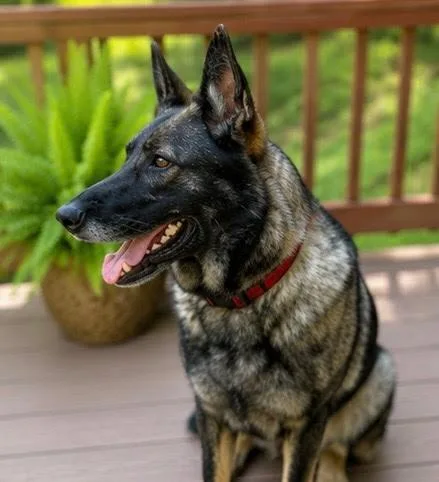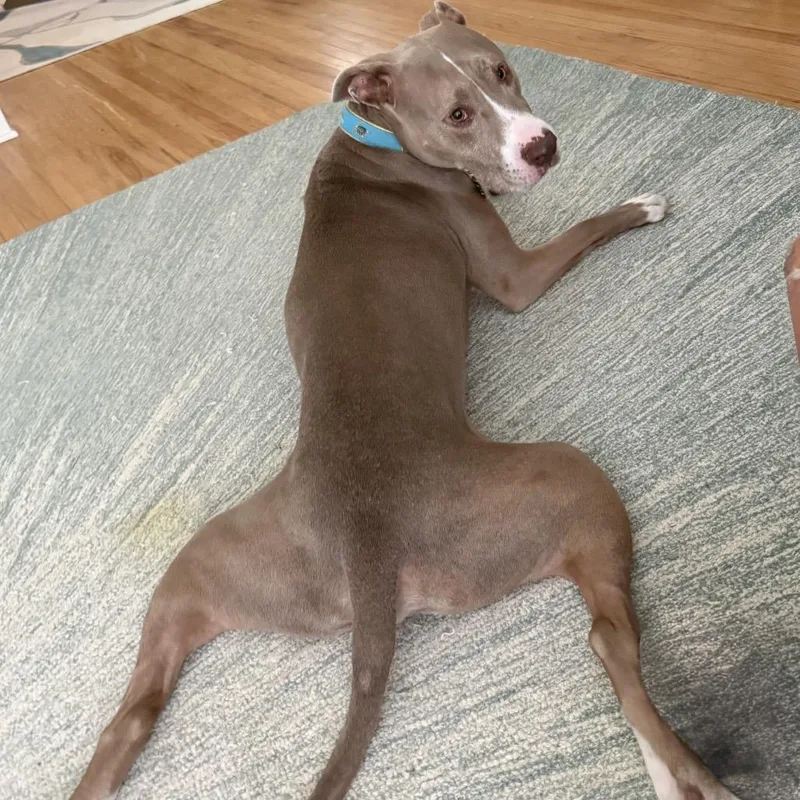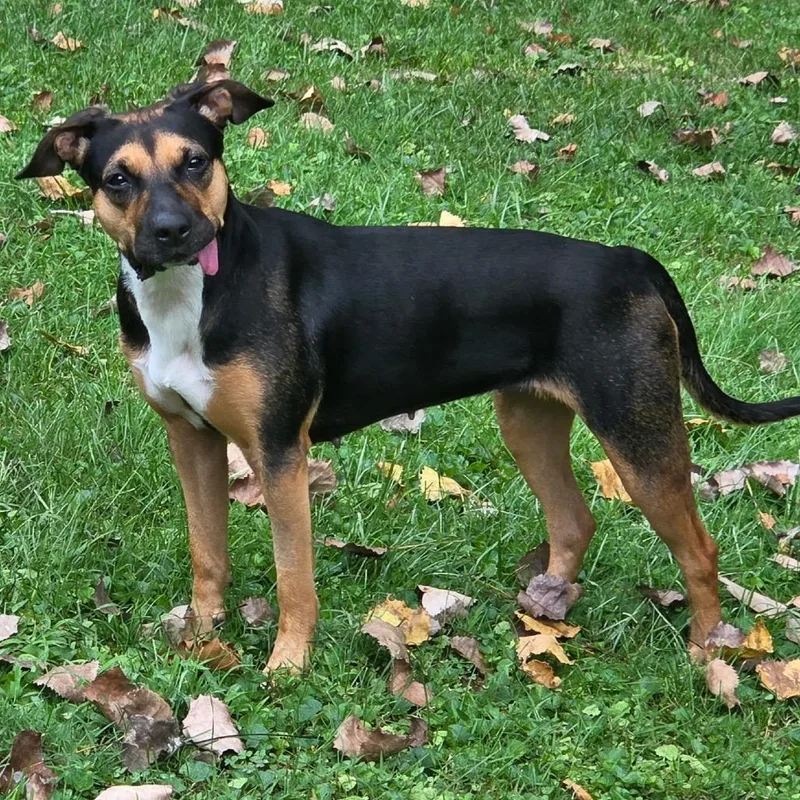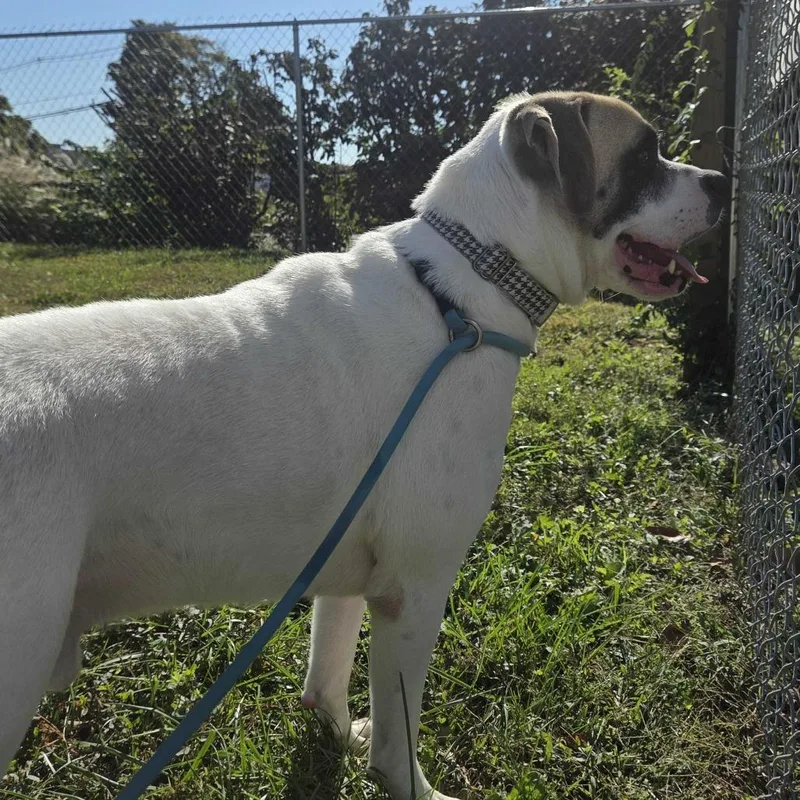



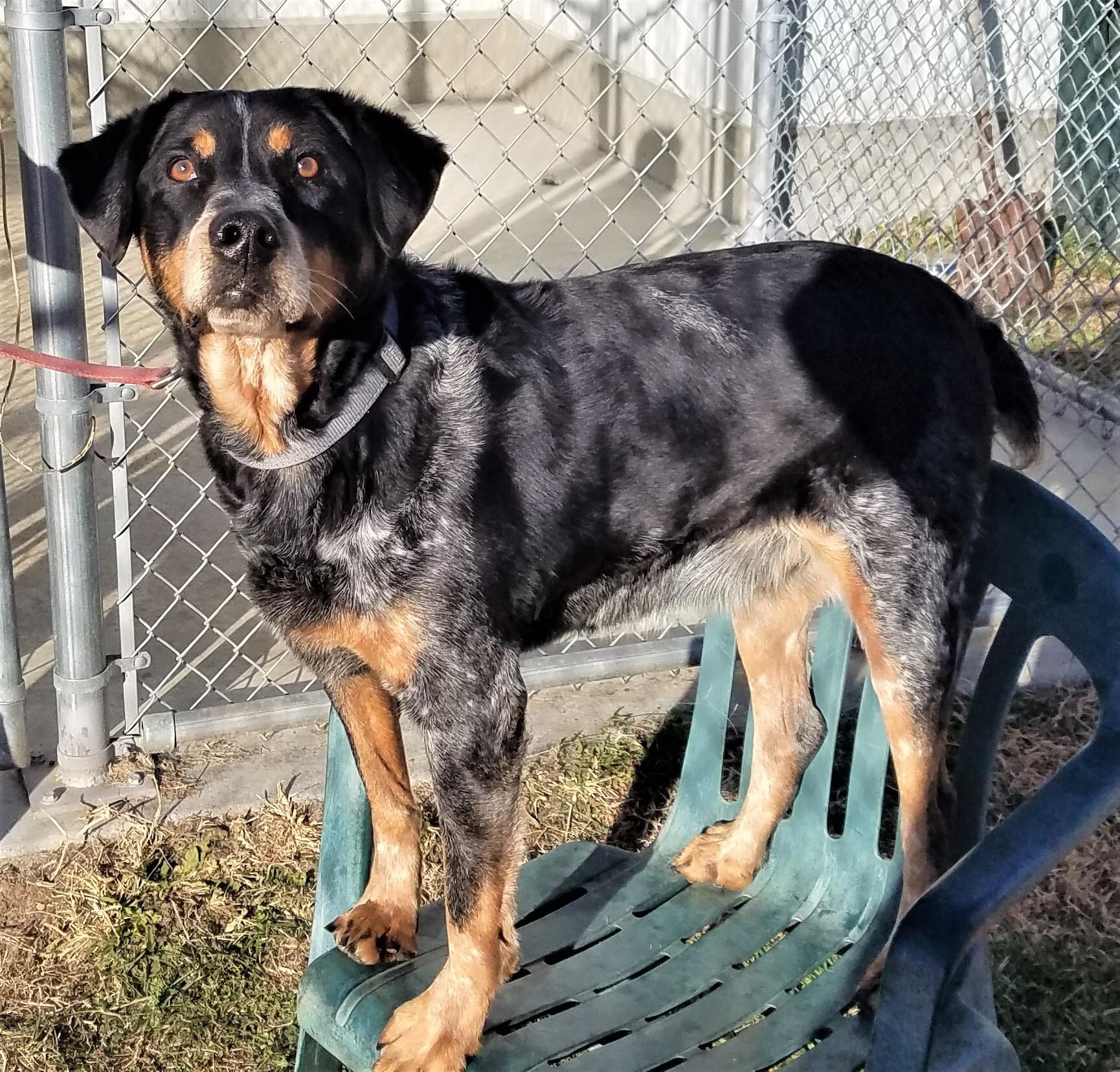
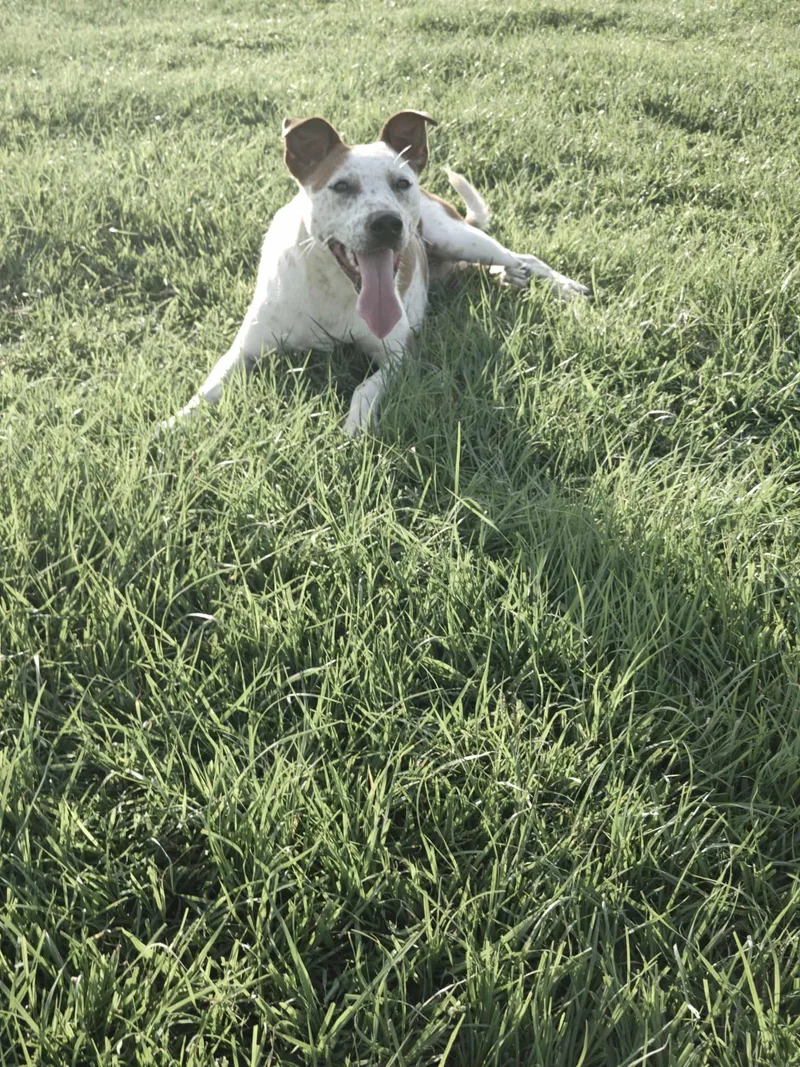

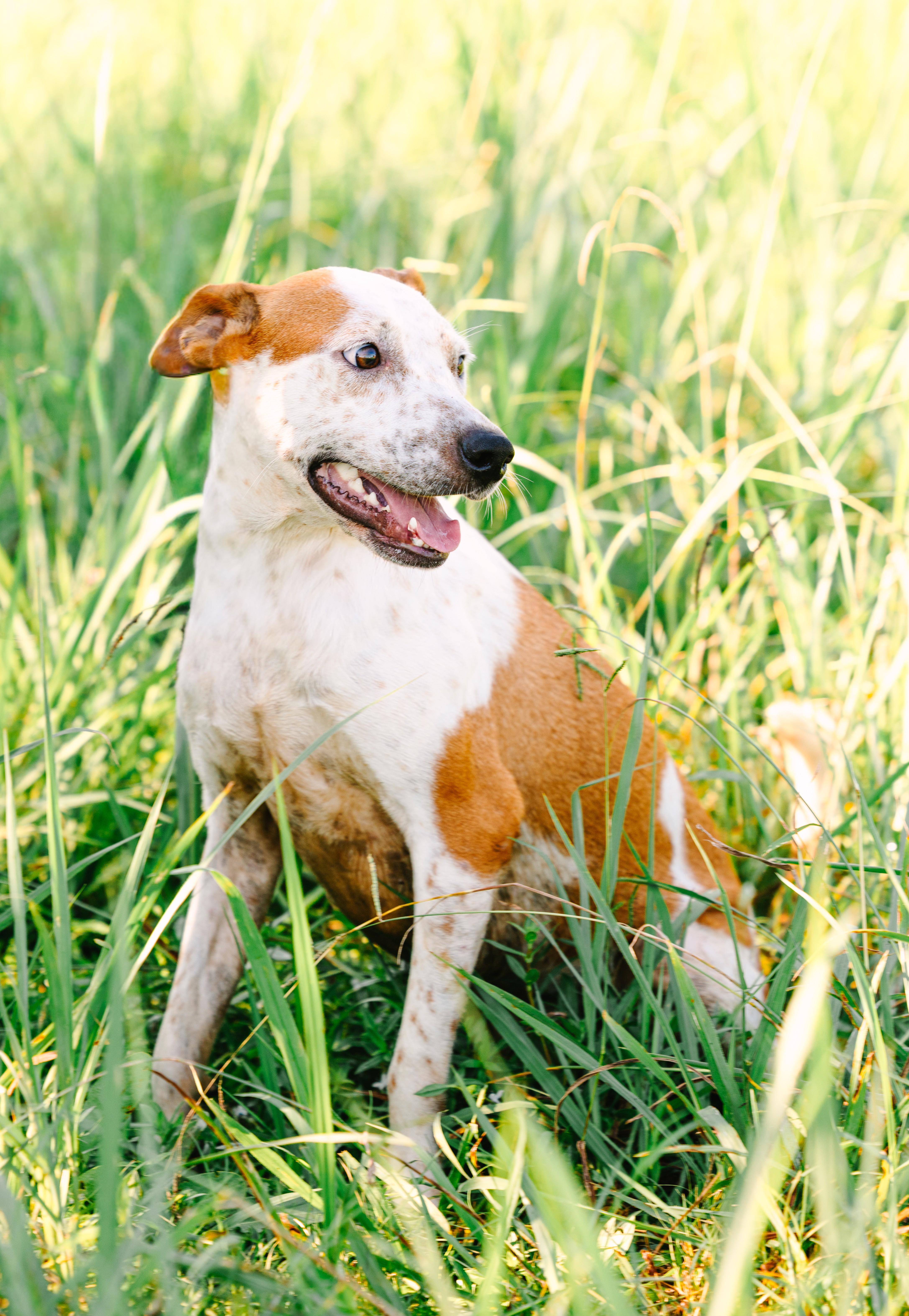
Lancashire Heeler Dogs for Adoption in Louisville, KY

Your guide to finding and caring for a Lancashire Heeler in Louisville

A Lancashire Heeler suits Louisville's walkable neighborhoods, as long as it gets a real job to do each day. In Germantown or Schnitzelburg, where shotgun houses sit close together, a Heeler's small size is handy, but its alert bark carries through thin walls. Expect a busy, chatty dog that wants a long walk and a game of tug afterward. They're an uncommon breed, so patience helps if you're hoping to adopt one here.

26 Lancashire Heelers available in Louisville and nationwide

Find your forever Lancashire Heeler

While we don't have enough dogs near Louisville, keep in mind that many rescues may offer transport.

Lancashire Heelers Available for Adoption Near Louisville

About the Lancashire Heeler breed

The Lancashire Heeler is a low, sturdy herding dog from northwest England, built from cattle-driving and rat-catching work. Most weigh 9 to 17 pounds, with a smooth, weather-resistant black-and-tan or liver-and-tan coat that sheds lightly to moderately. In Louisville, that compact body fits a Butchertown apartment or a Crescent Hill house with equal ease.

Many Heelers are cheerful, quick to learn and devoted to their people, though often reserved with strangers. They like to chase and herd, and some nip at heels or go after small animals, so a leash and a secure yard matter. Dogs vary, but plan on daily exercise, training games and a fair amount of barking.

Weight
9–17 lbs
Height
10–12 in
Lifespan
12–16 yrs
Temperament
Alert, Energetic, Affectionate, Intelligent
Group
Herding
Shedding
Low to Moderate

Owning a Lancashire Heeler in Louisville

Having a Lancashire Heeler in Louisville

Heelers pair a herder's drive with a terrier's curiosity in a small, low-maintenance body. Energy, intelligence, chasing instincts and a few inherited eye conditions shape most days, and each dog's mix of those traits will differ.

Temperament

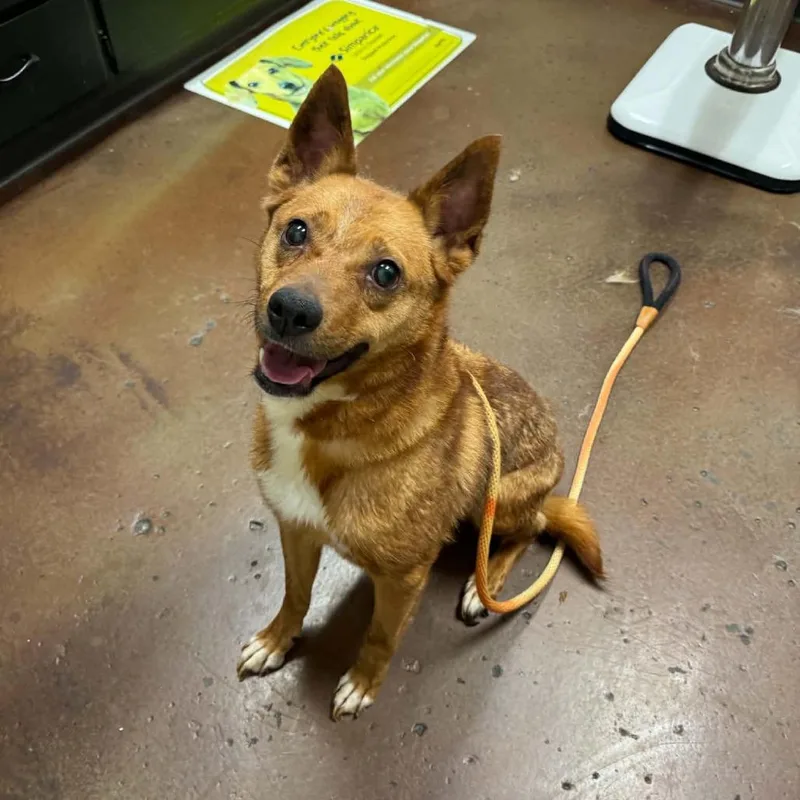
Many Lancashire Heelers are affectionate, alert and attached to their families, and often stay aloof with visitors. They tend to announce every knock and footstep, which matters in close Louisville blocks. Heel-nipping and chasing can show up, so reward-based training and early socialization help. Temperament varies from dog to dog.
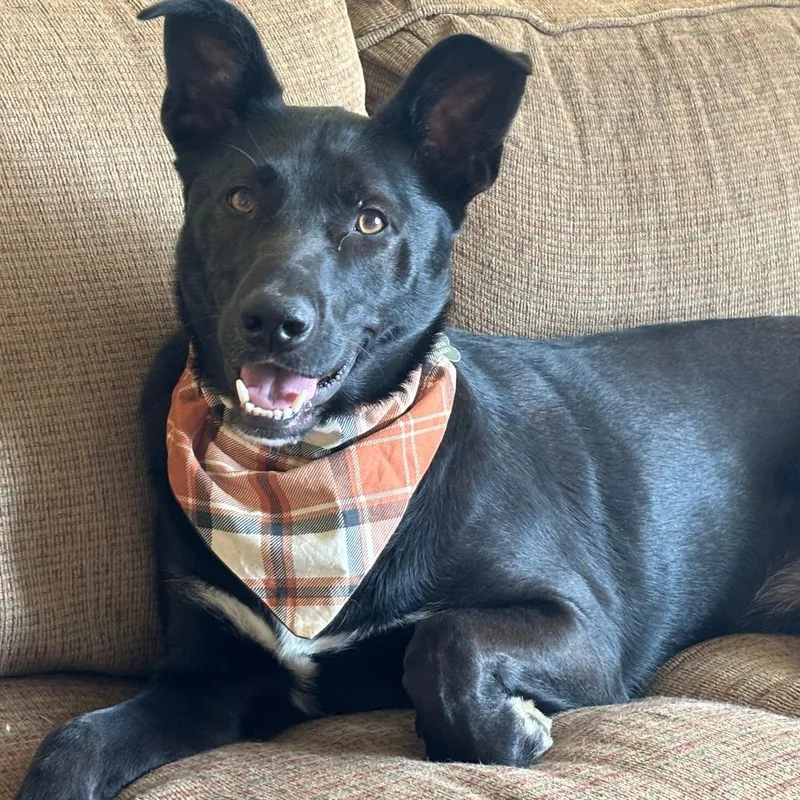
Exercise Needs

Plan on a daily walk plus active play such as fetch, tug or a flirt pole. Cherokee Park's loop or a members-only dog run gives a Heeler room to burn energy off leash safely. Add scent games and training sessions, because a bored Heeler often turns to barking, digging or herding people.

Health Considerations

Lancashire Heelers are often long-lived, but they can inherit eye problems such as primary lens luxation, collie eye anomaly and persistent pupillary membranes. A veterinarian can examine the eyes and discuss DNA screening for an adopted dog. Keep up yearly checkups, dental care and parasite prevention, since Louisville's mild stretches keep fleas and ticks around.

Living Space

A Heeler's size works well in Louisville apartments, rentals and houses, if exercise and enrichment are steady. Its bark may matter more to neighbors than square footage does. A securely fenced yard helps because prey drive can override recall, and puzzle toys keep it busy during workdays.

What it costs to own a Lancashire Heeler in Louisville

ExpenseTypical costPer year
Food$20 to $45 per month$240 to $540
Pet insurance$35 to $70 per month$420 to $840
Routine vet care$200 to $400 per year$200 to $400
Other*$385 to $1,075 per year$385 to $1,075
Estimated yearly total (after year one)$1,245 to $2,855

Other costs are estimates and vary with size, age and health.

* The Louisville dog license, flea, tick and heartworm prevention, a dental cleaning allowance, toys and bedding, and light grooming for a short coat.

Adopt a Lancashire Heeler in Louisville.

Now that you know more, let’s find you a new best friend. These rescues and shelters below have dogs available in and near Louisville.

Rescues and Shelters in or near Louisville

Louisville's shelters and rescues list small dogs of many kinds, and the pets below change often as new animals arrive. Here are the rescues & shelters in the Louisville area with dogs available for adoption, worth asking whether a Lancashire Heeler is coming in.

Frequently Asked Questions

Yes, most Lancashire Heelers handle Louisville winters with some help. Their short coat with an undercoat copes with highs in the 40s, but freezing nights and occasional ice call for a coat on longer walks, paw wiping after salted sidewalks and a warm indoor bed. Louisville law also expects dogs to be brought into a temperature-controlled space in extreme weather.

Cherokee Park's Cochran Hill Dog Run and The Barklands at Floyds Fork are strong picks, since both are fenced and suit a Heeler's chase instinct, though they require a Louisville Dog Run Association membership. Waterfront Park welcomes leashed dogs, but the Big Four Bridge does not. Jefferson Memorial Forest allows dogs on trails, always leashed.

Yes. Louisville Metro code has no known breed ban, and dangerous-dog rules are based on behavior. You'll need a Jefferson County license from four months of age, rabies vaccination and a microchip. Dogs must be leashed off your property, and a Heeler's prey drive makes a secure leash and fenced yard especially useful.

Yes, a Lancashire Heeler's small size suits Louisville apartments, but its bark can matter more than space. Nearly 39% of households rent, so lease terms vary. Plan daily walks, puzzle toys and training to prevent boredom barking, and check your lease for pet rent, deposits or size limits before you commit.

It can be, for active people who enjoy daily walks and training. A Heeler fits Louisville's walkable neighborhoods and park loops, and it manages hot summers and cold winters with sensible care. It may not suit long solo days, since Heelers often bark and make their own entertainment when bored.

Only to some patios. Kentucky allows leashed dogs on open-air restaurant patios that have a separate entrance, but each restaurant decides. Dogs can't sit on chairs or tables, and they aren't allowed inside dining rooms. A Heeler that barks at passersby may be easier to settle at a quiet corner table.

Very little. The short, weather-resistant coat needs a weekly brushing, more often during spring and fall undercoat sheds. Louisville's humidity and mud mean occasional baths and paw wipes. Grooming is a small part of the yearly Other costs, which include light grooming, and nail trims and ear checks can be done at home.

A Lancashire Heeler is a small, sturdy herding dog from northwest England, about 10 to 12 inches tall and 9 to 17 pounds, originally used to drive cattle and catch rats on farms. It has a short black-and-tan or liver-and-tan coat, an alert, cheerful personality and plenty of energy. The AKC recognized the breed in 2024.

The Lancashire Heeler's roots likely go back several centuries in Lancashire, England, with some accounts dating it to the 1600s, when farmers and butchers used small heelers to drive cattle. The modern breed was revived in the 1960s, its club formed in 1978, and The Kennel Club recognized it in 1981. The AKC followed in 2024.

A Heeler costs roughly $20 to $45 a month for food and $35 to $70 for insurance. Routine vet care runs about $200 to $400 a year, and other yearly costs such as prevention, dental care, supplies and the license range from about $385 to $1,075. Louisville's license is lower than the national average.