Hamiltonstovare Dogs for Adoption in Louisville, KY

Your guide to finding and caring for a Hamiltonstovare in Louisville

A Hamiltonstovare fits Louisville best when home is close to open ground, like the wooded slopes around Iroquois Park. This Swedish scent hound is medium-sized and friendly, but its nose runs the show, so a Beechmont bungalow with a fenced yard suits it better than a loft with no outdoor space. Long leashed hikes in Jefferson Memorial Forest give it the miles it wants, and summer afternoons are best spent indoors.

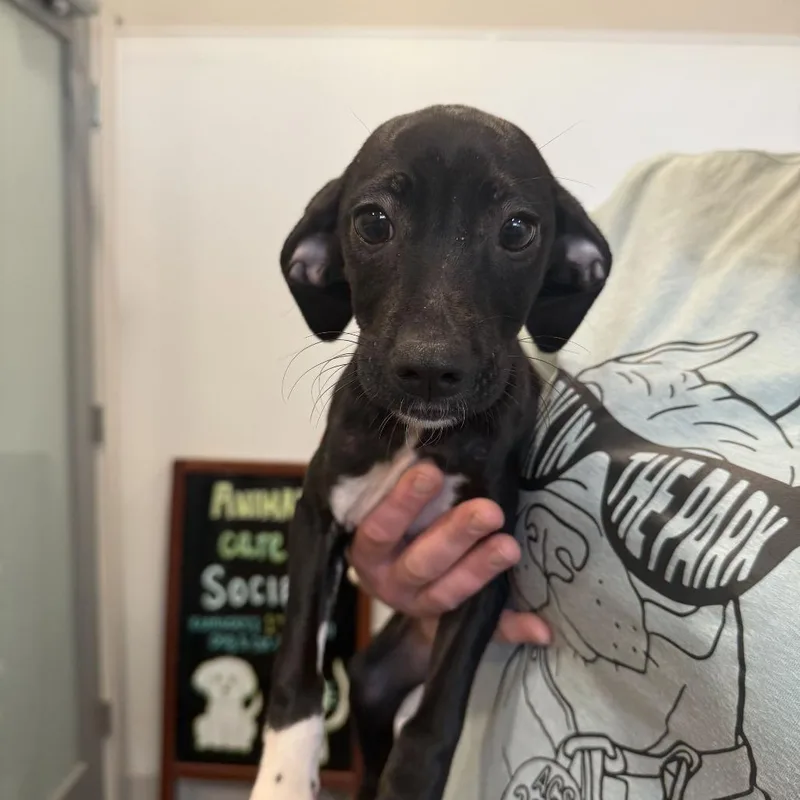
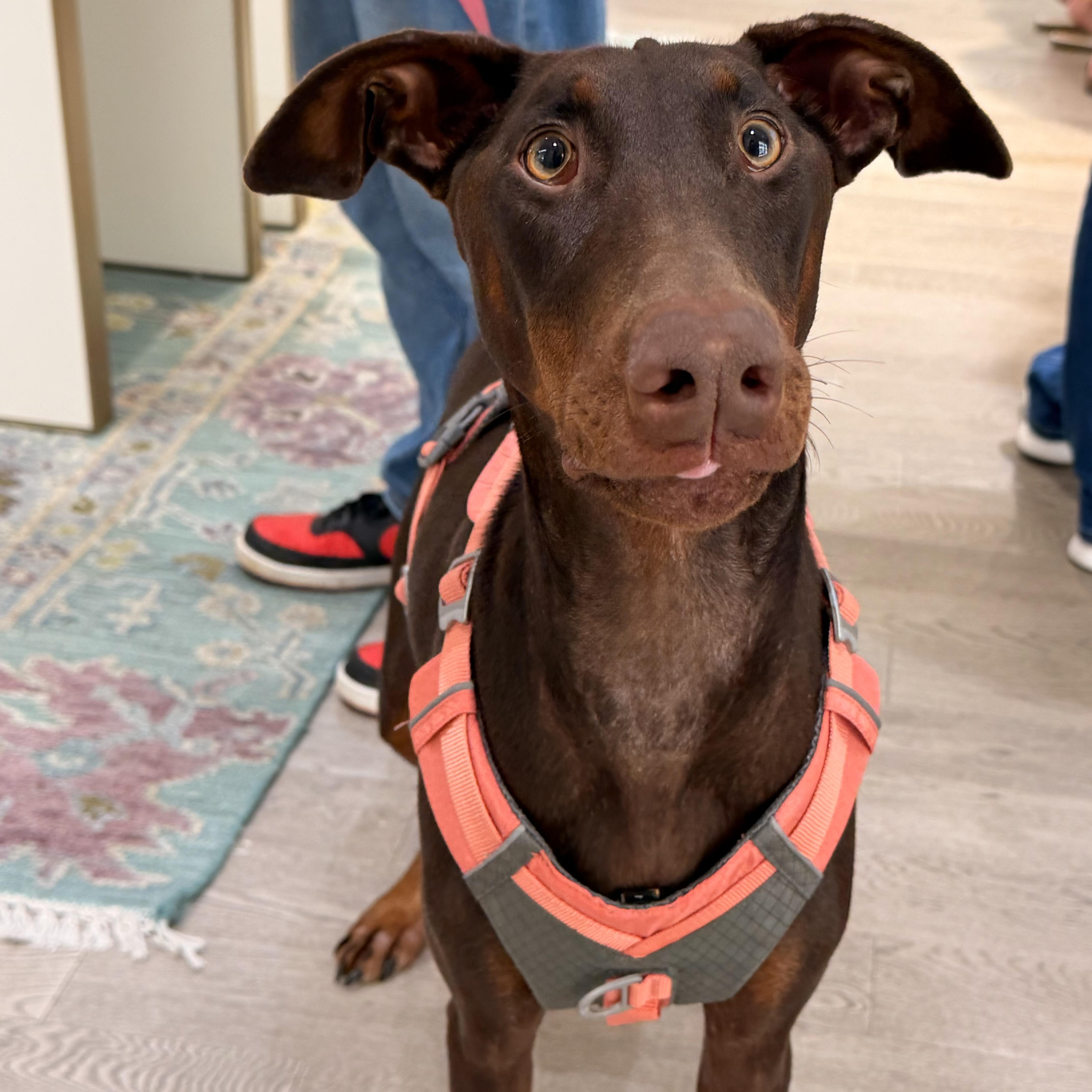
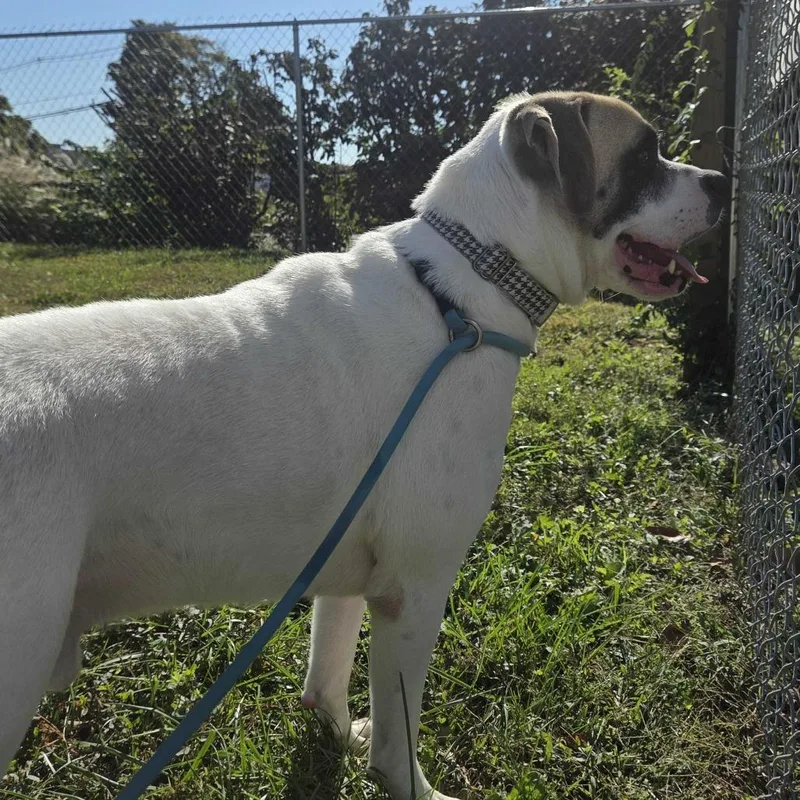
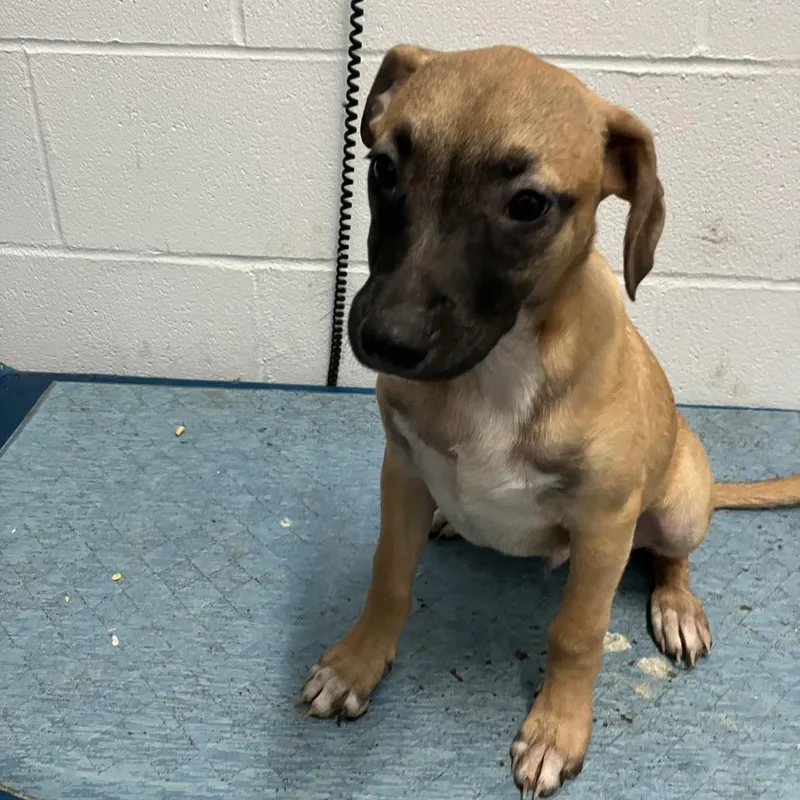
7879 dogs similar to Hamiltonstovare available in Louisville and nationwide

Say hello to your Hamiltonstovare

Hamiltonstovares and Similar Breeds Available for Adoption Near Louisville

About the Hamiltonstovare breed

The Hamiltonstovare is a Swedish scent hound created by Count Adolf Hamilton, founder of the Swedish Kennel Club, and first shown in 1886. It was developed to trail hare and fox on its own and to give tongue so hunters could follow. The medium-sized dog wears a close-lying tricolor coat of black mantle with tan and white markings.

Many Hamiltonstovares are friendly and even-tempered with people and other dogs, though each dog varies. The nose still leads, so a fresh scent along a Louisville greenway can erase recall in seconds. They need daily exercise, patient training and secure fencing. The breed is rare in the US, so one may not appear in the listings often, and similar hound breeds are worth a look too.

Weight
50–60 lbs
Height
19–24 in
Lifespan
10–13 yrs
Temperament
Friendly, Energetic, Independent
Group
Hound
Shedding
Moderate

Owning a Hamiltonstovare in Louisville

Having a Hamiltonstovare in Louisville

A Hamiltonstovare pairs a relaxed home manner with the stamina of a dog bred to work alone across forests and fields. In Louisville, its nose, its need for miles and a secure yard matter more than its size.

Temperament

Hamiltonstovares tend to be friendly, even-tempered dogs that enjoy their people and often get along with other dogs. Like many scent hounds they can be stubborn and easily distracted, so short, rewarding training sessions work well. Small pets may trigger chasing, so introductions need care, whatever a dog's breed reputation says.

Exercise Needs

Plan on substantial daily exercise: long walks, jogging once mature, or hiking on a long line. In Louisville, Cherokee Park's loop and Jefferson Memorial Forest's leashed trails offer plenty of scent to follow. Scent games add mental work. Off-leash time belongs in fenced spaces only, and recall needs lifelong practice.

Health Considerations

The Hamiltonstovare is generally regarded as sturdy, though limited data exist outside Scandinavia. Hip dysplasia occurs in the breed, and drop ears benefit from regular checks for infection, especially after humid Louisville summers. Keeping the dog lean supports its joints. Schedule routine wellness visits and have a veterinarian look over any records that come with the dog.

Living Space

A home with a securely fenced yard suits most Hamiltonstovares, and Louisville's many single-family neighborhoods offer that. An apartment can work for an adult that gets long daily outings, though baying may carry through thin walls if the dog is bored or left alone for long stretches. This is an indoor family dog.

What it costs to own a Hamiltonstovare in Louisville

ExpenseTypical costPer year
Food$35 to $70 per month$420 to $840
Pet insurance$45 to $85 per month$540 to $1,020
Routine vet care$225 to $450 per year$225 to $450
Other*$440 to $1,190 per year$440 to $1,190
Estimated yearly total (after year one)$1,625 to $3,500

Other costs are estimates and vary with size, age and health.

* A Louisville dog license, flea, tick and heartworm prevention, a dental cleaning allowance, toys and bedding, and occasional brushing and baths.

Adopt a Hamiltonstovare in Louisville.

Now that you know more, let’s find you a new best friend. These rescues and shelters below have dogs available in and near Louisville.

Rescues and Shelters in or near Louisville

Louisville's adoption community includes a county animal shelter, a large nonprofit humane society and rescues, all listed below. Here are the rescues & shelters in the Louisville area with dogs available for adoption, worth asking whether a Hamiltonstovare is coming in.

Frequently Asked Questions

Yes. Louisville Metro's animal code has no known breed-specific rule for Hamiltonstovares. Dogs need a county license from four months old, a rabies vaccination and a registered microchip, and must be leashed off your property. Because the breed is rare, watch the listings on this page, save a search, or browse similar hound breeds and nearby cities.

Cherokee Park's Cochran Hill Dog Run and the Barklands at Beckley Creek Park are fenced off-leash runs that need a Louisville Dog Run Association membership. Jefferson Memorial Forest suits long leashed hikes. Waterfront Park welcomes leashed dogs, but dogs aren't allowed on the Big Four Bridge. A scent hound should stay leashed outside fences.

Yes, with care. Louisville sees about 40 days a year at 90°F or higher, and humid nights keep July and August warm. A Hamiltonstovare's short coat helps, but its nose can keep it going past a safe point. Walk early or late, carry water, and keep midday outings short.

It can, if the dog is an adult that gets long daily outings. About 39% of Louisville households rent, so many renters share this question. Baying can carry through walls when the dog is bored or alone, so plan for exercise, scent games and a lease that allows a medium-sized hound.

Louisville's TARC runs buses only, with no subway or rail. Service animals are allowed on board. TARC's current rules for pets aren't clear, so check them before planning a ride with a Hamiltonstovare. For most outings, a car is the easier way to reach trailheads and fenced runs.

Only to some patios. Kentucky lets restaurants welcome leashed dogs in open-air dining areas that have a separate entrance, but each restaurant decides, and dogs can't sit on chairs or tables. Dogs other than service animals aren't allowed indoors. A well-exercised Hamiltonstovare settles on a patio more easily.

Little. Weekly brushing with a rubber curry or hound mitt handles the close-lying coat, with extra sessions when the undercoat thickens in winter. Bathe only when muddy, and check the drop ears after humid summer days and wet spring trails. Grooming sits in the Other cost line, so most owners do it at home.

Yes, Hamiltonstovares shed, though their short, close-lying coat makes care easy. Expect a moderate amount of hair year-round, with heavier shedding when the coat changes with the seasons. A weekly once-over with a rubber curry brush or hound glove removes most loose hair. They are not hypoallergenic, so people with dog allergies should spend time with one before adopting.

Hamiltonstovares can be loud, but they are not usually constant barkers at home. The breed was developed to give tongue, baying as it follows a scent so hunters can track it, and that voice comes out when a dog catches an interesting trail or grows bored. Plenty of exercise, scent games and company keep household noise lower.

Budget roughly $1,600 to $3,500 a year for a Hamiltonstovare in Louisville. That covers food at $35 to $70 a month, insurance at $45 to $85 a month, routine vet care at $225 to $450 a year, and other costs at $440 to $1,190 a year.