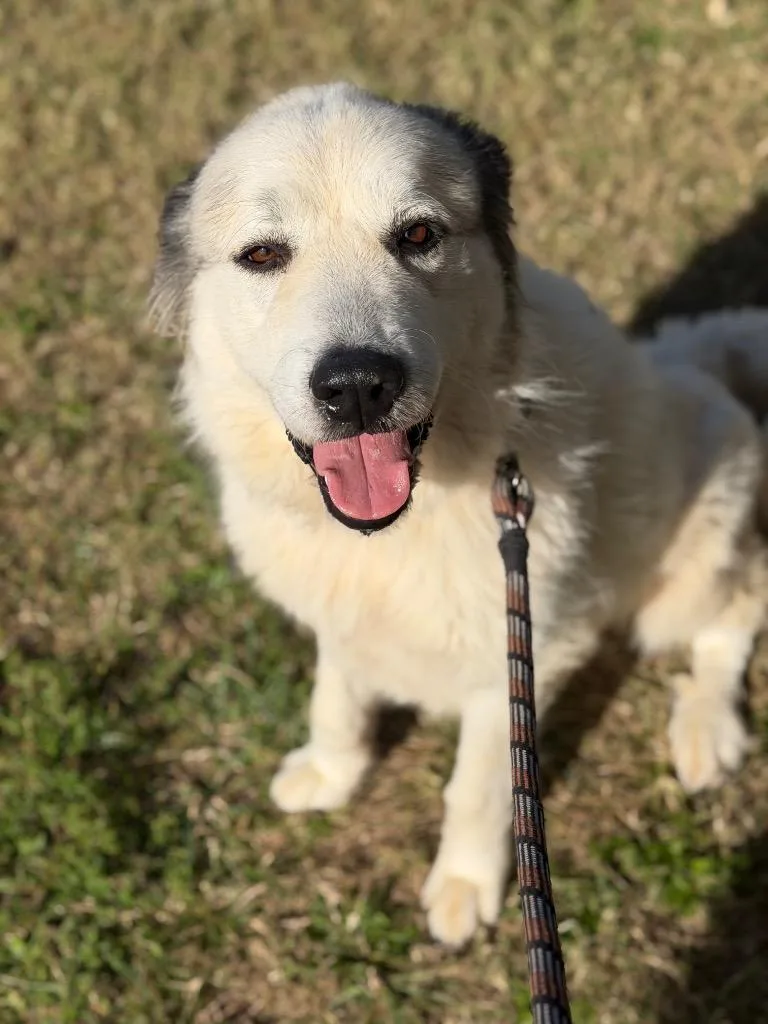
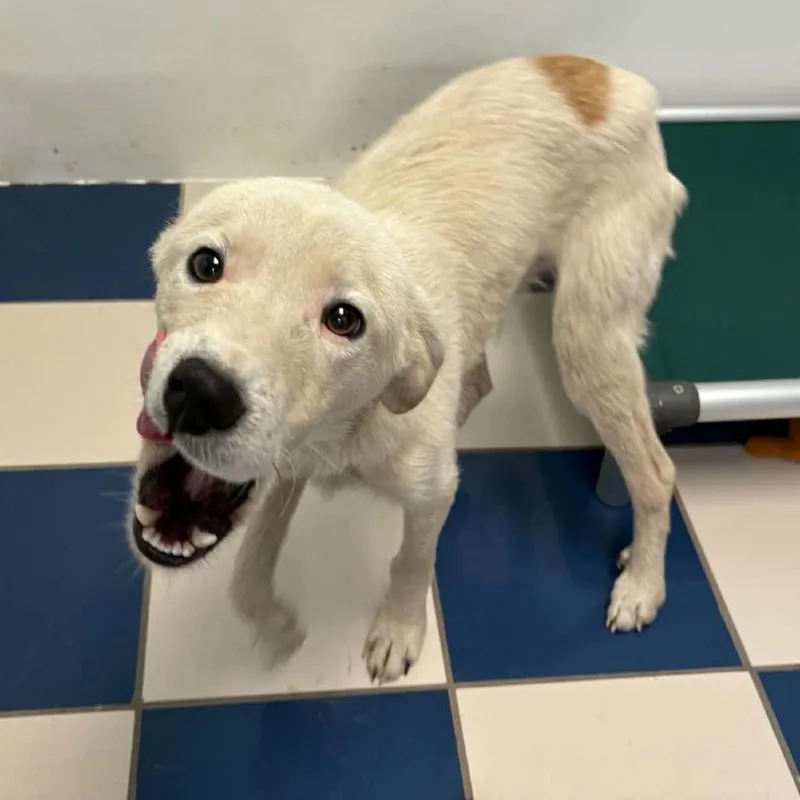
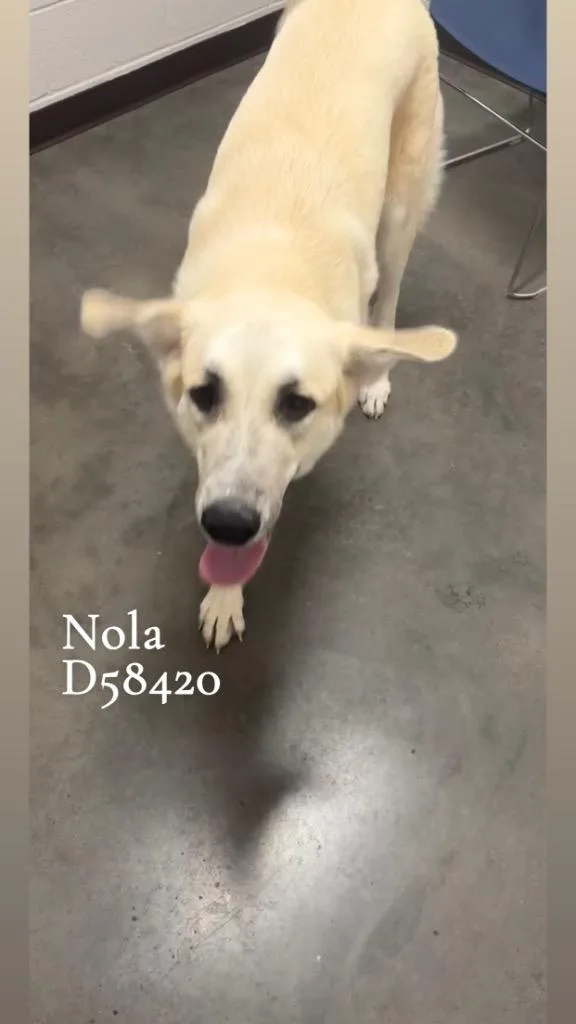
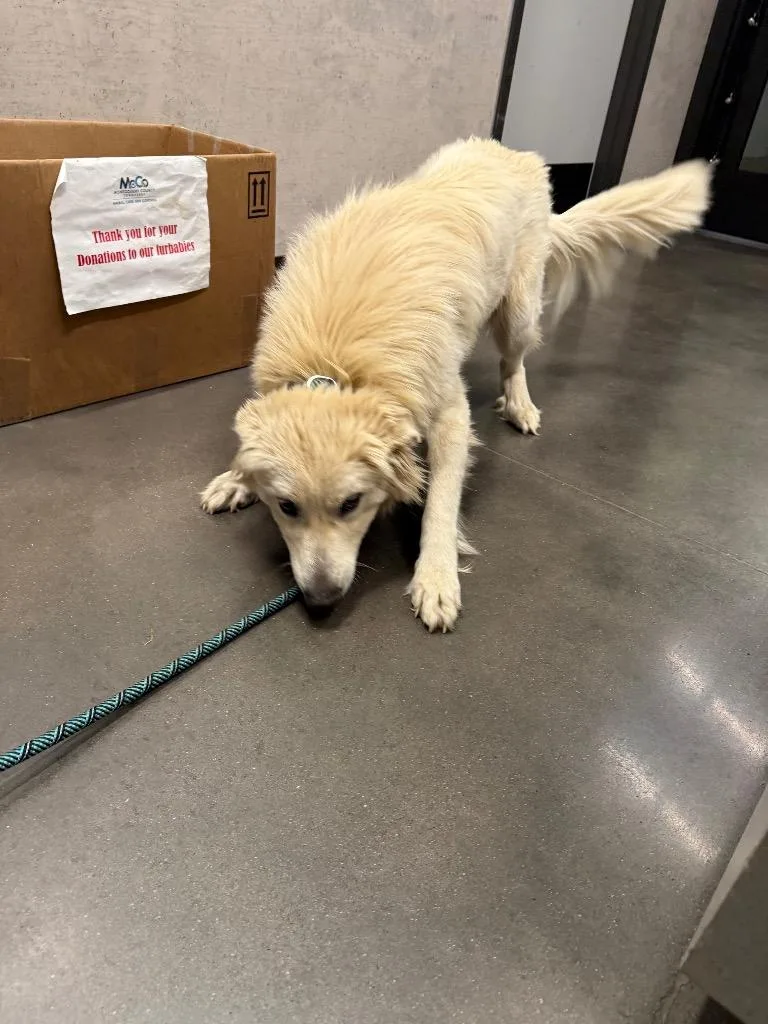
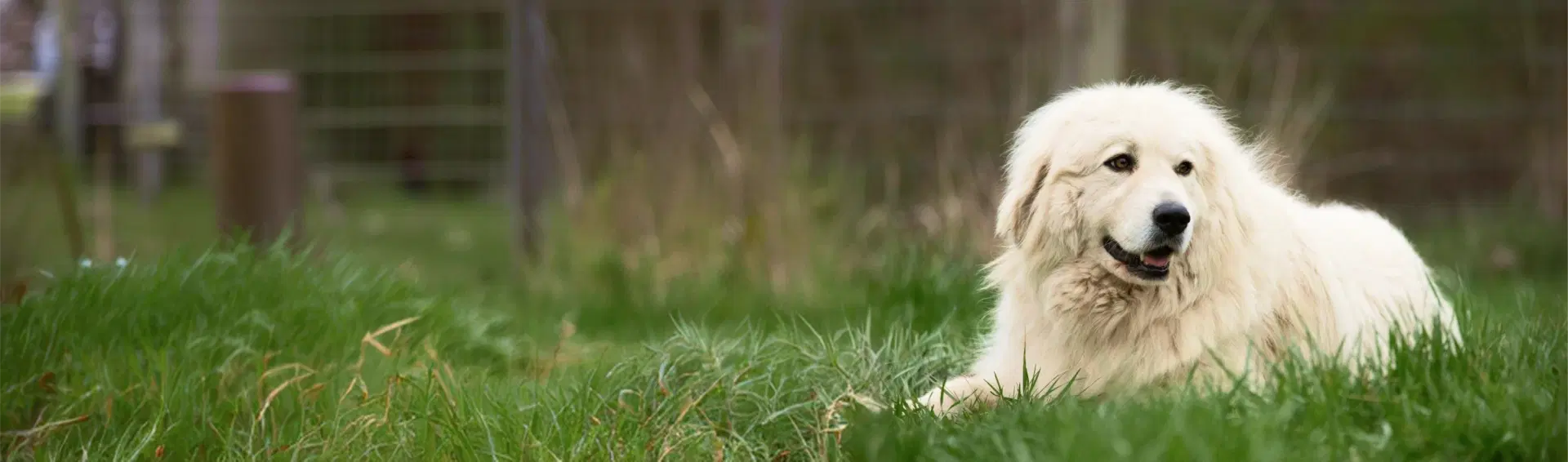
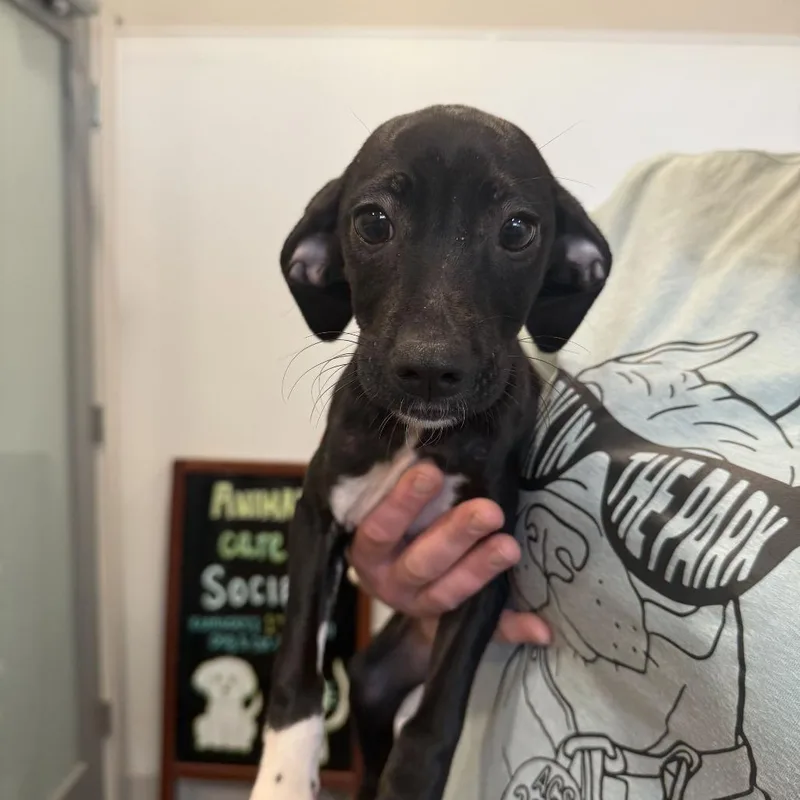
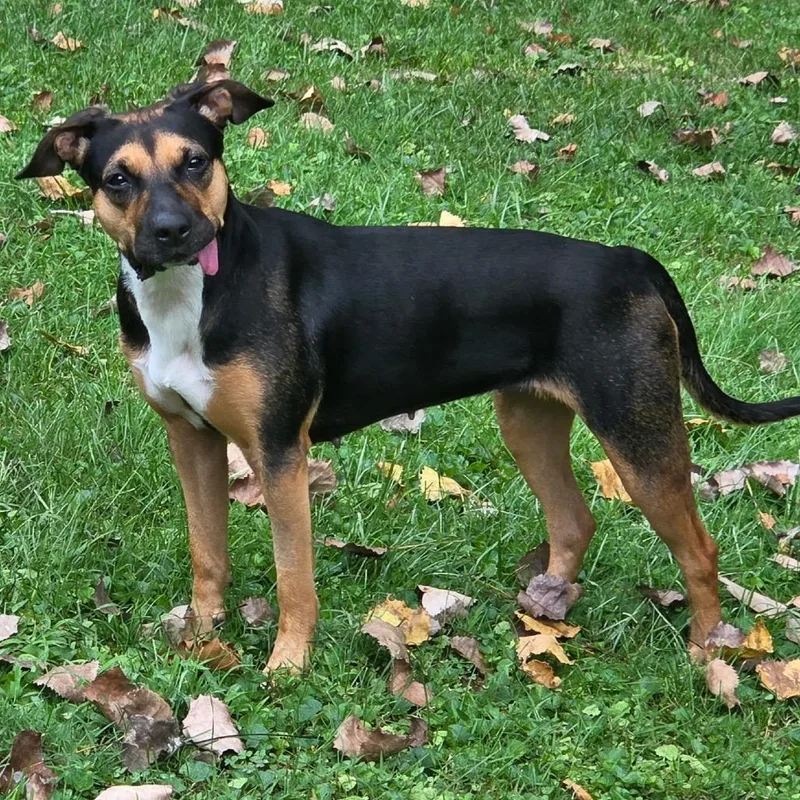
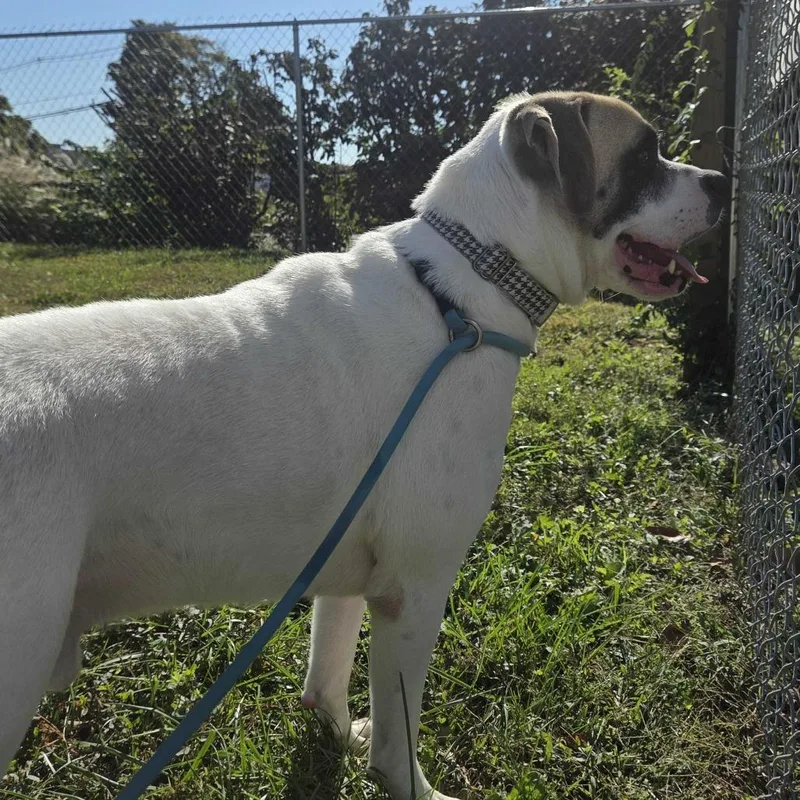
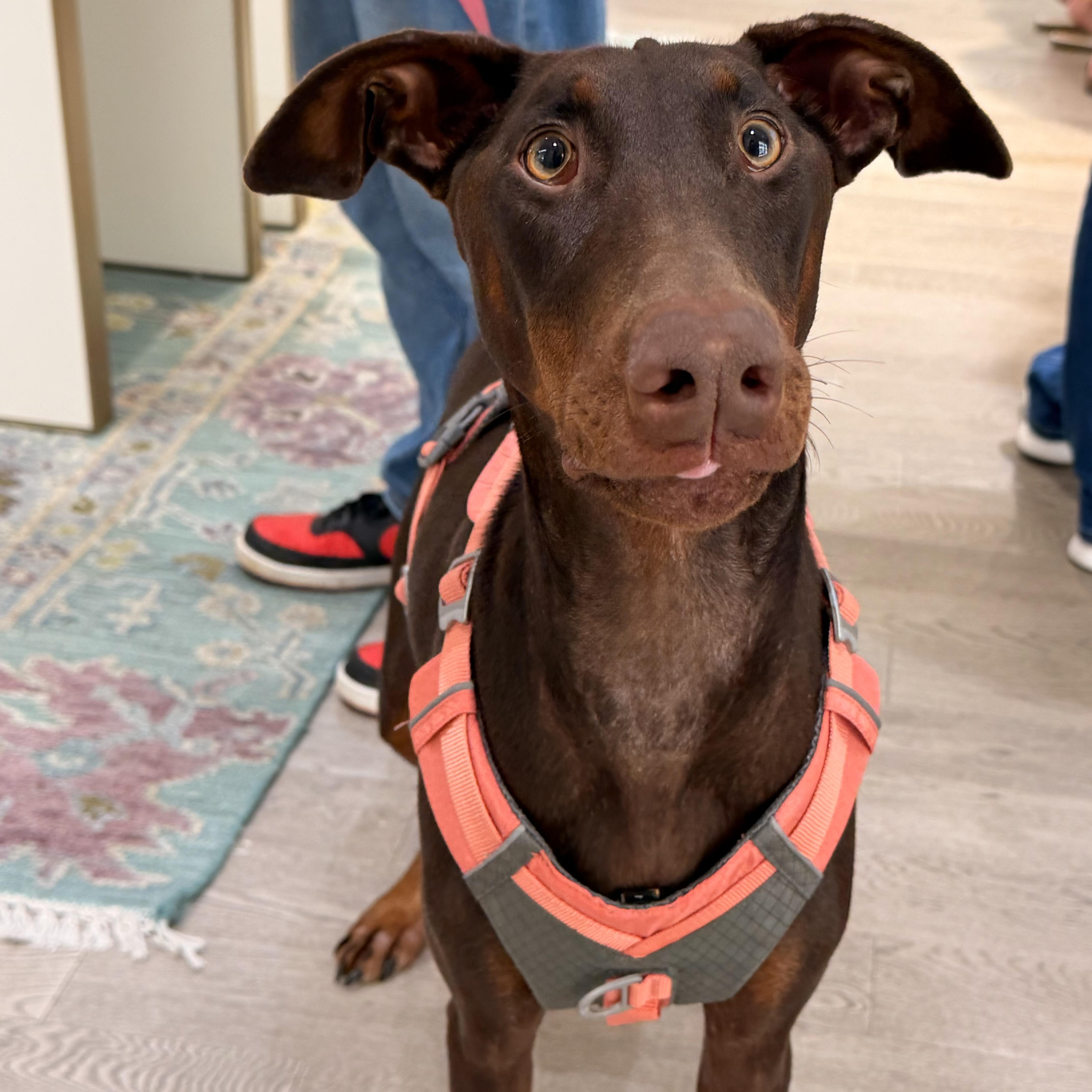
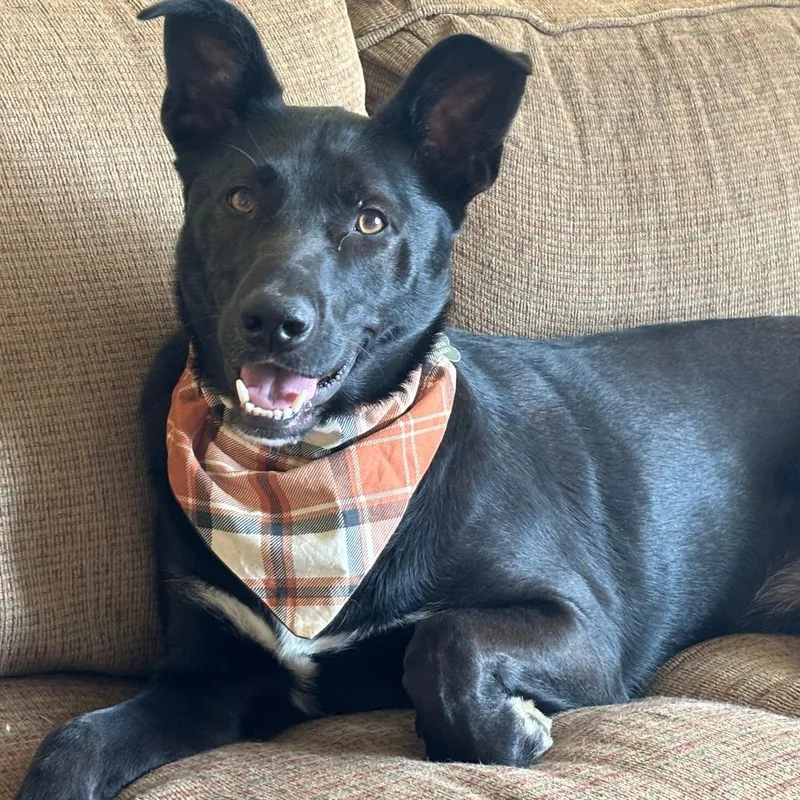
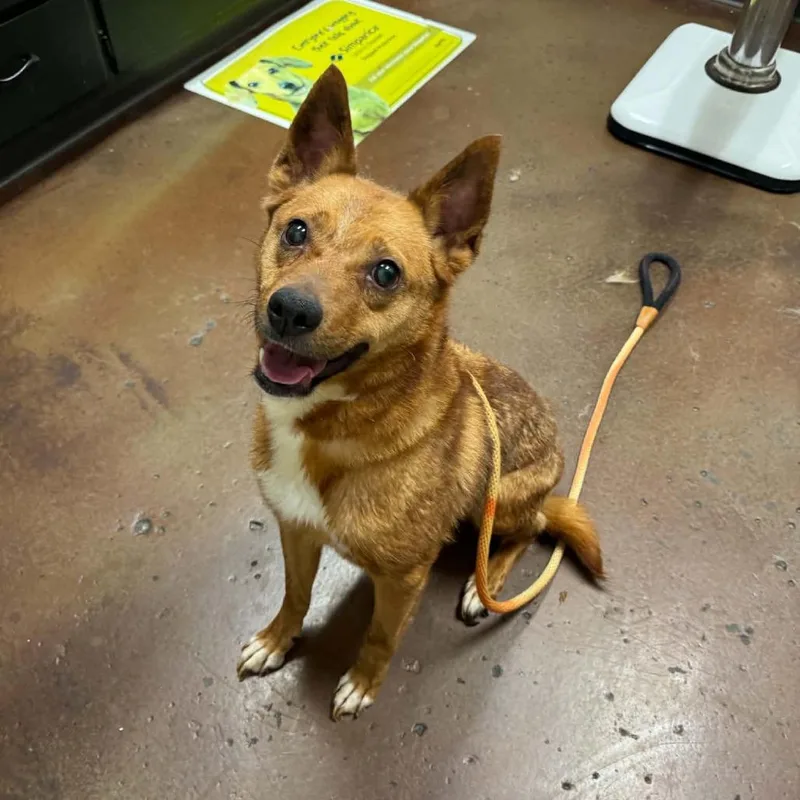
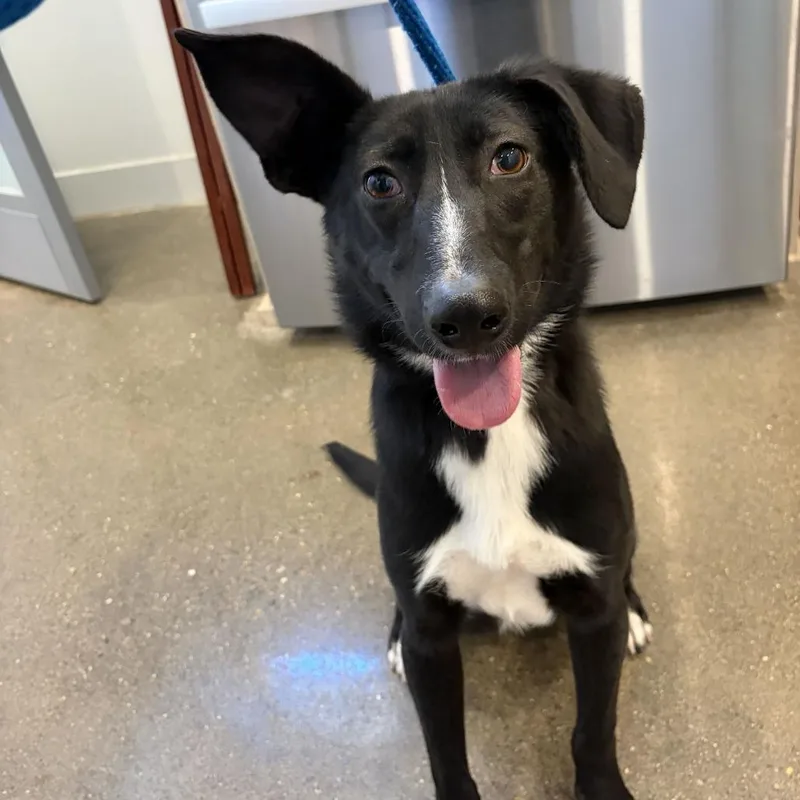
Great Pyrenees dog

Great Pyrenees Dogs for Adoption in Louisville, KY

Your guide to finding and caring for a Great Pyrenees in Louisville

A Great Pyrenees suits Louisville best in a neighborhood with a fenced yard, like Fern Creek or Okolona. Pyrs patrol at night and bark at whatever they notice, so a quiet lot with some room works better than a tight block of shotgun houses in Germantown. Daily leashed walks fit the breed, and the wooded hill of Iroquois Park makes a good change of pace. Humid July afternoons are the hard part for that thick white coat.

2298 Great Pyrenees available in Louisville and nationwide

Open your home to a Great Pyrenees

While we don't have enough dogs near Louisville, keep in mind that many rescues may offer transport.

Great Pyrenees Available for Adoption Near Louisville

About the Great Pyrenees breed

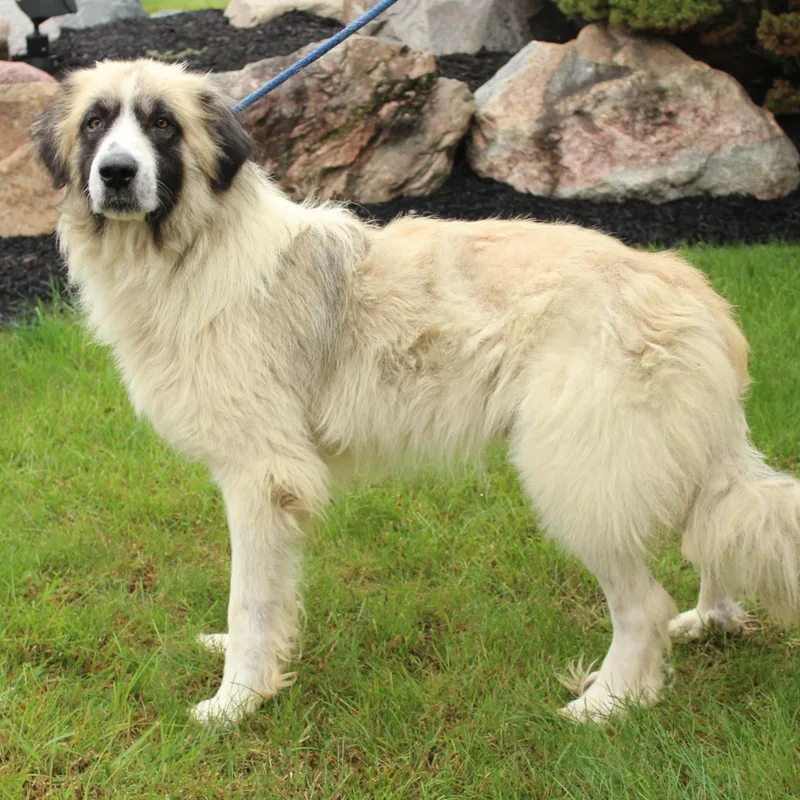
The Great Pyrenees began as a livestock guardian in the mountains between France and Spain, staying with flocks through the night. That history explains the dog you meet today: a giant white dog, usually 85 to 120 pounds, with a double coat, a plumed tail and double dewclaws on each hind leg. Most live 10 to 12 years.

Many Pyrs are gentle and calm at home, yet independent, slow to obey and prone to roaming and nighttime barking. In Louisville, that means planning for secure fencing, a leash anywhere outside the yard and weekly brushing, with far heavier shedding in spring. Dogs vary, and Pyr mixes are common, so expect some differences from the standard description.


Weight
85–120 lbs
Height
25–32 in
Lifespan
10–12 yrs
Temperament
Calm, Protective, Independent
Group
Working
Shedding
High

Owning a Great Pyrenees in Louisville

Having a Great Pyrenees in Louisville

Pyrs are calm but independent guardians, so the main questions in Louisville are fencing, barking, shedding and summer heat. Size and coat matter as much as personality when deciding whether one fits your household and schedule.

Temperament

Pyrs are usually gentle and devoted at home, but wary of strangers and quick to bark at anything unusual after dark. With close neighbors, that nighttime voice matters, since Louisville's nuisance rule covers excessive, continual barking. Early socialization and patient, reward-based training help, though each dog differs.

Exercise Needs

Expect a daily leashed walk or two plus time patrolling a fenced yard. The wooded hill of Iroquois Park and Cherokee Park's 2.4-mile loop suit cool mornings, and Louisville Loop riverfront paths work too, though high water can close them in spring. Skip hard runs, because the coat makes heat tiring.

Health Considerations

Giant breeds like the Pyr can face hip and elbow dysplasia, kneecap problems, bloat and bone cancer. Feed several smaller meals, avoid hard exercise around mealtimes and keep the dog lean. Thick-coated dogs are also at higher risk of heatstroke in Louisville summers. A veterinarian can check joints and screen for the rest.

Living Space

A secure fence is the biggest need, since many Pyrs roam or test barriers. Houses with yards in places like Fern Creek or Okolona fit better than most apartments. Calm adults can manage an apartment with an attentive owner, though size and barking make it harder. Indoors, a Pyr usually rests quietly on cool floors.

What it costs to own a Great Pyrenees in Louisville

ExpenseTypical costPer year
Adoption fee$161, one time$161 in year one
Food$80 to $160 per month$960 to $1,920
Pet insurance$85 to $170 per month$1,020 to $2,040
Routine vet care$250 to $500 per year$250 to $500
Other*$685 to $1,875 per year$685 to $1,875
Estimated yearly total (after year one)$2,915 to $6,335
First-year total (with adoption fee)$3,076 to $6,496

Adoption fee is the fee on Great Pyrenees listings in Louisville on GetBuddy today. Other costs are estimates and vary with size, age and health.

* Flea, tick and heartworm prevention, a dental cleaning allowance, the Louisville dog license, toys and bedding, brushing and baths for heavy seasonal shedding, and joint supplements for a giant breed.

Great Pyrenees dog

Adopt a Great Pyrenees in Louisville.

Now that you know more, let’s find you a new best friend. These rescues and shelters below currently have Great Pyrenees available.

Rescues in Louisville with Great Pyrenees Available

Louisville's county shelter and nonprofit rescues care for many large dogs, and the listings here change often. Here are the rescues & shelters in the Louisville area where you can find Great Pyrenees and other dogs available for adoption.

Frequently Asked Questions

Yes, with care. Louisville sees about 40 days a year at 90°F or higher, and nights stay warm and humid in July and August. A Pyr's thick coat makes heat tiring, so walk early or late, provide shade, water and a cool indoor spot, and never leave the dog in a parked car. Leave the coat unshaved.

Louisville's TARC runs buses only, and service animals are allowed aboard. There are no known TARC rules for pets that aren't service animals, so check its current policy before planning a trip. Even if a pet is allowed, a giant Pyr is hard to manage on a bus, so most owners rely on a car.

Cherokee Park and Iroquois Park offer shaded, wooded walking that suits a Pyr's moderate pace, and Jefferson Memorial Forest allows leashed dogs on its trails. Waterfront Park welcomes leashed dogs, but the Big Four Bridge doesn't. Because many Pyrs roam, stick to a leash except inside a fenced off-leash run.

Yes. No known breed ban or breed-specific rule applies to Great Pyrenees in Louisville. You'll need a Jefferson County license, a rabies vaccination and a registered microchip. A license for a spayed or neutered dog is $10 a year, versus $120 a year for an unaltered one. Dogs must be leashed off your property.

A calm adult Pyr can, but it takes work. The biggest issue is barking, since Louisville's nuisance rule covers excessive, continual barking that seriously annoys neighbors. Plan for several leashed walks, a cool floor to rest on and a ground-floor or elevator building, and confirm any weight or breed limits in your lease before you move.

Only to some outdoor patios. Kentucky allows leashed dogs in open-air dining areas that have a separate entrance, but each restaurant decides whether to welcome them, and dogs can't sit on chairs or tables. Dogs aren't allowed inside restaurants unless they're service animals. A giant Pyr also needs a roomy spot away from foot traffic.

Plan on brushing at least weekly with a pin or slicker brush, and several times a week in spring and fall when the undercoat sheds heavily. Humid summers can mat damp fur, so dry the coat after baths. Skip shaving, which removes the coat's insulation. Grooming costs fall within the Other line in the cost table.

A Great Pyrenees is a giant livestock guardian dog from the Pyrenees mountains between France and Spain, bred to protect sheep from predators. It has a thick, weather-resistant white coat, often with gray, tan or badger markings, and double dewclaws on its hind legs. Many are calm, gentle and devoted to family, yet independent and watchful.

We have 1 rescue with Great Pyrenees available: Animal Care Society Inc. You can see every rescue with Great Pyrenees available in the list above these questions, or scroll to the top to see the Great Pyrenees near Louisville.

Plan on roughly $80 to $160 a month for food, $85 to $170 a month for insurance, $250 to $500 a year for routine vet care and about $685 to $1,875 a year for everything else. Giant-breed appetite, joint care and heavy shedding drive those totals higher than for smaller dogs.