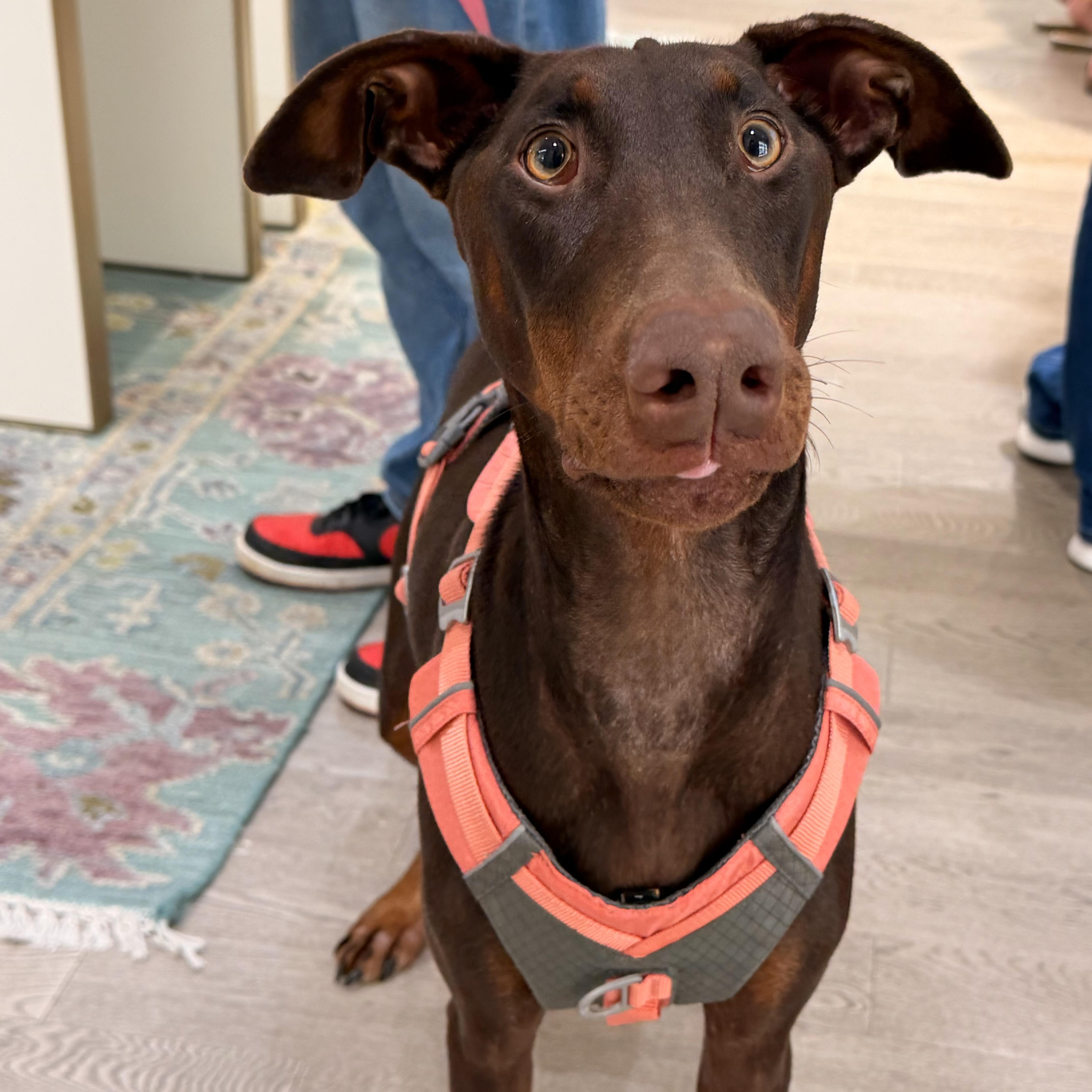
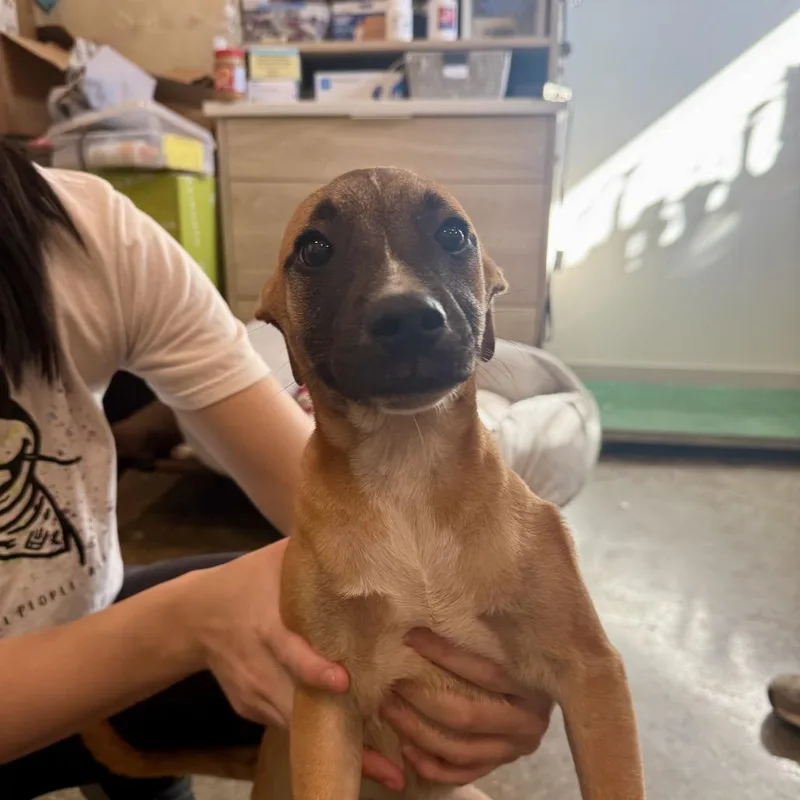
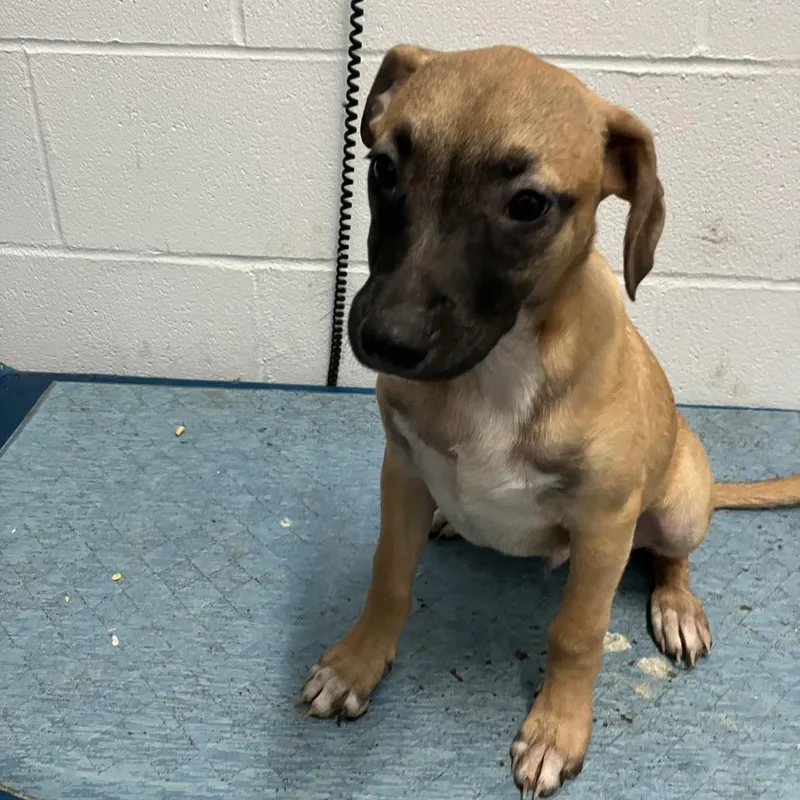
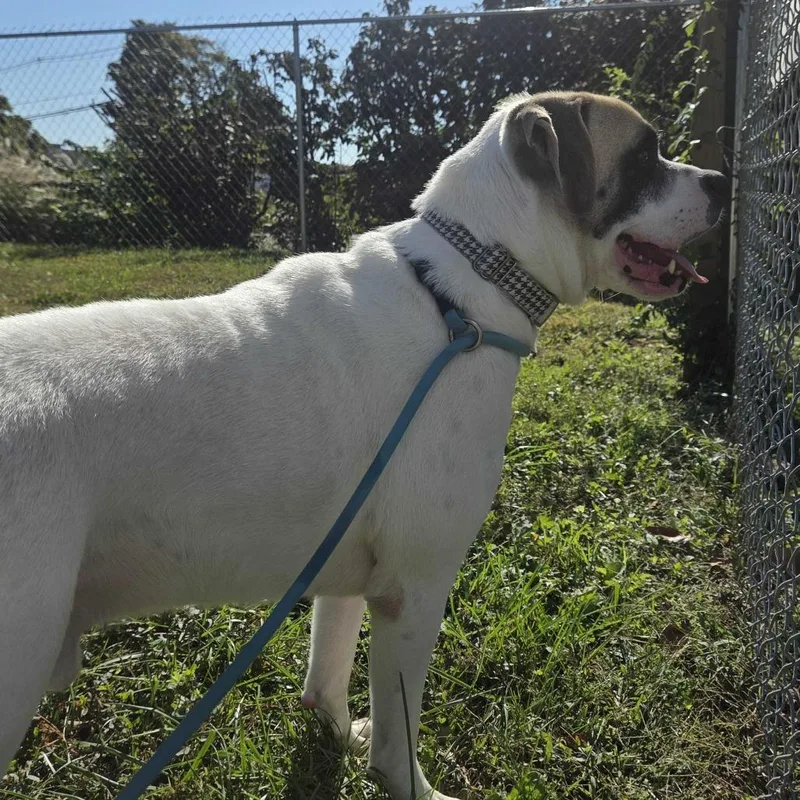
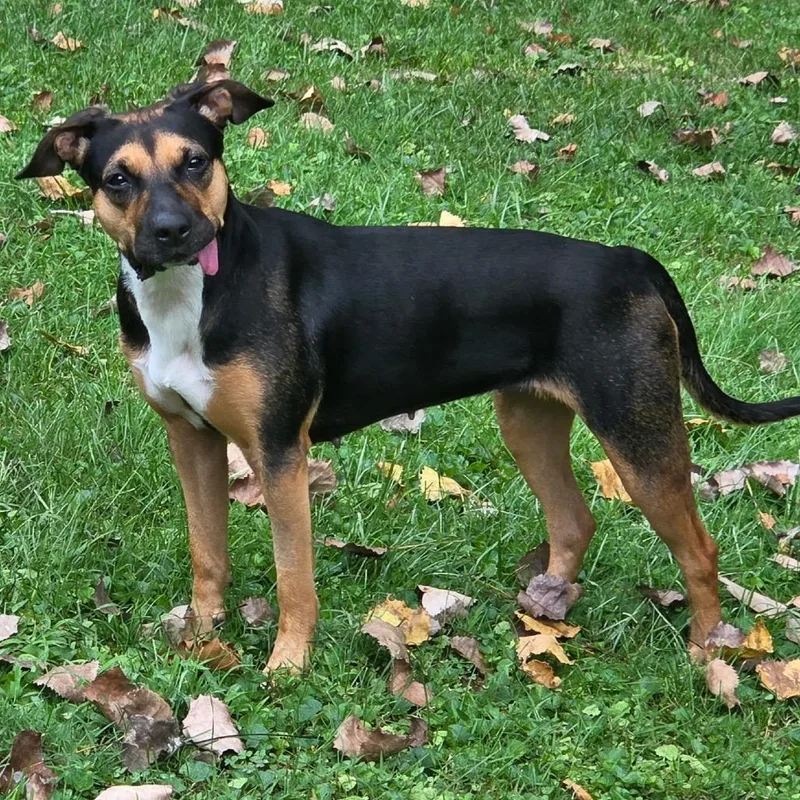
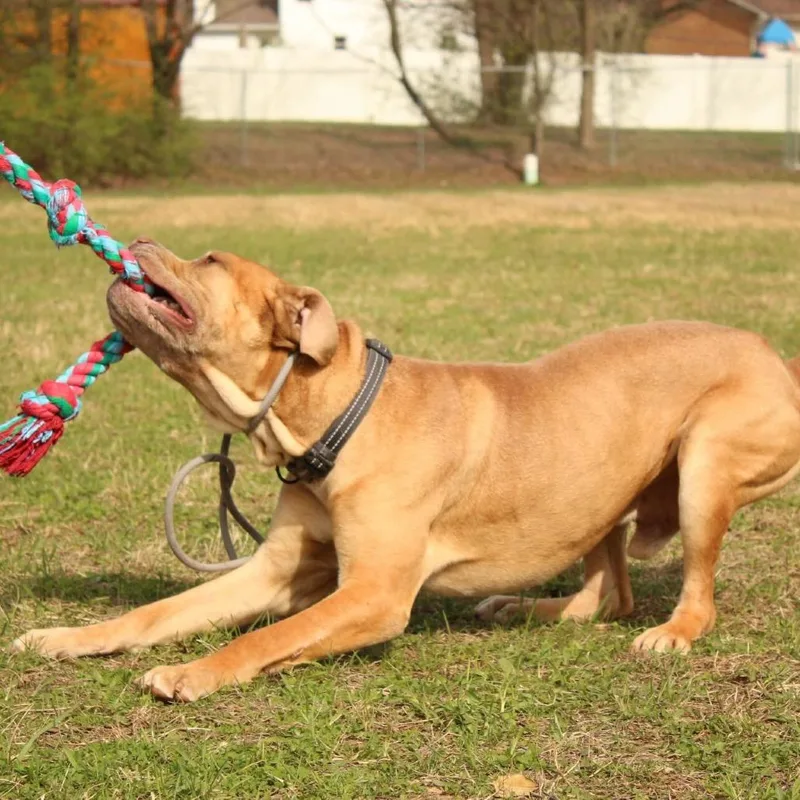
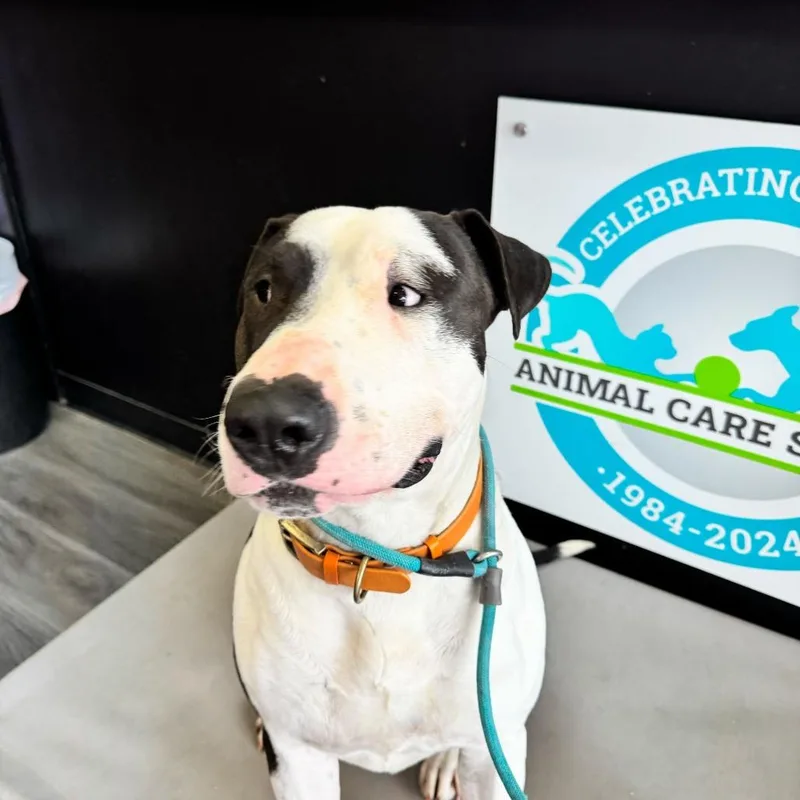
Black Labrador Retriever Dogs for Adoption in Louisville, KY

Your guide to finding and caring for a Black Labrador Retriever in Louisville

A Black Labrador Retriever fits Louisville best when a long walk and some fetch are built into the day. Beechmont's Craftsman-lined streets sit right beside Iroquois Park's wooded hills, which gives a big, energetic Lab room to burn off steam. Black is the breed's classic color, and these dogs tend to be sociable with neighbors and other dogs. Humid July afternoons are harder on that dark coat, so most outings happen early. Expect a dog that wants to be in the middle of everything at home.

3259 Black Labrador Retrievers available in Louisville and nationwide

Find your Black Labrador Retriever

While we don't have enough dogs near Louisville, keep in mind that many rescues may offer transport.

Black Labrador Retrievers Available for Adoption Near Louisville

About the Black Labrador Retriever breed

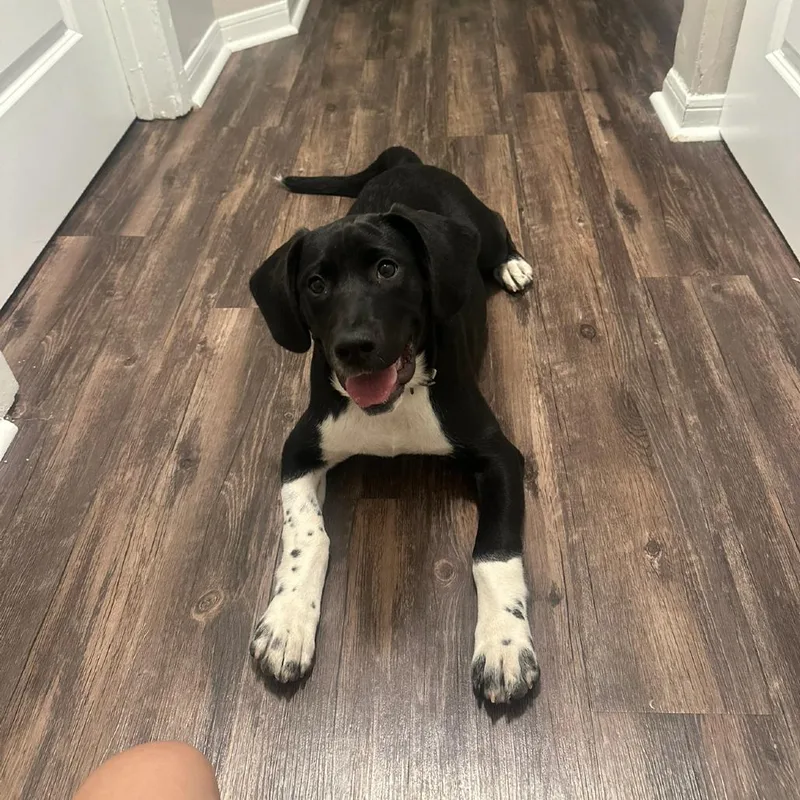
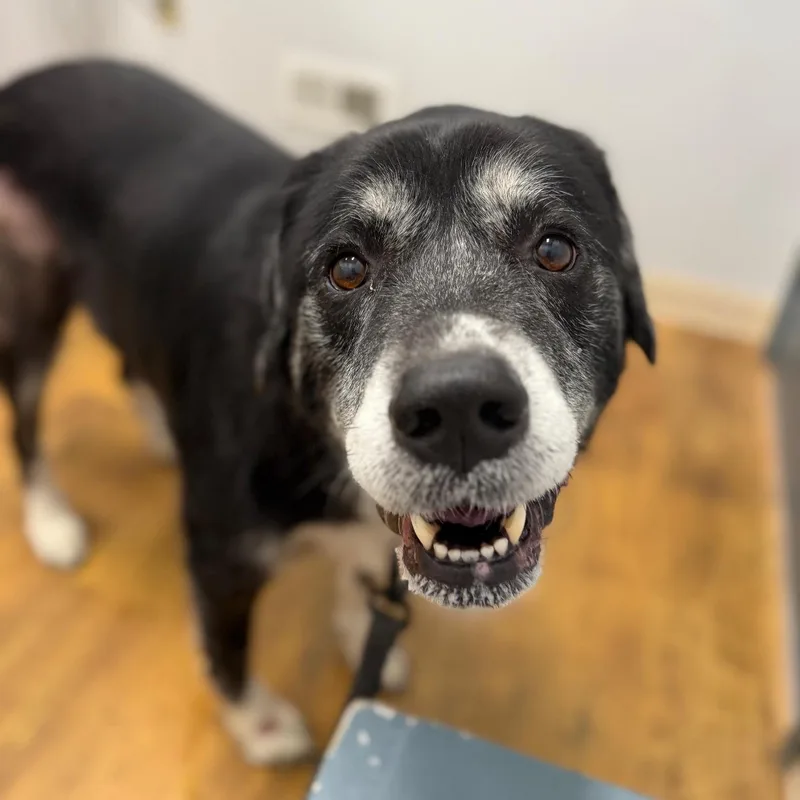
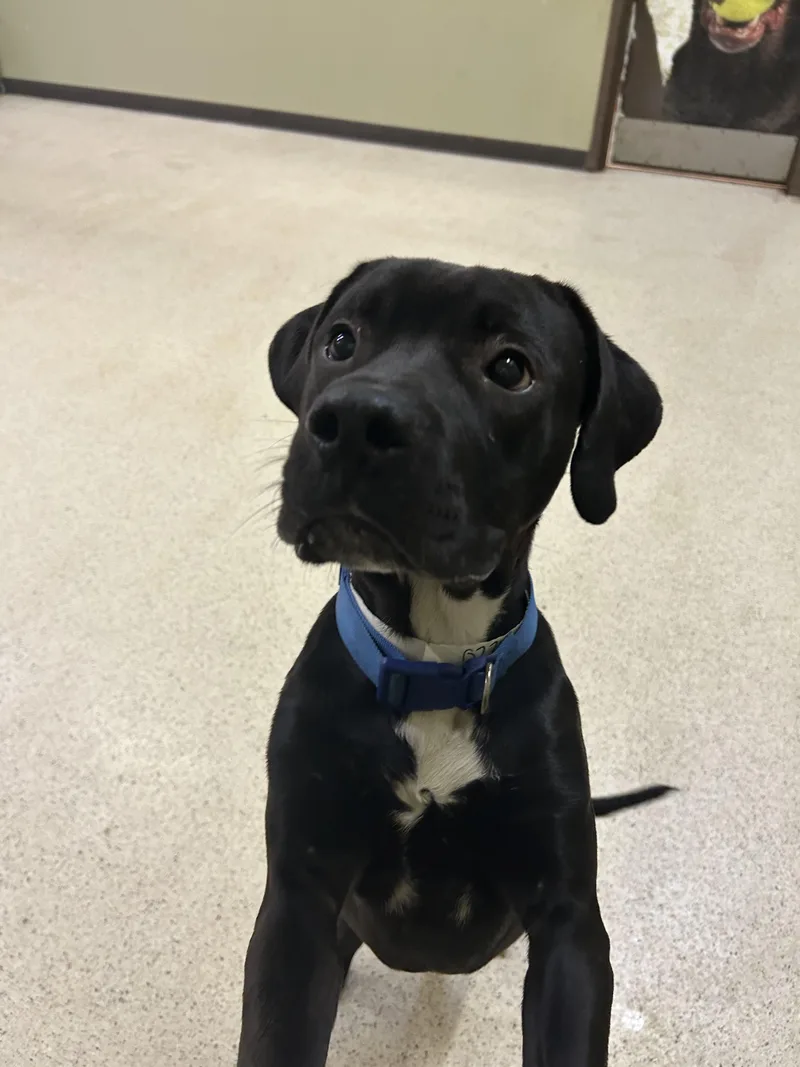
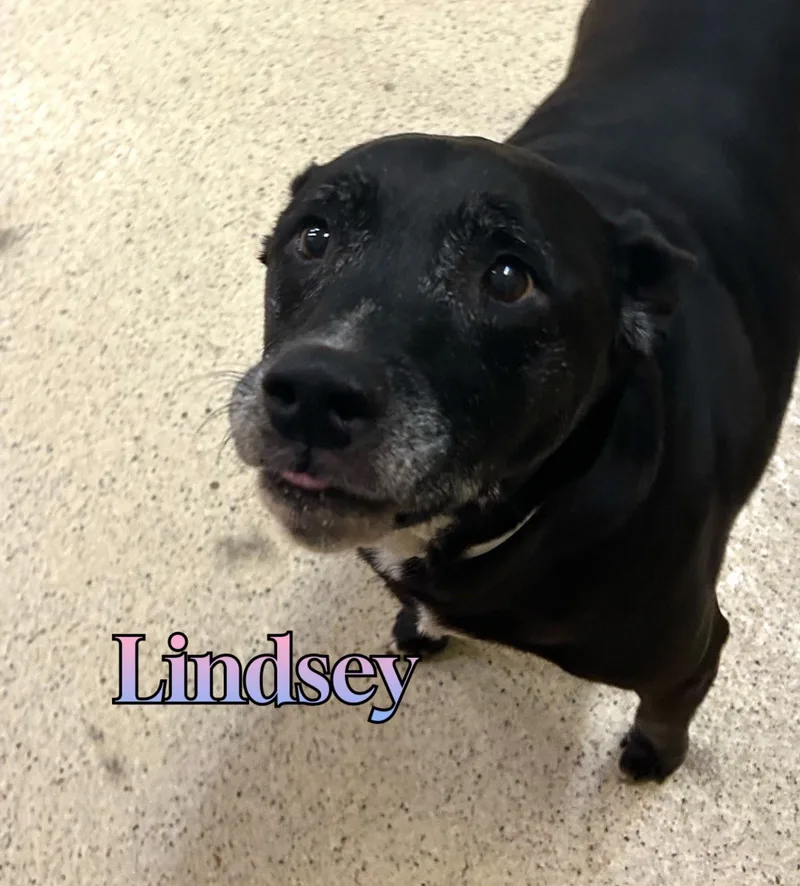
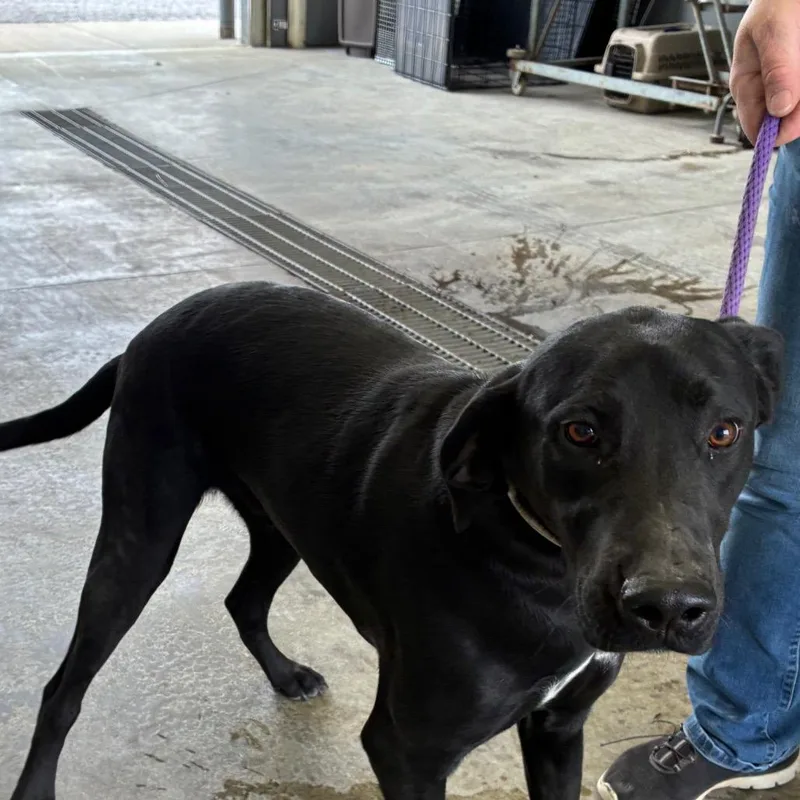
A black Lab is a Labrador Retriever in the breed's original color, not a separate breed. The breed traces to the St. John's water dogs of Newfoundland and was refined in Britain as a gun dog. It still carries a broad head, an otter tail and a dense, water-resistant double coat. Some black Labs have a small white chest spot, and many gray around the muzzle with age.

Color doesn't shape personality, so a black Lab is usually as friendly, food-motivated and eager to please as any other Lab. Dogs from field-oriented backgrounds are often leaner and more driven. In Louisville, plan for daily exercise, measured meals, steady training and plenty of brushing when the coat sheds in spring and fall. Labs mature slowly, so an adolescent can stay bouncy for a couple of years.

Weight
55–80 lbs
Height
21–25 in
Lifespan
10–14 yrs
Temperament
Friendly, Outgoing, Active
Group
Sporting
Shedding
Moderate to High

Owning a Black Labrador Retriever in Louisville

Having a Black Labrador Retriever in Louisville

Energy, appetite and heavy seasonal shedding shape daily life with a black Lab more than coat color does. In Louisville, humid summers and cold winters also affect when and how a Lab gets exercised, so match a dog's age and drive to your routine.

Temperament

Black Labs tend to be outgoing and affectionate, which suits Louisville's busy sidewalks and neighborhood dog runs. Young dogs can be mouthy and boisterous, and their food drive makes reward-based training work well. Dogs vary, and a Lab's past experiences and socialization say more about how it will behave than breed reputation or coat color.

Exercise Needs

Plan on brisk walks, fetch or water play most days once a Lab is grown. Louisville offers enclosed off-leash runs through a membership, including Cochran Hill in Cherokee Park, and leashed trails such as Jefferson Memorial Forest. Short training or scent games add mental work, and seniors still benefit from gentler daily outings.

Health Considerations

Labs can develop hip and elbow dysplasia, cruciate ligament tears, exercise-induced collapse, retinal disease, ear infections and skin allergies. Obesity is common, so measure meals and keep weigh-ins regular. Louisville's humid summers add heat stress to watch for, and a veterinarian can check hips and elbows and set up year-round heartworm, flea and tick prevention.

Living Space

A Lab can live happily in a Louisville rental or a house with a fenced yard, as long as walks and play happen daily. A yard helps but doesn't replace exercise. Expect shed hair, a sweeping tail and a dog that wants to live indoors, with shade and water ready on warm days.

What it costs to own a Black Labrador Retriever in Louisville

ExpenseTypical costPer year
Food$55 to $110 per month$660 to $1,320
Pet insurance$65 to $130 per month$780 to $1,560
Routine vet care$250 to $500 per year$250 to $500
Other*$585 to $1,475 per year$585 to $1,475
Estimated yearly total (after year one)$2,275 to $4,855

Other costs are estimates and vary with size, age and health.

* A Louisville dog license ($10 a year, or $25 for life for a spayed or neutered, microchipped dog), flea, tick and heartworm prevention, a dental cleaning allowance, toys and bedding, and brushing and baths for heavy seasonal shedding.

Adopt a Black Labrador Retriever in Louisville.

Now that you know more, let’s find you a new best friend. These rescues and shelters below currently have Black Labrador Retrievers available.

Rescues in Louisville with Black Labrador Retrievers Available

Louisville's adoptable dogs come through the county shelter on Newburg Road and nonprofit rescues, including the Kentucky Humane Society. Here are the rescues & shelters in the Louisville area where you can find Black Labrador Retrievers and other dogs available for adoption.

Frequently Asked Questions

Yes. Louisville Metro has no known breed ban, and its dangerous-dog rules are based on a dog's behavior, not its breed. Adopters need a county license from four months old, a current rabies vaccine and a microchip. Dogs must be leashed off the owner's property unless they're in an enclosed off-leash area, and owners must pick up waste.

Cherokee Park is a top pick: its Olmsted trails sit beside the Highlands, and the Cochran Hill Dog Run lets a Lab run off leash with a Louisville Dog Run Association membership. Iroquois Park suits hill walks, and Jefferson Memorial Forest allows leashed dogs on its trails. Riverfront trails can close during spring high water.

Yes, with care. Louisville summers are hot and humid, and a black coat soaks up sun. Walk at dawn or after dark, carry water and skip midday pavement. Heavy panting, drooling or stumbling means heatstroke may be starting, so cool the dog and get to a veterinarian immediately. Overweight Labs are at higher risk.

Yes, if the building allows large dogs and the Lab gets real daily exercise. Barking matters with shared walls: Metro code treats habitual, excessive barking that seriously annoys neighbors as a nuisance. A tired Lab is usually a calmer one, so plan walks, fetch and chew toys, plus a crate or gated area for time alone.

Brush a black Lab a couple of times a week, and daily during the heavy sheds in spring and fall. Louisville's humid, warm summers keep some hair coming off year-round, so a de-shedding tool, occasional baths and regular ear checks help. Most owners handle this at home, and brushing supplies and baths fit within the Other costs listed on this page.

Only to some patios. Kentucky's food code lets restaurants allow leashed dogs on open-air patios that aren't fully enclosed and have a separate entrance, and dogs can't sit on chairs or tables. Each restaurant decides, and dogs other than service animals aren't allowed indoors. A Lab that settles calmly under the table will make patio visits easier.

Service animals are allowed on TARC buses, and Louisville has no subway or rail. For a pet Lab, check TARC's current rules before planning a ride. A dog of 55 to 80 pounds is also a lot to manage on a crowded bus, so driving or walking to parks is usually simpler.

A Labrador Retriever is a large sporting dog developed to retrieve game for hunters, especially from water. Labs have a short, dense double coat, a thick otter tail and a broad head, and they come in black, yellow and chocolate. Many are friendly, food-motivated and eager to work, which makes them common family, guide and service dogs.

We have 1 rescue with Black Labrador Retrievers available: Animal Care Society Inc. You can see every rescue with Black Labrador Retrievers available in the list above these questions, or scroll to the top to see the Black Labrador Retrievers near Louisville.

Most black Labs cost roughly $2,300 to $4,900 a year in Louisville, covering food at $55 to $110 a month, insurance at $65 to $130 a month, routine vet care of $250 to $500 a year, and other costs of $585 to $1,475. Food and insurance vary most, and emergencies or illness are extra.